Stay Compliant: Your Energy Metering Compliance Checklist Template
Published: 12/05/2025 Updated: 07/02/2026
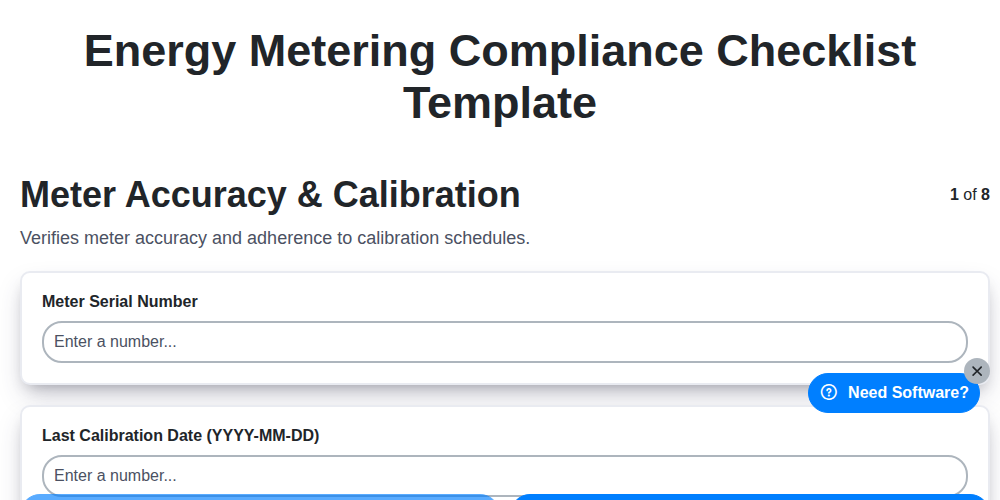
Table of Contents
- Introduction: Why Energy Metering Compliance Matters
- 1. Meter Accuracy & Calibration: Ensuring Reliable Readings
- 2. Meter Installation & Connection: Setting the Foundation for Accuracy
- 3. Data Recording & Transmission: Capturing and Delivering Meter Data
- 4. Tamper Detection & Security: Protecting Against Unauthorized Access
- 5. Regulatory Compliance: Navigating the Legal Landscape
- 6. Documentation & Record Keeping: Building a Traceable Audit Trail
- 7. Meter Testing and Validation: Verifying Performance
- 8. Communication Infrastructure: Maintaining Data Flow
- 9. Personnel Training & Competency
- 10. Cybersecurity for Metering Systems
- 11. Physical Security of Metering Equipment
- 12. Periodic Review and Updates
- Conclusion: Staying Ahead of Compliance
- Resources & Links
TLDR: Worried about energy metering compliance? This checklist template is your shortcut! It covers everything from meter accuracy to data transmission and regulatory rules, ensuring you're meeting standards, avoiding penalties, and keeping accurate records. Download it, customize it, and breathe easy knowing you're covered!
Introduction: Why Energy Metering Compliance Matters
Accurate and compliant energy metering isn't just about settling bills; it's the bedrock of efficient resource management, operational transparency, and regulatory adherence. For businesses, municipalities, and even homeowners, a robust energy metering system provides invaluable data for identifying areas of waste, optimizing energy consumption, and ultimately, reducing costs. Non-compliance, on the other hand, can lead to significant financial penalties, inaccurate billing disputes, reputational damage, and even legal repercussions. This checklist is designed to guide you through the critical aspects of energy metering compliance, ensuring your system is functioning correctly, securely, and in alignment with all relevant regulations. Ignoring these checks can have serious consequences - proactively addressing them demonstrates a commitment to sustainability, responsible resource utilization, and financial stability.
1. Meter Accuracy & Calibration: Ensuring Reliable Readings
Maintaining accurate meter readings is foundational to any energy metering system. This section focuses on ensuring your meters are consistently providing reliable data. Regularly scheduled accuracy verification is crucial; this typically involves comparing meter readings against known standards or benchmark tests. The frequency of calibration should be determined based on manufacturer recommendations, industry best practices, and the criticality of the metering application.
Beyond the calibration schedule, consider these key points:
- Calibration Standards: Use traceable calibration standards to ensure the accuracy of your measurements. Document the standards used and their traceability.
- Calibration Certificates: Obtain and meticulously maintain calibration certificates from accredited laboratories. These certificates should detail the date, results, and any adjustments made.
- Meter Age & Usage: Meters degrade over time and with use. Factor in meter age and operating hours when determining calibration intervals. Older meters may require more frequent checks.
- Environmental Conditions: Extreme temperatures, humidity, or vibration can affect meter accuracy. Document and account for these environmental factors in your calibration procedures.
- Post-Calibration Verification: After calibration, perform a brief verification to ensure the meter is operating within acceptable tolerances.
2. Meter Installation & Connection: Setting the Foundation for Accuracy
A properly installed and connected energy meter is absolutely crucial for obtaining reliable data. Even the most advanced meter technology is useless if the installation is flawed. This section outlines the key considerations for ensuring a solid foundation for accurate energy metering.
Physical Installation:
- Secure Mounting: The meter must be securely mounted to prevent movement or vibration which can affect readings. Follow manufacturer's specifications for mounting hardware and methods.
- Environmental Protection: Ensure the meter enclosure is appropriately rated for the environment (temperature, humidity, dust, etc.). Consider weatherproofing and ventilation.
- Clearance & Accessibility: Allow adequate clearance around the meter for easy access for maintenance, inspections, and potential replacements.
Wiring and Connection:
- Correct Wiring Configuration: Adhere strictly to the wiring diagrams provided by the meter manufacturer. Incorrect wiring can lead to inaccurate readings and potential damage to the meter or connected equipment. Double-check all connections.
- Proper Current Transformer (CT) Connections (if applicable): If using CTs, ensure they are correctly sized and wired. Polarity is critical - reversed polarity will result in negative readings.
- Voltage Connections: Verify correct voltage connections and ensure they are appropriately rated for the voltage being measured.
- Grounding: Implement proper grounding procedures as specified in the meter's documentation and relevant electrical codes.
- Torque Specifications: Follow manufacturer's torque specifications when tightening connections to prevent damage and ensure secure connections.
Verification Post-Installation:
- Visual Inspection: After installation, conduct a thorough visual inspection to verify proper wiring, secure mounting, and absence of any physical damage.
- No-Load Test: Perform a no-load test to confirm the meter operates correctly without any load connected.
- Load Testing (Initial): After installation, apply a known load to the meter and verify the readings are within acceptable tolerances. This can be a simpler test initially, followed by more comprehensive load testing as part of the Meter Testing and Validation section.
3. Data Recording & Transmission: Capturing and Delivering Meter Data
Effective data recording and transmission are the arteries of any successful energy metering system. Without a robust and reliable process for capturing and delivering meter readings, the entire system becomes significantly less valuable. This section outlines key considerations for ensuring accurate and timely data flow.
Data Recording Processes: Begin by defining a clear procedure for recording meter readings. This includes specifying the method (manual, automated), frequency, and responsible personnel (if applicable). Automated systems using advanced metering infrastructure (AMI) greatly reduce the potential for human error, but even with AMI, periodic checks and validation are crucial. Consider the resolution and accuracy of the data being recorded - aligning this with the intended application (billing, energy management, etc.) is vital.
Transmission Methodologies: Explore various transmission options. Common approaches include:
- Manual Reading: While declining in prevalence, this remains a necessity in some situations.
- Wired Communication (e.g., RS-232, Modbus): Reliable for shorter distances but requires physical connections.
- Wireless Communication (e.g., Zigbee, LoRaWAN, Cellular): Offers flexibility and wider coverage areas, ideal for remote locations.
- AMI (Advanced Metering Infrastructure): Integrated systems enabling two-way communication, remote control, and advanced analytics.
Data Security & Integrity: Implement robust security protocols throughout the transmission process. Encryption, authentication, and access control are essential to protect against unauthorized access and data manipulation. Data integrity checks, such as checksums, should be used to verify data accuracy during transmission.
Network Infrastructure Considerations: Ensure the communication infrastructure supporting data transmission is reliable and scalable. Factors like bandwidth, latency, and network coverage are crucial for maintaining consistent data flow. Redundancy in critical network components can minimize downtime.
Real-time vs. Batch Transmission: Decide whether real-time data transmission is required or if batch processing is sufficient. Real-time data enables immediate insights and control, while batch processing can be more cost-effective for applications where immediate data is not essential.
4. Tamper Detection & Security: Protecting Against Unauthorized Access
Energy theft and meter tampering represent a significant and growing threat, impacting utility companies and driving up costs for legitimate consumers. Robust tamper detection and security measures are therefore critical components of any comprehensive energy metering compliance program.
This section focuses on identifying and mitigating risks associated with unauthorized access and manipulation of energy meters. Key considerations include:
- Physical Security: This covers securing meter enclosures from physical intrusion. This may involve tamper-evident seals, robust enclosures, and strategic placement to deter access. Regularly inspect seals and enclosures for signs of compromise.
- Electrical Tamper Detection: Implementing sensors and monitoring systems to detect common tampering techniques like bypassing the meter, short-circuiting connections, or manipulating meter registers. Consider solutions that trigger alerts upon detection.
- Communication Security: Protecting meter communication channels (cellular, radio, wired) from unauthorized access and data modification. Encryption and authentication protocols are essential.
- Software & Firmware Security: Regularly update meter firmware and software to patch vulnerabilities and address potential security exploits.
- Access Control: Strict control over who has access to meters, maintenance personnel, and meter data. Implement robust authentication and authorization procedures.
- Periodic Audits: Conduct regular audits of meter security measures, including physical inspections, data integrity checks, and access control reviews.
5. Regulatory Compliance: Navigating the Legal Landscape
Energy metering isn't just about accurate readings; it's heavily regulated. Failing to comply with local, state, and federal regulations can result in significant penalties, legal action, and reputational damage. This section of your checklist must address these critical requirements.
Key Considerations:
- Local Utility Regulations: Each utility often has its own specific rules and standards for meter installations, data reporting, and communication protocols. Research and document these requirements thoroughly.
- State Energy Codes: Many states have adopted energy efficiency codes that impact metering requirements, particularly in commercial buildings.
- Federal Mandates: Be aware of relevant federal regulations, such as those related to data privacy and security (e.g., GDPR if applicable).
- Industry Standards: While not legally binding, adhering to industry standards (like those from ANSI, IEC, or IEEE) demonstrates a commitment to best practices and can be valuable in audits.
- Auditing and Reporting: Understand your reporting obligations to regulatory bodies and prepare for periodic audits. The checklist should include procedures to ensure accurate and readily available data for these assessments.
- Changes in Legislation: Regulations evolve. Implement a process for staying informed of updates and amendments to ensure ongoing compliance. Subscribe to industry newsletters and engage with regulatory bodies to maintain awareness.
Documentation: Document all regulatory requirements applicable to your metering system and demonstrate how your processes adhere to them.
6. Documentation & Record Keeping: Building a Traceable Audit Trail
Robust documentation and meticulous record-keeping are the bedrock of any successful energy metering compliance program. It's not enough to do things right; you need demonstrable proof that you're doing them right. This section focuses on building a comprehensive and traceable audit trail, demonstrating your due diligence to regulators and internal stakeholders alike.
What Needs to be Documented?
The scope of documentation should be extensive and encompass every stage of the metering lifecycle. Key areas include:
- Initial Meter Specifications & Selection: Record the rationale behind the chosen meter models, including performance specifications, accuracy classes, and supplier details.
- Installation Records: Detailed records of installation dates, installer qualifications, connection diagrams, and any deviations from approved procedures. Include photos when appropriate.
- Calibration Records: Maintain detailed records of all meter calibration events, including dates, technicians involved, calibration results (before & after), and any adjustments made. Include calibration certificates from accredited labs.
- Testing & Validation Reports: Document all meter testing and validation results, outlining the tests performed, acceptance criteria, and results achieved.
- Data Transmission Logs: Keep records of data transmission logs, including timestamps, transmission status, and error reports.
- Tamper Detection Events: Any instances of suspected or confirmed tampering must be thoroughly documented, including investigation findings and corrective actions taken.
- Regulatory Updates & Training: Document all regulatory changes impacting your metering program and records of employee training on these changes.
- Corrective Actions: Record all corrective actions taken to address non-conformities, including root cause analysis and implementation of preventative measures.
Best Practices for Effective Record Keeping:
- Centralized Storage: Utilize a centralized, secure digital repository for all records, ensuring easy access and preventing loss.
- Version Control: Implement robust version control to track changes and maintain auditability.
- Access Control: Restrict access to records based on role and responsibility.
- Retention Policy: Establish a clear record retention policy aligned with regulatory requirements and business needs.
- Regular Audits: Conduct regular audits of your record-keeping processes to identify gaps and ensure compliance.
Thorough and organized documentation isn't just about ticking boxes; it's about fostering trust and demonstrating a commitment to accuracy and accountability within your energy metering program.
7. Meter Testing and Validation: Verifying Performance
Ensuring accurate energy consumption data relies heavily on regular testing and validation of your energy meters. This isn't just about initial installation; it's a continuous process to account for meter aging, environmental factors, and potential drift over time.
Here's a breakdown of what's involved:
- Periodic Accuracy Checks: Implement a schedule (e.g., annually, bi-annually) for testing meter accuracy against a known standard. This typically involves comparing the meter's readings with those of a calibrated reference meter under controlled conditions.
- Load Testing: Subject meters to various load levels, from minimal to maximum, to evaluate performance across the entire operating range. Identify any deviation from expected readings at different load conditions.
- Functional Testing: Verify that all meter functions are working as intended - including pulse output, tariff registration, and communication capabilities.
- Environmental Stress Testing (for critical applications): Expose meters to extreme temperatures, humidity, and vibration to simulate real-world operating conditions and assess their robustness.
- Record Results & Re-test Frequency: Meticulously document all testing results, including dates, readings, and any identified issues. Adjust your re-test frequency based on findings - more frequent testing may be needed for meters exhibiting drift or operating in harsh environments.
- Calibration Traceability: Ensure any reference standards used for testing are traceable to national or international standards, maintaining credibility and validating test results.
Regular meter testing and validation are a critical investment in data integrity and contribute significantly to the overall accuracy and reliability of your energy metering system.
8. Communication Infrastructure: Maintaining Data Flow
A robust communication infrastructure is the backbone of any successful energy metering system. Without reliable data transmission, your meter readings are useless, and compliance efforts are severely hampered. This section focuses on ensuring your system's communication pathways remain operational and secure.
Key Considerations:
- Network Assessment: Regularly evaluate the performance and stability of your communication network (e.g., cellular, radio frequency, Ethernet, PLC). Identify and address bottlenecks, interference, or areas of signal degradation.
- Device Compatibility: Verify that all meters and communication gateways are compatible with the network infrastructure. Ensure firmware updates are applied promptly to maintain compatibility and address security vulnerabilities.
- Redundancy and Backup: Implement redundant communication paths where feasible. This provides backup in case of primary network failures and minimizes data loss. Consider backup power solutions for critical communication devices.
- Data Encryption & Security: Employ strong encryption protocols to protect data in transit and at rest. Regularly audit your network security to identify and mitigate potential threats.
- Network Monitoring: Implement a network monitoring system that provides real-time visibility into data transmission status, latency, and error rates. Establish alerts for critical events.
- Physical Security: Protect communication equipment from physical tampering or damage. Secure cabinets, access controls, and environmental monitoring are crucial.
- Regular Testing: Conduct periodic tests of the entire communication pathway, from meter to data aggregation point, to verify data integrity and identify potential issues.
Maintaining a healthy communication infrastructure requires ongoing attention and preventative measures. Neglecting this crucial element can lead to data loss, compliance violations, and ultimately, financial penalties.
9. Personnel Training & Competency
A robust energy metering system is only as good as the people managing and maintaining it. Personnel training and competency are crucial for ensuring accurate data, adherence to compliance requirements, and prompt issue resolution. This goes beyond simply installing meters; it encompasses ongoing training and assessment.
Key areas of focus for personnel training should include:
- Meter Technology: Understanding the principles of operation, different meter types (e.g., electronic, mechanical), and their specific functionalities.
- Installation & Connection Best Practices: Proper techniques to avoid errors that can impact accuracy and longevity.
- Data Interpretation & Analysis: Ability to recognize anomalies, identify trends, and troubleshoot issues based on meter data.
- Compliance Regulations: Comprehensive understanding of relevant industry standards and legal requirements.
- Security Protocols: Training on tamper detection, response procedures, and data security best practices.
- Maintenance Procedures: Regular maintenance schedules, troubleshooting common problems, and safe handling of equipment.
Beyond initial training, consider:
- Regular Refresher Courses: To keep skills current with evolving technologies and regulations.
- Competency Assessments: To verify understanding and proficiency in critical tasks.
- Specialized Training: For specific meter types or complex installations.
- Documentation of Training Records: To demonstrate compliance and track individual skill levels.
Investing in a well-trained and competent team is an investment in the accuracy, reliability, and long-term success of your energy metering program.
10. Cybersecurity for Metering Systems
Energy metering systems are increasingly connected, making them attractive targets for cyberattacks. Protecting these systems isn't just about preventing data breaches; it's about maintaining grid stability and ensuring accurate billing. Here's a breakdown of essential cybersecurity considerations:
- Network Segmentation: Isolate metering networks from public networks and internal business systems. This limits the potential impact of a breach.
- Strong Authentication & Access Control: Implement multi-factor authentication (MFA) for all system access. Employ role-based access control to restrict permissions based on job function.
- Regular Vulnerability Scanning & Patch Management: Schedule and perform regular vulnerability scans to identify and remediate security weaknesses. Keep all software and firmware up-to-date.
- Data Encryption: Encrypt data both in transit (during transmission) and at rest (stored within the system).
- Intrusion Detection and Prevention: Implement intrusion detection and prevention systems (IDS/IPS) to monitor network traffic for malicious activity.
- Secure Remote Access: If remote access is necessary, ensure it's conducted through secure VPN connections with strict access controls.
- Cybersecurity Awareness Training: Educate personnel about phishing attacks, social engineering, and other cyber threats.
- Incident Response Plan: Develop and regularly test a plan for responding to cybersecurity incidents.
- Endpoint Security: Protect all endpoints (meters, data concentrators, servers) with anti-malware software and firewalls.
- Supply Chain Security: Assess the cybersecurity posture of vendors providing metering equipment and services.
11. Physical Security of Metering Equipment
Metering equipment represents a significant investment, and its physical security is paramount to ensuring accurate data collection and preventing costly disruptions. Tampering, theft, and vandalism can compromise meter readings, impact billing accuracy, and even pose safety hazards.
This section highlights key considerations for safeguarding your metering assets:
- Secure Meter Locations: Choose installation locations that are difficult to access and less vulnerable to tampering. Consider elevated installations, enclosures, and areas with surveillance.
- Robust Enclosures: Utilize weatherproof and tamper-resistant enclosures designed to protect meters from the elements and unauthorized access.
- Perimeter Security: Implement perimeter security measures such as fencing, lighting, and security patrols for larger metering installations.
- Tamper-Evident Seals: Apply tamper-evident seals on meter lids and connections to immediately indicate any unauthorized access. Regularly inspect these seals during meter readings or maintenance.
- Visible Deterrents: Clearly visible signage indicating metering equipment and potential consequences for tampering can serve as a deterrent.
- Regular Inspections: Conduct regular visual inspections of metering equipment, looking for signs of damage, tampering, or unauthorized modifications.
- Integration with Surveillance Systems: Consider integrating meter locations with existing CCTV or other surveillance systems for enhanced monitoring.
- Access Control: Implement access control measures to restrict access to metering equipment to authorized personnel only.
12. Periodic Review and Updates
Energy metering compliance isn't a set it and forget it endeavor. Regulations evolve, technology advances, and your operational needs might change. That's why a periodic review and update of your compliance checklist is absolutely crucial.
We recommend a comprehensive review at least annually, or more frequently if there are significant changes to your operations, the energy landscape, or regulatory requirements. This review should involve key stakeholders including your energy manager, facilities team, IT personnel, and potentially external consultants.
During the review, consider the following:
- Regulatory Updates: Are there any new or amended regulations impacting your metering practices?
- Technology Advancements: Are there new metering technologies or data analytics tools that could improve accuracy or efficiency?
- Operational Changes: Have there been changes to your facilities, equipment, or processes that could affect metering requirements?
- Feedback & Lessons Learned: Gather feedback from those using the checklist and identify any areas where it could be improved or clarified.
- Data Integrity: Re-evaluate data recording and transmission processes to ensure ongoing accuracy and reliability.
Document all updates made to the checklist, including the date, reason for change, and individuals involved. This demonstrates a commitment to ongoing compliance and provides a clear audit trail.
Conclusion: Staying Ahead of Compliance
Maintaining energy metering compliance isn't a one-time task; it's an ongoing process. As regulations evolve and technology advances, your approach must adapt too. Regularly reviewing and updating your checklist - incorporating this template as a solid foundation - will not only minimize risk and potential fines but will also demonstrate a commitment to efficient energy management. Proactive compliance fosters trust with stakeholders, optimizes resource utilization, and ultimately contributes to a more sustainable future. Don't wait for an audit; embrace this checklist as a continuous improvement tool, staying ahead of the curve and ensuring your energy metering system remains reliable, accurate, and fully compliant.
Resources & Links
- American National Standards Institute (ANSI): ANSI develops voluntary consensus standards for a wide range of industries, including energy metering. Their website provides information on relevant standards and conformity assessment.
- Institute of Electrical and Electronics Engineers (IEEE): IEEE develops standards related to electrical equipment and systems, including meter accuracy and communication protocols.
- National Institute of Standards and Technology (NIST): NIST provides measurement science, standards, and technology to advance U.S. innovation and industrial competitiveness. Offers guidance on measurement accuracy and calibration.
- International Organization for Standardization (ISO): ISO develops and publishes international standards. While not solely focused on energy metering, many related standards and frameworks are relevant.
- International Electrotechnical Commission (IEC): IEC is the leading global organization that prepares and publishes international standards for all electrical, electronic and related technologies, including energy metering equipment.
- Energy Standards: A resource providing access to energy-related standards and regulations, including those impacting metering compliance. May require subscription for full access.
- U.S. Department of Energy (DOE) - Office of Energy Efficiency & Renewable Energy: Provides information and resources on energy efficiency, including metering and performance measurement, and links to relevant regulations and programs.
- United States Environmental Protection Agency (EPA): While not directly focused on metering, EPA's resources on energy consumption and efficiency can inform compliance efforts and provide context for metering accuracy.
- NIST Cybersecurity: Provides frameworks and guidelines for cybersecurity, crucial for securing metering systems and data, addressing topics in section 10.
- National Renewable Energy Laboratory (NREL): NREL conducts research and development on renewable energy and energy efficiency. Relevant to understanding energy consumption patterns and optimizing metering systems.
- Energy Innovation: A non-profit organization that supports policies and technologies that accelerate the clean energy transition. May provide insights into emerging compliance requirements.
- Electrite: A source for meter testing and calibration, providing equipment and services to ensure meter accuracy, directly relevant to section 7.
- Florida Solar Energy Center (FSEC): Although focused on Florida, FSEC's reports and resources often cover broader metering and energy monitoring best practices.
- Sandia National Laboratories: Sandia conducts research, including related to advanced metering infrastructure and cybersecurity, contributing to informed compliance strategies.
- Exorise: Specializes in meter data management and cybersecurity for utilities, addressing sections 10 and 11. (Example of vendor offering relevant services)
Frequently Asked Questions
What is energy metering compliance and why is it important?
Energy metering compliance refers to adhering to regulations and standards related to the installation, operation, and accuracy of energy meters. It's crucial for fair billing, accurate energy consumption data, potential cost savings, and avoiding penalties from regulatory bodies. Failure to comply can lead to fines, legal action, and inaccurate energy reporting.
Who needs to comply with energy metering regulations?
Compliance requirements vary by region and industry. Generally, those who purchase or sell energy, own or operate energy-consuming facilities (commercial buildings, industrial plants), and those responsible for managing energy usage are subject to these regulations. Check your local and national guidelines for specifics.
What does the 'Compliance Checklist Template' cover?
The checklist template covers essential aspects of energy metering compliance, including meter accuracy verification, documentation requirements, data management protocols, meter installation standards, and regulatory reporting obligations. It's designed to be adaptable to different types of meters and facilities.
Is this checklist template specific to a particular industry or region?
The template is designed to be broadly applicable, but it's crucial to adapt it to your specific industry and geographical location. The checklist provides a framework; you need to research and incorporate relevant local and sector-specific regulations. We recommend consulting with a compliance expert for tailored advice.
How often should I review and update my energy metering compliance?
Regulations and technology evolve. We recommend reviewing and updating your compliance status at least annually, or more frequently if there are significant changes to your facility, meters, or applicable regulations. Regular audits are also beneficial.
What types of meters does this checklist apply to?
The checklist is adaptable and aims to cover common meter types, including electricity, gas, water, and heat meters. However, some specialized meters might require additional checks not covered in the general template. Read the template notes carefully.
Where can I find information about specific energy metering regulations in my area?
Check with your local utility company, energy regulatory agencies (e.g., state public utility commissions, national energy departments), and industry associations. Online resources and regulatory databases are also valuable.
What happens if I fail to comply with energy metering regulations?
Penalties for non-compliance can include fines, legal action, disputes with energy suppliers, and potentially even the necessity of retrofitting meters. Proactive compliance minimizes these risks.
Can I modify the checklist template to suit my specific needs?
Yes! The template is provided as a starting point. We encourage you to modify it to include checks relevant to your unique facility, meters, and operational procedures. Ensure that any modifications still align with regulatory requirements.
Is the checklist template free to use?
Yes, the checklist template is freely available as part of the article. Please ensure you adhere to any licensing restrictions outlined within the article.
Comments
There are no comments yet. Be the first to add one!
Energy Management Solution Demo
Managing operations, safety, and compliance in the energy sector is critical. ChecklistGuro's Work OS platform streamlines your workflow from exploration and production to distribution and maintenance. Enhance safety, improve efficiency, and ensure regulatory adherence. Discover how ChecklistGuro can transform your energy business!
Related Articles
Hydropower Dam Safety: Your Inspection Checklist Template Guide
Unlock Savings: Your Complete Energy Efficiency Audit Checklist
Your Ultimate Energy Efficiency Audit Checklist Template
Power Through: Your Essential Energy Grid Outage Support Checklist
Oil & Gas Well Safety Inspection Checklist: Ensuring a Secure Operation
HVAC System Maintenance Checklist: Building Climate Control & Energy Savings
Renewable Energy Project Checklist Template
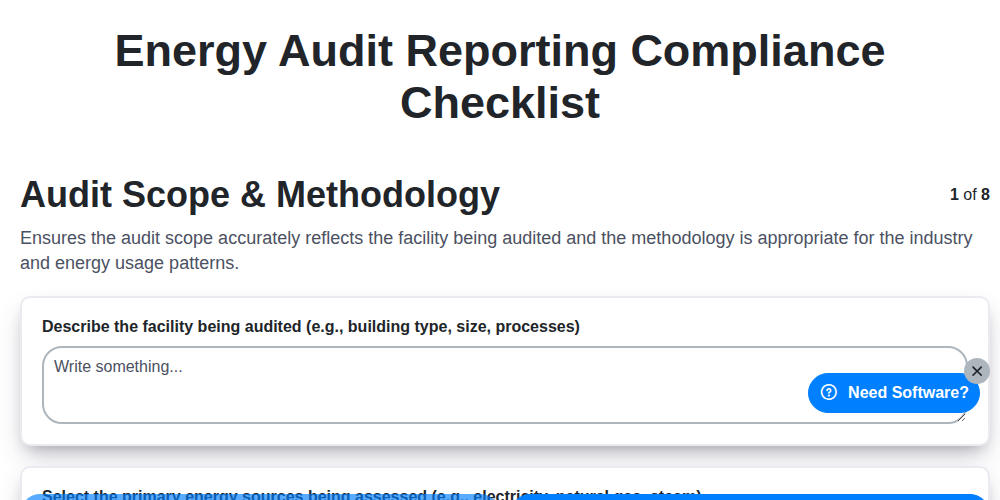
Energy Audit Reporting Compliance: Your Checklist for Success
Need help with
Energy?
Have a question? We're here to help. Please submit your inquiry, and we'll respond promptly.