Navigating Medical Records Management: Your HIPAA & Accuracy Checklist
Published: 11/28/2025 Updated: 07/02/2026
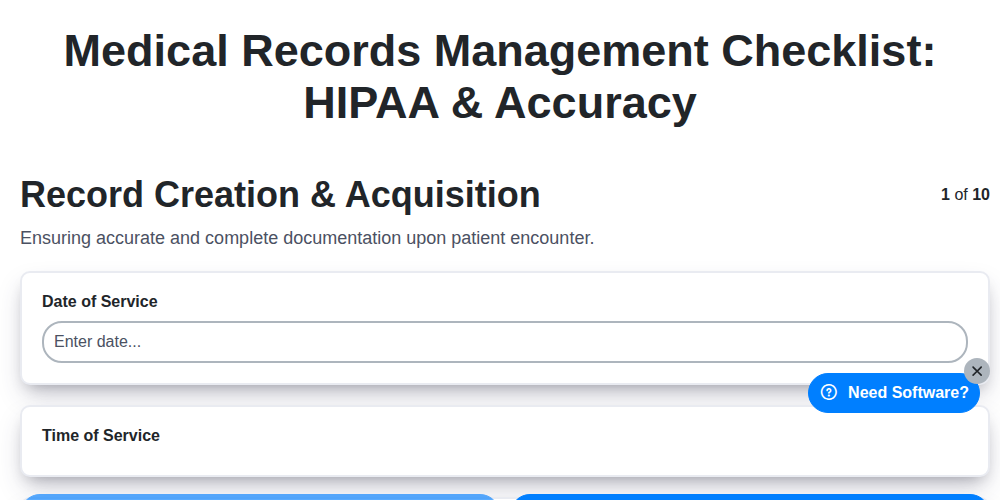
Table of Contents
- Why Medical Records Management Matters: HIPAA & Patient Care
- 1. Record Creation & Acquisition: Establishing a Solid Foundation
- 2. Patient Identification & Demographics: Ensuring Accuracy & Linking Records
- 3. HIPAA Compliance: Access Controls & Data Privacy
- 4. Documentation Completeness & Accuracy: The Cornerstones of Quality Care
- 5. Record Storage & Security: Protecting Sensitive Information
- 6. Retention, Disposal & Release: Managing the Lifecycle of Records
- 7. Ongoing Vigilance: Auditing, Training & Disaster Preparedness
- Resources & Links
TLDR: Juggling medical records? This checklist ensures HIPAA compliance and accuracy! It covers everything from creation to disposal, patient ID, security, training, and disaster recovery - a one-stop guide to streamline your processes, minimize risk, and keep patient data safe and sound.
Why Medical Records Management Matters: HIPAA & Patient Care
Effective medical records management isn't just about ticking boxes; it's foundational to providing quality patient care and upholding legal and ethical obligations. Imagine a scenario where a crucial allergy is missing from a patient's chart, leading to an adverse reaction. Or picture a delay in diagnosis because test results couldn't be located quickly. These are real risks associated with poor records management.
Beyond patient safety, stringent medical records management is vital for HIPAA compliance. Violations can lead to hefty fines and reputational damage. Proper documentation, secure storage, and controlled access are all crucial aspects of protecting patient privacy and adhering to federal regulations.
Furthermore, accurate and well-organized medical records streamline workflows, improve communication between healthcare providers, and support accurate billing and coding practices. They're a vital tool for informed decision-making, contributing to better patient outcomes and a more efficient healthcare system overall. Ultimately, responsible medical records management demonstrates a commitment to patient well-being and professional integrity.
1. Record Creation & Acquisition: Establishing a Solid Foundation
The foundation of any robust medical records management system begins with how records are initially created and acquired. Consistency and adherence to established protocols here are paramount. This isn't just about capturing data; it's about building a legally defensible and reliable record.
Key Considerations:
- Standardized Forms: Implement standardized intake forms for all patient encounters. This ensures consistent data collection and reduces the risk of missing crucial information. Regularly review and update these forms to reflect changes in regulations or clinical practice.
- Electronic Health Record (EHR) Integration: If utilizing an EHR, ensure all data entry points are integrated and controlled. Limit user access to create records based on their roles and responsibilities.
- Scanning and Imaging Procedures: For paper records being scanned, establish clear guidelines for image quality, resolution, and naming conventions. Ensure proper indexing and OCR (Optical Character Recognition) is utilized where appropriate.
- Third-Party Sources: If acquiring records from external sources (labs, referring physicians, etc.), have agreements in place outlining data format, security protocols, and verification processes.
- Record Numbering: Implement a unique and persistent record numbering system that avoids duplication and allows for easy retrieval.
- Initial Record Review: Designate personnel to review newly created records for completeness and accuracy before they are officially added to the patient's file. This catches errors early and prevents them from becoming embedded in the record.
2. Patient Identification & Demographics: Ensuring Accuracy & Linking Records
Accurate patient identification and demographics are the bedrock of reliable medical records management. A single typo - a transposed number in a date of birth, a misspelling of a last name - can lead to catastrophic consequences, from incorrect medications being administered to compromised patient privacy. This section focuses on the critical steps to guarantee this foundational aspect is handled correctly.
Key Steps & Best Practices:
- Standardized Data Entry: Implement standardized data entry forms (both paper and electronic) with mandatory fields to minimize errors. Pre-populated fields, dropdown menus, and validation rules can significantly reduce manual input mistakes.
- Two-Factor Verification: Where possible, utilize two-factor verification for patient identification. This can involve confirming information through multiple sources, like asking patients to verbally confirm their DOB, address, and other key details.
- Unique Identifiers: Utilize unique patient identifiers (like Medical Record Numbers - MRNs) consistently across all systems and departments. This reduces the risk of duplicate records.
- Regular Updates: Patient demographics change. Implement a process for regular updates to address changes in address, insurance information, name changes (due to marriage or other legal reasons), and preferred contact methods.
- Address Discrepancies: Establish a clear procedure for addressing discrepancies identified during patient registration or updates. Investigate and resolve inconsistencies promptly.
- Linkage Consistency: When linking records (e.g., linking lab results to the main patient record), ensure the same identifiers are used consistently to maintain a complete and accurate picture of the patient's health history.
- Data Quality Checks: Implement automated data quality checks within your EHR or record management system to flag potential errors proactively.
Failing to prioritize accurate patient identification not only risks patient safety but also increases the likelihood of HIPAA violations and legal repercussions.
3. HIPAA Compliance: Access Controls & Data Privacy
HIPAA mandates stringent controls over who can access protected health information (PHI). Simply having a password isn't enough; a robust access control system is vital. Here's what you need to cover:
- Role-Based Access: Implement access based on job responsibilities. Nurses need different access than billing clerks. Regularly review and update these roles.
- Unique User IDs: Each employee must have a unique username and password. No shared accounts!
- Strong Passwords & Regular Changes: Enforce complex passwords (length, character types) and require frequent changes (every 90 days is a common recommendation).
- Multi-Factor Authentication (MFA): Strongly consider implementing MFA for an added layer of security. This often involves something you know (password) plus something you have (code sent to a device).
- Automatic Log-off: Configure systems to automatically log users off after a period of inactivity.
- Data Encryption: Encrypt PHI both at rest (stored on servers and devices) and in transit (when being transmitted).
- Physical Access Controls: Limit physical access to areas where medical records are stored, both electronically and in paper form.
- Data Privacy Policies: Clearly defined and communicated privacy policies outlining patient rights and how their information is used and protected.
- Regular Access Reviews: Periodically review user access rights to ensure they remain appropriate for their current roles. Terminated employees' access must be immediately revoked.
4. Documentation Completeness & Accuracy: The Cornerstones of Quality Care
Accurate and complete documentation isn't just about ticking boxes; it's the bedrock of safe, effective patient care and robust legal defense. Incomplete or inaccurate records can lead to misdiagnosis, medication errors, and compromised patient safety. Beyond that, they open your organization up to significant HIPAA violations and potential legal repercussions.
Here's what you need to ensure documentation excellence:
- Standardized Templates: Implement clear, standardized templates for common encounters. This promotes consistency and reduces the likelihood of missing vital information.
- Prompt and Timely Entry: Encourage clinicians to document immediately after patient interaction. Delayed documentation is more prone to inaccuracies and recall bias.
- Legibility and Clarity: Ensure all entries are legible and written in clear, concise language. Avoid jargon and abbreviations that could be misinterpreted.
- Objective Language: Focus on observable facts and avoid subjective opinions or assumptions. Use precise terminology and avoid judgmental language.
- Corrections & Additions: Establish a clear procedure for correcting errors. Never erase or obliterate original entries. Instead, use a single line to strike through the error, initial and date the correction, and add the corrected information.
- Signature & Verification: All entries must be signed and dated by the individual responsible for the documentation. Consider implementing electronic signature verification.
- Regular Review: Periodically review documentation practices with clinicians to identify areas for improvement and ensure adherence to established protocols.
Poor documentation isn't just a compliance issue; it's a reflection of the quality of care you provide. Prioritizing completeness and accuracy strengthens patient trust and protects your organization.
5. Record Storage & Security: Protecting Sensitive Information
Medical records contain incredibly sensitive patient data, making robust storage and security measures absolutely critical. A data breach can lead to serious legal ramifications, reputational damage, and, most importantly, compromise patient privacy. Here's what your practices should include:
- Physical Security: If you store paper records, restrict access to designated, locked areas. Limit who has keys or access codes, and maintain a log of authorized personnel.
- Electronic Storage: Implement strong passwords, multi-factor authentication (MFA), and encryption for all electronic health records (EHR) systems and devices. Regularly update software and security patches.
- Network Security: Utilize firewalls, intrusion detection systems, and anti-malware software to protect against cyber threats. Segment your network to isolate sensitive data.
- Device Security: Secure laptops, tablets, and smartphones used to access records with passwords, encryption, and remote wiping capabilities in case of loss or theft.
- Regular Security Assessments: Conduct periodic vulnerability scans and penetration testing to identify and address potential weaknesses in your systems.
- Data Backup & Recovery: Implement a reliable backup and recovery system, storing backups offsite and testing their restoration capabilities regularly.
- Vendor Management: Carefully vet and monitor third-party vendors who have access to patient data, ensuring they adhere to HIPAA requirements and maintain adequate security measures.
6. Retention, Disposal & Release: Managing the Lifecycle of Records
Medical record retention isn't just about holding onto files for a long time - it's a strategic process that balances legal requirements, operational efficiency, and patient privacy. Failing to manage this lifecycle correctly can lead to hefty fines, legal challenges, and reputational damage.
Retention Schedules: Your Roadmap
The foundation of proper record retention is a well-defined schedule. These schedules dictate how long specific record types must be kept, often dictated by state laws and HIPAA regulations. Factors influencing retention periods include:
- State Laws: Many states have statutes of limitations that impact how long records must be preserved for potential legal action.
- HIPAA: While HIPAA doesn't specify retention periods, it mandates maintaining records sufficient to demonstrate compliance.
- Contractual Obligations: Business associate agreements (BAAs) may specify retention requirements.
- Record Type: Diagnostic images, lab results, and patient consent forms often have different retention timelines.
Secure Disposal - Shredding & Destruction
Once the retention period expires, secure disposal is paramount. Simply tossing records in the trash is a major HIPAA violation. Acceptable methods include:
- Shredding: Utilizing a cross-cut shredder that renders the information unreadable.
- Incineration: Controlled burning by a certified vendor.
- Data Destruction (for Electronic Records): Employing secure data wiping techniques to permanently delete information. Ensure compliance with NIST guidelines (if applicable).
Release of Information: Patient Rights & Protocols
Patient access to their records is a legal right. You must establish clear procedures for handling requests for information, ensuring:
- Verification of Identity: Robust methods for confirming the requester's identity.
- Documentation: Tracking all requests, responses, and disclosures.
- Authorization Forms: Utilizing proper authorization forms for releases to third parties.
- Timely Response: Adhering to legal timelines for providing information.
- Secure Delivery: Using secure methods for transmitting records (encrypted email, secure portals).
Regular Review is Key: Retention schedules and release protocols aren't static. Conduct annual reviews to ensure they remain compliant with evolving regulations and organizational needs.
7. Ongoing Vigilance: Auditing, Training & Disaster Preparedness
Medical records management isn't a set it and forget it endeavor. Maintaining HIPAA compliance and ensuring accuracy requires consistent, ongoing effort. This section outlines crucial steps to keep your system robust and prepared for the unexpected.
Regular Audit Trail Reviews: Don't just have an audit trail - use it. Schedule routine reviews (monthly or quarterly is recommended) to identify unusual access patterns, potential security breaches, or deviations from established procedures. These reviews offer early warnings of issues and allow for corrective action.
Continuous Training & Awareness: HIPAA regulations evolve, and best practices change. Implement a recurring training program for all personnel who handle patient records - including administrative, clinical, and IT staff. This training should cover HIPAA regulations, your organization's specific policies, data security protocols, and best practices for accurate documentation. Consider incorporating phishing simulations and updated security awareness materials.
Disaster Recovery & Business Continuity Planning: What happens if your systems go down due to a natural disaster, cyberattack, or equipment failure? A robust Disaster Recovery (DR) and Business Continuity (BC) plan is critical. This plan should detail procedures for data backup and recovery, alternative systems for accessing patient records, and communication protocols. Test your plan regularly (at least annually) to identify weaknesses and ensure its effectiveness. Don't forget to consider offsite storage for backups!
Resources & Links
- U.S. Department of Health & Human Services - HIPAA: The official website for HIPAA information, regulations, and guidance from the U.S. government. Essential for understanding legal requirements.
- National Institute of Standards and Technology (NIST): Provides cybersecurity frameworks and standards that can be used to enhance medical record security. Specifically useful for record storage & security section.
- American Health Information Management Association (AHIMA): A professional organization for health information management professionals. Offers resources, education, and best practices for medical record management. Helpful for all sections.
- AHIMA's CAHIP (Certified Association of Healthcare Professionals): Provides specialized training and certifications related to health information management. Useful for record creation & acquisition, documentation completeness, and auditing.
- Centers for Disease Control and Prevention (CDC): While primarily focused on public health, the CDC offers guidelines on data management and security, relevant to record storage and disaster preparedness.
- Privacy Rights Clearinghouse: Provides information and resources on consumer privacy rights, including HIPAA compliance and data security. Useful for HIPAA compliance and data release sections.
- Health Resources & Services Administration (HRSA): Offers guidance and resources related to healthcare quality and patient safety, contributing to the importance of accurate records. Relevant to documentation completeness section.
- U.S. Department of Justice: Information on legal implications of HIPAA violations and data breaches. Critical for understanding consequences of non-compliance.
- National Council of State Boards of Nursing (NCSBN): Provides guidance and resources for nurses and other healthcare professionals on legal and ethical considerations for documentation. Relevant to documentation completeness section.
- Healthcare Information and Management Systems Society (HIMSS): A global advisor of healthcare IT, HIMSS provides resources and insights on all aspects of healthcare IT including electronic medical records and data security. Helpful for all sections with a technology perspective.
- Forbes: Often publishes articles covering healthcare technology, data security, and the legal aspects of HIPAA compliance - search for keywords like "HIPAA" and "medical records." (Search function required)
Frequently Asked Questions
What does HIPAA have to do with medical records management?
HIPAA (Health Insurance Portability and Accountability Act) establishes national standards to protect individuals' medical records or Protected Health Information (PHI). It governs how healthcare providers and related organizations create, access, and share medical records, ensuring privacy and security. Non-compliance can lead to significant penalties.
Why is accuracy so critical in medical records?
Accuracy in medical records is paramount for patient safety, appropriate treatment, billing accuracy, legal defensibility, and research integrity. Errors can lead to misdiagnosis, incorrect medication, billing disputes, and potential legal repercussions.
What are some common errors found in medical records?
Common errors include incorrect patient identification, inaccurate diagnoses or procedures documented, missing information, transcription errors, duplicate entries, and outdated information. These errors can stem from various sources, including manual entry, system glitches, and lack of proper training.
What's the difference between 'active' and 'inactive' medical records?
'Active' records belong to patients receiving current care and are readily accessible. 'Inactive' records belong to patients who have not received care for a defined period (often determined by state law) and may be stored in a less accessible format. Retention schedules vary by state.
What are some key steps to ensure HIPAA compliance in record management?
Key steps include implementing access controls (limiting who can view records), encryption of electronic records, secure storage and disposal methods, employee training on HIPAA regulations, and regular audits of policies and procedures. Business Associate Agreements (BAAs) are also crucial.
What is a Business Associate Agreement (BAA)?
A BAA is a contract between a covered entity (like a hospital or clinic) and a third-party vendor (like a billing service or electronic health record provider) that handles PHI. It outlines the vendor's responsibilities for protecting that information and complying with HIPAA.
What types of security measures should be implemented for electronic medical records (EMRs)?
Security measures include strong password protocols, multi-factor authentication, firewalls, intrusion detection systems, regular software updates, data backups, and disaster recovery plans. Physical security of servers is also vital.
How often should medical records be audited for accuracy?
Regular audits are essential. The frequency depends on the size and complexity of the practice, but annual audits are generally recommended. More frequent audits may be needed for practices with a higher error rate or significant changes to processes.
What should I do if I discover an error in a patient's medical record?
Immediately correct the error following established procedures. This usually involves documenting the correction with a clear explanation and the date of the correction. Never delete original entries; instead, add an addendum or amendment with the correct information.
What are some best practices for handling patient requests to amend their medical records?
Follow your organization's policy for responding to amendment requests. Acknowledge the request promptly, investigate the concerns, and provide a written response explaining your decision, whether it's to amend or not. Document the entire process.
Comments
There are no comments yet. Be the first to add one!
Healthcare Management Solution Demo
Streamlining healthcare operations and improving patient care? ChecklistGuro's Work OS platform simplifies everything from patient scheduling and billing to compliance and staff management. Enhance efficiency, reduce administrative burden, and focus on what matters most: your patients. Learn how ChecklistGuro can transform your healthcare organization!
Related Articles
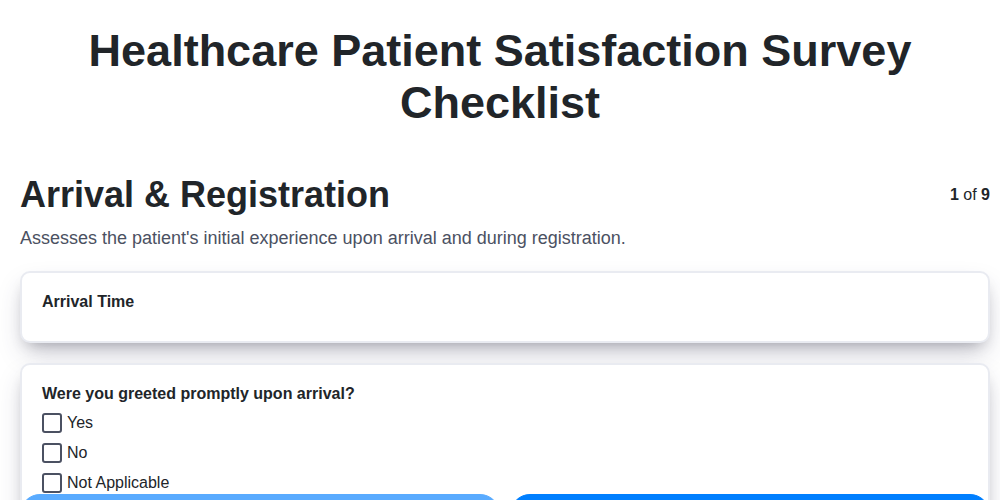
The Ultimate Healthcare Patient Satisfaction Survey Checklist Template
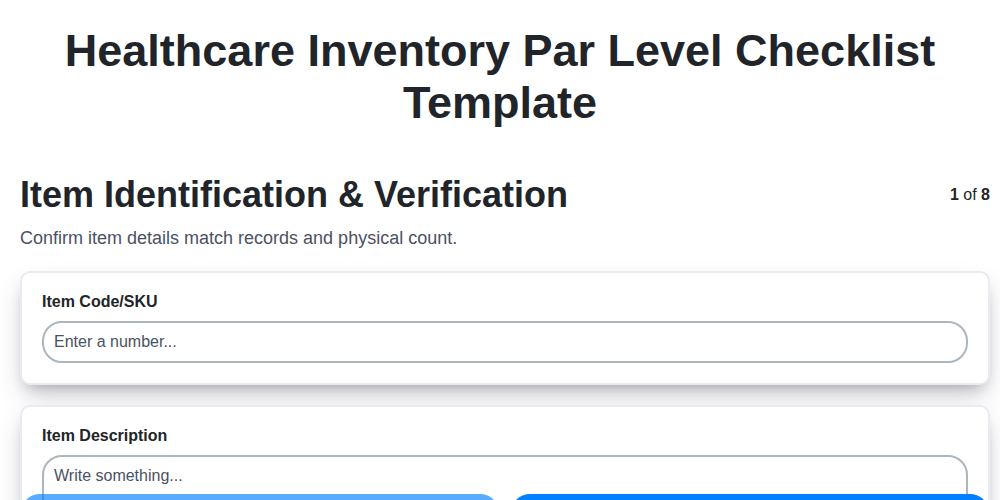
Mastering Healthcare Inventory: Your Par Level Checklist Template
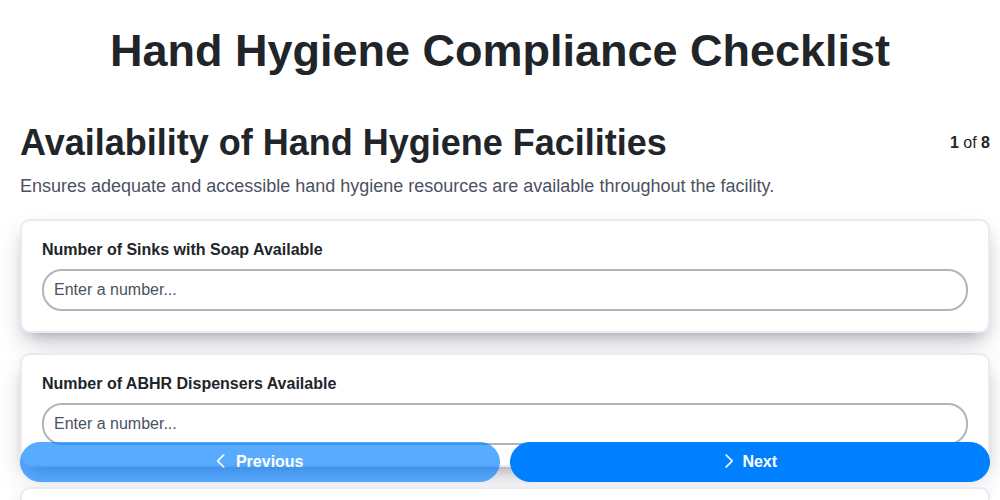
Mastering Hand Hygiene: Your Compliance Checklist Template
Protecting Patients: Your Fire Safety Checklist for Patient Areas
Your Ultimate Healthcare Construction Checklist Template
Mastering Hand Hygiene: Your Compliance Checklist Template
Your Radiology Equipment Maintenance Checklist Template

Your Ultimate Guide to Healthcare Waste Management: A Checklist Template
Need help with
Healthcare?
Have a question? We're here to help. Please submit your inquiry, and we'll respond promptly.