Pharmacy Compounding Checklist: Safety & Accuracy - A Comprehensive Guide
Published: 11/28/2025 Updated: 07/02/2026
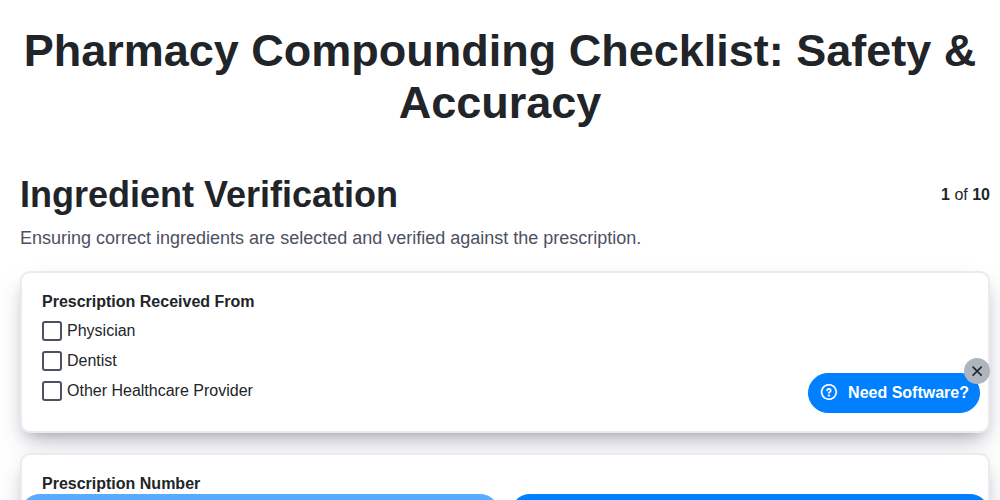
Table of Contents
- Introduction: The Importance of Compounding Checklists
- 1. Ingredient Verification: Ensuring Purity and Identity
- 2. Equipment Calibration & Maintenance: Precision in Every Step
- 3. Environmental Control: Maintaining a Sterile Workspace
- 4. Weighing and Measuring: Accuracy at the Core
- 5. Mixing and Processing: Consistent Formulation
- 6. Documentation & Labeling: Traceability and Patient Safety
- 7. Quality Control Testing: Validating the Final Product
- 8. Essential Safety Measures: PPE, Waste Disposal, and Storage
- Resources & Links
TLDR: Ensure safe and accurate compounding with this checklist! It covers everything from ingredient checks and equipment upkeep to proper mixing, labeling, and waste disposal - minimizing errors and protecting patients. Use it to standardize your process and maintain regulatory compliance.
Introduction: The Importance of Compounding Checklists
Compounding pharmacies play a vital role in personalized patient care, creating medications tailored to individual needs. However, this intricate process demands meticulous attention to detail and unwavering adherence to safety protocols. Even minor deviations can lead to inaccuracies, potential harm to patients, and legal repercussions. That's why a comprehensive pharmacy compounding checklist isn't just a good practice - it's an essential one. This article will delve into key steps within a robust compounding checklist, designed to ensure both the safety and accuracy of every preparation. We're not just talking about ticking boxes; we're discussing a system that reinforces best practices, minimizes errors, and ultimately protects patients. Let's explore how a well-defined checklist elevates compounding from an art to a scientifically sound and consistently reliable service.
1. Ingredient Verification: Ensuring Purity and Identity
The foundation of any successful and safe compounding preparation lies in meticulous ingredient verification. This isn't simply a glance at a label; it's a comprehensive process to guarantee you're using the correct substance, in the correct form, and of appropriate quality.
Key Steps in Ingredient Verification:
- Receive and Inspect: Upon receiving ingredients, immediately check the delivery date and packaging for any signs of damage or compromise. Note any discrepancies on the packing slip.
- Supplier Confirmation: Verify the supplier and lot number against your approved supplier list and purchase order.
- Label Review: Carefully examine the ingredient label. Confirm the:
- Chemical Name & Formula: Match this to your formulation and reference materials.
- Manufacturer & Lot Number: Essential for traceability and recall purposes.
- Expiration Date: Never use expired ingredients.
- Storage Requirements: Adhere to manufacturer recommendations for optimal stability.
- Physical Characteristics: Observe and document the physical appearance of the ingredient (color, odor, form). Compare this to established references or supplier documentation. Discrepancies should trigger further investigation.
- Re-establish Identity (When Necessary): For critical ingredients or when uncertainty exists, perform identity testing using appropriate methods (e.g., Thin Layer Chromatography, melting point determination).
- Record Keeping: Maintain detailed records of ingredient verification, including date, lot number, supplier, verification method, and initials of the individual performing the verification.
Incorrect ingredients can have devastating consequences. Rigorous ingredient verification is paramount for patient safety and regulatory compliance.
2. Equipment Calibration & Maintenance: Precision in Every Step
Compounding relies heavily on accurate measurements and consistent processes. That's why regular equipment calibration and maintenance isn't just recommended-it's absolutely critical for patient safety and product quality. Neglecting this step can lead to inaccurate formulations, potentially impacting efficacy and introducing risks.
Here's a breakdown of what's involved:
- Calibration Schedule: Establish a documented calibration schedule for all equipment used in compounding, including balances, thermometers, pH meters, volumetric glassware, and mixers. This schedule should be based on manufacturer recommendations, regulatory guidelines (USP <1079>), and your pharmacy's risk assessment.
- Traceability: Ensure all calibration standards used are traceable to national or international standards. Keep detailed records of calibration dates, results, and the standards used.
- Routine Maintenance: Implement a preventative maintenance program for each piece of equipment. This includes cleaning, lubrication, and periodic inspections. For example, balances require regular leveling and cleaning to ensure accurate readings. Mixers need to be checked for consistent speed and functionality.
- Documentation: Meticulously document all calibration and maintenance activities. This documentation should include the date, technician's initials, results (within acceptable limits), and any corrective actions taken.
- Repair and Replacement: Have a clear protocol for addressing out-of-tolerance readings or equipment malfunctions. Damaged or malfunctioning equipment should be immediately removed from service and either repaired by a qualified technician or replaced.
Regular calibration and maintenance are investments in the safety and accuracy of your compounded medications. Don't compromise!
3. Environmental Control: Maintaining a Sterile Workspace
Maintaining a pristine and controlled environment is paramount in pharmacy compounding. Contamination can compromise the safety and efficacy of compounded preparations, potentially harming patients. This section outlines essential environmental control practices.
Air Quality: Regular air quality assessments are crucial. This includes HEPA filtration in compounding areas, particularly for non-sterile and sterile preparations. Air changes per hour (ACH) should be monitored and maintained according to USP guidelines. Routine cleaning and disinfection of surfaces, including floors, walls, and ceilings, are essential to remove dust and potential contaminants.
Surface Disinfection: Develop and adhere to a rigorous cleaning schedule. Use appropriate disinfectants proven effective against a broad spectrum of microorganisms. Document cleaning activities meticulously. Consider using disposable wipes or cloths to minimize cross-contamination.
Personnel Practices: Restrict access to compounding areas to authorized personnel only. Personnel entering the area should wear appropriate attire, including dedicated gowns, gloves, and hair coverings. Hand hygiene protocols should be strictly followed.
Facility Design & Maintenance: The compounding area should be designed to minimize dust accumulation and facilitate cleaning. Regular maintenance of ventilation systems and other facility components is vital. Address any leaks or issues promptly to prevent environmental hazards.
Key Takeaway: Environmental control isn't just about cleaning; it's about creating and maintaining an environment conducive to safe and accurate compounding.
4. Weighing and Measuring: Accuracy at the Core
Compounding relies fundamentally on precise measurements. Even slight errors in ingredient quantities can dramatically impact the final product's safety and efficacy. This section of the checklist focuses on ensuring accuracy throughout the weighing and measuring process.
Key Considerations:
- Calibrated Balances: Regularly check and maintain balances using traceable standards. Document all calibration records. Ensure balances are level and on a stable surface, shielded from drafts.
- Appropriate Tools: Select the correct weighing containers and measuring devices based on the ingredient's form and required accuracy. Use Class A balances for critical measurements.
- Taring Procedures: Utilize proper taring techniques to eliminate container weight. Double-check the tare weight for accuracy.
- Visual Inspection: Visually verify ingredient appearance and consistency before weighing. Note any variations.
- Weighing Technique: Employ a consistent weighing technique - allow time for stabilization, avoid vibration, and record measurements accurately.
- Multiple Weighings: Consider performing duplicate or triplicate weighings, especially for potent ingredients or those with narrow therapeutic ranges, to confirm consistency and identify potential errors.
- Documentation: Meticulously record all weights and measurements in the compounding record, including balance readings and any observations regarding the ingredient's appearance.
5. Mixing and Processing: Consistent Formulation
Achieving a consistent final product in compounding relies heavily on meticulous mixing and processing. This isn't just about blending ingredients; it's about ensuring uniformity and particle size distribution, critical for bioavailability and therapeutic effect.
Here's what to consider:
- Mixing Method Selection: Choose the appropriate mixing method based on the formulation - mortar and pestle, propeller mixers, homogenizers, sonicators, etc. Each has its strengths and weaknesses in terms of speed, efficiency, and potential for introducing air or creating shear stress. Document the chosen method and rationale.
- Mixing Time & Speed: Over-mixing or under-mixing can significantly impact product quality. Establish and rigorously follow documented mixing times and speeds for each formulation. Consider the viscosity of the mixture; thicker formulations often require longer mixing times.
- Order of Addition: The order in which ingredients are added can affect the final product's stability and homogeneity. Follow the documented formulation sequence precisely. Consider the impact of excipients on solubility and precipitation.
- Temperature Control: Many formulations require temperature regulation during mixing to prevent degradation or ensure proper dissolution. Monitor and control temperature diligently, documenting any deviations.
- Air Incorporation: Be mindful of air incorporation, especially with lighter formulations. Excessive air can affect density and product appearance. Techniques like vacuum mixing may be necessary.
- Particle Size Reduction: If required, utilize appropriate techniques (e.g., milling) to reduce particle size for enhanced dissolution and bioavailability. Document particle size measurements before and after processing.
Consistency is key. Implement in-process monitoring and quality checks to ensure each batch meets pre-defined specifications.
6. Documentation & Labeling: Traceability and Patient Safety
Accurate and comprehensive documentation and labeling are cornerstones of safe and compliant compounding. These aren't just formalities; they are vital for patient safety, traceability, and legal defensibility.
What Needs to be Documented?
- Source Documentation: Meticulously record the source of all ingredients, including lot numbers, expiration dates, and supplier information. This allows for rapid recall if necessary.
- Formula Records: Every compounded prescription requires a detailed formula record. This should include the exact ingredients, quantities, calculations, compounding steps, and the compounder's initials. Deviations from standard procedures must be documented with a clear explanation.
- Batch Records: Capture everything about each batch - from start to finish. Include calculations, compounding steps, observations (appearance, consistency), and any modifications made.
- Personnel Records: Log the identity of all personnel involved in the compounding process.
- Equipment Maintenance Logs: Documentation of calibration and maintenance is essential (addressed in a previous section, but its impact on records is vital here).
Labeling Requirements - Beyond the Basics:
Labels must adhere to USP <795> and relevant state regulations. Key elements include:
- Compounded Prescription Designation: This must be prominently displayed.
- Patient-Specific Information: Name, date of birth, dosage, route of administration, frequency, and directions.
- Ingredient Listing: Full ingredient names, not just trade names.
- Compounding Date: Crucial for stability monitoring.
- Beyond-Use Date (BUD): Determined based on stability data and USP guidelines.
- Pharmacist's Signature/Initial: Demonstrates verification and professional oversight.
- Storage Instructions (if applicable): Any special storage conditions necessary.
The Importance of Accuracy:
A single error in documentation or labeling can have devastating consequences. Implement double-check systems, utilize standardized forms, and provide thorough training to minimize the risk of mistakes. Regularly review documentation practices to identify areas for improvement.
7. Quality Control Testing: Validating the Final Product
Quality control testing isn't just a final step; it's an integral part of ensuring patient safety and therapeutic efficacy in compounding. It's the process of verifying that the compounded preparation meets established specifications and is suitable for patient use. A robust QC program involves multiple layers of testing, designed to catch any deviations from the intended formulation.
What's Involved?
The specific tests required will depend on the dosage form, ingredients, and intended route of administration. Common tests include:
- Appearance: Visual inspection for color, clarity, and the presence of particulate matter.
- pH: Ensures compatibility and stability, particularly for injectables and oral solutions.
- Specific Gravity/Density: Useful for suspensions and emulsions.
- Viscosity: Important for accurate dosing of liquids.
- Assay: A critical test determining the actual amount of active ingredient present. This is often performed using HPLC or other analytical techniques.
- Uniformity of Dosage Units (UDU): Ensures consistent dosing throughout the preparation, especially important for capsules and tablets.
- Dissolution Testing: Assesses the rate at which the active ingredient is released, crucial for oral formulations.
- Sterility Testing: Essential for sterile preparations intended for injection or ophthalmic use.
- Endotoxin Testing: Specifically for injectable products, ensuring the absence of bacterial toxins.
Documentation is Key:
Meticulous documentation of all QC testing, including results, acceptance criteria, and any deviations, is paramount. This documentation provides a traceable record of the compounding process and supports ongoing quality assurance. Failure to meet specifications necessitates corrective action and re-compounding.
Beyond the Test Results:
Quality control is more than just running tests. It's a mindset. It requires careful selection of reagents, validated testing methods, and qualified personnel. Regularly reviewing and updating your QC program is crucial to ensure its continued effectiveness.
8. Essential Safety Measures: PPE, Waste Disposal, and Storage
Compounding pharmacies handle potentially hazardous materials daily. Implementing robust safety measures isn't just best practice; it's a legal and ethical imperative. This section focuses on Personal Protective Equipment (PPE), proper waste disposal, and secure storage practices.
Personal Protective Equipment (PPE): Your First Line of Defense
The appropriate PPE is dictated by the compounds being handled and the potential risks involved. A comprehensive risk assessment is crucial. Typical PPE requirements include:
- Gloves: Chemical-resistant gloves, selected based on the specific ingredients being used. Double-gloving is often recommended. Regularly inspect gloves for punctures and degradation.
- Eye Protection: Safety glasses, goggles, or a face shield are vital to prevent splashes and airborne particle exposure.
- Lab Coats/Gowns: Provide a barrier against contamination and protect clothing. Disposable options are often used for highly hazardous compounds.
- Respirators: Required when handling volatile or powdered substances that may be inhaled. Proper fit testing and training are essential.
- Foot Protection: Closed-toe, chemical-resistant shoes or boots are necessary to prevent injuries from spills or dropped items.
Responsible Waste Disposal
Pharmaceutical waste presents unique challenges, often requiring specialized disposal methods.
- Segregation: Separate waste streams for hazardous (e.g., cytotoxic, controlled substances), non-hazardous, and sharps.
- Proper Containers: Use appropriately labeled and sealed containers specifically designed for pharmaceutical waste.
- Compliance: Adhere strictly to local, state, and federal regulations regarding pharmaceutical waste disposal. This may involve using a licensed waste disposal vendor.
- Documentation: Maintain accurate records of waste disposal activities, including dates, types of waste, and disposal methods.
Secure Storage: Maintaining Stability and Preventing Access
Proper storage is vital for maintaining the stability of compounded preparations and preventing unauthorized access.
- Controlled Environment: Storage areas should be temperature and humidity-controlled, as specified by stability data.
- Segregation: Separate storage for raw materials, compounded preparations, and finished products.
- Security: Limit access to storage areas with locks and access logs.
- Inventory Management: Implement a system to track expiration dates and prevent the use of outdated materials.
- Labeling: Clearly label all containers with their contents, potency, date of preparation, and expiration date.
Resources & Links
- United States Pharmacopeia (USP): USP provides standards for compounding, including quality standards, tests, and procedures. Essential for understanding and adhering to accepted practice.
- Professional Compounding Centers Association (PCCA): PCCA offers training, resources, and support for compounding pharmacists, covering a wide range of topics including compounding checklists and best practices. A valuable source for compounding expertise.
- American Society of Health-System Pharmacists (ASHP): ASHP provides resources and guidelines related to pharmacy compounding within a hospital or health system setting, including quality assurance and safety considerations. Useful for facility-specific protocols.
- National Association of Boards of Pharmacy (NABP): NABP provides resources related to pharmacy practice, including state board regulations and standards. Helps ensure compliance with legal requirements for compounding.
- U.S. Food and Drug Administration (FDA): The FDA regulates compounding pharmacies and provides guidance on current Good Compounding Practices (CGCPs). Essential for understanding regulatory framework and guidelines.
- Pharmacy Times: Pharmacy Times offers continuing education articles and resources relevant to pharmacy compounding and quality assurance, including checklists and best practices.
- Regulatory Resources & Document (RRD): Offers pharmaceutical labeling solutions, crucial for accurate documentation and patient safety. Consider their labeling compliance resources.
- Steris: Steris specializes in sterilization and infection prevention. A good source for information related to environmental control and equipment maintenance in compounding settings.
- Cole-Parmer: Offers a wide variety of lab equipment including balances, mixers and calibration tools, and instruments critical for compounding accuracy. Useful for selecting and maintaining necessary equipment.
- Labconco: Specializes in laboratory equipment including laminar flow hoods and biological safety cabinets which are vital for sterile compounding.
Frequently Asked Questions
What is pharmacy compounding and why is it necessary?
Pharmacy compounding is the process of creating customized medications based on a prescription from a healthcare provider. It's necessary when commercially available drugs aren't suitable for a patient - perhaps due to allergies, dosage requirements, specific formulations (like liquids for children), or unique drug combinations.
Why is a compounding checklist so important?
A compounding checklist ensures consistency, accuracy, and safety throughout the compounding process. It acts as a step-by-step guide, reducing the risk of errors and ensuring that the compounded medication meets the required quality standards.
Who should use this compounding checklist?
This checklist is designed for all pharmacy personnel involved in compounding, including pharmacists, pharmacy technicians, and interns. It's a resource for anyone preparing, handling, or overseeing compounded medications.
What are the key sections covered in the checklist?
The checklist covers several crucial areas, including prescription verification, ingredient selection and calculations, equipment preparation, compounding process steps, quality control testing, labeling, and documentation.
What does 'Non-Sterile Compounding' refer to?
Non-sterile compounding involves formulating medications that are not intended for injection or direct introduction into the body. This includes topical creams, oral solutions, and suppositories.
What kind of documentation is essential to maintain during compounding?
Essential documentation includes the original prescription, compounding records (ingredient quantities, calculations, batch numbers, initials), quality control testing results, and any deviations from the standard operating procedure.
What are some common errors in compounding and how can the checklist help prevent them?
Common errors include incorrect calculations, using expired ingredients, improper mixing techniques, and labeling mistakes. The checklist helps prevent these by providing clear steps and reminders at each stage of the compounding process.
What should I do if I notice a deviation from the standard operating procedure during compounding?
Immediately stop the compounding process, document the deviation, notify your supervisor or the pharmacist-in-charge, and investigate the cause of the deviation to prevent recurrence. Do not proceed with the compounding until the issue is resolved and documented.
Where can I find information on USP <795> and <797> standards?
The United States Pharmacopeia (USP) website (www.usp.org) is the primary resource for USP <795> (non-sterile compounding) and USP <797> (sterile compounding) standards. Your pharmacy should also have access to the most current versions of these standards.
What is the importance of performing quality control testing on compounded medications?
Quality control testing verifies that the compounded medication meets established specifications for potency, purity, and stability, ensuring patient safety and efficacy.
Comments
There are no comments yet. Be the first to add one!
Healthcare Management Solution Demo
Streamlining healthcare operations and improving patient care? ChecklistGuro's Work OS platform simplifies everything from patient scheduling and billing to compliance and staff management. Enhance efficiency, reduce administrative burden, and focus on what matters most: your patients. Learn how ChecklistGuro can transform your healthcare organization!
Related Articles
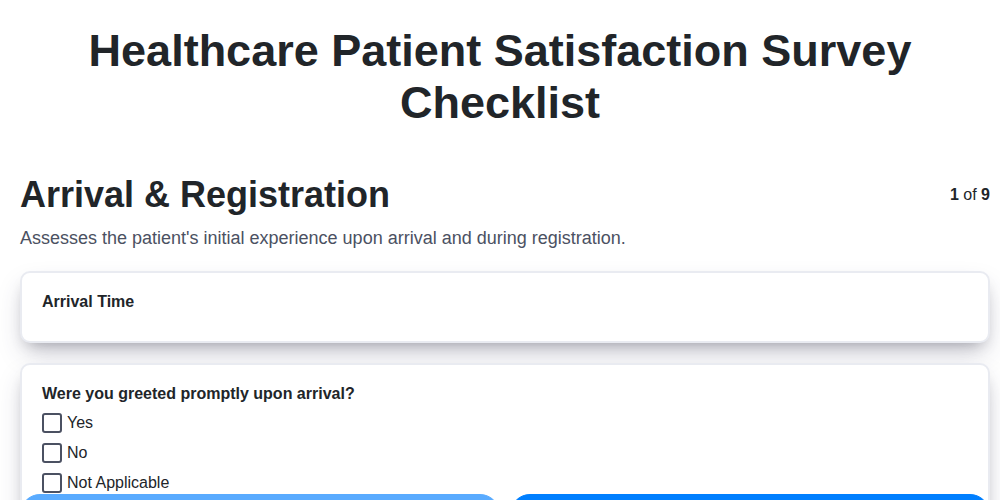
The Ultimate Healthcare Patient Satisfaction Survey Checklist Template
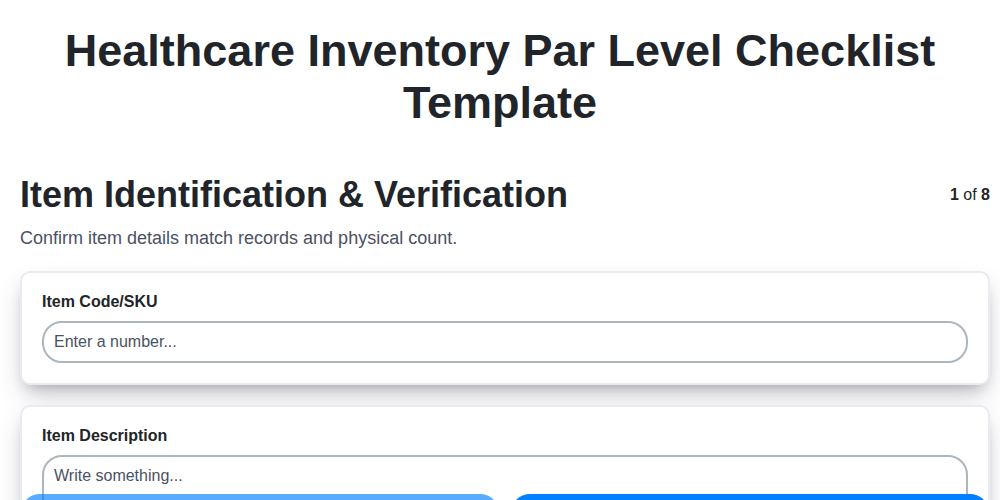
Mastering Healthcare Inventory: Your Par Level Checklist Template
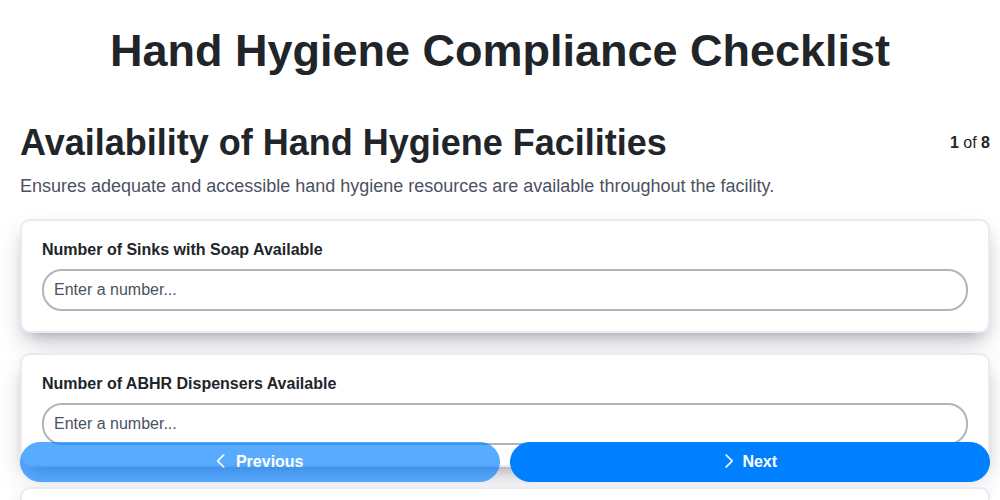
Mastering Hand Hygiene: Your Compliance Checklist Template
Protecting Patients: Your Fire Safety Checklist for Patient Areas

Your Ultimate Healthcare Construction Checklist Template
Mastering Hand Hygiene: Your Compliance Checklist Template
Your Radiology Equipment Maintenance Checklist Template

Your Ultimate Guide to Healthcare Waste Management: A Checklist Template
Need help with
Healthcare?
Have a question? We're here to help. Please submit your inquiry, and we'll respond promptly.