 ChecklistGuro
 Crop Disease and Insect Scouting Checklist
Protect your yields with our Crop Disease and Insect Scouting Checklist! Early detection is key to preventing devastating losses. This essential checklist guides you through a thorough scouting process, helping identify potential threats before they impact your crops. Download now and safeguard your farm's success.
This Template was installed 1 times.
Field Observation - General
Initial assessment of the field's overall health and potential issues.
Observation Date
Observation Time
GPS Coordinates (Optional)
Overall Field Condition
Air Temperature (°C)
Soil Moisture (Visual Estimate - 1-5 scale, 1=Dry, 5=Saturated)
General Comments/Initial Impressions
Crop Stand & Vigor
Evaluating plant density, growth rate, and overall health of the crop.
Plant Density (plants/acre)
Uniformity of Emergence
Average Plant Height (inches)
Overall Crop Vigor
Detailed Observations on Crop Stand and Vigor
Leaf/Stem Symptoms
Detailed inspection for signs of disease or insect damage on leaves and stems (spots, lesions, discoloration, insect presence).
Leaf Spot Type
Stem Lesion Presence
Number of Lesions per Leaf (Representative Sample)
Detailed Description of Symptoms
Photo of Leaf/Stem Symptoms
Discoloration Observed
Root Inspection (Representative Samples)
Examination of root systems for signs of soilborne diseases, nematodes, or root damage. - *Only inspect a limited number of plants*.
Number of Plants Inspected
Root Health Assessment
Detailed Root Description
Potential Root Diseases/Pests (Check all that apply)
If 'Other' specified above, describe:
Insect Identification & Counts
Identification of insect species present, estimating population levels, and assessing potential damage.
Insect Species 1
Count of Insect Species 1 (per plant/sq ft)
Insect Species 2
Count of Insect Species 2 (per plant/sq ft)
Additional Notes on Insect Activity
Insect Photo (Optional)
Weed Identification & Density
Identification of weed species present and assessment of their density and impact on the crop.
Dominant Weed Species Present
Estimated Weed Density (plants/sq meter)
Description of Weed Distribution (e.g., patchy, uniform)
Weed Size/Growth Stage (Approximate)
Photo Evidence of Weed Infestation (Optional)
Environmental Conditions
Record temperature, humidity, rainfall, and other relevant environmental factors that may influence disease or pest development.
Scouting Date
Time of Scouting
Air Temperature (°C/°F)
Soil Temperature (°C/°F)
Relative Humidity (%)
Weather Conditions
Wind Speed (km/h or mph)
Action Taken / Recommendations
Document any immediate actions taken (e.g., spot treatment) and recommendations for further management.
Immediate Action Taken?
Details of Spot Treatment (if applicable)
Application Rate (if applicable)
Date of Action Taken
Specific Recommendations for Future Management
Recommended Follow-Up Actions
Next Scouting Date
Follow-Up Date
Schedule a date to return and re-evaluate the field conditions.
Next Scouting Date
Preferred Scouting Time (Optional)
Days Until Next Scouting (Estimate)
Scouting Priority Level
Notes for Follow-Up (Optional)
Found this Checklist Template helpful?
Farm Management Solution Demo
Grow your farm smarter & more efficiently! ChecklistGuro streamlines crop planning, task management, & resource tracking. Maximize yields, reduce waste, & improve profitability. Manage it all with our Work OS.
Related Checklist Templates

Farm Grant Application Readiness Checklist
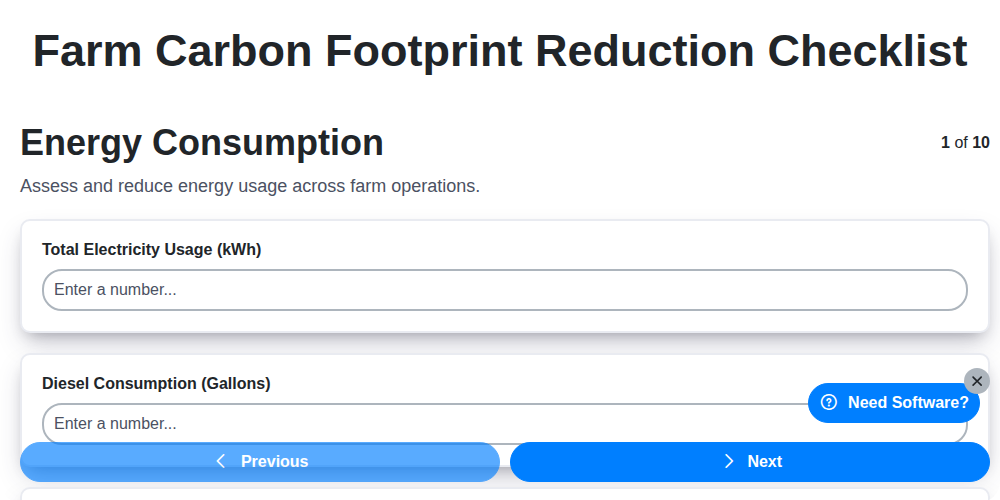
Farm Carbon Footprint Reduction Checklist
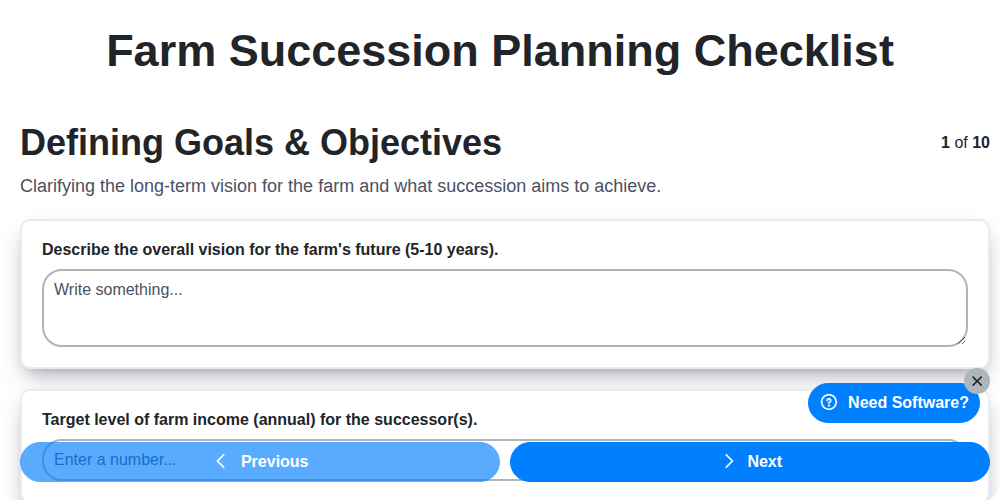
Farm Succession Planning Checklist
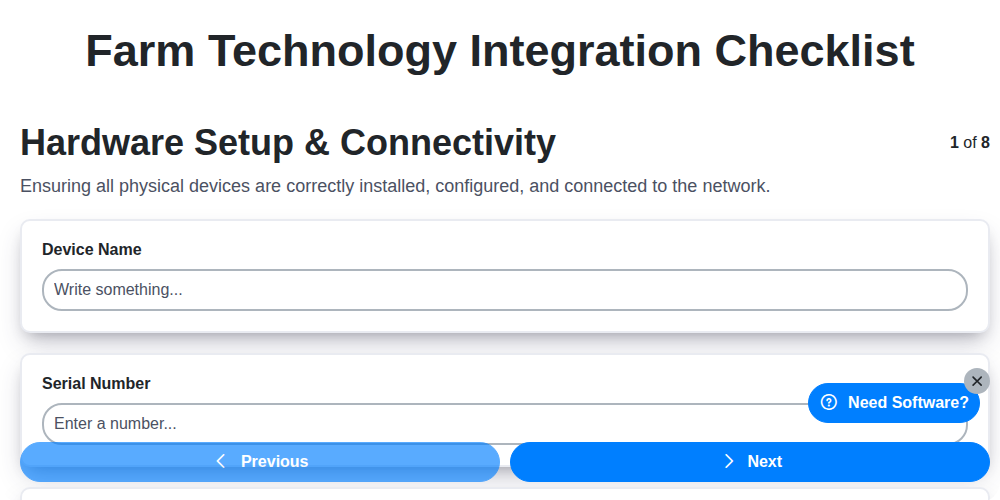
Farm Technology Integration Checklist
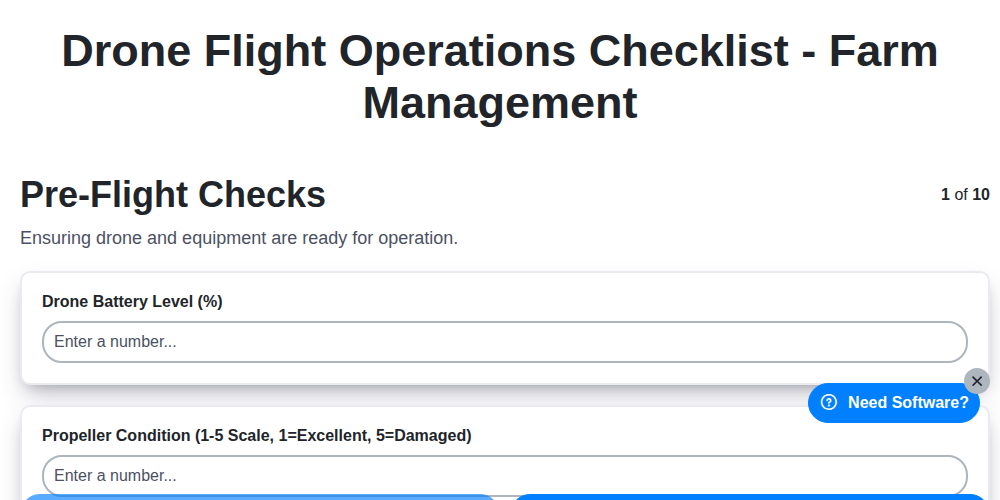
Drone Flight Operations Checklist - Farm Management
Farm Nutrient Management Checklist
Farm Conservation Plan Implementation Checklist
Soil Erosion Control Checklist - Farm Management
We can do it Together
Need help with
Farm Management?
Have a question? We're here to help. Please submit your inquiry, and we'll respond promptly.