 ChecklistGuro
 Software Development Sprint Planning Process
Streamline your agile lifecycle with our Software Development Sprint Planning Process. Masterful task management meets engineering precision to help teams define sprint goals, estimate story points, and optimize backlog grooming for high-velocity delivery and flawless execution.
This Template was installed 4 times.
Start
Start of the Workflow/Process.
1. Fetch Product Backlog
Retrieve all user stories and bugs from the Backlog Data Model that are marked as 'Ready for Sprint'.
2. Calculate Total Story Points
Sum the 'Estimate' property of all selected backlog entries to determine total workload.
3. Calculate Sprint Capacity
Calculate the available development hours by subtracting meeting time from total working hours.
4. Determine Sprint Load Ratio
Divide Total Story Points by Sprint Capacity to check if the sprint is over-capacity.
5. Create Sprint Record
Create a new entry in the 'Sprints' Data Model with the calculated start and end dates.
6. Assign Sprint Planning Meeting
Create a task for the Product Owner and Scrum Master to conduct the official planning session.
7. Create Sprint Backlog Tasks
For every selected backlog item, create a corresponding 'Development Task' assigned to the team.
8. Define Definition of Done Checklist
Attach a standard 'Definition of Done' checklist to all newly created development tasks.
9. Update Backlog Status
Update the status of the retrieved backlog entries from 'Ready for Sprint' to 'In Sprint'.
10. Link Tasks to Sprint
Update all selected backlog entries to associate them with the newly created Sprint ID.
11. Notify Engineering Team
Send an email to the development group with the summary of the new Sprint goals and scope.
12. Generate Sprint Forecast Report
Create a report visualizing the total points vs. capacity for the upcoming sprint.
13. Create Sprint Ceremony Calendar Event
Create a calendar entry for the Daily Standup, Sprint Review, and Retrospective.
End
End of the Workflow/Process.
Start of the Workflow/Process.
Retrieve all user stories and bugs from the Backlog Data Model that are marked as 'Ready for Sprint'.
Sum the 'Estimate' property of all selected backlog entries to determine total workload.
Calculate the available development hours by subtracting meeting time from total working hours.
Divide Total Story Points by Sprint Capacity to check if the sprint is over-capacity.
Create a new entry in the 'Sprints' Data Model with the calculated start and end dates.
Create a task for the Product Owner and Scrum Master to conduct the official planning session.
For every selected backlog item, create a corresponding 'Development Task' assigned to the team.
Attach a standard 'Definition of Done' checklist to all newly created development tasks.
Update the status of the retrieved backlog entries from 'Ready for Sprint' to 'In Sprint'.
Update all selected backlog entries to associate them with the newly created Sprint ID.
Send an email to the development group with the summary of the new Sprint goals and scope.
Create a report visualizing the total points vs. capacity for the upcoming sprint.
Create a calendar entry for the Daily Standup, Sprint Review, and Retrospective.
End of the Workflow/Process.
Frequently Asked Questions
Comments
There are no comments yet. Be the first to add one!
Task Management Solution Demo
Get organized & boost productivity! ChecklistGuro simplifies task management, prioritization, & progress tracking. Achieve more, stress less, & hit your goals. Manage it all with our Work OS.
Related Workflow Templates
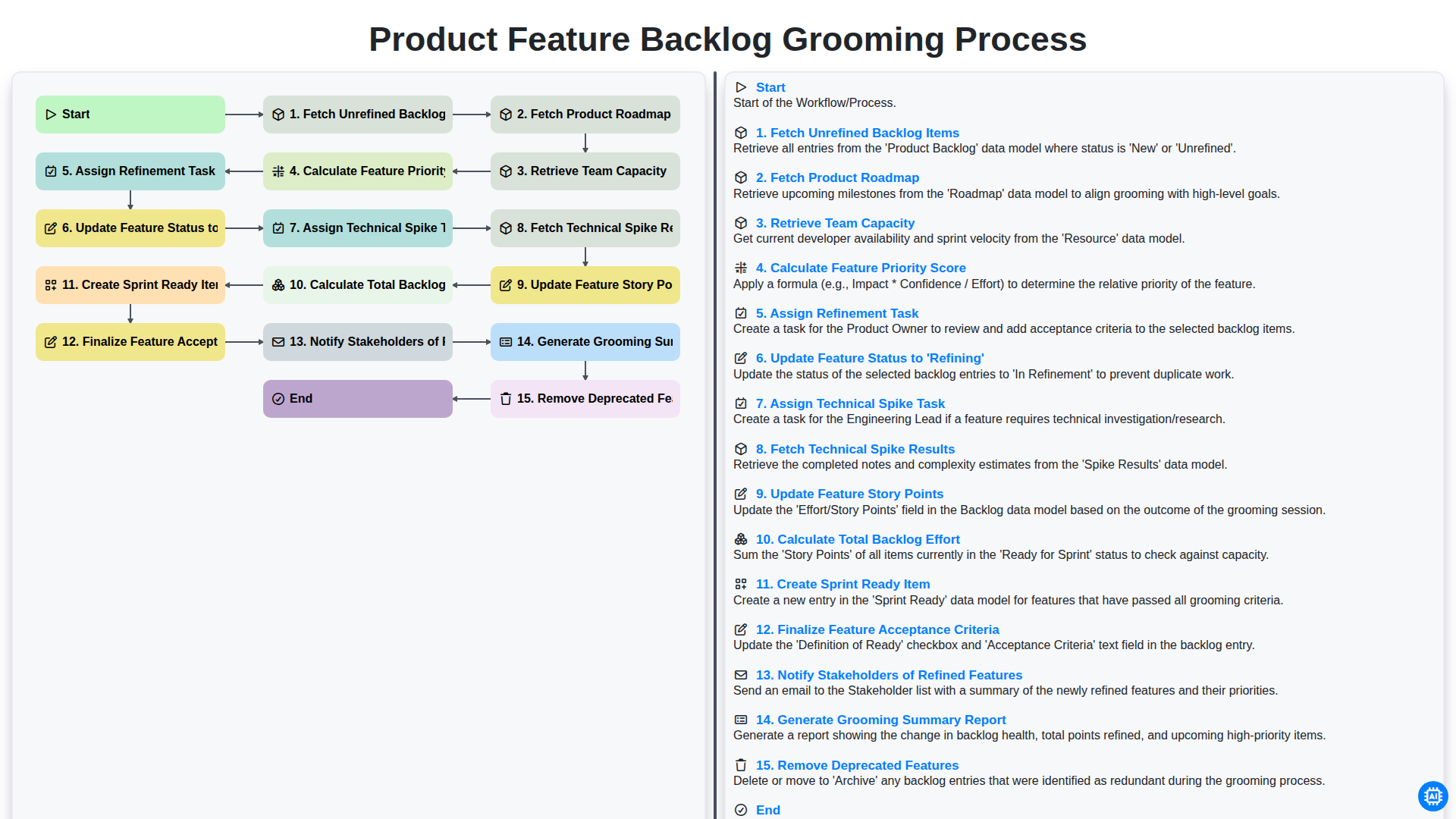
Product Feature Backlog Grooming Process
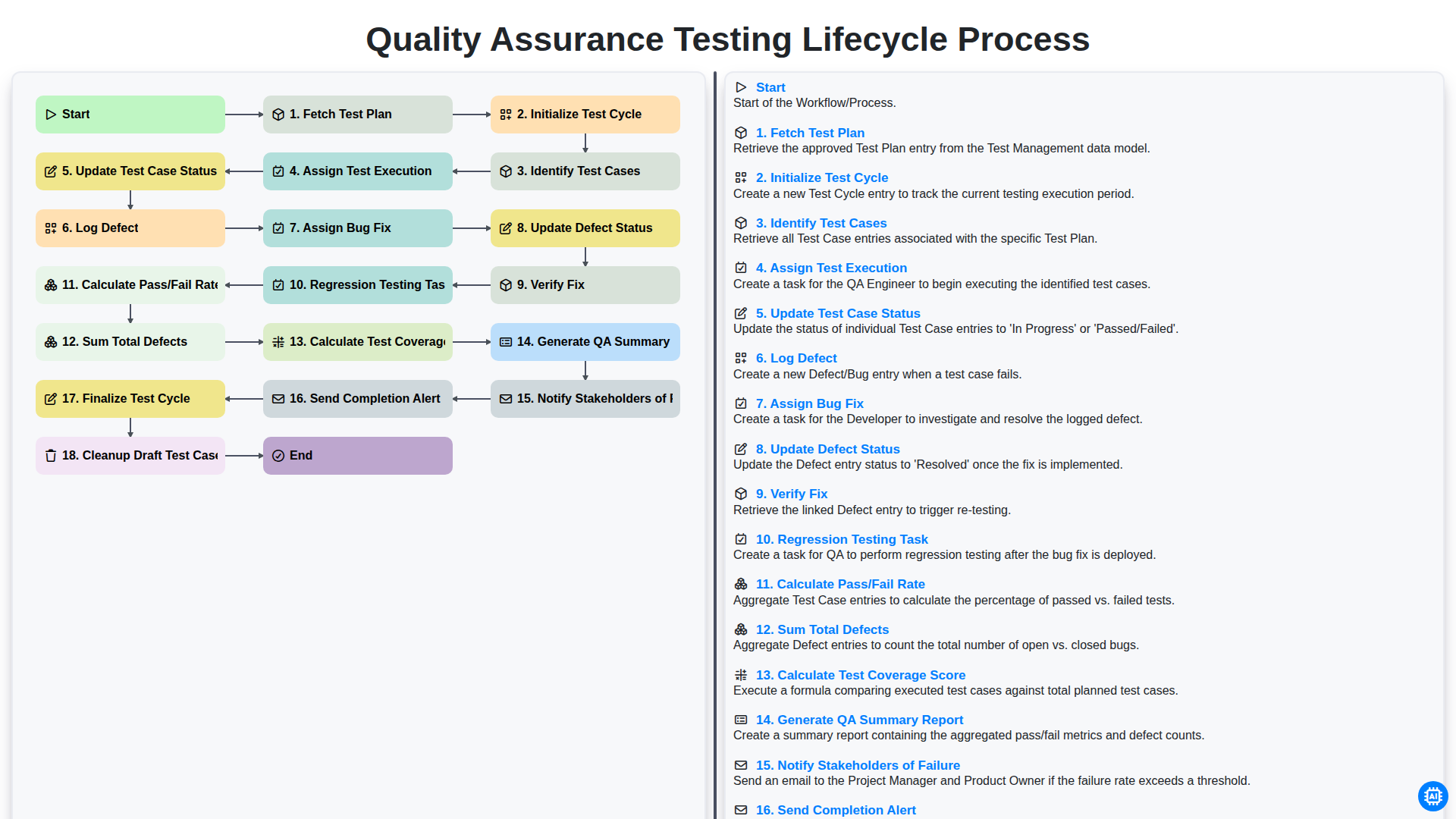
Quality Assurance Testing Lifecycle Process
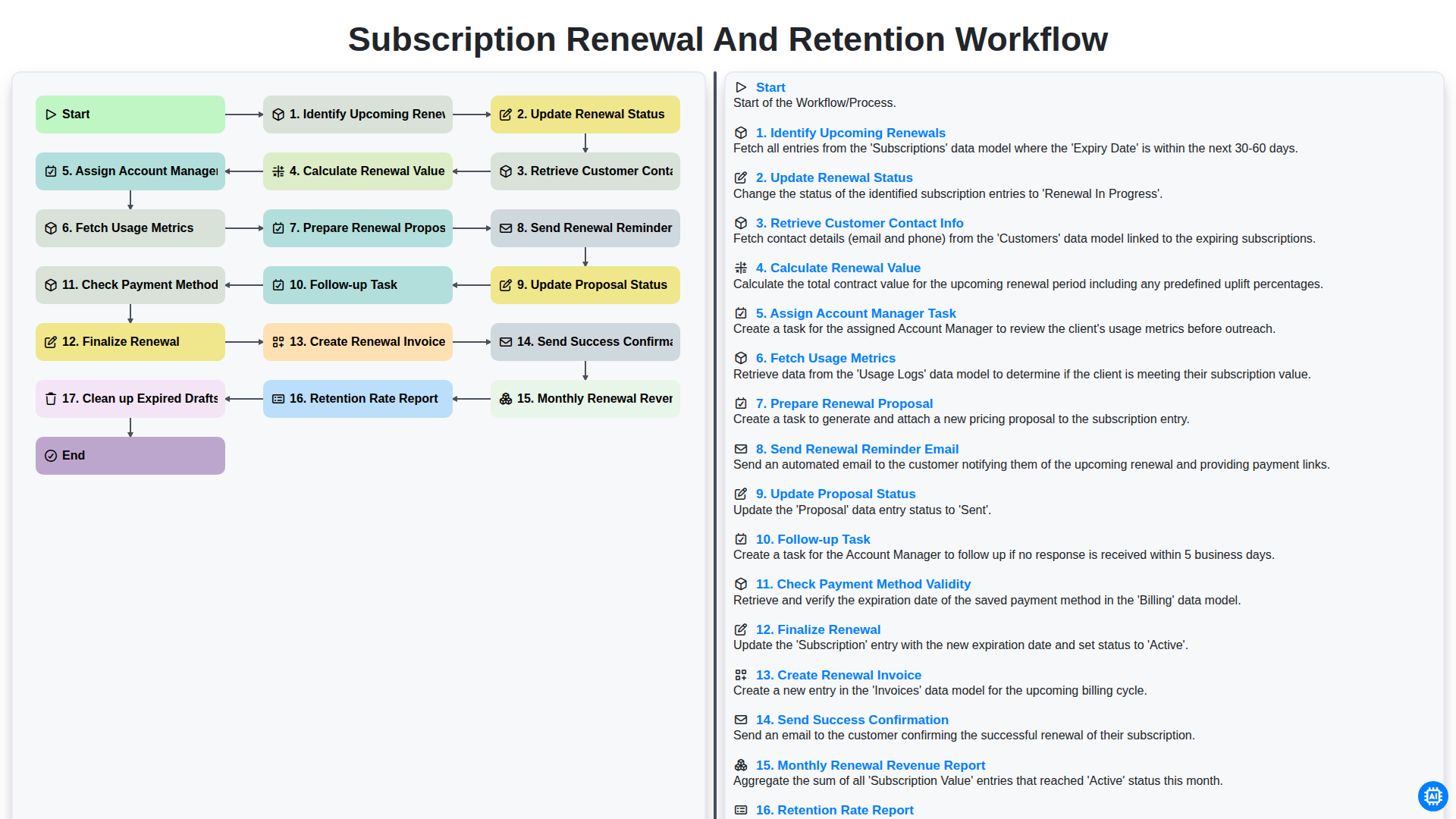
Subscription Renewal and Retention Workflow
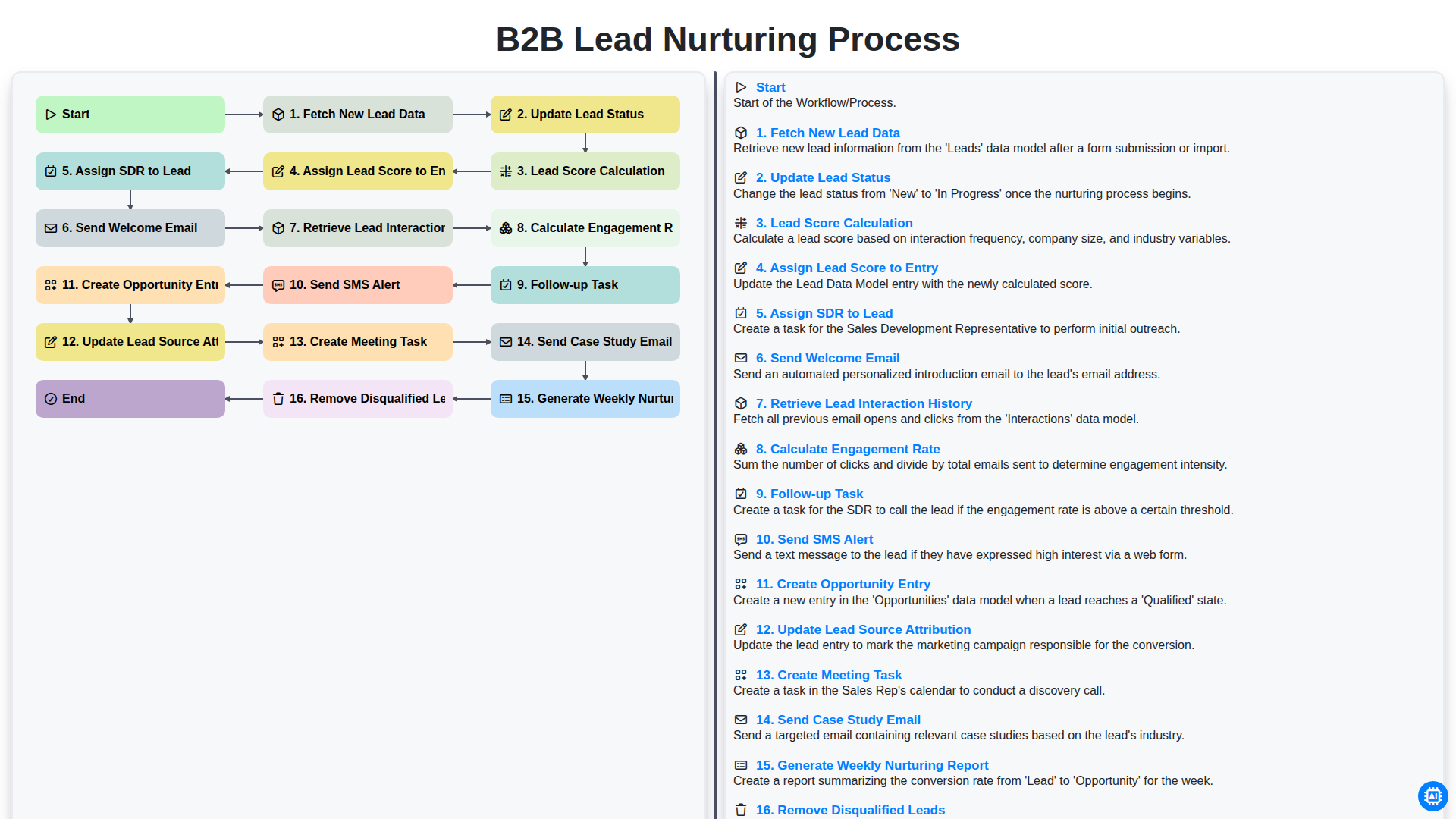
B2B Lead Nurturing Process
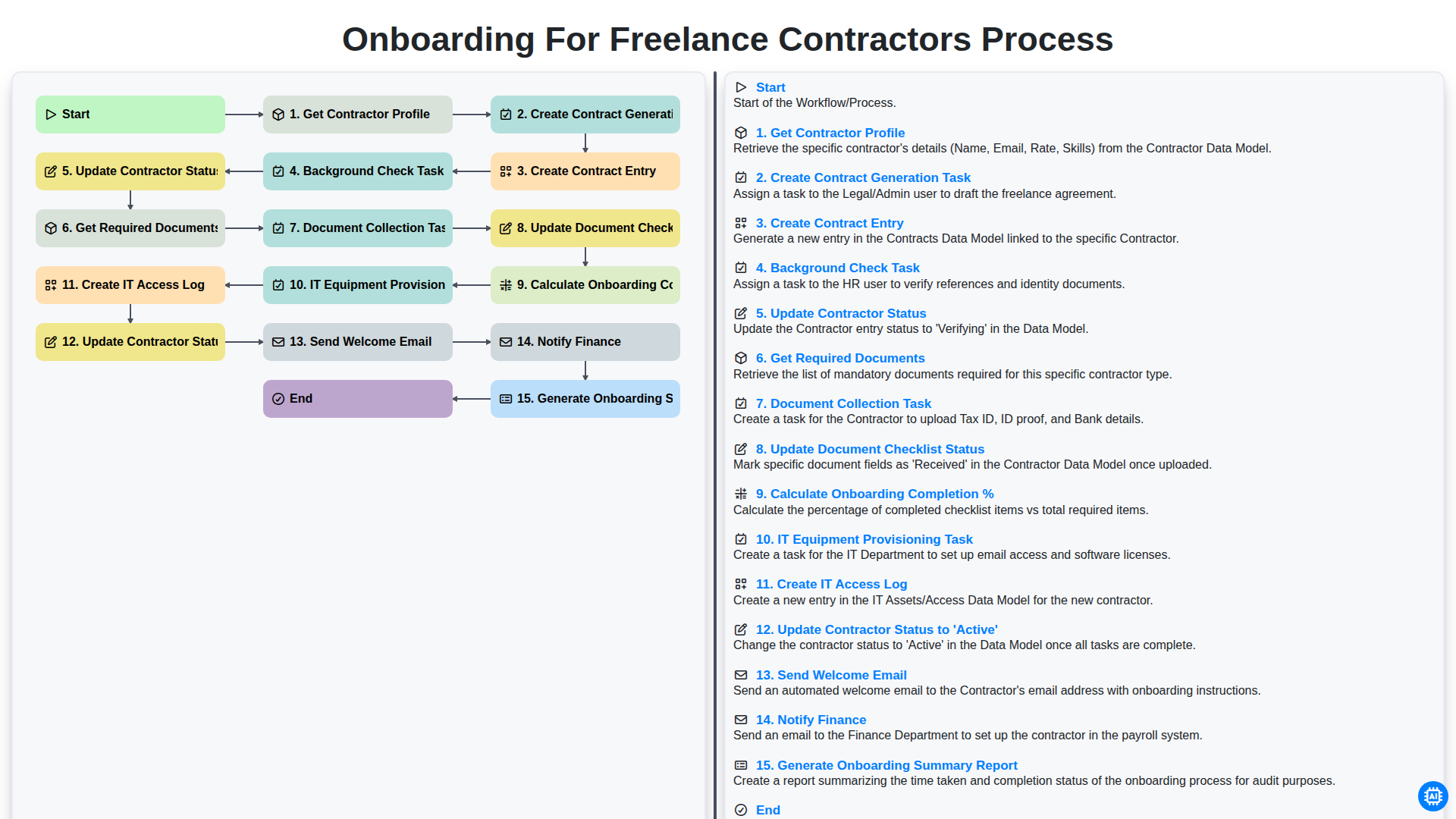
Onboarding for Freelance Contractors Process
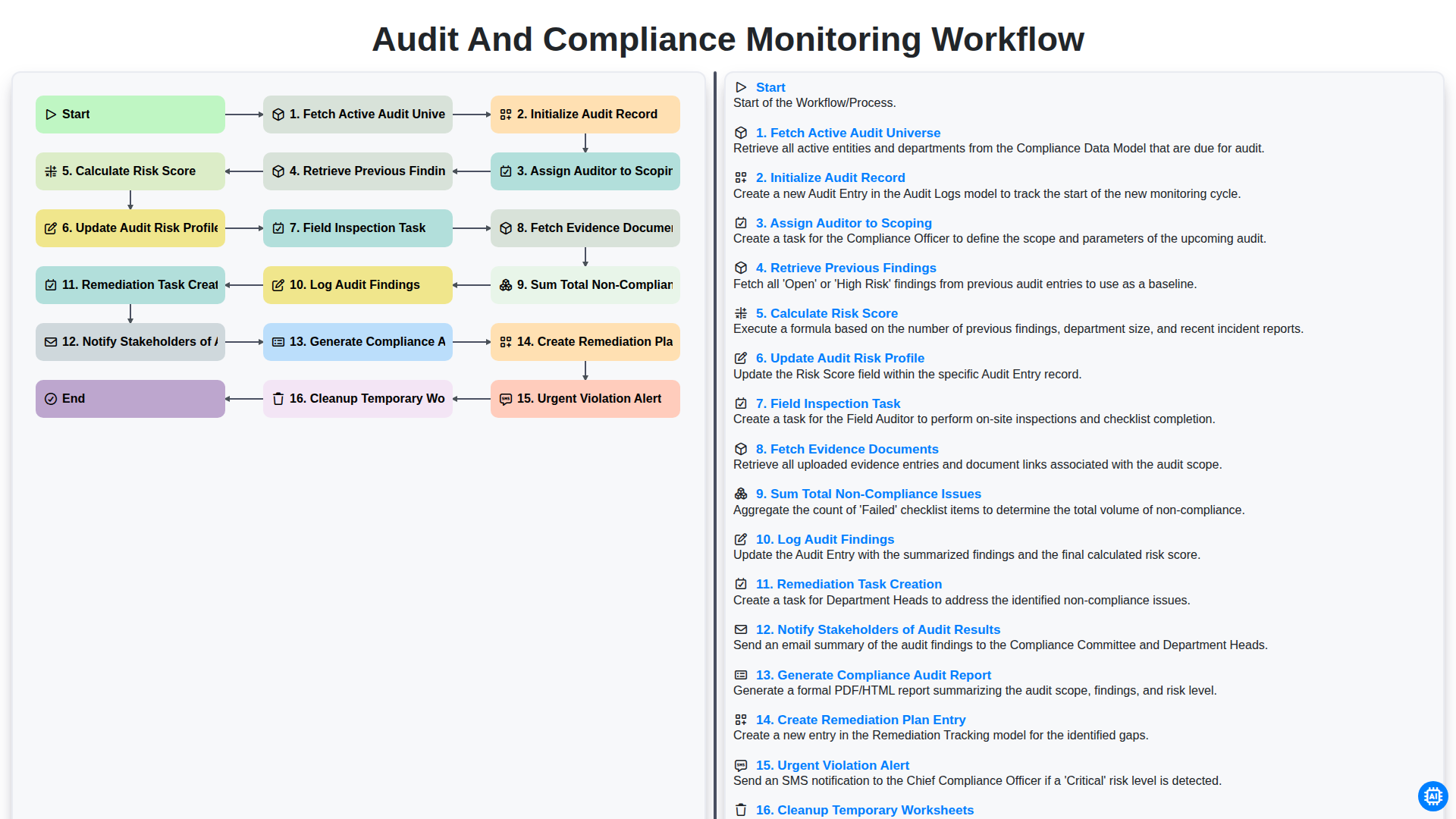
Audit and Compliance Monitoring Workflow
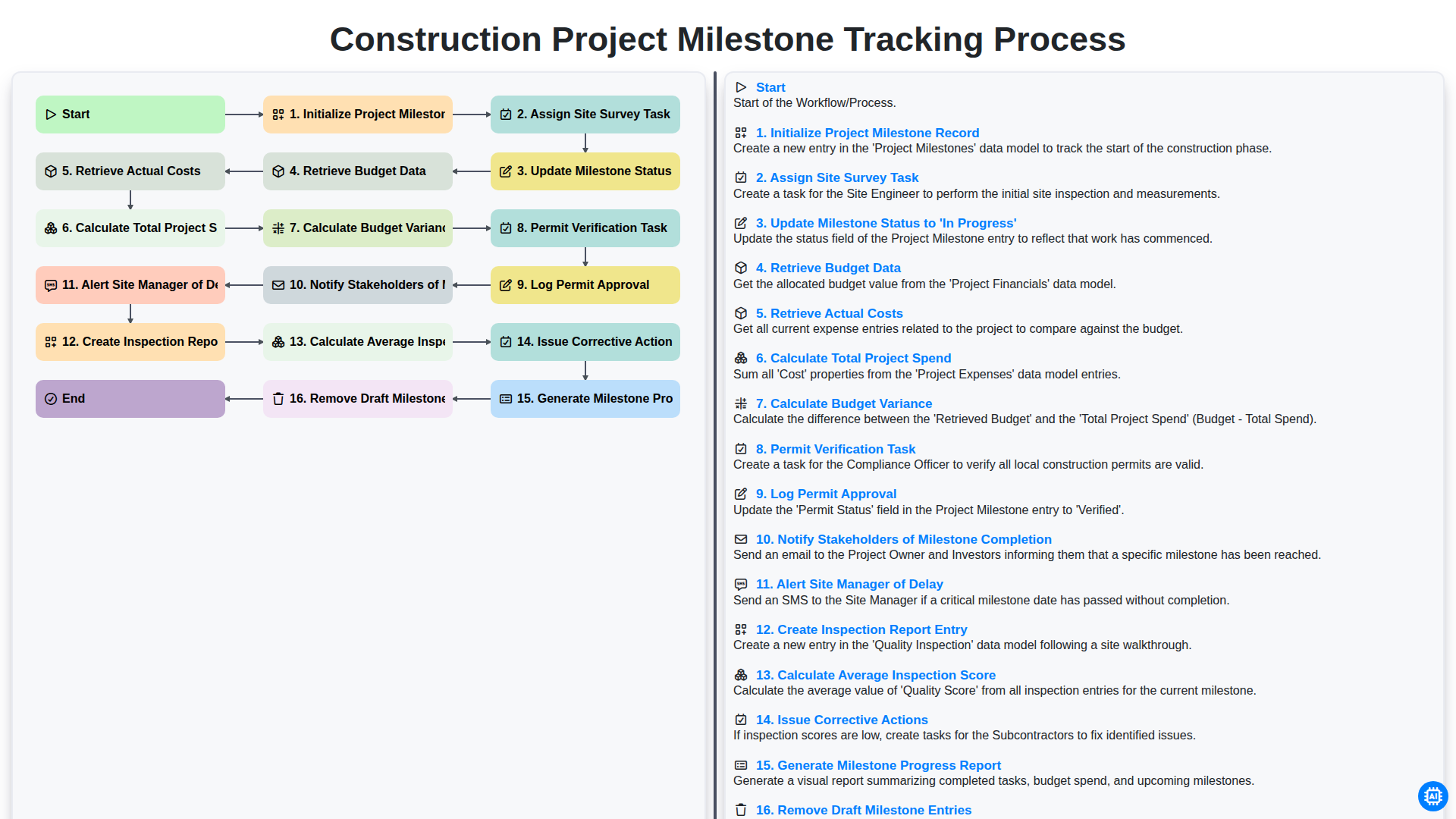
Construction Project Milestone Tracking Process
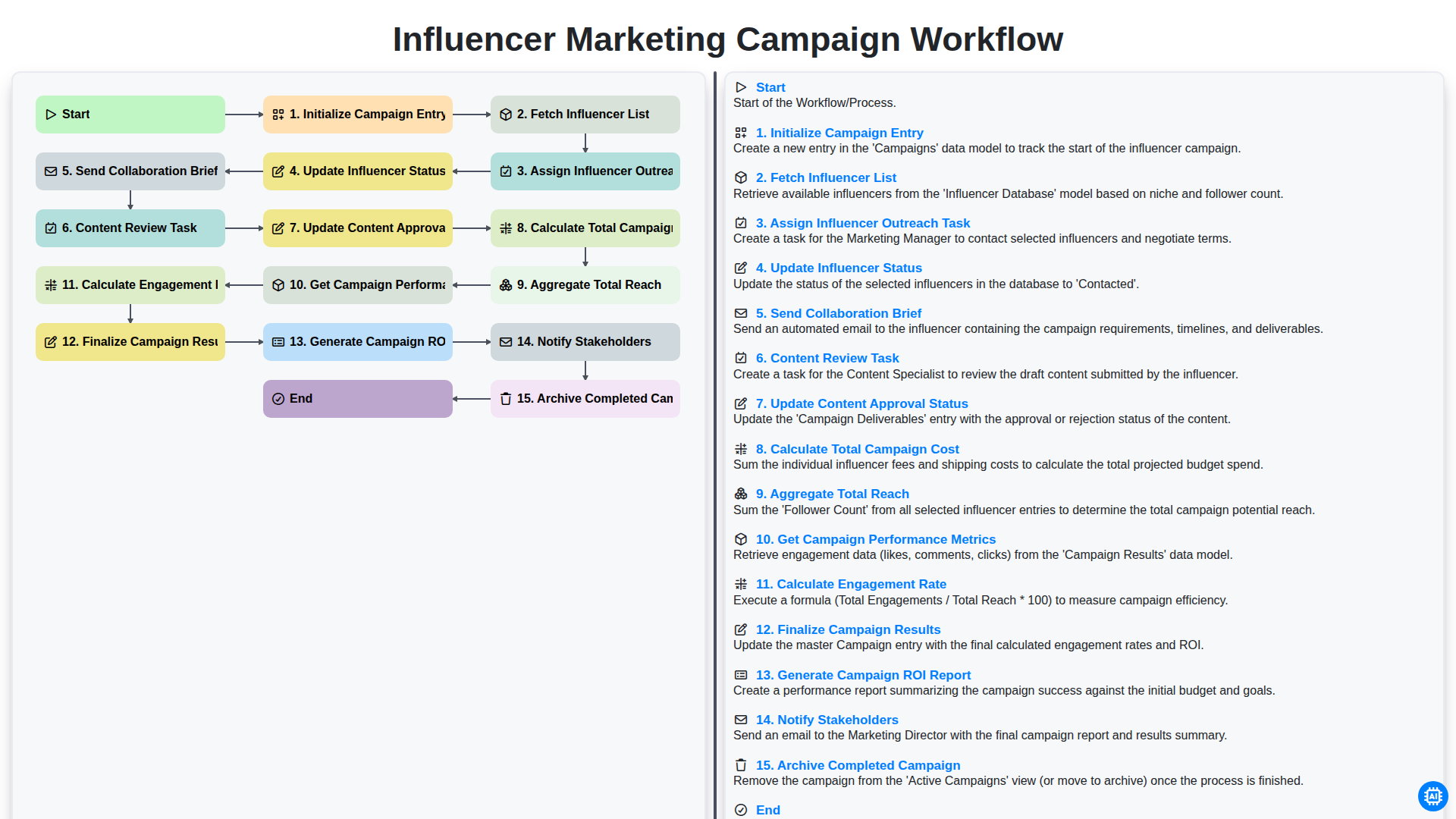
Influencer Marketing Campaign Workflow
We can do it Together
Need help with
Task Management?
Have a question? We're here to help. Please submit your inquiry, and we'll respond promptly.