Abandoned Property Checklist for Property Managers: A Step-by-Step Guide
Published: 11/26/2025 Updated: 07/02/2026
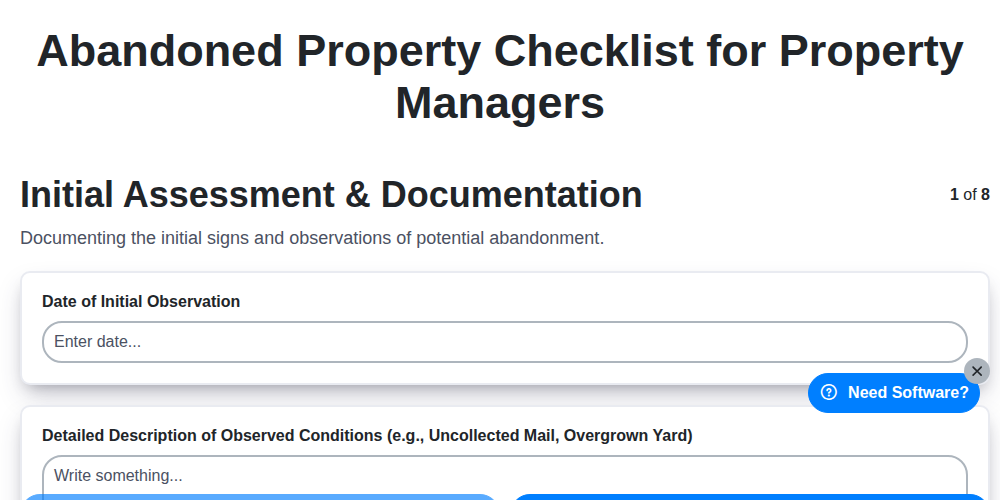
Table of Contents
- Understanding Abandoned Property: What It Means for Property Managers
- Initial Assessment & Documentation: Recognizing Abandonment
- Communication Attempts: Reaching Out to the Tenant
- Legal Research & Notifications: Understanding Your Rights & Obligations
- Property Security & Protection: Preventing Further Loss
- Inventory & Valuation: Documenting the Contents
- Storage & Disposal: Handling the Abandoned Property
- Legal Action & Recovery: Pursuing Ownership or Compensation
- Final Documentation & Reporting: Completing the Record
- Tenant Liability & Potential Claims
- Mitigating Risk: Best Practices for Abandonment
- Resources & Further Assistance
- Resources & Links
TLDR: Dealing with abandoned property as a property manager can be a legal and logistical nightmare. This checklist simplifies the process, outlining steps from initial assessment and communication to legal action and disposal, ensuring you cover all bases and minimize potential liability. It's your go-to guide for handling abandoned properties properly and efficiently.
Understanding Abandoned Property: What It Means for Property Managers
Defining abandoned property can be surprisingly complex. It's more than just a tenant leaving abruptly. Legally, it means the tenant has demonstrably deserted the premises with the clear intent not to return and has relinquished all rights to the property. This intent is crucial and needs to be established, not merely assumed. Key indicators often include a sudden departure without notice, accumulation of unpaid rent and utilities, and a clear absence of communication regarding future plans. Simply put, it's about proving the tenant has effectively given up their claim to the property. Understanding this legal definition is the first step in navigating the delicate and potentially complicated process of handling abandoned property.
Initial Assessment & Documentation: Recognizing Abandonment
Recognizing true abandonment can be tricky, and proper documentation from the very beginning is absolutely crucial for protecting yourself and your business. Don't jump to conclusions! This initial assessment lays the groundwork for everything that follows.
Here's what you need to do:
- Visual Inspection: Conduct a thorough walk-through of the property. Look for signs of abandonment such as overgrown landscaping, accumulated mail/packages, disconnected utilities, and a general lack of upkeep.
- Utility Status: Verify the status of all utilities (water, electricity, gas). Disconnection is a strong indicator, but be mindful of potential payment arrangements. Document dates and confirmation methods.
- Mail & Deliveries: Note the presence and accumulation of mail and packages. This is a key factor in determining if someone is actively residing at the property. Photograph the accumulation.
- Vehicle Presence: Observe if any vehicles are typically present and whether they are gone for an extended period.
- Personal Belongings: Document the amount and type of personal property left behind. This isn't just about quantity, but also what it suggests about the resident's lifestyle and potential intentions.
- Photographic Evidence: Take extensive photographs and videos of everything. This is your visual record.
- Date & Time: Meticulously record the date and time of each assessment and all observations.
- Witnesses: If possible, have another property manager or a reliable individual witness the assessment and sign off on your observations.
Remember: This initial assessment is about collecting facts. Avoid making assumptions or drawing conclusions at this stage.
Communication Attempts: Reaching Out to the Tenant
Before pursuing legal action regarding abandoned property, diligent and documented communication attempts are absolutely crucial. This demonstrates good faith and can often resolve the situation without costly legal battles. Here's a structured approach to tenant communication:
1. Initial Contact (Certified Mail & Phone): A formal, certified letter is paramount. This letter should clearly state your concerns regarding the potential abandonment, referencing the lack of rent payments, failure to contact you, and the observed condition of the property. Include a reasonable deadline for the tenant to respond and reclaim their belongings. Simultaneously, attempt phone calls to the tenant - document the date, time, and results of these attempts (e.g., voicemail left, no answer, brief conversation).
2. Follow-Up Communications: If no response is received after the initial certified letter deadline, send a second certified letter, reiterating the situation and extending a further deadline. This reinforces the seriousness of the matter.
3. Electronic Communication (If Available): If you have an email address or other electronic communication method for the tenant, utilize it. While not as legally robust as certified mail, it provides another avenue for contact and demonstrates you've made reasonable efforts.
4. Record Everything: Meticulously document every communication attempt - dates, methods used (certified mail tracking numbers, phone call logs, email records), and the content of any conversations. This documentation is vital if legal action becomes necessary.
Important Note: Avoid entering the property unannounced or attempting to contact the tenant through social media or other unprofessional methods. This could be considered harassment and create legal issues for you. Your focus should be on professional, documented attempts to reach the tenant.
Legal Research & Notifications: Understanding Your Rights & Obligations
Navigating abandoned property laws can be a legal minefield. It's crucial to understand your rights and obligations as a property manager before taking action. This stage requires diligent research specific to your state and local jurisdictions - laws vary dramatically.
Begin by thoroughly researching your state's abandoned property laws, focusing on definitions of abandonment, tenant rights, and landlord responsibilities. Key areas to investigate include:
- Definition of Abandonment: What constitutes abandonment in your jurisdiction? Is it based on unpaid rent, cessation of utilities, physical absence, or a combination?
- Notice Requirements: What type of notices are required, and how must they be served (certified mail, personal service, posting on the property)? What are the timelines for each notice?
- Tenant's Right to Return: Does the tenant have a right to return and reclaim their belongings? For how long?
- Liability Concerns: What are the potential liabilities if you dispose of property prematurely or fail to follow proper procedures?
Beyond state law, be aware of any local ordinances that may add further requirements. Document all legal research, including sources and dates consulted. This documentation can be invaluable if legal challenges arise. Consider consulting with an attorney specializing in landlord-tenant law to ensure full compliance and avoid costly mistakes.
Property Security & Protection: Preventing Further Loss
Abandoned property presents a significant security risk. It's not just about the lost assets; it's about attracting vandals, squatters, and thieves. Protecting the property is a crucial step in the abandoned property process. Here's what property managers need to do:
- Secure Entry Points: Immediately secure all unlocked doors and windows. Consider changing locks if there's any suspicion of unauthorized entry.
- Board Up Openings: If windows or doors are broken, board them up promptly to prevent access.
- Install Temporary Security Measures: This could involve temporary fencing, motion-activated lights, or a security system (even a basic one).
- Regular Patrols: Increase the frequency of property patrols, either by in-house staff or a security service, to deter potential intruders.
- Visible Signage: Post clear signage indicating the property is secured and under management. This can deter casual trespassers.
- Address Utilities (if applicable): Depending on local regulations and the specific circumstances, consider disconnecting utilities to prevent tampering or misuse. Always consult legal counsel before disconnecting utilities.
- Document Everything: Thoroughly document all security measures taken, including dates, actions, and costs. Photographs are essential.
Inventory & Valuation: Documenting the Contents
This is arguably one of the most critical steps in dealing with abandoned property. A thorough and accurate inventory and valuation provides a solid foundation for legal proceedings and potential recovery efforts. Here's what needs to be done:
- Detailed Listing: Create a comprehensive list of all remaining personal property. Be specific - note brands, models, sizes, and any identifying marks. Don't just write furniture; write Queen-sized mattress, Sealy Posturepedic, model XP123.
- Photographic & Video Evidence: Documentation is key! Take numerous photos and videos of every item. Capture the condition of each item clearly. A video walkthrough of the property, narrating the inventory, can be incredibly valuable.
- Condition Assessment: Note the condition of each item - new, used, damaged, broken, etc. Be descriptive. Sofa, blue velvet, multiple stains, ripped cushions is far more useful than sofa, used.
- Estimated Value: Assign a reasonable estimated value to each item. This doesn't need to be an appraisal (though for high-value items, an appraisal might be beneficial), but should be based on comparable online listings (eBay, Craigslist, Facebook Marketplace), retail prices, or used furniture dealers. Document where you found the comparable pricing.
- Storage Considerations: If items are being stored, document the storage location, date of entry, and any associated storage fees. Maintain records of any damage that occurs while in storage.
- Separate High-Value Items: Identify and specifically flag any items of significant value (jewelry, electronics, antiques). These may warrant special handling and potentially require more detailed appraisals.
Ultimately, a complete and meticulously documented inventory and valuation protects you and establishes a clear record for potential legal action or recovery attempts.
Storage & Disposal: Handling the Abandoned Property
Dealing with abandoned property is never easy, and the storage and eventual disposal phase requires meticulous planning and adherence to legal guidelines. Here's a breakdown of how to navigate this challenging step:
Secure and Inventory Storage: After the property has been secured (see the previous section on Property Security & Protection), it needs a designated storage location. This could be on-site (if space allows and is secure) or at a reputable, climate-controlled storage facility. Crucially, document everything. Create a detailed inventory list with photographs and descriptions of each item. Assign a unique identification number to each item for tracking purposes. This inventory serves as essential evidence should ownership disputes arise.
Storage Duration & Costs: Clearly outline your storage fees and duration in your lease agreement. Generally, you can store property for a reasonable amount of time - what's "reasonable" depends on state laws and the value of the property. Communicate storage costs clearly to the former tenant in all your communications (see Communication Attempts).
Disposal Options - and Legal Considerations: Once the storage period expires (and after all legally required notifications have been fulfilled - referencing Legal Research & Notifications), you can proceed with disposal. Options include:
- Sale: Holding an auction or selling items individually can recoup some storage costs. Document the sale process, including advertising, bids received, and final sale price.
- Donation: Consider donating usable items to local charities. Obtain donation receipts for tax purposes and to provide proof of due diligence.
- Disposal: For unusable or unsalvageable items, proper disposal is essential. Adhere to local regulations regarding waste disposal and recycling.
Critical Point: Documentation, Documentation, Documentation! Before any disposal method is employed, maintain a clear audit trail. Photographs of items prior to disposal, receipts for sales or donations, and any relevant correspondence are vital. This demonstrates you've acted responsibly and in accordance with the law. Failure to properly document disposal can lead to legal challenges.
Legal Action & Recovery: Pursuing Ownership or Compensation
Navigating legal action regarding abandoned property is complex and requires a careful, methodical approach. This isn't a step to be taken lightly, as improper handling can lead to legal challenges from former tenants.
When to Consider Legal Action:
Legal action becomes a viable option after all reasonable attempts at communication have failed, and the property remains unoccupied and demonstrably abandoned. You've documented everything (as per previous checklist steps!), and you're confident in your assessment.
Potential Legal Avenues:
- Claiming Ownership (Reverter): Depending on the lease agreement and local laws (which vary significantly - see a legal professional!), you might be able to pursue a claim to regain ownership of the property. This typically requires establishing that the tenant clearly and unequivocally abandoned the premises, violating the terms of the lease.
- Unlawful Detainer Action (Eviction): Even though the tenant is absent, an unlawful detainer action (essentially a summary eviction) may be possible. This is a faster and less expensive route than a full-blown lawsuit but still requires legal grounds.
- Trespass Action: If the tenant's presence, even in abandonment, is causing damage or preventing rightful access, a trespass action may be considered.
- Storage Lien: If personal property remains on the premises, you may be able to file a storage lien to cover the costs of storing and eventually disposing of those belongings. This process is heavily regulated, and precise adherence to local laws is crucial.
Critical Considerations:
- Consult with Legal Counsel: Absolutely essential. Laws surrounding abandoned property vary drastically by jurisdiction. An attorney specializing in landlord-tenant law can advise on the best course of action and ensure compliance.
- Documentation is Paramount: Your thorough documentation from earlier checklist steps (communication attempts, assessment reports, inventory valuations) will be the foundation of any legal claim.
- Notice Requirements: Strict adherence to legally mandated notice periods and forms is critical. Failure to do so can invalidate any subsequent legal action.
- Potential for Counterclaims: Be prepared for the possibility of the former tenant filing counterclaims (e.g., claiming wrongful eviction, improper handling of property).
Disclaimer: This is for informational purposes only and does not constitute legal advice. Consult with a qualified legal professional for advice tailored to your specific situation.
Final Documentation & Reporting: Completing the Record
Once the entire abandoned property process has concluded - whether through tenant return, sale, or legal action - meticulous final documentation and reporting are absolutely crucial. This isn't just about covering your bases; it's about creating a clear, legally defensible record for future reference and potential audits.
Here's what this final stage encompasses:
- Compile a Complete File: Gather every document generated throughout the process - initial assessment reports, communication logs, legal notifications, inventory lists, valuation reports, storage receipts, photos, and any court filings.
- Create a Summary Report: Prepare a concise report summarizing the entire abandoned property case. This should include dates of abandonment, attempts to contact the tenant, legal steps taken, the final disposition of the property (sale, return, etc.), and any financial outcomes.
- Financial Reconciliation: Thoroughly reconcile all income and expenses associated with the abandoned property. This includes storage fees, disposal costs, legal fees, and any proceeds from sales. Document all transactions clearly.
- Update Property Records: Update your property management system with the final status - Abandoned Property Resolved - and attach the summary report for future access.
- Secure Storage: Store the complete physical and digital files securely, following your company's retention policy.
- Internal Review: Consider having a senior property manager or legal counsel review the entire case file to ensure accuracy and compliance.
Proper final documentation and reporting isn't just paperwork; it's a critical safeguard for your property management business.
Tenant Liability & Potential Claims
Navigating abandoned property situations can be legally complex, and understanding tenant liability is crucial. While the tenant is generally responsible for the property until officially released, property managers must tread carefully to avoid potential claims. Common issues arise when tenants allege wrongful eviction, improper handling of belongings, or inadequate notice.
Specifically, tenants might claim you didn't provide sufficient opportunity to retrieve their possessions, that you damaged or lost items during the assessment/storage process, or that you failed to follow state-specific abandonment laws. These claims can result in costly legal battles and reputational damage. Thorough documentation throughout the entire abandoned property process (as detailed in this checklist) is your strongest defense. Consult with legal counsel to ensure your actions align with local laws and to minimize the risk of tenant-initiated lawsuits. Remember, proactive communication and adherence to legal protocols are paramount in mitigating potential liability.
Mitigating Risk: Best Practices for Abandonment
Dealing with abandoned property is a landlord's worst nightmare. It's stressful, costly, and legally complex. While you can't always prevent abandonment, implementing proactive measures and following a meticulous process can significantly mitigate risk and minimize losses. Here's a breakdown of best practices to guide you through a potential abandonment situation:
Early Detection is Key: Be vigilant. Regularly check on properties, especially those with unusual payment patterns or communication lapses. Look for signs of abandonment beyond just unpaid rent - overflowing mail, utilities shut off, overgrown landscaping, or a general lack of upkeep.
Proactive Communication: Establish clear and consistent communication protocols in your lease agreements, including preferred contact methods and response expectations. This provides a baseline for identifying deviations that may indicate abandonment.
Thorough Documentation: Maintain impeccable records of all communication attempts, property condition assessments, and actions taken. This documentation is critical for legal defense should the matter escalate.
Understand Your Local Laws: Abandonment laws vary significantly by state and municipality. Familiarize yourself with your local ordinances regarding notices, entry procedures, and the process for handling abandoned property. Consulting with a legal professional specializing in landlord-tenant law is highly recommended.
Secure the Property: Immediately upon suspicion of abandonment, prioritize securing the property to prevent unauthorized entry, damage, or theft. This might involve changing locks, boarding up windows, and arranging for regular security checks.
Don't Assume: While signs might be concerning, don't immediately declare abandonment. Always attempt reasonable communication before taking any drastic actions.
Resources & Further Assistance
Dealing with abandoned property can be a complex and stressful situation. Here are some resources that can offer further assistance and guidance:
- Local and State Laws: Familiarize yourself with your specific jurisdiction's laws regarding abandoned property. Many state bar associations offer resources and guides.
- Legal Counsel: Consulting with an attorney specializing in property law is highly recommended. They can provide tailored advice and ensure you're compliant with all legal requirements.
- Landlord-Tenant Associations: These organizations often offer educational materials and support for property managers, including information on abandoned property procedures.
- Insurance Providers: Check with your insurance provider to understand coverage related to abandoned property and potential liabilities.
- Professional Property Management Organizations: Groups like the National Apartment Association (NAA) and the Institute of Real Estate Management (IREM) provide resources and training on various property management topics, including dealing with abandoned units.
- Government Agencies: Contact your local housing authority or city/county clerk for information on local ordinances and potential assistance programs.
Resources & Links
- Investopedia: A comprehensive financial dictionary and resource for understanding legal and financial terminology related to property abandonment and landlord-tenant law. Search for terms like 'abandonment,' 'eviction,' 'lien,' and 'property rights'.
- Nolo - Law You Can Understand: Offers articles and legal information on landlord-tenant law, eviction procedures, and dealing with abandoned property. Search for state-specific laws and regulations relevant to your location.
- American Bar Association: The ABA provides general information on legal topics, including landlord-tenant law. You may find relevant committee publications or resources here, although likely requiring further research.
- U.S. Department of Housing and Urban Development (HUD): While primarily focused on federally funded housing, HUD's website can provide insights into tenant rights and responsibilities, which are relevant background information when dealing with abandoned property.
- LegalZoom: Provides legal forms and information, including potential eviction notices or property recovery documents. Check their offerings carefully and consult with an attorney to ensure compliance with local laws.
- National Association of Apartment Owners (NAA): A professional organization for property managers and owners. NAA offers resources, education, and networking opportunities to help stay updated on best practices and legal issues related to property management, including abandonment.
- Institute of Real Estate Management (IREM): IREM provides education and certification programs for property managers. They offer courses and resources on property management practices, including legal compliance, which can be applicable to abandoned property situations.
- LexisNexis: A legal research service (subscription required) that provides access to statutes, case law, and legal commentary on landlord-tenant laws and abandoned property regulations. Useful for detailed legal research.
- Westlaw: Another leading legal research service (subscription required) similar to LexisNexis, providing comprehensive access to legal information relevant to abandoned property and landlord-tenant law.
- Attorney.com: Directory of attorneys specializing in real estate law and landlord-tenant disputes. Use this to find a local attorney who can provide legal advice and representation.
- Avvo: Another attorney directory focused on legal expertise. Can help find a local attorney specializing in real estate or landlord-tenant law.
- USA.gov - State Government: Links to state government websites where you can find specific laws and regulations related to landlord-tenant issues and property abandonment in your state. Very important for location-specific compliance.
Frequently Asked Questions
What is abandoned property and why is it a concern for property managers?
Abandoned property refers to personal property left behind by a tenant who has vacated a rental unit and appears to have no intention of returning for it. It's a concern for property managers because it can create legal liabilities, storage costs, and potential damage if not handled correctly according to state and local laws.
What is the difference between abandoned property and unclaimed property?
While often used interchangeably, they're distinct. Abandoned property refers specifically to personal belongings left in a rental unit. Unclaimed property is a broader term encompassing assets like bank accounts or insurance payouts that a person has not claimed.
What are the initial steps I should take when suspecting a tenant has abandoned the property?
First, attempt to contact the tenant via all available means (phone, email, certified mail). Document all attempts. If contact is unsuccessful, visually inspect the property. Look for signs of abandonment like uncollected mail, utilities shut off, and an absence of personal belongings typically present. Again, thoroughly document everything.
What does 'reasonable diligence' mean when attempting to contact a tenant?
'Reasonable diligence' means using all typically employed methods to reach the tenant. This usually includes certified mail (return receipt requested), phone calls, emails, and potentially contacting emergency contacts listed in the lease agreement. The definition can vary by jurisdiction, so consult local laws.
Can I simply dispose of the abandoned property?
No, you cannot. Improper disposal can expose you to legal action from the former tenant. You must follow a specific legal process that varies depending on your state and local ordinances. This usually includes notification and a waiting period.
What kind of notification is legally required before dealing with abandoned property?
Most jurisdictions require written notification sent via certified mail, return receipt requested. The notification should detail the abandonment, list the property to be disposed of, and provide a deadline for the tenant to claim it. The specific content and timing of the notification are dictated by law.
What is the waiting period before I can dispose of the property, and how is it determined?
The waiting period varies significantly by state and local ordinances. Some states require 30 days, others 60 or 90 days. Carefully research the regulations in your jurisdiction and adhere strictly to the mandated timeframe.
Can I store the abandoned property while I wait out the legal timeframe?
Yes, but you are responsible for the cost of storage. Be sure to document all storage expenses, as you may be able to deduct these from any rent owed or funds recovered from the former tenant.
What happens to the proceeds if I sell the abandoned property?
Any proceeds from the sale of the abandoned property should be held by the property manager or the landlord for a specific period of time, as dictated by state law. These funds are legally obligated to be returned to the former tenant if they later claim the property.
What documentation should I keep throughout the entire abandoned property process?
Maintain meticulous records! This includes all communication attempts with the tenant, photos and videos of the abandoned property, copies of the certified mail receipts, documentation of storage costs, and records of any sales or disposal of the property. This documentation is crucial in case of legal challenges.
Comments
There are no comments yet. Be the first to add one!
Real Estate Management Solution Demo
Simplify your real estate operations! ChecklistGuro streamlines property management, lease renewals, and maintenance requests. Enhance tenant satisfaction and maximize ROI. Manage it all with our Work OS.
Related Articles
Stress-Free Inspections: Your Home Inspection Coordination Checklist Template
The Ultimate Website Maintenance Checklist Template
10 Essential Checks: Your Brokerage Policy Review Checklist
The Ultimate Office Opening/Closing Checklist Template
Your Ultimate AML Compliance Checklist Template
Rent Collection Checklist Template: Your Landlord's Guide
Your Complete Flood Zone Disclosure Checklist Template
Fair Housing Training Checklist Template: Your Guide to Compliance
Need help with
Real Estate?
Have a question? We're here to help. Please submit your inquiry, and we'll respond promptly.