Your Annual Property Tax Assessment Checklist: A Step-by-Step Guide
Published: 11/26/2025 Updated: 07/02/2026
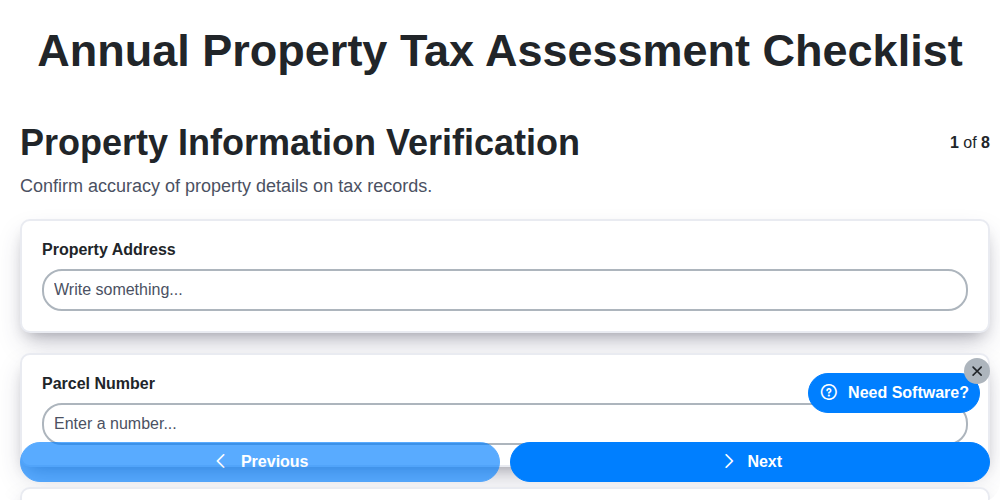
Table of Contents
- Understanding Your Property Tax Assessment
- 1. Property Information Verification: Is Everything Accurate?
- 2. Receiving and Reviewing Your Assessment Notice
- 3. Comparing Your Property Value: Research is Key
- 4. Understanding Comparables (Comps)
- 5. Identifying Potential Errors in Your Assessment
- 6. Evaluating Your Appeal Options: Should You Appeal?
- 7. Gathering Documentation for Your Appeal
- 8. Filing Your Property Tax Appeal: What to Expect
- 9. The Appeal Hearing (If Applicable)
- 10. Follow-Up and Communication After Filing
- 11. Record Keeping: Essential for Future Assessments
- 12. What if Your Appeal is Denied?
- Resources & Links
TLDR: Property taxes can feel overwhelming! This checklist breaks down the process - from verifying your property info and comparing valuations to understanding appeals and keeping records - so you can confidently navigate your annual assessment and potentially save money. It's your simple guide to staying on top of things!
Understanding Your Property Tax Assessment
Your property tax assessment is the foundation for calculating the taxes you pay each year. It's not necessarily the market value of your home, but rather an estimated value determined by your local assessor's office. Understanding how this assessment is arrived at, and your rights regarding it, is a vital part of responsible homeownership. The assessment process typically involves a combination of factors, including recent sales of comparable properties in your area, building permits filed for improvements on your property, and overall market trends. It's crucial to remember that assessments can and often do change from year to year. This is why regularly reviewing your assessment notice is so important - it's your opportunity to identify potential errors and ensure you're paying a fair amount.
1. Property Information Verification: Is Everything Accurate?
Before you even begin to question the assessed value, take a thorough look at the property information listed on the assessment notice. Sounds basic, right? But surprisingly common errors pop up! Double-check details like your property's address, legal description, ownership details (names and mailing addresses), and the classification (residential, commercial, etc.).
Even a minor discrepancy - a transposed digit in your address or a misspelled name - can impact the assessment process and potentially complicate any subsequent appeals. If you find any inaccuracies, contact your local assessor's office immediately to request corrections. This is a simple fix that can prevent larger issues down the line and demonstrate diligence when pursuing a value appeal. Don't assume it's correct - verify!
2. Receiving and Reviewing Your Assessment Notice
Once your local government completes their assessment process, you'll receive an assessment notice (sometimes called a tax bill or valuation notice). This document is crucial - don't just file it away! Take the time to thoroughly review it. The notice will outline your property's assessed value and the property taxes you're expected to pay. Key details to check include:
- Property Information: Verify that the address, description of the property (e.g., number of bedrooms, square footage, lot size), and any listed improvements are accurate. Errors here can impact your assessment.
- Assessment Date: Note the date the assessment is based on. This is important for understanding market conditions considered.
- Assessment Ratio (if applicable): Some jurisdictions use a ratio to determine the taxable value. Understand how this ratio applies to your property.
- Tax Rate: Review the applicable tax rate. Increases in this rate can significantly impact your tax bill even if your assessment hasn't changed dramatically.
- Due Dates & Payment Information: Confirm the dates and methods for paying your property taxes.
3. Comparing Your Property Value: Research is Key
Don't just accept your assessment notice at face value! This is where serious research comes in. You need to determine if the assessed value aligns with the actual market value of your property. Here's how to approach it:
- Check Recent Sales: Look for comparable properties (comps) that have sold recently in your neighborhood. Websites like Zillow, Redfin, and Realtor.com are good starting points. Pay attention to properties as similar as possible to yours in terms of size, condition, features (e.g., number of bedrooms/bathrooms, garage, yard), and location.
- Consider Market Trends: Is your area experiencing rising or falling property values? A rising market might justify a higher assessment, while a declining market suggests a reassessment is needed.
- Professional Appraisal (Optional): For a definitive valuation, consider hiring a licensed appraiser. While this involves a cost, it provides a professional opinion of your property's worth, which can be incredibly valuable if you decide to appeal.
- Factor in Condition: Be realistic about the condition of your property. While improvements (renovations, additions) can increase value, deferred maintenance or outdated features can decrease it.
4. Understanding Comparables (Comps)
A crucial part of evaluating your property tax assessment is understanding comps - comparable properties in your neighborhood. These are similar homes that have recently sold or been assessed. They provide a benchmark to determine if your assessment is fair.
What makes a good comp?
Look for properties that closely resemble yours in the following ways:
- Location: Ideally, comps should be within a short distance (typically within a few blocks) of your property.
- Size & Style: Similar square footage, number of bedrooms and bathrooms, and overall architectural style are important.
- Lot Size: A comparable lot size helps ensure a fair comparison of land value.
- Condition & Updates: Recent renovations or updates (kitchens, bathrooms, finished basements) will significantly impact value. Look for comps in similar condition.
- Sales Date: Recent sales (within the past 6-12 months) are the most relevant.
Where to find comps?
- Online Real Estate Websites: Zillow, Redfin, Realtor.com, and similar sites often provide sales data and property details.
- County Records: Your local county recorder's office usually maintains public records of property sales.
- Real Estate Agents: A local real estate agent can provide valuable insights and access to more detailed sales data.
- Assessment Records of Neighbors: You can sometimes view the assessment records of your neighbors online, providing a quick reference point.
Analyzing Comps:
Don't just look at the sale price. Consider the price per square foot for each comp. This gives you a more standardized way to compare properties of different sizes. If your assessment seems significantly higher than the price per square foot of comparable sales, it's a red flag.
5. Identifying Potential Errors in Your Assessment
Receiving your annual property tax assessment can feel overwhelming, but taking a proactive approach can save you money and avoid unnecessary stress. Many assessments contain errors - it's more common than you might think! Here's how to spot potential issues:
1. Data Discrepancies: Double-check the basic property information listed on your assessment. Is the address correct? Is the square footage accurate? Does it reflect the number of bedrooms and bathrooms? Even seemingly minor discrepancies can impact your assessment. Use your deed and previous assessments for comparison.
2. Incorrect Property Classification: Are you classified correctly (e.g., residential, commercial, agricultural)? Misclassification can lead to significant tax differences. Confirm that your property's use aligns with the assigned classification.
3. Improvement Oversight: Did the assessor miss a major improvement (like a recent addition, finished basement, or new deck)? Conversely, are they including something that no longer exists (e.g., a demolished garage)? Carefully compare the assessment's listed improvements to your property's actual condition.
4. Comparables & Market Value: Assessors use comparable sales (comps) to determine market value. While you don't need to be a real estate expert, a quick review of recent sales in your neighborhood can highlight discrepancies. If your assessment seems significantly higher than similar properties, it's a red flag. Be mindful that comps used may be older, and market conditions can change rapidly.
5. Exemption Miscalculations: If you're eligible for exemptions (like homestead, senior, or veteran's), ensure the assessment correctly applied these reductions. A simple error in calculating the exemption amount can lead to overpayment.
6. Evaluating Your Appeal Options: Should You Appeal?
Okay, so you're considering an appeal. That's a big step, and it's important to decide if it's worthwhile before you invest the time and effort. Not every assessment increase warrants an appeal. Here's a breakdown to help you decide:
Is the Increase Significant? A small increase (think a few percentage points) might be within the typical fluctuations of the market and might not be worth the effort of appealing. However, if your assessment has jumped significantly - say, 10% or more - it's certainly worth a closer look.
Understand Your Local Laws: Appeal deadlines and procedures vary greatly by location. Missing the deadline automatically disqualifies you. Familiarize yourself with your municipality's rules. Some areas have a limited number of appeal levels, while others offer more.
Assess Your Chances: While you're likely to have a better chance if your property is demonstrably overvalued compared to similar properties in your neighborhood (which you're already doing with the value comparison step!), consider other factors. Is the assessor generally receptive to appeals? Are there known issues with assessments in your area?
Consider the Costs: While an appeal doesn't usually involve filing fees, your time and potential legal or appraisal costs need to be factored in. Getting a professional appraisal can strengthen your case, but it also adds to the expense.
Think About the Alternatives: Sometimes, a direct conversation with the assessor can resolve the issue. Before jumping to a formal appeal, consider reaching out to discuss your concerns and see if a compromise can be reached.
Ultimately, the decision of whether to appeal is yours. Weigh the potential savings against the effort and potential costs, and be realistic about your chances of success.
7. Gathering Documentation for Your Appeal
Preparing a strong appeal requires solid evidence. Don't just argue - prove your case. Start by gathering everything related to your property and the assessment. This includes:
- Previous Assessment Records: Obtain copies of assessments from prior years. This highlights any significant jumps in value that warrant further investigation.
- Comparable Sales (Comps): This is crucial. Find recent sales (within the last 3-6 months, ideally) of similar properties in your neighborhood. Pay attention to size, condition, location, and amenities. Online real estate portals, public records, and a local real estate agent can be helpful resources.
- Property Condition Reports/Photos: Document any significant property defects or needed repairs that contribute to a lower market value (e.g., a leaky roof, outdated kitchen, foundation issues). Clear photos and professional inspection reports are invaluable.
- Renovation Records: If you're claiming a reduction in value due to disrepair, having records of attempted repairs or estimates for needed work strengthens your claim.
- Land Surveys/Plats: These are especially important if boundary disputes or inaccurate lot size information might be factors in the assessment.
- Any Communication with the Assessor: Keep copies of all letters, emails, and notes from previous conversations.
8. Filing Your Property Tax Appeal: What to Expect
So, you're ready to formally challenge your property tax assessment. This is a significant step, and understanding the process is key to a successful appeal. Here's what you can typically expect:
1. Deadlines are Critical: Property tax appeals have strict deadlines. Miss them, and you're likely out of luck until the following year. These deadlines vary by jurisdiction - your assessment notice should outline the specific date. Mark it clearly and don't miss it!
2. The Appeal Form: You're going to need to complete an official appeal form, usually available from your local assessor's office or their website. These forms will ask for specific information, including the reasons you believe your assessment is inaccurate. Be precise and clear in your explanation.
3. Initial Review: Your appeal will typically be reviewed by the assessor's office. This may involve a clerk or an initial reviewer who will examine your supporting documentation and compare your property to others.
4. Hearing (Potentially): Depending on your jurisdiction and the complexity of your appeal, you might be granted a hearing. This allows you to present your case in person (or virtually) to a review board or panel. Prepare your arguments and be ready to answer questions.
5. Notification of Decision: After the review, you'll receive a written notification of the decision. This will outline whether your appeal was successful and, if so, the adjusted assessment.
6. Subsequent Appeal (Optional): If you disagree with the initial decision, you often have the option to appeal further to a higher authority, such as a county board of equalization or a state-level body. Understand the process and deadlines for further appeals before proceeding.
Important Note: Be polite and professional throughout the entire process. A respectful and well-reasoned appeal is more likely to be taken seriously.
9. The Appeal Hearing (If Applicable)
If your written appeal is successful and the assessor doesn't agree with your proposed valuation, you may be scheduled for an in-person or virtual appeal hearing. This is your opportunity to formally present your case and explain why you believe the assessment is inaccurate.
Preparing for the Hearing:
- Revisit Your Documentation: Refresh your memory of all the evidence you've gathered. Know your property value comparisons inside and out.
- Practice Your Presentation: Briefly outline the key points you want to make. A clear, concise presentation is more persuasive.
- Understand the Hearing Process: Familiarize yourself with the rules of the hearing - who will be present, what questions you can expect, and how you can present your evidence.
- Be Respectful and Professional: Maintain a courteous and professional demeanor throughout the hearing, even if you disagree with the assessor's opinions.
- Listen Carefully: Pay close attention to the assessor's arguments and be prepared to respond to their questions.
What to Expect:
The hearing will typically involve you presenting your case, the assessor presenting theirs, and potentially a brief Q&A session. You may be allowed to present your documentation and possibly even bring an expert (like a real estate appraiser, though this can incur additional costs). Be prepared to answer questions about your valuation and the data you used to arrive at your figure.
10. Follow-Up and Communication After Filing
After submitting an appeal (or even if you didn't appeal!), consistent follow-up and communication are crucial. Don't just file and forget!
- Track Your Appeal: Note the date you filed, the reference number assigned, and any deadlines. Mark these dates clearly on your calendar.
- Stay Engaged: Most assessors' offices will have a contact person or department. Keep an eye out for emails or letters - respond promptly to any requests for additional information.
- Attend Hearings (if applicable): If your appeal progresses to a hearing, be prepared. Dress professionally and arrive on time.
- Be Professional and Persistent: Maintain a polite and respectful tone in all communication. Follow up periodically (every few weeks) to check on the status, but avoid being overly aggressive. A simple email asking for an update can demonstrate your seriousness.
- Document All Communication: Keep a detailed log of every email, phone call, letter, and meeting related to your property tax assessment. This record can be valuable if further action is needed.
11. Record Keeping: Essential for Future Assessments
Don't let all this hard work disappear! Meticulous record-keeping is arguably the most important step in this entire process. Think of this year's assessment as a baseline. Future assessments will be compared to it, and having a detailed log of your actions and their outcomes will be invaluable.
Here's what to keep:
- Assessment Notices: Keep every notice received, even if you didn't appeal.
- Comparative Data: Save all the comparable property data you gathered - listings, sales records, appraisals, photos. Label them clearly with addresses and dates.
- Communication Logs: Keep records of all conversations with the assessor's office, including dates, names, and a summary of what was discussed. Emails are excellent for this, but document phone calls as well.
- Appeal Documents: Save everything related to any appeals you filed, including the appeal form, supporting documentation, and any correspondence.
- Photographs/Videos: Keep any photos or videos you took of property conditions that supported your argument.
- Notes on Outcome: After the assessment, note the final assessment value and any concessions you received. This will help you track trends and anticipate future assessments.
Think of this as building a case file for your property. This proactive approach will streamline the process if you need to appeal again in the future, and it demonstrates a responsible and informed homeowner.
12. What if Your Appeal is Denied?
If your property tax appeal is initially denied, don't despair! It's a common occurrence and not the end of the process. You typically have the right to further appeal the decision. This next level usually involves a more formal hearing, potentially with an independent arbitrator or review board.
Before pursuing this further step, carefully review the reasons for the denial provided by the assessment authority. These reasons will give you insight into where your initial arguments fell short. Consider if you have additional evidence or a stronger argument to present. It's often a good idea to consult with a real estate professional, tax advisor, or even an attorney specializing in property tax appeals at this stage. They can help you evaluate the likelihood of success and prepare a compelling case.
Be aware that subsequent appeals often have stricter deadlines and require even more robust documentation. You may need to demonstrate a clear error in the previous assessment or provide compelling evidence of market value discrepancies. While pursuing a second appeal can be worthwhile, be realistic about the chances of success and weigh the potential benefits against the time and expense involved.
Resources & Links
- Internal Revenue Service (IRS): While primarily focused on federal taxes, the IRS website offers foundational information about property taxes in some contexts, and understanding general tax principles is helpful.
- USA.gov - Property Taxes: Official U.S. government portal providing basic information and links to state and local property tax resources. A good starting point for understanding the broader landscape.
- Investopedia: Provides clear explanations of financial and real estate terms, including property tax assessment, comparables, and appeal processes. Useful for clarifying jargon.
- Realtor.com: Real estate listing website with data and tools for researching property values and comparables in your area. Can be used for initial value assessment.
- Zillow: Popular real estate website providing property value estimates, comparable sales data, and neighborhood information. Useful for comparing your property's value.
- Redfin: Similar to Zillow and Realtor.com, Redfin offers property data and comparable sales information to assist in assessment review.
- Appraisal Institute: Professional organization for real estate appraisers. Provides resources and information about the appraisal process and standards - helpful for understanding assessment methodology.
- National Taxpayers Union: Advocates for lower taxes and government spending. Their website might contain information and resources related to property tax assessment challenges.
- Tax Foundation: A non-profit organization providing fiscal and economic policy research, with often insights into state and local tax structures including property taxes.
- Your State's Department of Revenue/Taxation Website (Replace 'Yourstate' with your actual state): The most crucial resource: your state's official website dedicated to property taxes. Look for detailed information about assessment procedures, appeal deadlines, and local regulations. Crucially important for specific, local rules.
- Your County Government Website (Replace 'Yourcounty' with your actual county): Your county government website is the next level down, providing specific assessment details and appeal processes applicable to your location. Essential for local process understanding.
- Your City Government Website (Replace 'Yourcity' with your actual city): City-specific information on property taxes, assessment, and potential programs or initiatives may be found here. Important for urban areas.
- American Bar Association (ABA): While not solely focused on property taxes, the ABA's website can provide resources related to legal aspects of property tax appeals and rights.
Frequently Asked Questions
What is a property tax assessment?
A property tax assessment is an official estimate of the value of your property by your local government. This value is used to calculate the amount of property taxes you're required to pay each year. It's not necessarily the price you could sell your property for, but rather a standardized valuation for tax purposes.
Why should I review my annual property tax assessment?
It's crucial to review your assessment to ensure it's accurate. Errors can lead to overpaying taxes, which can significantly impact your finances. It's also a good opportunity to understand how your property's value is being assessed and to potentially identify areas where a correction might be warranted.
When is the assessment period and deadline for appeals?
The specific assessment period and appeal deadlines vary greatly depending on your location. This article should provide general guidance, but it's *essential* to check your local government's website or contact them directly for the precise dates and procedures for your area. Missed deadlines typically mean you're stuck with the assessment for that year.
What information should I gather before reviewing my assessment?
Gather recent comparable sales data for similar properties in your area (often called 'comps'). This includes properties of similar size, age, condition, and location. Also, have records of any improvements or renovations you're made to your property, as these can impact the assessed value. Photographs of your property's condition are also helpful.
What are some common reasons for a property assessment to be inaccurate?
Common inaccuracies can stem from outdated information, errors in data entry, unequal treatment compared to similar properties, or failure to account for property condition or recent improvements/renovations. Sometimes, assessments are simply incorrect due to administrative oversight.
How do I compare my assessment to comparable properties?
Look for properties similar to yours that have recently sold or been assessed. Note the sale price or assessment value of those properties and compare them to yours. Online real estate websites, county assessor records, and real estate agents can often provide this information. Consider factors like lot size, square footage, and amenities.
What steps do I take if I believe my assessment is too high?
First, contact your local assessor's office to discuss your concerns. They may be able to correct the error. If that doesn't resolve the issue, you can formally appeal the assessment. The appeal process typically involves submitting a written request and supporting documentation. This article outlines these steps in more detail.
What kind of documentation should I include with my appeal?
Include evidence to support your claim that the assessment is inaccurate. This could include comparable sales data, photos of property damage or disrepair, invoices for renovations, and any other relevant documentation. The more thorough your documentation, the stronger your case will be.
Can I hire a professional to help with the appeal process?
Yes, you can hire a property tax consultant or real estate attorney to assist with the appeal process. They can provide expert advice, prepare your case, and represent you at hearings. However, this comes with a cost and is typically only worthwhile for properties with substantial assessments.
What happens if my appeal is denied?
If your appeal is denied at the local level, you typically have the option to appeal to a higher authority, such as a county board of equalization or a state tax commission. The appeals process can become more complex at these higher levels. This article briefly mentions the potential for further appeals.
Comments
There are no comments yet. Be the first to add one!
Real Estate Management Solution Demo
Simplify your real estate operations! ChecklistGuro streamlines property management, lease renewals, and maintenance requests. Enhance tenant satisfaction and maximize ROI. Manage it all with our Work OS.
Related Articles
Stress-Free Inspections: Your Home Inspection Coordination Checklist Template
The Ultimate Website Maintenance Checklist Template
10 Essential Checks: Your Brokerage Policy Review Checklist
The Ultimate Office Opening/Closing Checklist Template
Your Ultimate AML Compliance Checklist Template
Rent Collection Checklist Template: Your Landlord's Guide
Your Complete Flood Zone Disclosure Checklist Template
Fair Housing Training Checklist Template: Your Guide to Compliance
Need help with
Real Estate?
Have a question? We're here to help. Please submit your inquiry, and we'll respond promptly.