Automotive Customer Satisfaction: Your Follow-Up Checklist for Lasting Loyalty
Published: 29/12/2025 Updated: 30/12/2025
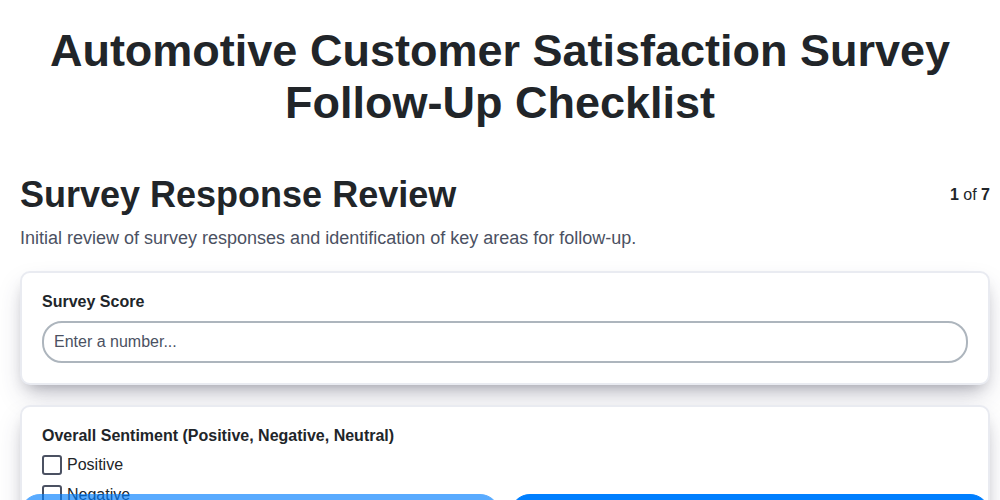
Table of Contents
- Why Follow-Up on Customer Satisfaction Surveys is Crucial
- The Automotive Customer Satisfaction Survey Follow-Up Checklist
- 1. Survey Response Review: Uncovering the Big Picture
- 2. Negative Feedback Handling: Turning Dissatisfaction into Opportunity
- 3. Positive Feedback Acknowledgment: Reinforcing What Works
- 4. Issue Resolution & Follow-Up: Closing the Loop
- 5. Service Improvement Recommendations: From Feedback to Action
- 6. Team Training & Communication: Empowering Your Staff
- 7. Documentation & Record Keeping: Building a Knowledge Base
- 8. Prioritizing Follow-Up: Addressing Urgent Concerns First
- 9. Measuring the Impact of Your Follow-Up Efforts
- Tools & Technology to Streamline Your Follow-Up Process
- Best Practices for Automotive Customer Satisfaction Follow-Up
- Building Long-Term Loyalty: The Ultimate Goal
- Resources & Links
TLDR: Just finished a customer satisfaction survey? Don't let those responses gather dust! This checklist guides you through reviewing feedback (good & bad), resolving issues quickly, recognizing positive experiences, and using insights to improve your auto shop's service. It's your roadmap to turning feedback into loyalty and boosting customer satisfaction!
Why Follow-Up on Customer Satisfaction Surveys is Crucial
Simply collecting customer satisfaction survey data isn't enough. It's the action you take afterward that truly demonstrates you value your customers and drives meaningful improvements. Ignoring survey responses, especially negative ones, can signal indifference and actively damage your reputation. A proactive follow-up process shows you're listening, actively seeking to understand, and committed to providing a better experience. It turns potentially damaging feedback into opportunities to build loyalty, recover lost customers, and ultimately, boost your business. Think of it as a golden opportunity to transform a potential problem into a testament to your dedication to excellence.
The Automotive Customer Satisfaction Survey Follow-Up Checklist
The first, and arguably most crucial, step is a thorough review of every survey response. Don't just glance at the overall score; dive into the comments and qualitative feedback. Segment your responses into categories: overwhelmingly positive, generally positive with minor suggestions, neutral, and - most importantly - negative.
Establish a clear timeframe for this review (daily or weekly is common depending on survey volume). Identify patterns - are recurring complaints emerging? Are there specific departments or processes consistently flagged? Assign a designated person or team to manage this process, ensuring consistency and accountability. Use a spreadsheet or dedicated software to track responses, categorize feedback, and assign owners for follow-up actions. A simple tagging system (e.g., billing issue, waiting time, service advisor communication) can be immensely helpful for identifying trends. Don't dismiss even seemingly minor comments; they often reveal underlying issues impacting customer experience.
1. Survey Response Review: Uncovering the Big Picture
Once your automotive customer satisfaction surveys start rolling in, the real work begins. Don't just let those responses sit in a spreadsheet! A thorough survey response review is the foundation of a truly customer-centric approach. This isn't about speed; it's about insight.
Start by categorizing responses - prioritize those with low scores (typically 1-3 on a 5-point scale), but don't ignore neutral (3) or positive (4-5) feedback either. Look for recurring themes. Are multiple customers mentioning the same issue with the waiting room? Is the same technician consistently receiving low marks?
Go beyond the numerical scores. Read the open-ended comments carefully. These qualitative insights often reveal the why behind the numbers. A low score might be linked to a specific misunderstanding or a perception of lack of communication.
Segment your data. Analyze responses by service type (oil change, repair, detailing), vehicle make/model, and even demographics (if you collect this information). This deeper dive can highlight areas of strength and weakness that might not be apparent in a general overview. Finally, establish a baseline - this data will be crucial for measuring the effectiveness of any improvements you implement.
2. Negative Feedback Handling: Turning Dissatisfaction into Opportunity
Negative feedback can feel like a punch to the gut, especially when you're dedicated to providing excellent automotive service. However, viewing it not as criticism, but as a critical opportunity for growth is paramount to building a thriving business. Ignoring or dismissing unhappy customers only amplifies their dissatisfaction and damages your reputation.
Here's how to effectively handle negative feedback from your customer satisfaction surveys:
1. Acknowledge and Validate: The first step is simply listening. Don't get defensive. Acknowledge the customer's frustration and validate their feelings. Phrases like, I understand your disappointment, or I'm truly sorry to hear you had this experience, go a long way.
2. Prompt Response: Don't let negative feedback linger. Respond quickly - within 24-48 hours is ideal. A delayed response signals indifference.
3. Personalize Your Response: Avoid generic, copy-pasted replies. Reference specific details from their survey response to show you genuinely read and understood their concerns.
4. Take Ownership (Even if it's Not Directly Your Fault): Even if the issue stemmed from a supplier or a third party, take responsibility for the customer's overall experience. Explain how you're addressing the underlying problem.
5. Offer a Sincere Apology: A heartfelt apology is essential. It demonstrates empathy and shows you care about their experience.
6. Propose a Solution: Offer a concrete solution to rectify the situation. This could be a discount on a future service, a complimentary detail, or another appropriate gesture of goodwill. Empower your staff to resolve issues on the spot, where possible.
7. Follow Up: After implementing the solution, circle back with the customer to ensure they're satisfied with the outcome. This demonstrates your commitment to making things right.
8. Analyze for Patterns: Track the nature of negative feedback to identify recurring issues and systemic problems within your processes. This information is invaluable for long-term improvement (see our section on Service Improvement Recommendations).
By transforming negative feedback into actionable insights and proactively addressing customer concerns, you can build trust, improve your services, and cultivate lasting customer loyalty.
3. Positive Feedback Acknowledgment: Reinforcing What Works
Positive feedback is a goldmine! It's not just nice to hear; it provides valuable insight into what you're doing right and what's contributing to customer satisfaction. Ignoring positive feedback is a missed opportunity to solidify those successes and build even stronger customer loyalty.
Here's how to effectively acknowledge and leverage positive comments:
- Publicly Recognize the Team (When Appropriate): If the feedback specifically mentions a team member's excellent service, share it (with their permission, of course!) in a team meeting, on an internal communication platform, or even on social media. Highlighting individual contributions fosters a positive work environment and reinforces desired behaviors.
- Personalized Thank You Notes: A handwritten or personalized email thanking the customer for their kind words can go a long way. It shows you genuinely appreciate their feedback.
- Share with Leadership: Pass positive feedback up the chain. It validates your team's efforts and can be used to advocate for resources or changes that support their success.
- Analyze for Patterns: Look for common themes in positive feedback. Are customers consistently praising your quick service, friendly staff, or a specific process? This helps you understand what's truly resonating and allows you to amplify those strengths.
- Feature Testimonials (With Permission): Ask satisfied customers if you can use their comments as testimonials on your website or in marketing materials. Authentic testimonials are incredibly powerful.
By actively acknowledging and celebrating positive feedback, you're not only showing your customers you care but also creating a virtuous cycle of excellence within your automotive service center.
4. Issue Resolution & Follow-Up: Closing the Loop
Addressing customer concerns isn't just about acknowledging them; it's about resolving them and ensuring the customer feels heard and valued. This is where your follow-up truly shines.
Here's a breakdown of how to tackle issue resolution effectively:
- Prioritize Urgency: Negative feedback often requires immediate attention. Categorize issues based on severity and impact (e.g., safety concerns, billing errors, service quality). High-priority items should be addressed within 24-48 hours.
- Personalized Communication: Avoid generic responses. Reference the specific issue from the survey and show you understand their frustration. Acknowledge the inconvenience and apologize sincerely.
- Clear Action Plan: Don't just apologize; outline the steps you'll take to resolve the issue. Provide a timeframe for resolution and be realistic about what you can deliver.
- Empower Your Team: Equip your team with the authority to make decisions and offer solutions. This can often expedite resolution and prevent further frustration.
- Consistent Updates: Keep the customer informed of progress. Even if there's no immediate solution, regular updates demonstrate you haven't forgotten about them.
- Verification of Satisfaction: Once the issue is resolved, actively follow up to ensure the customer is satisfied with the outcome. This shows you genuinely care about their experience. A simple, Is there anything else we can do? can go a long way.
- Document the Resolution: Clearly record the issue, the solution offered, and the customer's feedback on the resolution. This provides valuable data for future analysis and prevents recurrence.
5. Service Improvement Recommendations: From Feedback to Action
Your customer satisfaction survey isn't just about collecting data; it's about identifying opportunities to genuinely improve. The feedback you receive - both positive and negative - is a goldmine for service enhancements. But gathering the data is only the first step; you need a robust process for translating those insights into actionable improvements.
Here's how to move from feedback to action:
- Categorize and Prioritize: Don't just look at the overall satisfaction score. Break down the feedback into specific categories like appointment scheduling, service quality, communication, and waiting time. Then, prioritize these categories based on frequency of mentions and potential impact on customer satisfaction. A consistently flagged issue, even if not immediately catastrophic, deserves prompt attention.
- Root Cause Analysis: Don't just address the symptom of the problem. Dig deeper to understand the root cause. For example, if multiple customers complain about long wait times, is it due to staffing shortages, inefficient processes, or inaccurate appointment scheduling? Tools like the 5 Whys technique can be incredibly helpful here.
- Develop Actionable Solutions: Once you're clear on the root causes, brainstorm solutions. Be specific and measurable. Instead of improve communication, aim for implement a text message update system for appointment reminders and service progress.
- Assign Ownership & Deadlines: Improvements don't happen in a vacuum. Assign responsibility for implementing each solution to a specific team member or department. Establish clear deadlines for completion to ensure accountability.
- Track Progress & Measure Impact: Regularly monitor the effectiveness of your implemented changes. Revisit the areas highlighted in your survey and see if customer satisfaction has improved. Use this data to refine your processes and continuously strive for excellence.
Remember, acting on customer feedback shows that you value their opinions and are committed to providing the best possible automotive service experience.
6. Team Training & Communication: Empowering Your Staff
Customer satisfaction surveys aren't just about gathering data; they're a powerful tool to improve your team's performance and boost overall service quality. Sharing survey feedback - both positive and negative - with your team is crucial for fostering a culture of continuous improvement.
Here's how to approach team training and communication effectively:
- Regular Feedback Sessions: Schedule regular meetings (weekly or bi-weekly) dedicated to reviewing survey results. Don't just present numbers; share specific customer comments to illustrate points.
- Focus on Learning, Not Blame: Emphasize that the purpose of these sessions is to identify areas for improvement, not to assign blame. Create a safe space for team members to openly discuss challenges and offer solutions.
- Role-Playing and Scenario Training: Use negative feedback examples for role-playing exercises. This allows your team to practice handling difficult situations and develop empathy. Similarly, positive feedback can highlight best practices to reinforce.
- Sharing Success Stories: Publicly recognize and celebrate team members who receive exceptional praise in surveys. This boosts morale and encourages others to emulate their success.
- Communication Cascades: Ensure feedback is disseminated throughout the entire team, not just management. Brief daily huddles or quick updates can keep everyone informed.
- Training on Specific Skills: If recurring themes in negative feedback emerge (e.g., communication skills, product knowledge), provide targeted training to address those gaps.
By empowering your team with feedback and training, you transform customer satisfaction surveys from a simple data collection exercise into a catalyst for growth and excellence.
7. Documentation & Record Keeping: Building a Knowledge Base
Consistent and thorough documentation isn's just about covering your bases; it's about building a valuable knowledge base that fuels continuous improvement. After each customer satisfaction survey follow-up, meticulously record the following:
- Survey Responses: Keep a digital repository of all survey responses, both positive and negative. This provides a readily accessible history of customer sentiment.
- Follow-Up Actions: Detail every action taken to address concerns or acknowledge positive feedback. Include dates, staff involved, and specific steps executed.
- Issue Resolution Details: Document the root cause of any issues raised, the solution implemented, and the outcome (resolved, partially resolved, unresolved).
- Customer Communication Logs: Maintain a record of all communication with customers regarding survey responses and related actions. This includes emails, phone calls, and any other interactions.
- Team Training Records: Track any training sessions related to customer service, issue resolution, or communication skills.
- Trends & Patterns: Regularly analyze your records to identify recurring issues or areas for improvement. This could reveal systemic problems or training gaps.
Why is this important?
- Audit Trail: Provides a clear audit trail for internal reviews and potential customer disputes.
- Knowledge Sharing: Enables your team to learn from past experiences and avoid repeating mistakes.
- Trend Analysis: Helps pinpoint areas where your processes need adjustment to proactively improve customer satisfaction.
- Continuous Improvement: Forms the foundation for a culture of ongoing learning and refinement within your automotive service center.
Utilize a centralized system - whether it's a CRM, spreadsheet, or dedicated software - to ensure easy access and consistency in your documentation practices.
8. Prioritizing Follow-Up: Addressing Urgent Concerns First
Not all feedback carries the same urgency. While every comment deserves attention, a robust follow-up process must prioritize responses based on severity. A survey revealing a safety concern or a particularly egregious customer service failure requires immediate action. These issues should be flagged and escalated to the appropriate personnel (service manager, general manager, etc.) for swift resolution.
Conversely, feedback regarding minor inconveniences or suggestions for improvement can be addressed with a slightly longer timeframe. A clear system for categorizing feedback (e.g., Urgent, High Priority, Medium Priority, Low Priority) helps ensure resources are allocated effectively and that the most pressing issues are handled first. This tiered approach demonstrates to customers that you are attentive to all feedback, while also maintaining operational efficiency. Regularly review these priority levels to adapt to evolving customer expectations and emerging concerns.
9. Measuring the Impact of Your Follow-Up Efforts
You've diligently implemented your Automotive Customer Satisfaction Survey Follow-Up Checklist. But how do you know if all that effort is actually paying off? It's crucial to move beyond just doing the follow-up and actually measuring its impact. Here's how:
- Track Key Metrics: Start by establishing baseline data before implementing your follow-up program. Then, consistently track metrics like Net Promoter Score (NPS), Customer Satisfaction (CSAT) scores, and Customer Effort Score (CES). Compare these metrics over time to identify trends.
- Monitor Response Rates: How many customers are responding to your follow-up attempts? Low response rates indicate a potential problem with your communication channels or the perceived value of your follow-up.
- Analyze Feedback Trends: Are you seeing a decrease in negative feedback over time? Are the types of negative feedback evolving? This reveals the effectiveness of your issue resolution and service improvement initiatives.
- Assess Issue Resolution Time: Track how long it takes to resolve issues identified in the surveys. Reducing resolution time is a direct indicator of improved customer service.
- Gauge Customer Retention: Ultimately, satisfied customers are loyal customers. Monitor retention rates to see if your follow-up efforts are contributing to increased customer loyalty.
- Review Case Studies/Anecdotal Evidence: While numbers are important, don't overlook qualitative data. Review specific examples of successful follow-up interactions and customer testimonials. This helps illustrate the human impact of your efforts.
By consistently monitoring these indicators, you can refine your Automotive Customer Satisfaction Survey Follow-Up Checklist and ensure it's delivering tangible results - happy customers and a thriving business.
Tools & Technology to Streamline Your Follow-Up Process
Manually managing survey follow-up can be a real time sink. Thankfully, several tools can significantly streamline the process, freeing up your team to focus on what matters most: providing exceptional service. Here's a look at some options:
- CRM Integration: Linking your customer relationship management (CRM) system with your survey platform is a game-changer. This allows you to automatically update customer records with survey responses, trigger automated follow-up tasks (like assigning negative feedback to a specific technician), and personalize your communications. Popular choices include Salesforce, HubSpot, and Zoho CRM.
- Survey Platforms with Built-in Automation: Many modern survey platforms, such as SurveyMonkey, Qualtrics, and Typeform, offer built-in automation features. You can create automated email sequences based on survey responses, route specific feedback to the right team members, and even generate reports.
- Help Desk Software: Tools like Zendesk, Freshdesk, and Help Scout are ideal for managing and tracking customer issues raised in survey feedback. They allow you to assign tickets, set priorities, and monitor progress until resolution.
- Email Marketing Automation: Platforms like Mailchimp and Klaviyo can be leveraged to send personalized acknowledgment emails for positive feedback and more detailed follow-up sequences for negative feedback, ensuring a consistent and professional touch.
- AI-Powered Sentiment Analysis: Emerging AI tools can analyze open-ended survey responses to automatically identify the sentiment (positive, negative, neutral), allowing you to prioritize the most urgent feedback and allocate resources accordingly.
Best Practices for Automotive Customer Satisfaction Follow-Up
Following up on customer satisfaction surveys isn't just a good idea - it's a crucial component of building loyalty and driving business growth. Simply collecting data is only half the battle; what you do with that data is what truly matters. Here's a breakdown of best practices to ensure your follow-up process is effective and impactful:
1. Survey Response Review: Prioritize and Categorize
Don't just scan - review each response. Implement a clear categorization system. Responses can be flagged as: Urgent Negative, Negative - Requires Action, Neutral, Positive - Acknowledge, and Positive - Potential Referral. This allows your team to prioritize responses based on severity and required action. Automated tagging based on keywords can assist in this process, but always include a human review for nuance.
2. Negative Feedback Handling: Empathy and Ownership
Negative feedback is a goldmine for improvement, but how you handle it speaks volumes. Immediately assign responses marked Urgent Negative to a designated specialist. Acknowledge the customer's frustration, apologize sincerely (even if you believe the issue wasn't entirely your fault), and take ownership of the problem. Avoid defensiveness or shifting blame. This initial contact, whether phone or email, should be within 24 hours.
3. Positive Feedback Acknowledgment: Show Appreciation
Don't overlook the power of positive reinforcement. Acknowledge positive feedback promptly - within 48 hours is ideal. A simple "thank you" email or phone call acknowledging their positive experience can strengthen loyalty and encourage repeat business. Consider offering a small token of appreciation (e.g., a discount on their next service). Ask if they would be willing to leave a public review on platforms like Google or Facebook.
4. Issue Resolution & Follow-Up: Closing the Loop
After addressing the initial concern, actively resolve the underlying issue. Keep the customer informed of progress, providing realistic timelines and updates. Crucially, once the issue is resolved, follow up again to ensure they're satisfied with the outcome. This demonstrates a genuine commitment to customer care. Document all communication and actions taken.
5. Service Improvement Recommendations: Actionable Insights
Analyze recurring themes in both positive and negative feedback. Identify patterns and translate them into actionable recommendations for service improvements. Don't let feedback gather dust - actively present findings to relevant departments (service, parts, sales) and prioritize changes based on impact and feasibility.
6. Team Training & Communication: Empowering Your Staff
Equip your team with the skills and knowledge to handle customer interactions effectively. Train them on active listening, empathy, conflict resolution, and the specific steps involved in the follow-up process. Keep them informed of customer feedback and the changes being implemented based on that feedback. Foster a customer-centric culture across the entire organization.
7. Documentation & Record Keeping: Building a Knowledge Base
Maintain detailed records of all customer interactions, feedback received, and actions taken. This creates a valuable knowledge base for future reference, allows you to track progress in addressing common issues, and provides insights for continuous improvement. A centralized CRM system is invaluable for managing this data.
Building Long-Term Loyalty: The Ultimate Goal
Customer satisfaction surveys are valuable, but the data itself isn's the finish line. It's what you do with that data that truly matters. Think of the survey as a starting point in an ongoing conversation with your customers. A single positive experience can lead to repeat business, but consistently demonstrating that you're listening and taking action on their feedback is what builds genuine, lasting loyalty.
This isn't just about generating another sale; it's about creating a relationship. Customers are increasingly seeking brands they can trust and feel valued by. Responding thoughtfully to survey feedback, showing them you care, and actively improving their experience transforms a transactional interaction into a relationship built on mutual respect. Loyal customers are your best advocates, referring friends and family and consistently returning for your services. Investing in a robust follow-up process, as detailed in this checklist, is an investment in the long-term health and success of your automotive business. It's about proving that you're not just interested in their business today; you're invested in their continued satisfaction.
Resources & Links
- Net Promoter Score (NPS): Understanding the core principles behind NPS, a widely used metric for customer satisfaction and loyalty. Provides background and explanation of the scoring system.
- Consumer Reports: A valuable resource for understanding customer expectations in the automotive industry and the factors that influence satisfaction. See what consumers are prioritizing.
- J.D. Power: Industry benchmark for customer satisfaction in the automotive sector. Provides research, reports, and insights on customer perception. Can help contextualize your own findings.
- Help Scout: Offers a broad range of articles and resources on customer service, including topics related to feedback, issue resolution, and communication. Offers insights on the human side of customer service.
- Zendesk: Provides information on customer service software and best practices, including managing feedback and resolving issues. Good for automation and ticketing system ideas.
- Salesforce: Offers CRM solutions and resources on customer relationship management, which is essential for tracking customer feedback and building loyalty. Useful for integrating follow-up processes.
- SurveyMonkey: Although likely the platform you use is different, this offers a good overview of survey best practices and data analysis.
- HubSpot: Provides resources on inbound marketing and customer relationship management, including strategies for building customer loyalty and improving communication. Good for refining your communication strategies.
- BMC: Provides information on IT service management (ITSM) and business process automation. Could be useful if your follow-up process is heavily reliant on internal systems and requires integration.
- Gartner: Research and advisory company that provides insights into technology trends and customer experience. Provides context on larger CX trends impacting the automotive industry.
Frequently Asked Questions
What is automotive customer satisfaction and why is it important?
Automotive customer satisfaction refers to how happy a customer is with their experience, from initial research to service and beyond. It's crucial because satisfied customers are more likely to return for future purchases, recommend your dealership or service center, and leave positive online reviews, ultimately impacting your business's reputation and profitability.
What's the difference between customer satisfaction and customer loyalty?
While related, they aren't the same. Satisfaction means a customer had a positive experience. Loyalty goes further; it means they choose your business repeatedly, even when faced with alternatives. Satisfaction is a step *towards* loyalty, but follow-up and relationship building are essential to achieving true loyalty.
Why is a follow-up checklist so important for automotive customer satisfaction?
Simply completing a sale or service isn't enough. A follow-up checklist ensures you're addressing concerns, gathering valuable feedback, and nurturing the relationship. It allows you to proactively resolve issues and build trust, turning one transaction into a long-term relationship.
What are the key elements of a good automotive customer follow-up checklist?
A comprehensive checklist should include things like: a thank-you communication (email/phone), a satisfaction survey, follow-up on any open issues, maintenance reminders, personalized offers, and proactive updates on relevant services or products.
What types of communication channels should be used for follow-up?
A mix of channels is often best. Email is great for automated surveys and reminders. Phone calls allow for more personal interaction and addressing complex issues. Text messages can be useful for quick updates and service reminders. Consider what your customers prefer.
How soon after a purchase/service should follow-up begin?
Timing is important. A thank-you email should ideally go out within 24-48 hours. A satisfaction survey can be sent a few days later. Follow-up on specific issues should be prompt - within 24-72 hours. Maintenance reminders should be sent well in advance of due dates.
What should I do if a customer expresses dissatisfaction during follow-up?
Listen carefully and acknowledge their concerns. Apologize for the negative experience. Take ownership of the issue and offer a solution. Empower your team to resolve problems quickly and effectively. Document the issue and resolution to prevent recurrence.
How can I personalize my automotive customer follow-up checklist?
Use customer data to tailor your communications. Reference specific vehicles, services performed, or previous conversations. Offer personalized recommendations based on their preferences. Acknowledge and celebrate milestones like vehicle anniversaries.
How do I measure the effectiveness of my automotive customer follow-up checklist?
Track key metrics such as survey response rates, customer satisfaction scores (CSAT), Net Promoter Scores (NPS), customer retention rates, and online reviews. Regularly analyze these metrics to identify areas for improvement.
What are some common mistakes to avoid when following up with automotive customers?
Avoid generic, automated messages. Don't ignore negative feedback. Don't overload customers with unnecessary communications. Don't make promises you can't keep. Most importantly, don't treat follow-up as an afterthought.
Comments
There are no comments yet. Be the first to add one!
Automotive Manufacturing Management Solution Demo
Optimize your automotive production! ChecklistGuro digitizes workflows, from parts inspection to final testing. Reduce errors, boost efficiency & ensure quality compliance. Drive results with our Work OS.
Related Articles
The Ultimate Automotive Sales Prospect Follow-Up Checklist: Close More Deals
Mastering Automotive BOM Configuration: Your Essential Checklist

The Ultimate Vehicle Registration & Insurance Validation Checklist
Automotive Parts Inventory Audit Checklist Template: Your Guide to Accurate Stock

Maximize Your Trade-In: The Automotive Appraisal Checklist You Need
The Ultimate Tire Pressure & Condition Checklist Template
Automotive Parts Inventory Control Checklist Template: Your Ultimate Guide

Drive Sales Success: Your Automotive Sales Team Performance Tracking Checklist
We can do it Together
Need help with
Automotive?
Have a question? We're here to help. Please submit your inquiry, and we'll respond promptly.