Fortify Your Dealership: The Ultimate Security Audit Checklist
Published: 12/29/2025 Updated: 12/30/2025
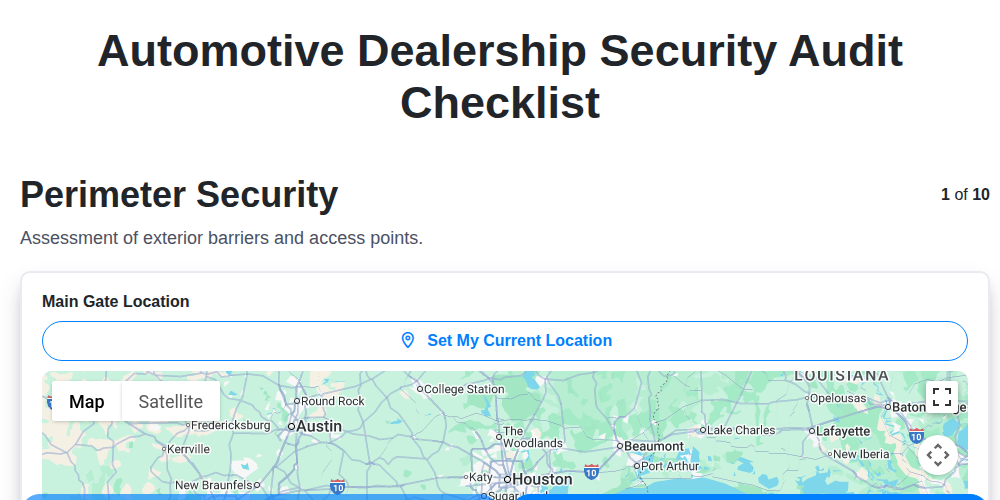
Table of Contents
- Introduction: Why a Security Audit is Crucial for Automotive Dealerships
- 1. Perimeter Security: Your First Line of Defense
- 2. Building Access Control: Restricting Entry Points
- 3. Surveillance System: Eyes Everywhere
- 4. Alarm System: Detecting and Responding to Threats
- 5. Cybersecurity: Protecting Digital Assets
- 6. Physical Asset Protection: Safeguarding Inventory and Equipment
- 7. Employee Security Procedures: Human Element Security
- 8. Emergency Response Plan: Preparedness is Key
- 9. Data Security and Privacy: Protecting Customer Information
- 10. Security System Maintenance: Keeping Systems Operational
- 11. Vehicle Inventory Security: Preventing Theft
- 12. Financial Security: Protecting Cash and Transactions
- 13. Audit Documentation and Review
- Conclusion: Continuous Improvement for Dealership Security
- Resources & Links
TLDR: Worried about dealership theft, cyberattacks, or safety? This checklist helps you systematically review your security - from fences and cameras to employee training and data protection. It's a step-by-step guide to identifying vulnerabilities and strengthening your dealership's defenses, ensuring peace of mind and protecting your valuable assets.
Introduction: Why a Security Audit is Crucial for Automotive Dealerships
Automotive dealerships are attractive targets for theft and cybercrime. High-value inventory, cash on hand, and sensitive customer data create a complex security landscape that demands proactive protection. A security breach, whether it's a smash-and-grab theft, a ransomware attack, or a data leak, can result in devastating financial losses, reputational damage, legal liabilities, and disruption to daily operations.
Simply relying on basic measures like locks and a single security guard isn't enough anymore. A comprehensive security audit provides a thorough assessment of your dealership's vulnerabilities, identifying weaknesses that criminals might exploit. This isn't just about preventing losses; it's about safeguarding your employees, customers, and the reputation you've worked so hard to build. This checklist will serve as a roadmap for that critical assessment.
1. Perimeter Security: Your First Line of Defense
Your dealership's perimeter is the first, and often most crucial, layer of security. A weak perimeter invites trouble. Let's examine key areas for assessment:
- Fencing & Gates: Are fences secure, in good repair, and of adequate height? Are gates locked and properly secured when not in use? Consider automated gate systems with access control for added protection.
- Lighting: Adequate exterior lighting is vital. Ensure all areas, including parking lots, walkways, and building approaches, are well-lit, especially during nighttime hours. Check for burnt-out bulbs and malfunctioning fixtures regularly.
- Landscaping: Overgrown landscaping can provide hiding places for potential intruders. Trim bushes and trees to maintain clear visibility around the property.
- Vehicle Parking: Implement clear parking policies for employees and customers. Consider designated employee parking further from the main building to reduce the risk of vehicle theft and provide an extra layer of observation.
- Signage: Ensure clear and visible signage indicating security measures, such as "Security Cameras in Use" or "Authorized Personnel Only." This serves as a deterrent.
- Regular Patrols: If feasible, implement regular patrols of the perimeter, either by security personnel or through regular employee walkthroughs.
2. Building Access Control: Restricting Entry Points
A dealership's physical security starts with controlling who enters your buildings - showrooms, service bays, parts departments, and administrative offices. Simply locking the front door isn't enough; a comprehensive approach is crucial.
Here's what to examine in your access control procedures:
- Key Management: Are keys properly tracked, distributed, and rekeyed when employees leave? A simple logbook is a good starting point, but consider electronic key management systems for enhanced control.
- Door Hardware: Ensure all exterior doors are solid core and have high-quality deadbolts. Consider reinforcing door frames for added security. Regularly inspect and repair any damaged hardware.
- Visitor Management: Implement a system for registering visitors. This could be as simple as a sign-in sheet or a more sophisticated electronic system. Train reception staff to verify visitors and escort them appropriately.
- Employee Access Levels: Not all employees need access to all areas. Define access levels based on job responsibilities and limit access accordingly. Implement card access or keypad entry where feasible.
- Service Bay Access: Service areas are particularly vulnerable. Control access with a combination of key cards, codes, and/or supervised entry.
- Loading Dock Security: Loading docks are often overlooked, but offer a significant vulnerability point. Secure gates and ensure proper monitoring of deliveries.
- Regular Audits: Periodically review access logs and physically inspect access points to ensure procedures are being followed and systems are functioning correctly.
3. Surveillance System: Eyes Everywhere
A robust surveillance system is a cornerstone of dealership security. It's more than just cameras; it's a comprehensive approach to deterring crime and providing crucial evidence if incidents do occur. Here's what to examine:
- Coverage: Are all vulnerable areas covered? This includes parking lots (front and rear), entrances, service bays, parts storage, vehicle display areas, and offices. Blind spots are invitations to criminals - identify and eliminate them.
- Camera Quality & Type: Are you utilizing high-resolution cameras capable of capturing clear images, even in low-light conditions? Consider a mix of fixed, PTZ (pan-tilt-zoom), and dome cameras to cover various angles and distances. Infrared capabilities are a must for nighttime surveillance.
- Recording & Storage: How long are recordings kept? Ensure you comply with legal requirements and best practices (typically 30-90 days). Verify sufficient storage capacity and consider cloud-based storage for redundancy and offsite backup.
- Remote Access & Monitoring: Can authorized personnel remotely access live and recorded footage? This enables proactive monitoring and quick responses to potential threats.
- Integration: Does your surveillance system integrate with your alarm system and access control system for a unified response? For example, an alarm trigger could automatically initiate camera recording.
- Regular Review: Are camera angles and functionality periodically reviewed to ensure optimal performance and address any evolving vulnerabilities? Vegetation overgrowth or new building construction can impact camera views.
4. Alarm System: Detecting and Responding to Threats
A robust alarm system is more than just a siren; it's your dealership's first line of defense against intrusion, theft, and vandalism. It needs to be meticulously designed, regularly tested, and seamlessly integrated with your overall security plan.
Here's what your alarm system audit should cover:
- Coverage: Are all critical areas - entrances, windows, storage facilities, service bays, and offices - covered by sensors? Consider motion detectors, door/window contacts, and glass break sensors.
- Alarm Types: Does the system differentiate between different types of alarms (e.g., intrusion, fire, panic)? This allows for appropriate response protocols.
- Monitoring: Is the system professionally monitored 24/7? If so, verify the monitoring company's response time and procedures. If self-monitored, ensure adequate staff is available and trained to respond to alerts promptly.
- Communication: How does the alarm system communicate with the monitoring company (or internally)? Is there a backup communication method (e.g., cellular) in case of power or phone line failure?
- False Alarm Prevention: Review settings and sensitivity to minimize false alarms. Proper signage should be posted to deter unauthorized entry and alert potential intruders. Document any recent false alarms and the corrective actions taken.
- Integration: How well does the alarm system integrate with other security systems (e.g., surveillance, access control)? Coordinated responses are more effective.
- Testing & Maintenance: Document regular testing of all sensors and the alarm panel. Verify battery backups are functioning correctly and that maintenance schedules are followed.
5. Cybersecurity: Protecting Digital Assets
An automotive dealership holds a wealth of sensitive data - customer information, financial records, vehicle inventory details, and more. A robust cybersecurity posture is no longer optional; it's a critical component of overall dealership security. This goes far beyond simply having antivirus software.
Here's what to consider:
- Network Segmentation: Divide your network into zones to limit the impact of a potential breach. Separate guest Wi-Fi from your internal network and critical systems.
- Regular Vulnerability Scanning & Penetration Testing: Proactively identify and address weaknesses in your systems before attackers exploit them.
- Firewall Configuration & Management: Ensure firewalls are properly configured, regularly updated, and monitored for suspicious activity.
- Multi-Factor Authentication (MFA): Implement MFA for all critical systems and employee accounts. This adds an extra layer of protection beyond just a password.
- Data Encryption: Encrypt sensitive data at rest (on servers and devices) and in transit (when transmitted over networks).
- Employee Cybersecurity Training: Equip your staff with the knowledge to identify phishing emails, avoid malware, and practice safe online habits. This is a vital, often overlooked, defense.
- Software Updates & Patch Management: Keep all software, including operating systems and applications, up-to-date with the latest security patches.
- Incident Response Plan: Have a documented plan outlining steps to take in the event of a cyberattack.
- Vendor Security Assessments: Evaluate the security practices of your vendors, particularly those with access to your dealership's data.
- Regular Backups: Implement a robust backup and recovery system to ensure business continuity in case of a data loss event.
6. Physical Asset Protection: Safeguarding Inventory and Equipment
Automotive dealerships hold significant physical assets - new and used vehicles, parts, tools, and equipment - representing a substantial investment. Protecting these assets from theft, vandalism, and damage is paramount. This section of the security audit focuses on measures beyond basic perimeter security and delves into the specifics of asset protection.
Key Areas to Assess:
- Vehicle Storage: Evaluate the security of vehicle storage areas, including indoor and outdoor lots. Consider factors like:
- Lighting: Adequate lighting deters opportunistic thieves, particularly during nighttime hours.
- Fencing & Barriers: Ensure fencing is secure, well-maintained, and appropriate for the dealership's location and surrounding environment. Consider bollards to prevent vehicle ramming.
- Wheel Locks/Immobilizers: Utilize wheel locks or immobilizer systems on valuable vehicles.
- Inventory Tracking: Implement a robust inventory tracking system to quickly identify missing or damaged vehicles.
- Parts Department Security: The parts department is a prime target for theft. Assess:
- Access Control: Restrict access to authorized personnel only, with clear accountability for inventory.
- Secure Storage: Implement locked storage for high-value parts.
- Inventory Reconciliation: Regularly reconcile inventory to identify discrepancies.
- Tool and Equipment Security: Protect valuable tools and equipment from theft or misuse.
- Secure Storage: Lock up tools and equipment when not in use.
- Inventory Control: Maintain an inventory of all tools and equipment, and track their location.
- Usage Logs: Consider implementing usage logs for high-value tools.
- Asset Tagging/Tracking: Consider employing asset tagging or GPS tracking devices on valuable equipment and vehicles to aid in recovery if theft occurs.
A comprehensive physical asset protection strategy isn't just about preventing loss; it's about minimizing disruption to business operations and protecting the dealership's reputation.
7. Employee Security Procedures: Human Element Security
Your dealership's physical and digital security systems are only as strong as the people operating and interacting with them. Insider threats, unintentional errors, and social engineering attacks are significant vulnerabilities. Robust employee security procedures are critical to mitigating these risks.
Here's what to include:
- Background Checks: Comprehensive background checks for all employees, especially those in positions of trust (sales, finance, service). Regular re-checks should also be considered.
- Security Awareness Training: Ongoing training on recognizing phishing attempts, social engineering tactics, and suspicious activity. Refreshers are vital - security threats evolve.
- Access Control Protocols: Clearly defined procedures for granting and revoking access to buildings, systems, and data. Implement the principle of least privilege - only grant access necessary for job functions.
- Password Management: Enforce strong password policies and multi-factor authentication wherever possible. Prohibit password sharing and encourage the use of password managers.
- Incident Reporting Procedures: Establish a clear and confidential process for employees to report suspicious activity or potential security breaches without fear of reprisal.
- Clean Desk Policy: Implement a clean desk policy to prevent unauthorized access to sensitive documents and data when employees are away.
- Exit Interviews: Conduct thorough exit interviews to revoke access and retrieve company property upon employee departure.
- Regular Audits: Periodically audit employee adherence to security procedures and update training as needed.
Investing in employee security isn't just about compliance; it's about cultivating a culture of security that protects your dealership's assets and reputation.
8. Emergency Response Plan: Preparedness is Key
An emergency can strike any business, and automotive dealerships, with their valuable inventory and sensitive customer data, are not exempt. A well-defined and regularly practiced Emergency Response Plan (ERP) is crucial for ensuring the safety of your employees, protecting your assets, and minimizing disruption to your operations.
Your ERP should cover a range of potential scenarios, including:
- Natural Disasters: Fire, flood, severe weather (tornadoes, hurricanes).
- Security Threats: Burglary, robbery, active shooter, vandalism.
- Medical Emergencies: Injury on premises, sudden illness.
- Cybersecurity Incidents: Data breaches, ransomware attacks (which often require specific response protocols).
Key Components of a Robust ERP:
- Clearly Defined Roles & Responsibilities: Who is in charge? Who handles evacuations? Who contacts emergency services?
- Evacuation Procedures: Clearly marked exit routes, assembly points, and procedures for assisting individuals with disabilities.
- Communication Plan: How will information be disseminated to employees, customers, and stakeholders during an emergency? (Consider backup communication methods if primary systems fail).
- Emergency Contact List: Easily accessible list of key personnel, emergency services (police, fire, ambulance), and relevant vendors.
- Training & Drills: Regular training sessions and simulated drills to familiarize employees with procedures and identify areas for improvement. Don't just have a plan; practice it.
- Post-Emergency Procedures: Steps to be taken after the immediate threat has passed, including damage assessment, recovery, and communication with insurance providers.
Don't treat your ERP as a document gathering dust on a shelf. Review and update it at least annually, and whenever significant changes occur (new staff, building renovations, revised security protocols). Regular drills and feedback from employees are essential for maintaining its effectiveness. A proactive and well-rehearsed ERP can make the difference between a manageable incident and a full-blown crisis.
9. Data Security and Privacy: Protecting Customer Information
In today's digital landscape, automotive dealerships hold a treasure trove of sensitive customer data - from driver's license information and financial details to purchase agreements and service records. A data breach isn't just a financial hit; it's a devastating blow to your reputation and customer trust. This section of the security audit focuses on safeguarding this information.
Key Considerations:
- Compliance: Ensure you're adhering to relevant regulations like GDPR, CCPA, and state-specific data privacy laws. Regularly review these laws as they evolve.
- Data Encryption: Implement strong encryption for data both at rest (stored on servers and computers) and in transit (when being transmitted).
- Access Controls: Strictly limit access to customer data to only those employees who require it for their job duties. Utilize role-based access control and enforce strong password policies.
- Data Retention Policies: Establish clear policies for how long customer data is stored and when it should be securely destroyed.
- Vendor Security: If you utilize third-party vendors for data processing or storage, conduct thorough due diligence to ensure their security practices meet your standards. Include data security clauses in contracts.
- Employee Training: Educate employees on data privacy best practices, including how to identify and report phishing attempts and handle sensitive information responsibly.
- Data Breach Response Plan: Have a documented plan in place to respond to a data breach, including notification procedures and remediation steps. Regularly test the plan's effectiveness.
- Regular Audits: Conduct periodic audits of your data security practices to identify vulnerabilities and ensure compliance.
Protecting customer data isn't just about avoiding fines; it's about building and maintaining trust-a cornerstone of your dealership's success.
10. Security System Maintenance: Keeping Systems Operational
Regular maintenance isn't just a good idea; it's critical for ensuring your dealership's security systems are always functioning optimally. A system that's only checked when something goes wrong is a system waiting to fail. Here's what proactive maintenance should cover:
- Scheduled Inspections: Implement a schedule (monthly, quarterly, annually - depending on equipment) for inspecting all security components: cameras, door sensors, alarm panels, access control readers, etc. Document these inspections.
- Software Updates: Cybersecurity threats evolve constantly. Keep all security system software, including camera firmware and access control software, updated to the latest versions.
- Battery Checks: Alarm systems and access control systems often rely on backup batteries. Regularly test and replace batteries as needed.
- Camera Lens Cleaning: Dirty lenses significantly reduce image clarity. Establish a regular cleaning schedule.
- System Testing: Conduct full system tests - including alarm activation, access control simulations, and cybersecurity vulnerability scans - at least annually.
- Professional Servicing: Engage qualified security technicians for annual or bi-annual professional servicing. They can identify and resolve issues you might miss.
- Documentation Review: Periodically review system documentation, diagrams, and emergency contact lists to ensure accuracy.
- Training Refreshers: Ensure security personnel receive refresher training on system operation and maintenance procedures.
Neglecting security system maintenance can lead to costly breaches and compromise your dealership's safety and reputation.
11. Vehicle Inventory Security: Preventing Theft
Vehicle inventory is a dealership's most significant asset, and its security demands focused attention. Theft, whether opportunistic or organized, can be devastating, leading to substantial financial losses and reputational damage. Here's a breakdown of vital security measures to protect your vehicle inventory:
- Secure Key Management: Implement a strict, documented key control system. Limit access to keys, track their location meticulously (using a key management system is highly recommended), and regularly audit key distribution. Consider using electronic key boxes and disabling keys when vehicles are not in use.
- Lot Lighting: Adequate lighting is a major deterrent. Ensure the entire lot, including alleys and blind spots, is well-lit. Utilize motion-activated lights for maximum efficiency and effectiveness.
- Wheel Locks & Immobilizers: While not foolproof, wheel locks and immobilizers on high-value vehicles add an extra layer of protection and can deter casual thieves.
- Vehicle Tracking Systems (GPS): Consider installing GPS tracking devices in inventory vehicles, especially those at higher risk. This allows for rapid recovery in the event of theft.
- Regular Inventory Checks: Conduct frequent, documented inventory counts to identify discrepancies quickly. Reconcile physical counts with your inventory management system.
- Secure Storage of Specialty Vehicles: High-value, rare, or demo vehicles should be stored in a more secure area, potentially within a fenced and gated lot, or in a showroom with enhanced security measures.
- Vehicle Identification Numbers (VIN) Protection: Ensure VINs are clearly visible but also consider strategies to obscure them from casual observation, while still allowing for easy identification by authorized personnel.
- Employee Awareness & Training: Train employees to be vigilant, report suspicious activity promptly, and understand the importance of vehicle security protocols.
- Secure Vehicle Transport: When transporting vehicles, ensure adequate security measures are in place, including secure towing methods and constant monitoring.
12. Financial Security: Protecting Cash and Transactions
Automotive dealerships handle significant sums of money daily - from sales transactions to service payments and financing deals. Robust financial security measures are paramount to prevent theft, fraud, and internal vulnerabilities. This goes beyond simple cash handling procedures; it's about creating a layered approach to protect all financial aspects of your dealership.
Here's a breakdown of key areas to focus on:
- Cash Handling Procedures: Establish clear protocols for cash receipt, storage, and reconciliation. Regularly audit cash drawers and implement dual control for large transactions.
- Secure Vault/Safe: Ensure your vault or safe is properly rated, securely mounted, and accessible only to authorized personnel. Conduct regular inspections of the locking mechanisms.
- Point-of-Sale (POS) System Security: Implement strong password protection, transaction logging, and regular software updates for all POS systems. Segregate user access based on roles and responsibilities.
- Fraud Prevention Measures: Train staff to identify and prevent common fraud schemes, such as check fraud, credit card fraud, and identity theft. Implement verification processes for customer information.
- Regular Audits: Conduct both internal and external audits of financial records and transactions to detect irregularities and potential weaknesses.
- Cybersecurity for Financial Data: Protect your accounting software and financial databases with robust cybersecurity measures (see Cybersecurity section - crucial for preventing data breaches).
- Insurance Coverage: Review your insurance policies to ensure adequate coverage for theft, fraud, and other financial losses.
- Vendor Security: Evaluate the security practices of third-party vendors who handle your dealership's financial data, such as payment processors and financing companies.
By prioritizing these measures, you can significantly reduce the risk of financial loss and maintain the financial integrity of your dealership.
13. Audit Documentation and Review
The final, and arguably most crucial, step in your security audit is meticulous documentation and regular review. This isn't a check the box activity; it's a living record of your dealership's security posture.
What to Document:
- Audit Findings: Detail every identified vulnerability, its severity, and recommended corrective actions.
- Remediation Tracking: Document who is responsible for each corrective action, the deadline for completion, and the actual completion date. Include supporting documentation (e.g., invoices for upgraded locks, screenshots of updated firewall rules).
- Audit Reports: Keep comprehensive audit reports, including initial findings, remediation progress, and final assessment results.
- Policy Updates: Record any updates to security policies and procedures that result from the audit.
- Training Records: Maintain records of employee security training, including dates, topics covered, and attendee lists.
Why Regular Review is Critical:
Security threats evolve constantly. What was considered a secure system today might be vulnerable tomorrow. Therefore, it's essential to schedule periodic reviews of your security audit documentation. We recommend at least annually, or more frequently if there are significant changes to your operations, systems, or regulatory landscape.
During reviews, reassess the effectiveness of implemented controls, identify any new vulnerabilities, and update your security plan accordingly. Consider bringing in a fresh set of eyes - an external security consultant - to provide an objective perspective. This ongoing cycle of assessment, remediation, and review will ensure your dealership's security remains robust and aligned with best practices.
Conclusion: Continuous Improvement for Dealership Security
A dealership's security isn't a "set it and forget it" endeavor. This audit checklist provides a robust starting point, but it's crucial to remember that threats evolve. Regularly revisiting this checklist - ideally quarterly or annually, and after any significant change to your operations - is vital. Encourage employee feedback, stay informed about emerging security risks (like phishing scams targeting dealerships), and adapt your protocols accordingly. Proactive, continuous improvement is the best defense against costly losses and reputational damage. By embedding security as an ongoing process, you're not just protecting your assets; you're safeguarding your dealership's future.
Resources & Links
- National Council of Systems Administrators (NCSA): Provides information and certifications related to security systems, which can be valuable for understanding and implementing security measures. Useful for verifying the expertise of security personnel.
- ASIS International: A global security profession association. Offers resources, training, and certifications for security professionals, covering a wide range of security topics, including risk assessment and security audits.
- FBI Vehicle Theft Statistics: Provides recent data and insights into vehicle theft trends, essential for understanding the current threat landscape and tailoring security measures. Helps justify investment in preventative actions.
- National Institute of Standards and Technology (NIST): Offers cybersecurity frameworks and guidelines (like the Cybersecurity Framework) that can be adapted for automotive dealerships to improve their cybersecurity posture. Particularly useful for section 5.
- U.S. Small Business Administration - Retail Trade: Provides insights and best practices for retail businesses, which can be adapted for dealerships. Useful for considering the broader security context.
- California Consumer Privacy Act (CCPA): A relevant resource if your dealership operates in California or handles California residents' data. Understanding data privacy is critical for legal compliance (Section 9).
- General Data Protection Regulation (GDPR): While primarily focused on European citizens' data, understanding GDPR principles can inform data security practices generally (Section 9).
- National Fire Protection Association (NFPA): Deals with fire safety and prevention. Critical to include in your emergency response plan and physical asset protection (Section 8) and building access control.
- Security Industry Association (SIA): Provides resources and advocacy for the security industry. Can help dealerships find qualified security system providers and stay informed about new technologies.
- California Department of Consumer Affairs: Illustrates the kinds of regulatory oversight dealerships may face, driving the need for a robust security audit and procedures. State-specific regulations are key (adapt to your own location).
Frequently Asked Questions
What is a security audit and why is it important for my dealership?
A security audit is a comprehensive review of your dealership's security measures - both physical and digital - to identify vulnerabilities and assess risks. It's crucial because dealerships hold valuable assets (vehicles, customer data, financial information) and are increasingly targeted by theft, vandalism, and cyberattacks. An audit helps protect your business, employees, and reputation.
What types of security threats should I be concerned about?
Dealerships face a wide range of threats, including vehicle theft, property vandalism, employee theft, cyberattacks (ransomware, data breaches), and fraudulent transactions. An audit will help you assess the likelihood and potential impact of each of these threats.
What's the difference between a physical security audit and a cyber security audit?
A physical security audit focuses on the physical security of your facility - things like locks, surveillance systems, lighting, access controls, and perimeter security. A cyber security audit examines your digital infrastructure - networks, computers, data storage, website security, and employee cybersecurity practices.
My dealership is small - is a full security audit still necessary?
Absolutely. Size doesn't diminish the risks. Small dealerships can be particularly vulnerable because they often lack dedicated security resources. Even a simplified audit based on the checklist can identify critical areas for improvement.
How can the checklist in the article help my dealership?
The checklist provides a structured framework for assessing your dealership's security measures. It's a practical tool for identifying gaps and prioritizing actions to enhance your overall security posture, whether you're performing a self-assessment or preparing for a professional audit.
Comments
There are no comments yet. Be the first to add one!
Automotive Manufacturing Management Solution Demo
Optimize your automotive production! ChecklistGuro digitizes workflows, from parts inspection to final testing. Reduce errors, boost efficiency & ensure quality compliance. Drive results with our Work OS.
Related Articles
The Ultimate Automotive Sales Prospect Follow-Up Checklist: Close More Deals
Mastering Automotive BOM Configuration: Your Essential Checklist

The Ultimate Vehicle Registration & Insurance Validation Checklist
Automotive Parts Inventory Audit Checklist Template: Your Guide to Accurate Stock

Maximize Your Trade-In: The Automotive Appraisal Checklist You Need
The Ultimate Tire Pressure & Condition Checklist Template
Automotive Parts Inventory Control Checklist Template: Your Ultimate Guide

Drive Sales Success: Your Automotive Sales Team Performance Tracking Checklist
We can do it Together
Need help with
Automotive?
Have a question? We're here to help. Please submit your inquiry, and we'll respond promptly.