Keeping Your EV Charging Station Running Smoothly: A Maintenance Checklist
Published: 12/29/2025 Updated: 12/30/2025
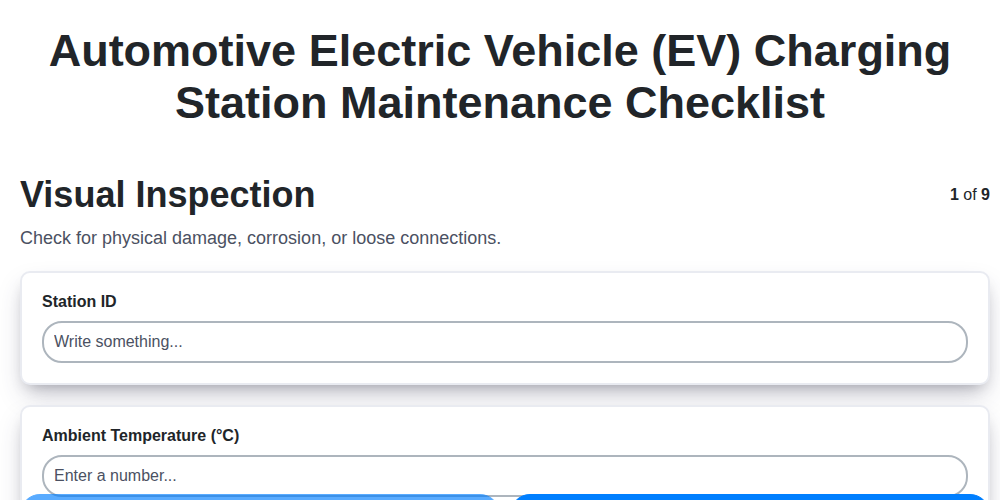
Table of Contents
- Introduction: Why EV Charging Station Maintenance Matters
- 1. Visual Inspection: A First Look
- 2. Cable and Connector Assessment: Checking for Wear and Tear
- 3. Display and Interface Functionality: Ensuring User-Friendliness
- 4. Charging Port Integrity: Inspecting for Damage and Corrosion
- 5. Safety Features Verification: Prioritizing Safety
- 6. Software and Firmware Updates: Keeping Things Current
- 7. Power Supply and Connections: A Deep Dive
- 8. Environmental Factors: Addressing the Elements
- 9. Cleaning and Debris Removal
- 10. Performance Testing: Monitoring Charging Speed
- 11. Reporting & Documentation: Tracking Maintenance
- 12. Troubleshooting Common Issues
- 13. Scheduling Regular Maintenance
- Conclusion: Proactive Maintenance for Reliable Charging
- Resources & Links
TLDR: This checklist helps you keep your EV charging station reliable and safe! It covers everything from a quick visual check to software updates and power supply verification. Following it regularly minimizes downtime, prevents costly repairs, and ensures a positive charging experience for EV drivers.
Introduction: Why EV Charging Station Maintenance Matters
Electric Vehicle (EV) adoption is rapidly increasing, and with it, the demand for reliable and accessible charging infrastructure. While the transition to EVs offers numerous benefits, ensuring the longevity and optimal performance of EV charging stations is paramount. Neglecting maintenance can lead to downtime, safety hazards, and a diminished user experience, ultimately hindering the wider acceptance of electric mobility.
This isn't just about keeping things working. Regular maintenance proactively addresses potential issues before they escalate into costly repairs or inconvenient outages. A well-maintained charging station offers a consistent and trustworthy charging experience for EV drivers, reinforcing confidence in the charging network and contributing to a seamless transition towards a sustainable transportation future. This checklist, and the diligence it encourages, is a critical investment in that future.
1. Visual Inspection: A First Look
A thorough visual inspection is the cornerstone of any preventative maintenance routine. Start by stepping back and observing the charging station's overall condition. Look for any signs of physical damage - cracks, dents, or corrosion - on the enclosure and surrounding area. Pay close attention to the base and mounting hardware, ensuring stability and a secure installation. Check for any discoloration or residue that might indicate leaks or environmental exposure. Don't forget to examine the area immediately around the station for potential hazards like trip hazards or obstructions. This initial assessment can often reveal underlying issues before they escalate into more significant problems. Remember, what seems like a minor cosmetic issue could be an early warning sign of a larger concern.
2. Cable and Connector Assessment: Checking for Wear and Tear
The charging cable and connector are arguably the most frequently handled components of an EV charging station, making them particularly susceptible to wear and tear. Regular inspection is crucial to ensuring safe and reliable charging.
Here's what to look for:
- Cable Integrity: Examine the entire cable length for cuts, abrasions, kinks, or cracks. Pay close attention to areas where the cable bends or connects to the connector.
- Connector Housing: Check for damage to the connector housing, including cracks, breaks, or discoloration.
- Pin Condition: Visually inspect the connector pins for bending, corrosion, or damage. Bent or corroded pins can prevent a secure connection and lead to charging errors or even create a fire hazard.
- Strain Relief: Verify that the strain relief (the section that protects the cable where it connects to the connector) is intact and securely attached. A compromised strain relief can lead to cable breakage.
- Flexibility: The cable should remain flexible and not stiff or brittle. Stiffness can indicate deterioration and a risk of cracking.
- Smell: A burning smell emanating from the cable or connector is a serious warning sign indicating overheating or internal damage. Immediately remove the station from service and contact a qualified technician.
Action: Any significant damage to the cable or connector warrants immediate replacement. Document all findings and replacements.
3. Display and Interface Functionality: Ensuring User-Friendliness
A seamless charging experience hinges on a functional and intuitive display and interface. This isn't just about aesthetics; it directly impacts user satisfaction and adoption of EV charging. Regularly test the display's clarity and readability in various lighting conditions. Verify that all displayed information - charging status, energy usage, pricing, and error messages - is accurate and up-to-date.
Check the responsiveness of any touchscreen elements, ensuring they register touches reliably. If the station utilizes buttons or a physical interface, inspect them for wear and tear and ensure they function correctly. Confirm that any audible cues or voice prompts are clear and understandable. Finally, check for any error messages or unusual behavior and document them for further investigation. A positive user experience starts with a well-maintained and responsive display and interface.
4. Charging Port Integrity: Inspecting for Damage and Corrosion
The charging port is the most critical point of contact for EV charging, so its integrity is paramount. Begin by carefully examining the port's housing for any signs of physical damage - cracks, dents, or deformation. Even seemingly minor impacts can compromise the port's sealing and internal components.
Next, meticulously inspect for corrosion. Corrosion, often a greenish or whitish film, indicates exposure to moisture and can severely impact conductivity and increase resistance, hindering charging efficiency and potentially damaging the EV's charging system. Pay particular attention to the connector pins and surrounding areas. A small amount might be manageable with careful cleaning (using appropriate, non-abrasive cleaning agents - see safety precautions elsewhere in this checklist), but significant corrosion warrants professional repair or replacement.
Check for loose connections within the port itself. While difficult to assess visually without specialized tools, any unusual noises during charging attempts can be a clue. Finally, ensure the port's door (if equipped) closes and seals properly to prevent contaminants from entering.
5. Safety Features Verification: Prioritizing Safety
EV charging stations aren't just about delivering power; they're about doing so safely. Regular verification of safety features is absolutely paramount to protect users, maintenance personnel, and the surrounding environment. This goes beyond a quick glance - it requires methodical checks and a solid understanding of potential hazards.
Here's what you need to check:
- Emergency Stop Buttons: Ensure all emergency stop buttons are clearly visible, accessible, and functioning correctly. Test them regularly to confirm immediate power cutoff.
- Grounding Connections: Verify the integrity of grounding connections. A faulty ground can create a significant shock hazard. Use a multimeter to check continuity.
- Warning Labels and Signage: Confirm that all warning labels, safety instructions, and signage are present, legible, and accurate. Replace any faded or missing labels.
- Isolation Fault Detection: Many modern stations have isolation fault detection systems. Check that these systems are operational and reporting correctly, indicating any potential issues with electrical isolation.
- Overcurrent Protection: Assess the functionality of overcurrent protection devices (circuit breakers, fuses) to ensure they're triggered appropriately during fault conditions.
- PPE Availability: Ensure readily available personal protective equipment (PPE) like gloves and safety glasses are available for maintenance personnel.
- Fire Suppression: Inspect any integrated fire suppression systems (if applicable) and ensure they are fully charged and functioning as designed.
- Arc Flash Hazard Assessment: Regularly review and update arc flash hazard assessments for maintenance procedures, ensuring personnel are adequately trained and equipped.
6. Software and Firmware Updates: Keeping Things Current
Just like your smartphone, EV charging stations rely on software and firmware to operate correctly. These digital components control charging speeds, manage user authentication, and ensure compatibility with evolving vehicle standards. Neglecting updates can lead to performance degradation, security vulnerabilities, and even system failures.
Why Regular Updates Matter:
- Bug Fixes: Software updates often address discovered bugs that can impact functionality and reliability.
- Enhanced Security: Cyberattacks targeting charging infrastructure are a growing concern. Updates patch vulnerabilities and protect against malicious activity.
- New Features & Compatibility: Updates may introduce new charging protocols (like OCPP 2.0), improved user interfaces, or support for newer EV models.
- Performance Optimization: Manufacturers often release updates to improve charging speeds and overall system efficiency.
What to Do:
- Schedule Regular Checks: Follow the manufacturer's recommended update schedule, which is usually outlined in the user manual.
- Monitor for Notifications: Many stations have built-in systems to notify administrators when updates are available.
- Backup Existing Configuration (If Possible): Before applying any update, back up the current station configuration to prevent data loss.
- Test After Updates: After an update is applied, verify that all functions are operating as expected.
- Record Update Details: Keep a log of all updates installed, including the version number and date.
7. Power Supply and Connections: A Deep Dive
The reliability of your EV charging station hinges on a robust and well-maintained power supply. This section of the checklist focuses on ensuring a consistent and safe flow of electricity. Start by visually inspecting the power supply cabinet for any signs of damage, corrosion, or loose connections. Look for signs of overheating, such as discoloration or melting.
Next, carefully examine the main power cable for fraying, kinks, or insulation breakdown. Document any issues found. Use a multimeter to test the voltage at the charging station's power input, comparing it against the manufacturer's specifications. Discrepancies can indicate a problem with the building's electrical system and require immediate attention from a qualified electrician.
Pay close attention to all ground connections. Proper grounding is critical for safety and prevents electrical shocks. Resistance testing of the ground connection is highly recommended.
Check the circuit breakers and fuses associated with the charging station. Ensure they are the correct amperage rating and are functioning correctly. A tripped breaker could indicate an overload or a short circuit - investigate the cause before resetting.
Finally, if accessible and safe to do so (always consult your station's documentation and safety procedures), visually inspect the internal power connections within the charging station itself. Look for any signs of loose wiring or burned components. Never attempt repairs you are not qualified to perform; contact a certified technician for any internal component issues.
8. Environmental Factors: Addressing the Elements
EV charging stations are exposed to the elements, making environmental factors a critical aspect of their long-term reliability. Regular checks can prevent costly repairs and downtime. Here's what to look for:
- Weather Damage: Inspect the station for signs of damage from extreme weather - hail, snow, ice, intense sunlight, and high winds. Look for cracks, discoloration, or warping of plastic components.
- Corrosion: Moisture and road salts are major contributors to corrosion. Pay close attention to metal parts, connectors, and cable terminations. Signs of rust or corrosion should be documented and addressed promptly.
- Debris Accumulation: Leaves, dirt, and other debris can clog vents and impede airflow, potentially leading to overheating. Clear around the base of the station and ensure vents are free.
- Temperature Extremes: Significant temperature fluctuations can affect battery performance (for stations with integrated storage) and component lifespan. Monitor station performance during peak heat and cold periods.
- UV Degradation: Prolonged exposure to sunlight can degrade plastic and rubber components. Consider UV-resistant coatings or protective measures if the station is in a particularly sunny location.
- Pest Control: Rodents and insects can damage wiring and internal components. Regular inspections and preventative measures (like sealing potential entry points) are vital.
9. Cleaning and Debris Removal
Regular cleaning is paramount for the longevity and reliable operation of your EV charging station. Dust, dirt, leaves, snow, and ice can accumulate, leading to corrosion, connector malfunction, and reduced performance.
Here's what you need to do:
- Exterior Cleaning: Use a mild detergent and water to wash down the exterior of the charging station. Avoid abrasive cleaners or high-pressure washers, which can damage the casing.
- Connector and Cable Cleaning: Pay close attention to the charging connector and cable. Wipe them down regularly with a clean, dry cloth. For stubborn grime, a slightly damp cloth with mild soap can be used, followed by thorough drying. Never submerge the connector in water.
- Debris Removal: Periodically clear any debris (leaves, snow, etc.) from around the base of the charging station to ensure proper ventilation and prevent obstructions.
- Frequency: The cleaning frequency should be adjusted based on the environment. Stations in dusty or high-traffic areas will require more frequent cleaning. A monthly check is a good starting point, but more frequent cleaning might be necessary.
10. Performance Testing: Monitoring Charging Speed
Beyond routine maintenance, regularly assessing charging speed is vital for ensuring user satisfaction and identifying potential hardware degradation. This isn't just about a fast initial charge; it's about consistent performance over time.
Here's how to monitor charging speed effectively:
- Baseline Testing: Initially, establish a baseline charging speed under various conditions (different EV models, different charging levels - Level 1, 2, and DC Fast Charging, if applicable, varying ambient temperatures). Document these results.
- Periodic Re-testing: Repeat the baseline tests at predetermined intervals (e.g., quarterly, annually). This allows you to track any decline in charging speed.
- Record Data: Meticulously record the time taken to reach specific charge levels (e.g., 20%, 50%, 80%, 100%). Note the EV model being charged, the charger's input voltage and current, and the ambient temperature.
- Analyze Trends: Look for patterns or gradual decreases in charging speed. A consistent slowdown could indicate a failing component or an issue with the power supply.
- Compare to Specifications: Verify that charging speeds remain within the manufacturer's published specifications for the charging station.
- Utilize Data Logging (if available): Many modern charging stations offer built-in data logging capabilities. Leverage these tools to track performance data automatically.
Consistent monitoring and analysis of charging speed will help you proactively address any issues and maintain optimal performance for your EV charging stations.
11. Reporting & Documentation: Tracking Maintenance
Maintaining meticulous records is the final, and arguably most crucial, step in ensuring the long-term reliability and performance of your EV charging stations. This isn't just about satisfying compliance; it's about identifying trends, predicting failures, and optimizing maintenance schedules.
Here's what your reporting & documentation should include:
- Date and Time of Each Inspection: Essential for tracking frequency and identifying patterns.
- Technician Identification: Accountability and ensures consistency in maintenance quality.
- Detailed Observations: Record all findings - even seemingly minor ones. Be specific (e.g., "Cable abrasion at 12-inch mark" vs. Cable wear).
- Actions Taken: Document every repair, adjustment, or replacement performed. Include part numbers and supplier information.
- Photos/Videos: Visual documentation provides concrete evidence of issues and completed work. This is invaluable for warranty claims and future reference.
- Software/Firmware Versions: Maintain a log of all software and firmware updates applied, including version numbers and dates.
- Performance Metrics: Track key metrics like charging speed, energy delivered, and error rates. This helps identify performance degradation.
- Trend Analysis: Regularly review collected data to identify recurring issues or declining performance, allowing for proactive maintenance strategies.
- Centralized Storage: Store all records in a secure, accessible, and preferably digital format. Cloud-based platforms can facilitate sharing and collaboration.
Consistent and comprehensive reporting transforms maintenance from a reactive response to a proactive strategy, safeguarding your investment and ensuring a positive charging experience for EV drivers.
12. Troubleshooting Common Issues
Even with diligent maintenance, charging stations can occasionally experience hiccups. Here's a breakdown of frequently encountered problems and suggested solutions:
1. Slow Charging Speeds: This can be due to several factors. First, verify the vehicle's battery management system isn't limiting the charge rate. Next, check the charging station's power supply and connections (refer to the Power Supply and Connections section of this checklist). Overheating cables can also throttle charging speeds - ensure adequate ventilation. Finally, check for any scheduled power reductions initiated by the grid.
2. No Communication Error: This often indicates a communication breakdown between the station and the vehicle. Try cycling the power to both the charging station and the vehicle. Check the vehicle's display for error codes that might pinpoint the problem. A faulty communication cable (if applicable) could also be the culprit.
3. Display Malfunctions: A blank or distorted display can be caused by power fluctuations, loose connections, or a failing display unit. Visually inspect the connections and power source. If the problem persists, professional repair or replacement of the display may be necessary.
4. Cable/Connector Issues: Damaged or frayed cables can cause intermittent charging or complete failure. Replace damaged cables immediately. Thoroughly clean connectors regularly to remove debris that can impede contact.
5. Error Codes: Most charging stations have error code systems. Consult the manufacturer's documentation to decode these codes. They often provide clues to the underlying problem and suggested remedies.
6. Unusual Noises: Clicking, buzzing, or grinding noises emanating from the charging station should be investigated immediately. These can indicate mechanical failures requiring professional attention.
Important Note: For any issue beyond basic troubleshooting, always consult the manufacturer's support documentation or contact a qualified EV charging station technician. Attempting repairs without proper training can be dangerous and could void warranties.
13. Scheduling Regular Maintenance
Consistent preventative maintenance is the key to maximizing the lifespan and reliability of your EV charging stations. Don't wait for issues to arise - proactively schedule maintenance checks. We recommend a tiered approach based on usage and environmental factors.
- Daily/Weekly Visual Checks (by site staff): These quick inspections (as covered in the visual inspection section of the full checklist) can catch minor issues before they escalate.
- Monthly Maintenance (by trained technicians): This includes a more thorough review of the checklist items outlined here - cable assessment, connector integrity, software checks, and safety feature verification.
- Annual Comprehensive Maintenance (by qualified EV charging station technicians): This deep dive involves detailed testing of all components, firmware updates, and assessment of environmental impact.
Frequency adjustments may be necessary. Stations in harsh climates (extreme heat, cold, coastal environments) should be serviced more often. High-traffic locations also warrant more frequent checks to account for increased wear and tear. Maintaining detailed records of these schedules and maintenance performed will greatly assist in identifying trends and optimizing future maintenance plans.
Conclusion: Proactive Maintenance for Reliable Charging
Regular, proactive maintenance isn't just a suggestion; it's the cornerstone of a reliable and efficient EV charging station network. By consistently following a comprehensive checklist like the one outlined above, operators can significantly reduce downtime, extend the lifespan of their equipment, and ensure a positive charging experience for EV drivers. Ignoring these essential checks can lead to costly repairs, frustrated users, and a tarnished reputation. Investing the time and resources into preventative maintenance now will pay dividends in the long run, ensuring your charging stations remain a vital and dependable part of the electric vehicle ecosystem.
Resources & Links
- U.S. Department of Energy - Electric Vehicle Charging: Provides comprehensive information on EV charging, including charging station types, standards, and government initiatives.
- National Institute of Standards and Technology (NIST): NIST develops standards and guidelines related to EV charging infrastructure, including safety and interoperability. Look for publications related to EVSE.
- International Organization for Standardization (ISO): ISO develops international standards which often apply to charging station safety and performance. Search for relevant ISO standards (e.g., related to EV charging).
- Society of Automotive Engineers (SAE): SAE sets standards for automotive engineering, including connectors and charging systems. Relevant standards include those related to J1772 (Type 2 connector).
- ChargePoint: A major EV charging network provider. Their website offers insights into charging station operation and often provides resources for maintenance and troubleshooting (although specifics may require account access).
- EVgo: Another prominent EV charging network. Similar to ChargePoint, their website provides general information and potentially troubleshooting tips.
- Tesla: While primarily known for vehicles, Tesla's Supercharger network provides a model for robust charging infrastructure. Studying their approach (though often proprietary) can offer insight into best practices.
- Underwriters Laboratories (UL): UL provides safety testing and certification for EV charging equipment. Their website has resources on safety compliance and standards.
- International Energy Agency (IEA): The IEA provides data and analysis on the growth of EV charging infrastructure worldwide, which can help contextualize maintenance needs.
- Electric Motor Magazine: Online magazine covering electric motors and related technologies. Articles often discuss issues with EV charging equipment and maintenance.
- Phoenix Contact: A company specializing in electrical components and automation technology, often involved in providing components and solutions for EV charging stations. Their website has technical resources.
Frequently Asked Questions
What is the purpose of this maintenance checklist?
This checklist provides a guide for owners and managers of EV charging stations to proactively identify and address potential issues, ensuring consistent and reliable operation, maximizing uptime, and extending the lifespan of the equipment.
How often should I perform this maintenance?
The frequency depends on usage and environment. A visual inspection should be done weekly. Quarterly maintenance (every 3 months) is recommended for more thorough checks. Annual maintenance (once a year) involves deeper cleaning and testing. High-traffic stations should consider more frequent checks.
What tools will I need for this maintenance?
Basic tools include a screwdriver set, pliers, cleaning cloths, a vacuum cleaner, a multimeter (for electrical testing - requires qualified personnel), and potentially a torque wrench. Safety equipment like gloves and eye protection are also essential.
What does a 'visual inspection' involve?
A visual inspection includes looking for any physical damage to the charging station (cracks, dents, loose parts), checking the cable for wear and tear, ensuring proper ventilation around the unit, and verifying the display is functioning correctly.
What should I do if I find damage to the charging cable?
Immediately cease using the charging station. A damaged cable poses a significant safety hazard. Contact a qualified technician for repair or replacement. Do not attempt to repair it yourself.
How do I clean the charging station?
Use a mild detergent and water to clean the exterior surfaces. Avoid harsh chemicals or abrasive cleaners. Pay particular attention to cleaning around connectors and ventilation areas. Dry thoroughly after cleaning.
What does 'checking the connectors' entail?
Inspect the connectors for corrosion, debris, or damage. Clean them with a suitable contact cleaner (ensure it's compatible with the connector type). Ensure they are firmly seated when plugged in, but not excessively tight.
Why is checking the ventilation important?
EV charging stations generate heat. Proper ventilation prevents overheating and ensures efficient operation. Obstructions around the unit can lead to performance issues and potentially damage components.
I'm not comfortable performing electrical testing. What should I do?
Electrical testing should only be performed by qualified and certified technicians. Contact a professional for these checks to ensure safety and accuracy.
Where can I find qualified technicians to perform maintenance?
Contact the charging station manufacturer, a local electrician specializing in EV charging infrastructure, or a reputable EV service provider. Research their experience and certifications before hiring them.
Comments
There are no comments yet. Be the first to add one!
Automotive Manufacturing Management Solution Demo
Optimize your automotive production! ChecklistGuro digitizes workflows, from parts inspection to final testing. Reduce errors, boost efficiency & ensure quality compliance. Drive results with our Work OS.
Related Articles

The Ultimate Automotive Sales Prospect Follow-Up Checklist: Close More Deals
Mastering Automotive BOM Configuration: Your Essential Checklist

The Ultimate Vehicle Registration & Insurance Validation Checklist
Automotive Parts Inventory Audit Checklist Template: Your Guide to Accurate Stock

Maximize Your Trade-In: The Automotive Appraisal Checklist You Need
The Ultimate Tire Pressure & Condition Checklist Template
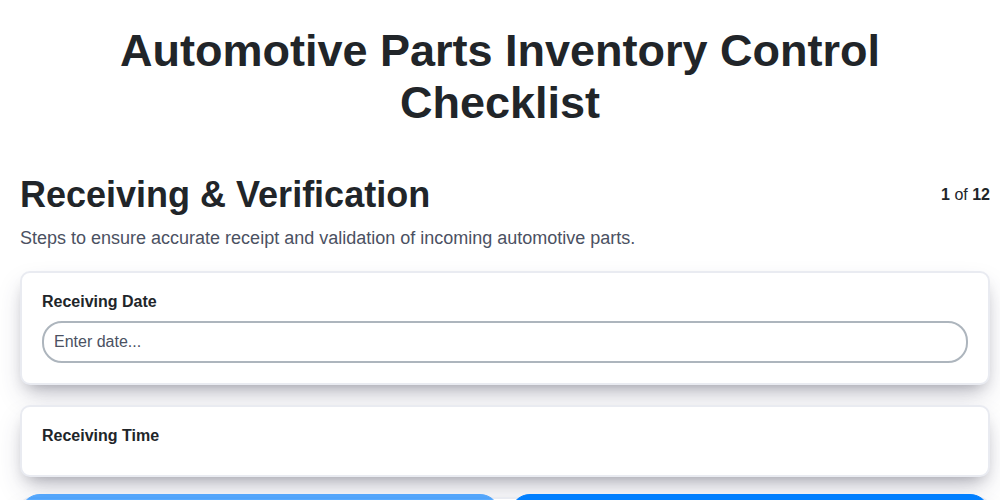
Automotive Parts Inventory Control Checklist Template: Your Ultimate Guide

Drive Sales Success: Your Automotive Sales Team Performance Tracking Checklist
We can do it Together
Need help with
Automotive?
Have a question? We're here to help. Please submit your inquiry, and we'll respond promptly.