Automotive Online Reputation Management Checklist: Your Step-by-Step Guide
Published: 12/29/2025 Updated: 12/30/2025

Table of Contents
- Introduction: Why Automotive Online Reputation Matters
- 1. Monitoring & Alerts: Staying Ahead of the Conversation
- 2. Review Site Management: Mastering Google, Yelp, and Beyond
- 3. Crafting Your Review Response Strategy: Turning Feedback into Opportunity
- 4. Social Media Monitoring: What's Being Said About You?
- 5. Online Forums & Community Tracking: Nurturing Honest Dialogue
- 6. SEO & Keyword Reputation: Protecting Your Brand's Visibility
- 7. Crisis Management Protocol: Preparing for the Unexpected
- 8. Staff Training & Guidelines: Empowering Your Team
- 9. Reporting & Analysis: Measuring Your Progress
- 10. Legal Compliance: Navigating the Legal Landscape
- 11. Tools & Technologies for Automotive ORM
- 12. Proactive Reputation Building Strategies
- 13. Regularly Auditing Your Online Presence
- Conclusion: Building Trust and Driving Business
- Resources & Links
TLDR: This checklist is your roadmap to mastering online reputation for your auto shop. It covers everything from monitoring reviews and social media to handling crises and ensuring legal compliance - so you can protect your brand, attract more customers, and stay ahead of the competition.
Introduction: Why Automotive Online Reputation Matters
In today's digital landscape, your online reputation is arguably your most valuable asset, especially within the automotive industry. Potential customers are overwhelmingly turning to online reviews and social media before even stepping foot into your dealership or service center. A single negative review can deter countless prospects, while consistently positive feedback can be a powerful driver of sales and loyalty.
Think about it: when someone needs a new car, where do they start their research? Probably Google, maybe a review site like Yelp, or perhaps a Facebook group discussing car recommendations. Your online reputation directly impacts their perception of your business - your expertise, trustworthiness, and overall customer experience. Ignoring it isn't an option; actively managing it is essential for survival and growth. This checklist will guide you through the crucial steps to take control of your automotive online reputation and build a thriving business.
1. Monitoring & Alerts: Staying Ahead of the Conversation
Ignoring what's being said about your automotive business online is like ignoring the engine warning light - it won't make the problem disappear. Proactive monitoring and alerts are the foundation of any successful online reputation management strategy. You need to know immediately when a new review pops up, a negative comment surfaces, or your brand is mentioned.
Here's what you need to do:
- Choose the Right Tools: Consider dedicated reputation management software (like Reputation.com, Birdeye, or ReviewTrackers) or leverage social listening tools (like Mention or Hootsuite). Free options like Google Alerts can provide basic notifications, but often lack the depth and customization needed for a comprehensive approach.
- Define Keywords: Don't just monitor your business name. Include common misspellings, service offerings (e.g., brake repair, oil change, car detailing), and competitor names.
- Set Up Automated Alerts: Configure notifications to be delivered directly to your inbox or mobile device the instant something relevant is found. Prioritize alerts for negative reviews and urgent mentions.
- Monitor Multiple Channels: This isn't just about Google and Yelp. Think about Facebook, Instagram, forums, industry-specific websites, and even blogs.
- Establish a Response Workflow: Knowing you have a process in place for addressing mentions quickly will reduce stress and demonstrate your commitment to customer care.
2. Review Site Management: Mastering Google, Yelp, and Beyond
Your online reputation isn't just about Google; it's a complex ecosystem of review sites, each with its own audience and influence. A proactive approach to managing these platforms is critical.
Prioritize the Power Players: While countless review sites exist, focus your efforts on those most relevant to your automotive business. Google Business Profile (GBP) is non-negotiable - it's often the first impression potential customers have. Yelp remains influential, especially for service-based businesses. Consider platforms like Facebook Reviews, Cars.com, DealerRater (if applicable), and BBB (Better Business Bureau). Research which sites your competitors are actively managing and where your target audience spends their time.
Claim & Optimize: Ensure you've claimed your business profiles on all relevant platforms. Completing your profile with accurate information - address, phone number, hours of operation, services offered, photos - is crucial for visibility and credibility. Optimize your descriptions with relevant keywords that customers use when searching for automotive services.
Consistent NAP (Name, Address, Phone Number): Ensure your NAP information is identical across all online listings. Inconsistencies can negatively impact your search ranking and confuse potential customers. Use a citation management tool to help maintain accuracy.
Encourage Reviews (Ethically): Actively encourage happy customers to leave reviews. This isn't about demanding reviews, but politely prompting them after a positive experience. Never offer incentives for positive reviews - that's against platform guidelines and damages your credibility. Simple phrases like, If you enjoyed your service, we'd appreciate a quick review on Google can be effective.
Regular Audits: Periodically review your listings to ensure information remains accurate and up-to-date. Check for any unauthorized or duplicate listings and take steps to have them removed.
3. Crafting Your Review Response Strategy: Turning Feedback into Opportunity
Responding to online reviews isn't just about damage control; it's a powerful opportunity to showcase your commitment to customer service and build trust. A well-defined response strategy can transform negative feedback into a chance to learn, improve, and even win back dissatisfied customers.
Here's a breakdown of key elements for a successful review response strategy:
- Acknowledge and Thank: Begin every response, positive or negative, by acknowledging the reviewer and thanking them for taking the time to share their feedback. This simple act shows you value their opinion.
- Empathize and Apologize (When Necessary): If a review highlights a negative experience, express empathy and offer a sincere apology. Avoid defensiveness or arguing. Phrases like, "We're so sorry to hear about your experience..." or "We understand your frustration..." go a long way.
- Address Specific Concerns: Don't just offer generic apologies. Directly address the specific issues raised in the review. This demonstrates you understand the problem and are taking it seriously.
- Offer Solutions (and Take it Offline): When appropriate, offer a solution to the problem. This could be a refund, a discount on a future service, or an explanation of what steps you're taking to prevent similar issues in the future. For complex situations, suggest taking the conversation offline (e.g., Please contact us directly at [phone number] or [email address] so we can discuss this further.).
- Highlight Positive Actions: If the review mentions a specific employee or positive aspect of your service, acknowledge and praise them publicly.
- Maintain a Professional Tone: Always respond professionally and respectfully, even when dealing with difficult or unfair reviews. Avoid sarcasm, insults, or engaging in arguments.
- Timeliness is Key: Aim to respond to reviews promptly - ideally within 48-72 hours. This shows you're actively monitoring your online reputation.
- Consistency is Crucial: Ensure your responses align with your brand's voice and values. Establish clear guidelines for your team to follow.
By consistently implementing these principles, you can turn negative reviews into opportunities to strengthen your online reputation and build lasting customer loyalty.
4. Social Media Monitoring: What's Being Said About You?
Social media isn't just about posting updates; it's a sprawling digital conversation where customers are openly sharing their experiences - good or bad. Ignoring this conversation is like ignoring your storefront; you're missing valuable feedback and potentially damaging your brand.
Why is Social Media Monitoring Crucial?
- Real-Time Feedback: Catch issues as they arise. A single viral negative post can quickly escalate.
- Brand Perception: Understand how your brand is perceived beyond formal reviews. Are you seen as innovative, reliable, or frustrating?
- Competitive Insights: See what customers are saying about your competitors and identify areas where you can improve.
- Identify Advocates & Influencers: Recognize customers who consistently praise your services and leverage their positive sentiment.
- Opportunity for Engagement: Respond to comments, questions, and mentions, demonstrating you're listening and care about customer satisfaction.
What to Monitor:
- Direct Mentions: Track when your brand name (@yourdealership) is directly mentioned.
- Hashtags: Monitor relevant hashtags associated with your dealership (e.g., #yourdealership, #cartips).
- Keyword Searches: Set up alerts for keywords related to your services (e.g., best car service, reliable auto repair).
- Visual Content: Pay attention to images and videos being shared - they can be powerful and often go unaddressed.
Tools & Techniques:
- Social Listening Tools: Hootsuite, Sprout Social, Mention, Brand24 offer comprehensive monitoring capabilities.
- Native Platform Search: Use the search functions within Facebook, Instagram, Twitter, and others.
- Google Alerts: Set up alerts for your brand name and relevant keywords.
Don't just react; actively listen and learn from what's being said about you on social media.
5. Online Forums & Community Tracking: Nurturing Honest Dialogue
Beyond major review sites, automotive dealerships and service centers often find themselves discussed in online forums, community groups (like neighborhood Facebook pages or local Reddit threads), and enthusiast websites. These spaces can be incredibly valuable - or incredibly damaging - to your online reputation. Ignoring them is a missed opportunity to engage with genuine customer sentiment and address concerns directly.
Here's what you need to do:
- Identify Relevant Forums: Search for forums and communities related to your location, vehicle brands you service, and common automotive topics. Think local car enthusiasts, best mechanics in [City], or forums dedicated to specific vehicle models.
- Set Up Monitoring: Use social listening tools or even simple Google Alerts to track mentions of your dealership, service center, and key personnel.
- Listen, Don't Just React: The initial focus should be on understanding the conversations happening around your brand. What are people saying? What are their frustrations and praise points?
- Strategic Engagement: Only engage when necessary. Jumping into a negative thread without understanding the full context can make things worse. Respond genuinely, offer solutions, and demonstrate a willingness to help. A simple acknowledgement of feedback can go a long way.
- Establish Boundaries: Some forums have strict rules against self-promotion. Respect those rules. Your goal is to build trust and credibility, not to spam.
- Turn Advocates into Allies: Identify satisfied customers participating in forums and acknowledge their positive experiences. Encourage them (if appropriate and within forum rules) to share their positive experiences.
6. SEO & Keyword Reputation: Protecting Your Brand's Visibility
Your online reputation isn't just about what people say about you; it's about what they find when they search for you. Negative search results can severely impact your SEO, pushing your dealership down in rankings and deterring potential customers. This section focuses on safeguarding your brand's visibility through proactive SEO and keyword reputation management.
Understanding the Connection:
Search engines prioritize results based on relevance and authority. A flood of negative reviews or mentions tied to specific keywords (e.g., unreliable service, rude sales staff, overpriced cars) directly impacts your search ranking for those terms. This means potential buyers are more likely to see negative portrayals of your business before they even reach your website.
Actionable Steps:
- Keyword Monitoring: Expand your reputation monitoring beyond just mentions of your brand name. Identify keywords customers use to find your dealership (e.g., car dealerships near me, best SUV deals, used car financing) and track mentions associated with those keywords. Tools like Google Alerts, Mention, and specialized ORM platforms can help.
- Content Optimization: Create and optimize content on your website and other owned properties that directly addresses common search queries and positive aspects of your business. This positive SEO helps to outrank negative content. Focus on valuable content - informative blog posts, customer testimonials, service explanations, and dealership news.
- Link Building (Strategically): Focus on acquiring backlinks from reputable, relevant websites. This strengthens your domain authority and improves your overall search ranking. Don't engage in shady link-building schemes - focus on earning links organically.
- Suppressing Negative Content (Carefully): While difficult, sometimes negative content needs to be addressed beyond a simple response. Strategies like content marketing to push down negative pages in search results or, in extreme cases, legal action (with proper counsel) may be necessary. This requires expert guidance.
- Google My Business Optimization: Your GMB listing is often the first impression. Ensure it's complete, accurate, and actively managed with high-quality photos and frequent updates. Respond to all reviews, positive and negative, within your GMB profile.
Protecting your keyword reputation is an ongoing effort. Consistent monitoring and proactive strategies are essential for maintaining a positive online presence and ensuring potential customers find the information that reflects your dealership's best foot forward.
7. Crisis Management Protocol: Preparing for the Unexpected
A single negative review or social media post can snowball into a full-blown reputation crisis. Having a pre-defined crisis management protocol is essential to mitigate damage and regain control. This isn't just about responding to angry customers; it's about proactively planning for worst-case scenarios.
Key Elements of Your Crisis Management Protocol:
- Identify Potential Crisis Triggers: Brainstorm what could realistically go wrong. Examples include service failures, accidents, employee misconduct, or even false accusations.
- Establish a Crisis Team: Designate specific individuals responsible for communication, legal review, and operational responses. Clearly define roles and responsibilities.
- Develop Pre-Approved Communication Templates: Prepare draft statements addressing common crisis types. This speeds up response time and ensures consistency. Remember these are templates - tailor them to the specific situation.
- Escalation Procedures: Outline how to escalate a situation to higher management or legal counsel. Who needs to be informed, and when?
- Social Media Pause Option: In some cases, temporarily pausing social media activity might be necessary to avoid further fueling the fire. Have clear guidelines for this.
- Legal Consultation: Engage legal counsel before a crisis occurs. They can provide crucial advice and ensure compliance.
- Post-Crisis Review: After the crisis subsides, conduct a thorough review to identify what worked, what didn't, and how to improve your protocol for future incidents. This learning process is vital for ongoing reputation defense.
A reactive approach to a crisis is rarely effective. Proactive planning demonstrates professionalism and commitment to customer satisfaction, even in challenging circumstances.
8. Staff Training & Guidelines: Empowering Your Team
Your online reputation isn't solely the responsibility of a dedicated manager; it's a shared responsibility across your entire team. Frontline staff - service advisors, technicians, sales personnel - are often the first point of contact for customers, and their interactions directly influence online reviews and feedback.
This section outlines essential training and guidelines to ensure everyone understands their role in safeguarding your brand's reputation:
- Emphasize the Importance of Customer Service: Reinforce the principle that excellent service translates to positive online reviews. Role-play scenarios and provide practical tips for handling difficult customers with empathy and professionalism.
- Review Request Protocol: Train staff on when and how to politely request reviews from satisfied customers. Provide pre-approved scripts and templates to ensure consistency and avoid appearing overly pushy. Never incentivize reviews - this is a legal grey area and can damage your credibility.
- Identifying and Escalating Issues: Equip staff with the ability to recognize potential reputation risks, like a customer expressing dissatisfaction or highlighting a service issue. Clearly define a procedure for escalating these situations to management for prompt resolution.
- Social Media Awareness: Educate staff on appropriate social media behavior, both personally and professionally. Remind them that negative comments or unprofessional posts, even on personal accounts, can reflect poorly on the business.
- Internal Communication Channels: Establish clear internal communication channels for reporting potential reputation issues, reviews, or social media mentions. This ensures that management is aware of emerging concerns and can respond effectively.
- Regular Refresher Training: Online reputation management best practices evolve. Schedule regular training sessions (quarterly or bi-annually) to keep your team updated on new platforms, strategies, and legal considerations.
By empowering your team with the knowledge and tools to proactively manage online reputation, you foster a culture of customer-centricity and protect your brand's image.
9. Reporting & Analysis: Measuring Your Progress
You're putting in the work to manage your online reputation - but are you really seeing results? Simply reacting to reviews and monitoring mentions isn't enough. Consistent reporting and analysis are crucial to understanding the effectiveness of your efforts and identifying areas for improvement.
Here's what to track and why:
- Review Volume & Rating Trends: Monitor the number of reviews you're receiving over time, and more importantly, track your average rating. Are ratings improving, declining, or stagnant? This provides a high-level view of customer sentiment.
- Review Source Breakdown: Where are your reviews coming from? Google, Yelp, Facebook, industry-specific sites - knowing which platforms are driving the most reviews allows you to focus your efforts.
- Sentiment Analysis: While reading reviews is valuable, sentiment analysis tools can help quantify the overall positive, negative, and neutral feedback you're receiving.
- Keyword Performance: Track your ranking for relevant keywords related to your brand and services. Improvements in online reputation often correlate with SEO gains.
- Response Time Metrics: How quickly are you responding to reviews and mentions? This demonstrates your commitment to customer service.
- Social Media Engagement: Analyze likes, shares, comments, and overall conversation volume around your brand on social media.
- Crisis Response Effectiveness: If a crisis occurs, track the speed and effectiveness of your response and its impact on overall sentiment.
Tools to Help: Many online reputation management platforms offer built-in reporting dashboards. You can also leverage Google Analytics, social media analytics tools, and spreadsheet software to track your progress.
Regular Cadence: Establish a reporting schedule (weekly, monthly, quarterly) to review your data, identify trends, and adjust your strategy accordingly. Don't just collect data - interpret it and use it to refine your approach to online reputation management.
10. Legal Compliance: Navigating the Legal Landscape
Automotive online reputation management isn't just about responding to reviews; it's about doing so responsibly and within legal boundaries. Failing to do so can lead to costly lawsuits and damage your dealership's credibility. Here's what you need to be aware of:
- Truth in Advertising Laws: Ensure all responses to reviews and any content you create adheres to truth-in-advertising laws. Avoid making false or misleading statements about competitors or past customers.
- FTC Guidelines: The Federal Trade Commission (FTC) has strict guidelines regarding endorsements and testimonials. If you solicit reviews or incentivize customers to provide feedback, ensure transparency and disclose any compensation or incentives offered.
- Defamation Laws: Understand the difference between a negative review and defamation. Defamation involves false statements that harm someone's reputation. While negative feedback is generally protected, malicious or demonstrably false statements could open you up to legal action. Consult with legal counsel to understand the nuances in your jurisdiction.
- Right to Privacy: Be mindful of privacy laws, particularly when dealing with customer data or including personal information in responses. Always redact sensitive details.
- Copyright & Trademark: Ensure any images, videos, or content you use are properly licensed or original to avoid copyright infringement. Respect competitor trademarks.
- Platform Terms of Service: Adhere to the terms of service of review platforms like Google, Yelp, and Facebook. Violations can result in account suspensions or content removal.
- GDPR and CCPA: If you have customers in Europe (GDPR) or California (CCPA), be aware of their data privacy rights and how your online reputation management activities might affect them. Obtain necessary consents where required.
Disclaimer: This is for informational purposes only and does not constitute legal advice. Always consult with an attorney to ensure your online reputation management practices are compliant with applicable laws and regulations.
11. Tools & Technologies for Automotive ORM
Managing your online reputation in the automotive industry requires more than just a good strategy; it needs the right tools. Thankfully, a wealth of software and platforms can automate tasks, streamline monitoring, and provide deeper insights. Here's a look at some key tools categorized by function:
Monitoring & Alerting:
- Google Alerts: A free and simple starting point for tracking brand mentions and relevant keywords.
- Mention.com: A more robust platform offering broader web and social media monitoring capabilities.
- Brand24: Similar to Mention.com, provides sentiment analysis and real-time alerts.
- Reputation.com: A comprehensive ORM platform with advanced monitoring and analysis features (often a higher investment).
Review Management:
- Birdeye: Specializes in review management, allowing you to collect, respond to, and analyze reviews from multiple platforms.
- Podium: Combines review management with messaging and customer interaction tools.
- ReviewTrackers: Offers detailed review analytics and reporting.
- Yext: Focuses on online listings management, which indirectly impacts review visibility and discovery.
Social Media Monitoring:
- Hootsuite/Sprout Social: Social media management platforms that can be used to monitor brand mentions and sentiment.
- Talkwalker: Enterprise-level social listening platform with powerful analytics.
SEO & Reputation:
- SEMrush/Ahrefs: While primarily SEO tools, these platforms can be used to track brand search volume and identify reputation-damaging content.
Important Note: The best tools for your dealership will depend on your budget, the complexity of your online presence, and your specific needs. Consider free trials and demos to find the right fit.
12. Proactive Reputation Building Strategies
Reactive reputation management - fixing problems after they arise - is crucial, but it's only half the battle. To truly thrive, your automotive business needs a proactive reputation building strategy. This isn't about manipulating reviews or creating fake praise; it's about consistently providing exceptional service, fostering a positive customer experience, and actively showcasing your expertise and values online.
Here's how to build a reputation that attracts customers and reinforces trust:
- Content Marketing is King: Create valuable, informative content (blog posts, videos, FAQs, service tips) that establishes your expertise and answers common customer questions. Focus on topics relevant to your services and local community.
- Showcase Customer Success Stories: With permission, highlight positive customer experiences. Testimonials, case studies, and before-and-after photos (for detailing or repair work) build trust and demonstrate your capabilities.
- Engage with Your Community: Sponsor local events, participate in online community groups (where appropriate), and support local charities. Demonstrating your commitment to the area builds goodwill.
- Build Relationships with Influencers: Partner with local automotive enthusiasts, bloggers, or YouTube creators for honest reviews or collaborations. Authenticity is key.
- Employee Advocacy: Encourage employees to share positive experiences and company news on their social media (with clear guidelines, of course). They are your brand ambassadors!
- Claim and Optimize Business Listings: Ensure your business is accurately listed on all relevant online directories, with consistent NAP (Name, Address, Phone number) information.
By focusing on proactive reputation building, you're not just reacting to challenges; you're actively shaping the perception of your automotive business and attracting the customers you want.
13. Regularly Auditing Your Online Presence
Regular audits are the unsung heroes of any successful online reputation management strategy. Think of it like a mechanic regularly servicing a car - preventative maintenance keeps things running smoothly and avoids major issues down the road. An online reputation audit goes beyond simply checking your star rating. It's a deep dive into your entire online footprint.
Here's what a regular audit should encompass:
- Review Site Accuracy: Verify your business information (name, address, phone number, website) is consistent across all major review sites (Google Business Profile, Yelp, Facebook, etc.). Even small discrepancies can negatively impact local SEO.
- Keyword Performance: Re-examine how your brand name and key service keywords perform in search results. Have rankings shifted? Are any negative associations creeping in?
- Content Freshness: Are your social media profiles and website blog updated with relevant, engaging content? Stale content can signal inactivity and negatively impact perception.
- Brand Mentions: Use advanced monitoring tools (or manual searches) to uncover mentions of your business that you might have missed. This includes news articles, blog posts, and online discussions.
- Visual Audit: Review photos and videos associated with your business online. Are they professional, accurate, and representative of your brand?
- Competitor Analysis: What are your competitors doing well (or poorly) regarding their online reputation? Learn from their successes and avoid their mistakes.
Aim to conduct a full audit at least quarterly, with smaller, more focused checks performed monthly. This proactive approach will help you stay ahead of potential problems and consistently nurture a positive online reputation.
Conclusion: Building Trust and Driving Business
Managing your automotive dealership's online reputation isn't a one-time fix; it's an ongoing commitment. By consistently implementing the strategies outlined in this checklist, you're not just reacting to reviews - you're proactively shaping your brand perception. A positive online reputation builds trust with potential customers, influencing their purchasing decisions and ultimately driving business growth. Remember, your online reputation is a valuable asset. Invest in it, nurture it, and watch your dealership thrive. The effort you put in today will yield significant returns for years to come.
Resources & Links
- BrightLocal: A leading provider of local SEO and online reputation management tools for businesses. Offers review monitoring, management, and analytics.
- Birdeye: Offers a comprehensive ORM platform with review monitoring, review requests, social media management, and customer feedback tools.
- Podium: Focuses on customer communication and review management, providing tools for messaging, review collection, and online reputation monitoring.
- RepMan: Specializes in reputation management for automotive dealerships, offering automated review requests and detailed analytics.
- GatherUp: Provides tools for review generation, feedback collection, and online reputation management specifically for automotive businesses.
- Yext: A digital knowledge management platform that helps businesses control their online listings and reputation across various online sources.
- Vendasta: Offers a suite of digital marketing tools for agencies, including reputation management, review monitoring, and social media management.
- Google Business Profile Help: Official Google help center for managing your Google Business Profile, including reviews and Q&A.
- Yelp Business Support: Yelp's official resources for businesses to understand and manage their presence on the platform.
- Federal Trade Commission (FTC): Provides information on advertising and endorsement guidelines, crucial for legal compliance in online reviews.
- Social Media Examiner: A leading resource for social media marketing and reputation management strategies.
- Search Engine Land: Provides news and insights on SEO, online reputation, and digital marketing trends.
- Automotive Digital Marketing: A blog dedicated to automotive marketing strategies, including online reputation management.
- DealerShop: DealerShop is a platform which offers marketing solutions for auto dealerships and includes reputation management tools and guidance.
Frequently Asked Questions
What is Automotive Online Reputation Management (ORM)?
Automotive ORM is the process of monitoring, influencing, and protecting your dealership's online reputation. It involves tracking reviews, social media mentions, news articles, and other online content related to your business and actively working to address negative feedback and amplify positive experiences.
Why is ORM important for automotive dealerships?
Your online reputation directly impacts your sales and customer perception. Potential customers heavily rely on online reviews and ratings before choosing a dealership. A poor reputation can deter potential buyers, while a strong reputation builds trust and drives sales.
Who is this checklist for?
This checklist is designed for dealership managers, marketing teams, and anyone responsible for managing a dealership's online presence and reputation.
How often should I be performing this ORM checklist?
Ideally, this checklist should be performed weekly. However, at minimum, you should review it monthly to ensure consistent monitoring and response to customer feedback.
What tools can help me with automotive ORM?
There are many tools available, including Google Alerts, social listening platforms (like Mention, Brand24), review management systems (like Reputation.com, DealerRefresh), and sentiment analysis tools. Several dealership-specific CRM and marketing platforms also offer ORM features.
What's the difference between online reputation management and online review management?
Online review management is a component *within* online reputation management. Review management focuses specifically on reviews on sites like Google, Yelp, and Facebook. ORM is broader, encompassing all online mentions and content related to your dealership, not just reviews.
How do I respond to negative reviews?
Respond promptly, professionally, and empathetically. Acknowledge the customer's concern, apologize for the negative experience, and offer a solution or invite them to discuss the issue offline. Avoid getting defensive or arguing.
What should I do if I suspect a fake or malicious review?
Most review platforms have processes for disputing fake reviews. Gather evidence (like the reviewer not being a customer) and submit a claim. Check your dealership's security to prevent future fraudulent activity.
How can I encourage customers to leave positive reviews?
Make it easy for customers to leave reviews by providing direct links to your review profiles. Ask satisfied customers for reviews (in person, through email, or via text). Consider offering incentives (within platform guidelines) for feedback.
How do I track the effectiveness of my ORM efforts?
Monitor your star ratings, review volume, and sentiment analysis scores. Track website traffic and leads attributed to online reviews. Regularly assess your brand mentions and overall online sentiment.
What is the role of social media in automotive ORM?
Social media is a key component. Monitor mentions, engage with customers, address concerns, and share positive content. A proactive social media presence helps shape your online narrative.
Can I outsource my automotive ORM?
Yes, many agencies specialize in automotive ORM. This can be a good option if you lack internal resources or expertise.
What's the best way to handle a viral negative situation?
Respond quickly and transparently. Acknowledge the issue publicly, explain what you're doing to rectify the situation, and engage with concerned individuals. Consider a public relations strategy.
Comments
There are no comments yet. Be the first to add one!
Automotive Manufacturing Management Solution Demo
Optimize your automotive production! ChecklistGuro digitizes workflows, from parts inspection to final testing. Reduce errors, boost efficiency & ensure quality compliance. Drive results with our Work OS.
Related Articles
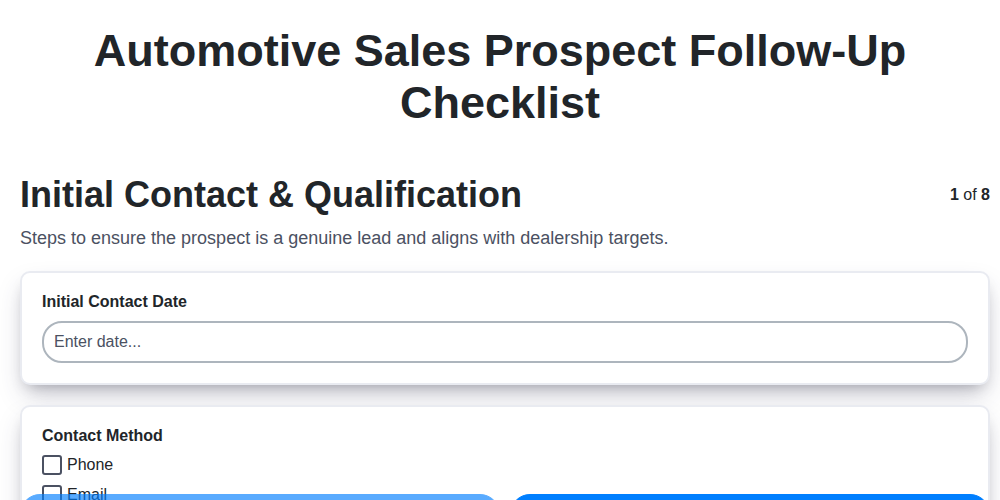
The Ultimate Automotive Sales Prospect Follow-Up Checklist: Close More Deals
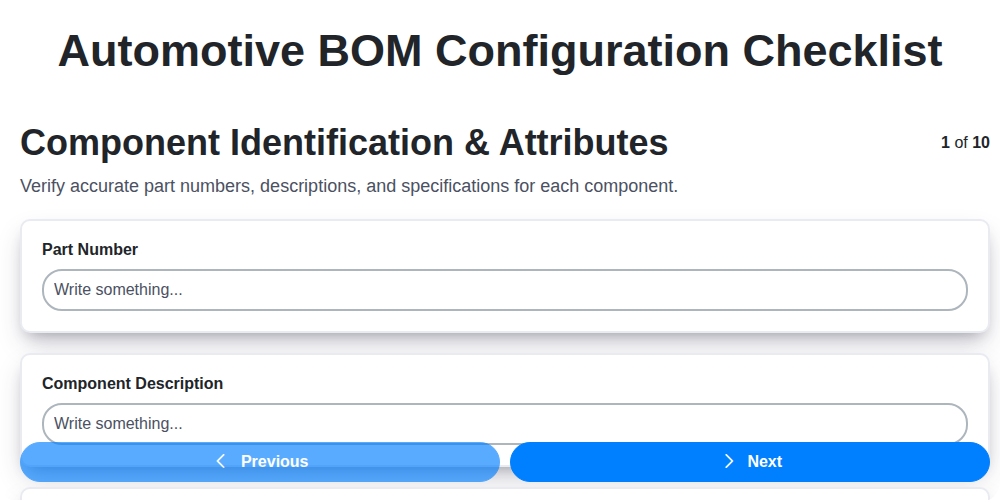
Mastering Automotive BOM Configuration: Your Essential Checklist

The Ultimate Vehicle Registration & Insurance Validation Checklist
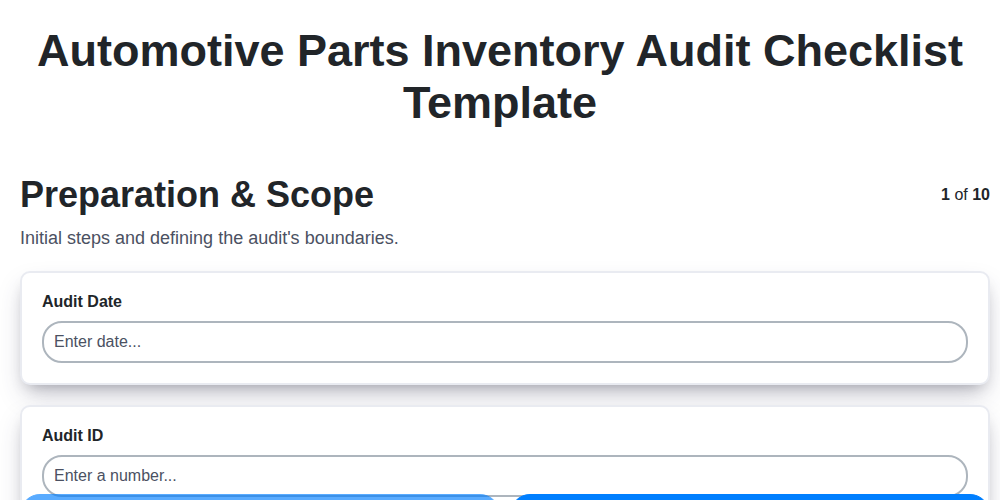
Automotive Parts Inventory Audit Checklist Template: Your Guide to Accurate Stock

Maximize Your Trade-In: The Automotive Appraisal Checklist You Need
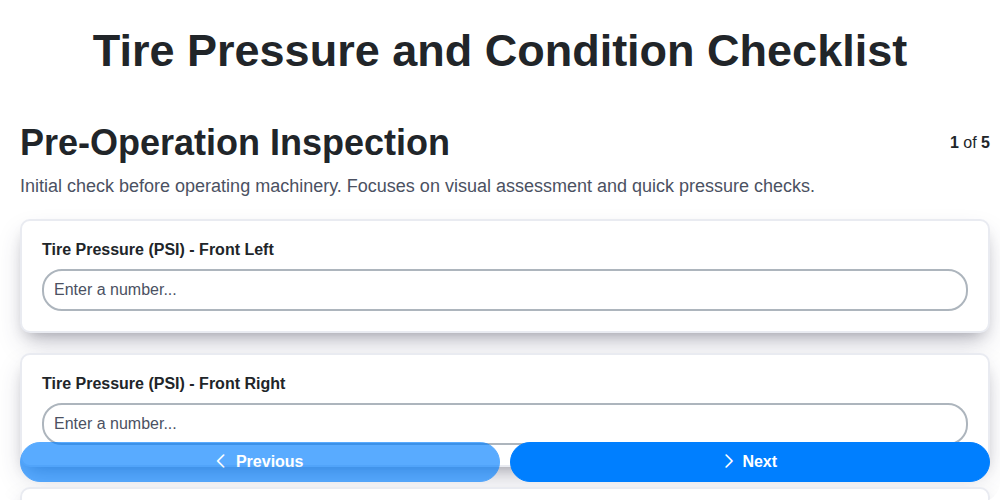
The Ultimate Tire Pressure & Condition Checklist Template
Automotive Parts Inventory Control Checklist Template: Your Ultimate Guide

Drive Sales Success: Your Automotive Sales Team Performance Tracking Checklist
We can do it Together
Need help with
Automotive?
Have a question? We're here to help. Please submit your inquiry, and we'll respond promptly.