Keeping Your Shop Running: The Ultimate Automotive Equipment Maintenance Checklist
Published: 12/29/2025 Updated: 07/02/2026
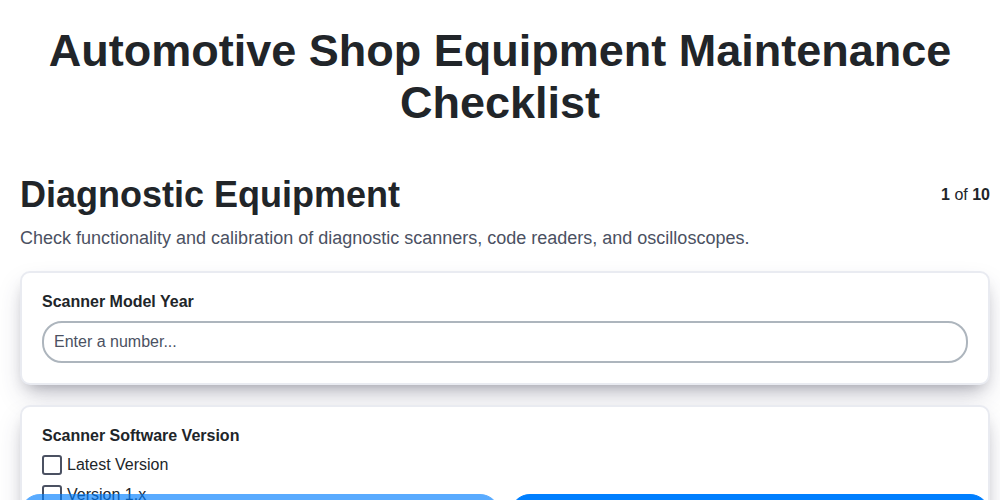
Table of Contents
- Introduction: Why Equipment Maintenance Matters
- 1. Diagnostic Equipment: Staying Ahead of the Curve
- 2. Lifting Equipment: Ensuring Safety and Reliability
- 3. Air Compression Systems: Maintaining Optimal Performance
- 4. Welding Equipment: Precision and Longevity
- 5. Painting Equipment: A Flawless Finish Starts with Maintenance
- 6. Tire Service Equipment: Keeping Your Shop Rolling
- 7. Brake Service Equipment: Safety First
- 8. Fluid Management Systems: Cleanliness and Efficiency
- 9. General Maintenance: The Foundation of Uptime
- 10. Safety Checks: Prioritizing Your Team's Wellbeing
- 11. Creating a Maintenance Schedule: Frequency & Responsibility
- 12. Record Keeping: Tracking Your Efforts
- 13. Troubleshooting Common Issues
- Conclusion: Proactive Maintenance for a Thriving Shop
- Resources & Links
TLDR: This checklist ensures your auto shop equipment stays reliable and safe! It covers everything from diagnostic tools to welding machines, helping you avoid costly breakdowns, maintain warranties, and protect your team with regular inspections and preventative maintenance. Download the template and keep your shop running smoothly!
Introduction: Why Equipment Maintenance Matters
An automotive shop thrives on reliable equipment. From accurate diagnostics to efficient repairs, your tools are the backbone of your business. But even the highest quality equipment degrades over time with constant use, environmental factors, and the inevitable wear and tear. Neglecting preventative maintenance isn't just about avoiding breakdowns; it's about ensuring the safety of your technicians, maintaining the quality of your work, and ultimately, protecting your bottom line. Regular equipment maintenance minimizes downtime, extends the lifespan of your investments, and helps you deliver consistent, top-notch service to your customers. This checklist is your guide to keeping your shop running smoothly and efficiently.
1. Diagnostic Equipment: Staying Ahead of the Curve
Diagnostic equipment is the backbone of any modern automotive shop. Keeping it calibrated and functioning correctly isn't just about accurate readings; it's about efficient workflow and customer satisfaction. Here's what your diagnostic equipment maintenance checklist should include:
- Scanner Calibration: Most scanners require periodic calibration to ensure accuracy. Check the manufacturer's recommendations for frequency (typically annually, but some may require more frequent checks).
- Software Updates: Outdated software can lead to misdiagnosis and incompatibility with newer vehicles. Regularly check for and install software updates for all diagnostic tools.
- Cable and Connector Inspection: Inspect all cables and connectors for damage, cracks, or corrosion. Replace any damaged components immediately. Poor connections can lead to intermittent readings and inaccurate data.
- Battery and Power Supply: Verify that scanners have adequate power, whether from batteries or the shop's power supply. Replace batteries as needed and ensure the power supply is stable.
- Sensor Cleaning: Certain diagnostic sensors (e.g., smoke machines) may require periodic cleaning to remove debris and ensure proper function. Refer to manufacturer guidelines.
- Functionality Testing: Periodically test the functionality of each diagnostic tool to ensure it's operating as expected. This includes running tests and verifying readings against known values.
2. Lifting Equipment: Ensuring Safety and Reliability
Lifting equipment - hoists, jacks, lifts - are critical for almost every task in an automotive shop. A malfunction here can lead to serious injury or damage to vehicles. This section details a maintenance checklist focused on keeping your lifting equipment functioning safely and reliably.
Regular Inspections (Daily/Shift Start):
- Visual Inspection: Check for any visible cracks, damage, or corrosion on lifting arms, posts, saddles, and chains/cables.
- Fluid Levels (Hydraulic Lifts): Verify hydraulic fluid levels and check for leaks. Top up as needed and investigate the source of any leaks.
- Operation Check: Cycle the lift through its full range of motion, listening for unusual noises and observing for smooth, consistent movement.
- Safety Devices: Confirm the operation of safety locks, limit switches, and emergency stop mechanisms.
Monthly Maintenance:
- Chain/Cable Inspection: Inspect chains and cables for wear, kinking, or fraying. Replace damaged components immediately. Pay close attention to anchor points and any areas experiencing frequent stress.
- Pad/Saddle Condition: Examine lift pads/saddels for wear and tear. Replace worn or damaged pads. Ensure they are properly cleaned to maintain grip.
- Hydraulic Hose Inspection (Hydraulic Lifts): Inspect hydraulic hoses for cracks, abrasions, or leaks. Replace any compromised hoses.
- Lubrication: Lubricate moving parts (e.g., pivot points, gears) according to the manufacturer's recommendations.
- Load Testing (Annually): Perform a load test, following the manufacturer's guidelines, to verify the lifting capacity and functionality of the equipment. Document the results.
Record Keeping: Maintain detailed records of all inspections, maintenance, and repairs performed on your lifting equipment. This is crucial for demonstrating due diligence and regulatory compliance.
3. Air Compression Systems: Maintaining Optimal Performance
Air compression systems are the backbone of many automotive shop operations, powering everything from impact wrenches to spray booths. Neglecting their maintenance can lead to costly downtime and inefficient performance. Here's what to check regularly:
Daily/Weekly:
- Air Filter Inspection: Check the air filter for dirt, debris, and moisture. Replace as needed - a clogged filter drastically reduces air pressure and compressor lifespan.
- Pressure Gauges: Verify accuracy of pressure gauges throughout the system (compressor, lines, and points of use). Calibrate if necessary.
- Hose Inspection: Visually inspect air hoses for cracks, abrasions, kinks, and leaks. Replace damaged hoses immediately. Secure hoses properly to prevent tripping hazards.
- Leak Detection: Listen for air leaks throughout the system. Use soapy water to pinpoint leaks around fittings and connections.
Monthly:
- Drain Moisture Separators: Completely drain moisture separators (water traps) on the compressor and at various points in the system. Accumulated moisture can cause corrosion and damage to air tools.
- Condensate Drain Valve Check: Ensure automatic drain valves are functioning correctly and not stuck open or closed.
- Belt Inspection (if applicable): Check compressor drive belts for wear, cracks, and proper tension. Adjust or replace as needed.
Annually:
- Reservoir Inspection: Inspect the air receiver tank for rust, corrosion, and proper venting. Hydrostatic testing may be required according to local regulations.
- Air-Oil Separator (if applicable): Replace air-oil separator elements according to manufacturer's recommendations.
- Complete System Flush: Consider a complete system flush to remove accumulated contaminants and improve air quality.
4. Welding Equipment: Precision and Longevity
Welding equipment is the backbone of many automotive repairs, from bodywork to exhaust systems. Consistent maintenance is crucial not only for safety but also to ensure accurate welds and extend the lifespan of your investment. Here's what to include in your maintenance routine:
- Visual Inspection (Monthly): Check all cables, hoses, and connectors for cracks, fraying, or signs of damage. Look for leaks around fittings and the torch.
- Torch Cleaning (Monthly): Remove nozzle deposits and build-up with appropriate cleaning tools. A clean torch ensures a consistent arc and prevents contamination of the weld.
- Gas Hose and Regulator Inspection (Quarterly): Check for leaks in the gas hoses using a soap solution. Ensure the regulator is functioning correctly and maintaining the correct gas pressure. Replace hoses and regulators as needed.
- Welder Power Source Maintenance (Annually): Depending on the type of welder (MIG, TIG, Stick), follow the manufacturer's recommendations for internal cleaning and component inspection. This might involve cleaning cooling fans, checking capacitor health, or inspecting internal wiring. Consult the manual!
- Ground Clamp Inspection (Annually): Ensure the ground clamp is clean and makes good contact with the workpiece. Corrosion can impede the welding process and affect weld quality.
- Safety Equipment Check (Monthly): Verify welding helmets, gloves, and aprons are in good condition and meet safety standards. Replace worn or damaged items immediately.
5. Painting Equipment: A Flawless Finish Starts with Maintenance
Your painting equipment is the heart of a beautiful, durable finish - but neglect can lead to costly downtime and compromised quality. Regular maintenance is crucial. Here's what to check:
- Compressor Maintenance: Ensure the air compressor providing air to your spray guns is functioning optimally. Check for leaks, proper pressure, and drain the water separator regularly. Moisture in the air can lead to rust and inconsistent paint application.
- Spray Guns: These are your most used tools! Clean thoroughly after every use. Disassemble, inspect nozzles and air caps for wear, and replace as needed. A clogged or damaged nozzle leads to orange peel and uneven coverage. Lubricate per manufacturer's instructions.
- Mixing & Preparation Equipment: Check mixers and scales for accuracy. Calibration is key to proper paint ratios. Inaccurate mixing leads to poor adhesion and color inconsistencies.
- Spray Booth Filters: Regularly inspect and replace filters to maintain proper ventilation and ensure clean air flow. Clogged filters reduce efficiency and can contaminate the finish. Follow manufacturer recommendations for replacement intervals, often based on usage and operating conditions.
- HVLP System Checks: For HVLP systems, confirm air pressure and flow rates are within the recommended range. Incorrect settings compromise transfer efficiency and can increase overspray.
- Paint Recirculation System (if applicable): Verify proper function and cleanliness.
6. Tire Service Equipment: Keeping Your Shop Rolling
Your tire service equipment is the backbone of a significant portion of your business. From mounting and balancing machines to tire changers and alignment racks, these tools endure constant use and require diligent upkeep. Neglecting them can lead to inaccurate services, safety hazards, and costly downtime.
Here's what to check regularly:
- Tire Changers: Inspect mounting heads, claws, and assist arms for wear and damage. Lubricate all moving parts according to the manufacturer's recommendations. Ensure the turntable rotates smoothly and accurately. Verify the bead breaker function is operating correctly.
- Balancing Machines: Calibrate regularly (typically monthly or as specified by the manufacturer) to maintain accuracy. Inspect wheel clamps for damage and replace worn parts. Ensure sensors are clean and functioning properly. Check for any unusual noises during operation.
- Alignment Racks: Inspect rack supports for cracks or bending. Verify all sensors are calibrated and functioning. Check hydraulic cylinders for leaks and smooth operation. Lubricate all moving parts.
- Nitrogen Generators/Tire Inflation Systems: Ensure proper nitrogen purity if applicable. Check inflation gauges for accuracy. Inspect hoses and connections for leaks and damage.
- Valve Stem Tools: Replace worn or damaged tools. Clean and inspect for proper function.
Frequency: Daily visual inspection, monthly lubrication and calibration (as needed), annual professional servicing.
7. Brake Service Equipment: Safety First
Brake service equipment - from hydraulic presses and disc lathes to bore gauges and spring compressors - is essential for keeping vehicles stopping safely. But these machines handle significant force and potential hazards, making meticulous maintenance absolutely critical.
Here's what your brake service equipment maintenance should cover:
- Hydraulic Presses: Regularly inspect hydraulic lines for leaks and cracks. Check oil levels and condition, replacing as needed. Verify pressure settings and calibration. Ensure proper guarding is in place and functioning.
- Disc Lathes: Check for blade sharpness and wear. Verify spindle runout and alignment. Inspect coolant levels and effectiveness. Lubricate moving parts. Ensure proper clamping and securing mechanisms are working.
- Bore Gauges: Calibrate frequently (at least monthly) to ensure accuracy. Inspect for damage to internal components. Clean regularly to prevent debris buildup.
- Spring Compressors: This equipment is inherently dangerous. Inspect jaws and levers for wear and cracks. Ensure proper function and secure locking mechanisms. Never attempt to compress a spring without proper training and safety equipment.
- Brake Bleeder Systems: Check hoses and connections for leaks. Verify pump functionality and pressure readings.
Safety is paramount. All technicians working with brake service equipment must receive thorough training and adhere strictly to safety protocols. A single lapse in maintenance or a shortcut taken can have serious consequences. Keep safety manuals readily available and reinforce safe operating procedures regularly.
8. Fluid Management Systems: Cleanliness and Efficiency
Fluid management systems - encompassing oil reservoirs, coolant tanks, antifreeze mixtures, brake fluid reservoirs, and power steering fluids - are the lifeblood of any automotive shop. Neglecting their maintenance can lead to costly repairs, reduced performance, and even environmental hazards. Here's what to check:
- Regular Inspections: Visually inspect all fluid reservoirs for leaks, cracks, and corrosion. Check fluid levels against manufacturer recommendations. Low levels often indicate a leak that needs immediate attention.
- Fluid Quality Assessment: Don't just check the level; check the condition. Oil should be checked for discoloration and viscosity. Coolant should be tested for pH levels and contamination. Brake fluid should be inspected for moisture content (using a brake fluid tester is ideal). Contaminated fluids must be replaced.
- Reservoir Cleaning: Residue and debris can accumulate in reservoirs over time. Periodically clean the insides of reservoirs to prevent clogs and ensure proper fluid flow. Follow manufacturer guidelines for cleaning agents, as some fluids are sensitive to certain chemicals.
- Hose and Line Inspection: Examine hoses and lines for cracks, kinks, and leaks. Replace any compromised lines to prevent spills and maintain system pressure.
- Filtration Maintenance: If your shop utilizes filtration systems for fluids (like oil recycling or coolant filtration), inspect and replace filters according to the manufacturer's schedule.
- Spill Containment: Ensure adequate spill containment measures are in place around all fluid storage and dispensing areas to prevent environmental contamination and comply with regulations. Document all fluid disposal methods.
9. General Maintenance: The Foundation of Uptime
Beyond the specific equipment checks, a robust general maintenance program is the bedrock of your automotive shop's operational efficiency. Think of it as preventative medicine for your entire facility. This isn't just about swapping filters; it's about proactive upkeep that avoids costly breakdowns and maximizes lifespan.
Key Tasks Include:
- Lighting: Regularly inspect and replace burnt-out bulbs. Adequate lighting is crucial for safety and accuracy.
- Electrical Systems: Check all outlets, wiring, and circuit breakers for damage or wear. Address any loose connections or signs of overheating.
- Floor Maintenance: Keep floors clean and free of debris. This minimizes slip hazards and helps prevent corrosion. Consider a sealant or coating for concrete floors.
- HVAC System: Ensure your heating and cooling system is functioning properly to maintain a comfortable working environment and prevent damage to temperature-sensitive equipment and fluids. Change filters regularly.
- Compressed Air Line Inspection: Check for leaks and kinks in air lines. Even small leaks can significantly impact air compressor efficiency.
- Drain Cleaning: Keep floor drains clear to prevent backups and potential flooding.
- Pest Control: Implement a preventative pest control program to avoid contamination and equipment damage.
- Tool Storage & Organization: A well-organized shop is a safer and more efficient shop. Regularly tidy up and ensure tools are properly stored.
Consistent attention to these general maintenance tasks will contribute to a smoother workflow, reduce downtime, and extend the lifespan of your entire shop, not just individual pieces of equipment.
10. Safety Checks: Prioritizing Your Team's Wellbeing
Beyond the technical maintenance, consistent and thorough safety checks are absolutely paramount in an automotive shop. Neglecting these can lead to serious injuries and legal repercussions. This isn't just about ticking a box; it's about fostering a culture of safety.
Here's what your safety check process should include:
- Personal Protective Equipment (PPE) Audit: Ensure all technicians have and are using the appropriate PPE - safety glasses, gloves, respirators, hearing protection, etc. Regularly inspect PPE for damage or degradation.
- Fire Safety: Check fire extinguishers are charged and accessible. Conduct regular fire drills and ensure staff know evacuation procedures. Inspect flammable liquid storage for leaks and proper ventilation.
- Ventilation System Checks: Especially critical for painting and welding areas. Verify exhaust fans are functioning correctly and filters are replaced according to schedule. Monitor CO and other hazardous gas levels.
- Electrical Safety: Inspect all electrical cords and equipment for damage. Ensure proper grounding. Address any exposed wires or faulty wiring immediately.
- Hazard Communication (HazCom): Verify all chemicals are properly labeled and Safety Data Sheets (SDS) are readily available and understood by employees.
- Housekeeping: A clean and organized shop minimizes trip hazards. Regularly sweep floors, clear walkways, and keep work areas uncluttered.
- Emergency Procedures Review: Regularly review and update emergency contact information and procedures.
- Regular Inspections: Implement a schedule for ongoing safety inspections, documented with dates and corrective actions.
Remember, a safe shop is a productive shop. Prioritizing safety isn't just good practice; it's essential for the wellbeing of your team and the long-term success of your business.
11. Creating a Maintenance Schedule: Frequency & Responsibility
A checklist is only as good as the schedule that backs it up. Simply having a list of tasks isn't enough; you need a concrete plan for when those tasks are performed and who is responsible for executing them. This section outlines how to build a maintenance schedule that ensures your automotive shop equipment remains reliable and compliant.
Frequency Considerations:
The frequency of maintenance tasks should be based on several factors:
- Manufacturer Recommendations: Always prioritize the maintenance intervals specified in the equipment's manuals. These are typically based on usage and performance data.
- Usage Intensity: Higher-use equipment (e.g., a frequently used lift) requires more frequent inspections than equipment used less often. Track usage data where possible.
- Environmental Conditions: Harsh environments (extreme temperatures, high humidity, dusty conditions) can accelerate wear and tear, necessitating more frequent maintenance.
- Past Performance: If a particular piece of equipment has experienced issues in the past, shorten the maintenance interval.
Example Frequency Guidelines (adjust based on your specific needs):
- Daily: Visual inspections of lifts, tire machines, and diagnostic tools.
- Weekly: Air compressor filter checks, fluid level checks for hydraulic systems.
- Monthly: Brake service equipment calibrations, welding equipment electrode checks.
- Quarterly: Painting equipment filter replacement, thorough inspection of all lifting equipment.
- Annually: Comprehensive diagnostic equipment calibration, safety checks of all equipment, fluid management system flushing.
Assigning Responsibility:
Clearly define who is responsible for each maintenance task. This ensures accountability and prevents tasks from being overlooked. Consider:
- Skill Level: Assign tasks to technicians with the appropriate training and experience. Some tasks may require specialized certification.
- Workload: Distribute tasks fairly to avoid overburdening any single technician.
- Documentation: Ensure the designated technician documents all completed maintenance, including dates, findings, and any corrective actions taken. This creates a valuable maintenance history.
Tracking and Review:
Regularly review your maintenance schedule. Are tasks being completed on time? Are any recurring issues indicating a need to adjust the frequency or scope of maintenance? A proactive approach to schedule review ensures your equipment remains reliable and your shop operates efficiently.
12. Record Keeping: Tracking Your Efforts
Maintenance isn't just about doing the work; it's about proving you did it, and understanding trends over time. A well-maintained shop isn't just safer and more efficient; it's also easier to justify to insurance companies and during audits.
Here's what your record keeping should include:
- Date of Service: Clearly note when each maintenance task was performed.
- Task Performed: Specify exactly what work was done (e.g., Diagnostic Scanner Software Updated, Hydraulic Fluid Changed in Two-Post Lift).
- Technician/Inspector: Record who performed the maintenance.
- Findings: Document any issues found during the inspection, even if they weren't immediately addressed. This helps spot recurring problems.
- Parts Used: Keep a log of replacement parts, including part numbers and suppliers.
- Calibration Results: If calibration was performed, record the results and any adjustments made.
- Next Due Date: Based on manufacturer recommendations and usage, set a reminder for the next maintenance cycle.
Consider using a digital maintenance management system for easier tracking and reporting. Even a simple spreadsheet can be a significant improvement over paper records. Regular review of these records can highlight areas needing more attention and helps optimize your maintenance schedule.
13. Troubleshooting Common Issues
Even with a meticulous maintenance schedule, unexpected hiccups can arise. Here's a quick guide to tackling some frequently encountered problems in your automotive shop:
Diagnostic Equipment: Often, diagnostic issues stem from software glitches. Try restarting the scanner or computer. Check cable connections and ensure proper power supply. Consult the manufacturer's troubleshooting guide for error code specifics. Outdated software is a common culprit - keep everything updated!
Lifting Equipment: A sudden drop or unusual noise? Immediately stop using the lift and tag it out of service. Investigate for hydraulic leaks, worn cables, or faulty limit switches. Regular visual inspections are key, but prompt action is crucial if anything seems amiss.
Air Compression Systems: Low air pressure or noisy operation can indicate a leaking compressor, a clogged air filter, or a faulty regulator. Trace the air lines for leaks using soapy water. Replace filters regularly and verify regulator settings.
Welding Equipment: Inconsistent weld quality or a weak arc might point to worn electrodes, a faulty power supply, or incorrect gas flow. Clean electrodes and check for proper gas connections.
Painting Equipment: Uneven spray patterns or paint defects often result from clogged spray nozzles, incorrect pressure, or a failing compressor. Clean nozzles, check pressure settings, and ensure adequate air supply.
Tire Service Equipment: Issues with tire changers or balancers often involve loose components or worn bearings. Tighten all connections and lubricate moving parts.
Brake Service Equipment: Hydraulic leaks or inconsistent pressure are common. Check for leaks around fittings and cylinders. Bleed the brake lines if necessary.
Fluid Management Systems: Blocked lines or failing pumps can restrict fluid flow. Flush the system and inspect for blockages.
General Maintenance: For tools and equipment not specifically listed, consult the manufacturer's documentation for troubleshooting steps.
Important Note: If you are uncomfortable performing any repair or lack the necessary expertise, always consult a qualified technician. Safety is paramount.
Conclusion: Proactive Maintenance for a Thriving Shop
Maintaining your automotive shop's equipment isn't just about preventing breakdowns - it's an investment in your shop's efficiency, safety, and ultimately, profitability. This checklist provides a solid foundation for a proactive maintenance program. By consistently implementing these checks and addressing issues promptly, you're reducing downtime, extending the lifespan of your valuable tools, and ensuring a safe working environment for your technicians. Remember, neglecting equipment maintenance can lead to costly repairs, inaccurate diagnostics, and potential safety hazards. A little preventative care goes a long way towards a thriving and successful automotive shop. Don't just react to problems - anticipate them and keep your shop running smoothly.
Resources & Links
- Snap-on: A leading provider of automotive tools, equipment, and diagnostic solutions. Their website offers resources and information on maintenance and diagnostics.
- Matco Tools: Another major supplier of automotive tools and equipment. Offers technical support and resources related to maintenance.
- Cornwell Tools: A supplier of quality tools and equipment, often with a focus on professional automotive technicians. Their website provides product details and potentially maintenance tips.
- iSeeCars.com: While primarily a car research site, they often publish articles related to automotive repair and maintenance trends, some of which could offer context for equipment upkeep.
- AA1Car: A comprehensive automotive resource that includes repair information and maintenance guides - potentially useful for understanding equipment functionality and needed care.
- RepairPal: Provides repair estimates and connects consumers with certified mechanics. Their site offers insights into common automotive issues, which can inform preventative maintenance of equipment.
- AutoMotix: A provider of shop management software, their website often contains articles related to shop efficiency, including aspects of equipment maintenance and scheduling.
- ALLDATA: A subscription-based database offering repair and diagnostic information for a wide range of vehicles. Provides manufacturer specifications and maintenance schedules, crucial for accurate equipment upkeep.
- SAE International: The Society of Automotive Engineers, offers technical publications and standards that can inform best practices for automotive equipment maintenance.
- OSHA (Occupational Safety and Health Administration): Provides regulations and guidelines for workplace safety, including equipment maintenance and hazard prevention, vital for safety checks listed in the article.
Frequently Asked Questions
What is the purpose of this checklist?
This checklist provides a comprehensive guide to regularly maintaining your automotive equipment, preventing breakdowns, extending equipment lifespan, and ensuring safety in your shop.
Who is this checklist for?
It's designed for shop owners, technicians, and anyone responsible for maintaining automotive equipment in a repair shop or garage.
How often should I follow this checklist?
The frequency of maintenance varies depending on the equipment and usage. We recommend reviewing the manufacturer's recommendations and establishing a regular schedule, typically monthly, quarterly, and annually.
Where can I find manufacturer's recommendations?
Refer to the equipment's owner's manual. These manuals typically provide detailed maintenance schedules and specific procedures. If you don't have the manual, contact the manufacturer directly or check their website.
What types of equipment are covered in this checklist?
The checklist covers a wide range of automotive equipment, including lifts, welders, air compressors, diagnostic tools, tire changers, balancers, paint booths, and more. Specific items can be adjusted based on your shop's equipment.
What happens if I ignore the maintenance checklist?
Ignoring the checklist can lead to equipment breakdowns, costly repairs, safety hazards for technicians, increased downtime, and potentially void warranties.
Can I customize this checklist?
Absolutely. This is a template. Add equipment specific to your shop, adjust frequencies based on usage, and add any additional tasks you deem necessary.
What does 'lubrication' mean in the checklist's context?
Lubrication involves applying grease, oil, or other lubricants to moving parts to reduce friction, prevent wear, and ensure smooth operation. Always use the recommended lubricant specified by the manufacturer.
Where can I find replacement parts for my equipment?
You can typically find replacement parts from the equipment manufacturer, authorized distributors, or reputable parts suppliers. Make sure to use OEM (Original Equipment Manufacturer) parts when possible.
What safety precautions should I take while performing maintenance?
Always disconnect power, follow lockout/tagout procedures, wear appropriate personal protective equipment (PPE) like gloves and eye protection, and refer to the equipment's safety manual.
Comments
There are no comments yet. Be the first to add one!
Automotive Manufacturing Management Solution Demo
Optimize your automotive production! ChecklistGuro digitizes workflows, from parts inspection to final testing. Reduce errors, boost efficiency & ensure quality compliance. Drive results with our Work OS.
Related Articles
The Ultimate Automotive Sales Prospect Follow-Up Checklist: Close More Deals
Mastering Automotive BOM Configuration: Your Essential Checklist

The Ultimate Vehicle Registration & Insurance Validation Checklist
Automotive Parts Inventory Audit Checklist Template: Your Guide to Accurate Stock

Maximize Your Trade-In: The Automotive Appraisal Checklist You Need
The Ultimate Tire Pressure & Condition Checklist Template
Automotive Parts Inventory Control Checklist Template: Your Ultimate Guide

Drive Sales Success: Your Automotive Sales Team Performance Tracking Checklist
We can do it Together
Need help with
Automotive?
Have a question? We're here to help. Please submit your inquiry, and we'll respond promptly.