The Ultimate Used Car Inspection Checklist: Don't Buy a Lemon!
Published: 12/29/2025 Updated: 12/30/2025
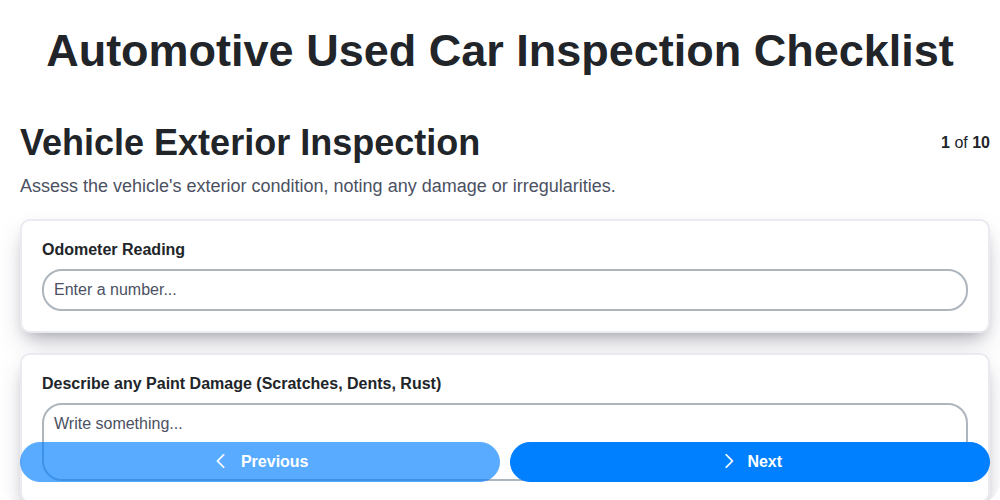
Table of Contents
- Introduction: Why a Used Car Inspection is Crucial
- 1. Vehicle Exterior Inspection: First Impressions Matter
- 2. Engine Bay Inspection: A Peek Under the Hood
- 3. Tire and Wheel Condition: Grip and Safety
- 4. Interior Condition: Comfort and Wear
- 5. Mechanical Systems Check: How It Drives
- 6. Electrical Systems Check: Lights, Power, and More
- 7. Fluid Levels and Condition: The Lifeblood of Your Car
- 8. Undercarriage Inspection: Rust and Hidden Damage
- 9. Safety Equipment Verification: Brakes, Airbags, and More
- 10. Document Review: History and Ownership
- 11. Red Flags: What to Watch Out For
- 12. Getting a Professional Inspection
- Conclusion: Making an Informed Decision
- Resources & Links
TLDR: Buying a used car? This checklist helps you thoroughly inspect it before you buy, covering everything from the exterior and engine to the interior, mechanicals, electrical, fluids, and even paperwork. It's your shield against buying a lemon - use it to catch hidden problems and negotiate confidently!
Introduction: Why a Used Car Inspection is Crucial
Buying a used car can be a fantastic way to save money, but it's also a gamble. Unlike buying new, you're inheriting a vehicle's history - potential wear and tear, previous accidents, and deferred maintenance. Skipping a thorough inspection can lead to costly surprises down the road, from unexpected repairs to safety concerns. This isn't about distrusting the seller; it's about empowering yourself with knowledge. A comprehensive used car inspection checklist, like the one we've outlined below, helps you identify potential problems before you sign on the dotted line, ensuring you make an informed decision and avoid a financial headache. It's your chance to uncover hidden issues, negotiate a better price, or confidently walk away if the deal isn't right.
1. Vehicle Exterior Inspection: First Impressions Matter
The exterior is your first impression. Don't underestimate its importance! A well-maintained exterior often hints at a cared-for vehicle overall. Start with a walk-around, observing the vehicle in good lighting.
- Body Panels: Look for dents, scratches, rust (especially around wheel wells, door seams, and the rocker panels), and mismatched paint colors - a potential sign of prior repairs. Check panel alignment; gaps that are too large or uneven can suggest accident damage.
- Glass: Inspect the windshield, windows, and mirrors for cracks, chips, and excessive scratches. Look for signs of repair (resin filling) which can obstruct visibility.
- Lights: Verify all exterior lights - headlights, taillights, brake lights, turn signals, and hazard lights - are functioning correctly.
- Trim: Check for missing or damaged trim pieces.
- Bumpers: Examine bumpers for cracks, dents, and signs of repair.
2. Engine Bay Inspection: A Peek Under the Hood
The engine bay is a crucial area to inspect, and often reveals a lot about a used car's history and maintenance. Don't be intimidated - a careful look can save you headaches later.
First, look for obvious signs of leaks. Check for pools of liquid underneath the engine and look for drips on the engine block, hoses, and surrounding areas. Note the color of any fluids - brown or black can indicate old or burnt oil, while green or orange could suggest a coolant leak.
Inspect the belts and hoses. Look for cracks, fraying, or swelling. A worn belt can snap, leaving you stranded, while failing hoses can lead to overheating.
Check the wiring. Look for frayed or damaged wires, and ensure all connections are secure. Poorly maintained wiring can lead to electrical problems.
Observe the engine itself. Excessive rust, corrosion, or signs of repairs (patched hoses, mismatched parts) are red flags. While some wear is normal, major visual issues should raise concerns.
Sniff around (carefully!). A burning smell might indicate an oil leak or other combustion issues. A sweet smell could signal a coolant leak.
Finally, check the condition of the engine bay components. Look for broken or missing components, and ensure everything appears to be properly mounted and secured. A clean engine bay isn't always a guarantee of good health, but a neglected and dirty one often signals neglected maintenance overall.
3. Tire and Wheel Condition: Grip and Safety
Your tires are your only point of contact with the road, so their condition is paramount for safety. A thorough inspection here can reveal hidden dangers. Begin by visually inspecting all tires for uneven wear patterns - this can indicate alignment issues or suspension problems. Look for cuts, bulges, or sidewall damage, which are signs of potential blowouts.
Check the tire tread depth. The penny test is a simple trick: insert a penny upside down into a tread groove. If you can see the top of Lincoln's head, the tire is likely below the legal limit (2/32 of an inch) and needs replacing. Don't forget to check the tire date code (DOT code) - tires degrade over time, even if they have plenty of tread. Tires older than six years should be carefully considered for replacement, regardless of tread depth.
Next, examine the wheels themselves. Look for curb rash, dents, or any signs of bending. Bent wheels can compromise handling and potentially damage wheel bearings. Ensure the lug nuts are present and appear tightened correctly. Finally, check for any signs of wheel corrosion, which can weaken the wheel's structural integrity.
4. Interior Condition: Comfort and Wear
Okay, let's face it: a used car's interior can tell a lot about its previous owner. It's not just about aesthetics; excessive wear can indicate rough treatment and potential underlying issues. Start by assessing the overall cleanliness. A dirty interior might suggest a lack of care. Then, move on to examining the seats - look for rips, tears, stains, and excessive wear patterns. Pay close attention to bolstering, as this area tends to show wear quickly. Check the carpets and floor mats for stains, wear, and damage. The headliner should be free of sagging or water stains, which can be a sign of leaks. Inspect the dashboard for cracks, fading, and damage. Finally, test all interior controls - the radio, climate control, power windows, locks, and mirrors - to ensure they're functioning correctly. A well-maintained interior is a good sign of overall vehicle care.
5. Mechanical Systems Check: How It Drives
Okay, let's get this on the road! A crucial part of any used car inspection is assessing how the vehicle actually drives. This isn't just about a quick spin around the block; it's a more thorough evaluation of its mechanical health.
Start with a Basic Test Drive: Begin with a slow, controlled drive around the immediate area. Pay close attention to how the car accelerates, brakes, and handles. Listen for any unusual noises - clunks, rattles, or whines - which could indicate problems.
Evaluate Acceleration and Transmission: Does the engine respond promptly to the accelerator? If it's an automatic transmission, does it shift smoothly through the gears? Jerky shifts, hesitation, or slipping can point to transmission issues. With a manual transmission, check for smooth clutch engagement and gear changes.
Braking Performance: Test the brakes gently at first, then more firmly. Listen for squealing, grinding, or pulsating. A spongy brake pedal can indicate air in the brake lines or a failing master cylinder.
Steering Feel: The steering should feel responsive and precise. Note any wandering, pulling to one side, or excessive play in the steering wheel. A loose or vague steering feel can be a sign of worn steering components.
Suspension Assessment: Drive over bumps and uneven surfaces. Listen for clunking or rattling noises, which could indicate worn suspension components like shocks or struts. Excessive bouncing after hitting a bump suggests worn shocks.
Check for Vibrations: Vibrations at various speeds can be a red flag. They can be caused by anything from unbalanced tires to more serious driveline problems.
Listen for Noises: Pay extra attention to any unusual noises coming from the engine, transmission, or suspension during the test drive. Don't dismiss anything - it could be a valuable clue to a potential issue.
6. Electrical Systems Check: Lights, Power, and More
The electrical system is the nervous system of your vehicle. A faulty electrical system can lead to frustrating breakdowns and safety concerns. This inspection goes beyond just checking the headlights.
Here's what we're looking for:
- Headlights, Taillights, Brake Lights, and Turn Signals: Verify all operate correctly, including high beams. Look for dimness or flickering.
- Interior Lights: Test all interior lights (dome light, map lights, reading lights).
- Dashboard Indicators: Check for any warning lights illuminated on the dashboard (check engine, ABS, airbag, etc.). While some lights are normal during startup, they should disappear once the engine is running. Investigate any persistent warning lights.
- Power Windows & Door Locks: Ensure all power windows operate smoothly and door locks function properly. Listen for unusual noises.
- Windshield Wipers & Washers: Test wiper speeds and ensure the washer fluid sprays effectively.
- Radio & Infotainment System: Verify the radio, CD player, Bluetooth connectivity, and any infotainment features work as expected.
- Power Seats (if equipped): Test the functionality of power seat adjustments.
- Charging System: Ideally, have a mechanic test the charging system voltage with a multimeter. This checks the alternator's output.
- Battery Condition: While a battery test is important (usually done separately), visually inspect the battery terminals for corrosion.
A thorough electrical check can uncover potential problems before they become major headaches.
7. Fluid Levels and Condition: The Lifeblood of Your Car
Fluids are the unsung heroes of your vehicle's performance and longevity. Checking them isn't just about topping them off; it's about assessing their condition and identifying potential problems before they escalate. Here's what to look for:
- Engine Oil: This is arguably the most critical. Check the dipstick - the level should be between the minimum and maximum marks. Also, note the color. Healthy oil is typically amber or light brown. Dark, sludgy oil indicates infrequent changes or potential engine wear.
- Coolant (Antifreeze): Check the coolant reservoir. It should be at the full mark when the engine is cold. Look for signs of rust or sediment, which can indicate corrosion within the cooling system. The color should be consistent (typically green, orange, or pink depending on the type).
- Brake Fluid: This fluid is essential for stopping power. Check the reservoir; it should be near the "max" line. Brake fluid is hygroscopic, meaning it absorbs moisture, reducing its effectiveness. Dark, murky brake fluid is a red flag and needs to be flushed.
- Power Steering Fluid: Check the reservoir (if equipped). It should be at the appropriate level. Listen for any whining noises when turning the steering wheel, which could indicate low fluid or a failing power steering pump.
- Transmission Fluid: This is often checked by observing the color and smell of the fluid (refer to your owner's manual for specific instructions). Healthy transmission fluid is typically red or pink. A burnt smell or dark, brown color is a cause for concern.
- Windshield Washer Fluid: This is a simple check - top it off as needed for clear visibility.
Addressing low or degraded fluids promptly can prevent costly repairs down the road.
8. Undercarriage Inspection: Rust and Hidden Damage
The undercarriage, or underbody, often gets overlooked, but it's a crucial area to assess when buying a used car. This is where a lot of hidden damage and long-term problems can lurk. Rust is the biggest enemy here. Moisture, road salt (especially in northern climates), and debris kicked up from the road all contribute to corrosion.
What to Look For:
- Surface Rust: This is relatively minor and often can be addressed with cleaning and preventative measures. However, it's a sign that conditions are ripe for more serious rust.
- Perforated Rust (Holes): This is a serious problem. Holes indicate significant metal loss and compromise the structural integrity of the vehicle. Repairs can be costly and may not always be feasible.
- Rust on Suspension Components: Check ball joints, tie rod ends, control arms, and springs. Rust here indicates potential for failure and will affect handling.
- Damage from Impacts: Look for signs of bending, dents, or cracks in the exhaust system, frame rails, and other undercarriage components. This could indicate prior accidents.
- Leaks: Inspect for any signs of fluid leaks - oil, coolant, or transmission fluid - as these can point to underlying mechanical issues.
How to Inspect:
You'll ideally want to use a jack and jack stands to safely elevate the vehicle and get a good view. If you're not comfortable doing this yourself, consider taking it to a mechanic for a pre-purchase inspection. A strong flashlight is essential to illuminate dark areas. Don't be afraid to crawl underneath - a thorough inspection is worth it!
9. Safety Equipment Verification: Brakes, Airbags, and More
Your safety (and the safety of potential passengers) is paramount. This section goes beyond simply looking for visible damage; it's about ensuring critical safety systems are functional.
Brakes: Begin by visually inspecting brake lines for leaks, cracks, or corrosion. Depress the brake pedal several times - it should feel firm and consistent, without a spongy feel. Listen for unusual noises like squealing or grinding. If possible, briefly test the brakes while driving (in a safe, controlled environment) to assess stopping power and straight-line braking.
Airbags & SRS (Supplemental Restraint System): The airbag warning light is crucial. It should illuminate briefly when you start the car and then extinguish. If it remains on, it indicates a potential problem with the SRS system. While you can't easily test airbag deployment yourself, a persistent warning light demands further investigation by a qualified mechanic. Check for any signs of previous airbag deployment - popped vents, unusual plastic pieces, or gaps where airbags would normally be.
Seatbelts: Inspect all seatbelts for fraying, damage, and proper retraction. Ensure the buckles latch securely and release easily. Test each one individually.
Headlights, Taillights, and Turn Signals: Verify that all lights are functioning correctly. Check high beams, low beams, brake lights, turn signals, and hazard lights.
Wipers & Washer Fluid: Check the condition of the wiper blades - are they torn or streaking? Ensure the washer fluid reservoir is full and the wipers spray effectively.
Horn: Give the horn a quick test to ensure it works.
This careful review of safety equipment provides peace of mind and can potentially identify issues requiring professional attention before you commit to a used car purchase.
10. Document Review: History and Ownership
Don't skip this crucial step! A thorough document review can reveal hidden issues and provide valuable insights into the car's past. Start with the Vehicle Identification Number (VIN) - verify it matches the title and registration. Run a vehicle history report (like Carfax or AutoCheck) using the VIN. This report can highlight:
- Accident History: Details of any reported accidents, including severity.
- Title Issues: Salvage titles, flood damage, or other red flags.
- Number of Previous Owners: A higher number of owners might indicate potential issues or lack of consistent care, although this isn't always negative.
- Mileage Discrepancies: Look for inconsistencies between the mileage reported on the title and the current mileage.
- Service Records: Ideally, the seller has service records. These can verify maintenance schedules and identify recurring problems.
- Recall Information: Check if any open recalls exist for the vehicle and address them if necessary.
Finally, carefully examine the title itself. Ensure it's properly signed and dated, and that the seller's name matches the information on the title. Any discrepancies should be investigated before proceeding with the purchase.
11. Red Flags: What to Watch Out For
Finding a used car can be exciting, but it's crucial to be vigilant. During your inspection, certain signs should immediately raise your concern and potentially send you walking away. Here's a breakdown of some significant red flags to watch for:
- Mismatched Paint or Body Panels: This is a strong indicator of accident repair. Look closely for color variations, orange peel texture, or poorly aligned panels.
- Rust - Especially in Unexpected Places: Surface rust can be manageable, but extensive rust, especially on frame rails, suspension components, or under the doors, signals serious structural issues.
- Warning Lights On the Dashboard: A check engine light, ABS light, or airbag light shouldn't be ignored. These require immediate diagnosis by a mechanic.
- Unusual Odors: A musty smell can indicate water damage or mold. A sweet smell might suggest a coolant leak. A burning smell could point to electrical or engine problems.
- Significant Wear on the Driver's Side: Uneven tire wear, worn driver's seat, and excessive wear on steering wheel controls often mean the car has seen a lot of use and potentially careless drivers.
- Tampered with VIN: Check the VIN on the dashboard, doorjamb, and engine block. They must match. Any discrepancies are a huge warning sign.
- Brittle or Cracked Plastic: Brittle plastic around the headlights, trim, or interior components indicates age and potential sun damage, which can lead to further deterioration.
- Too Good to Be True Price: A significantly lower price than comparable vehicles should raise suspicion. It could be hiding underlying issues.
- Hesitation or Rough Shifting: Issues with the engine's performance or the transmission's shifting are major concerns and require professional attention.
- Salvage Title or Flood Damage History: Absolutely avoid vehicles with salvage titles or a history of flood damage unless you've had them thoroughly inspected by a trusted mechanic and understand the potential long-term consequences.
12. Getting a Professional Inspection
Even with a thorough personal inspection, there's no substitute for a professional's expertise. Consider having a trusted mechanic perform a pre-purchase inspection (PPI). They have the tools, experience, and trained eye to identify potential issues you might miss.
Why a PPI is a Smart Move:
- Uncovers Hidden Problems: Mechanics can spot subtle signs of trouble like hidden corrosion, engine wear, or transmission problems.
- Provides a Detailed Report: You'll receive a comprehensive report outlining any issues found and their potential repair costs.
- Negotiating Power: A PPI report can be a powerful tool when negotiating the price - use it to request a price reduction to cover repair costs or walk away if the issues are too significant.
- Peace of Mind: Knowing a professional has thoroughly assessed the vehicle offers invaluable peace of mind.
Finding a Mechanic:
- Ask for Recommendations: Seek recommendations from friends, family, or online reviews.
- Check Online Reviews: Sites like Yelp and Google Reviews can provide valuable insights.
- ASE Certification: Look for a mechanic certified by the National Institute for Automotive Service Excellence (ASE).
Conclusion: Making an Informed Decision
Buying a used car can be exciting, but it's also a significant investment. This inspection checklist isn't just a formality; it's your best defense against unexpected repairs and hidden problems down the road. By meticulously working through each section, you're arming yourself with the knowledge to make a truly informed decision. Don't be afraid to walk away if something doesn't feel right or if the seller is hesitant to allow a thorough inspection. Remember, a little diligence upfront can save you a lot of money and headaches later. Consider taking a trusted mechanic with you for a professional opinion, especially if you're not mechanically inclined. Ultimately, your goal is to find a reliable vehicle that fits your needs and budget, and this checklist is a powerful tool in achieving that goal.
Resources & Links
- Carfax Vehicle History Reports: Provides vehicle history reports including accident reports, title issues, and number of owners. Essential for document review and understanding a car's past.
- AutoCheck Vehicle History Reports: Similar to Carfax, provides vehicle history reports to uncover potential issues. Offers another perspective on a car's background.
- National Highway Traffic Safety Administration (NHTSA): Provides safety ratings, recalls, and technical service bulletins for vehicles. Useful for understanding safety equipment verification and potential issues.
- AAA Automotive Services: Offers resources on car buying, maintenance, and inspections. Can help locate certified mechanics for professional inspections and general automotive knowledge.
- Edmunds: Provides car reviews, pricing information, and maintenance schedules. Useful for understanding mechanical systems and comparing models.
- Kmart Auto Repair Services: Offers auto repair shop locations across the U.S., could be used to get a professional inspection or mechanic advice.
- AA1Car.com: Features articles and guides on car maintenance and repair, helping understand various systems and potential problems.
- Consumer Reports: Provides unbiased reviews and ratings of vehicles, helpful for understanding reliability and potential issues.
- AA1Car Used Car Inspection Checklist: A more detailed inspection checklist for used cars.
- ChrisFix YouTube Channel: Offers video tutorials on car maintenance and repair. Can provide visual guides to understanding different vehicle systems.
Frequently Asked Questions
What is this checklist for?
This checklist is designed to guide you through a thorough inspection of a used car before you buy it. It's your tool to help identify potential problems and avoid purchasing a 'lemon' - a car with significant, recurring issues.
Why should I inspect a used car so thoroughly?
Used cars have a history. A thorough inspection helps you understand that history and uncover any hidden mechanical or cosmetic issues that the seller may not have disclosed. It can save you money and headaches down the road.
Do I need to be a mechanic to use this checklist?
No. While some items require mechanical knowledge, the checklist is structured to be understandable for the average buyer. If you're unsure about any area, bring a trusted mechanic or friend with automotive experience.
What's the difference between a test drive and an inspection?
A test drive is a brief driving experience. An inspection is a detailed examination of the car's components, both visible and potentially hidden. The checklist provides a framework for that detailed inspection.
Should I inspect the car in different weather conditions?
Ideally, yes. While not always possible, trying to see the car on a rainy day can help identify leaks, and a cold morning can reveal starting issues. However, the checklist covers many key areas regardless of weather.
What if I find a problem during the inspection? Should I still buy the car?
It depends on the severity and nature of the problem. Minor issues might be negotiable with the seller. Major issues may warrant walking away or negotiating a significantly lower price that covers the cost of repairs.
Can I use this checklist even if the car has been inspected by a mechanic?
Yes! This checklist provides a buyer's perspective. A mechanic's inspection may focus on specific areas. This checklist covers a broader range of considerations from a buyer's viewpoint.
What does 'VIN' stand for, and why is it important?
VIN stands for Vehicle Identification Number. It's a unique code for each car. You should use it to check the car's history report (like Carfax or AutoCheck) to see accident reports, title issues, and mileage discrepancies.
What's a 'compression test' and should I have it done?
A compression test measures the pressure in the engine cylinders. It helps assess engine health and potential problems like worn rings or valves. It's a more advanced check, best left to a mechanic.
Is it okay to negotiate the price based on findings from the inspection?
Absolutely! Identifying problems during the inspection gives you leverage to negotiate a lower price that reflects the cost of repairs or the car's reduced value.
Comments
There are no comments yet. Be the first to add one!
Automotive Manufacturing Management Solution Demo
Optimize your automotive production! ChecklistGuro digitizes workflows, from parts inspection to final testing. Reduce errors, boost efficiency & ensure quality compliance. Drive results with our Work OS.
Related Articles
The Ultimate Automotive Sales Prospect Follow-Up Checklist: Close More Deals
Mastering Automotive BOM Configuration: Your Essential Checklist

The Ultimate Vehicle Registration & Insurance Validation Checklist
Automotive Parts Inventory Audit Checklist Template: Your Guide to Accurate Stock

Maximize Your Trade-In: The Automotive Appraisal Checklist You Need
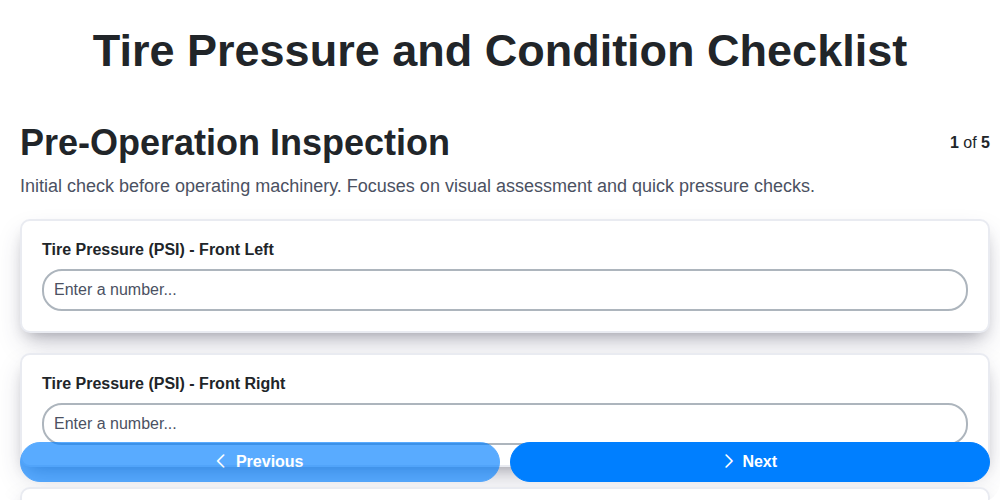
The Ultimate Tire Pressure & Condition Checklist Template
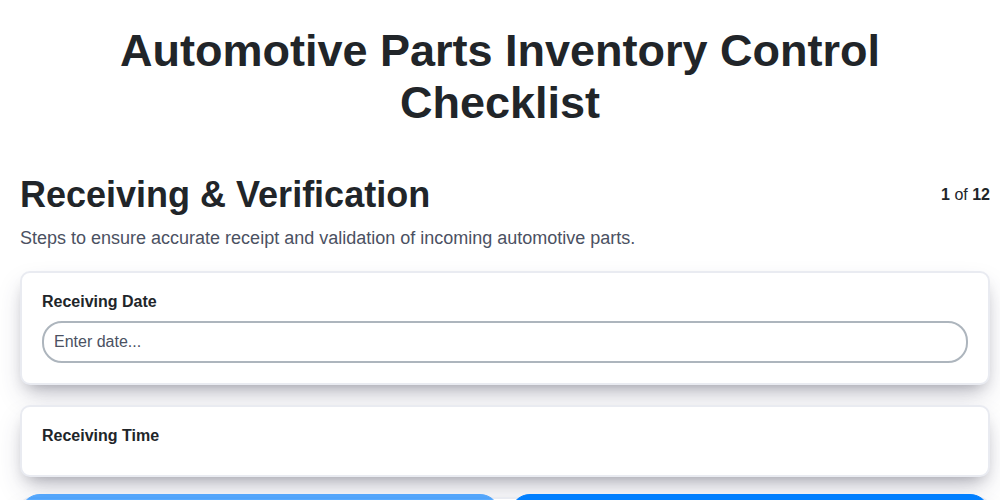
Automotive Parts Inventory Control Checklist Template: Your Ultimate Guide

Drive Sales Success: Your Automotive Sales Team Performance Tracking Checklist
We can do it Together
Need help with
Automotive?
Have a question? We're here to help. Please submit your inquiry, and we'll respond promptly.