Capital Improvement Planning Checklist for Real Estate: A Step-by-Step Guide
Published: 11/26/2025 Updated: 07/02/2026
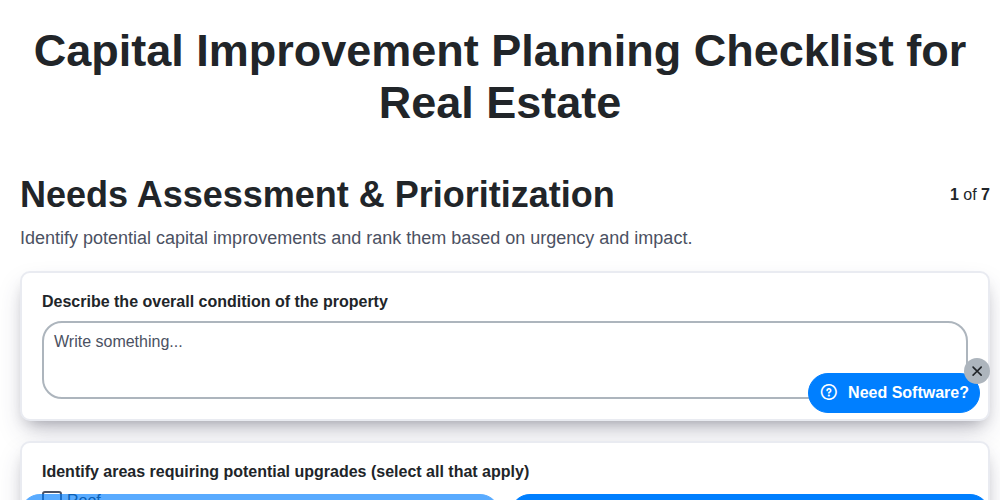
Table of Contents
- Introduction: Why Capital Improvement Planning Matters
- 1. Needs Assessment & Prioritization: Identifying What Needs Doing
- 2. Budgeting & Funding: Securing the Resources
- 3. Project Scope Definition: Clearly Defining the Work
- 4. Contractor Selection & Bidding: Finding the Right Team
- 5. Permitting & Approvals: Navigating Regulations
- 6. Project Execution & Monitoring: Keeping Things on Track
- 7. Change Order Management: Handling Unexpected Adjustments
- 8. Communication & Stakeholder Management: Keeping Everyone Informed
- 9. Post-Project Evaluation: Learning and Improving
- 10. Documentation & Record Keeping: Essential for Future Reference
- Conclusion: Planning for Long-Term Value
- Resources & Links
TLDR: Planning major property upgrades (like roofs, HVAC, or landscaping) can be overwhelming. This checklist breaks down capital improvement planning into manageable steps-from assessing needs and securing funding to finding contractors, getting permits, executing the project, and learning from it. Use it to stay organized, avoid costly mistakes, and protect your real estate investment!
Introduction: Why Capital Improvement Planning Matters
As real estate investors and property managers, we all know maintenance is an ongoing cost. But what happens when those routine repairs escalate into larger, more impactful upgrades? That's where capital improvements come in - think roof replacements, HVAC system overhauls, parking lot resurfacing, or façade renovations. Ignoring these necessary upgrades can lead to declining property value, tenant dissatisfaction, increased operating expenses, and even safety hazards.
Capital Improvement Planning (CIP) isn't just about reacting to problems; it's about proactively managing your property's long-term health and financial performance. A well-structured CIP provides a roadmap for strategically addressing these significant upgrades, ensuring you're prepared, financially secure, and minimizing disruption. This prevents costly emergency repairs, maximizes property value, and provides a predictable budgeting process. Ultimately, a thoughtful CIP translates into a more resilient and profitable real estate investment.
1. Needs Assessment & Prioritization: Identifying What Needs Doing
Before you even think about paint colors or new flooring, a thorough needs assessment is the cornerstone of any successful capital improvement plan. This isn't just about noticing a leaky faucet - it's about systematically evaluating the condition of your property and prioritizing projects based on necessity, impact, and potential return.
Start with a Comprehensive Property Walkthrough: Don't rush this! Look beyond the obvious. Examine everything from the roof to the foundation, including systems like HVAC, plumbing, electrical, and landscaping. Document everything - take pictures and detailed notes.
Categorize Issues: Group your findings into categories like:
- Safety Hazards: (e.g., faulty wiring, trip hazards, mold) - These must be addressed immediately.
- Essential Repairs: (e.g., roof leaks, structural issues, failing HVAC) - Necessary to maintain habitability and prevent further damage.
- Deferred Maintenance: (e.g., peeling paint, worn carpeting) - While not urgent, these will worsen over time if ignored.
- Value-Enhancements: (e.g., kitchen upgrades, landscaping improvements) - Projects that increase property value and appeal.
Prioritize Based on a Scoring System: To objectively rank projects, create a simple scoring system. Consider factors such as:
- Urgency: How critical is the repair?
- Cost: What's the estimated price tag?
- Impact: How much will it improve the property?
- Return on Investment (ROI): Will the improvement increase rent, sale price, or reduce operating expenses?
Involve Stakeholders: If you're managing property for others (owners, investors), gather their input. Understanding their priorities and budget constraints is crucial.
By following these steps, you're setting a solid foundation for a well-planned and effective capital improvement strategy. Don't underestimate the power of a good assessment - it can save you time, money, and headaches down the road.
2. Budgeting & Funding: Securing the Resources
Capital improvements often require a significant financial commitment. A realistic budget is the backbone of any successful plan. Don't underestimate costs - it's better to overestimate and have a little extra than to run out of funds mid-project.
1. Detailed Cost Estimation: Go beyond rough estimates. Break down each project into specific tasks and materials. Get quotes from multiple suppliers for materials and, if possible, preliminary bids from contractors to inform your material cost estimates. Include allowances for unforeseen issues - a contingency fund of 5-10% of the total project cost is a good starting point.
2. Identify Funding Sources: Consider these avenues:
- Reserves: Do you have existing capital improvement reserves?
- Operating Budget Allocation: Can you reallocate funds from other areas?
- Loans: Explore options like commercial real estate loans, lines of credit, or SBA loans. Factor in interest rates and repayment terms.
- Grants & Tax Incentives: Research available grants or tax incentives for energy efficiency upgrades, accessibility improvements, or other specific projects.
- Investor Contributions: If applicable, discuss funding options with investors.
- Rent Increases: Can your plan be funded, in part, through planned rent increases (ensure compliance with local regulations and tenant communication)?
3. Phased Approach: If a single lump-sum payment is unrealistic, consider phasing the improvements over time. Prioritize essential projects first and schedule others based on available funding.
4. Financial Modeling: Create a financial model that outlines the projected costs, funding sources, and return on investment (ROI) for each capital improvement. This helps justify the investment and secures buy-in from stakeholders.
5. Ongoing Monitoring: Regularly review your budget throughout the project's lifecycle. Track expenses meticulously and adjust as needed. Unexpected changes can arise, and flexibility is key.
3. Project Scope Definition: Clearly Defining the Work
Before a single nail is hammered or a brush is dipped, meticulously defining the project scope is absolutely crucial. This isn't just about what you want to do; it's about outlining exactly how it will be done, by whom, and to what standards. A vague scope leads to misunderstandings, cost overruns, and ultimately, dissatisfaction.
Here's what needs to be included in a well-defined project scope:
- Detailed Description of Work: Go beyond generic terms like kitchen remodel. Specify everything - appliance models, flooring material (brand, style, color), cabinet layout, lighting fixtures, backsplash details, etc. The more detail, the better.
- Deliverables: Clearly state what the homeowner will receive upon completion. This isn's just the finished project, but also includes things like warranties, manuals, and a final walk-through.
- Inclusions & Exclusions: Explicitly list what is and is not included in the project. For example, are landscaping improvements part of the remodel? What about demolition? Being upfront about exclusions prevents future disputes.
- Timeline & Milestones: Establish realistic timelines with key milestones for each phase of the project. This provides a roadmap for both the contractor and the homeowner.
- Quality Standards & Materials: Specify the quality of materials to be used and the expected workmanship. This provides a benchmark for evaluation.
- Change Order Process: Outline how changes to the scope will be handled, including the process for approvals and associated costs.
Document this scope in a comprehensive written agreement, signed by both the homeowner and the contractor. Don't be afraid to ask questions and seek clarification; a thorough understanding before work begins saves headaches later.
4. Contractor Selection & Bidding: Finding the Right Team
Selecting the right contractor is arguably one of the most critical decisions in your capital improvement plan. A skilled and reliable contractor can transform your vision into reality, while a poor choice can lead to delays, cost overruns, and a less-than-satisfactory outcome. Here's a breakdown of how to navigate this process:
1. Define Your Needs & Requirements: Before you even start searching, revisit your project scope document. Clearly outline the work required, desired materials, and any specific quality expectations. This ensures potential contractors understand exactly what you're looking for.
2. Gather Bids from Multiple Contractors: Don't settle for the first bid you receive. Aim for at least three bids from reputable contractors. Ask for detailed proposals that include a breakdown of labor, materials, timeline, and payment schedule.
3. Verify Credentials & Reputation: Don't just focus on price. Thoroughly vet each contractor:
- License & Insurance: Confirm they are properly licensed and insured in your state. This protects you from liability.
- References: Contact previous clients and ask about their experience. Look for patterns of satisfaction or recurring issues.
- Online Reviews: Check online review platforms (Google, Yelp, Better Business Bureau) for feedback.
- Financial Stability: Briefly investigate their financial health; you want a contractor who will see the project through.
4. Review Bids Carefully: Compare bids not only on price but also on the clarity of the proposal, the qualifications of the team, and the overall approach to the project. Look for vague language or hidden costs.
5. Negotiate & Finalize Contract: Once you've chosen a contractor, negotiate the terms and conditions of the contract. Ensure everything is clearly documented, including scope of work, payment schedule, change order process, and dispute resolution procedures. Don't be afraid to seek legal review of the contract.
5. Permitting & Approvals: Navigating Regulations
Capital improvements often require navigating a complex web of permits and approvals, and overlooking this step can lead to costly delays and even legal issues. Don't let it derail your project! This section outlines the key considerations.
Research Local Codes & Requirements: Start early! Research your local municipality's building codes, zoning ordinances, and any specific requirements relevant to your planned improvements. These vary significantly depending on location and the nature of the work. Your contractor should be familiar with local regulations, but you need to be informed too.
Identify Required Permits: Common permits might include building permits, electrical permits, plumbing permits, mechanical permits (for HVAC), and potentially environmental permits. The scope of your project dictates which ones you're likely to need.
Application Process & Fees: Understand the application process. This often involves submitting detailed plans, specifications, and calculations. Factor in permit fees, which can vary widely. Some municipalities offer online portals for permit applications, streamlining the process.
Timeline Considerations: Permit approval times can be unpredictable. Budget extra time-often weeks or even months-for this stage. Don't schedule contractors to start work before permits are fully approved.
HOA/Condo Association Approval: If your property falls within a Homeowners Association (HOA) or condominium association, obtaining their approval is usually mandatory before any work begins. Review their rules and regulations carefully and submit plans for review well in advance.
Professional Guidance: Consider engaging a professional, such as an architect or project manager, to assist with the permitting process. They can ensure compliance and expedite approvals.
6. Project Execution & Monitoring: Keeping Things on Track
So, you've finalized the plans, secured the funding, and have a contractor locked in. Now the real work begins! Project execution isn't just about letting the contractor do their thing; it's about actively managing the process to ensure it stays on schedule, within budget, and to your expected quality standards.
Here's what to focus on:
- Regular Site Visits: Don't be a passive observer. Frequent site visits (weekly is a good starting point) allow you to visually track progress, identify potential issues early, and communicate directly with the contractor and their team. Document these visits with photos and notes.
- Progress Reporting: Establish a clear system for the contractor to provide regular progress reports - weekly or bi-weekly is ideal. These should include timelines, milestones achieved, potential delays, and any change requests.
- Change Order Management: Changes are inevitable. Have a formal process for documenting and approving change orders. Ensure all changes, including their impact on cost and timeline, are clearly outlined and signed off by you.
- Quality Control: Implement a quality control system. This might involve the contractor's own inspections, or independent inspections at key milestones. Don't hesitate to raise concerns about workmanship immediately.
- Communication is Key: Maintain open and honest communication with the contractor. Proactive communication prevents misunderstandings and fosters a collaborative working relationship. Address concerns promptly and constructively.
- Document Everything: Keep meticulous records of all communications, decisions, and changes. This documentation will be invaluable if disputes arise later.
Effective project execution and monitoring minimizes surprises, keeps your capital improvement project moving forward efficiently, and ultimately protects your investment.
7. Change Order Management: Handling Unexpected Adjustments
No capital improvement project goes exactly according to plan. Unexpected issues - hidden structural problems, material delays, unforeseen regulatory hurdles - inevitably arise. This is where effective change order management becomes crucial. A change order is a formal modification to the original contract, outlining alterations to the scope of work, timeline, or cost.
Ignoring or mishandling change orders can quickly derail your budget and timeline, leading to frustration and potential legal disputes. Here's how to manage them effectively:
- Document Everything: Thoroughly document any deviations from the original plan, including photos, detailed descriptions of the issue, and the proposed solution.
- Formal Process: Establish a clear process for submitting, reviewing, and approving change orders. This should involve both the property owner and the contractor.
- Written Agreement: Ensure every change order is in writing, outlining the revised scope, cost, and timeline. Don't rely on verbal agreements - protect yourself with documentation.
- Cost Transparency: The contractor should provide a detailed breakdown of the additional costs associated with the change order, including labor, materials, and any associated fees.
- Owner Approval: The property owner (or their designated representative) must approve each change order in writing before any work proceeds. Don't authorize work based on assumption.
- Contingency Planning: Build a contingency fund into your initial budget specifically to cover potential change orders. A healthy buffer demonstrates preparedness.
- Regular Communication: Maintain open and honest communication with the contractor throughout the project. Early identification of potential issues can often prevent minor problems from escalating into expensive change orders.
8. Communication & Stakeholder Management: Keeping Everyone Informed
Capital improvement projects rarely happen in a vacuum. They impact tenants, owners, neighbors, and potentially even local businesses. Effective communication throughout the entire process is absolutely crucial for minimizing disruption, fostering understanding, and ultimately ensuring project success.
Here's how to manage communication effectively:
- Identify Your Stakeholders: Beyond just residents, consider investors, lenders, local authorities, and any impacted businesses.
- Develop a Communication Plan: Outline who needs to know what, when, and how. This might include regular email updates, posted notices, community meetings, or even a dedicated project website.
- Be Proactive, Not Reactive: Anticipate concerns and address them before they become problems. Transparency builds trust.
- Multiple Communication Channels: Don't rely on just one method. Different stakeholders prefer different communication styles.
- Feedback Loops: Encourage questions and feedback. Demonstrate that you're listening and responding to concerns. Consider a dedicated email address or online forum.
- Realistic Timelines & Updates: If delays occur (and they often do!), communicate them promptly and explain the reasons.
- Appreciate Patience: Capital improvements can be disruptive. Acknowledge the inconvenience and thank stakeholders for their understanding.
Consistent and clear communication transforms potential frustration into collaboration and support, ultimately leading to a smoother and more successful capital improvement project.
9. Post-Project Evaluation: Learning and Improving
The finish line! You've completed your capital improvement project - fantastic! But don't let the celebration end there. A thorough post-project evaluation is crucial for continuous improvement and ensuring future projects run even smoother. This isn't about assigning blame; it's about identifying what worked well, what could be done better, and documenting lessons learned.
Here's what a robust post-project evaluation should include:
- Review Project Goals: Did you achieve the original objectives? Were there any unexpected outcomes (positive or negative)?
- Assess Budget Performance: Compare actual costs to the initial budget. Investigate any significant variances and understand their causes.
- Timeline Analysis: Evaluate whether the project finished on schedule. What contributed to any delays or early completion?
- Quality Assessment: Objectively assess the quality of the work performed. Does it meet the required standards and expectations? Gather feedback from tenants or occupants if applicable.
- Stakeholder Feedback: Solicit feedback from everyone involved - your team, contractors, property managers, and tenants. What were their experiences?
- Documentation & Record Keeping: Compile all documentation from the project - contracts, bids, permits, inspection reports, change orders, and communication logs - in a centralized location. This is invaluable for future reference.
- Update Standard Operating Procedures (SOPs): Based on your findings, update your capital improvement planning SOPs to incorporate best practices and address areas for improvement.
By taking the time for a thoughtful post-project evaluation, you're not just closing the chapter on one project; you're building a foundation for more successful capital improvements in the future.
10. Documentation & Record Keeping: Essential for Future Reference
Throughout the capital improvement planning process, meticulous documentation is your greatest asset. Don't underestimate its importance! This isn't just about having receipts; it's about building a clear, auditable record of every decision, action, and expenditure.
Here's what you should be documenting:
- Needs Assessment & Prioritization: Keep records of initial assessments, tenant feedback (if applicable), condition reports, and the rationale behind prioritizing projects.
- Budgeting & Funding: Document all budget forecasts, secured funding sources (loans, grants, reserves), and any adjustments made along the way.
- Project Scope Definition: Preserve detailed scope documents, including initial plans, design specifications, and any change orders.
- Contractor Selection & Bidding: Keep copies of RFPs, contractor proposals, bid comparisons, and the reasoning for choosing a specific contractor.
- Permitting & Approvals: Maintain copies of all permits, approvals, and related correspondence with regulatory bodies.
- Project Execution & Monitoring: Keep detailed records of project timelines, progress reports, meeting minutes, and any issues encountered.
- Post-Project Evaluation: Preserve the results of your post-project assessment, including performance metrics and lessons learned.
Organize these documents systematically - a digital filing system is highly recommended. Future you (or a successor) will be incredibly grateful for the clarity and insights this documentation provides, especially when planning subsequent capital improvements or dealing with potential disputes. It's also invaluable for demonstrating responsible stewardship of assets.
Conclusion: Planning for Long-Term Value
Capital improvements are an inevitable part of real estate ownership, whether you're managing a single property or a large portfolio. While they can feel like a significant expense, thoughtful planning and execution are investments in the long-term health and value of your assets. This checklist, from initial needs assessment to post-project evaluation, provides a roadmap for navigating these projects successfully. Remember, consistent attention to detail, proactive planning, and a commitment to quality will not only address immediate needs but also preserve and enhance the value of your real estate for years to come. Don't view capital improvements as a burden; see them as opportunities to strengthen your properties and secure a prosperous future.
Resources & Links
- National Association of Home Builders (NAHB): Provides resources, publications, and training related to home building and property management, including articles and guides that can inform capital improvement planning for real estate. Useful for understanding common issues and best practices.
- Institute of Real Estate Management (IREM): IREM is a leading professional organization for property managers. Their website offers resources, certifications, and guides related to property maintenance, capital planning, and budgeting - crucial for understanding long-term asset management.
- Urban Land Institute (ULI): ULI offers research, publications, and events focused on real estate and urban development. Their resources can provide insights into long-term planning, property valuation, and community impact considerations, relevant to significant capital improvements.
- Appraisal Institute: Provides resources and education for real estate appraisers. While primarily focused on valuation, their methodologies around assessing property condition and considering deferred maintenance can inform needs assessment for capital improvements.
- US Green Building Council (USGBC): For discussions of sustainable improvements (energy efficiency, water conservation, etc.), the USGBC website offers information on LEED certification and other green building practices. This is relevant if incorporating sustainability into capital plans.
- Fannie Mae: Provides guidelines and resources for lenders and property owners. Reviewing their property condition requirements and guidance can be helpful for understanding standards that impact capital improvement needs.
- Freddie Mac: Similar to Fannie Mae, Freddie Mac provides resources and guidelines related to property standards and affordability. Their guidelines can impact the types of improvements that are feasible or required.
- U.S. Department of Housing and Urban Development (HUD): If dealing with federally funded or subsidized properties, HUD's website contains regulations, guidelines, and resources pertaining to capital improvements and property maintenance.
- Contractor Selection: Provides resources and tools for selecting and managing contractors. While not a direct replacement for due diligence, it offers insights into contractor selection best practices applicable to the 'Contractor Selection & Bidding' section.
- BuildSafe: BuildSafe is a platform for digital construction management and collaboration. While a paid service, understanding the functionality highlights the importance of digital documentation and communication emphasized in sections 8 and 10.
- American Society of Civil Engineers (ASCE): If the capital improvements involve significant structural or civil engineering aspects (e.g., foundation repairs, infrastructure upgrades), ASCE's website provides standards, best practices, and potential resources to consult with qualified professionals.
Frequently Asked Questions
What is a Capital Improvement Plan (CIP) and why is it important for real estate?
A Capital Improvement Plan (CIP) is a strategic financial plan that outlines significant, long-term investments in real estate assets. It's crucial for budgeting, forecasting, securing financing, and proactively managing asset value by planning for necessary repairs and upgrades.
Who should use this checklist?
This checklist is designed for real estate owners, property managers, investors, and anyone responsible for long-term asset management and financial planning for real estate holdings.
What types of improvements are typically included in a CIP?
Common capital improvements include roof replacements, HVAC system upgrades, plumbing renovations, electrical system overhauls, paving and landscaping, structural repairs, and major tenant improvements.
How far out should a CIP typically cover?
Most CIPs cover a period of 3-5 years, with some extending to 10 years or more. Regular reviews and updates are essential, typically annually or every two years.
What is a 'condition assessment' and why is it necessary?
A condition assessment is a detailed evaluation of a property's current physical state. It identifies deficiencies, assesses remaining useful life, and estimates the cost of repairs or replacements. It's vital for accurately prioritizing and budgeting capital improvements.
How does the checklist help prioritize improvements?
The checklist prompts you to consider factors like urgency (safety concerns, code compliance), financial impact (increased rent, reduced operating costs), and risk (potential for further damage if neglected). These factors help rank improvements by priority.
What are some common funding sources for capital improvements?
Funding sources can include operating budgets, reserves, debt financing (loans), tax increment financing (TIF), grants, and equity investments.
What is 'life-cycle costing' and how does it relate to a CIP?
Life-cycle costing considers the total cost of an asset over its entire lifespan, including initial cost, operating costs, maintenance, and eventual replacement. A CIP should incorporate life-cycle costing to make informed decisions about long-term investments.
How often should the CIP be reviewed and updated?
The CIP should be reviewed and updated at least annually, or more frequently if significant changes occur (e.g., changes in property use, unexpected repairs, regulatory changes).
Where can I find professional help in creating a CIP?
Consider engaging professionals such as property consultants, engineers, architects, contractors, and financial advisors with experience in capital improvement planning.
Comments
There are no comments yet. Be the first to add one!
Real Estate Management Solution Demo
Simplify your real estate operations! ChecklistGuro streamlines property management, lease renewals, and maintenance requests. Enhance tenant satisfaction and maximize ROI. Manage it all with our Work OS.
Related Articles
Stress-Free Inspections: Your Home Inspection Coordination Checklist Template
The Ultimate Website Maintenance Checklist Template
10 Essential Checks: Your Brokerage Policy Review Checklist
The Ultimate Office Opening/Closing Checklist Template
Your Ultimate AML Compliance Checklist Template
Rent Collection Checklist Template: Your Landlord's Guide
Your Complete Flood Zone Disclosure Checklist Template
Fair Housing Training Checklist Template: Your Guide to Compliance
Need help with
Real Estate?
Have a question? We're here to help. Please submit your inquiry, and we'll respond promptly.