Emergency Preparedness Checklist for Rental Properties: A Landlord's Guide
Published: 11/26/2025 Updated: 07/02/2026
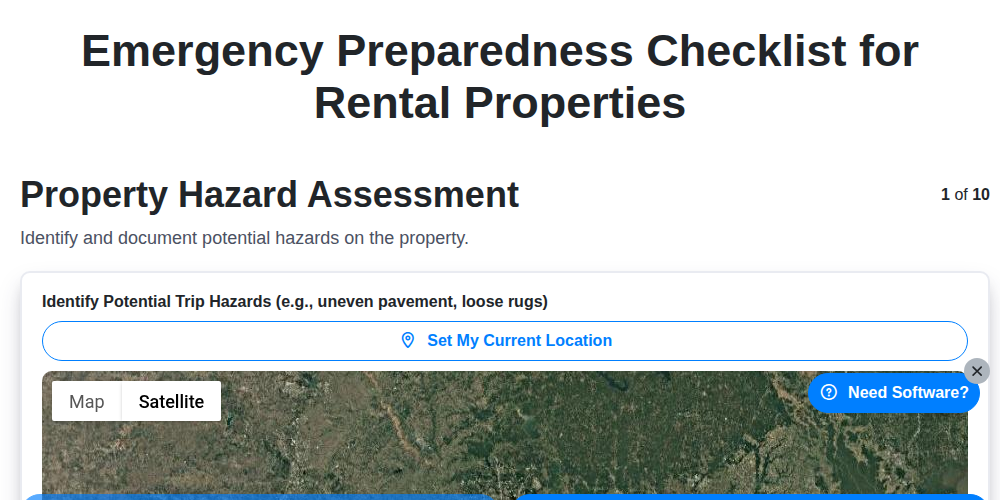
Table of Contents
- Introduction: Why Emergency Preparedness Matters for Rental Properties
- 1. Property Hazard Assessment: Identifying Potential Risks
- 2. Emergency Contact Information: Building a Reliable Network
- 3. Fire Safety Equipment: Protecting Your Tenants & Property
- 4. Utility Shut-Off Procedures: Knowing When and How to Act
- 5. Evacuation Plan: Clear and Concise Guidelines
- 6. First Aid Supplies & Training: Being Ready to Respond
- 7. Severe Weather Protocols: Planning for the Unexpected
- 8. Insurance Review: Ensuring Adequate Coverage
- 9. Communication & Documentation: Maintaining Records and Staying Informed
- Resources & Links
TLDR: Renting out property? This checklist ensures you're covering all the bases for emergencies - from assessing hazards and fire safety to severe weather protocols and insurance. It's your simple guide to protecting your property and tenants, promoting safety, and avoiding potential legal headaches. Download the template and get prepared!
Introduction: Why Emergency Preparedness Matters for Rental Properties
As a landlord, you're responsible for the safety and well-being of your tenants. While you can't control every situation, proactive emergency preparedness can significantly mitigate risks and protect everyone involved. Natural disasters, fires, severe weather events - they can happen anywhere, and having a plan in place isn't just a good idea, it's a crucial aspect of responsible property management. Beyond legal compliance, preparedness fosters tenant trust and demonstrates your commitment to their safety, ultimately creating a more secure and resilient rental environment. This checklist is designed to be a practical guide, providing actionable steps to build that preparedness and ensure your rental property is ready for whatever comes its way.
1. Property Hazard Assessment: Identifying Potential Risks
Before you even think about stocking up on supplies, a thorough property hazard assessment is crucial. This isn't just about identifying obvious dangers; it's about proactively recognizing potential risks that could impact your tenants and the property itself.
Start by walking the property, both inside and out, with a critical eye. Look for:
- Structural Issues: Cracks in the foundation, unstable porches, or signs of water damage.
- Electrical Hazards: Exposed wiring, overloaded outlets, or outdated electrical panels.
- Trip Hazards: Uneven walkways, loose rugs, or poorly lit areas.
- Environmental Concerns: Proximity to flood zones, potential for landslides, or the presence of hazardous materials (like asbestos - if suspected, get a professional inspection).
- Security Risks: Weak locks, inadequate lighting, or easily accessible windows.
- Potential for Gas Leaks: Check for signs of gas leaks (rotten egg smell) and ensure proper ventilation.
Document all identified hazards with photos and notes. Prioritize repairs based on severity and potential impact. This assessment should be repeated annually, or whenever significant changes are made to the property. Sharing the findings with tenants (and any remediation plans) fosters a sense of safety and transparency.
2. Emergency Contact Information: Building a Reliable Network
Beyond knowing what to do in an emergency, who you can reach is just as crucial. A well-defined list of emergency contacts, readily accessible to all tenants and property managers, can significantly improve response times and reduce stress during a crisis.
This isn't just about a phone list; it's about building a reliable network. Your emergency contact list should include:
- Local Emergency Services: Fire department, police department, ambulance services - with direct phone numbers if possible.
- Property Management/Landlord: Include multiple points of contact (manager, owner, designated representative).
- Maintenance Personnel: Having quick access to plumbers, electricians, or other repair professionals is vital for post-emergency recovery.
- Key Tenants: Identify tenants who are reliable and can act as points of contact for others in the building (particularly helpful in multi-unit properties). Ensure they are willing to participate.
- Important Local Resources: Poison control, animal control, or other relevant services specific to your area.
Accessibility is key: Post this list in a visible location (like a common area bulletin board) and provide each tenant with a printed copy. Consider creating a digital version easily accessible via a shared online platform or email. Regularly review and update this list, verifying contact information at least annually. Don't assume information hasn't changed!
3. Fire Safety Equipment: Protecting Your Tenants & Property
Fire safety is paramount in any rental property. It's not just about compliance; it's about safeguarding your tenants and minimizing potential damage to your investment. Here's a breakdown of essential fire safety equipment and what to ensure:
- Smoke Detectors: Install working smoke detectors on every level of the property, inside each bedroom, and outside sleeping areas. Test them monthly and replace batteries annually (or use 10-year sealed battery models). Document these checks.
- Carbon Monoxide Detectors: Required in many jurisdictions, CO detectors are crucial near fuel-burning appliances. Follow the same testing and maintenance procedures as smoke detectors.
- Fire Extinguishers: Provide accessible fire extinguishers, especially in kitchens and near potential fire hazards. Consider providing training for tenants on how to safely operate them (though operation should ultimately be left to trained professionals). Ensure extinguishers are inspected and serviced regularly by a certified professional.
- Escape Ladders (if applicable): For multi-story properties, especially those with limited exit routes, consider providing fire escape ladders for second-story or higher windows.
- Clear Exit Routes: Ensure hallways and stairwells are clear of obstructions and well-lit.
- Compliance with Local Codes: Stay up-to-date on local fire safety codes and regulations, as they may mandate specific equipment or procedures.
4. Utility Shut-Off Procedures: Knowing When and How to Act
Knowing how and when to shut off utilities is a critical, yet often overlooked, aspect of emergency preparedness. In a crisis - whether it's a burst pipe, a gas leak, or a rapidly escalating weather event - quick action can prevent significant damage and ensure the safety of your tenants and property.
Know Your Systems: Familiarize yourself with the location of your main water shut-off valve, gas meter shut-off, and electrical breaker panel. Ideally, you (and a designated emergency contact) should physically inspect these locations and understand how to operate the controls. Don't just read about it - practice!
When to Shut Off:
- Water: A burst pipe, significant water leak, or flooding.
- Gas: Suspected gas leak (often identified by a strong odor), fire, or evacuation orders. Never attempt to locate a leak yourself. Evacuate immediately and contact the gas company from a safe location.
- Electricity: Fire, electrical surge, or evacuation orders.
How to Shut Off:
- Water: Turn the main shut-off valve clockwise until it stops.
- Gas: Locate the shut-off valve on the gas meter. It's typically a lever or a valve you turn. Again, if you smell gas, evacuate and call the gas company-do not attempt to shut it off yourself.
- Electricity: Locate the main breaker panel and switch off the main breaker.
Important Reminders:
- Tenant Education: Briefly inform tenants of the general locations of utility shut-off controls without encouraging them to tamper with them.
- Professional Help: If you are unsure about any shut-off procedures, consult with a qualified plumber, electrician, or gas company representative.
- Documentation: Document the location and procedures for utility shut-off in your emergency preparedness plan.
5. Evacuation Plan: Clear and Concise Guidelines
A well-defined evacuation plan is crucial for the safety of your tenants and the protection of your property. Don't assume everyone knows what to do in an emergency - clearly outline the procedures.
Key Elements of a Solid Evacuation Plan:
- Multiple Escape Routes: Identify and clearly mark at least two escape routes from each unit and common areas. These should be free of obstructions.
- Designated Meeting Point: Establish a safe meeting point well away from the building. This allows you to account for everyone and assess any injuries.
- Clear Instructions: Provide tenants with written instructions on how to evacuate, including what to do if they encounter smoke or blocked exits.
- Special Needs Considerations: Consider tenants with mobility issues or other needs and provide assistance if necessary. Include a process for ensuring their safe evacuation.
- Practice Drills (Recommended): While not always mandatory, conducting occasional evacuation drills can help familiarize tenants with the plan and identify any areas for improvement.
- Accessibility: Make sure the plan is readily accessible, perhaps as an insert in the lease agreement and posted in common areas.
Remember: A panicked response is the most dangerous response. A clear, concise, and practiced evacuation plan can significantly reduce risk and ensure everyone's safety.
6. First Aid Supplies & Training: Being Ready to Respond
Emergencies don't discriminate - they can happen to anyone, anywhere. While preventative measures are crucial, knowing how to respond in the immediate aftermath of an injury or illness can be the difference between a minor inconvenience and a serious escalation. For rental properties, ensuring both first aid supplies and basic training are readily available is a vital step in tenant and property owner preparedness.
What to Include in Your First Aid Kit:
Beyond the standard bandages and antiseptic wipes, consider a kit tailored for common rental property incidents. This might include:
- Comprehensive First Aid Manual: A reference guide is essential, even for those with some training.
- Bandages of Various Sizes: Adhesive bandages, gauze pads, elastic bandages.
- Antiseptic Wipes & Solution: For cleaning wounds.
- Pain Relievers: Over-the-counter medications like ibuprofen or acetaminophen.
- Burn Relief Cream: For minor burns, which can easily occur in kitchens.
- CPR Mask: To protect yourself during rescue breathing.
- Gloves: Non-latex gloves for hygiene and safety.
- Scissors & Tweezers: Useful for removing splinters or debris.
- Emergency Blanket: For shock or hypothermia.
The Value of Training:
A well-stocked kit is only half the battle. Knowing how to use those supplies is equally important. Consider offering or encouraging tenants to participate in basic first aid and CPR training. Even a short online course can provide valuable skills. Property managers should also invest in their own training to confidently assist in emergencies. This proactive step demonstrates care and responsibility, fostering a safer environment for everyone.
Important Note: Regularly check expiration dates on all supplies and restock as needed.
7. Severe Weather Protocols: Planning for the Unexpected
Rental properties face a wide range of severe weather threats, from hurricanes and tornadoes to blizzards and floods. Proactive planning can significantly minimize damage and ensure the safety of tenants. Here's what to consider:
- Identify Local Risks: Research the specific weather hazards common to your property's location. This will inform your preparedness measures.
- Secure Loose Items: Before a storm, advise tenants to secure outdoor furniture, decorations, and anything else that could become a projectile in high winds. Consider reinforcing areas prone to wind damage.
- Flood Mitigation: If your property is in a flood-prone area, review flood insurance coverage and discuss sandbagging or other preventative measures with tenants.
- Storm Shelters/Safe Rooms: If available, designate and familiarize tenants with the location of designated safe rooms or storm shelters.
- Monitor Weather Alerts: Encourage tenants to sign up for local weather alerts and monitor forecasts regularly. Provide links to reliable weather resources.
- Post-Storm Assessment: After a severe weather event, establish a plan for a quick property assessment to identify and address any damage.
8. Insurance Review: Ensuring Adequate Coverage
Renting a property, whether you're a landlord or a tenant, brings unique responsibilities regarding insurance. Landlords, you absolutely need landlord insurance, which covers property damage, liability, and loss of rental income. Tenants, while your landlord carries property insurance, you need renter's insurance to protect your personal belongings from theft, fire, or other covered perils.
It's vital to review your policies annually, or whenever significant changes occur (like renovations, a major weather event, or adding/removing tenants). Consider these questions:
- Coverage Limits: Are your coverage limits sufficient to replace your property or belongings if disaster strikes?
- Perils Covered: Does your policy cover the specific risks prevalent in your area (e.g., flood, earthquake, hurricane)? Standard policies often exclude these, requiring separate endorsements.
- Liability Coverage: Ensure your liability coverage is adequate to protect you financially if a guest or visitor is injured on the property.
- Replacement Cost vs. Actual Cash Value: Understand the difference. Replacement cost covers the cost to replace an item with a new one, while actual cash value factors in depreciation.
- Deductibles: Are you comfortable with your deductible amount? A lower deductible means higher premiums, and vice versa.
Don't be afraid to shop around and compare quotes from different insurance providers. A little research now can save you a lot of financial stress later.
9. Communication & Documentation: Maintaining Records and Staying Informed
Being prepared isn't just about having the right supplies and plans - it's about being able to communicate effectively and track your preparedness efforts. Here's why robust communication and documentation are vital for rental property emergency preparedness:
Documentation is Key:
- Emergency Contact List: Keep a readily accessible, updated list of emergency contacts - tenants, maintenance personnel, local emergency services, insurance provider - both digitally and in hard copy.
- Inspection & Maintenance Logs: Detailed records of property hazard assessments, fire safety equipment inspections (smoke detectors, fire extinguishers), and any repairs are essential. These demonstrate due diligence and can be invaluable if issues arise.
- Training Records: Document any tenant or staff training on emergency procedures, such as first aid or fire extinguisher use.
- Plan Distribution: Keep track of when and how you distributed your emergency preparedness plan to tenants. A signed acknowledgment can be helpful.
Staying Informed & Connected:
- Emergency Alerts: Sign up for local emergency alert systems (e.g., through your county or city). Ensure tenants are aware of how to register for these alerts as well.
- Tenant Communication Channels: Establish reliable communication channels (email, text, messaging app) for disseminating emergency information quickly to tenants.
- Post-Emergency Review: After any emergency event, conduct a review. Document lessons learned and update your plan accordingly. This ensures continuous improvement in your preparedness efforts.
By prioritizing communication and documentation, you build a stronger, more resilient rental property and foster a safer environment for your tenants.
Resources & Links
- Ready.gov: Official website of the U.S. Department of Homeland Security's Ready Campaign. Provides comprehensive emergency preparedness information for individuals and communities, including checklists, guides, and resources for various hazards.
- Federal Emergency Management Agency (FEMA): FEMA's website offers disaster preparedness information, training resources, and assistance programs. Useful for understanding disaster types and response efforts.
- National Fire Protection Association (NFPA): NFPA provides codes, standards, research, and training for fire prevention and safety. Essential for understanding fire safety requirements and best practices for rental properties, particularly regarding smoke detectors and fire extinguishers.
- Centers for Disease Control and Prevention (CDC): CDC provides information on public health emergencies, including disease outbreaks and natural disasters. Useful for understanding potential health risks during emergencies and how to protect tenants and yourself.
- American Red Cross: The Red Cross offers a variety of disaster relief services, training courses (like first aid and CPR), and resources for preparedness. A great source for volunteer opportunities and local assistance during emergencies.
- Occupational Safety and Health Administration (OSHA): While primarily focused on workplace safety, OSHA's resources can provide insights into safety protocols and hazard assessment, applicable to rental properties and tenant safety.
- Disaster.gov: A U.S. government website aggregating information about various disasters and emergencies, including preparedness tips and recovery resources.
- Insurance Information Institute: Provides information and resources about insurance, including coverage for property damage and liability. Helpful for understanding insurance terminology and reviewing your landlord insurance policy.
- National League of Cities: Local governments often have emergency preparedness plans and resources for residents. This link leads to the National League of Cities website; check your local city/county website for specifics.
- Red Rover (Relocation Services): While a business, their blog often features articles and checklists related to disaster preparedness and relocation, potentially useful for tenants facing displacement.
- American Newsroom: Provides hyperlocal news and emergency alerts for communities across the United States. Helps landlords stay informed about local threats and warnings.
Frequently Asked Questions
What if my rental property is in a high-risk area (e.g., earthquake zone, hurricane-prone)?
For high-risk areas, the checklist should be more detailed and proactive. This includes securing furniture, reinforcing structures where feasible, and developing specialized evacuation procedures. Consult with local emergency management agencies for area-specific guidance.
Comments
There are no comments yet. Be the first to add one!
Real Estate Management Solution Demo
Simplify your real estate operations! ChecklistGuro streamlines property management, lease renewals, and maintenance requests. Enhance tenant satisfaction and maximize ROI. Manage it all with our Work OS.
Related Articles
Stress-Free Inspections: Your Home Inspection Coordination Checklist Template
The Ultimate Website Maintenance Checklist Template
10 Essential Checks: Your Brokerage Policy Review Checklist
The Ultimate Office Opening/Closing Checklist Template
Your Ultimate AML Compliance Checklist Template
Rent Collection Checklist Template: Your Landlord's Guide
Your Complete Flood Zone Disclosure Checklist Template
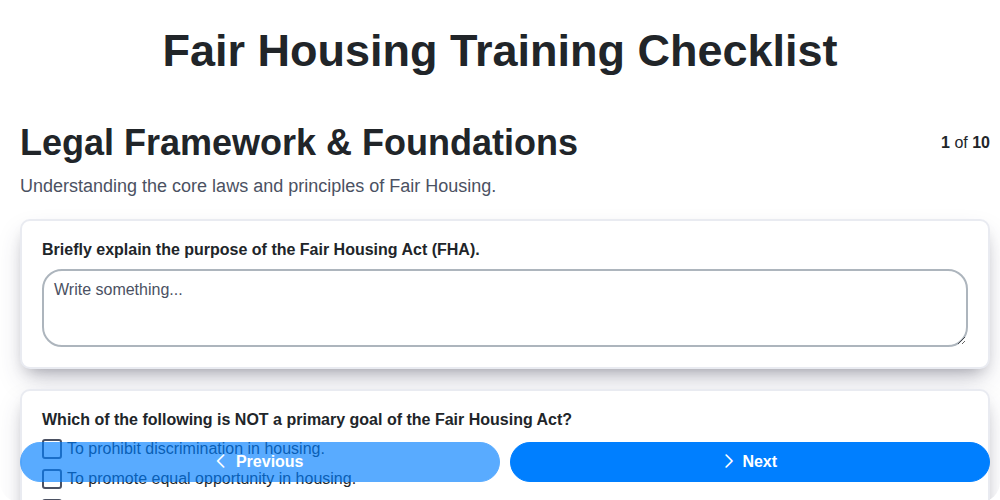
Fair Housing Training Checklist Template: Your Guide to Compliance
Need help with
Real Estate?
Have a question? We're here to help. Please submit your inquiry, and we'll respond promptly.