Eviction Process Checklist for Property Managers: A Step-by-Step Guide
Published: 11/26/2025 Updated: 07/02/2026
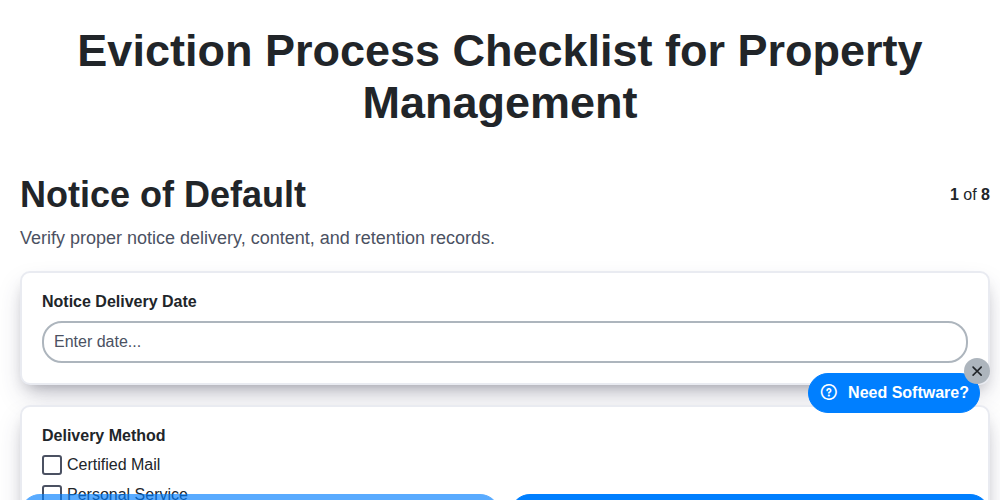
Table of Contents
- Understanding the Eviction Landscape
- 1. Notice of Default: The Crucial First Step
- 2. Legal Review & Preparation: Ensuring Compliance
- 3. Tenant Communication & Negotiation: Exploring Alternatives
- 4. Court Hearing Preparation: Gathering Your Evidence
- 5. The Writ of Possession: Authorization to Evict
- 6. Eviction Execution: Working with Law Enforcement
- 7. Property Recovery & Documentation: Securing the Property
- 8. Legal Compliance & Recordkeeping: Protecting Your Business
- 9. Key Considerations & Best Practices
- Resources & Links
TLDR: Facing an eviction? This checklist simplifies the complex process for property managers! It breaks down the steps-from initial notices and legal review to court hearings, execution, and recovery-ensuring legal compliance and accurate record-keeping every step of the way. Download the template and streamline your evictions!
Understanding the Eviction Landscape
Navigating the eviction process is complex and fraught with legal pitfalls. It's not simply about removing a tenant; it's about upholding legal rights and responsibilities for both landlords and tenants. Understanding the nuances of eviction law is crucial for property managers to minimize risk and ensure a smooth, legally sound process. Improper procedures can lead to costly delays, dismissed cases, and even potential legal action against your business. This checklist provides a framework, but remember that eviction laws vary significantly by state and even local jurisdiction. Always consult with legal counsel to ensure full compliance with the specific regulations in your area. Ignoring this critical step can be a costly mistake, impacting your bottom line and potentially jeopardizing your reputation.
1. Notice of Default: The Crucial First Step
The Notice of Default is the foundation of a legally sound eviction process. This isn't just a formality; it's a critical legal requirement. Failing to serve a proper Notice of Default can lead to delays, dismissed cases, and significant legal repercussions.
Your Notice of Default must clearly state:
- Reason for Default: Specifically identify the lease violation (e.g., non-payment of rent, property damage, lease termination). Vague descriptions won't suffice.
- Amount Due (if applicable): For non-payment of rent, specify the exact amount owed, including late fees and any other charges allowed under the lease and local laws.
- Opportunity to Cure (if applicable): Depending on your state and lease terms, you may be required to provide the tenant with a timeframe to rectify the issue (e.g., pay rent, correct property damage). State this timeframe explicitly.
- Consequences of Non-Compliance: Clearly outline what will happen if the tenant fails to comply with the notice, typically stating the intention to pursue legal action and file an eviction lawsuit.
- Date and Method of Service: Document precisely when and how the notice was served (e.g., certified mail, personal service). This proof of service is vital.
Always consult with legal counsel to ensure your Notice of Default complies with all applicable state and local laws. Using a template is a good start, but customization is often necessary.
2. Legal Review & Preparation: Ensuring Compliance
Navigating the eviction process requires meticulous attention to legal compliance. This isn't a step to be rushed or bypassed. Before proceeding further, a thorough legal review is absolutely essential.
Here's what this stage entails:
- Review Local and State Laws: Eviction laws vary significantly. Familiarize yourself with the specific statutes and ordinances governing evictions in your jurisdiction. This includes timelines, acceptable reasons for eviction, and required notices.
- Contract Review: Carefully examine the lease agreement with the tenant. Ensure the grounds for eviction are clearly outlined and substantiated by a breach of the lease.
- Legal Counsel Consultation: Engage an experienced real estate attorney. They can provide specific advice based on the situation, review your documentation, and ensure you're following all legal requirements. This is particularly crucial for complex situations or when dealing with tenants who have legal assistance.
- Document Preparation: The attorney will help prepare all necessary legal documents, including the Complaint, Summons, and any supporting affidavits. Accuracy and proper formatting are critical for a successful case.
- Anticipate Tenant Defenses: Legal counsel can help you anticipate potential defenses the tenant might raise and prepare accordingly.
Ignoring this crucial legal review can lead to costly delays, dismissed cases, and potential legal action against you.
3. Tenant Communication & Negotiation: Exploring Alternatives
Eviction should always be considered a last resort. Before initiating formal eviction proceedings, proactive communication and genuine attempts at negotiation can often resolve issues and avoid costly legal battles. This phase is about understanding the tenant's perspective and exploring mutually acceptable solutions.
Start with a clear and empathetic conversation. Understand why the tenant is behind on rent or violating the lease. Is it a temporary financial hardship, a misunderstanding of lease terms, or a more complex situation? Active listening is key - let the tenant explain their side without interruption (unless the discussion becomes abusive).
Explore alternatives to eviction. These might include:
- Payment Plans: Allow the tenant to pay back rent in installments over a defined period. This demonstrates flexibility and can be a lifesaver for tenants facing temporary setbacks.
- Lease Modification: If the violation isn't related to rent, consider modifying the lease terms temporarily.
- Mediation: A neutral third party can facilitate communication and help find common ground.
- Rental Assistance Programs: Connect the tenant with local or national resources that can provide financial assistance.
- Cash for Keys: Offer the tenant an incentive to vacate the property willingly, avoiding a formal eviction process.
Important Considerations:
- Document everything. Keep detailed records of all communication, offers, and agreements made with the tenant.
- Consistency is key. Apply negotiation strategies fairly across all tenants.
- Legal Review: Always consult with your legal counsel before entering into any agreements that deviate from the original lease terms. While flexibility is valuable, ensure any modifications are legally sound and protect your interests.
Even if negotiation ultimately fails, demonstrating a good faith effort to resolve the issue can be beneficial in court and reflect positively on your property management practices.
4. Court Hearing Preparation: Gathering Your Evidence
The court hearing is your opportunity to formally present your case and secure a judgment in your favor. Thorough preparation is absolutely crucial. Don't underestimate the impact of well-organized and compelling evidence. Here's a breakdown of what you'll need to gather:
- Lease Agreement: This is foundational. Have a fully executed copy readily available.
- Notice of Default: Present the original notice, proof of service (certified mail receipts, affidavits of service), and document the dates.
- Rent Roll & Payment History: A clear and detailed record of all rent payments received and any outstanding balances. This should include dates, amounts, and method of payment.
- Communication Records: Any emails, letters, texts, or documented conversations with the tenant regarding the default (late rent, lease violations, etc.).
- Photos/Videos (if applicable): If the eviction is related to property damage or lease violations beyond non-payment of rent, have photographic or video evidence ready to present. Dates and detailed descriptions are vital.
- Witness Testimony (if applicable): If you have witnesses who can corroborate your claims (e.g., a maintenance worker who witnessed property damage), prepare them to testify and gather their contact information.
- Legal Documentation: Any internal memos or documents that detail your decisions regarding the eviction process, demonstrating adherence to company policies and legal guidelines.
Pro Tip: Organize all evidence in a logical order, preferably chronological, and create a concise summary for yourself to reference during the hearing. This demonstrates professionalism and preparedness.
5. The Writ of Possession: Authorization to Evict
Once a court grants a judgment in favor of the landlord, the next crucial step is obtaining a Writ of Possession. This legal document, issued by the court, formally authorizes law enforcement (typically a sheriff's office) to physically remove the tenant and their belongings from the property.
It's vital to understand that a Writ of Possession doesn't grant you, the landlord, the right to remove a tenant. That authority remains solely with law enforcement. The writ specifies the date and time by which the tenant must vacate and clearly states that failure to comply will result in forced eviction.
Before the writ can be executed, ensure you're aware of any waiting periods mandated by local laws. These periods are designed to give the tenant a final opportunity to comply with the judgment. Confirming these timelines prevents potential legal challenges and delays. It's also prudent to have a clear plan for what will happen to the tenant's belongings after they are removed, adhering to all state and local laws regarding abandoned property.
6. Eviction Execution: Working with Law Enforcement
Once a Writ of Possession has been issued by the court, the next critical step is Eviction Execution. This isn't something property managers can handle directly; it requires the involvement of local law enforcement. Here's what you need to know:
Coordinating with Law Enforcement: You're responsible for scheduling the physical eviction with the Sheriff's Department or Constable's office. They will have specific procedures and fees associated with this process, so be sure to inquire about these upfront. Provide them with a copy of the Writ of Possession and any relevant documentation they require.
Presence and Observation: While you're not permitted to be involved in the physical removal of the tenant and their belongings, you (or a designated representative) should be present during the eviction. This allows you to oversee the process, document the condition of the property as the tenant removes their belongings, and ensure the Sheriff adheres to the court order. It's crucial to remain professional and avoid any direct interaction with the tenant or deputies.
Documentation is Key: Thoroughly document the entire process. This includes:
- The date and time of the eviction.
- The names and badge numbers of the law enforcement officers present.
- Photographs and/or videos of the premises during the eviction, showcasing the contents being removed.
- A written log of events, including any issues or unusual occurrences.
Understanding the Law Enforcement Role: Remember, the Sheriff's role is strictly to enforce the court order. They are not there to mediate or negotiate. They will oversee the removal of the tenant and their possessions from the property.
Post-Eviction Security: After the eviction, consider implementing temporary security measures to prevent unauthorized re-entry and ensure the property remains secure.
7. Property Recovery & Documentation: Securing the Property
Once the eviction execution has been successfully completed and law enforcement has removed the former tenant and their belongings, the real work of securing the property begins. This phase is critical for minimizing potential liability and preparing the unit for a new tenant.
Immediate Actions:
- Comprehensive Assessment: Conduct a thorough walkthrough of the unit, documenting everything - damages, missing items, unusual odors, and any signs of potential hazards. Photographs and videos are essential.
- Security & Safety: Ensure the property is secure. Change locks immediately. Address any safety concerns like broken windows, exposed wiring, or malfunctioning appliances.
- Inventory and Storage (if applicable): If the tenant's belongings were left behind, meticulously document everything inventoried. Follow state and local laws regarding storage requirements and timelines. Securely store the belongings in a safe, dry location.
- Damage Repair: Begin repairs promptly. Obtain multiple quotes for larger repairs and document all expenses.
- Cleaning: Thoroughly clean the unit, including carpets, appliances, and surfaces.
Detailed Documentation:
- Photos/Videos: Create a detailed visual record of the property's condition after the tenant's departure. Include wide shots and close-ups of any damage.
- Inventory List: If items were inventoried, create a comprehensive list with descriptions and estimated values.
- Repair Logs: Keep meticulous records of all repairs, including dates, costs, and contractor information.
- Storage Records: Document any storage fees incurred and the dates items are available for retrieval.
- Receipts: Save all receipts related to repairs, cleaning, storage, and disposal of abandoned property.
Why is this important?
Proper property recovery and detailed documentation are crucial for several reasons:
- Legal Protection: In case of legal disputes with the former tenant regarding damages or abandoned property, comprehensive documentation provides strong evidence.
- Insurance Claims: Detailed records are essential when filing insurance claims for damages.
- Financial Transparency: Accurately tracking expenses related to property recovery allows for better budgeting and financial planning.
- New Tenant Appeal: Presenting a clean, well-maintained property to prospective tenants increases the likelihood of securing a new lease.
8. Legal Compliance & Recordkeeping: Protecting Your Business
Evictions are fraught with legal complexities. Maintaining meticulous records and ensuring strict adherence to local, state, and federal laws isn't just best practice; it's crucial for protecting your property management business from costly legal challenges and reputational damage.
Here's what you need to prioritize:
- Document Everything: Every interaction, notice served, payment received (or missed), and communication with the tenant must be documented. This includes dates, methods of delivery (certified mail is highly recommended), and the content of conversations. Digital records are ideal for easy access and searchability.
- Stay Updated on Laws: Eviction laws change frequently. Regularly review local and state ordinances regarding notice periods, permissible reasons for eviction, and required procedures. Consider subscribing to legal updates or consulting with an attorney specializing in landlord-tenant law.
- Maintain Retention Policies: Establish and enforce a clear retention policy for eviction-related documents. This ensures you keep records for the legally required timeframe (often several years) and safely dispose of them afterward.
- Record Communication Methods: Note how notices were served (e.g., certified mail, personal delivery). This is essential proof if the tenant disputes receipt.
- Legal Counsel Review: Periodically have your eviction processes reviewed by legal counsel to ensure ongoing compliance and identify potential areas for improvement.
- Training for Staff: Ensure all property management staff involved in the eviction process receive adequate training on legal requirements and proper documentation procedures.
- Privacy Considerations: Adhere to all privacy regulations regarding tenant information. Securely store and handle sensitive data.
By implementing robust legal compliance and recordkeeping practices, you're not only mitigating legal risk but also demonstrating professionalism and a commitment to fair and ethical property management.
9. Key Considerations & Best Practices
Evictions are stressful for everyone involved - landlords, tenants, and property managers. While this checklist provides a solid framework, consistently adhering to best practices can minimize legal risks and potential tenant disputes. Here's what to keep in mind:
- Prioritize Communication: Attempting to resolve issues through open and respectful communication with the tenant before initiating formal eviction proceedings is crucial. A potential payment plan or lease modification can often avoid a costly and time-consuming eviction.
- Documentation is Your Shield: Meticulous record-keeping is paramount. Keep detailed logs of all communication (letters, emails, phone calls), payment history, lease agreements, and any notices served. This documentation will be invaluable if the case goes to court.
- Understand Local Laws: Eviction laws vary significantly by jurisdiction. Stay current on local ordinances, statutes, and case law. A small misstep can result in the case being dismissed and you having to restart the process. Consider subscribing to legal updates specific to your area.
- Fair Housing Compliance: Ensure all actions are non-discriminatory and compliant with Fair Housing laws. Document the objective reasons for the eviction and avoid any actions that could be perceived as discriminatory.
- Legal Counsel is Essential: While this checklist provides guidance, it's not a substitute for legal advice. Consulting with an attorney experienced in landlord-tenant law is highly recommended throughout the eviction process, especially for complex situations or if facing legal challenges. They can ensure compliance and protect your interests.
- Empathy & Professionalism: Even when dealing with difficult tenants, maintaining a professional and empathetic demeanor can help de-escalate situations and potentially lead to a more amicable resolution. Remember, someone's housing is at stake.
Resources & Links
- U.S. Department of Housing and Urban Development (HUD): HUD provides information on fair housing laws, tenant rights, and landlord responsibilities. Essential for understanding federal regulations impacting evictions. Contains information on protected classes and reasonable accommodations.
- Nolo - Law You Can Understand: Nolo offers a wide range of legal resources, including state-specific guides on eviction laws and procedures. A good starting point for general legal information.
- Investopedia: While not specifically a legal resource, Investopedia's real estate section can help define terminology related to evictions (e.g., 'breach of contract,' 'possession') and provides background context.
- American Bar Association (ABA): The ABA website offers resources related to legal ethics and professional responsibility, relevant for ensuring ethical eviction practices. Also, they often have task forces and reports on housing issues.
- National Association of Realtors (NAR): NAR offers resources for property managers, including articles on legal compliance and landlord-tenant law, although they're geared toward general property management practices, some information is applicable.
- LegalZoom: LegalZoom provides legal documents and services, including landlord-tenant agreements and eviction notices. Use with caution; always verify documents with legal counsel.
- Tenant.net: Provides information and resources for tenants, useful to understand tenants' perspective and potential arguments they might raise. Helpful for identifying areas of potential negotiation or legal challenges.
- U.S. Department of Justice (DOJ): The DOJ's Civil Rights Division addresses fair housing and discrimination issues. Important for understanding potential violations of fair housing laws during eviction proceedings.
- LexisNexis: A comprehensive legal research platform (subscription required). Used for accessing state and federal statutes, case law, and legal forms related to eviction.
- Westlaw: Similar to LexisNexis, Westlaw provides legal research tools and access to state and federal law (subscription required). Crucial for verifying compliance with current laws.
- Local Bar Associations: Find your local bar association's website. Provides access to local attorneys specializing in landlord-tenant law and often hosts seminars or provides resources on eviction processes.
Frequently Asked Questions
What is this checklist for?
This checklist is designed to guide property managers through the eviction process, ensuring compliance with legal requirements and minimizing potential liabilities. It provides a step-by-step breakdown of actions to take when eviction becomes necessary.
Why is it important to follow an eviction process checklist?
Following a checklist ensures you adhere to legal procedures, reduces the risk of wrongful eviction lawsuits, protects your property's value, and improves your overall risk management. Improper evictions can be costly and time-consuming.
What are the initial steps before starting an eviction?
Before initiating an eviction, ensure you have a valid, legally binding lease agreement. Clearly document all lease violations and attempt to resolve the situation through communication and written warnings (e.g., a Notice to Cure or Quit).
What is a Notice to Cure or Quit and why is it important?
A Notice to Cure or Quit gives the tenant a specific timeframe to correct the lease violation (e.g., pay rent, stop unauthorized pets). It's a mandatory step in most jurisdictions and demonstrates an attempt to resolve the issue before formal eviction proceedings begin. The notice must be served correctly, following legal requirements for delivery.
How is proper notice served to a tenant?
Proper service methods vary by jurisdiction. Common methods include personal service (handing the notice directly to the tenant), substituted service (leaving the notice with a responsible person at the property), and certified mail. Consult your local laws and regulations for specific requirements.
What happens after the Notice period expires?
If the tenant fails to cure the violation or vacate the property within the timeframe specified in the notice, the next step is to file an eviction lawsuit (Unlawful Detainer action) with the local court.
What is an Unlawful Detainer action?
An Unlawful Detainer action is a legal proceeding filed with the court to regain possession of the property from a tenant who is unlawfully occupying it. It's the formal eviction lawsuit.
What is a Summons and Complaint?
The Summons and Complaint is the paperwork filed with the court that officially begins the eviction lawsuit. The Summons informs the tenant of the lawsuit and the court date, while the Complaint outlines the reasons for the eviction.
How is the tenant notified of the lawsuit?
The tenant must be formally served with a copy of the Summons and Complaint, typically by a process server or sheriff's department, following legal requirements for service.
What if the tenant doesn't appear in court?
If the tenant fails to appear in court, the judge may issue a default judgment in favor of the landlord, allowing for immediate eviction.
What is a Writ of Possession?
If the landlord wins the lawsuit, the judge will issue a Writ of Possession, which is a court order authorizing a law enforcement officer (usually a sheriff) to physically remove the tenant from the property.
Who carries out the physical eviction?
A law enforcement officer (sheriff or constable) carries out the physical eviction, removing the tenant and their belongings from the property. Property managers should never attempt a self-eviction, as this is illegal.
What happens to the tenant's belongings after the eviction?
Laws vary regarding abandoned personal property. Landlords usually have a period of time during which they must provide the tenant with an opportunity to retrieve their belongings. After that period, the landlord may be able to dispose of the property according to local laws.
Where can I find more information about eviction laws in my area?
Consult with a local attorney specializing in landlord-tenant law. Check your state and local government websites for housing and eviction regulations. Legal aid organizations and landlord associations can also provide resources.
Comments
There are no comments yet. Be the first to add one!
Real Estate Management Solution Demo
Simplify your real estate operations! ChecklistGuro streamlines property management, lease renewals, and maintenance requests. Enhance tenant satisfaction and maximize ROI. Manage it all with our Work OS.
Related Articles
Stress-Free Inspections: Your Home Inspection Coordination Checklist Template
The Ultimate Website Maintenance Checklist Template
10 Essential Checks: Your Brokerage Policy Review Checklist
The Ultimate Office Opening/Closing Checklist Template
Your Ultimate AML Compliance Checklist Template
Rent Collection Checklist Template: Your Landlord's Guide
Your Complete Flood Zone Disclosure Checklist Template
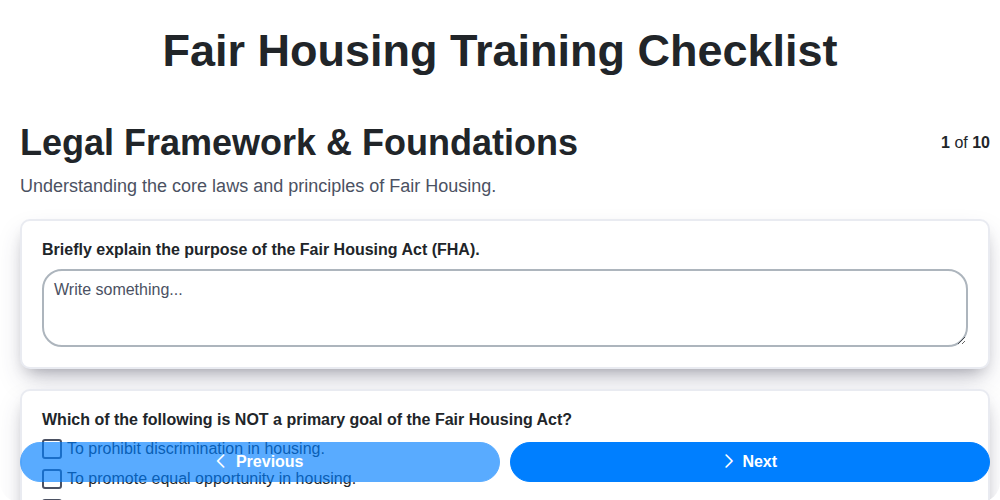
Fair Housing Training Checklist Template: Your Guide to Compliance
Need help with
Real Estate?
Have a question? We're here to help. Please submit your inquiry, and we'll respond promptly.