Lead-Safe Rentals: Your Rental Property Lead-Based Paint Inspection Checklist
Published: 11/26/2025 Updated: 07/02/2026
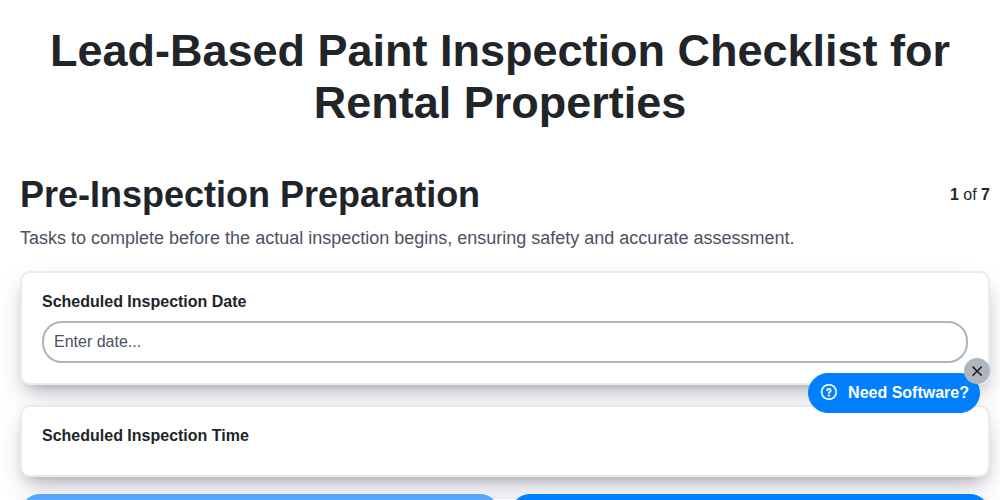
Table of Contents
- Introduction: Why Lead-Based Paint Inspections Matter for Rentals
- Understanding Lead-Based Paint Regulations
- Pre-Inspection Preparation: Setting the Stage for Accuracy
- Visual Inspection - Interior: Spotting Potential Hazards
- Visual Inspection - Exterior: Assessing Exterior Surfaces
- Component Identification: Identifying Painted Surfaces & Materials
- Laboratory Analysis (If Required): When and Why to Test
- Risk Assessment & Recommendations: Evaluating Risk Levels
- Documentation & Reporting: Essential Records to Keep
- Tenant Communication: Disclosing Lead-Safe Practices
- Staying Compliant: Ongoing Lead-Safe Maintenance
- Resources & Links
TLDR: Landlords, ensure your rental properties are lead-safe! This checklist guides you through a comprehensive lead-based paint inspection - from prepping & visual checks inside & out, to identifying components and (if needed) lab analysis. It helps assess risk, offer solutions, and create legally compliant documentation, protecting both you and your tenants.
Introduction: Why Lead-Based Paint Inspections Matter for Rentals
As a rental property owner, ensuring the safety of your tenants is paramount. One critical, and often overlooked, aspect of this responsibility is lead-based paint. While lead-based paint may seem like a relic of the past, homes built before 1978-a significant portion of the rental market-likely contain it. Exposure to lead paint, especially for young children and pregnant women, can cause serious health problems. Federal law requires landlords to disclose known lead-based paint hazards and provide tenants with an EPA-approved pamphlet titled "Protect Your Family From Lead in Your Home." However, disclosure isn't enough. A proactive approach, including lead-based paint inspections, offers crucial peace of mind and helps you fulfill your legal obligations while protecting the well-being of your tenants. This checklist will guide you through the essential steps involved in conducting a thorough lead-based paint inspection for your rental properties.
Understanding Lead-Based Paint Regulations
The presence of lead-based paint in rental properties is a serious concern, and federal law mandates specific disclosures and inspections to protect tenants, particularly children and pregnant women. The Residential Lead-Based Paint Hazard Reduction Act of 1992 (RLPHP) is the cornerstone of these regulations.
Here's a breakdown of what you need to know:
- Disclosure: Before a lease is signed, landlords are required to disclose any known information about lead-based paint or lead-based paint hazards on the property. This includes providing tenants with an EPA-approved lead hazard information booklet.
- Lead Warning Statement: A lead warning statement must be included in all leases for properties built before 1978.
- Inspection and Risk Assessment for Targeted Audiences: Landlords providing housing to families with children age 6 or younger, or to pregnant women, are generally required to conduct a lead-based paint inspection and risk assessment.
- Lead-Safe Work Practices: If renovations or repairs are performed, landlords must follow lead-safe work practices to minimize lead dust exposure.
- Recordkeeping: Maintaining thorough records of all disclosures, inspections, and risk assessments is crucial for compliance.
Familiarizing yourself with these regulations is the first step toward fulfilling your legal responsibilities and ensuring the safety of your tenants. Failing to comply can result in significant penalties and legal action.
Pre-Inspection Preparation: Setting the Stage for Accuracy
Before stepping foot on the property, thorough preparation is crucial for an accurate and reliable lead-based paint inspection. This isn't just about gathering your tools; it's about ensuring a cooperative environment and minimizing potential inaccuracies.
Here's what you need to do:
- Notify the Owner/Landlord: Provide ample notice (usually 24-48 hours, check local regulations) outlining the purpose of the inspection and the potential for disruption. This fosters transparency and cooperation.
- Secure Access: Confirm with the owner/landlord to arrange a convenient time for the inspection and ensure access to all areas of the property.
- Inform Occupants: It's courteous and often legally required to inform the tenants about the inspection. Explain the process and what to expect.
- Gather Property Information: Request and review any existing documentation regarding the property's age, construction history, and any previous lead-based paint assessments. This context can be extremely valuable.
- Prepare Your Equipment: Ensure you have all necessary equipment, including an X-ray fluorescence (XRF) analyzer (if applicable), moisture meter, flashlight, personal protective equipment (PPE) like respirators and gloves, and a camera for documentation. Verify equipment is calibrated and functioning correctly.
- Review Local Regulations: Familiarize yourself with any specific state or local regulations regarding lead-based paint inspections and disclosure requirements.
Visual Inspection - Interior: Spotting Potential Hazards
The interior visual inspection is your first line of defense in identifying potential lead-based paint hazards. This isn't about definitively proving the presence of lead, but about noting conditions that suggest it might be present and require further investigation. Here's what to look for:
- Cracks and Peeling Paint: This is the biggest red flag. Any areas where paint is cracking, chipping, or peeling should be carefully documented. Pay particular attention to window sills, door frames, baseboards, and areas prone to friction.
- Deteriorated Paint Layers: Look for signs of multiple layers of paint, especially if some layers are visibly deteriorating while others appear newer. This indicates potential repainting over existing lead-based paint.
- Areas of Friction: Windows and doors, especially older ones, experience a lot of wear and tear. Check the painted surfaces for evidence of rubbing or abrasion.
- Evidence of Repairs: Look for areas where old paint has been patched or covered up with new paint. These repairs may not have been done properly, and lead-based paint could still be present underneath.
- Dusty Surfaces: While not definitive, excessive dust on painted surfaces, particularly in older homes, can be a sign of deteriorating lead-based paint.
- Areas with Previous Renovations: Document any past renovations, even if you don't see obvious signs of damage. Incomplete or improper lead-safe work practices could have spread lead dust.
- Check for Original Features: Note the age of the property. If it was built before 1978, the likelihood of lead-based paint is significantly higher. Identify and document original trim, moldings, and architectural details.
Remember to photograph everything of concern. Detailed records are essential for accurate risk assessment and reporting.
Visual Inspection - Exterior: Assessing Exterior Surfaces
The exterior inspection is crucial for identifying potential lead-based paint hazards. Begin by carefully examining all exterior surfaces, including siding, trim, windows, doors, porches, decks, and any attached structures. Look for signs of deterioration, such as:
- Peeling, chipping, or flaking paint: This is a significant indicator of lead-based paint exposure.
- Cracking or blistering paint: Indicates paint failure and potential for lead dust generation.
- Rusted or decayed wood: Often a result of moisture intrusion, potentially exacerbated by failing paint.
- Areas with bare soil or exposed ground: These areas may have experienced paint removal over time.
- Signs of past repairs or alterations: Check for evidence of repainting or patching, which may have disturbed existing lead-based paint layers.
Pay close attention to areas prone to weathering and abrasion, such as window frames, door frames, and trim where surfaces are frequently touched or impacted. Document all observed conditions with photographs and detailed notes regarding the location and extent of the deterioration. Don't forget to examine any outbuildings or detached structures as well.
Component Identification: Identifying Painted Surfaces & Materials
Identifying which surfaces in your rental property contain lead-based paint is a critical step. This isn't just about finding painted walls; it's about recognizing the materials used historically and understanding where lead paint is most likely to be present.
Here's a breakdown of common areas and materials to carefully examine:
- Window Frames & Sashes: Older windows are notorious for containing lead paint, both on the frames and the sashes. Pay close attention to areas where paint layers have chipped or cracked.
- Door Frames & Doors: Similar to windows, doors, especially older ones, often have multiple layers of lead-based paint.
- Exterior Siding: While less common than interior paint, lead-based paint was frequently used on exterior siding, particularly on clapboard, shingles, and trim.
- Porches & Decks: Railings, steps, and supports are prime candidates for lead paint, especially in older properties.
- Trim & Molding: Decorative trim, crown molding, baseboards, and chair rails often have multiple layers of paint, some of which may contain lead.
- Stairs: Risers, treads, and banisters are frequently overlooked but can be significant sources of lead paint.
- Built-in Furniture & Cabinetry: Lead-based paint was also used on built-in cabinets, bookshelves, and other built-in features.
- Original Materials: Be mindful of original materials that might have been painted over. For example, if your property has original wood floors, the original finish might contain lead.
Important Note: Just because a surface looks like it's been painted over with modern paint doesn't mean lead paint isn't present underneath. Multiple layers of paint can mask the presence of lead. Use your judgement and err on the side of caution. If you're unsure, laboratory analysis is the only way to confirm.
Laboratory Analysis (If Required): When and Why to Test
While a visual inspection can identify potential lead-based paint hazards, it's not always enough. Certain situations necessitate laboratory analysis to confirm the presence of lead and quantify its concentration. Here's when this step is crucial:
- Suspected Deterioration: If the visual inspection reveals chipping, peeling, or flaking paint, especially on interior surfaces or around windows and doors, laboratory testing is recommended. This confirms the presence of lead and helps assess the extent of the hazard.
- Unknown Paint Layers: When dealing with properties with multiple layers of paint, particularly in older buildings, testing can determine if lead is present in any of those layers.
- Compliance with Regulations: Federal, state, or local regulations may require laboratory analysis in specific circumstances, such as when renovating or demolishing a property built before 1978.
- Discrepancies or Concerns: If there are inconsistencies between the visual inspection and historical records (e.g., construction dates, previous inspections), lab testing can resolve the uncertainty.
- Soil Testing (For Yards/Play Areas): If there's concern about lead contamination in the soil, particularly in areas where children play, soil samples should be analyzed.
Laboratory analysis typically involves collecting paint chip samples and sending them to an accredited laboratory for analysis using methods like X-ray fluorescence (XRF) or Transmission X-ray Fluorescence (TXRF). The results provide crucial data for risk assessment and remediation planning.
Risk Assessment & Recommendations: Evaluating Risk Levels
Once the inspection and laboratory analysis (if needed) are complete, the next crucial step is assessing the risk posed by lead-based paint in your rental property. This isn't just about identifying its presence; it's about understanding the level of risk and outlining actionable recommendations to mitigate it.
Understanding Risk Levels
Risk is generally categorized based on factors like the amount of deteriorated paint, the accessibility of affected areas (especially to children), and the likelihood of lead dust exposure. We typically assess risk as:
- Low Risk: Small areas of deteriorated paint, easily accessible for remediation, and unlikely to generate significant lead dust.
- Moderate Risk: Larger areas of deteriorated paint, particularly in areas children frequent, or paint located on easily abradable surfaces (like window sills or door frames).
- High Risk: Extensive deteriorated paint, particularly in critical zones like cribs, play areas, or surfaces frequently contacted by young children. This often involves lead dust contamination.
Recommendations Based on Risk Level
Our recommendations are tailored to the assessed risk level and local regulations. Here's a general overview:
- Low Risk: Ongoing monitoring and maintenance. Regular cleaning to prevent dust accumulation. Tenant education about lead paint hazards.
- Moderate Risk: Repair or replacement of deteriorated paint surfaces. Encapsulation (covering) of paint where feasible. Increased tenant education. Consideration of a more detailed dust wipe testing program.
- High Risk: Complete removal or encapsulation of lead-based paint by a certified professional. Thorough dust wipe testing and remediation of any lead dust contamination. Strict tenant notification and ongoing monitoring.
Important Considerations:
- Tenant Notification: Regardless of risk level, clear and concise notification to tenants regarding the presence of lead-based paint is legally required.
- Compliance: Recommendations will always align with HUD, EPA, and any state or local regulations.
- Professional Remediation: For moderate to high-risk situations, we strongly advise engaging a certified lead abatement or risk reduction professional.
Disclaimer: These recommendations are general guidelines. A comprehensive risk assessment requires a detailed understanding of your property's specific conditions and adherence to applicable regulations.
Documentation & Reporting: Essential Records to Keep
Thorough documentation is the backbone of any lead-based paint inspection for rental properties. It's not just about satisfying legal requirements; it's about demonstrating due diligence and protecting yourself and your tenants. Here's what you absolutely need to keep on file:
- Inspection Contract: A signed contract outlining the scope of work, fees, and responsibilities of both the inspector and the property owner.
- Inspector's Credentials: Copies of the inspector's certifications and licenses - verify these are current!
- Visual Inspection Reports: Detailed records from both the interior and exterior inspections, including dates, times, and observations. Photos are invaluable here - date and label them clearly.
- Component Identification Records: A list of identified components (windows, doors, siding, etc.) and their approximate age.
- Laboratory Analysis Results (If Applicable): Should lab testing be required, retain the full report, including sample location and analysis results.
- Risk Assessment & Recommendations: Keep a record of the risk assessment completed and any remediation or control measures recommended.
- Tenant Notices & Disclosures: Proof of providing legally required notices and disclosures to tenants regarding lead-based paint hazards. (This is usually a separate but critical document.)
- Remediation Records (If Applicable): If remediation work was performed, maintain invoices, contractor licenses, and documentation proving the work was completed according to regulations.
- Ongoing Maintenance Records: Keep records of any maintenance that might disturb lead-based paint, like scraping or sanding.
These records should be stored securely and be readily accessible for review, should questions arise from regulatory agencies or tenants. Maintaining comprehensive documentation is a vital aspect of responsible property management.
Tenant Communication: Disclosing Lead-Safe Practices
Transparency and open communication with your tenants are crucial when dealing with potential lead-based paint hazards. Federal law requires you to disclose known lead-based paint or lead-based paint hazards before a lease is signed, and you have ongoing responsibilities to inform tenants about lead-safe work practices.
Here's how to effectively communicate with your tenants:
- Provide the Lead Disclosure Form: This is legally required. Ensure tenants receive and sign this form, acknowledging they're receiving information about lead.
- Explain Lead-Safe Work Practices: If you're planning renovations or repairs that may disturb lead-based paint, inform tenants in advance. Explain what lead-safe practices are, why they're important, and how the work will minimize dust and debris.
- Provide Contact Information: Give tenants a direct contact person who can answer questions about lead hazards and any remediation efforts.
- Visual Aids & Resources: Consider providing simple flyers or infographics explaining lead poisoning prevention tips. Direct tenants to EPA resources (epa.gov/lead) for more information.
- Regular Updates: Keep tenants informed throughout any remediation or inspection process. Address their concerns promptly and honestly.
- Documentation: Keep records of all tenant communications related to lead hazards.
Remember, proactive and transparent communication builds trust and helps protect your tenants' health.
Staying Compliant: Ongoing Lead-Safe Maintenance
Maintaining lead-safe conditions isn't a one-time event; it's an ongoing commitment. Even after an initial inspection and any necessary remediation, regular upkeep is crucial for protecting your tenants and staying compliant with regulations. Here's what that ongoing maintenance looks like:
- Annual Visual Inspections: Conduct brief visual inspections each year, especially in areas prone to wear and tear like windowsills, door frames, and stairways. Look for signs of chipping, peeling, or cracking paint.
- Prompt Repairs: Address any damaged paint immediately. Small repairs should be done by trained individuals following lead-safe work practices. Larger repairs might require professional lead abatement services.
- Tenant Education: Provide tenants with information about lead safety, including how to identify potential hazards and who to contact with concerns. Include this information in lease agreements.
- Record Keeping: Keep meticulous records of all maintenance activities, repairs, and tenant communications related to lead paint. This documentation is vital in case of audits or legal inquiries.
- Stay Updated on Regulations: Lead paint regulations can change. Regularly review updates from HUD, EPA, and your state/local agencies to ensure your practices remain compliant.
- Consider Lead-Safe Practices During Renovations: Any future renovations, even minor ones, should be conducted by contractors trained in lead-safe work practices to prevent disturbance of lead-based paint.
Resources & Links
- U.S. Environmental Protection Agency (EPA) - Lead: The official EPA website dedicated to lead hazards, providing information on regulations, risks, and prevention. Comprehensive resource for all things lead-related.
- U.S. Department of Housing and Urban Development (HUD) - Lead: HUD's lead hazard information page details lead regulations and resources, especially concerning housing. Crucial for rental property owners to understand requirements.
- HUD Lead Training: HUD offers various training courses and resources for lead-based paint professionals and property owners, covering inspection, risk assessment, and abatement. A great way to deepen your understanding.
- Occupational Safety and Health Administration (OSHA) - Lead: While primarily focused on workplace safety, OSHA's lead page includes information relevant to those performing lead-based paint work, including inspection and remediation.
- EPA State and Local Lead Resources: Connects you to state-specific lead hazard programs and information. Regulations and resources often vary by state.
- National Housing Authority (NAHRO): Provides resources and training related to lead-safe housing, often focusing on affordable housing and low-income communities.
- Asbestos Hazard Management Agency (AHMA): Although focused on asbestos, this site provides valuable information about identifying deteriorating paint and recognizing potentially hazardous building materials that can be co-occurring with lead.
- American Industrial Hygiene Association (AIHA): Professional organization with resources and information on industrial hygiene practices, including lead exposure assessment and control.
- Lead Safe Illinois: A state-specific resource (example - replace with relevant state agency/organization) that provides lead-safe practices and information for Illinois residents and property owners. Search for your state's equivalent.
- LeadInspectors.com: Directory of certified lead inspectors and risk assessors. Helpful for finding qualified professionals to assist with your lead-based paint inspections.
- HomeAdvisor: While primarily a contractor referral service, HomeAdvisor can help connect you with certified lead abatement contractors and inspectors in your area. Verify credentials thoroughly.
- Building Survey USA: Provides information on environmental assessments for buildings, including lead-based paint assessments. Offers guidance on identifying and mitigating risks.
Frequently Asked Questions
What is a lead-safe rental and why is it important?
A lead-safe rental means your rental property meets specific standards to minimize lead-based paint hazards. It's important because lead poisoning is a serious health risk, especially for young children and pregnant women. Federal law requires landlords to disclose lead-based paint hazards and take steps to mitigate them, protecting tenants and complying with regulations.
Who is required to comply with lead-safe rental regulations?
Generally, landlords of properties built before 1978 are subject to lead-safe rental requirements. This includes owners of single-family homes, multi-family dwellings, and apartment complexes. Specific regulations vary by state and locality, so it's essential to check your local laws.
What is the difference between a lead-based paint inspection and a risk assessment?
A lead-based paint inspection identifies the presence of lead-based paint. It doesn't determine the level of risk. A risk assessment goes further; it evaluates the condition of the paint and identifies deteriorated lead-based paint that poses a hazard. Many times, a combined inspection/risk assessment is recommended.
What does the 'Lead-Safe Rentals Rule' entail?
The Lead-Safe Rentals Rule, part of HUD regulations, requires landlords to follow lead-safe work practices when renovating, repairing, or demolishing pre-1978 rental housing. This includes dust control, proper waste disposal, and tenant notification.
What does the 'disclosure' requirement for lead-based paint involve?
You must disclose any known lead-based paint or lead-based paint hazards to prospective tenants before they sign a lease. This involves providing a lead warning statement, a pamphlet about lead poisoning prevention, and allowing tenants to receive a lead inspection or risk assessment at their expense.
What should be included in my pre-inspection checklist?
Your pre-inspection checklist should include verifying tenant communication (especially if occupied), ensuring proper personal protective equipment (PPE) is available, reviewing relevant records (previous inspections, tenant complaints), identifying potential lead-based paint locations (windowsills, door frames, etc.), and documenting existing property conditions.
What PPE (Personal Protective Equipment) is necessary for a lead-based paint inspection?
Essential PPE includes a properly fitted NIOSH-approved respirator (N95 or higher is generally required), disposable coveralls with hood and booties, gloves, and eye protection. Proper training on how to use and dispose of this equipment is also critical.
How do I find a certified lead inspector or risk assessor?
Check with your state or local housing authority for a list of certified lead inspectors and risk assessors. The EPA also maintains a directory of certified professionals on their website. Ensure the inspector/assessor is accredited and has current certification.
What are common areas where lead-based paint is found in rental properties?
Lead-based paint is frequently found on window sills, door frames, exterior siding, railings, porches, and other areas that experience wear and tear. Any painted surface in a pre-1978 home should be considered potentially containing lead-based paint.
What happens if I fail to comply with lead-safe rental regulations?
Non-compliance can result in fines, legal action, and potential liability for tenant illnesses. More importantly, it can harm your tenants, especially children and pregnant women. Consistent compliance is essential for protecting your tenants and avoiding legal consequences.
Comments
There are no comments yet. Be the first to add one!
Real Estate Management Solution Demo
Simplify your real estate operations! ChecklistGuro streamlines property management, lease renewals, and maintenance requests. Enhance tenant satisfaction and maximize ROI. Manage it all with our Work OS.
Related Articles
Stress-Free Inspections: Your Home Inspection Coordination Checklist Template
The Ultimate Website Maintenance Checklist Template
10 Essential Checks: Your Brokerage Policy Review Checklist
The Ultimate Office Opening/Closing Checklist Template
Your Ultimate AML Compliance Checklist Template
Rent Collection Checklist Template: Your Landlord's Guide
Your Complete Flood Zone Disclosure Checklist Template
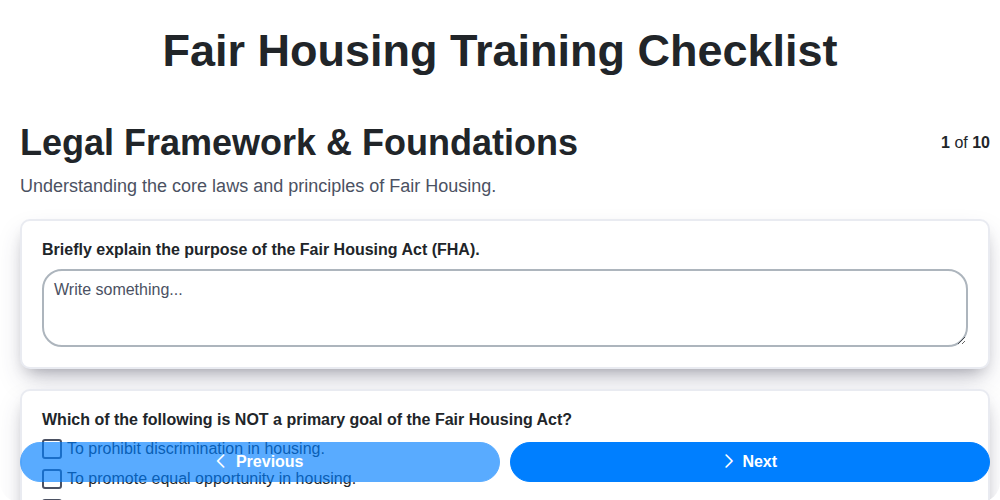
Fair Housing Training Checklist Template: Your Guide to Compliance
Need help with
Real Estate?
Have a question? We're here to help. Please submit your inquiry, and we'll respond promptly.