Your Loan Application & Approval Checklist Template
Published: 08/31/2025 Updated: 09/16/2026
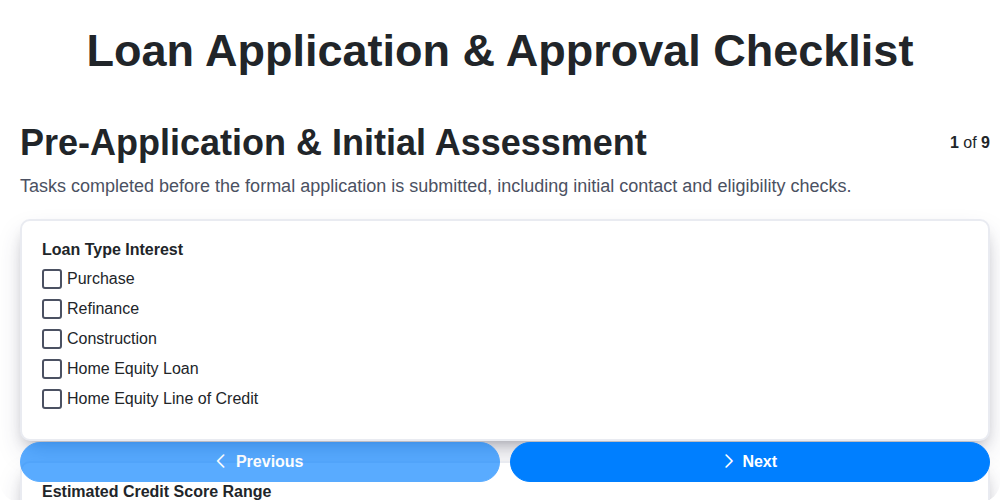
Table of Contents
- Getting Started: Understanding the Loan Process
- Step 1: Pre-Application Assessment
- Step 2: Submitting Your Loan Application
- Step 3: Documenting Your Income & Credit
- Step 4: Verifying Your Assets
- Step 5: Property Evaluation & Appraisal
- Step 6: Underwriting & Loan Processing
- Step 7: Loan Commitment and Closing
- Step 8: Post-Closing and Loan Servicing
- Resources & Links
TLDR: Get organized and boost your loan approval chances with this free, downloadable checklist! It breaks down the entire loan process, from initial assessment to closing, so you know exactly what documents you need and what to expect at each stage. Save time, reduce stress, and increase your odds of getting approved - download your checklist today!
Getting Started: Understanding the Loan Process
The loan application process can feel like navigating a maze, but understanding the core steps demystifies it significantly. At its heart, lenders are assessing two key things: your ability to repay the loan (your creditworthiness) and the value of the asset you'll be financing. This process typically involves a careful evaluation of your financial history, verification of your income and assets, and a thorough assessment of the property itself.
Think of it as a structured conversation - you're presenting your financial story, and the lender is carefully reviewing the details to determine if they can confidently extend credit to you. While requirements can vary depending on the loan type (e.g., FHA, VA, conventional) and individual circumstances, a general framework remains consistent. Don't be afraid to ask questions throughout - lenders are there to guide you and ensure you feel comfortable with every step. Being informed and proactive will not only streamline the process but also empower you to make the best financial decisions.
Step 1: Pre-Application Assessment
Before you even think about filling out a loan application, a crucial first step is a thorough pre-application assessment. This isn't about formally applying; it's about understanding your financial landscape and determining if you're in a good position to borrow and what types of loans might be a fit. Skipping this stage can lead to disappointment and wasted effort down the road.
Let's break down what this involves:
- Know Your Credit Score: Your credit score is a vital number that lenders use to gauge your creditworthiness. Obtain a free copy of your credit report from AnnualCreditReport.com. Carefully review it for any errors and address them promptly. A higher credit score typically means better interest rates and loan terms.
- Calculate Your Debt-to-Income Ratio (DTI): Your DTI is the percentage of your gross monthly income that goes toward paying debts. Lenders use this to assess your ability to manage additional loan payments. There are various DTI calculators available online to help you estimate yours.
- Determine Your Down Payment: How much money do you have readily available for a down payment? Different loan programs require different down payment amounts. Factor in closing costs too - they're in addition to your down payment.
- Explore Loan Options: Research various loan types - conventional, FHA, VA, USDA - to understand their eligibility requirements and potential benefits. Consider fixed-rate versus adjustable-rate mortgages and their long-term implications.
- Consider a Pre-Approval (Optional but Recommended): While not a formal application, a pre-approval gives you an estimate of how much you can borrow. This strengthens your position when you find a property and demonstrates to sellers that you're a serious buyer.
Step 2: Submitting Your Loan Application
Once you're confident you meet the initial assessment criteria, it's time to formally apply for your loan. This is where the paperwork really begins, but don't feel overwhelmed! Most lenders offer online application portals, making the process more convenient. However, you can also apply in person or through a mortgage broker.
What to Expect:
- The Application Form: Be prepared to provide detailed information about your finances, employment history, assets, and the property you're interested in. Accuracy is paramount. Even small discrepancies can cause delays or complications. Double-check everything before submitting.
- Consent and Disclosures: You'll be asked to provide consent for the lender to pull your credit report and verify your information. You're also entitled to receive important disclosures about the loan terms, fees, and risks involved. Review these carefully and ask any clarifying questions.
- Supporting Documentation - Round Two: While some preliminary documentation may have been collected during the pre-application phase, you'll likely need to provide more comprehensive records at this stage. Be ready to upload or submit scanned copies of documents like pay stubs, tax returns, bank statements, and identification.
- Application Fees: Many lenders charge an application fee to cover processing costs. Understand the fee amount and what it covers upfront.
Tip: Keep a detailed record of all documents submitted and any communication with the lender. This can be incredibly helpful if any questions or issues arise during the loan process.
Step 3: Documenting Your Income & Credit
This is arguably the most crucial stage of the loan application process. Lenders need concrete evidence to verify the income you're claiming and assess your creditworthiness. Be prepared to provide a substantial amount of documentation - accuracy and completeness are key!
What You'll Need:
- Pay Stubs (typically 2-3 months): These serve as your most recent proof of employment and income. Ensure they clearly display your name, employer's name, pay period, and gross earnings.
- W-2 Forms (past 2 years): Your W-2 forms provide a more detailed breakdown of your annual income, including withholdings and other important tax information. Having these readily available simplifies the verification process.
- Tax Returns (past 2 years): Lenders often require tax returns to corroborate the income stated on your pay stubs and W-2s. This provides a broader picture of your financial health and identifies potential income fluctuations.
- Bank Statements (typically 2-3 months): While not directly proving income, bank statements offer insight into your financial stability. Lenders will review these for deposits and overall account activity.
- Employment Verification: Expect your lender to directly contact your employer to confirm your employment status and salary.
- Self-Employed Applicants: If you're self-employed, you'll need to provide even more documentation, including profit and loss statements, balance sheets, business tax returns (Schedule C), and possibly K-1 forms. Be prepared to explain your business income and expenses in detail.
Tips for Success:
- Gather everything in advance: Don't wait until the last minute!
- Organize your documents: This will make the process smoother and faster.
- Make copies: Keep copies of everything for your records.
- Be prepared to answer questions: The lender may ask for clarification on any discrepancies or unusual activity.
Step 4: Verifying Your Assets
Verifying your assets is a crucial part of the loan approval process. Lenders need to confirm you have the funds available for your down payment, closing costs, and enough reserves to cover several months of mortgage payments. This isn't just about proving you have the money; it's about demonstrating financial stability and responsibility.
What documents will you likely need? Expect to provide:
- Bank Statements: These are the workhorses of asset verification. Provide recent (typically 2-3 months) statements for all checking, savings, and money market accounts. Make sure the statements clearly show your name, account numbers, and balances.
- Investment Account Statements: This includes brokerage accounts, stocks, bonds, mutual funds, and retirement accounts (like 401(k)s and IRAs). Lenders will want to see statements covering a defined period (usually the most recent quarter or year).
- Gift Funds Documentation (if applicable): If you're receiving assistance with your down payment or closing costs from family or friends, you'll need a "gift letter" from the donor. This letter must state that the money is a gift and does not need to be repaid.
- Sale of Assets (if applicable): If you're using proceeds from the sale of a property or other asset, provide documentation (e.g., closing statement, bill of sale) confirming the sale.
Be prepared to explain any large or unusual transactions in your bank statements. Transparency and clear documentation will smooth this process significantly.
Step 5: Property Evaluation & Appraisal
The property evaluation and appraisal stage is crucial - it's where the lender determines if the property's market value aligns with the loan amount you'll be borrowing. It's not just about whether the house looks nice; it's about ensuring it's a sound investment for the lender.
Here's what happens:
The Appraisal: A licensed and independent appraiser, chosen by the lender, will visit the property. They're looking at a range of factors, including:
- Location: Neighborhood desirability, proximity to amenities, schools, and transportation.
- Size & Layout: Square footage, number of bedrooms and bathrooms, functionality of the layout.
- Condition: Overall state of repair, any needed updates or renovations.
- Comparable Sales (Comps): Recent sales prices of similar properties in the area.
- Features: Updates, upgrades, and unique selling points like a finished basement or a renovated kitchen.
The appraiser will then produce a detailed report assigning a market value for the property. This value is compared to the loan amount you're requesting. If the appraised value is lower than the loan amount, you may need to:
- Negotiate a lower purchase price: Work with your real estate agent to renegotiate with the seller.
- Increase your down payment: To make up the difference.
- Pay for the difference out of pocket: A less desirable option.
The Title Search: This is done simultaneously with the appraisal. It's a deep dive into the property's history to confirm clear ownership. The title company will examine public records to identify any liens, encumbrances, or claims against the property. A clear title is essential for a smooth closing. Title insurance protects you and the lender from any unforeseen issues that may arise from the title search.
Home Inspection (Important Note): While not directly part of the lender's appraisal process, a professional home inspection is highly recommended. It's an opportunity to identify any hidden defects or potential issues with the property before you finalize the purchase. The cost of an inspection is well worth it for the peace of mind it provides and the potential to avoid costly repairs down the road.
Step 6: Underwriting & Loan Processing
This is arguably the most opaque part of the loan process. After you're approved in principle, your application moves into underwriting and loan processing. Don't be alarmed if you don't hear much from your lender during this time-it's when the real deep dive begins.
Underwriting is where the lender's risk assessment goes into high gear. They're not just taking your word for it; they're meticulously verifying everything you're claimed. Expect them to contact your employer, verify your bank statements, scrutinize your credit history, and confirm the accuracy of all the documentation you've provided. They're looking for any red flags that might indicate a higher risk for the lender.
Loan processing works hand-in-hand with underwriting. While the underwriter analyzes the risk, the processor handles the administrative tasks - gathering and organizing documents, communicating with various parties (appraisers, title companies, etc.), and ensuring the loan file is complete and accurate.
What can you do during this phase?
- Be Responsive: If the underwriter or processor requests additional information, respond promptly. Delays can slow down the entire process.
- Don't Make Major Changes: Avoid taking on new debt, closing accounts, or making large purchases during this time. Anything that impacts your credit score or financial picture can potentially jeopardize your approval.
- Understand It'll Take Time: Underwriting can take anywhere from a few days to a couple of weeks, depending on the complexity of your application and the lender's workload. Patience is key!
Step 7: Loan Commitment and Closing
Reaching Step 7 - Loan Commitment - is a huge milestone! It means the lender is officially prepared to lend you the funds. However, it's not quite time to celebrate just yet. This stage kicks off the final countdown to closing.
Understanding the Loan Commitment: The loan commitment isn't a guarantee of funds forever. It's typically valid for a specific period (often 30-60 days), during which time the lender will finalize the details. It outlines the loan amount, interest rate, loan terms, and any conditions you still need to meet. Carefully review this document and don't hesitate to ask questions about anything you don't understand.
The Closing Disclosure (CD): Within three business days of receiving the Loan Estimate, you're now entitled to a Closing Disclosure. This document is crucial. It provides a comprehensive breakdown of all your loan costs, including interest rate, monthly payments, closing costs, and cash to close. Compare the CD meticulously to the original Loan Estimate. While some changes are expected, significant discrepancies should be brought to the lender's attention immediately. This is your last chance to identify and address any potential issues before signing.
Final Preparations: Once you're comfortable with the Closing Disclosure, the lender will schedule the closing date. Prepare for a substantial amount of paperwork. Make sure you have a valid photo ID and any certified funds required for the down payment and closing costs. It'll also be helpful to have a good understanding of your loan terms and obligations.
Signing on the Dotted Line: The closing itself is where you officially sign all the loan documents. An escrow officer will guide you through the process, explaining each document. Once everything is signed and the funds are disbursed, congratulations - you'll be officially on your way to homeownership (or whatever your loan is for)!
Step 8: Post-Closing and Loan Servicing
The excitement of finally getting the keys to your new home doesn't mean your involvement with the loan ends. Step 8, Post-Closing and Loan Servicing, is a crucial part of the process that often gets overlooked. This phase focuses on managing your loan and ensuring everything runs smoothly.
Here's what you can expect:
- Welcome Packet & Account Setup: Shortly after closing, you'll receive a welcome packet from your loan servicer. This will contain important information about your loan, including your loan number, interest rate, and payment due dates. It will also likely include instructions on how to set up your online account.
- Payment Schedule & Options: Familiarize yourself with your payment schedule and available payment options (online, mail, automatic withdrawals). Setting up automatic payments can help avoid late fees and maintain a positive credit history.
- Escrow Account Management: If you have an escrow account (common for property taxes and homeowner's insurance), understand how it works. Your servicer will collect these funds with your monthly mortgage payment and distribute them to the appropriate agencies.
- Contacting Your Loan Servicer: Keep your contact information up-to-date with your loan servicer. They are your primary point of contact for any questions or concerns regarding your loan. This includes inquiries about statements, payment issues, or changes to your account.
- Understanding Your Loan Statement: Carefully review your loan statements each month to ensure accuracy and identify any discrepancies.
- Refinancing or Selling: If you plan to refinance your loan or sell your property in the future, contact your loan servicer early in the process to understand the required steps and potential fees.
Resources & Links
- Consumer Financial Protection Bureau (CFPB) - Mortgage Process: A comprehensive overview of the mortgage process from the CFPB, providing insights into each step and what to expect. Useful for understanding the broader context of the loan application process.
- Investopedia - Loan Application: Provides a clear explanation of what a loan application is, the components involved, and tips for improving your chances of approval. Covers terminology and common requirements.
- NerdWallet - Loan Application: NerdWallet's guide offers detailed information about the loan application process, focusing on credit score impact and how to prepare. Includes a checklist of necessary documents.
- Experian - Mortgage Credit Score: Addresses the importance of credit scores in the loan application process, explaining credit score ranges and what lenders look for. Links to credit report access resources.
- MyFICO: The official site for FICO scores, provides information about credit scores and credit reporting. While not a direct loan application guide, understanding FICO scoring is critical.
- Bankrate - Mortgages: Bankrate provides a wealth of mortgage-related content, including articles, calculators, and resources for understanding different loan types and the overall mortgage process.
- Internal Revenue Service (IRS): Crucial for understanding documentation required for income verification. Provides access to tax forms (W-2, 1099) and information regarding self-employment income reporting.
- U.S. Department of Housing and Urban Development (HUD): Provides information on FHA loans and other housing assistance programs, which can be helpful if you're a first-time homebuyer or have a limited credit history.
- U.S. Department of Veterans Affairs - VA Loans: For eligible veterans, the VA loan program offers significant benefits. This site explains eligibility requirements and the VA loan process.
- Fannie Mae: Fannie Mae is a government-sponsored enterprise that provides guidelines and resources for lenders. While primarily for lenders, their website contains valuable information about loan requirements.
Frequently Asked Questions
What is this checklist template for?
This checklist template is designed to help you organize and track all the necessary steps and documents required for a loan application, increasing your chances of approval. It covers everything from initial assessment to final approval.
Who is this checklist template for?
This template is beneficial for anyone applying for a loan, whether it's a mortgage, personal loan, business loan, or auto loan. It's especially helpful for first-time borrowers or those feeling overwhelmed by the loan application process.
How do I access and use the checklist template?
The article provides a link to download the checklist template. You can then open the file (likely a spreadsheet or PDF) and customize it to fit your specific loan application details. Simply fill in the boxes and check off items as you complete them.
What types of documents are included in the checklist?
The checklist covers a wide range of documents, including proof of income (pay stubs, tax returns), proof of assets (bank statements, investment accounts), identification documents, credit reports, and potentially more, depending on the loan type.
Can I modify the checklist template?
Absolutely! The template is designed to be flexible. Feel free to add, remove, or modify items to better reflect your individual circumstances and the specific requirements of the lender.
What does 'pre-approval' mean and is it on the checklist?
Pre-approval is an initial assessment by a lender indicating how much you might be eligible to borrow. The checklist includes steps related to gathering information needed for pre-approval.
What if I don't have all the documents listed?
Contact your lender immediately. They can advise you on the required documentation and suggest alternatives if you're missing certain items.
Does this checklist guarantee loan approval?
No, the checklist helps you prepare thoroughly, but it doesn't guarantee approval. Approval depends on factors like your credit score, income, debt-to-income ratio, and the lender's policies.
Where can I find more information about improving my credit score?
The article may contain links to resources about credit scores. You can also search online for reputable sources like the Federal Trade Commission (FTC) or credit bureau websites (Experian, Equifax, TransUnion).
Comments
There are no comments yet. Be the first to add one!
Task Management Solution Demo
Get organized & boost productivity! ChecklistGuro simplifies task management, prioritization, & progress tracking. Achieve more, stress less, & hit your goals. Manage it all with our Work OS.
Related Articles
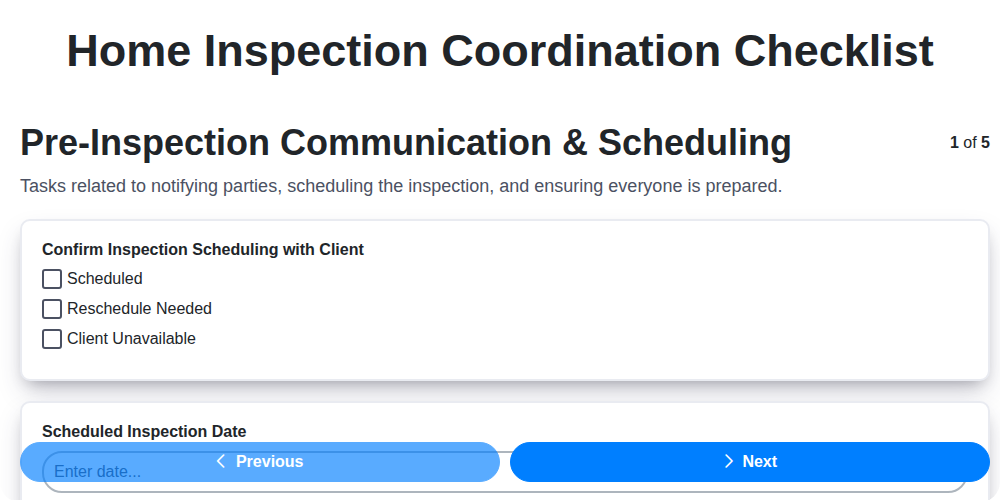
Stress-Free Inspections: Your Home Inspection Coordination Checklist Template
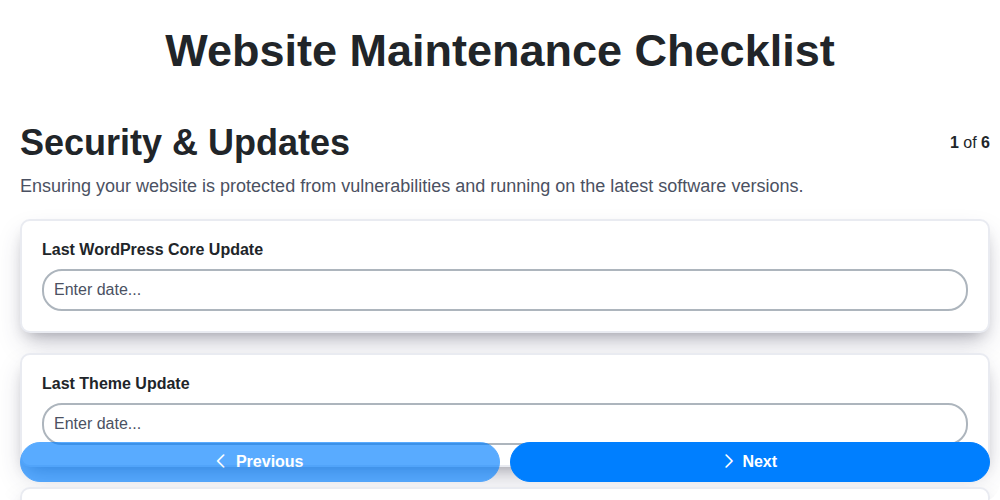
The Ultimate Website Maintenance Checklist Template
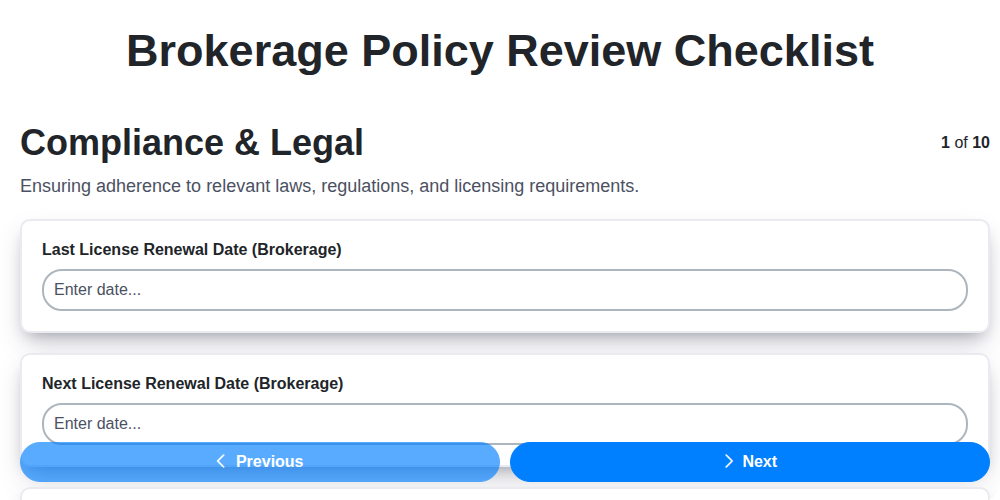
10 Essential Checks: Your Brokerage Policy Review Checklist
The Ultimate Office Opening/Closing Checklist Template
Your Ultimate AML Compliance Checklist Template
Rent Collection Checklist Template: Your Landlord's Guide
Your Complete Flood Zone Disclosure Checklist Template
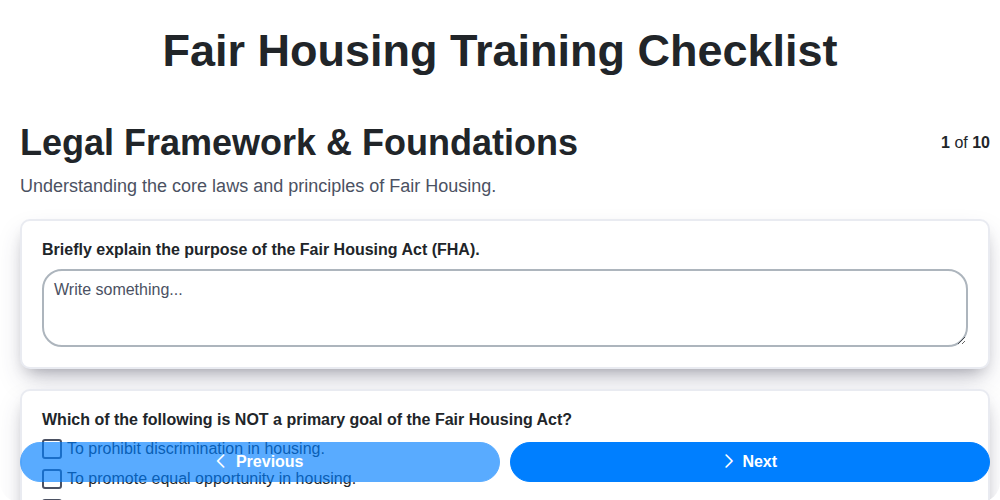
Fair Housing Training Checklist Template: Your Guide to Compliance
We can do it Together
Need help with
Task Management?
Have a question? We're here to help. Please submit your inquiry, and we'll respond promptly.