Noise Complaint Resolution: A Property Management Checklist for Peace of Mind
Published: 11/26/2025 Updated: 07/02/2026
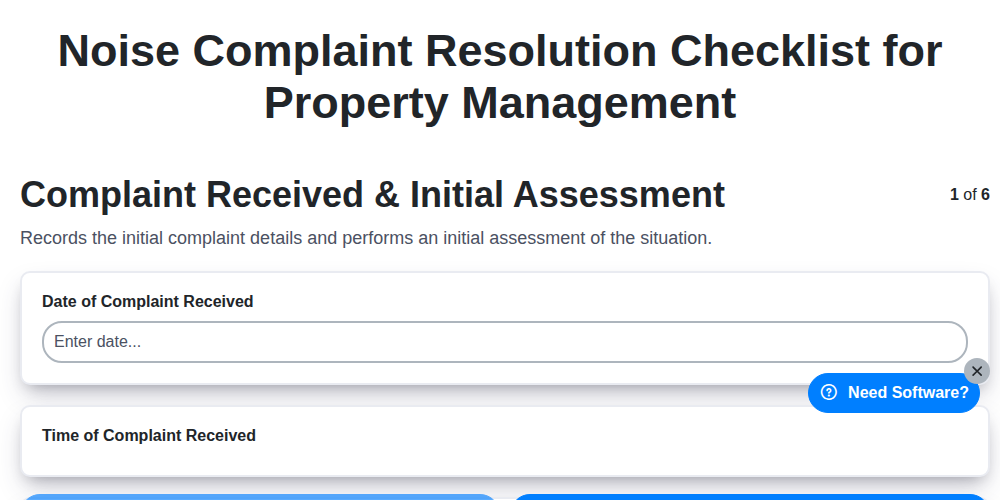
Table of Contents
- Introduction: Maintaining Harmony in Your Community
- 1. Complaint Received & Initial Assessment: The First Steps
- 2. Tenant Contact & Investigation: Gathering the Facts
- 3. Lease Review & Policy Enforcement: Understanding the Rules
- 4. Warning & Documentation: A Paper Trail is Essential
- 5. Resolution & Follow-Up: Finding a Solution
- 6. Escalation & Legal Considerations: When to Seek External Help
- 7. Common Noise Complaint Scenarios & Solutions
- 8. Proactive Measures: Preventing Noise Complaints
- 9. Communication is Key: Keeping Everyone Informed
- 10. Best Practices for Property Management Teams
- Resources & Links
TLDR: Handling noise complaints can be a headache! This checklist provides a clear, step-by-step guide for property managers - from receiving the initial complaint to potential legal action - ensuring consistent, fair, and documented resolution, ultimately preserving peace and quiet for your residents.
Introduction: Maintaining Harmony in Your Community
Noise complaints are a frequent challenge for property managers. They disrupt the peace and quiet residents deserve, potentially leading to tenant dissatisfaction, lease violations, and even legal issues. Effectively addressing these complaints isn't just about silencing the noise; it's about fostering a harmonious community and protecting your property's reputation. A proactive and documented approach is key. This blog post will guide you through a comprehensive checklist designed to resolve noise complaints fairly, consistently, and legally, ensuring a more peaceful living environment for everyone. We'll cover everything from initial assessment to potential legal considerations, empowering you to handle these situations with confidence.
1. Complaint Received & Initial Assessment: The First Steps
The first interaction is crucial. When a noise complaint arrives, don't just file it away. Acknowledge receipt promptly - an automated email confirming the complaint was received can be a good start. Then, begin the initial assessment. This involves more than just noting the date and time of the complaint; it's about gathering preliminary information. Ask the complainant:
- Specifics: What type of noise? (e.g., loud music, shouting, construction)
- Frequency: How often is the noise occurring?
- Time of Day: When is the noise most disruptive?
- Location: Where is the noise originating from (apartment number, general area)?
- Impact: How is the noise impacting them? (e.g., sleep disruption, inability to work)
Record all details meticulously in your property management system. This initial assessment forms the foundation for all subsequent actions and demonstrates a proactive approach to resolving the issue. Don't make assumptions - gather the facts.
2. Tenant Contact & Investigation: Gathering the Facts
This is arguably the most crucial step in resolving a noise complaint effectively. A hasty or incomplete investigation can lead to misunderstandings, resentment, and ultimately, a failure to resolve the issue. Here's how to approach tenant contact and investigation:
- Contact the Complainant: Begin by reiterating the receipt of their complaint and thanking them for bringing it to your attention. Ask clarifying questions. Don't just accept "it's too loud." Probe for specifics: What time did the noise occur? What type of noise was it (music, voices, construction, etc.)? How frequently does it happen? What is the impact on their enjoyment of their rental?
- Contact the Alleged Noise Maker: Reach out to the tenant suspected of creating the noise. Explain you've received a complaint and need to understand their perspective. Avoid accusatory language. Frame it as a conversation to find a mutually agreeable solution. Give them the opportunity to explain their actions and potentially offer mitigation strategies.
- Witness Statements (If Necessary): If complaints are recurring or the situation is complex, consider gathering statements from other tenants who may have witnessed the noise. Be mindful of privacy and ensure these statements are factual and unbiased.
- Time of Day Matters: Noise complaints are often more sensitive at certain times (e.g., late evenings, early mornings). Document the times of the incidents carefully.
- Environmental Factors: Consider external factors that might be contributing to the perceived noise. Construction, street traffic, or nearby businesses can sometimes be mistaken for tenant-related noise.
- Documentation is Key: Meticulously record all communications, dates, times, and details of the investigation. Photos or audio recordings (where legally permissible and with proper notification) can be valuable evidence.
3. Lease Review & Policy Enforcement: Understanding the Rules
Before taking any formal action, it's crucial to thoroughly review the tenant's lease agreement and your property's noise policies. This isn't just about finding a clause; it's about establishing a consistent and fair application of the rules.
What to Look For:
- Specific Noise Restrictions: Many leases contain clauses addressing acceptable noise levels, quiet hours, or restrictions on activities that could disturb other tenants. Look for language pertaining to amplified sound, parties, or excessive noise.
- Community Guidelines: Your property may have supplemental community guidelines outlining expected behavior. These often elaborate on the noise policies outlined in the lease.
- Enforcement Procedures: Does the lease outline a specific process for handling noise complaints? Understanding this process will ensure you're following established protocols.
- Consistency: Review past noise complaint resolutions. Are you enforcing noise policies uniformly across all tenants? Inconsistent application can create legal vulnerabilities.
Why This Matters:
A clear understanding of the lease and policies allows you to explain the complaint's basis to the tenant and justify any subsequent warnings or actions. It also demonstrates to the tenant that the issue is being addressed fairly and according to established procedures. Remember, transparency and consistent enforcement are key to maintaining a harmonious community.
4. Warning & Documentation: A Paper Trail is Essential
A clear and consistent warning and documentation process is absolutely critical when addressing noise complaints. This isn't just about appearing to be fair; it's about protecting your property and having a solid foundation should further action become necessary.
Here's what you need to do:
- Formal Written Warning: Always issue a formal, written warning to the tenant(s) involved. This should clearly outline the specific noise complaints received, the dates and times of the incidents, and a direct reference to the relevant clauses in the lease agreement. Avoid vague language - be specific about the type of noise and its impact.
- Delivery Confirmation: Ensure you have documented proof of delivery. Certified mail, email with read receipts, or in-person delivery with a witness signature are all viable options.
- Retain Copies: Keep meticulous copies of everything - the initial complaint, the warning letter, proof of delivery, and any tenant responses.
- Tenant Response Opportunity: The warning should provide the tenant with an opportunity to respond in writing, allowing them to provide context or explanation (even if it's just to deny the allegations). Document their response, or lack thereof.
- Consistent Messaging: Ensure all staff involved in handling noise complaints are using consistent language and following the same procedures.
- Escalation Trigger: Establish clear criteria for when a second warning or further action is warranted based on continued violations. This should be explicitly outlined in the initial warning.
5. Resolution & Follow-Up: Finding a Solution
Once warnings and documentation are complete, the focus shifts to actively resolving the noise complaint. This requires a collaborative approach and understanding of the underlying issue. Here's what resolution & follow-up entail:
- Mediation (if appropriate): For minor disturbances and willing tenants, facilitating a brief, mediated conversation between the complaining tenant and the noise-making tenant can sometimes be surprisingly effective. Focus the discussion on the impact of the noise, not blame.
- Practical Solutions: Explore potential solutions together. This might include suggesting alternative activity locations (e.g., move music to a dedicated room), adjusting activity times, or providing resources for soundproofing (if applicable and feasible).
- Tenant Education: Reiterate noise expectations outlined in the lease and community guidelines. Offer clear, concise examples of what constitutes a violation.
- Regular Check-Ins: Don't just resolve the initial complaint - follow up with both tenants. Check in with the complaining tenant to ensure the noise has subsided and they feel heard. Follow up with the noise-making tenant to ensure they understand the expectations and are adhering to them. Document these follow-up conversations.
- Documentation of Resolution: Meticulously record the steps taken to resolve the complaint, including any solutions agreed upon and the dates of follow-up conversations. This documentation is crucial for future reference and legal protection.
6. Escalation & Legal Considerations: When to Seek External Help
Sometimes, despite diligent efforts, noise complaints can escalate beyond the scope of typical property management procedures. This section outlines when to consider involving external resources and legal counsel.
When Escalation is Necessary:
- Persistent & Severe Issues: If warnings and documented interventions fail to resolve the noise, and it continues to significantly impact other tenants or violates local ordinances, escalation is warranted.
- Direct Threats or Harassment: Any instances of threats, harassment, or intimidation related to the noise complaint require immediate escalation to law enforcement and legal counsel.
- Legal Action Threatened: If the complaining tenant or the tenant causing the noise initiates legal action (e.g., filing a lawsuit), seek legal advice immediately.
- Ordinance Violations: Consistent violations of local noise ordinances, particularly those with established fines or penalties, may necessitate informing local authorities and potentially involving them in enforcement.
- Safety Concerns: If the noise is associated with potential safety concerns (e.g., suspected illegal activity, domestic disputes), prioritize reporting to the appropriate authorities.
Legal Considerations:
- Review Lease Agreements: Thoroughly understand the noise clauses in your lease agreements and ensure your actions align with their terms.
- Document Everything: Comprehensive and accurate documentation is crucial for any legal proceedings.
- Consult with Legal Counsel: Property management companies should have a relationship with legal counsel familiar with landlord-tenant law in your jurisdiction. They can advise on appropriate action, potential liabilities, and legal strategies.
- Mediation: Consider offering mediation as a means to resolve disputes and avoid costly litigation.
Disclaimer: This information is for general guidance only and does not constitute legal advice. Always consult with a qualified legal professional for advice tailored to your specific situation.
7. Common Noise Complaint Scenarios & Solutions
Dealing with noise complaints can be tricky, as you need to balance tenant comfort with respecting everyone's right to enjoy their home. Here's a breakdown of some frequently encountered scenarios and potential solutions:
1. Late-Night Music/Parties: This is often the most disruptive. Solution: Direct, immediate contact with the responsible tenant. Remind them of quiet hours outlined in the lease and local ordinances. If the noise persists, consider a written warning.
2. Barking Dogs: This is often a recurring issue. Solution: First, verify the complaint - sometimes, it's a misinterpretation. Then, contact the dog owner and reiterate the lease's pet policies regarding excessive barking. Offer resources for training or behavior modification if appropriate. Document all communication.
3. Construction/DIY Projects: While residents should be able to make reasonable improvements, excessive noise from hammering, sawing, or power tools can be a problem. Solution: Review the lease regarding allowable hours for home improvements and require advance notice. Consider requiring noise-dampening measures if the noise is particularly disruptive.
4. Children Playing: While children being children is understandable, overly loud and prolonged play can be bothersome. Solution: This requires a delicate approach. A friendly reminder to the parents, emphasizing the importance of respectful neighborly behavior, is usually the best course of action. Avoid accusatory language.
5. Loud Footsteps/Impact Noise (Especially in Apartments): This can be difficult to address as it's often related to the building's structure. Solution: Investigate the source and consider measures to mitigate the noise - things like rugs, carpeting, or padding. Communicate openly with both the complaining tenant and the tenant causing the noise.
6. Appliances/HVAC Systems: Sometimes, a faulty appliance or an older HVAC system can create unexpected and loud noises. Solution: Coordinate with maintenance to investigate and repair the equipment. Inform the affected tenants about the planned repair.
7. Stereos/TVs at High Volume: This is a classic issue. Solution: A firm reminder of the lease agreement and quiet hours is crucial. Repeated violations may warrant stricter consequences.
Remember, proactive communication and a consistent approach are key to resolving noise complaints effectively.
8. Proactive Measures: Preventing Noise Complaints
Reactive noise complaint resolution is important, but preventing them in the first place is even better! Implementing proactive measures can significantly reduce the volume of complaints and foster a more harmonious community. Here are a few ideas:
- Clear Lease Language: Ensure your lease agreement clearly outlines acceptable noise levels, quiet hours, and the consequences of violations. Be specific; avoid vague terms like reasonable noise.
- Welcome Packet Education: Include a dedicated section in your welcome packet explaining noise policies and expectations for new tenants. This reinforces expectations from day one.
- Community Reminders: Periodically send out community-wide reminders about noise policies via email, newsletters, or posted notices. A simple, friendly reminder can be surprisingly effective.
- Building Design & Soundproofing: Consider incorporating sound-dampening materials or design elements in new construction or renovations to minimize noise transmission between units. While a larger investment, it provides long-term benefits.
- Community Events & Communication: Host occasional community events or establish online forums where residents can connect and voice concerns in a constructive manner. Addressing issues early through open communication can prevent them from escalating into complaints.
- Resident Feedback Surveys: Regularly solicit feedback from residents about noise concerns or potential improvements to noise mitigation strategies.
9. Communication is Key: Keeping Everyone Informed
Throughout the noise complaint resolution process, consistent and clear communication is absolutely crucial. This isn't just about informing the complainant and the tenant - it's about maintaining transparency and demonstrating a commitment to fairness.
Here's what that communication should entail:
- Initial Acknowledgment: Immediately acknowledge receipt of the noise complaint to the reporting party. A simple email or phone call confirming you received the report goes a long way.
- Progress Updates: Provide brief, regular updates to the complainant (without disclosing specifics about the tenant's actions or conversations) letting them know the investigation is ongoing. We're looking into the matter or We're gathering information can suffice.
- Tenant Notification: Keep the tenant informed of the complaint and the potential consequences of non-compliance. Frame it as a collaborative effort to maintain a peaceful community.
- Documentation: All communication - emails, phone logs, letters - should be meticulously documented. This protects everyone involved and provides a clear record of actions taken.
- Sensitivity & Professionalism: Regardless of the situation, maintain a professional and empathetic tone in all communications. Avoid accusatory language and focus on finding a resolution.
Open communication reduces frustration, fosters trust, and helps ensure a smoother resolution for everyone involved.
10. Best Practices for Property Management Teams
Property management teams often juggle numerous tasks, and noise complaints can easily become overwhelming. Implementing a standardized noise complaint resolution checklist isn't just about ticking boxes; it's about fostering a more peaceful community, minimizing liability, and freeing up valuable management time. A well-defined checklist ensures consistency in how complaints are handled, regardless of who's responding.
Encourage your team to actively use the checklist during every noise complaint, emphasizing its importance as a guide, not a rigid script. Regularly review and update the checklist based on experience and evolving local ordinances. Consider incorporating training on active listening, de-escalation techniques, and the legal aspects of noise disturbance resolution. Finally, foster a culture where team members feel comfortable suggesting improvements to the checklist itself. This collective ownership will make the process more effective and efficient for everyone.
Resources & Links
- Nolo: Provides legal information and resources for property owners and managers, covering leases, tenant rights, and legal considerations for noise complaints. A great starting point for understanding legal frameworks.
- The Balance Small Business: Offers articles on property management best practices, including dealing with tenant disputes and creating a positive community environment. Search for articles related to tenant relations and conflict resolution.
- Smart Property Management: A blog from a property management company with articles on handling tenant issues, including noise complaints. Provides practical advice and real-world examples. Specifically search for their articles on tenant disputes and community guidelines.
- AppFolio: A property management software company with a blog that frequently covers legal and operational aspects of property management, potentially including information on noise complaints and policy enforcement.
- Buildium: Similar to AppFolio, Buildium offers property management software and a related blog. Search for articles related to tenant conflict and community living to supplement the post.
- Tenant Rights: Provides information on tenant rights, potentially relevant for understanding tenant perspectives and navigating complaints fairly. Helps ensure a balanced approach to resolving noise disputes.
- HUD (U.S. Department of Housing and Urban Development): While primarily focused on subsidized housing, HUD's website provides guidance on fair housing practices and community living standards, which can inform noise complaint procedures.
- IRS (Internal Revenue Service): Relevant for understanding the financial implications of legal action and potential tax deductions for property owners. (Indirectly related, but important for comprehensive information.)
- LegalZoom: Offers legal document creation and advice. Useful for reviewing lease agreements and understanding legal terminology related to noise complaints and property rights.
- Courteous Leasing: Offers resources and training on creating a harmonious rental community, including handling tenant disputes and fostering positive relationships. Particularly useful for 'Proactive Measures' section.
- NeighborhoodScout: Provides data on neighborhood noise levels and demographics. Useful for understanding the context of noise complaints and potentially implementing preventative measures. Useful for the 'Common Scenarios' section, to tailor advice.
Frequently Asked Questions
What is a noise complaint resolution process and why is it important for property managers?
A noise complaint resolution process is a structured approach to addressing disturbances caused by residents, ensuring a peaceful living environment and minimizing conflicts. It's crucial for property managers to have one in place to maintain tenant satisfaction, prevent escalation of issues, and uphold lease agreements regarding quiet enjoyment.
What should be included in a property management noise complaint checklist?
A comprehensive checklist should include steps like documenting the complaint, notifying the resident(s) involved, investigating the situation, outlining warnings, issuing notices (e.g., First Notice of Violation), potentially involving mediation, and as a last resort, pursuing lease termination. It should also detail procedures for different types of noise (e.g., loud music, barking dogs).
How should a property manager initially respond to a noise complaint?
Begin by carefully documenting the complaint - date, time, location, description of the noise, and complainant's information. Then, promptly notify the resident(s) alleged to be causing the noise, stating the nature of the complaint and requesting immediate compliance. Avoid accusatory language and focus on problem-solving.
What's the difference between a First Notice of Violation (NOV) and subsequent notices?
A First Notice of Violation is the initial warning to the resident. Subsequent notices (Second Notice of Violation, Final Notice of Violation) indicate increasing severity and potential consequences, typically culminating in a legal notice or potential lease termination if the behavior continues. Each notice should be more formal and clearly outline the potential outcomes.
How can property managers investigate noise complaints effectively?
Investigations should be objective and documented. This might involve speaking with both the complainant and the accused resident(s). Consider visiting the location during the reported noise occurrence (if possible and safe). Gather evidence, if appropriate (e.g., audio recordings, witness statements), but always adhere to privacy laws.
What are best practices for communicating with residents involved in a noise complaint?
Maintain professional and respectful communication. Clearly explain the complaint and the reasons for concern. Provide opportunities for residents to respond and offer solutions. Document all communication meticulously. Avoid assumptions and focus on factual information.
When is it appropriate to involve law enforcement in a noise complaint?
Law enforcement should be involved when the noise violates local ordinances (e.g., excessively loud music late at night) or poses a threat to the safety and well-being of other residents. Property managers should consult with legal counsel before involving law enforcement.
What are the legal considerations when dealing with noise complaints and lease terminations?
Property managers must follow fair housing laws and lease agreement provisions. Evidence must be documented to support any action taken, including lease termination. Consulting with legal counsel is highly recommended, especially before initiating eviction proceedings.
How can property managers proactively prevent noise complaints?
Proactively communicate noise policies during lease signing and throughout the resident's stay. Reminders can be provided through newsletters, emails, or community boards. Simple steps such as offering sound-dampening solutions (like rugs) can also show commitment.
Where can property managers find information about local noise ordinances?
Local government websites (city or county), police department websites, or a legal professional specializing in landlord-tenant law are excellent resources for information about noise ordinances.
Comments
There are no comments yet. Be the first to add one!
Real Estate Management Solution Demo
Simplify your real estate operations! ChecklistGuro streamlines property management, lease renewals, and maintenance requests. Enhance tenant satisfaction and maximize ROI. Manage it all with our Work OS.
Related Articles
Stress-Free Inspections: Your Home Inspection Coordination Checklist Template
The Ultimate Website Maintenance Checklist Template
10 Essential Checks: Your Brokerage Policy Review Checklist
The Ultimate Office Opening/Closing Checklist Template
Your Ultimate AML Compliance Checklist Template
Rent Collection Checklist Template: Your Landlord's Guide
Your Complete Flood Zone Disclosure Checklist Template
Fair Housing Training Checklist Template: Your Guide to Compliance
Need help with
Real Estate?
Have a question? We're here to help. Please submit your inquiry, and we'll respond promptly.