Parking Enforcement Checklist for Rental Properties: A Landlord's Guide
Published: 11/26/2025 Updated: 07/02/2026
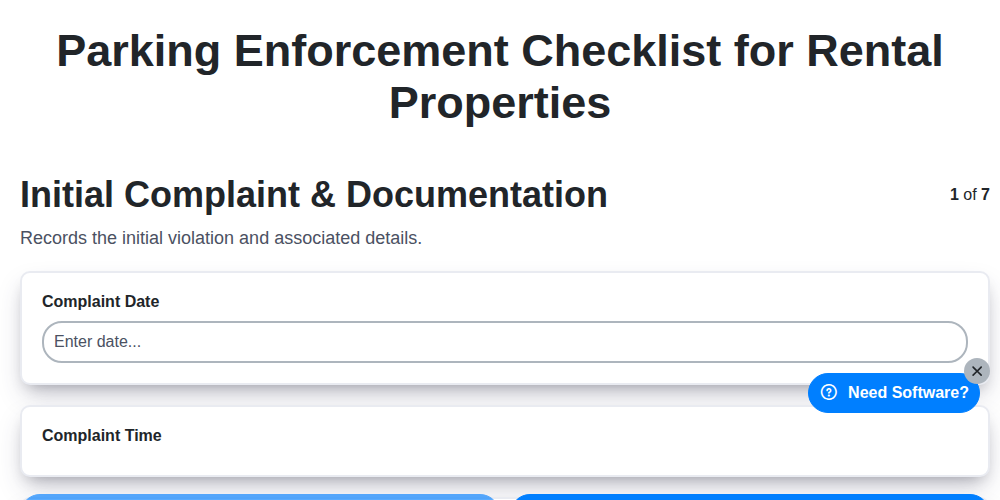
Table of Contents
- Introduction: Navigating Parking Challenges in Rental Properties
- 1. Initial Complaint & Documentation: The Foundation of Fair Enforcement
- 2. Warning Notification: Clear Communication is Key
- 3. Towing Authorization: When and How to Proceed
- 4. Vehicle Removal & Storage: Ensuring Proper Procedure
- 5. Resident Communication & Follow-up: Keeping Residents Informed
- 6. Legal & Reporting Requirements: Compliance is Crucial
- 7. Review and Update: Keeping Your Checklist Current
- 8. Best Practices for Parking Enforcement
- Conclusion: Proactive Parking Management for Peace of Mind
- Resources & Links
TLDR: Dealing with parking headaches at your rental properties? This checklist simplifies the process from initial complaints to vehicle removal, ensuring you're legally compliant and keeping residents informed every step of the way. It's a step-by-step guide to avoid legal issues and manage parking effectively!
Introduction: Navigating Parking Challenges in Rental Properties
Parking can be a significant headache for rental property owners and managers. From unauthorized vehicles and blocked roadways to disputes between residents, parking issues can quickly escalate and impact resident satisfaction and overall property management efficiency. A well-defined and consistently applied parking enforcement policy is crucial, but simply having a policy isn't enough. You need a process - a checklist - to ensure fairness, legal compliance, and a clear, documented approach to resolving parking violations. This blog post will walk you through a comprehensive parking enforcement checklist tailored for rental properties, helping you minimize headaches and maintain order in your parking areas. Let's dive into the steps to manage parking challenges effectively.
1. Initial Complaint & Documentation: The Foundation of Fair Enforcement
The first step in managing parking enforcement at your rental properties is establishing a solid foundation - meticulous documentation. When a parking complaint arises, whether from other residents, management, or local authorities, it's crucial to record everything. This isn't just about ticking a box; it's about protecting yourself and ensuring fair treatment for all residents.
Here's what your documentation should include:
- Date and Time of Complaint: Precisely when the issue was reported.
- Source of Complaint: Who reported the problem (resident name, management, etc.).
- Vehicle Description: License plate number, make, model, and color of the vehicle in question. Take photos if possible!
- Location of Vehicle: Specific location on the property (building number, designated spot number, etc.).
- Nature of Violation: Clearly state the reason for the complaint (e.g., unauthorized parking, blocking access, expired permit). Reference the specific clause in your parking agreement.
- Witnesses (if any): If there are witnesses to the violation, note their names and contact information.
- Initial Assessment: Briefly document your initial assessment of the situation.
Maintaining detailed and organized documentation from the very beginning is your first line of defense against potential disputes or legal challenges. It demonstrates transparency and a commitment to following procedures.
2. Warning Notification: Clear Communication is Key
Before any towing occurs, a clear and documented warning notification is absolutely critical. This isn't just about following a process; it's about ensuring fairness, minimizing tenant disputes, and protecting yourself legally.
Here's what a robust warning notification should include:
- Clearly State the Violation: Don't be vague. Specify exactly what parking rule is being broken (e.g., Parking in a designated resident space without a permit, or Blocking the fire lane).
- Provide a Deadline for Correction: Give the resident a reasonable timeframe to rectify the issue. This could be 24-72 hours, depending on the severity of the violation and what's outlined in your lease agreement.
- Explain Consequences: Clearly state what will happen if the violation isn't corrected by the deadline - which should include the possibility of towing.
- Include Contact Information: Provide a phone number or email address for residents to contact if they have questions or concerns.
- Method of Delivery: Document how the warning was delivered - hand delivery with a signature, certified mail, or posting on the vehicle (and document it with photos). Consistent methods are essential.
- Photographic Evidence: Take photos of the vehicle in violation and of the warning notice placed on the vehicle. This creates a visual record of the situation.
Important: Your lease agreement must outline the warning process and towing procedures. Ensure your warning notification aligns precisely with what's stipulated in the lease.
3. Towing Authorization: When and How to Proceed
Towing is a last resort and should always be handled with meticulous care to avoid legal complications. This section outlines the process for obtaining and executing towing authorization when necessary.
Understanding the Legal Framework:
Before even considering towing, it's crucial to be intimately familiar with your local laws and ordinances regarding vehicle towing on rental property. These laws dictate permissible towing reasons, required notification periods, and necessary documentation. Failing to comply can lead to significant legal repercussions.
Valid Reasons for Towing:
Typically, towing is permitted only for violations of clearly defined parking rules. Common valid reasons include:
- Unauthorized Parking: Vehicles parked in spaces designated for others (e.g., visitor parking, reserved spaces).
- Blocked Access: Vehicles obstructing roadways, fire lanes, or other access points.
- Expired Permits: Vehicles parked without a valid parking permit where required.
- Lease/Rental Agreement Violations: Vehicles violating specific parking stipulations outlined in the lease or rental agreement.
The Authorization Process:
- Documentation of Violation: Prior to authorization, meticulously document the violation with photos and detailed notes. Include date, time, vehicle description (make, model, license plate), location, and the specific lease/parking rule being violated.
- Review Previous Steps: Ensure a warning notification (as detailed in section 2) has been properly issued and a reasonable amount of time has passed to allow for voluntary compliance.
- Towing Authorization Form: Use a standardized towing authorization form. This form must clearly state:
- Date and time of authorization
- Vehicle description and license plate number
- Reason for towing, referencing the specific lease/parking rule
- Name and contact information of the towing company
- Signature and title of the authorized property manager or representative
- Secure Towing Company Contract: Use a pre-approved, reputable towing company with whom you have a clear contractual agreement outlining liability and pricing.
- Notification to Vehicle Owner (Ideally): While not always possible, an attempt to notify the vehicle owner before towing is best practice. This demonstrates good faith and reduces potential disputes. Document any attempts made.
4. Vehicle Removal & Storage: Ensuring Proper Procedure
Once towing authorization is secured (and only then!), the physical removal and storage of the vehicle must be handled with meticulous care and adherence to legal requirements. This isn't just about getting the car off your property; it's about protecting yourself from liability and ensuring residents' rights are respected.
Here's what you need to cover:
- Professional Towing: Always utilize a licensed and insured towing company. Verify their credentials beforehand and document the company's information (license number, insurance details) in your records.
- Inventory & Documentation: Before the vehicle is towed, have a representative (ideally, someone other than the person who initiated the complaint) document the vehicle's condition. This includes taking photos or video of any existing damage. Record the vehicle's make, model, color, license plate number, VIN, and mileage.
- Secure Storage: Ensure the towing company stores the vehicle in a secure, designated storage facility. The facility must be accessible to the vehicle owner to retrieve their property.
- Storage Fees: Clearly communicate storage fees to the resident (as outlined in your parking policy and any notification provided). Document the fees being assessed and any payment received.
- Release Procedures: Establish a clear and documented procedure for the resident to reclaim their vehicle. This should include required identification and payment of all applicable fees (towing and storage).
- Unclaimed Vehicles: If the vehicle remains unclaimed after a reasonable period (as defined by local law), follow the legal process for handling abandoned vehicles, which may involve notifying the DMV or local law enforcement. This usually includes providing the resident with additional notification periods.
- Record Keeping: Maintain detailed records of all steps taken, from towing authorization to vehicle release or abandonment proceedings. This includes contracts with towing companies, notifications sent, and payment records.
5. Resident Communication & Follow-up: Keeping Residents Informed
Parking enforcement can be a sensitive issue, and clear, consistent communication is crucial to minimizing frustration and maintaining positive resident relations. This isn't just about avoiding complaints; it's about fostering a sense of fairness and transparency.
Here's how to handle resident communication effectively:
- Early Notification: Whenever possible, inform residents before enforcement action is taken. This could be a friendly reminder about parking rules posted near designated areas or a personalized email if a violation is observed.
- Explain the Reason: When notifying a resident about a violation, clearly state why the vehicle is being flagged. Reference the specific clause in the lease agreement or parking rules. Don't just say parking violation; say, Your vehicle is parked in a fire lane, which is a direct violation of Section 4.2 of your lease agreement."
- Provide Contact Information: Make sure residents know who to contact with questions or concerns - a specific property manager, a designated parking enforcement contact, etc. Provide phone numbers and email addresses.
- Active Listening: If a resident expresses concerns, listen actively and empathetically. Even if you can't change the enforcement action, acknowledging their frustration can go a long way. Document these conversations.
- Follow-Up: After enforcement, particularly if towing occurred, follow up with the resident to ensure they have retrieved their vehicle and understand the situation. This demonstrates care and commitment to resolving the issue.
- Transparency in Updates: If there are changes to parking policies or enforcement procedures, communicate these clearly and in advance.
Consistent and proactive communication can significantly reduce tension and build trust within your rental community.
6. Legal & Reporting Requirements: Compliance is Crucial
Navigating parking enforcement on rental properties isn't just about moving cars; it's about protecting yourself legally. Failure to adhere to local ordinances and contractual agreements can lead to costly lawsuits and reputational damage. Here's a breakdown of key legal and reporting considerations:
1. Know Your Local Ordinances: Parking regulations vary significantly by city and county. Thoroughly research and document these laws, including permitted parking zones, signage requirements, and towing regulations. Your enforcement procedures must align with these ordinances.
2. Lease Agreements - The Foundation: Your lease agreement is the cornerstone of your parking enforcement. Clearly define parking rules, assigned spaces (if any), visitor parking policies, and consequences for violations. Ensure residents acknowledge and sign this section. Any enforcement action must be consistent with the stipulations outlined in the lease.
3. Signage Requirements: Many jurisdictions mandate specific signage regarding parking restrictions, towing policies, and contact information. Verify your signage meets all legal requirements for size, placement, and clarity. Regularly inspect signage to ensure it remains legible and properly displayed.
4. Notification Laws: Before towing, most areas require specific notification procedures, including providing ample warning and sometimes notifying the vehicle owner directly. Familiarize yourself with these requirements and meticulously document all notification attempts.
5. Record Keeping - Your Best Defense: Maintain detailed records of every step in the enforcement process. This includes the initial complaint, warning notices, towing authorization, vehicle removal, and all communication with residents. These records are invaluable in defending against potential legal challenges.
6. Reporting Requirements (if applicable): Some municipalities require parking enforcement companies or property managers to report towing activity to local authorities. Confirm whether reporting is necessary in your area and adhere to any established timelines and formats.
7. Consult with Legal Counsel: Parking enforcement can be complex. Regularly consult with an attorney familiar with landlord-tenant law and local ordinances to ensure your procedures are legally sound and compliant.
7. Review and Update: Keeping Your Checklist Current
Parking enforcement can be a legal minefield. What works today might not be compliant tomorrow. That's why regular review and updates to your parking enforcement checklist are absolutely critical. Laws, local ordinances, and even your own residents' expectations can change.
Here's why you need to revisit your checklist, and how often:
- Legal Landscape Shifts: Parking regulations are frequently amended at the city, county, and state levels. A seemingly minor change can invalidate your current procedures.
- Case Law Evolves: Court decisions related to towing, parking violations, and resident rights can impact your enforcement practices.
- Lease Agreement Revisions: Changes to your lease agreement's parking clauses necessitate updates to your enforcement processes to ensure consistency.
- Resident Feedback: Resident complaints or concerns might highlight areas where your checklist can be improved for clarity or fairness.
- Internal Process Improvements: Your team might discover more efficient or resident-friendly ways to handle parking enforcement.
How Often to Review: We recommend a thorough review at least annually, and ideally every six months. A quick check for any recent legislative changes should be done quarterly. Document all changes made, the date of the update, and the reason for the revision. This creates an audit trail that demonstrates your commitment to legal compliance and fair practices.
8. Best Practices for Parking Enforcement
Effective parking enforcement isn't just about towing cars; it's about maintaining a fair and organized system that minimizes conflict and protects your property. Here's how to elevate your parking enforcement beyond the basics:
- Transparency is Key: Clearly communicate your parking rules and enforcement policies to residents before issues arise. Include this information in lease agreements, welcome packets, and prominent signage around the property. Regularly post reminders on community boards or via email.
- Consistent Application: Enforce the rules fairly and equally for all residents. Selective enforcement breeds resentment and can lead to legal challenges.
- Emphasize Warnings: While towing is sometimes necessary, prioritize warning notifications whenever possible. This demonstrates a willingness to work with residents and resolve issues before resorting to more drastic measures.
- Documentation, Documentation, Documentation: As highlighted in the parking enforcement checklist, meticulous record-keeping is vital. This includes dates, times, photos, communications, and actions taken. This protects you legally and provides a clear audit trail.
- Consider Resident Input: Periodically solicit feedback from residents about parking concerns. This can reveal areas for improvement and demonstrate that you value their concerns.
- Train Your Staff: Ensure anyone involved in parking enforcement is thoroughly trained on the procedures, legal requirements, and best practices for resident communication.
- Regularly Review Policies: Parking needs and regulations change. Review your parking policies at least annually and update them as needed.
- Explore Alternatives to Towing: Consider offering guest parking permits, designated loading zones, or electric vehicle charging stations to alleviate parking congestion and reduce the need for enforcement.
Conclusion: Proactive Parking Management for Peace of Mind
Ultimately, a well-implemented parking enforcement checklist, like the one outlined above, isn't just about dealing with parking violations; it's about fostering a positive and predictable living environment for your residents. By proactively managing parking, you minimize disputes, reduce stress for both residents and management, and protect your property from potential legal issues. Remember, consistency and clear communication are key. Regularly reviewing and updating your checklist ensures it remains compliant with local ordinances and addresses evolving needs. Investing the time and effort upfront will pay dividends in the form of a more harmonious and well-managed rental community.
Resources & Links
- Nolo: Nolo provides legal information and resources for landlords, including articles on parking regulations and lease agreements. Useful for understanding legal frameworks surrounding parking enforcement.
- Tenant Rights: This site offers information on tenant rights, which can help landlords understand resident perspectives on parking disputes and ensure fair enforcement practices. Provides insight on what constitutes a valid reason for towing.
- Internal Revenue Service (IRS): While seemingly unrelated, the IRS website is relevant if you are planning to store towed vehicles; regulations apply to abandoned property and storage facilities. Consider how storage fees impact your financial records.
- The Balance - Landlord-Tenant Law: Offers general information on landlord-tenant laws, providing context for parking enforcement rules. Helpful for understanding legal boundaries.
- International City/County Management Association (ICMA): This site provides links and information concerning municipal codes and ordinances, crucial for understanding the legal framework around parking regulations and towing authorizations within your jurisdiction. Look for city/county ordinances related to parking and abandoned vehicles.
- Propertyware: Provides resources and software solutions for property management, including articles and templates related to lease agreements and parking policies. May offer sample parking enforcement notices.
- Buildium: Similar to Propertyware, Buildium offers resources and software for property managers. Look for articles on lease enforcement and conflict resolution related to parking.
- LegalZoom: Provides legal documents and information, including lease agreement templates that can incorporate parking rules and enforcement procedures. Can help draft clear parking policies.
- American Parking Association: While focused on commercial parking, the APA offers insights into best practices for parking management and enforcement, which can be adapted for rental properties. Provides an overview of industry standards.
- Laws.com: A comprehensive legal resource. Search for state-specific laws related to towing and vehicle storage. Essential for ensuring compliance with local regulations.
Frequently Asked Questions
What is a parking enforcement checklist and why do I need one for my rental properties?
A parking enforcement checklist is a structured guide outlining procedures and rules for managing parking on your rental property. It helps ensure fair and consistent enforcement of parking regulations, minimizes disputes with tenants, and protects you from potential liability.
Why is consistent parking enforcement important for rental properties?
Consistent enforcement prevents chaos, favoritism, and potential legal issues. It establishes clear expectations for tenants and helps maintain a pleasant environment for everyone on the property.
What should I include in my parking enforcement checklist?
Your checklist should cover things like permitted parking zones, visitor parking rules, guest parking procedures, consequences for violations (warnings, towing), and a process for handling disputes. Include specific details like permit requirements, restricted hours, and vehicle size limits.
What types of parking rules should I consider including in my checklist?
Consider rules about resident parking permits, guest parking, commercial vehicle restrictions, overnight parking, accessible parking (ADA compliance), parking space size limitations, and restrictions on blocked driveways or fire lanes.
How do I communicate the parking enforcement checklist to my tenants?
Include it in your lease agreement, post it in visible locations around the property (bulletin boards, parking areas), and send out periodic reminders via email or newsletters. A clear and accessible format is key.
What is the proper procedure for issuing a parking violation warning?
Document the violation with photos or notes. Issue a written warning clearly stating the violation, date, time, and expected corrective action. Keep a copy of the warning for your records.
What are the legal considerations when towing a vehicle from my rental property?
Towing requires strict adherence to state and local laws. You typically need written consent from the tenant (specified in the lease) and proper notification before a vehicle can be towed. Ensure you're following all legal requirements to avoid liability.
How can I handle disputes with tenants regarding parking violations?
Listen to their concerns, review the lease agreement and parking enforcement checklist, and attempt to reach a resolution through open communication. If a resolution can't be reached, consider mediation or involve legal counsel.
What should I do if a tenant is repeatedly violating parking rules?
Document each violation, issue warnings, and follow the outlined consequences in your lease agreement. Consider legal action as a last resort, but always consult with an attorney first.
Do I need to make accommodations for tenants with disabilities regarding parking?
Yes, you are legally obligated to provide reasonable accommodations for tenants with disabilities under the Fair Housing Act. This may include designated accessible parking spaces and other adjustments.
Comments
There are no comments yet. Be the first to add one!
Real Estate Management Solution Demo
Simplify your real estate operations! ChecklistGuro streamlines property management, lease renewals, and maintenance requests. Enhance tenant satisfaction and maximize ROI. Manage it all with our Work OS.
Related Articles
Stress-Free Inspections: Your Home Inspection Coordination Checklist Template
The Ultimate Website Maintenance Checklist Template
10 Essential Checks: Your Brokerage Policy Review Checklist
The Ultimate Office Opening/Closing Checklist Template
Your Ultimate AML Compliance Checklist Template
Rent Collection Checklist Template: Your Landlord's Guide
Your Complete Flood Zone Disclosure Checklist Template
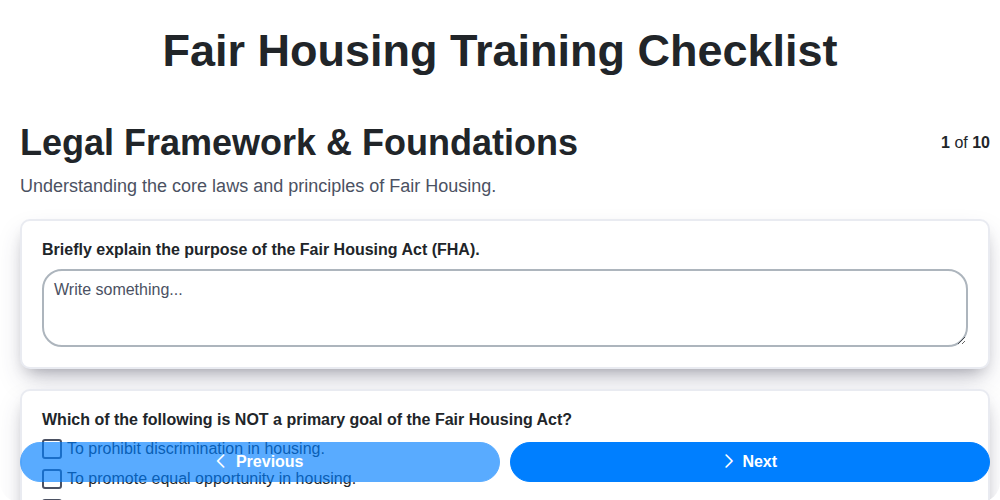
Fair Housing Training Checklist Template: Your Guide to Compliance
Need help with
Real Estate?
Have a question? We're here to help. Please submit your inquiry, and we'll respond promptly.