Navigating the APR: Your Pharmaceutical Annual Product Review Checklist Template
Published: 11/25/2025 Updated: 07/02/2026
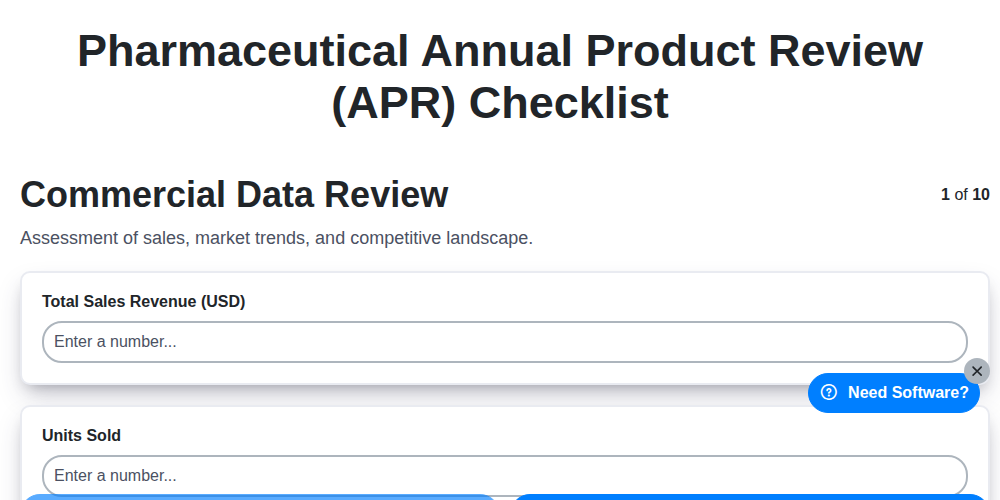
Table of Contents
- Introduction: Why an APR is Crucial
- 1. Commercial Data Review: Market Performance & Trends
- 2. Quality Performance Evaluation: Ensuring Consistent Excellence
- 3. Stability Data Analysis: Maintaining Product Integrity
- 4. Manufacturing Process Review: Optimization & Efficiency
- 5. Regulatory Compliance Update: Staying Ahead of Changes
- 6. Product Labeling and Packaging Review: Accuracy & User Safety
- 7. Risk Assessment & Mitigation: Identifying and Addressing Potential Issues
- 8. Post-Market Surveillance Data: Gathering and Analyzing Real-World Feedback
- 9. Lifecycle Management Considerations: Planning for the Future
- 10. Summary of Findings: Key Observations and Insights
- 11. Recommendations for Action: Prioritized Next Steps
- Resources & Links
TLDR: Feeling overwhelmed by your Pharmaceutical Annual Product Review (APR)? This checklist template breaks down the process into 10 key areas - from data review and quality performance to regulatory updates and lifecycle planning. It's your shortcut to ensuring thoroughness, compliance, and ultimately, a successful APR, saving you time and potential headaches.
Introduction: Why an APR is Crucial
The Pharmaceutical Annual Product Review (APR) isn't just a formality; it's a vital process for ensuring the continued safety, efficacy, and commercial viability of your pharmaceutical products. Think of it as a comprehensive health check for each drug in your portfolio. Beyond maintaining compliance with regulatory guidelines, an APR offers a crucial opportunity to proactively identify potential issues, optimize performance, and make informed decisions about the product's future. Failing to conduct a thorough APR can expose your company to significant risks, including regulatory scrutiny, product recalls, and ultimately, damage to your reputation. This review goes beyond simply confirming adherence to standards; it's a strategic assessment that informs lifecycle management and contributes directly to the long-term success of your products.
1. Commercial Data Review: Market Performance & Trends
The Commercial Data Review is a critical first step in your APR. It's about more than just sales figures; it's about understanding the why behind those numbers. This review should encompass a comprehensive analysis of your product's performance within the market, including:
- Sales Data Analysis: Examine sales trends over the past year, comparing them to previous years and forecasts. Identify peak seasons, dips, and any unexpected fluctuations. Segment data by region, channel, and customer type for a more granular view.
- Market Share: Track your product's market share and compare it to competitors. Has your share increased, decreased, or remained stable? Understand the factors contributing to these shifts.
- Competitive Landscape: Evaluate competitor activities, including new product launches, pricing changes, marketing campaigns, and regulatory approvals. How do these actions impact your product's position?
- Pricing Analysis: Review pricing strategies, discounts, and rebates. Assess their effectiveness and potential impact on profitability.
- Marketing Effectiveness: Analyze the performance of marketing campaigns, including ROI and customer engagement metrics. Identify areas for improvement.
- Customer Feedback: Incorporate customer feedback gathered through surveys, online reviews, and sales representative reports. This provides valuable insights into product perception and unmet needs.
- Emerging Trends: Identify emerging trends in the market, such as changes in patient demographics, evolving treatment paradigms, or new technologies. Consider how these trends might impact your product's future.
This data forms the foundation for informed decisions throughout the APR process.
2. Quality Performance Evaluation: Ensuring Consistent Excellence
The Annual Product Review (APR) provides a crucial opportunity to rigorously assess your pharmaceutical product's quality performance. This isn't simply about confirming compliance; it's about proactively identifying areas for improvement and bolstering patient safety. Our evaluation extends beyond batch records to encompass a holistic view of quality.
Key areas within this evaluation include:
- Trend Analysis of Critical Quality Attributes (CQAs): We examine historical data on CQAs, such as purity, potency, and particle size, to detect any emerging trends that might indicate process drift or degradation. This involves statistical analysis and visualization to highlight subtle changes often missed in routine checks.
- Deviation and CAPA Review: A thorough review of all quality deviations throughout the year, alongside the effectiveness of Corrective and Preventive Actions (CAPAs), is essential. We assess if root causes were properly identified and if implemented actions demonstrably prevented recurrence.
- Out-of-Specification (OOS) Investigations: Detailed analysis of all OOS results, including the investigation reports, findings, and preventative measures implemented, ensures that robust systems are in place to manage and prevent future occurrences.
- Supplier Quality Management: Evaluating the performance of raw material suppliers and contract manufacturers is critical to maintaining product quality. This includes reviewing audit reports, supplier performance data, and any observed quality issues.
- Internal Audit Findings: Results from internal audits, detailing any non-conformances and their resolution, are incorporated to gauge the overall effectiveness of the Quality Management System (QMS).
- Customer Complaints: A detailed review of customer complaints related to product quality provides valuable insight into real-world product performance and potential areas for improvement.
This evaluation culminates in a detailed report outlining strengths, weaknesses, and actionable recommendations to enhance the product's quality profile and maintain consistent excellence.
3. Stability Data Analysis: Maintaining Product Integrity
Stability data forms the bedrock of demonstrating a pharmaceutical product's safety and efficacy throughout its shelf life. A rigorous Annual Product Review (APR) must include a comprehensive analysis of this data. This isn't just about checking numbers; it's about understanding product behavior over time and proactively addressing any potential issues.
During the APR, we meticulously examine stability reports, focusing on key indicators like assay, degradation products, moisture content, and physical characteristics. Trends are analyzed to determine if the product remains within established specifications. Deviation investigations are critical - any out-of-specification (OOS) or out-of-trend (OOT) results require thorough investigation and documented resolution.
Beyond simply identifying deviations, a deeper dive is necessary. We assess whether anticipated degradation pathways are occurring as predicted and if any unexpected changes are observed. This might involve reviewing the testing methodology itself, ensuring it remains validated and appropriate.
Furthermore, the APR should consider the impact of any changes made during the year - raw material changes, equipment modifications, or process adjustments - on the product's stability profile. Re-evaluation of shelf life might be warranted based on these findings. This ensures we are confident that the product remains safe and effective for the labeled duration, protecting patients and maintaining brand reputation.
4. Manufacturing Process Review: Optimization & Efficiency
The Annual Product Review (APR) provides a crucial opportunity to critically examine your manufacturing process - not just to confirm it's functioning, but to identify areas for improvement and drive greater efficiency. This isn't about blame; it's about continuous improvement.
During this review, delve into key aspects including:
- Process Capability & Yield: Analyze historical data to assess process capability (Cp, Cpk) and identify trends in product yield. Are there recurring issues impacting output?
- Equipment Performance: Evaluate equipment uptime, maintenance records, and any recent performance degradation. Consider preventive maintenance schedules and potential upgrades.
- Raw Material Usage: Review raw material consumption rates, identifying opportunities to minimize waste and optimize usage. Evaluate supplier performance and potential cost savings through negotiation or alternative sourcing.
- Process Validation & Qualification: Verify that existing process validation data remains current and robust. Consider revalidation if significant changes have occurred in equipment, materials, or personnel.
- Process Analytical Technology (PAT) Integration: Assess the effectiveness of any PAT tools currently in use. Explore opportunities to leverage PAT to enhance process understanding and control.
- Operator Training & SOP Adherence: Ensure operators are adequately trained and adhering to Standard Operating Procedures (SOPs). Investigate any deviations or non-conformances.
- Technology Upgrades: Evaluate the potential for adopting new technologies to streamline operations, reduce cycle times, and improve overall efficiency.
The goal is to pinpoint bottlenecks, inefficiencies, and potential risks within the manufacturing process, paving the way for optimization strategies that enhance product quality, reduce costs, and bolster operational resilience. Document findings and prioritize actionable recommendations for the upcoming year.
5. Regulatory Compliance Update: Staying Ahead of Changes
The pharmaceutical landscape is constantly evolving, with new regulations and guidelines emerging regularly. A robust APR must include a thorough Regulatory Compliance Update. This isn't just about ticking a box; it's about proactively ensuring your product remains compliant and avoiding costly setbacks.
This section should encompass:
- Review of Recent Guidance: Actively monitor and analyze updates from regulatory bodies like the FDA (US), EMA (Europe), MHRA (UK), and others relevant to your markets. Pay close attention to new draft guidelines, published final rules, and any enforcement actions.
- Impact Assessment: Evaluate how these changes directly affect your product, manufacturing processes, quality systems, and promotional materials. Consider potential modifications needed to maintain compliance.
- Data Mapping: Document how existing procedures align (or don't) with the latest regulations. This creates a clear picture of gaps that require attention.
- Training and Communication: Ensure relevant personnel are updated on regulatory changes and understand their implications.
- Documentation: Maintain meticulous records of regulatory updates reviewed, assessment results, and corrective actions taken. This demonstrates due diligence during audits.
Failing to stay abreast of regulatory changes can lead to warning letters, product recalls, and even legal action. A proactive and well-documented Regulatory Compliance Update within your APR is essential for sustainable product lifecycle management.
6. Product Labeling and Packaging Review: Accuracy & User Safety
Product labeling and packaging are far more than just aesthetics; they's critical communication tools directly impacting patient safety, regulatory compliance, and brand reputation. A meticulous review during the Annual Product Review (APR) is essential. This review shouldn't be a cursory glance, but a deep dive into every aspect.
Key Areas for Scrutiny:
- Content Accuracy: Verify all information - dosage instructions, indications, contraindications, warnings, precautions, storage conditions, expiry dates, and batch numbers - aligns precisely with the approved product information (e.g., prescribing information, package insert). Even seemingly minor discrepancies can have serious consequences.
- Language and Clarity: Ensure language is clear, concise, and easily understood by the intended audience (patients, caregivers, healthcare professionals). Avoid ambiguous terms or jargon. Consider translations for international markets and confirm accuracy of localized labeling.
- Design and Readability: Evaluate font size, color contrast, and layout for optimal readability. The information must be easily discernible, even for those with visual impairments.
- Compliance with Regulations: Confirm adherence to all applicable labeling regulations (e.g., FDA requirements in the US, EMA guidelines in Europe). This includes font size requirements, content ordering, and mandatory warnings.
- Packaging Integrity: Assess the packaging's ability to protect the product from physical damage, environmental factors (light, moisture, temperature), and potential counterfeiting.
- Tamper Evidence: Verify the presence and effectiveness of tamper-evident features.
- User-Friendliness: Consider the ease of opening and using the packaging, particularly for patients with dexterity issues or those managing multiple medications.
A thorough review of labeling and packaging, incorporating feedback from regulatory experts, quality assurance, and potentially even patient representatives, is vital for maintaining product integrity and safeguarding patient well-being.
7. Risk Assessment & Mitigation: Identifying and Addressing Potential Issues
The Pharmaceutical Annual Product Review (APR) isn't just about celebrating successes; it's a vital opportunity to proactively identify and mitigate potential risks that could impact product quality, safety, and efficacy. This section of the APR demands a thorough examination of areas susceptible to vulnerabilities, both internal and external.
What to Consider:
- Process Failures: Analyze potential failures within manufacturing processes, including equipment malfunctions, material shortages, or deviations from established procedures. What's the probability of occurrence and the potential impact if they happen?
- Supply Chain Disruptions: Evaluate dependencies on suppliers and identify potential vulnerabilities. Consider geopolitical instability, natural disasters, or supplier financial health.
- Market Dynamics: Assess evolving market trends, competitor activities, and potential changes in prescribing habits that could affect product demand and sales.
- Regulatory Changes: Remain vigilant about impending regulatory updates and how they might impact product manufacturing, labeling, or distribution.
- Patient Safety Concerns: Carefully examine any adverse event reports and consider their potential impact on patient safety.
- Cybersecurity Risks: With increasing digitalization, evaluate potential cybersecurity threats and vulnerabilities within data systems.
Mitigation Strategies:
Once risks are identified, concrete mitigation strategies need to be defined and documented. Examples include:
- Implementing Robust Control Systems: Strengthening process controls and quality checks to minimize deviations.
- Supplier Diversification: Establishing backup suppliers to reduce reliance on single sources.
- Contingency Planning: Developing detailed plans to address potential disruptions, such as equipment failure or material shortages.
- Enhanced Training: Providing updated training for personnel involved in manufacturing, quality control, and regulatory compliance.
- Proactive Communication: Establishing clear communication channels with stakeholders, including suppliers, distributors, and regulatory agencies.
Thorough risk assessment and mitigation isn't merely a checklist item; it's an investment in the long-term success and safety of your pharmaceutical product.
8. Post-Market Surveillance Data: Gathering and Analyzing Real-World Feedback
Post-Market Surveillance (PMS) is a crucial, ongoing process that extends beyond the initial approval of a pharmaceutical product. It involves systematically collecting and analyzing data related to the product's safety, efficacy, and quality after it has been introduced to the market. This data provides invaluable real-world insights that complement clinical trial results and can identify unexpected adverse events, usability issues, or evolving patient needs.
What Data Are We Talking About?
PMS data can be incredibly diverse, encompassing:
- Adverse Event Reports (AERs): These are reports of unexpected or serious reactions from healthcare professionals and patients.
- Complaints: Direct feedback from patients or caregivers regarding product performance or satisfaction.
- Literature Reviews: Monitoring published research on the product or related therapies.
- Spontaneous Reporting Systems: Utilizing platforms like FAERS (FDA Adverse Event Reporting System) and similar international databases.
- Social Media Monitoring: (With appropriate ethical and privacy considerations) Observing conversations and feedback online.
- Product Quality Complaint Data: Issues related to product defects, incorrect dosages, or packaging errors.
- Pharmacovigilance Studies: Specifically designed studies to investigate safety concerns identified through other PMS data.
Why is Analysis Critical?
Simply collecting data isn't enough. Thorough analysis is key to translating observations into actionable insights. This involves:
- Signal Detection: Identifying potential safety concerns based on trends or clusters of reports.
- Root Cause Analysis: Determining the underlying causes of identified issues.
- Risk-Benefit Assessment: Re-evaluating the product's benefit-risk profile based on new information.
- Reporting to Regulatory Agencies: Promptly and accurately reporting significant findings to appropriate authorities.
Integrating PMS into the APR: The APR serves as an excellent forum to review PMS data trends, assess the effectiveness of existing risk mitigation strategies, and plan for potential updates to product labeling or manufacturing processes. Ignoring this data can lead to missed opportunities for product improvement and potential regulatory repercussions.
9. Lifecycle Management Considerations: Planning for the Future
The APR isn't just about evaluating the past year; it's a crucial springboard for future success. This section dives into lifecycle management - a forward-looking approach to ensuring your product remains viable and competitive.
Consider the following:
- Patent Expiration: What's the timeline? Have contingency plans been developed to address potential generic competition? This could involve exploring line extensions, new formulations, or alternative delivery methods.
- Market Trends & Competitive Landscape: How are patient needs evolving? What are competitors doing? Are there opportunities to reposition your product or expand into new markets?
- Innovation Opportunities: Can the product be improved? This could encompass formulation enhancements, improved manufacturing processes, or incorporating new technologies. Think about digital health integrations or patient support programs.
- Cost Optimization: Where can efficiencies be identified and implemented throughout the product lifecycle? This might involve sourcing new raw materials, streamlining manufacturing processes, or optimizing distribution channels.
- Product Discontinuation Planning: While optimistic planning is key, realistically assess if discontinuation might be necessary in the future. Develop a phased withdrawal strategy, if applicable, minimizing disruption to patients and stakeholders.
- Data-Driven Decisions: Leverage the insights gleaned from previous APR sections - commercial data, post-market surveillance, and stability data - to inform these lifecycle management decisions.
By proactively addressing these considerations within the APR process, you're not just ensuring product longevity; you're positioning your pharmaceutical product for continued success and value.
10. Summary of Findings: Key Observations and Insights
The Pharmaceutical Annual Product Review (APR) process has yielded a comprehensive understanding of [Product Name]'s performance and future potential. Several key observations stand out from the data analyzed across commercial, quality, manufacturing, regulatory, and lifecycle perspectives.
Commercial Data Review: While [Product Name] maintains a strong market share in [Specific Market/Region], we've observed a [mention trend - e.g., slight decline, steady growth, accelerated adoption] in [specific metric - e.g., prescription volume, net sales]. This warrants further investigation into [potential contributing factors - e.g., competitor activity, market trends, pricing pressures].
Quality & Manufacturing: Our quality performance evaluation highlights [mention positive aspects - e.g., consistently low rejection rates, adherence to GMP guidelines] but also identifies [mention areas for improvement - e.g., minor deviations requiring corrective actions, opportunities for process optimization]. Stability data reinforces the product's robustness, although continued monitoring is crucial, particularly regarding [specific parameter - e.g., color change, potency]. The manufacturing process review pinpointed [specific efficiency gain or area needing attention - e.g., potential to reduce cycle time, need for equipment calibration].
Regulatory & Lifecycle: We're in a good position regarding current regulatory compliance, though the upcoming [mention specific regulation - e.g., USP update, EU directive] necessitates preparation and potential adjustments to our documentation and processes. Lifecycle management considerations reveal opportunities to explore [mention potential extensions - e.g., new formulations, indications, delivery methods] to further maximize the product's value.
Overall: The APR underscores the continued strength and value of [Product Name]. However, proactive management of the identified areas for improvement, particularly regarding [reiterate 1-2 key concerns - e.g., competitive pressure, upcoming regulatory changes], is critical for sustained success and ensuring the product continues to meet patient needs. The recommendations outlined in the following section provide a roadmap for addressing these opportunities and bolstering [Product Name]'s market position.
11. Recommendations for Action: Prioritized Next Steps
The Annual Product Review (APR) provides a crucial opportunity to refine strategy and ensure continued product success. This section outlines prioritized recommendations stemming from the review findings, categorized by urgency and potential impact.
High Priority (Immediate Action - within 3 months):
- Address Stability Data Deviations (Stability Data Analysis): Any out-of-specification trends or significant deviations must be immediately investigated and corrective/preventive actions (CAPA) initiated. This includes expanding testing frequency, re-evaluating storage conditions, and potentially reformulating if necessary.
- Mitigate Identified Quality Risks (Risk Assessment & Mitigation): The highest-rated risks identified in the risk assessment require swift action. Develop and implement mitigation strategies with clear ownership and timelines. Track progress rigorously.
- Resolve Labeling Discrepancies (Product Labeling and Packaging Review): Any labeling or packaging discrepancies found during the review need correction. Submit necessary changes through established regulatory pathways promptly.
Medium Priority (Action within 6 months):
- Optimize Manufacturing Process (Manufacturing Process Review): Based on identified inefficiencies, explore process improvements such as automation, equipment upgrades, or training enhancements. Quantify potential benefits and ROI.
- Enhance Post-Market Surveillance Monitoring (Post-Market Surveillance Data): Implement more robust data analysis techniques to identify subtle trends or emerging safety signals. Improve signal detection capabilities.
- Refine Lifecycle Management Strategy (Lifecycle Management Considerations): Based on commercial data and market trends, re-evaluate the product's lifecycle stage and adjust strategies for innovation, differentiation, or potential discontinuation.
Low Priority (Action within 12 months):
- Strengthen Commercial Data Analytics (Commercial Data Review): Invest in improved data analytics tools and training to gain deeper insights into market dynamics and customer behavior.
- Review Regulatory Landscape (Regulatory Compliance Update): Maintain proactive monitoring of regulatory changes and ensure alignment with evolving requirements.
- Standardize APR Documentation (Summary and Recommendations): Develop standardized templates and processes to ensure consistency and completeness of future APR documentation.
These recommendations are intended to guide action and drive continuous improvement for the product. Regular follow-up and progress reporting are essential to ensuring their successful implementation.
Resources & Links
- Pharmaceutical Online: A comprehensive resource for pharmaceutical professionals covering a wide range of topics, including regulatory compliance, manufacturing, and market trends. Good for broader context and industry updates related to APRs.
- U.S. Food and Drug Administration (FDA): The official website of the FDA. Provides regulatory guidance documents, inspection reports, and other crucial information for pharmaceutical APRs. Particularly relevant for Section 5.1.1 of the Common Technical Document (CTD).
- European Medicines Agency (EMA): The European counterpart to the FDA. Useful for those marketing in the EU or needing to understand international regulatory requirements. Check their guidelines on periodic safety update reports (PSURs), which share similarities with APRs.
- International Society for Pharmaceutical Engineering (ISPE): Provides industry best practices, publications, and training related to pharmaceutical manufacturing and regulatory compliance, including APRs. Offers valuable resources on quality systems and risk management.
- PwC Pharmaceuticals and Life Sciences: Provides insights and analysis of the pharmaceutical industry, including regulatory trends and best practices for annual product reviews. Useful for understanding broader market context and potential risks.
- Deloitte Pharmaceutical Industry Services: Offers a consulting perspective on pharmaceutical compliance and risk management, which can be helpful for establishing robust APR processes and identifying areas for improvement.
- EY Life Sciences: Similar to Deloitte and PwC, EY provides consulting services relating to pharmaceuticals. They have information about compliance, risk management and overall industry trends relevant to APRs.
- National Institute for Health and Care Excellence (NICE): While primarily focused on healthcare guidelines, NICE's focus on evidence-based practices and continuous improvement can inform your APR's evaluation of product effectiveness and patient outcomes.
- World Health Organization (WHO): Provides global health information and standards. Relevant for understanding broader safety and efficacy considerations, especially for products distributed internationally.
- Ansell: While specializing in protective solutions, they offer insights into quality control and risk mitigation, a critical part of a pharmaceutical APR. Their knowledge can influence the process around quality control and identification of gaps.
- SAS Pharmaceutical Industry Solutions: SAS offers software solutions for data analysis and reporting, which is essential for compiling and interpreting the extensive data involved in an APR. Can help automate aspects of data collection, analysis, and report generation.
Frequently Asked Questions
What is an APR (Annual Product Review) in the pharmaceutical industry?
An APR is a comprehensive review of a pharmaceutical product, assessing its performance, safety, efficacy, and market dynamics over the past year. It's a critical process for maintaining regulatory compliance and informing strategic decisions about the product's future.
Why is having a checklist template for APRs important?
A checklist template ensures consistency, thoroughness, and completeness in the APR process. It minimizes the risk of overlooking crucial areas, streamlines the review, and facilitates accurate documentation, all vital for audits and decision-making.
Who should use this APR checklist template?
This template is designed for a wide range of professionals involved in pharmaceutical product management, including product managers, regulatory affairs specialists, medical affairs professionals, and quality assurance personnel.
What types of data should be included in an APR?
The APR should include data on clinical efficacy and safety (adverse events, pharmacovigilance), sales performance (volume, revenue, market share), regulatory updates (label changes, approvals), competitive landscape, manufacturing and supply chain issues, and any post-market surveillance findings.
Can I customize the APR checklist template?
Yes, absolutely! The template is designed to be a starting point. You should customize it to reflect the specific characteristics of your product, the relevant regulatory requirements, and your company's internal procedures.
What are some key areas to focus on within the 'Clinical & Safety' section of the checklist?
Within the clinical and safety section, focus on trends in adverse event reporting, review of post-market studies, updates to the product's risk management plan (RMP), and any new safety information from the literature.
How do I handle findings that indicate potential issues during the APR?
Any concerning findings should be documented thoroughly, including the severity of the issue, potential impact, and proposed corrective actions. A clear escalation path should be established to ensure timely resolution.
Where can I find resources to help me understand regulatory requirements related to APRs?
Refer to relevant regulatory guidelines from agencies like the FDA (in the US), EMA (in Europe), and other national authorities. Your company's regulatory affairs department can also provide valuable guidance.
What's the difference between an APR and a PBC (Periodic Benefit-Risk Review)?
While both involve assessing a drug's benefit-risk profile, an APR is a broader review of overall product performance and market dynamics. A PBC is a more focused assessment of the benefit-risk balance, typically required by regulatory agencies for specific products.
How frequently should I update and review the APR checklist template itself?
The checklist template should be reviewed and updated at least annually, or more frequently if there are significant changes in regulations, product characteristics, or internal processes.
Comments
There are no comments yet. Be the first to add one!
Pharmaceutical Management Solution Demo
Navigating complex regulations and ensuring quality in pharmaceutical manufacturing? ChecklistGuro's Work OS platform streamlines processes from R&D to production, packaging, and distribution. Maintain compliance, improve efficiency, and reduce risk. Discover how ChecklistGuro can transform your pharmaceutical operations!
Related Articles
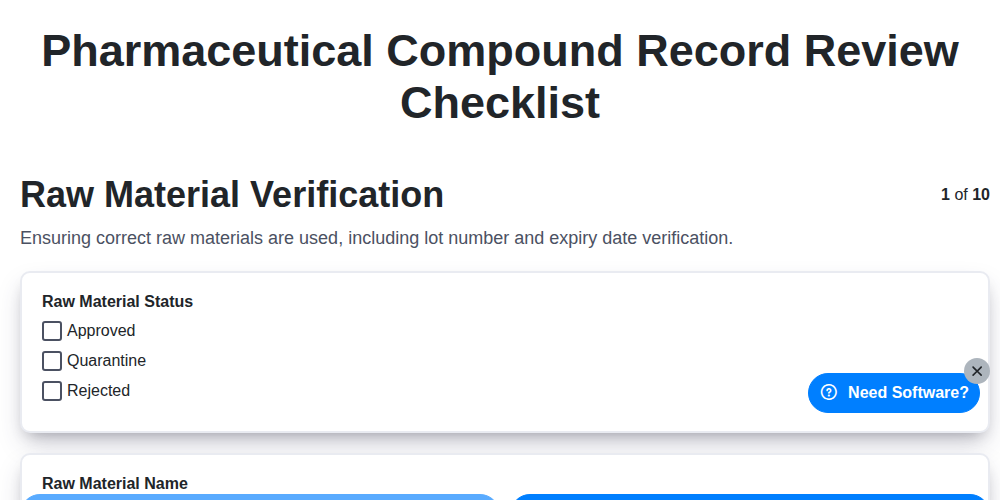
Ensuring Quality: A Pharmaceutical Compound Record Review Checklist Guide
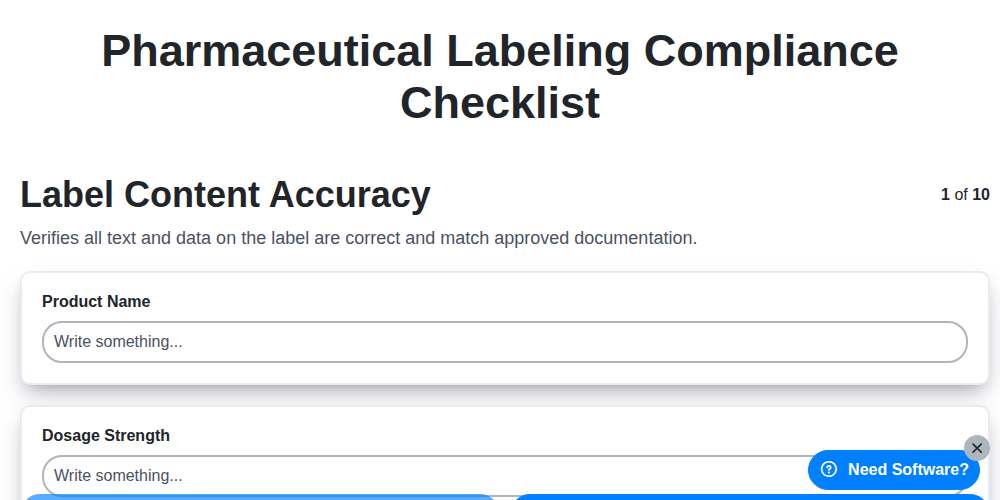
Pharmaceutical Labeling Compliance Checklist: Your Step-by-Step Guide
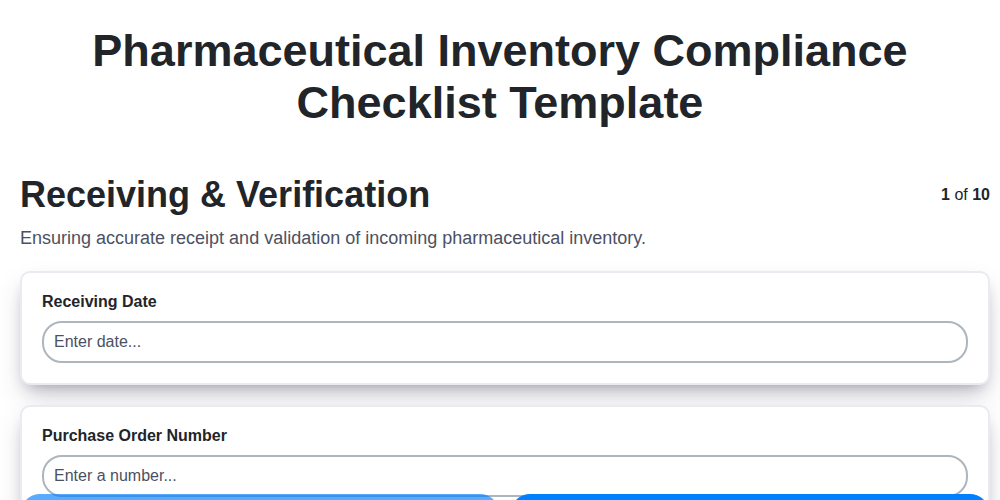
Mastering Medication Management: Your Pharmaceutical Inventory Compliance Checklist Template
Navigating Adverse Event Reporting: Your Pharmaceutical Checklist Guide
Pharmaceutical Inventory Management Checklist: Your Guide to Compliance & Accuracy
Your Essential GLP Checklist Template: A Practical Guide
Your Pharmaceutical Development Checklist: A Template for Success
Pharmaceutical Validation Checklist Template: Your Guide to Compliance
Need help with
Pharmaceutical?
Have a question? We're here to help. Please submit your inquiry, and we'll respond promptly.