Pharmaceutical Inventory Management Checklist: Your Guide to Compliance & Accuracy
Published: 11/25/2025 Updated: 07/02/2026
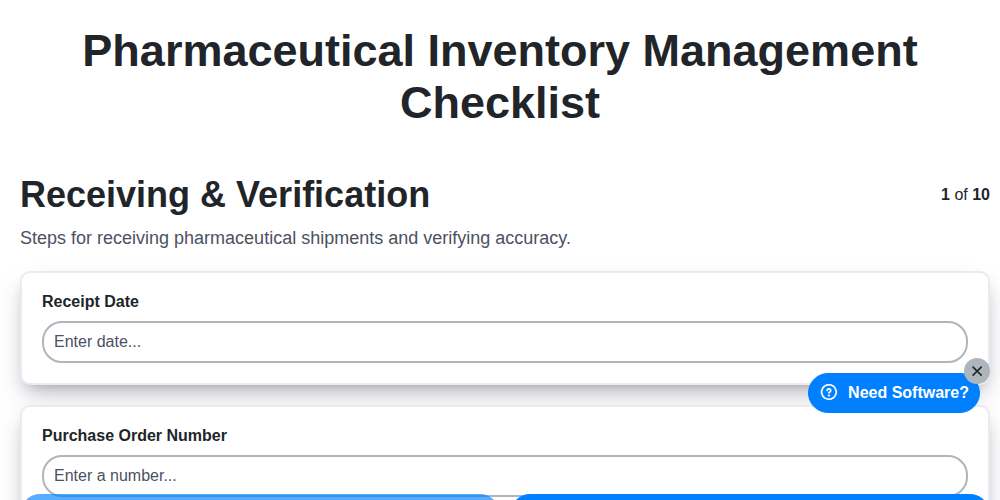
Table of Contents
- Introduction: Why a Pharmaceutical Inventory Management Checklist Matters
- 1. Receiving & Verification: Ensuring Accuracy from the Start
- 2. Maintaining Optimal Storage Conditions
- 3. FIFO/FEFO: Prioritizing Inventory Rotation
- 4. Stock Level Monitoring: Avoiding Shortages & Overstocking
- 5. Expiration Date Tracking: Minimizing Waste & Risk
- 6. Controlled Substance Handling: Security & Accountability
- 7. Temperature Excursion Management: Protecting Drug Integrity
- 8. Waste Disposal: Safe and Compliant Practices
- 9. Record Keeping & Documentation: Establishing an Audit Trail
- Resources & Links
TLDR: Running a pharmacy or handling pharmaceuticals? This checklist is your must-have! It covers everything from receiving and storage to waste disposal and security, ensuring you're compliant, accurate, and minimizing risks related to expiration, controlled substances, and temperature fluctuations. Download the template and simplify your inventory management!
Introduction: Why a Pharmaceutical Inventory Management Checklist Matters
Pharmaceutical inventory management isn't just about counting pills and vials. It's a critical process that directly impacts patient safety, regulatory compliance, and your organization's financial health. Incorrect dosages, expired medications, or lost stock can have devastating consequences, from compromising patient treatment to incurring significant fines and reputational damage. A well-structured pharmaceutical inventory management checklist is your first line of defense against these risks. It provides a systematic approach to ensuring accuracy, consistency, and accountability across every stage of the process, minimizing errors, optimizing stock levels, and safeguarding precious resources. This isn't just a nice-to-have; it's a must-have for any pharmacy, hospital, clinic, or healthcare facility handling pharmaceutical products.
1. Receiving & Verification: Ensuring Accuracy from the Start
The receiving process is the first critical touchpoint in your pharmaceutical inventory management system. Errors here can ripple through your entire operation, leading to stockouts, expired medications, and regulatory issues. This checklist step isn't just about unloading boxes; it's about ensuring accuracy and accountability.
Here's what your receiving & verification process should include:
- Advance Shipping Notice (ASN) Review: Compare the ASN to your purchase order before the shipment arrives. This proactive step identifies potential discrepancies upfront, minimizing surprises.
- Quantity Check: Meticulously verify the quantity of items received against both the ASN and purchase order. Document any discrepancies immediately.
- Condition Assessment: Inspect all incoming shipments for signs of damage (e.g., crushed containers, water damage). Reject damaged goods promptly, documenting the reason for rejection.
- Product Verification: Confirm the product name, strength, dosage form, and manufacturer match the purchase order. Don't rely solely on labels; cross-reference with your internal records.
- Lot Number Verification: Crucially, verify the lot numbers against your purchase order and record them accurately in your inventory system. This is vital for traceability and recall management.
- Serial Number Tracking (where applicable): For certain high-value or serialized products, ensure accurate serial number tracking.
- Date of Manufacture & Expiration Date Check: Confirm the dates are recorded upon receipt and are within acceptable parameters.
- System Update: Update your inventory management system immediately upon receiving and verifying the shipment. This ensures real-time visibility.
- Signature & Documentation: Require a signature from the receiving personnel and retain documentation of the receiving process.
2. Maintaining Optimal Storage Conditions
Pharmaceutical inventory is highly susceptible to degradation when exposed to unfavorable environmental factors. Maintaining strict control over storage conditions isn't just a best practice; it's a regulatory requirement vital for patient safety and product efficacy. This goes beyond simply keeping items off the floor.
Temperature and Humidity Control: Precise temperature and humidity levels are paramount. Refer to the manufacturer's instructions (package inserts, Certificates of Analysis - CoAs) for the acceptable range for each product. Consistent monitoring is critical; consider automated systems with alarms to alert staff of deviations. Document these readings meticulously (more on documentation later).
Light Sensitivity: Many pharmaceuticals are light-sensitive. Store these products in opaque containers or areas shielded from direct sunlight and fluorescent lighting. Consider amber glass containers or UV-protective films on windows.
Ventilation & Air Quality: Ensure adequate ventilation to prevent mold, mildew, and the buildup of potentially harmful chemicals. Regularly filter air to remove dust and particulate matter.
Cleanliness: A clean storage environment minimizes the risk of contamination. Implement a regular cleaning schedule and use appropriate cleaning agents that won't damage the product.
Segregation: Separate incompatible substances to prevent chemical reactions. Refer to a chemical compatibility chart for guidance.
Regular Audits: Conduct regular audits of storage conditions to verify compliance and identify areas for improvement. This should include visual inspection, temperature/humidity readings, and checks for signs of pest infestation.
3. FIFO/FEFO: Prioritizing Inventory Rotation
Effective inventory rotation is paramount in pharmaceutical settings, directly impacting patient safety and regulatory compliance. While both First-In, First-Out (FIFO) and First-Expiry, First-Out (FEFO) are vital strategies, understanding their nuances and applying them correctly is crucial.
FIFO (First-In, First-Out): This method dictates that the oldest inventory items are used or dispensed before newer ones. It's a foundational principle, ensuring that products haven't been sitting on the shelf for extended periods, minimizing the risk of degradation due to age. While a good starting point, FIFO doesn't always account for varying expiration dates.
FEFO (First-Expiry, First-Out): FEFO elevates the process. It prioritizes products closest to their expiration dates, regardless of when they were received. This is the preferred method in most pharmaceutical environments, as it significantly reduces the risk of medication waste due to expired products.
Implementing FEFO Effectively:
- Clear Labeling: All inventory must be clearly labeled with receipt dates and expiration dates.
- Strategic Placement: Arrange stock with the soonest expiration dates at the front of shelves or in easily accessible locations.
- Regular Audits: Conduct frequent visual checks to confirm FEFO principles are consistently followed.
- Training: Ensure all staff involved in inventory management understand the differences between FIFO and FEFO and are trained on proper rotation techniques.
- Software Integration: Leverage inventory management software that automatically sorts and alerts you to products nearing expiration, facilitating FEFO adherence.
Proper implementation of FEFO minimizes waste, reduces the risk of using expired medication, and demonstrates a commitment to patient safety and regulatory best practices.
4. Stock Level Monitoring: Avoiding Shortages & Overstocking
Maintaining optimal stock levels is a delicate balancing act in pharmaceutical inventory management. Too little, and you risk shortages that can impact patient care and disrupt operations. Too much, and you's facing increased storage costs, potential expiration losses, and tied-up capital.
Here's how to effectively monitor your stock levels:
- Establish Reorder Points: Calculate the minimum stock level that triggers a new order. This calculation should consider lead times (the time it takes to receive an order), average daily usage, and a safety stock buffer to account for unexpected demand spikes or supply chain delays.
- Regular Cycle Counts: Don't wait for annual physical inventories. Implement regular cycle counts - small, frequent audits of a portion of your inventory - to identify discrepancies between recorded and actual stock.
- Utilize Demand Forecasting: Analyze historical usage data, seasonal trends, and anticipated patient needs to forecast future demand. This proactive approach allows for more accurate ordering and prevents both shortages and overstocking.
- Leverage Technology: Inventory management software can automate reorder point calculations, track usage patterns, and generate alerts when stock levels approach critical thresholds.
- Analyze Trends: Periodically review stock level data to identify patterns and adjust reorder points and safety stock levels accordingly. Are certain medications consistently overstocked? Are others frequently out of stock? Understanding these trends is crucial for continuous improvement.
5. Expiration Date Tracking: Minimizing Waste & Risk
Expiration dates are non-negotiable in pharmaceutical inventory management. Ignoring them isn't just about financial loss; it's a significant patient safety risk. Expired medications can be ineffective or, in some cases, harmful. A robust expiration date tracking system is therefore a critical component of any successful pharmaceutical inventory management plan.
Here's how to implement effective expiration date monitoring:
- Automated Systems: Wherever possible, utilize inventory management software that automatically tracks expiration dates and generates alerts as products approach their expiration dates. This minimizes the reliance on manual checks and reduces the likelihood of human error.
- Clear Labeling & Visibility: Ensure all medications have clearly visible and legible expiration dates. When storing medications, arrange them so expiration dates are easily identifiable. Consider color-coding or other visual cues to highlight near-expiration products.
- Regular Audits: Conduct frequent, documented audits of your inventory specifically focused on expiration dates. Don't just rely on the system; a physical verification process helps identify discrepancies and potential issues.
- Quarantine and Segregation: Establish a clear protocol for isolating medications nearing expiration. This allows for prioritization in dispensing and potential redistribution (where legally permissible and appropriate).
- First Expire, First Out (FEFO) Integration: While FIFO is generally the standard, in the pharmaceutical setting, FEFO is often more critical. Prioritize dispensing medications with the earliest expiration dates first, regardless of when they were received.
- Record of Disposals: Maintain meticulous records of all expired medications that are removed from inventory, including the reason for disposal, quantity, and date. This documentation is essential for audits and demonstrates compliance.
6. Controlled Substance Handling: Security & Accountability
Handling controlled substances demands the utmost care and strict adherence to regulations. This isn't just about legal compliance; it's about patient safety and preventing diversion. Here's a breakdown of critical steps:
- Dual Control: Implement a dual control system where two authorized personnel are required for all dispensing, receiving, and destruction activities. This significantly reduces the risk of unauthorized access.
- Limited Access: Restrict access to controlled substances to only those individuals specifically authorized and trained. Utilize secure, locked storage, preferably with biometric access or keycard systems.
- Detailed Logs: Maintain meticulous records of all transactions, including receipt, dispensing, returns, and waste. Logs should include date, time, quantity, purpose, and signatures of all involved personnel.
- Regular Inventory Reconciliation: Conduct frequent, documented inventory counts (daily, weekly, or as dictated by regulations) and immediately investigate any discrepancies.
- Secure Destruction: Dispose of expired or unused controlled substances through a documented, secure destruction process following DEA guidelines. This should involve witness signatures and proper disposal methods.
- Training & Background Checks: Ensure all personnel handling controlled substances receive comprehensive training on regulations, security protocols, and proper handling procedures. Conduct thorough background checks prior to assignment.
- Reporting Procedures: Establish clear procedures for reporting suspected diversion or theft, ensuring prompt investigation and notification to relevant authorities.
7. Temperature Excursion Management: Protecting Drug Integrity
Temperature excursions - when drugs are exposed to temperatures outside their approved storage range - are a serious threat to pharmaceutical product integrity and patient safety. Even brief deviations can compromise potency, stability, and efficacy. A robust temperature excursion management process is critical.
Here's what your system should include:
- Continuous Monitoring: Implement reliable temperature monitoring systems with calibrated sensors strategically placed throughout storage areas. Data loggers are essential for recording temperatures at regular intervals (e.g., every 15-30 minutes). Consider redundant systems for backup.
- Alarm Systems: Establish clear alarm thresholds (high and low) based on the specific drug's requirements. Automatic alerts (visual and/or audible) should trigger when these thresholds are breached.
- Immediate Response Protocol: Define a documented procedure to follow immediately upon alarm activation. This should include identifying the cause of the excursion, assessing the impacted products, and implementing corrective actions (e.g., adjusting HVAC settings, relocating stock).
- Thorough Investigation: Every excursion, regardless of duration, must be thoroughly investigated. Determine the root cause - was it equipment malfunction, power outage, HVAC failure, or something else?
- Product Assessment: A critical step is assessing the impact on affected drugs. This requires reviewing product stability data, storage conditions, and excursion duration. Consult the drug's package insert and manufacturer's guidance for specific instructions.
- Documentation & Reporting: Meticulously document every excursion, the corrective actions taken, the product assessment, and the justification for any disposition decisions (e.g., quarantine, return to manufacturer, disposal). Maintain these records for the required retention period.
- Preventative Measures: Based on investigation findings, implement preventative measures to avoid future excursions. This could involve equipment upgrades, staff training, or procedural changes.
Remember, proactive temperature monitoring and a swift, well-defined response system are your best defenses against compromising drug integrity.
8. Waste Disposal: Safe and Compliant Practices
Pharmaceutical waste disposal isn't just about throwing things away; it's a critical component of regulatory compliance and patient safety. Improper disposal can lead to environmental contamination, potential harm to sanitation workers, and legal repercussions. This section outlines essential practices for handling pharmaceutical waste.
Key Considerations:
- Categorization is Crucial: Pharmaceuticals are typically categorized as hazardous or non-hazardous waste. Hazardous waste requires stricter disposal methods. Consult local, state, and federal regulations to determine proper classification.
- Segregation: Immediately segregate waste at the point of generation. Designate clearly labeled containers for different waste streams (e.g., hazardous, non-hazardous, sharps).
- Sharps Management: All sharps (needles, syringes, vials) must be disposed of in puncture-resistant, clearly labeled sharps containers. Never overfill sharps containers and follow strict protocols for disposal.
- Controlled Substance Waste: Controlled substances require specialized disposal methods outlined by DEA regulations. This often involves witness destruction or returning medications to a reverse distributor. Maintain meticulous records of all controlled substance disposal.
- Reverse Distributors: Consider utilizing a reputable reverse distributor for both hazardous and non-hazardous pharmaceutical waste. They handle the complex logistics and regulatory requirements of proper disposal.
- Documentation: Maintain detailed records of all waste generated, including type, quantity, disposal method, and personnel involved. This documentation is vital for audits and compliance.
- Employee Training: Regularly train all personnel involved in waste handling on proper procedures, safety precautions, and regulatory requirements.
- Avoid Sewer Disposal: Never dispose of pharmaceuticals down the drain or in the toilet. This is a significant environmental hazard.
Remember: Always consult your organization's established waste management plan and relevant regulatory guidelines for specific procedures and requirements.
9. Record Keeping & Documentation: Establishing an Audit Trail
Robust record keeping is the backbone of any successful pharmaceutical inventory management system. It's not just about ticking boxes; it's about creating a comprehensive audit trail that allows for traceability, accountability, and regulatory compliance.
Here's what your record keeping should encompass:
- Receiving Records: Document every receipt, including date, supplier, product name, lot number, quantity received, and the name of the receiving personnel. Discrepancies should be immediately investigated and documented.
- Storage Logs: Maintain logs detailing storage conditions - particularly temperature and humidity - with dates and times recorded. Any excursions outside of acceptable ranges must be noted (see section on Temperature Excursions).
- Inventory Movement Logs: Track all movement of pharmaceuticals within the facility. This includes transfers between locations, dispensing records, and any adjustments made to stock levels.
- Expiration Date Logs: Detailed records of expiration dates for each product, readily accessible for rotation and timely disposal.
- Waste Disposal Records: Maintain accurate records of all pharmaceutical waste, including product name, quantity, disposal method, and authorization.
- Controlled Substance Records: Meticulously track all controlled substances, adhering to DEA regulations and company policy. This includes receipt, dispensing, inventory adjustments, and security incidents.
- Training Records: Keep records of all personnel training on inventory management procedures, including receiving, storage, dispensing, and waste disposal.
- Inspection Records: Document all internal and external audits, noting findings and corrective actions taken.
Why is this important?
- Regulatory Compliance: Accurate records are essential for demonstrating compliance with regulatory requirements (e.g., FDA, DEA).
- Traceability: Quickly identify and track specific lots of pharmaceuticals in case of recalls or investigations.
- Accountability: Clearly define responsibility for inventory management tasks.
- Continuous Improvement: Analyze records to identify trends, potential problems, and opportunities for process optimization.
Pro Tip: Consider implementing an electronic inventory management system. These systems often automate record keeping, reduce errors, and improve data accessibility.
Resources & Links
- U.S. Food and Drug Administration (FDA): The FDA provides regulations and guidance related to pharmaceutical inventory management, storage, and distribution. Crucial for understanding compliance requirements and potential impact on drug integrity.
- United States Pharmacopeia (USP): USP sets standards for drug quality, purity, and potency, including aspects of pharmaceutical inventory management. Their guidance on storage and handling is essential.
- Centers for Disease Control and Prevention (CDC): Provides information on temperature and humidity control, particularly relevant for maintaining optimal storage conditions and managing temperature excursions. Useful for guidance on vaccine handling.
- American Society of Health-System Pharmacists (ASHP): ASHP offers resources, guidelines, and best practices for pharmacy professionals, including those related to inventory management and controlled substance handling.
- Pan American Health Organization (PAHO): PAHO offers valuable resources on pharmaceutical supply chain management, including cold chain management and inventory control, particularly relevant for broader perspective on pharmaceutical supply.
- International Society for Pharmaceutical Engineering (ISPE): ISPE provides guidance and best practices for pharmaceutical manufacturing and facilities, which includes aspects of inventory management and storage within a controlled environment.
- National Institute of Standards and Technology (NIST): NIST provides standards and guidelines related to temperature monitoring and calibration, vital for maintaining accurate temperature records and validating storage conditions.
- Defense Logistics Agency (DLA): While primarily a military logistics agency, DLA offers insights and strategies for inventory management, particularly relevant for large-scale pharmaceutical distribution and efficient stock level monitoring.
- Pharmacy Times: Pharmacy Times offers news, articles, and regulatory updates that often touch on pharmaceutical inventory management practices and compliance issues.
- Controlled Substances: A resource providing comprehensive information, including regulatory guidance, about controlled substances handling, security, and inventory management.
- WasteCode: Provides a comprehensive database of regulatory waste codes, crucial for pharmaceutical waste disposal practices.
Frequently Asked Questions
What is pharmaceutical inventory management and why is it important?
Pharmaceutical inventory management involves tracking and controlling medications from procurement to dispensing. It's crucial for patient safety, regulatory compliance (like DEA, FDA, and state boards of pharmacy), minimizing waste, preventing shortages, and maintaining financial stability for pharmacies and healthcare facilities.
Who needs to use this checklist?
This checklist is designed for pharmacists, pharmacy technicians, pharmacy managers, inventory specialists, and anyone involved in the procurement, storage, dispensing, and tracking of pharmaceutical products in pharmacies, hospitals, clinics, and other healthcare settings.
What are some of the key areas covered by this checklist?
The checklist covers areas such as receiving and inspecting deliveries, proper storage conditions (temperature, security), record-keeping procedures, controlled substance management, expiration date monitoring, cycle counts, physical inventories, and waste disposal.
What does 'compliance' refer to in the context of pharmaceutical inventory management?
'Compliance' means adhering to all applicable laws, regulations, and industry best practices. This includes federal guidelines (DEA, FDA), state pharmacy laws, and accreditation standards (like Joint Commission).
What is the difference between a cycle count and a physical inventory?
A cycle count is a regularly scheduled, smaller-scale inventory check of a portion of the inventory. A physical inventory is a comprehensive count of all inventory items, typically done less frequently (e.g., annually or semi-annually).
Why is proper storage important for pharmaceutical products?
Temperature, light, and humidity significantly impact medication stability and efficacy. Improper storage can lead to degradation, potency loss, and potential harm to patients. The checklist helps ensure medications are stored according to manufacturer guidelines.
What should I do if I discover an expired medication during a cycle count or physical inventory?
Expired medications must be removed from inventory immediately. Follow your facility's established procedure for disposal, which typically involves proper documentation and secure disposal methods that comply with federal and state regulations. Record the disposal in your inventory system.
What are some best practices for managing controlled substances?
Controlled substance management requires stringent measures. This includes maintaining accurate records (logbooks, inventory software), securing storage areas (double-locked cabinets), conducting regular reconciliation, performing background checks on personnel, and following DEA regulations precisely. The checklist emphasizes these points.
How can I use inventory management software to improve accuracy and efficiency?
Inventory management software automates many tasks, reduces manual errors, tracks lot numbers, provides real-time visibility into inventory levels, generates reports, and simplifies reconciliation processes. While software helps, it's crucial to maintain human oversight and verification.
Where can I find more information about specific regulations (DEA, FDA, state pharmacy boards)?
Refer to the official websites of the Drug Enforcement Administration (DEA), the Food and Drug Administration (FDA), and your state's pharmacy board. Consult with legal counsel or a pharmacy consultant for clarification on complex regulatory requirements.
Comments
There are no comments yet. Be the first to add one!
Pharmaceutical Management Solution Demo
Navigating complex regulations and ensuring quality in pharmaceutical manufacturing? ChecklistGuro's Work OS platform streamlines processes from R&D to production, packaging, and distribution. Maintain compliance, improve efficiency, and reduce risk. Discover how ChecklistGuro can transform your pharmaceutical operations!
Related Articles
Navigating Pharmaceutical Overage Evaluations: A Comprehensive Checklist
Pharmaceutical Labeling Compliance Checklist: Your Step-by-Step Guide
Mastering Medication Management: Your Pharmaceutical Inventory Compliance Checklist Template
Navigating Adverse Event Reporting: Your Pharmaceutical Checklist Guide
Pharmaceutical Validation Checklist Template: Your Guide to Compliance
Your Essential GLP Checklist Template: A Practical Guide
Your Pharmaceutical Development Checklist: A Template for Success
Ensuring Quality: A Pharmaceutical Compound Record Review Checklist Guide
Need help with
Pharmaceutical?
Have a question? We're here to help. Please submit your inquiry, and we'll respond promptly.