Pharmaceutical Cold Chain Compliance Checklist: Your Essential Guide
Published: 11/25/2025 Updated: 07/02/2026
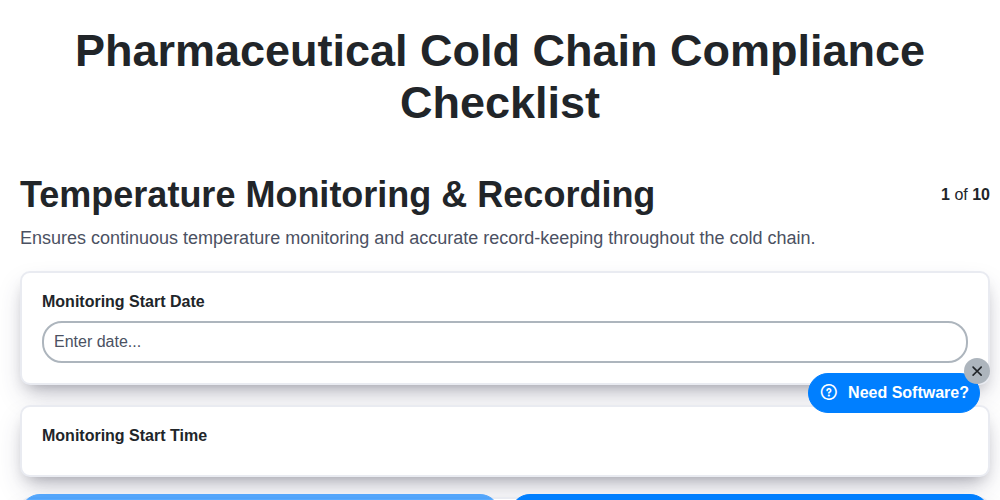
Table of Contents
- Introduction: Why Cold Chain Compliance Matters
- 1. Temperature Monitoring & Recording: The Foundation of Control
- 2. Equipment Calibration & Maintenance: Ensuring Accuracy and Reliability
- 3. Transportation Validation: Mapping and Maintaining Temperature Integrity
- 4. Packaging & Insulation: Protecting Products from Fluctuations
- 5. Deviation Management & Corrective Actions: Responding to Unexpected Events
- 6. Documentation & Traceability: Building a Robust Audit Trail
- 7. Training & Personnel: Empowering Your Team
- 8. Facility Compliance: Maintaining a Controlled Environment
- Resources & Links
TLDR: Keeping vaccines and medications safe requires strict cold chain management. This checklist simplifies compliance by covering key areas like temperature monitoring, equipment maintenance, transport validation, and personnel training. Use it to ensure product integrity, minimize risks, and stay audit-ready - a vital tool for pharmaceutical professionals!
Introduction: Why Cold Chain Compliance Matters
Maintaining the integrity of pharmaceutical products throughout their journey - from manufacturing to patient - hinges on a robust and meticulously managed cold chain. These medications, often including vaccines, biologics, and insulin, are highly sensitive to temperature fluctuations. Even brief excursions outside the specified temperature range can compromise their efficacy and safety, rendering them useless or, worse, harmful.
The consequences of cold chain failure are significant. They can lead to product recalls, financial losses, damage to a company's reputation, and, most importantly, potential harm to patients. Regulatory bodies like the FDA and EMA place stringent requirements for cold chain management, demanding comprehensive processes and documentation. This isn't just about keeping things cold; it's about ensuring consistent, verifiable conditions throughout the entire supply chain, minimizing risk and maximizing patient safety. That's where a comprehensive compliance checklist becomes your essential guide.
1. Temperature Monitoring & Recording: The Foundation of Control
Maintaining a consistent, documented temperature profile is the bedrock of pharmaceutical cold chain compliance. This isn't just about having a thermometer; it's about a robust, validated system. Here's what's essential:
- Validated Temperature Sensors: Use calibrated and validated temperature sensors with appropriate accuracy and range for your product's temperature requirements. Don't assume - verify!
- Multiple Data Loggers: Deploy multiple data loggers strategically throughout storage and transport areas. This provides redundancy and allows for a more comprehensive view of temperature fluctuations.
- Continuous Recording: Implement a system for continuous, real-time temperature monitoring and recording. Manual logging is prone to error and delays; automated systems offer superior accuracy and responsiveness.
- Alarm Systems: Establish clear, responsive alarm thresholds. When temperatures breach defined limits, alarms should trigger immediate notifications to designated personnel.
- Data Review & Analysis: Regularly review recorded temperature data, identifying trends and potential areas of concern. Implement corrective actions based on findings.
- Backup Power: Ensure uninterrupted data logging during power outages with reliable backup power solutions for temperature monitoring devices.
- Data Security: Protect temperature data from unauthorized access and tampering through secure storage and access protocols.
2. Equipment Calibration & Maintenance: Ensuring Accuracy and Reliability
Maintaining a robust cold chain hinges on the consistent and accurate performance of your monitoring and storage equipment. Regular calibration and maintenance aren't just best practices; they're critical for ensuring product integrity and avoiding costly deviations.
Why it Matters: Temperature recorders, data loggers, refrigerators, freezers, and transport vehicles all require meticulous upkeep. Drift in calibration can lead to inaccurate temperature readings, masking potential excursions and compromising product quality. Unexpected equipment failures can halt shipments and create significant disruptions.
Key Elements of a Strong Calibration & Maintenance Program:
- Defined Schedule: Implement a documented schedule for calibration and maintenance, based on manufacturer recommendations, regulatory requirements (e.g., USP <1111>), and your company's risk assessment.
- Qualified Personnel: Calibration should be performed by trained and qualified personnel, either in-house or through a reputable external service provider. Maintain records of qualifications and certifications.
- Traceable Standards: Ensure that calibration standards are traceable to national or international standards (e.g., NIST).
- Documentation: Meticulously document all calibration and maintenance activities, including dates, results, and any corrective actions taken. This documentation is vital for audits and investigations.
- Preventive Maintenance: Implement a preventive maintenance schedule beyond calibration, addressing issues like filter changes, defrost cycles, and overall equipment performance.
- Regular Inspections: Conduct routine visual inspections of equipment for any signs of damage or malfunction.
- Software Validation: For digitally connected equipment or software used in data logging, validation and regular verification are crucial to ensure data integrity.
By prioritizing a proactive calibration and maintenance program, you're investing in the long-term stability and compliance of your pharmaceutical cold chain.
3. Transportation Validation: Mapping and Maintaining Temperature Integrity
Maintaining product integrity during transit is a critical component of pharmaceutical cold chain compliance. Transportation validation goes far beyond simply choosing a carrier; it's a rigorous process of demonstrating and continually verifying that your products remain within specified temperature ranges throughout the entire journey - from origin to destination.
Mapping the Journey: The first step is thorough route mapping. This includes identifying every stage of the transport process, from initial pick-up to final delivery. Consider factors like:
- Route Selection: Assess potential exposure to extreme temperatures (e.g., mountain passes, deserts) and traffic congestion.
- Mode of Transport: Different modes (truck, air, rail) have varying temperature profiles. Account for these differences.
- Handling Points: Identify all points where the product is handled (loading/unloading, customs, transfers between vehicles). Each handling point introduces risk.
Temperature Mapping Studies: Following route mapping, conduct temperature mapping studies using calibrated data loggers placed strategically within the shipment and vehicle. These loggers record temperature fluctuations at regular intervals. The data collected provides a detailed temperature profile, highlighting potential vulnerabilities. Multiple runs, simulating different seasonal conditions and carrier performance, are highly recommended.
Validation Protocols & Acceptance Criteria: Establish clear validation protocols outlining the methodology, equipment used, and acceptance criteria for temperature excursions. These criteria should be scientifically justified and aligned with regulatory guidelines and product specifications.
Ongoing Monitoring & Review: Transportation validation isn't a one-time event. Regularly review transportation data, update mapping studies as routes or carriers change, and proactively address any identified weaknesses. Implement corrective actions based on data analysis, and revalidate when significant changes occur (e.g., new carrier, route alteration, updated packaging). This continuous improvement approach ensures ongoing product integrity and compliance.
4. Packaging & Insulation: Protecting Products from Fluctuations
Maintaining consistent temperatures during transit relies heavily on robust packaging and insulation. This isn't just about throwing a product in a box - it's a meticulously planned process. Your packaging strategy must account for ambient temperature variations, transit duration, potential delays, and even the specific product's sensitivity.
Key Considerations:
- Insulated Container Selection: Choose containers (e.g., insulated boxes, temperature-controlled shippers) appropriate for the product's temperature range and the expected transit conditions. Consider factors like R-value (insulating ability) and construction materials.
- Coolant/Phase Change Material (PCM) Selection: If temperature excursions below a defined range are a risk, PCMs are vital. Select the correct type and quantity of coolant based on the required temperature maintenance period and anticipated temperature fluctuations. Calculate the amount of coolant needed accurately to prevent over- or under-cooling.
- Packaging Material Integrity: Regularly inspect packaging materials for damage (tears, cracks, compression). Compromised materials significantly reduce insulation effectiveness.
- Void Fill: Utilize appropriate void fill to prevent product movement and ensure consistent contact with the insulation and coolant.
- Labeling: Clearly label packages with temperature sensitivity warnings, handling instructions (e.g., Keep Refrigerated, Do Not Expose to Sunlight), and emergency contact information.
- Qualification & Validation: Packaging solutions should be qualified and validated to demonstrate their ability to maintain product temperature within acceptable limits under simulated transport conditions. This should include challenges like exposure to high and low temperatures.
- Review and Improvement: Continuously review packaging performance and make improvements based on data collected from temperature monitoring and any incidents.
5. Deviation Management & Corrective Actions: Responding to Unexpected Events
The pharmaceutical cold chain isn't always predictable. Equipment malfunctions, unexpected delays, or even minor temperature excursions can happen. A robust deviation management and corrective action (CAPA) system is your safety net, ensuring that these incidents don't compromise product quality or patient safety.
This isn't simply about noting down a problem; it's a structured process. Here's what a strong system entails:
- Clear Reporting Procedures: Define how deviations must be reported - who is responsible, what details are required (date, time, product affected, magnitude of the excursion, etc.), and the reporting channels. Encourage a "no blame" culture to ensure all deviations are reported openly.
- Root Cause Analysis: Don't just fix the immediate problem. Thoroughly investigate why the deviation occurred. Tools like the "5 Whys" or Fishbone diagrams can be invaluable in uncovering the underlying cause.
- Corrective Actions: Implement measures to prevent recurrence. These actions should be documented and specific, including responsible parties and deadlines.
- Preventative Actions: Beyond the immediate deviation, consider what other processes might be vulnerable and implement proactive changes to prevent future issues.
- Verification & Validation: After corrective actions are implemented, verify their effectiveness through monitoring and validation activities. Are they truly preventing recurrence?
- Documentation & Review: Maintain detailed records of all deviations, investigations, corrective actions, and validation results. Regularly review this data to identify trends and opportunities for further improvement.
A proactive deviation management system isn't a burden; it's a key element of a resilient and compliant cold chain.
6. Documentation & Traceability: Building a Robust Audit Trail
Maintaining meticulous documentation and ensuring complete traceability is paramount for pharmaceutical cold chain compliance. It's not just about doing the right things; it's about proving you did. A robust audit trail allows you to demonstrate adherence to regulations, quickly identify and rectify issues, and build confidence in your product's integrity.
Here's what a strong documentation & traceability system encompasses:
- Comprehensive Records: This includes everything from temperature monitoring logs (both continuous and spot checks), calibration records for equipment, validation reports for transportation and packaging, deviation reports, training records for personnel, supplier audits, and more. Digital systems are increasingly preferred for ease of access, searchability, and data integrity.
- Batch Records: Detailed records for each batch of product, linking it to specific storage conditions, transportation routes, and personnel involved. This enables pinpointing the origin of any deviations.
- Data Integrity Principles: Adherence to ALCOA principles (Attributable, Legible, Contemporaneous, Original, and Accurate) is crucial. Ensure data is reliable and cannot be easily altered without proper authorization and audit trails.
- Clear Retention Policies: Establish and strictly follow defined retention periods for all records, aligned with regulatory requirements.
- Electronic Signatures & Audit Trails: If using electronic systems, implement secure electronic signatures and audit trails to track changes and user access.
- Regular Review & Archiving: Schedule periodic reviews of documentation to identify gaps and opportunities for improvement. Implement secure archiving procedures to ensure long-term data accessibility.
A well-managed documentation system isn's just paperwork; it's your lifeline in an audit and your key to maintaining product quality and patient safety.
7. Training & Personnel: Empowering Your Team
The strength of any cold chain compliance program lies in the people executing it. Insufficient or inadequate training can quickly undermine even the most robust procedures and technologies. This section isn't just about ticking a box; it's about fostering a culture of awareness and responsibility within your team.
What needs to be covered?
- Cold Chain Principles: A foundational understanding of why temperature control is critical for pharmaceutical product integrity and patient safety.
- Specific Procedures: Detailed training on all aspects of the checklist - from temperature monitoring techniques and equipment operation to deviation reporting and corrective actions.
- Equipment Operation & Maintenance: Hands-on training on all monitoring, recording, and packaging equipment. This includes regular refreshers to ensure proficiency.
- Deviation Reporting & Handling: Clear instruction on recognizing deviations, promptly reporting them, and understanding the subsequent investigation process.
- Regulatory Requirements: An overview of applicable regulations (e.g., GDP, USP <1111>) and their relevance to daily tasks.
Beyond the Basics:
- Role-Specific Training: Tailor training to individual roles - warehouse staff, drivers, quality assurance, etc.
- Regular Refresher Courses: Knowledge fades. Annual or bi-annual refreshers keep skills sharp.
- Documentation: Maintain detailed training records including dates, topics covered, and assessment results.
- Assessment & Competency Evaluation: Regularly assess personnel's understanding and ability to perform critical tasks.
Ultimately, investing in thorough and ongoing training for your personnel is an investment in the safety and efficacy of your pharmaceutical products and the integrity of your cold chain.
8. Facility Compliance: Maintaining a Controlled Environment
Facility compliance is paramount in pharmaceutical cold chain management. It goes beyond just having refrigerators and freezers; it's about ensuring the entire facility - from receiving docks to storage areas - consistently maintains the required temperature ranges and conditions.
This includes rigorous assessment and upkeep of:
- HVAC Systems: Regular inspection, maintenance, and validation of heating, ventilation, and air conditioning systems are crucial for consistent temperature control.
- Building Envelope: Addressing potential issues like drafts, inadequate insulation, and sunlight exposure that can compromise temperature stability.
- Cleanliness and Pest Control: Maintaining a clean environment minimizes the risk of contamination, which can impact product integrity. A robust pest control program is essential.
- Security: Secure access to cold storage areas is vital to prevent unauthorized entry and potential temperature excursions.
- Emergency Power: Validated and tested emergency power systems are mandatory to safeguard product integrity during power outages. Back-up generators need regular maintenance and testing.
- Monitoring Systems: Consistent and reliable temperature and humidity monitoring systems within the facility itself, not just within storage units. These should be regularly verified and calibrated.
- Layout and Design: The facility layout should facilitate efficient workflows and minimize temperature fluctuations during product movement.
Regular audits and inspections are essential to confirm ongoing facility compliance and identify areas for improvement. Addressing any identified non-conformities promptly is vital for maintaining the cold chain's integrity and protecting product quality.
Resources & Links
- World Health Organization (WHO) - Cold Chain Management: Provides comprehensive guidance and resources on cold chain management for vaccines and pharmaceuticals, covering planning, equipment, logistics, and monitoring. A foundational resource for understanding principles.
- U.S. Food and Drug Administration (FDA): The FDA's website provides regulatory guidance, alerts, and compliance information related to pharmaceutical cold chain management in the United States, including temperature control guidance for drugs.
- United States Pharmacopeia (USP): USP provides standards and guidance, particularly USP <1158>, which outlines best practices for temperature controls in pharmaceutical manufacturing and distribution - critical for ensuring product quality and safety.
- GS1: GS1 standards, particularly for barcode and RFID technologies, are vital for traceability and data capture throughout the cold chain, facilitating proper product identification and tracking. Explore their standards for serialization.
- International Society for Pharmaceutical Engineering (ISPE): ISPE provides guidance, best practices, and networking opportunities related to pharmaceutical engineering and manufacturing, often including cold chain considerations. They have various resources and guides available for members.
- BioMark Technology: Provider of temperature monitoring solutions. Useful for understanding different temperature sensors and systems, including wireless and cloud-based options.
- Validus Corp: Offers validation and compliance services for cold chains. Provides expertise and supports organizations in qualifying their transportation and storage conditions.
- Emerson: Offers various temperature monitoring and control equipment suitable for pharmaceutical cold chains, providing solutions for data logging and process management.
- Thermo Fisher Scientific: Provides a wide range of cold chain packaging solutions, including insulated containers, refrigerants, and temperature monitoring devices, along with scientific instruments used for precise measurement.
- Centers for Disease Control and Prevention (CDC): While primarily focused on vaccine cold chain, the CDC's guidance on storage and transportation principles are broadly applicable to other temperature-sensitive pharmaceuticals. Offers practical tips for maintaining integrity.
- Pharmaceutical Online: A resource for the pharmaceutical industry. Search for articles related to cold chain compliance, temperature monitoring, and logistics to stay informed on current trends and best practices.
Frequently Asked Questions
What is the pharmaceutical cold chain?
The pharmaceutical cold chain refers to the temperature-controlled supply chain for drugs that require specific temperature ranges to maintain their efficacy and safety. It encompasses every step from manufacturing to patient administration, ensuring products remain within defined temperature limits.
Why is cold chain compliance so important in the pharmaceutical industry?
Failure to maintain proper temperature control can compromise drug quality, leading to reduced efficacy, increased risk of adverse effects, and potential regulatory penalties. Compliance ensures patient safety and product integrity.
Who is responsible for cold chain compliance?
Responsibility is shared across the entire supply chain. This includes manufacturers, distributors, logistics providers, pharmacies, and healthcare facilities. Each entity has specific roles and responsibilities to uphold.
What are the key areas covered in this compliance checklist?
The checklist covers areas such as temperature monitoring, packaging, transportation, storage, documentation, validation, training, and emergency response procedures. It aims to identify potential vulnerabilities and ensure adherence to industry best practices and regulations.
What regulations and guidelines are relevant to pharmaceutical cold chain compliance?
Relevant regulations and guidelines include, but aren't limited to, Good Distribution Practice (GDP) guidelines, USP <1157>, FDA regulations (21 CFR Part 211), GDP guidelines from various national authorities (e.g., EMA, MHRA), and industry standards like those from ASHP and ISPE.
What types of temperature monitoring equipment should be used?
Appropriate temperature monitoring equipment includes data loggers, temperature sensors, temperature indicators, and real-time monitoring systems. The specific equipment chosen should be validated and calibrated regularly.
How often should temperature monitoring data be reviewed?
Temperature monitoring data should be reviewed regularly, ideally daily during transport and at least weekly during storage, to identify and address any deviations promptly. Trending data analysis is crucial for proactive risk management.
What should be done if a temperature excursion occurs?
A documented procedure should be in place to address temperature excursions. This includes investigation, assessment of product impact, corrective actions (e.g., quarantine, retesting), and preventative measures to avoid recurrence.
What is validation and why is it important in the cold chain?
Validation involves demonstrating and documenting that cold chain processes, equipment, and systems consistently perform as expected. It ensures reliability and builds confidence in the integrity of the cold chain.
How can personnel be adequately trained on cold chain procedures?
Training programs should cover the importance of cold chain integrity, proper handling techniques, equipment operation, and emergency response protocols. Regular refresher training is essential to maintain competency.
Comments
There are no comments yet. Be the first to add one!
Pharmaceutical Management Solution Demo
Navigating complex regulations and ensuring quality in pharmaceutical manufacturing? ChecklistGuro's Work OS platform streamlines processes from R&D to production, packaging, and distribution. Maintain compliance, improve efficiency, and reduce risk. Discover how ChecklistGuro can transform your pharmaceutical operations!
Related Articles
Ensuring Quality: A Pharmaceutical Compound Record Review Checklist Guide
Pharmaceutical Labeling Compliance Checklist: Your Step-by-Step Guide
Mastering Medication Management: Your Pharmaceutical Inventory Compliance Checklist Template
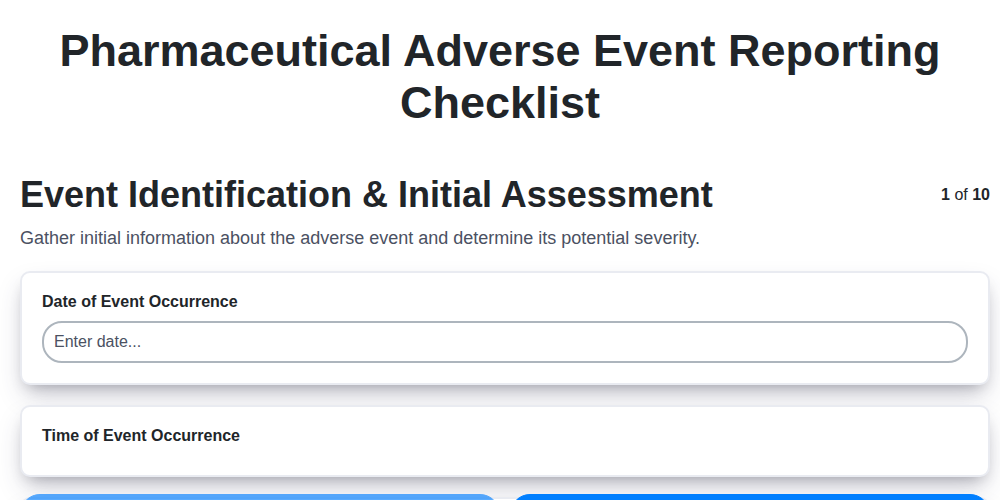
Navigating Adverse Event Reporting: Your Pharmaceutical Checklist Guide
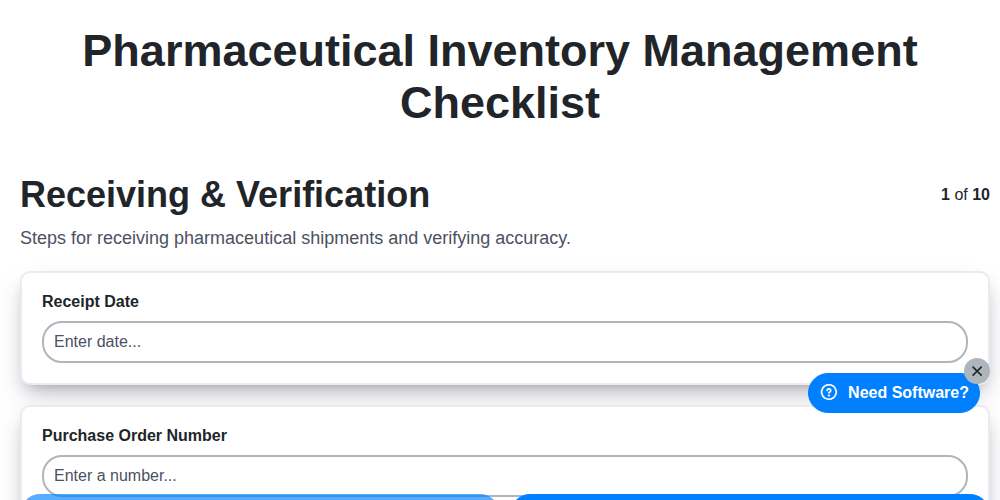
Pharmaceutical Inventory Management Checklist: Your Guide to Compliance & Accuracy
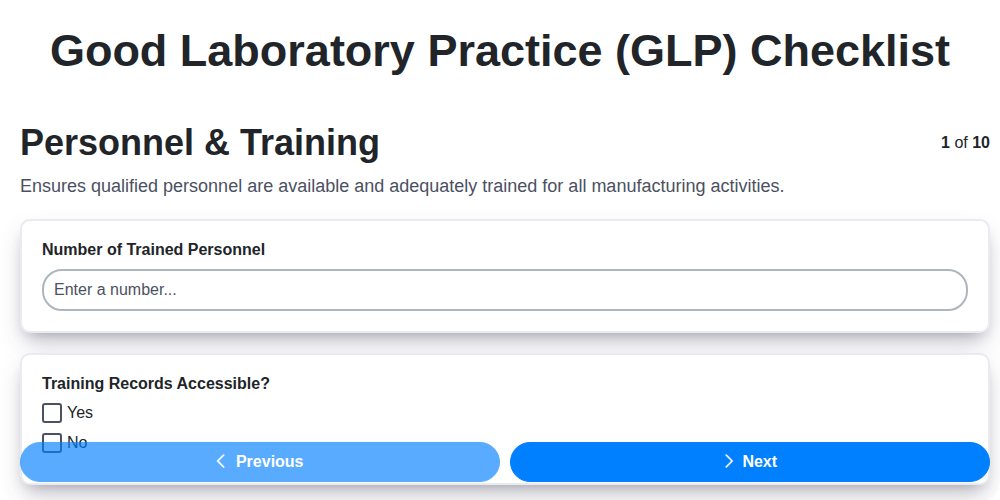
Your Essential GLP Checklist Template: A Practical Guide
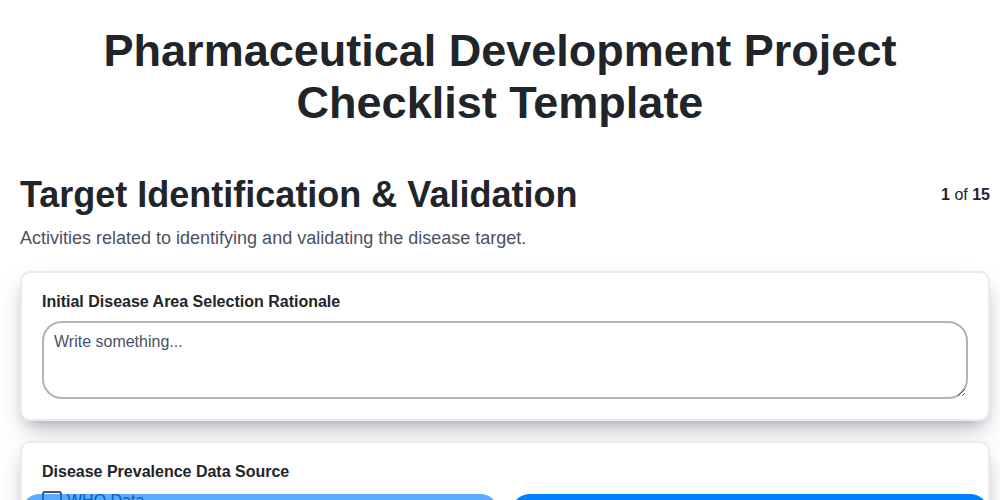
Your Pharmaceutical Development Checklist: A Template for Success
Pharmaceutical Validation Checklist Template: Your Guide to Compliance
Need help with
Pharmaceutical?
Have a question? We're here to help. Please submit your inquiry, and we'll respond promptly.