Ensuring Compliance: Your Pharmaceutical Equipment Calibration Checklist Template
Published: 11/25/2025 Updated: 07/02/2026
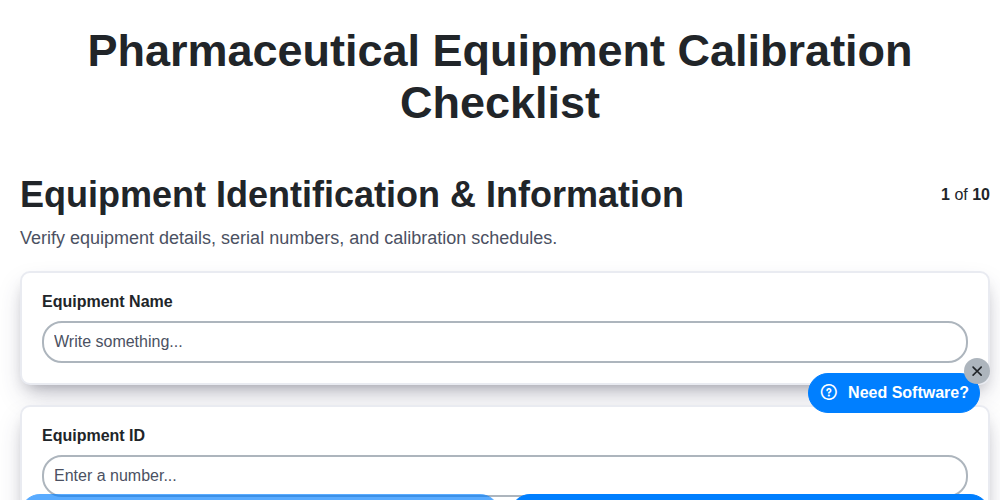
Table of Contents
- Why is Pharmaceutical Equipment Calibration Crucial?
- Understanding Calibration Standards & Their Verification
- Essential Pre-Calibration Checks: Setting the Stage
- Executing the Calibration Procedure: A Step-by-Step Guide
- Meticulous Calibration Data Recording: Your Evidence Trail
- Tolerance Evaluation: Assessing Performance Against Requirements
- Adjustment & Repair: Addressing Deviations
- Post-Calibration Verification: Confirming Accuracy
- Documentation, Labeling & Review: Completing the Process
- Resources & Links
TLDR: Keep your pharmaceutical equipment running safely and accurately with this essential calibration checklist template! It guides you through every step - from identifying equipment and verifying standards to recording data, evaluating tolerances, and documenting everything. Stay compliant with regulations and avoid costly errors by consistently following this proven process.
Why is Pharmaceutical Equipment Calibration Crucial?
Pharmaceutical manufacturing operates within a highly regulated environment where patient safety and product quality are paramount. Equipment calibration plays a critical, non-negotiable role in maintaining these standards. Without accurate and reliable equipment, the integrity of your products is at serious risk.
Imagine a temperature-controlled storage unit failing to maintain the correct temperature, potentially degrading medication. Or a pH meter providing inaccurate readings, impacting formulation consistency. These aren't just theoretical concerns; they can lead to product recalls, regulatory scrutiny, and ultimately, jeopardize patient well-being.
Calibration ensures that your instruments and equipment consistently deliver measurements within acceptable limits, directly impacting process control, product uniformity, and overall quality assurance. It's not just about meeting regulatory requirements (like those from the FDA or EMA); it's about upholding your company's commitment to providing safe and effective medications. Investing in a robust calibration program is an investment in your reputation, your compliance, and most importantly, the health of the patients who rely on your products.
Understanding Calibration Standards & Their Verification
Calibration isn't just about running a procedure; it's fundamentally reliant on the accuracy and traceability of your calibration standards. These standards are meticulously crafted devices or materials with known, highly accurate values - essentially, the benchmarks against which your pharmaceutical equipment is measured.
Before any calibration work begins, verifying these standards is absolutely critical. It's not enough to simply assume they're correct. This verification process typically involves checking their own calibration status, often by comparing them to higher-level standards or sending them back to an accredited calibration laboratory for periodic re-validation.
Key considerations during standard verification include:
- Traceability: Ensuring your standards are traceable to national or international measurement standards (e.g., NIST in the US, UKAS in the UK) is paramount. This establishes an unbroken chain of comparisons back to those primary standards.
- Expiration Dates: Calibration standards have expiration dates. Using expired standards invalidates the entire calibration process.
- Condition & Handling: Physical damage, improper storage, or rough handling can compromise a standard's accuracy. Visual inspection and adherence to manufacturer's guidelines are essential.
- Environmental Conditions: Temperature, humidity, and pressure can impact standard accuracy. Calibration should account for these factors, and standards should be handled and stored appropriately.
Documenting the verification process - including the standard's identification, verification date, and the results - is a vital part of maintaining calibration records and demonstrating compliance with regulatory requirements. Failing to properly verify your calibration standards introduces error into the entire calibration process, potentially impacting product quality and patient safety.
Essential Pre-Calibration Checks: Setting the Stage
Before you even touch the calibration procedure itself, a thorough set of pre-calibration checks is absolutely crucial. Skipping these steps can lead to inaccurate results, wasted time, and potentially compromised product quality. Think of them as laying the foundation for a successful calibration.
First and foremost, Equipment Identification & Information Verification is paramount. Double-check that the equipment being calibrated matches the documentation, including model number, serial number, and location. Any discrepancies need to be resolved before proceeding.
Next, Calibration Standard Verification is non-negotiable. The accuracy of your calibration hinges on the precision of your standards. Ensure they are within their own traceable calibration dates and have been properly stored. A quick verification check of the standard's output against its certificate is a simple yet effective measure.
Finally, Initial Equipment Assessment is vital. Observe the equipment's physical condition. Note any visible damage, unusual noises, or anything out of the ordinary. Perform preliminary checks like power supply stability, warm-up time adherence (if required), and basic functionality tests. Document these observations - they can provide valuable insights if issues arise during the calibration process. This isn't a full diagnostic, but a focused check to identify anything that might interfere with the calibration's validity.
Executing the Calibration Procedure: A Step-by-Step Guide
This is arguably the most critical section of the pharmaceutical equipment calibration process. Deviating from established procedures can compromise results and potentially impact product quality. Here's a breakdown of how to execute the calibration procedure effectively:
1. Review the Equipment-Specific Procedure: Before touching the equipment, meticulously review the documented calibration procedure for that specific piece of equipment. These procedures outline the exact steps, required standards, and expected results. Don't assume anything; understanding the nuances is key.
2. Preparation of Standards: Ensure your calibration standards are within their valid calibration dates and have been verified for traceability. Record the standard's serial number, calibration date, and uncertainty in your calibration data sheet. Proper standard handling (temperature control, storage) is vital.
3. Following the Defined Steps: The documented procedure will provide a specific sequence of measurements. Follow this sequence exactly. Minor deviations can skew results. Pay close attention to any specific environmental conditions (temperature, humidity) required during the calibration.
4. Accurate Measurement & Recording: Use the approved measurement tools and techniques outlined in the procedure. Take multiple readings at each calibration point, typically three or more, and record all readings accurately in the designated data sheet. Note any unusual observations during the measurements.
5. Recognizing & Addressing Anomalies: If you encounter any unexpected behavior during the calibration - unusual noises, fluctuating readings, or anything outside the expected performance - immediately stop the procedure. Document the anomaly and consult with a qualified engineer or supervisor before proceeding. Continuing with a faulty instrument can invalidate the entire calibration.
6. Maintaining Calibration Documentation: Throughout the process, keep your data sheets organized and legible. This documentation serves as the evidence of your work and is essential for audit trails and troubleshooting.
Meticulous Calibration Data Recording: Your Evidence Trail
Calibration isn't just about achieving accurate readings; it's about demonstrating that accuracy. Robust calibration data recording forms the backbone of a defensible quality system within the pharmaceutical industry. This isn't just a nice-to-have; it's a critical requirement for regulatory compliance (think FDA, EMA, etc.).
What constitutes meticulous recording? It goes beyond simply jotting down numbers. Your records should include:
- Unique Equipment Identifier: Correlate readings directly to the specific piece of equipment being calibrated.
- Calibration Date & Time: Precise timestamps are essential for traceability.
- Calibration Technician Information: Who performed the calibration? Their credentials and training should be documented.
- Calibration Standard Details: Record the serial number, calibration certificate, and expiry date of the standards used. This ensures the integrity of the entire process.
- As-Found & As-Left Values: Document the initial state before any adjustments and the final state after calibration. This clearly shows any drift or degradation.
- Environmental Conditions: Record temperature, humidity, and any other relevant environmental factors that could influence readings.
- Calibration Procedure Used: Reference the specific procedure followed - version number, revision date, etc.
- Any Deviations & Corrective Actions: If the procedure wasn't followed precisely or anomalies were observed, document them thoroughly.
- Calculations: Show the calculations used to determine calibration results and assess tolerance compliance.
Digital calibration management systems often automate much of this, ensuring consistency and reducing the risk of human error. However, even with paper records, clarity, legibility, and completeness are paramount. Remember, these records are your evidence that your equipment is performing as it should-and that's crucial for maintaining product quality and regulatory adherence.
Tolerance Evaluation: Assessing Performance Against Requirements
Calibration isn't just about getting a reading; it's about ensuring that reading falls within acceptable limits. This is where tolerance evaluation comes in. After the calibration procedure execution, you need to meticulously compare the measured values against the manufacturer's specifications and defined tolerances.
This involves:
- Comparing Results: Each data point obtained during calibration must be analyzed to determine if it lies within the pre-defined tolerance band.
- Identifying Out-of-Tolerance Readings: Clearly mark any measurements that fall outside the acceptable range. This isn't a failure-it's an opportunity to take corrective action.
- Root Cause Analysis (if applicable): If multiple readings are out of tolerance, a brief investigation into potential causes is warranted. This might include examining the equipment's environment, usage history, or potential wear and tear.
- Documenting Findings: Every evaluation, whether the equipment passed or failed, should be thoroughly documented. Include the measured values, tolerance limits, a note indicating whether the reading was within tolerance, and any observations made during the evaluation. This documentation is crucial for traceability and future audits.
Proper tolerance evaluation ensures that equipment performance consistently meets requirements and helps prevent errors in pharmaceutical manufacturing.
Adjustment & Repair: Addressing Deviations
Calibration isn't always a straightforward process. Often, equipment will exhibit readings outside of acceptable tolerance limits. This section of the calibration checklist focuses on what to do when that happens.
If, during the Calibration Procedure Execution or Tolerance Evaluation stages, a piece of equipment falls outside the defined acceptance criteria, immediate adjustment or repair is required. This isn't simply a mark it and move on situation. A documented, corrective action plan is essential.
Here's what should be included:
- Detailed Deviation Record: Precisely document the nature and magnitude of the deviation, including the specific reading and the acceptance criteria it failed to meet.
- Root Cause Analysis (RCA): A brief investigation to understand why the deviation occurred. Was it wear and tear? Environmental factors? Incorrect setup?
- Authorized Adjustment/Repair: Adjustments and repairs must always be performed by qualified personnel following established procedures. This is vital to maintain equipment integrity and traceability.
- Record of Adjustment/Repair: Document the specific adjustments or repairs performed, including who performed them, the materials used (if applicable), and the procedure followed.
- Post-Adjustment Verification: Following any adjustment or repair, a full verification process must be repeated to ensure the equipment now meets the required tolerances. This isn't just a spot-check; it's a complete rerun of the calibration procedure.
- Deviation Investigation Report: Significant deviations (those requiring repair, or those that are difficult to explain) should trigger a formal deviation investigation report, which will be separate from the calibration record.
Important Considerations:
- Escalation: If adjustments or repairs are beyond the capability of the assigned calibration technician, escalate the issue to qualified maintenance personnel or the equipment manufacturer.
- Out-of-Service Status: If equipment requires extensive repair and is deemed unreliable, it should be taken out of service until the issues are resolved and verified.
- Impact Assessment: Consider the potential impact of using out-of-calibration or repaired equipment on product quality, patient safety, and data integrity.
Failure to properly address deviations and accurately record corrective actions can compromise the reliability of pharmaceutical equipment and the quality of the products it produces.
Post-Calibration Verification: Confirming Accuracy
The calibration process isn't complete until you've thoroughly verified the equipment's performance after any adjustments. This post-calibration verification step is critical for ensuring the accuracy achieved during calibration is maintained and demonstrable. It's not just about confirming the equipment reads correctly; it's about validating that it continues to operate within specified tolerances under normal operating conditions.
This phase typically involves repeating a subset of the original calibration points using the same standards used earlier. Record these readings meticulously, comparing them to the values obtained during the initial calibration. Any significant deviation from the expected values necessitates a review. Was the adjustment performed correctly? Were the standards still stable? This review might require repeating the adjustment or re-evaluating the entire calibration process.
Consider these key aspects during post-calibration verification:
- Re-run Key Calibration Points: Select the most critical points within the instrument's operating range.
- Record Data Precisely: Note the readings and date/time for future comparisons.
- Compare to Initial Calibration Results: Document any discrepancies and investigate root causes.
- Document Acceptance/Rejection: Clearly state whether the equipment passed or failed this verification step and why.
This final check provides assurance that the calibrated equipment is functioning as intended and ready for reliable use in pharmaceutical processes.
Documentation, Labeling & Review: Completing the Process
Calibration isn't complete until the results are properly documented, the equipment is clearly labeled, and the entire process receives thorough review and approval. This final phase is critical for maintaining traceability, demonstrating compliance, and ensuring the ongoing reliability of your pharmaceutical equipment.
Calibration Labeling: Immediately following successful calibration, a durable calibration label must be affixed to the equipment. This label should clearly indicate the calibration date, the date the next calibration is due, and the initials of the technician who performed the work. Consider using color-coded labels to visually highlight calibration status (e.g., green for "in calibration," yellow for "calibration due soon," red for "out of calibration").
Data Recording & Traceability: Detailed records of all calibration activities are essential. This includes raw data from the calibration procedure, any adjustments made, and the technician's observations. These records should be securely stored and easily retrievable for audits and investigations. Electronic data management systems are increasingly preferred for their accuracy, accessibility, and ability to generate reports. Ensure your records link directly to the calibration standards used, providing full traceability.
Review & Approval: A qualified individual, independent of the calibration technician, should review the calibration data and records. This review should verify the accuracy of the data, confirm that procedures were followed correctly, and ensure that any necessary adjustments or repairs were adequately addressed. Approval signifies that the equipment is now considered calibrated and fit for purpose. This approval should be documented with a signature or electronic authorization.
Finally, establish a system for periodic review of the calibration program itself. This ensures that the process remains effective, incorporates any regulatory changes, and continues to support the quality and safety of your pharmaceutical manufacturing.
Resources & Links
- U.S. Food and Drug Administration (FDA): The FDA's website is the primary source for pharmaceutical regulations, including Good Manufacturing Practices (GMP) which directly impacts equipment calibration requirements. Provides guidance documents, alerts, and compliance information.
- United States Pharmacopeia (USP): USP sets standards for drug quality, including equipment used in manufacturing. Their standards often inform calibration procedures and acceptance criteria. Look for resources on USP <105> for cleaning validation and related considerations.
- International Organization for Standardization (ISO): Explore ISO standards, particularly ISO 9001 (Quality Management Systems) and ISO 17025 (General requirements for the competence of testing and calibration laboratories). These often influence pharmaceutical quality systems and calibration programs.
- National Institute of Standards and Technology (NIST): NIST develops standards and provides information on measurement science. Their resources can be vital for understanding calibration traceable standards and measurement uncertainty.
- Pharmaceutical Online: A resource for industry professionals with articles, white papers and webinars that may touch on equipment calibration topics and best practices within the pharmaceutical industry. Search their site for related content.
- BioPharma International: Provides industry news and technical articles related to biopharmaceutical manufacturing. Often covers topics relevant to equipment maintenance and compliance, including calibration.
- American Society for Quality (ASQ): ASQ offers training, resources, and certifications related to quality management. Their website provides information on various quality tools and methodologies that can be applied to calibration programs.
- Certified Measurement & Instrumentation Professionals (CMIP): A professional organization that offers resources and a certification specifically relating to measurement and instrumentation professionals, offering best practices in calibration and metrology.
- Calibration Works: Provides calibration services and resources. While they provide services, their website also contains useful calibration information, checklists, and best practices examples. Be sure to evaluate content with a critical eye.
- Fluke Corporation: Fluke is a leading manufacturer of calibration equipment. Their website offers a wide variety of information related to calibration instruments and techniques, including application notes and manuals.
Frequently Asked Questions
What is calibration and why is it important for pharmaceutical equipment?
Calibration is the process of comparing a piece of equipment's readings to a known standard to ensure accuracy. It's crucial in pharmaceuticals to guarantee product quality, patient safety, and regulatory compliance. Inaccurate readings can lead to incorrect measurements of ingredients, temperature, or pressure, potentially compromising drug efficacy and safety.
Why do I need a calibration checklist template?
A calibration checklist template provides a structured, documented process for tracking calibration activities. It ensures consistency, reduces errors, and provides an audit trail for regulatory inspections. It helps you remember which equipment needs calibration, when it's due, and what steps need to be followed.
What types of equipment typically require calibration in a pharmaceutical setting?
Commonly calibrated equipment includes balances, thermometers, pH meters, pressure gauges, flow meters, chromatographs, spectrophotometers, and autoclaves. The specific equipment requiring calibration will depend on its function and the criticality of its measurements in the manufacturing process.
What information should be included in a calibration checklist template?
A comprehensive checklist should include: Equipment identification (name, model number, serial number), Calibration due date, Calibration procedure, Measurement results (before & after adjustment), Technician's name and signature, Calibration standard used, and any corrective actions taken.
How often should pharmaceutical equipment be calibrated?
Calibration frequency depends on factors like equipment usage, criticality, manufacturer recommendations, and regulatory requirements. Generally, it ranges from annually to every six months, but some critical equipment might require more frequent calibration. Consult the manufacturer's guidelines and your company's quality system for specific frequencies.
Who is responsible for performing calibration - internal staff or a third-party service provider?
Calibration can be performed by trained internal staff or outsourced to a qualified third-party service provider. If using a third party, ensure they are ISO 17025 accredited and capable of providing traceable calibration standards and documented results.
What is traceability and why is it important for calibration?
Traceability refers to the ability to link a measurement to a known standard that is traceable to national or international standards. This ensures the accuracy and reliability of the calibration process and provides validation during audits.
What should I do if equipment fails calibration?
If equipment fails calibration, it should be taken out of service immediately. A corrective action report (CAR) should be created to document the failure, identify the root cause, and implement corrective actions. The equipment should only be returned to service after successful recalibration and verification.
Where can I find further guidance on pharmaceutical equipment calibration?
Refer to regulatory guidelines from agencies like the FDA (21 CFR Part 11, GMP guidelines), EMA, and ISO standards like ISO 9001 and ISO 17025. Also, consult equipment manufacturer manuals and industry best practices.
Comments
There are no comments yet. Be the first to add one!
Pharmaceutical Management Solution Demo
Navigating complex regulations and ensuring quality in pharmaceutical manufacturing? ChecklistGuro's Work OS platform streamlines processes from R&D to production, packaging, and distribution. Maintain compliance, improve efficiency, and reduce risk. Discover how ChecklistGuro can transform your pharmaceutical operations!
Related Articles
Ensuring Quality: A Pharmaceutical Compound Record Review Checklist Guide
Pharmaceutical Labeling Compliance Checklist: Your Step-by-Step Guide
Mastering Medication Management: Your Pharmaceutical Inventory Compliance Checklist Template
Navigating Adverse Event Reporting: Your Pharmaceutical Checklist Guide
Pharmaceutical Inventory Management Checklist: Your Guide to Compliance & Accuracy
Your Essential GLP Checklist Template: A Practical Guide
Your Pharmaceutical Development Checklist: A Template for Success
Pharmaceutical Validation Checklist Template: Your Guide to Compliance
Need help with
Pharmaceutical?
Have a question? We're here to help. Please submit your inquiry, and we'll respond promptly.