Pharmaceutical Recall Readiness Checklist: Your Step-by-Step Guide
Published: 11/25/2025 Updated: 07/02/2026
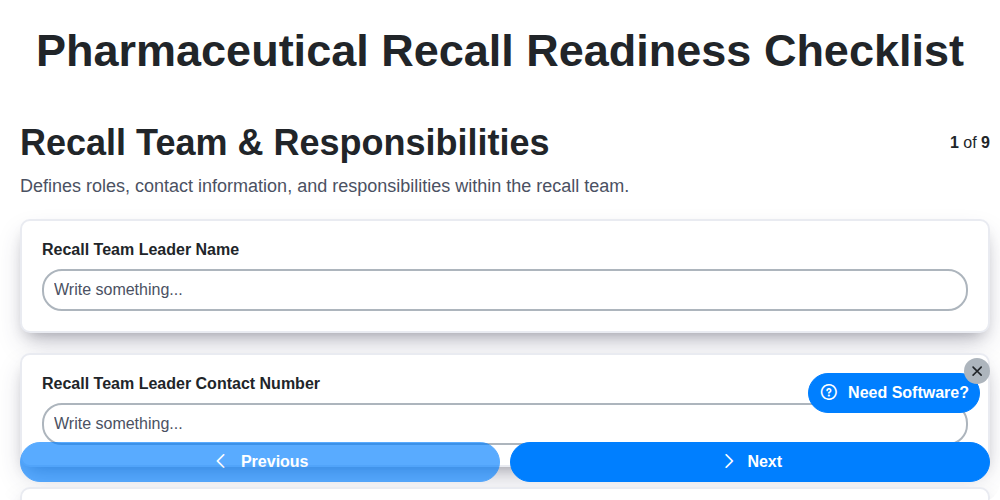
Table of Contents
- Introduction: Why Recall Readiness Matters
- 1. Assembling Your Recall Team & Defining Responsibilities
- 2. Product Identification & Traceability: Knowing Your Inventory
- 3. Assessing the Affected Product: Determining Scope & Severity
- 4. Communication & Notification: Keeping Stakeholders Informed
- 5. Retrieval & Disposition: Managing Recalled Product
- 6. Meticulous Record Keeping & Documentation
- 7. Corrective & Preventive Actions (CAPA): Learning from Events
- 8. Training & Awareness: Empowering Your Workforce
- 9. Review and Update: Maintaining a Living Document
- Resources & Links
TLDR: Facing a potential drug recall? This checklist provides a clear, actionable guide - covering everything from assembling a recall team and tracking your products to communicating with authorities and fixing what went wrong. It's your roadmap to minimizing risk and ensuring patient safety when recall readiness is paramount.
Introduction: Why Recall Readiness Matters
Pharmaceutical recalls are disruptive, costly, and damaging to reputation. They can stem from manufacturing errors, quality control failures, packaging defects, or even regulatory concerns. While recalls are sometimes unavoidable, being prepared for them can significantly mitigate the impact. A robust recall readiness program isn't just about reacting to a crisis - it's about proactively minimizing risks, protecting patients, and maintaining trust. This checklist is designed to guide pharmaceutical companies through the key areas of recall preparedness, ensuring a swift, effective, and compliant response should a recall ever become necessary. Ignoring recall readiness isn't an option; it's a fundamental responsibility within the pharmaceutical industry.
1. Assembling Your Recall Team & Defining Responsibilities
A successful pharmaceutical recall hinges on a well-defined and capable recall team. This isn't just about identifying individuals; it's about clearly outlining their roles and responsibilities before a recall event occurs.
Your team should include representatives from key departments such as Quality Assurance, Manufacturing, Supply Chain, Regulatory Affairs, Legal, Sales & Marketing, and potentially Public Relations. The Recall Team Leader, typically from Quality Assurance or Regulatory Affairs, is responsible for overall coordination and decision-making. Specific roles might include:
- Recall Coordinator: Manages daily recall activities, tracks progress, and serves as a central point of contact.
- Product Specialist: Provides detailed product knowledge, including formulation, manufacturing process, and potential risks.
- Supply Chain Liaison: Tracks product distribution and location within the supply chain.
- Regulatory Contact: Responsible for communicating with regulatory agencies and ensuring compliance with reporting requirements.
- Legal Counsel: Provides legal guidance and reviews recall-related documentation.
- Communication Specialist: Drafts and disseminates internal and external communications.
Crucially, each role's responsibilities should be documented, including contact information and backup personnel. Regularly review and update this team structure to ensure ongoing effectiveness. Clearly defined roles prevent confusion and facilitate swift action during a recall.
2. Product Identification & Traceability: Knowing Your Inventory
A swift and effective pharmaceutical recall hinges on your ability to quickly and accurately identify the affected product and its journey through the supply chain. Without robust product identification and traceability, a recall can become a protracted and costly ordeal.
Here's what you need to have in place:
- Unique Product Codes: Implement and rigorously enforce the use of unique product codes (e.g., lot numbers, serial numbers, batch codes) at every stage of manufacturing, packaging, distribution, and dispensing. These codes must be clearly marked on all product packaging and accompanying documentation.
- Comprehensive Traceability Systems: Invest in and maintain a robust traceability system - whether it's a sophisticated electronic system (like a Track and Trace system) or a well-documented paper-based system - that allows you to track products from raw materials to the end user. This system must record:
- Raw material suppliers and lot numbers
- Manufacturing date and location
- Packaging details
- Distribution channels and recipients
- Customer information (where applicable and permissible by privacy regulations)
- Regular Audits of Traceability: Periodically audit your traceability system to ensure its accuracy and effectiveness. This should include verifying data integrity, identifying gaps, and correcting any inconsistencies.
- Serialization (Where Applicable): If your products are subject to serialization requirements (e.g., under the Drug Supply Chain Security Act - DSCSA), ensure full compliance and meticulous record-keeping.
- Inventory Management: Accurate and up-to-date inventory records are crucial. Cycle counts, physical inventories, and robust warehousing procedures are essential components.
3. Assessing the Affected Product: Determining Scope & Severity
Once a potential recall issue is identified, the next critical step is a thorough assessment of the affected product. This goes far beyond simply knowing a lot number is implicated; it requires a detailed investigation to determine the scope of the problem and the potential severity of the impact.
Defining the Scope: Begin by mapping the product's journey - from raw material sourcing through manufacturing, packaging, distribution, and ultimately, to the consumer. Use your traceability system to pinpoint exactly which lots are potentially affected. Consider these questions:
- Which lots are involved? Don't just stop at the initially identified lot; investigate preceding and subsequent lots as issues can often be systemic.
- What is the geographical distribution? Where has the affected product been shipped and sold? Understanding distribution channels is vital for targeted recalls.
- What are the product codes, lot numbers, and expiration dates impacted? Compile a comprehensive list for accurate identification.
- What product forms and packaging configurations are affected? Are there variations in formulation or packaging that might exacerbate the issue or require different handling?
Evaluating Severity: Determining the potential impact on patient safety and regulatory compliance is paramount. This involves:
- Risk Assessment: Conduct a formal risk assessment based on the nature of the defect. Consider the potential health risks to patients.
- Clinical Impact Analysis: If the issue involves a potential therapeutic effect, assess the potential for adverse effects or treatment failures.
- Regulatory Considerations: Understand which regulations are triggered by the issue. (e.g., FDA, EMA, etc.) and what reporting requirements apply.
- Legal Liability: Consider potential legal ramifications and liability associated with the product defect.
Accurate and thorough assessment minimizes unnecessary recalls while ensuring swift and decisive action when warranted.
4. Communication & Notification: Keeping Stakeholders Informed
A pharmaceutical recall isn't just an internal matter; it demands swift and clear communication to a wide range of stakeholders. Failure to do so can amplify the impact of the recall, damage your company's reputation, and potentially lead to legal repercussions. This section outlines the critical steps for effectively communicating and notifying relevant parties.
Who Needs to Know?
Your notification list should include, but isn't limited to:
- Regulatory Agencies: (e.g., FDA in the US, EMA in Europe) - Immediate notification is paramount and must follow established reporting procedures. Know your timelines and reporting formats.
- Distributors & Wholesalers: They need to immediately cease distribution and provide information on inventory held.
- Pharmacies & Healthcare Providers: These entities are crucial for reaching patients and ensuring safe medication practices. Clear instructions for holding and returning product are vital.
- Patients: Depending on the severity and nature of the recall, direct patient notification may be necessary. This can involve press releases, website postings, and potentially even direct mail.
- Internal Teams: Sales, marketing, legal, and customer service need to be informed and prepared to handle inquiries.
- Media: A proactive and transparent approach to media inquiries is essential for managing public perception.
Key Communication Considerations:
- Pre-Approved Templates: Develop templates for notifications to each stakeholder group before a recall occurs. This speeds up the process and ensures consistency.
- Designated Spokesperson: Appoint a single, authorized spokesperson to handle all media and public inquiries.
- Clear and Concise Messaging: Avoid technical jargon and provide straightforward instructions. Highlight the potential risks and what actions are required.
- Multiple Communication Channels: Utilize a combination of methods (email, phone, website, press release) to ensure the message reaches everyone.
- Dedicated Hotline/Email Address: Provide a dedicated contact point for stakeholders to ask questions and report concerns.
- Regular Updates: Keep stakeholders informed of progress and any changes to the recall process.
Effective communication isn't just about sending out notifications; it's about building trust and demonstrating a commitment to patient safety.
5. Retrieval & Disposition: Managing Recalled Product
Once a recall is initiated, the efficient and safe retrieval and disposition of affected product is paramount. This phase isn't just about physically taking back the product; it's about ensuring its proper handling, storage, and ultimate destruction or repurposing while minimizing risk and adhering to regulatory guidelines.
1. Establish Retrieval Procedures: Clearly define processes for retrieving product from distributors, pharmacies, hospitals, and consumers. This includes providing clear instructions on packaging, labeling (clearly indicating RECALL and relevant recall information), and return shipping logistics. Consider offering pre-paid return labels to simplify the process for stakeholders.
2. Secure Storage: Designate a secure, controlled storage area for recalled products, separate from other inventory. This area should be clearly marked and accessible only to authorized personnel. Maintain temperature and humidity controls as needed, especially for sensitive products.
3. Inventory Management: Meticulously track all recalled product received, recording lot numbers, quantities, and receiving dates. This accurate inventory is crucial for reconciliation and verification throughout the recall process.
4. Disposition Options: Determine the appropriate disposition method for each recalled lot, which might include:
- Destruction: Ensure destruction is performed in a compliant and documented manner, often involving a certified waste disposal company.
- Repurposing/Donation (if permitted): Regulatory approval is essential before repurposing or donating product. Thorough assessment of product stability and suitability for alternative use is critical.
- Return to Manufacturer: Some manufacturers may accept returns for reprocessing or further evaluation.
5. Documentation and Reconciliation: Maintain detailed records of retrieval quantities, disposition methods, and associated costs. Regularly reconcile retrieved product against initial recall data to confirm completeness and identify any discrepancies that need investigation.
Proper retrieval and disposition demonstrate a commitment to patient safety and regulatory compliance. Failing to execute this phase effectively can lead to further harm and increased liability.
6. Meticulous Record Keeping & Documentation
A robust pharmaceutical recall readiness plan hinges on impeccable record keeping and comprehensive documentation. This isn't merely about ticking boxes; it's about building an auditable trail that demonstrates your commitment to patient safety and regulatory compliance.
What needs documenting? Essentially, everything. This includes:
- Recall Team Meetings: Detailed minutes outlining decisions, action items, and assigned responsibilities.
- Product Traceability Data: Batch records, distribution records, customer lists - anything that allows you to pinpoint affected products.
- Assessment Findings: The rationale behind your assessment of affected products, including scientific data, testing results, and the decision-making process.
- Communication Records: Copies of all notifications sent to regulatory bodies, healthcare professionals, distributors, and consumers, along with confirmation of receipt.
- Retrieval & Disposition Records: Tracking of returned products, including quantities, condition upon receipt, and final disposition (e.g., destruction, rework).
- CAPA Progress: Documentation of all corrective actions taken, including timelines, assigned personnel, and verification of effectiveness.
- Training Records: Proof of training for recall team members and relevant personnel.
- Recall Plan Updates: Version control and reasons for any modifications made to the recall plan.
Key Considerations:
- Accessibility: Records must be readily accessible to authorized personnel during a recall. Consider electronic document management systems.
- Retention: Adhere to regulatory retention requirements for all documentation.
- Accuracy: Ensure all records are accurate, complete, and verifiable.
- Security: Protect records from unauthorized access or alteration.
Proper documentation isn't just about showing what you did; it's about demonstrating why you did it, ensuring accountability, and facilitating continuous improvement of your recall readiness program.
7. Corrective & Preventive Actions (CAPA): Learning from Events
A pharmaceutical recall isn't just about resolving the immediate crisis; it's a critical opportunity to learn and improve your processes to prevent future issues. This is where a robust Corrective and Preventive Action (CAPA) system becomes invaluable.
Following a recall (or even a near-miss), a thorough CAPA investigation should be launched. This isn't about assigning blame; it's about understanding why the event occurred. The investigation team should meticulously analyze the root causes, moving beyond superficial explanations. Were there systemic flaws in quality control, supplier management, or process validation?
The CAPA process should involve the following steps:
- Identification of Root Causes: Utilize tools like the "5 Whys" or Fishbone diagrams to drill down to the fundamental causes.
- Development of Corrective Actions: These actions directly address the identified root cause and eliminate the immediate problem.
- Development of Preventive Actions: These actions aim to eliminate the possibility of the same issue occurring in other areas or processes.
- Implementation & Verification: Clearly outline who is responsible for implementing each action, with specific timelines and measurable goals. Verification activities must be conducted to confirm the effectiveness of the actions.
- Effectiveness Monitoring: Regularly monitor key metrics and data points to ensure the CAPA is achieving its intended results.
- Closure & Documentation: Formal closure of the CAPA requires documented evidence of effectiveness and sign-off from relevant stakeholders.
Crucially, the CAPA system must be integrated with other quality systems, ensuring that learnings are disseminated throughout the organization and contribute to continuous improvement. Don't let a recall be a setback - make it a springboard for a more robust and resilient pharmaceutical operation.
8. Training & Awareness: Empowering Your Workforce
A robust recall readiness plan is only as strong as the people executing it. Comprehensive training and ongoing awareness programs are crucial for ensuring every employee understands their role and responsibilities in the event of a recall. This isn's just about reviewing procedures - it's about fostering a culture of vigilance and proactive problem-solving.
Here's what effective training & awareness should encompass:
- Role-Specific Training: Tailor training to individual roles. Manufacturing personnel need to understand product codes and traceability processes, while sales and marketing teams require guidance on communicating with customers and healthcare professionals.
- Recall Simulation Exercises: Regularly conduct mock recall scenarios to test preparedness and identify gaps in knowledge or process flow. These exercises provide invaluable hands-on experience in a safe, controlled environment.
- Product Knowledge Refreshers: Remind employees about the specific products your company manufactures, including potential risks and common quality issues.
- Reporting Procedures: Clearly outline how employees should report potential defects or concerns, emphasizing the importance of speaking up, regardless of seniority. A 'no blame' culture is vital here.
- Communication Protocols: Explain how recall-related information will be disseminated and the channels employees should use for updates.
- Annual Refresher Courses: Reinforce key concepts and update employees on any changes to procedures or regulations.
- New Employee Onboarding: Integrate recall readiness training into the onboarding process for all new hires, ensuring they are familiar with the company's response protocols from day one.
Investing in training and awareness isn't just a regulatory requirement; it's an investment in the safety of patients and the reputation of your company.
9. Review and Update: Maintaining a Living Document
A pharmaceutical recall readiness checklist isn't a "set it and forget it" document. Regulations evolve, processes change, and your product portfolio likely does too. Regularly reviewing and updating your checklist is crucial to ensuring its continued effectiveness.
How Often Should You Review?
We recommend a minimum review cycle of at least annually. However, consider more frequent reviews (semi-annually or quarterly) if:
- Significant changes occur within your organization: New product lines, facility expansions, mergers/acquisitions, or changes in management all necessitate a review.
- Regulatory changes arise: Stay abreast of updates from governing bodies like the FDA, EMA, and others. New guidelines might require checklist adjustments.
- Internal or external audits identify gaps: Audit findings are a direct indicator that your checklist needs revision.
- A recall event occurs (even a minor one): Post-recall reviews should inform updates to prevent recurrence.
What to Look For During Review:
- Accuracy: Ensure all information is current and reflects your current processes and contact information.
- Completeness: Has anything been omitted? Are all critical steps covered?
- Effectiveness: Are the steps practical and achievable? Do they truly address recall readiness?
- Clarity: Is the language clear and understandable by all members of the recall team?
- Integration: Does the checklist align with other quality management systems (QMS) and standard operating procedures (SOPs)?
Making Updates & Tracking Changes:
Document all updates with version control. Clearly indicate the changes made, the date of the revision, and the individuals responsible. Consider a documented approval process to ensure changes are authorized and understood. This demonstrates due diligence and traceability. A "living document" approach, where the checklist is continually refined and improved, will contribute significantly to your organization's ability to respond effectively in the event of a recall.
Resources & Links
- U.S. Food and Drug Administration (FDA): The FDA is the primary regulatory body for pharmaceuticals in the US. Their website provides extensive guidance on recalls, compliance, and regulations. Crucial for understanding legal requirements and best practices. Includes specific recall guidance documents.
- United States Pharmacopeia (USP): USP sets standards for quality, purity, strength, and consistency of medicines. Their resources on Good Manufacturing Practices (GMP) are essential for preventing product quality issues that can lead to recalls. Also provide standards related to traceability.
- Pharmaceutical Research and Manufacturers of America (PhRMA): PhRMA represents the biopharmaceutical research and biotechnology companies. Their website has information on industry best practices, including risk management and supply chain security - relevant aspects of recall readiness.
- American Society for Quality (ASQ): ASQ provides resources and training on quality management systems, including CAPA (Corrective and Preventive Action) - a vital component of a recall readiness program. Their publications and certifications are valuable.
- International Organization for Standardization (ISO): ISO develops and publishes international standards, including ISO 9001 (Quality Management Systems) and potentially industry-specific standards that influence pharmaceutical operations and supply chain management - key for global readiness.
- GS1: GS1 is a non-profit organization that develops and maintains global standards for supply chain visibility and traceability, including barcodes and GS1 Data Carriers. Essential for product identification and tracking, especially in a recall situation.
- The Institute for Safe Medication Practices (ISMP): ISMP focuses on medication safety, and their resources can offer insights into potential product safety issues and communication strategies - critical for assessing severity and notifying stakeholders effectively.
- PricewaterhouseCoopers (PwC): PwC is a professional services firm that offers risk management and compliance consulting services, including specialized expertise in pharmaceutical recalls. Their insights can be valuable for developing robust preparedness plans, particularly around financial and legal aspects.
- Deloitte: Similar to PwC, Deloitte offers consulting services related to risk management, regulatory compliance, and crisis management in the pharmaceutical industry. Their resources can help companies assess potential vulnerabilities and improve their response capabilities.
- Lexology: Lexology is a website that provides legal updates and analysis on various industries, including pharmaceuticals. Helpful for understanding the legal implications of recalls and staying abreast of changing regulations. Good for sections on legal ramifications.
- Ernst & Young (EY): EY offers risk management and regulatory compliance advisory services. Their resources on crisis management and incident response can be valuable for developing effective recall response plans.
Frequently Asked Questions
What is a pharmaceutical recall and why is readiness important?
A pharmaceutical recall is the process of removing a drug product from the market due to safety concerns or quality defects. Recall readiness is crucial to minimize patient harm, protect your company's reputation, and ensure regulatory compliance. A well-defined recall plan reduces disruption and costs associated with a recall event.
Who should use this checklist?
This checklist is designed for pharmaceutical manufacturers, distributors, pharmacies, and healthcare facilities involved in handling and dispensing drug products. Anyone responsible for ensuring product safety and managing potential recall events should use this checklist.
What are the key areas covered in the recall readiness checklist?
The checklist covers areas including product traceability, contact list management, communication protocols, internal training, supplier agreements, and regulatory reporting procedures. It ensures a comprehensive approach to recall preparedness.
What is a 'batch record' and why is it important for recall readiness?
A batch record is a detailed document that tracks all aspects of a drug product's manufacturing process for a specific batch. It's vital for tracing the source of a defect and determining the scope of a recall. Accurate and accessible batch records are essential for effective recall management.
How do I create and maintain an up-to-date contact list for a recall?
Your contact list should include internal personnel (quality, regulatory, legal, communications) and external contacts (suppliers, distributors, regulatory agencies, healthcare professionals). Keep it updated regularly and accessible in both electronic and hard copy formats. Consider a designated contact person for each role.
What's the difference between a Class I, Class II, and Class III recall?
A **Class I** recall indicates a significant risk to public health; a **Class II** recall poses a potential health hazard, but the risk is less severe; and a **Class III** recall involves a situation that is not associated with a serious health risk but may impact product quality or performance. The severity dictates the urgency and scope of the recall process.
How often should I review and update my recall readiness checklist?
It's recommended to review and update your checklist at least annually, or more frequently if there are significant changes to your products, processes, or regulatory requirements. Regular testing and drills are also crucial.
What role do supplier agreements play in recall readiness?
Supplier agreements should outline responsibilities for product quality, traceability, and recall procedures. They should specify how suppliers will cooperate in the event of a recall, including providing information and returning or disposing of affected products.
What should be included in a communication plan for a recall?
Your communication plan should identify key audiences (patients, healthcare professionals, regulators, media), outline communication channels (website, press releases, direct mail), and pre-approve draft messages to ensure timely and accurate information dissemination.
Where can I find additional resources and guidance on pharmaceutical recalls?
Refer to guidelines from the FDA (in the US), EMA (in Europe), and other relevant regulatory agencies. Industry associations and consultants can also provide valuable support and expertise.
Comments
There are no comments yet. Be the first to add one!
Pharmaceutical Management Solution Demo
Navigating complex regulations and ensuring quality in pharmaceutical manufacturing? ChecklistGuro's Work OS platform streamlines processes from R&D to production, packaging, and distribution. Maintain compliance, improve efficiency, and reduce risk. Discover how ChecklistGuro can transform your pharmaceutical operations!
Related Articles
Ensuring Quality: A Pharmaceutical Compound Record Review Checklist Guide
Pharmaceutical Labeling Compliance Checklist: Your Step-by-Step Guide
Mastering Medication Management: Your Pharmaceutical Inventory Compliance Checklist Template
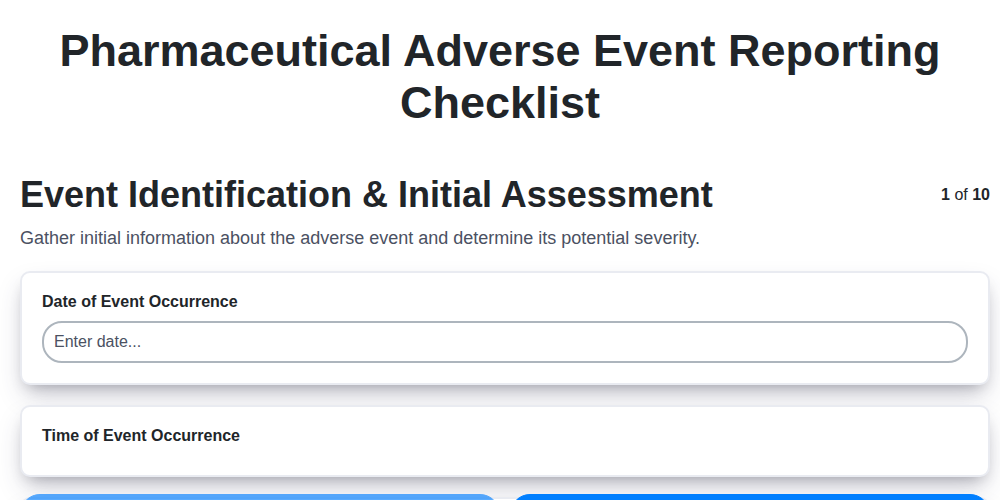
Navigating Adverse Event Reporting: Your Pharmaceutical Checklist Guide
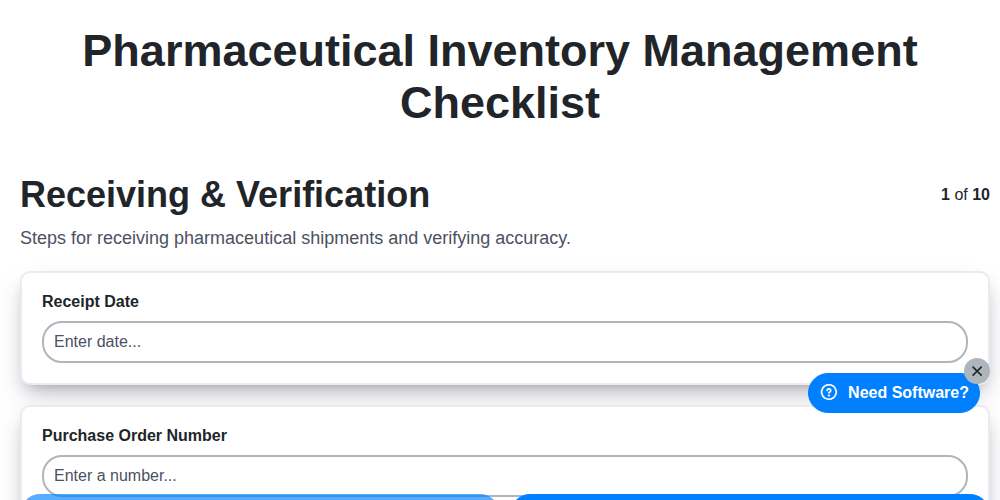
Pharmaceutical Inventory Management Checklist: Your Guide to Compliance & Accuracy
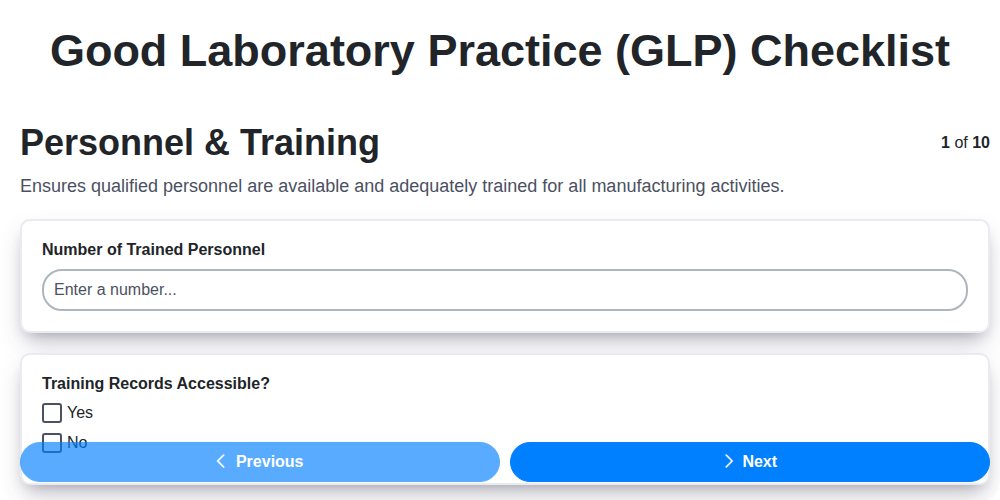
Your Essential GLP Checklist Template: A Practical Guide
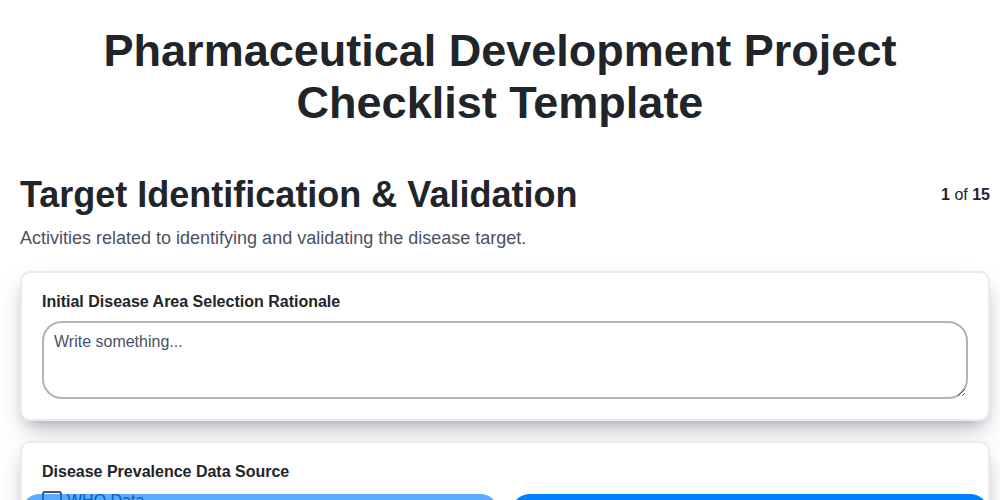
Your Pharmaceutical Development Checklist: A Template for Success
Pharmaceutical Validation Checklist Template: Your Guide to Compliance
Need help with
Pharmaceutical?
Have a question? We're here to help. Please submit your inquiry, and we'll respond promptly.