Your Ultimate Post-Closing Follow-Up Checklist Template
Published: 09/02/2025 Updated: 12/13/2025
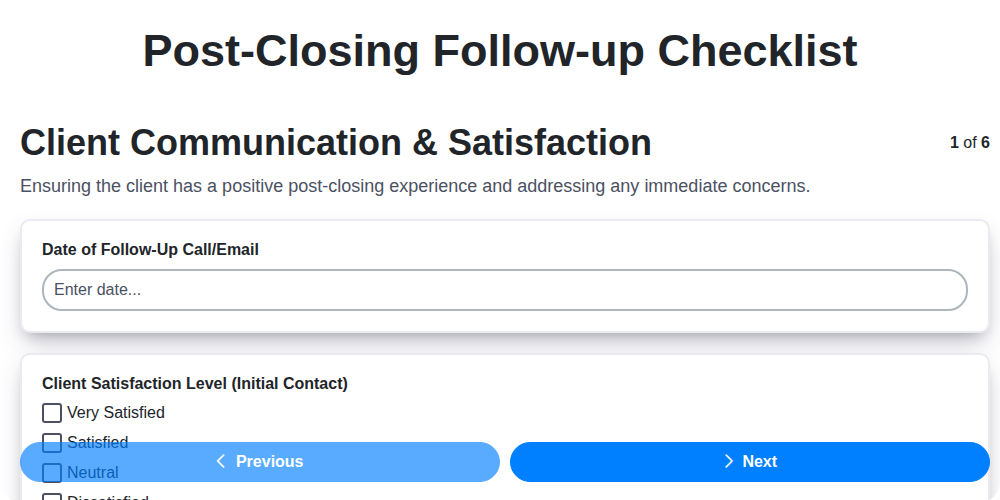
Table of Contents
- Welcome to Your Ultimate Post-Closing Follow-Up Checklist Template
- Why a Post-Closing Checklist Matters
- Template Overview: What to Expect
- Phase 1: Immediate Actions (Within 24-48 Hours)
- Phase 2: The First Week - Essential Check-Ins
- Phase 2.1: Financial Reconciliation & Reporting
- Phase 2.2: Property Matters & Vendor Coordination
- Phase 2.3: Legal & Regulatory Compliance
- Phase 3: 30-60 Days - Building Long-Term Relationships
- Phase 3.1: Client Satisfaction Surveys
- Phase 3.2: Ongoing Communication & Value
- Phase 4: Internal Team Review & Optimization
- Customizing Your Checklist: Tailoring to Your Business
- Resources & Links
TLDR: This checklist template ensures a smooth and professional post-closing experience. It covers crucial steps like client communication, document management, financial reconciliation, and legal compliance, saving you time and minimizing potential issues. Download it to streamline your process and keep clients happy!
Welcome to Your Ultimate Post-Closing Follow-Up Checklist Template
Ready to ditch the scattered notes and overwhelmed feelings after closing? This isn't just a list of tasks; it's your complete, customizable template for a seamless post-closing experience. We've broken down the essential areas - client communication, document management, financial reconciliation, property details, legal compliance, and internal team coordination - and provided detailed action steps for each.
Inside, you'll find a ready-to-use checklist you can download and adapt to fit your specific needs and business practices. Think of it as your secret weapon for ensuring nothing slips through the cracks, building stronger client relationships, and solidifying your reputation for excellence. Let's transform the post-closing period from a source of stress to a moment of confident execution. Download your template now and experience the difference!
Why a Post-Closing Checklist Matters
Beyond simply ticking boxes, a post-closing checklist directly impacts your business's health and reputation. Think of it as the bridge between a successful deal and lasting client relationships. Without a structured follow-up, small issues can snowball into significant problems, leading to frustrated clients, negative reviews, and potentially even legal disputes.
Imagine this: a minor title discrepancy isn't caught, leading to delays in refinancing. Or a utility transfer isn't properly handled, leaving a new homeowner without power. These seemingly insignificant oversights can damage trust and erode confidence in your services.
A proactive checklist demonstrates a commitment to excellence. It signals to your clients that you care about their well-being beyond the transaction itself. This, in turn, fosters loyalty and generates valuable referrals - the lifeblood of any thriving business. Ultimately, a well-executed post-closing process isn't just about minimizing risk; it's about cultivating trust and building a sustainable business for the long term.
Template Overview: What to Expect
This template isn't just a list; it's a roadmap for a seamless post-closing experience. Here's what you can expect when you download and utilize it:
- Clearly Defined Sections: The checklist is organized into six key areas - Client Communication, Document Management, Financial Reconciliation, Property Matters, Legal Compliance, and Internal Follow-Up - making it easy to navigate and assign responsibilities.
- Actionable Items: Each section includes a series of specific, actionable items with suggested timelines (Immediate, Within 1 Week, Within 1 Month, Ongoing) to ensure nothing is overlooked.
- Customizable Fields: Key fields like client name, property address, closing date, and contact information are included for easy personalization. You can also add custom notes and reminders for each task.
- Downloadable & Printable: The template is available as both a digital document (for easy editing and tracking) and a printable PDF (for convenient hard copies).
- Designed for Collaboration: The format encourages teamwork and clear communication among all parties involved in the post-closing process.
Phase 1: Immediate Actions (Within 24-48 Hours)
The whirlwind of closing day can leave little room for anything beyond the immediate necessities. However, those crucial first 24-48 hours post-closing set the tone for the entire client relationship. This initial phase is about demonstrating your continued commitment and proactively addressing any immediate concerns.
Here's what you should prioritize:
- Express Gratitude: Send a personalized thank-you note - a brief email or, even better, a handwritten card - expressing your appreciation for their business. Briefly reiterate your enthusiasm for their new property or investment.
- Confirm Key Contacts: Quickly verify that utility transfers are progressing smoothly. A short check-in with the client can proactively address any unforeseen issues.
- Accessibility & Support: Clearly communicate your availability for any questions or urgent matters. Provide direct contact information and reassure them you're just a call or email away.
- Initial Document Review: Briefly touch base regarding receipt of key documents (deed, insurance policy). This confirms they're in hand and avoids potential confusion later.
- Positive Reinforcement: Acknowledge the excitement of this new chapter! A simple, Hope you're settling in wonderfully! can go a long way.
Phase 2: The First Week - Essential Check-Ins
The initial week following the closing is critical for solidifying a positive client experience and proactively addressing any immediate concerns. This isn't about hovering; it's about demonstrating your continued support and ensuring a smooth transition. Here's what you need to focus on:
1. Utility Verification: A simple phone call or quick email to confirm that utilities (electricity, gas, water, internet, etc.) have been successfully transferred is incredibly valuable. This proactive step prevents frustrating delays and shows you're thinking about the details. "Just wanted to quickly check in and confirm everything's running smoothly with your utilities! Let me know if you're experiencing any issues."
2. Key Transfer Confirmation: If relevant, verify the transfer of any keys or access codes to the new owner or resident. A quick message like, Just confirming you're all set with key access. Please reach out if you encounter any problems." is all it takes.
3. Initial Walk-Through Check-In: Encourage (but don't require) a brief walk-through of the property. This offers a chance to catch any unexpected issues early on. If you have a moment, a quick walk-through can help identify any immediate needs or questions you might have. No pressure, but I'm happy to assist if needed.
4. Quick 'How's It Going?' Check-In: A short, personalized message goes a long way. This isn't a formal survey; it's a genuine inquiry. "Just wanted to drop a quick note and see how everything's settling in. No need to respond formally, just hoping all's well!" This reinforces your availability and builds rapport.
5. Address Immediate Questions: Be readily available to answer any questions the client may have, no matter how small they seem. Prompt and helpful responses to even minor inquiries can significantly impact their overall satisfaction.
Phase 2.1: Financial Reconciliation & Reporting
The closing is a flurry of activity, but the financial reconciliation phase is where precision and transparency truly shine. It's not just about confirming the numbers; it's about providing a clear, auditable trail and ensuring all parties receive what they're rightfully owed. This phase involves meticulous verification of all funds received and disbursed, directly impacting your reputation and compliance.
Here's what you need to prioritize:
- Immediate Reconciliation: Within 24-48 hours of closing, reconcile all closing statements against bank records. This involves comparing the expected disbursement amounts with the actual amounts transferred. Any discrepancies, no matter how small, must be immediately investigated and resolved.
- Escrow Account Management: Carefully monitor escrow accounts. Verify timely distribution of funds to all relevant parties, including lenders, title companies, attorneys, and sellers. Detailed records of all transactions are essential.
- Reporting Obligations: Depending on your region and business model, you may have reporting obligations to lenders, government agencies, or other stakeholders. Ensure timely and accurate submission of all required reports. This could involve generating settlement statements, wire transfer confirmations, and other financial documents.
- Documentation is Key: Every transaction, correction, or adjustment should be thoroughly documented with clear explanations and supporting evidence. This includes recording who initiated the change, when it occurred, and why.
- Audit Preparedness: Maintaining meticulous financial records is not just about compliance; it's about being prepared for potential audits. Organize your documentation logically and ensure it's easily accessible.
- Addressing Discrepancies Promptly: If any discrepancies are identified, address them promptly and transparently. Communicate clearly with all relevant parties to explain the situation and outline the corrective action being taken.
Phase 2.2: Property Matters & Vendor Coordination
The closing is a huge accomplishment, but the journey doesn't end there. Many crucial details regarding the property itself and coordinating with relevant vendors require attention in the weeks and months following the sale. This phase ensures a truly seamless transition for your client and minimizes potential headaches down the line.
Immediate Actions (Within 1 Week):
- Utility Transfers: Confirm that all utility services (electricity, gas, water, internet, trash, cable) have been successfully transferred to the new owner's name. Proactively follow up with utility companies if you haven't received confirmation. A simple email or phone call can prevent significant inconvenience for your client.
- Key Handover: Verify that keys have been properly handed over and that the new owner has access to the property. Double-check with the previous owner or their agent to confirm this.
- Vendor Contact Confirmation: Confirm with any vendors involved in the pre-closing process (inspectors, contractors for repairs, etc.) whether they have completed their work and whether the client is satisfied with the service. This offers an opportunity to address any lingering concerns immediately.
Short-Term Follow-Up (Within 1 Month):
- Outstanding Repairs: If any repairs were agreed upon as part of the sale, diligently follow up to ensure they are completed to the agreed-upon standard and within the agreed-upon timeframe. Document all communication and progress.
- HOA/Condo Association: If applicable, provide the new owner with all necessary HOA/Condo Association documents, contact information, and rules/regulations. Ensure they understand the processes for payments and communication.
- Warranty Information: Gather and provide all relevant warranty information for appliances, systems, or improvements made to the property.
Ongoing Support:
- Local Resources: Offer a curated list of local service providers - handymen, landscapers, plumbers, etc. - to assist the new owner with ongoing property maintenance.
- Market Updates: Continue to provide relevant market updates and insights, showcasing your ongoing commitment to their financial well-being.
This proactive approach demonstrates a dedication to exceptional service and fosters a lasting relationship with your clients long after the transaction is complete.
Phase 2.3: Legal & Regulatory Compliance
Staying on the right side of the law isn't just good practice - it's essential for protecting your business and your clients. The post-closing phase brings its own set of legal and regulatory considerations that demand meticulous attention.
Here's what you need to prioritize:
- Deed Recording: Ensure the deed is promptly recorded with the relevant county recorder's office. Deadlines apply, and failure to record can create complications down the line.
- Escrow Account Reconciliation: Verify all funds held in escrow have been distributed accurately and in accordance with the closing documents. This includes proper accounting for property taxes, insurance premiums, and other relevant fees.
- Affidavit of Title/Closing Statements: Depending on your jurisdiction, you may be required to file an affidavit of title or a closing statement within a specified timeframe. Confirm the specific requirements for your area.
- AML/BSA Compliance (for some transactions): If dealing with larger sums or unusual transaction structures, be aware of Anti-Money Laundering (AML) and Bank Secrecy Act (BSA) regulations and ensure compliance.
- Stay Informed: Real estate laws and regulations are constantly evolving. Subscribe to industry updates and consult with legal counsel to stay current on any changes that may impact your business.
- Record Retention: Strict guidelines govern how long you must retain certain documents. Consult with your legal team to establish a comprehensive record retention policy aligned with legal requirements and best practices.
Phase 3: 30-60 Days - Building Long-Term Relationships
The initial flurry of closing activities has subsided, but your work isn't done. The 30-60 day period is a pivotal opportunity to solidify client relationships and lay the groundwork for repeat business and referrals. This isn't about a quick check-in; it's about demonstrating your ongoing commitment to their success.
Beyond the Basics: Proactive Engagement
While a simple how are things going? email is appreciated, consider going the extra mile. Tailor your communication to their specific situation. Did they purchase a fixer-upper? Share relevant DIY resources or local contractor recommendations. New to the area? Provide a list of community events or local business spotlights.
Tactics for Meaningful Connection:
- Personalized Check-in Calls: A brief phone call allows for a more engaging conversation and the ability to address nuanced questions.
- Targeted Resource Sharing: Don't overwhelm them with generic information. Send articles or services directly relevant to their needs.
- Community Connection: Introduce them to local businesses or organizations that align with their interests.
- Feedback Solicitation: A detailed satisfaction survey, coupled with a genuine desire to act on the feedback, shows you value their opinions.
- Subtle, Value-Added Content: Share insightful market updates, home maintenance tips, or neighborhood spotlights-position yourself as a continued resource.
Remember: This phase is about nurturing relationships, building trust, and positioning yourself as a valued partner long after the transaction is complete. A little extra effort now can yield significant returns in the future.
Phase 3.1: Client Satisfaction Surveys
Beyond a simple "How was your experience?" survey, a well-crafted client satisfaction survey is a goldmine of actionable insights. We recommend going beyond the standard rating scales (1-5 stars) and incorporating a mix of question types to uncover nuanced feedback. Consider including open-ended questions like:
- What was the most valuable aspect of working with our team?
- What could we have done differently to make your experience even better?
- Are there any services you feel we could offer to better support you in the future?
Segment your surveys based on client type (buyer, seller, refinance) and even transaction complexity. This allows you to pinpoint areas for improvement specific to those scenarios. Don't just send the survey; follow up with clients who haven't responded, and - crucially - act on the feedback received. Publicly acknowledging and addressing client concerns, and showcasing improvements made based on their input, demonstrates a genuine commitment to client-centric service. A closed-loop feedback system is key - showing clients their voice is heard and valued.
Phase 3.2: Ongoing Communication & Value
The closing isn't truly the end of your interaction with a client; it's the foundation for a lasting relationship. Consistent communication after the transaction demonstrates your ongoing commitment and positions you as a trusted resource, not just a service provider. Here's how to nurture that connection and deliver lasting value:
Regular Market Updates: Provide concise, relevant updates on local market trends. Don't overwhelm them with data - focus on insights that impact their property's value or potential investment opportunities. Think "average sale prices in their neighborhood" or "interest rate fluctuations."
Personalized Content: Go beyond generic newsletters. Segment your audience and deliver content tailored to their interests and property type. Are they first-time homebuyers? Investors? Share articles, tips, or resources specifically geared towards their situation.
Seasonal Reminders & Tips: Send helpful reminders about seasonal home maintenance tasks - gutter cleaning in the fall, winterizing pipes in the winter, spring landscaping tips. This showcases your expertise and helps them protect their investment.
Check-in Calls (Strategic & Low-Pressure): Schedule brief, quarterly check-in calls. These shouldn't be about selling; they're about demonstrating genuine care and offering assistance. Ask how they're enjoying their new home or investment property.
Referral Opportunities: Maintain open communication and make it easy for clients to refer you to their friends and family. A simple, If you know anyone else looking to buy or sell, I'm always happy to help goes a long way.
Celebrate Milestones: Remember key dates - anniversaries of their purchase, birthdays, or even holidays. A small, personalized gesture shows you care beyond the transaction.
Ultimately, ongoing communication isn't about constantly pushing for more business; it's about building trust, maintaining relevance, and establishing yourself as a valued partner in their real estate journey.
Phase 4: Internal Team Review & Optimization
The closing itself is a milestone, but the real opportunity for growth lies in what happens after. A dedicated internal review process isn't about assigning blame; it's about identifying areas for improvement and refining your closing procedures for greater efficiency and client satisfaction.
Immediately following each closing, schedule a brief debrief session with the team members involved - agents, transaction coordinators, and anyone else who contributed to the process. Focus on these key questions:
- What went exceptionally well? Recognizing successes reinforces positive behaviors and encourages continued excellence.
- What challenges did we encounter? Be specific. Was there a communication breakdown? A document processing delay? A vendor coordination issue?
- What could we have done differently? Brainstorm solutions together. Can we streamline a process? Implement new technology? Enhance training?
- Were there any unexpected issues or surprises? Documenting these helps anticipate and mitigate similar situations in the future.
Beyond the immediate post-closing review, regularly (quarterly or semi-annually) analyze closing data. Track key metrics such as processing time, error rates, and client feedback scores. This data-driven approach allows you to objectively assess your progress and pinpoint areas where further optimization is needed. Remember, continuous improvement is an ongoing journey-embracing change and adapting to evolving best practices ensures a consistently smooth and successful closing experience for everyone.
Customizing Your Checklist: Tailoring to Your Business
No two businesses operate identically, and your post-closing checklist shouldn't either. While the core elements outlined above provide a solid foundation, truly exceptional service comes from demonstrating a personalized approach. Here's how to move beyond a generic checklist and create a process that reflects your unique business and client needs:
1. Client Segmentation: Do you serve first-time homebuyers, luxury property investors, or a mix? Different client groups have different needs and concerns. A first-time buyer might need more hand-holding with utility transfers and understanding property taxes, while an investor might prioritize financial reporting and tax implications.
2. Service Offerings: Do you provide ongoing property management? Do you have preferred vendors for home repairs or staging? Integrate these services directly into your post-closing follow-up. A proactive offer of assistance demonstrates value and builds loyalty.
3. Regional & Local Considerations: Real estate laws, customary practices, and common property issues vary significantly by location. Ensure your checklist accounts for these regional nuances. Think about common local assessments, HOA regulations, or flood zone requirements.
4. Technology Integration: Leverage your CRM or other technology to automate reminders, track client interactions, and personalize communications. A well-integrated system ensures nothing falls through the cracks.
5. Feedback Loop: Regularly solicit feedback from your team and clients to identify areas for improvement in your post-closing process. What are clients consistently asking about? What are your team members finding cumbersome? This iterative approach keeps your checklist relevant and effective.
Resources & Links
- Real Estate Training Pros: Offers a broad range of real estate training programs and resources, potentially useful for refining post-closing processes and understanding best practices in client management. Look for courses on client relations and transaction management.
- National Association of REALTORS® (NAR): NAR provides resources, guidelines, and legal updates that are crucial for real estate professionals, particularly in the areas of compliance and legal requirements during and after closing. Check their legal resources and publications for relevant information.
- Investopedia: Offers clear explanations of financial terms and concepts related to real estate transactions. Helps understand financial reconciliation processes mentioned in Phase 2.1.
- Internal Revenue Service (IRS): Important for understanding potential tax implications and reporting requirements that may arise post-closing, particularly if dealing with investment properties. Relevant for legal and regulatory compliance aspects.
- Consumer Financial Protection Bureau (CFPB): Provides consumer protection guidelines and regulations that real estate professionals must adhere to, impacting post-closing communication and disclosure requirements. Pay attention to rules regarding disclosures and fair lending.
- Smart Lawyer Marketing: While geared towards lawyers, their content often provides useful templates and strategies for client communication and satisfaction, which can be adapted for real estate professionals - especially helpful for Phase 3.1: Client Satisfaction Surveys.
- SurveyMonkey: A popular platform for creating and distributing client satisfaction surveys, essential for Phase 3.1. Offers templates and tools to easily gather feedback.
- Typeform: Another excellent survey platform with engaging and customizable survey design options, as an alternative to SurveyMonkey. Useful for Phase 3.1.
- Asana: A project management tool that can be used to organize and track post-closing tasks and assignments for teams, aiding in efficient task execution and accountability. Supports Phase 4: Internal Team Review & Optimization.
- Monday.com: Similar to Asana, monday.com is a versatile work management platform that can be adapted for post-closing workflow management, especially for teams. Helps with task assignment and tracking.
- Docsketch: Provides document management and e-signature solutions that help streamline post-closing processes, especially for legal documents and compliance paperwork.
Frequently Asked Questions
What is a post-closing follow-up checklist and why is it important?
A post-closing follow-up checklist is a document outlining the tasks and actions needed after a real estate transaction closes. It's crucial for maintaining positive client relationships, ensuring all loose ends are tied up, gathering testimonials, and generating referrals, ultimately contributing to business growth.
Who should use this checklist template?
This checklist is designed for real estate agents, brokers, title companies, and any professionals involved in the closing process who want a structured approach to post-closing follow-up.
What types of tasks are typically included in the checklist?
The checklist covers various tasks including sending thank-you notes, verifying all paperwork is complete, obtaining feedback, requesting testimonials/reviews, checking for any outstanding issues, and staying in touch with clients for future needs.
Can I customize the template to fit my specific business needs?
Absolutely! The template is a starting point. You can add, remove, or modify tasks to align with your individual workflows, branding, and client relationships. Feel free to personalize it to make it your own.
What's the difference between a 'thank you' note and a 'thank you' email in the checklist?
While both express gratitude, a handwritten thank you note carries a more personal touch and demonstrates extra effort. An email is a faster and more efficient way to reach out, especially for a broader audience or immediate acknowledgment. The checklist suggests both for comprehensive outreach.
How long should I wait before starting my post-closing follow-up?
It's best to start within 1-2 days of closing. This shows your prompt attention and appreciation. However, some tasks like verifying paperwork may have longer timelines dictated by legal or contractual obligations.
What are the benefits of requesting testimonials and reviews?
Testimonials and reviews build trust and credibility for your business. They provide social proof for potential clients and can significantly impact your online reputation and lead generation.
Where do I store and access the checklist template?
The article provides a link to download the checklist template. You can store it on your computer, in a CRM, or any document management system you prefer for easy access and ongoing use.
Is this checklist legally binding or a requirement for real estate transactions?
No, this checklist is a recommended best practice for client relations and business development. It's not a legally binding document or requirement for completing a real estate transaction.
Comments
There are no comments yet. Be the first to add one!
Task Management Solution Demo
Get organized & boost productivity! ChecklistGuro simplifies task management, prioritization, & progress tracking. Achieve more, stress less, & hit your goals. Manage it all with our Work OS.
Related Articles
Stress-Free Inspections: Your Home Inspection Coordination Checklist Template
The Ultimate Website Maintenance Checklist Template
10 Essential Checks: Your Brokerage Policy Review Checklist
The Ultimate Office Opening/Closing Checklist Template
Your Ultimate AML Compliance Checklist Template
Rent Collection Checklist Template: Your Landlord's Guide
Your Complete Flood Zone Disclosure Checklist Template
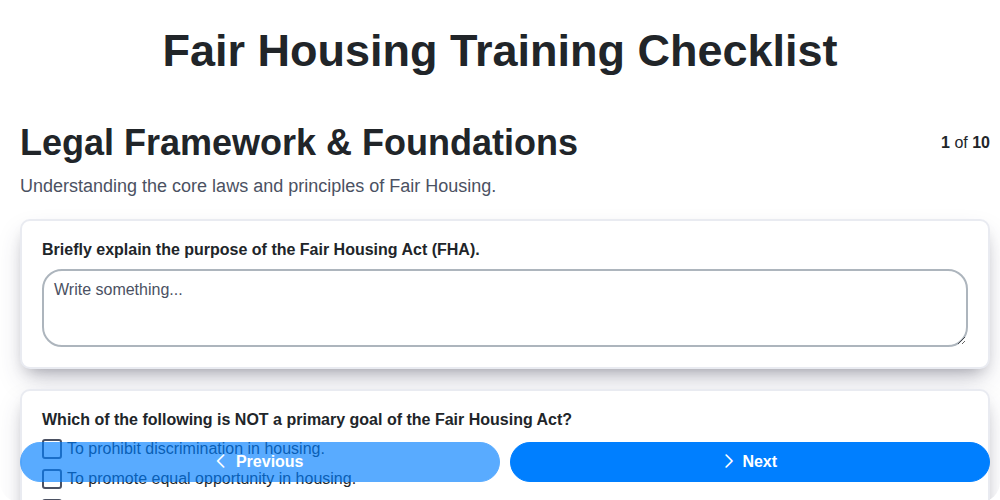
Fair Housing Training Checklist Template: Your Guide to Compliance
We can do it Together
Need help with
Task Management?
Have a question? We're here to help. Please submit your inquiry, and we'll respond promptly.