The Ultimate Pre-Demolition Site Assessment & Safety Checklist 2026: A Comprehensive Template for Site Managers
Published: 11/22/2026 Updated: 11/23/2026
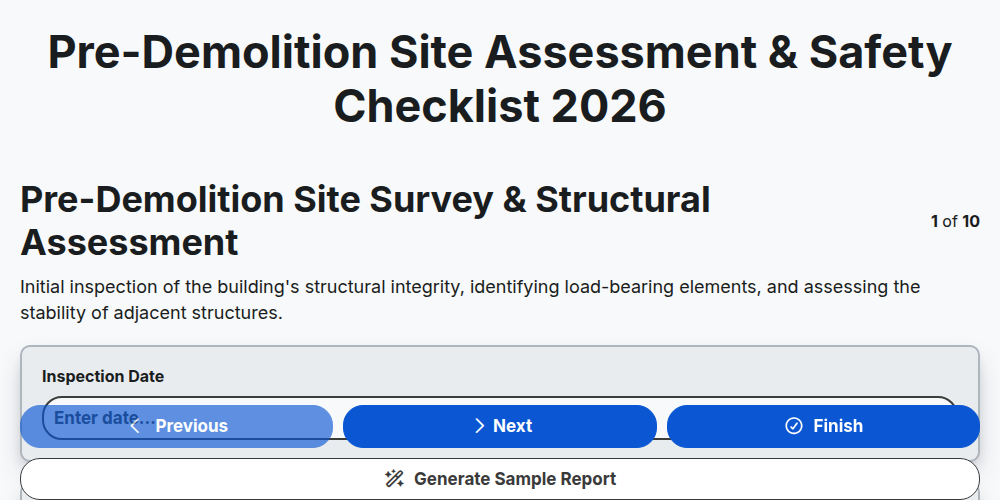
Table of Contents
- Introduction: The Critical Importance of Pre-Demolition Safety in 2026
- 1. Pre-Demolition Site Survey & Structural Assessment
- 2. Hazardous Materials & Environmental Survey: Identifying Hidden Risks
- 3. Utility Disconnection & Isolation Verification
- 4. Site Security & Perimeter Control Protocols
- 5. Implementing Dust, Noise, and Vibration Mitigation Strategies
- 6. Erosion and Sediment Control Compliance
- 7. Waste Management & Debris Disposal Planning
- 8. Occupant & Neighbor Communication Strategies
- 9. Emergency Response Planning & Safety Equipment Readiness
- 10. Regulatory Permits & Legal Documentation Audit
- Conclusion: Ensuring a Smooth and Compliant Demolition Process
- Resources & Links
TLDR: Ensure a seamless and compliant demolition project with our 2026 master checklist. This guide covers everything from structural assessments and hazardous material identification to utility isolation, environmental mitigation, and regulatory compliance, providing site managers with a definitive roadmap to minimize risk, maintain safety, and prevent costly project delays.
Introduction: The Critical Importance of Pre-Demolition Safety in 2026
The High Stakes of Demolition: Why 2026 Demands a New Standard of Rigor
In the fast-evolving landscape of 2026 urban development, the margin for error in demolition projects has virtually disappeared. As construction technology advances and regulatory scrutiny reaches unprecedented levels, the traditional tear it down approach is no longer viable. Today, a demolition site is not just a zone of destruction; it is a highly complex, high-risk industrial environment that requires surgical precision.
The complexity of modern demolition is driven by three converging factors: increasing urban density, stricter environmental ESG (Environmental, Social, and Governance) mandates, and the heightened integration of smart-city technologies. A single oversight in a pre-demolition phase-be it an unmapped utility line, an unidentified hazardous material, or insufficient vibration monitoring-can lead to catastrophic structural failures, massive legal liabilities, and irreparable damage to a firm's reputation.
Beyond the Basics: The 2026 Safety Mandate
As we navigate the 2026 construction season, safety has transitioned from a checkbox exercise to a sophisticated risk-management discipline. Site managers are now tasked with managing much more than just heavy machinery; they are managing community impact, environmental footprints, and complex digital documentation.
A thorough Pre-Demolition Site Assessment is your first and most important line of defense. It serves as the blueprint for the entire project lifecycle, ensuring that every structural, environmental, and social variable is accounted for before the first wrecking ball or excavator arrives.
The following checklist is designed to serve as a comprehensive template for modern site managers. By systematically addressing each of the ten critical pillars outlined below, you can ensure that your project moves from assessment to execution with maximum efficiency, total regulatory compliance, and, most importantly, zero incidents.
1. Pre-Demolition Site Survey & Structural Assessment
Ensuring Structural Integrity and Stability
Before a single piece of machinery enters the site, the foundation of a safe demolition project lies in a meticulous structural evaluation. The primary goal of this initial phase is to identify the structural vulnerabilities of the existing building and its surrounding elements to prevent unplanned collapses or unintended damage to adjacent properties.
Core Assessment Objectives
A thorough structural assessment must move beyond a simple visual inspection. In 2026, industry standards demand a data-driven approach to understanding the physics of the structure being dismantled.
- Load-Bearing Analysis: Evaluate the integrity of load-bearing walls, columns, and beams. It is critical to identify which elements are essential for stability during the phased demolition process.
- Structural Weakness Identification: Document signs of existing damage, such as foundation cracks, sagging floors, or compromised masonry, which could lead to unpredictable structural behavior during mechanical demolition.
- Adjacent Structure Proximity: Assess the impact of the demolition on neighboring buildings. This includes evaluating shared walls, party walls, or structures that may be affected by shifts in ground pressure or vibration.
- Floor and Roof Stability: Inspect the condition of floor slabs and roofing systems to ensure they can safely support the weight of demolition equipment or personnel during the early stages of the project.
Documentation and Mapping
Every finding from the site survey must be integrated into a formal Demolition Method Statement (DMS). This documentation should include:
- Detailed Structural Maps: High-resolution imagery or 3D scans highlighting critical structural nodes.
- Sequence of Operations: A step-by-step breakdown of how the structure will be dismantled, moving from the top down or according to the identified structural logic.
- Risk Stratification: Categorizing specific areas of the site based on their level of instability, allowing for the implementation of specialized shoring or bracing where necessary.
By completing this assessment with precision, site managers can transform a high-risk environment into a controlled, predictable work zone, significantly reducing the likelihood of structural failure during the project lifecycle.
2. Hazardous Materials & Environmental Survey: Identifying Hidden Risks
Before the first wrecking ball swings or the first excavator arrives on-site, the most critical phase of demolition is uncovering what lies beneath the surface and within the walls. A clean demolition is a myth; almost every structure carries some degree of environmental risk that, if left unaddressed, can lead to catastrophic legal liabilities, massive cost overruns, and severe health hazards for your crew.
In 2026, environmental scrutiny is higher than ever. Regulatory bodies are no longer just looking for compliance; they are looking for proactive mitigation.
Uncovering the Silent Killers: Asbestos and Beyond
The primary focus of your environmental survey must be the identification of Asbestos-Containing Materials (ACMs). Even in newer structures, legacy materials can be found in insulation, floor tiles, or ceiling textures. A professional survey must include:
- Comprehensive Sampling: Testing all suspicious materials, not just those visible to the naked eye.
- Lead-Based Paint Assessment: Identifying heavy metal hazards that pose significant risks during dust-generating activities.
- Polychlorinated Biphenyls (PCBs): Checking older electrical transformers and capacitors.
Managing Modern Environmental Threats
As we move further into the decade, the scope of hazardous has expanded. Your 2026 checklist must also account for:
- Mold and Biohazards: Identifying fungal growth that can become airborne during structural disruption.
- Soil Contamination: Checking for heavy metals, petroleum leaks, or chemical residues in the ground surrounding the building footprint.
- Refrigerant Recovery: Ensuring all HVAC systems are professionally decommissioned to prevent the release of ozone-depleting gases.
The Cost of Oversight
Failure to identify these materials during the pre-demolition phase transforms a controlled demolition into an environmental crisis. If hazardous materials are disturbed without a specialized abatement plan, you face more than just fines-you face total project shutdowns, environmental remediation lawsuits, and irreparable damage to your firm's reputation.
Pro-Tip for 2026: Always integrate your environmental survey results directly into your Waste Management Plan. Knowing exactly what is hazardous versus inert is the only way to ensure your disposal costs remain predictable.
3. Utility Disconnection & Isolation Verification
Ensuring a Zero-Energy State: The Criticality of Utility Verification
Before any machinery touches the structure, the most critical step in preventing catastrophic accidents is the absolute verification of utility isolation. In 2026, assumed disconnection is no longer an acceptable standard; physical verification and documented Lockout/Tagout (LOTO) are the benchmarks for site safety.
Failure to properly isolate energy sources can lead to explosions, electrocutions, or accidental flooding, posing an immediate threat to operators and the surrounding community.
The Verification Protocol
To ensure a zero-energy state, your checklist must move beyond simply checking a box. Every disconnection must be treated as a multi-stage process:
- Electrical Isolation: Confirm that all main power feeds have been disconnected at the source. This includes not just the primary grid connection, but also backup generators, solar arrays, and battery storage systems (BESS). Ensure all circuits are tested for dead status before work begins.
- Gas & Fuel Line Termination: Verify that gas mains are capped and that all pressurized fuel lines (propane, diesel, or natural gas) are purged of residual vapors.
- Water & Sewer Disconnection: Ensure water mains are shut off and drained to prevent unexpected flooding or structural instability due to weight changes. Coordinate with local municipalities to ensure sewer lines are properly plugged to prevent debris from entering the public system.
- Communication & Data Lines: Identify and disconnect fiber optics, copper lines, and any high-voltage data cables that could pose a risk during mechanical demolition.
Implementing the Lockout/Tagout (LOTO) Standard
In the 2026 regulatory landscape, every utility isolation point must be accompanied by a physical, traceable lock and tag.
- Identification: Every isolation point must be clearly labeled in the site master plan.
- Physical Lockout: Each technician responsible for a specific utility must apply their personal lock to the energy-isolating device.
- Verification of Isolation: After locking, a try-out test must be performed-attempting to energize the system to prove the isolation is effective.
- Documentation: A signed-off verification log must be kept in the site office, accessible to all safety inspectors and demolition leads.
The Hidden Utility Risk
Modern demolition often encounters orphaned utilities-unmapped lines or private taps that do not appear on original site blueprints. Your assessment must include a sub-surface utility engineering (SUE) review to detect any undocumented connections that could be breached during the demolition process.
4. Site Security & Perimeter Control Protocols
Establishing a Secure Demolition Perimeter
In 2026, site security is no longer just about putting up a fence; it is about creating a technologically integrated exclusion zone that prevents unauthorized entry, protects the public, and mitigates liability. A breach in your perimeter during a demolition project can lead to catastrophic accidents, heavy regulatory fines, and significant legal repercussions.
Physical Barriers and Perimeter Integrity
The first line of defense is a robust, physical boundary that is inspected daily for any signs of degradation or gaps.
- Fencing Specifications: Use heavy-duty, anti-climb fencing that meets current local safety standards. For high-risk demolition zones, consider reinforced hoarding to withstand impact.
- Signage and Warning Markers: Clearly visible, high-contrast signage must be posted at regular intervals. This includes Danger: Demolition in Progress, No Trespassing, and specific PPE requirements for authorized personnel.
- Gate Management: All access points must be equipped with controlled locking mechanisms. Access should be limited to a single, monitored entry/exit point to ensure all personnel and vehicles are accounted for.
Advanced Monitoring and Surveillance
As we move into 2026, passive fencing is insufficient. A modern site assessment must include a plan for active surveillance.
- Smart Perimeter Sensors: Implement IoT-enabled motion sensors or vibration sensors that alert site managers immediately if the perimeter is breached.
- 24/7 CCTV Integration: Deploy solar-powered, wireless camera systems capable of night vision and remote monitoring. This provides a continuous digital audit trail of site activity.
- Drone Patrols: For large-scale or high-complexity sites, scheduled aerial inspections can identify perimeter vulnerabilities that are not visible from ground level.
Access Control and Personnel Accountability
Securing the site also means strictly managing those who are permitted to be inside it.
- Visitor Management Systems: Every person entering the site must be logged. Use digital check-in systems that require identification and verify that the individual has undergone the necessary safety inductions.
- Authorized Personnel Audits: Implement regular spot checks to ensure that only vetted contractors and employees are within the exclusion zone.
- Vehicle Segregation: Clearly define and separate pedestrian walkways from heavy machinery transit routes within the site perimeter to prevent vehicle-personnel collisions.
5. Implementing Dust, Noise, and Vibration Mitigation Strategies
Managing the Invisible Impact: Dust, Noise, and Vibration Mitigation
In 2026, environmental compliance and community relations are no longer optional extras-they are core operational requirements. As demolition projects become more integrated into dense urban environments, the invisible impacts of your site-dust, noise, and vibration-can become your biggest legal and logistical liabilities. Failure to manage these elements doesn't just lead to fines; it leads to immediate work stoppages and irreparable damage to your company's reputation.
To ensure your site remains compliant and your neighbors remain cooperative, implement the following mitigation framework:
Controlling Air Quality and Particulate Matter (Dust)
Dust suppression is the first line of defense against respiratory hazards and environmental violations. A proactive strategy includes:
- Automated Mist Systems: Utilizing high-pressure water atomizers or dust cannons at the point of impact during mechanical demolition.
- Hydration Protocols: Establishing a strict schedule for water truck deployment to keep unpaved access roads and debris piles damp.
- Enclosure Tactics: Utilizing debris netting or specialized containment shrouds on high-rise demolition to prevent wind-borne particles from migrating beyond the perimeter.
- Vehicle Hygiene: Implementing mandatory wheel-wash stations for all exiting machinery to prevent track-out onto public roadways.
Noise Abatement and Acoustic Management
Noise pollution is the most frequent cause of neighbor complaints. Managing the acoustic footprint requires both technical and logistical planning:
- Acoustic Barriers: Deploying temporary sound-dampening blankets or heavy-duty acoustic fencing around the site perimeter, particularly near sensitive receptors like schools or hospitals.
- Equipment Selection: Prioritizing the use of low-noise certified machinery and ensuring all hydraulic breakers and compressors are fitted with modern silencers.
- Operational Scheduling: Aligning high-decibel activities (such as concrete crushing or heavy hammering) with strictly defined daytime windows to respect local noise ordinances and community rest periods.
Vibration Monitoring and Structural Integrity
Vibration from heavy machinery and impact demolition can travel far beyond your site boundaries, potentially causing structural distress to adjacent historical or sensitive buildings.
- Seismic Sensor Deployment: Installing real-time vibration monitoring sensors on neighboring structures to provide instant alerts if thresholds are exceeded.
- Pre-Construction Baselines: Conducting a pre-demolition condition survey of adjacent properties to establish a baseline, protecting you from false claims of damage.
- Impact Management: Utilizing precision demolition techniques, such as hydraulic shearing or controlled chemical expansion, in areas where traditional percussion methods pose too high a risk to the structural stability of the surrounding area.
6. Erosion and Sediment Control Compliance
Ensuring Environmental Stability and Regulatory Compliance
In 2026, environmental stewardship is no longer optional-it is a core pillar of modern demolition. As site regulations become increasingly stringent regarding runoff and soil degradation, your erosion and sediment control (ESC) strategy must be proactive rather than reactive. Failure to manage soil stability can lead to massive fines, heavy litigation, and significant project delays.
Key Focus Areas for Site Managers
To maintain compliance and protect the surrounding ecosystem, your pre-demolition assessment must verify the following:
- Stormwater Management Systems: Before any heavy machinery begins the teardown, ensure that all perimeter controls-such as silt fences, fiber rolls (wattles), and sediment basins-are properly installed and capable of handling projected rainfall volumes.
- Soil Stabilization Protocols: Identify areas of exposed soil that are vulnerable to wind and water erosion. The checklist should include plans for immediate stabilization, such as the application of hydroseeding, mulching, or the use of erosion control blankets on steep slopes.
- Inlet and Drain Protection: Verify that all existing storm drains, curbs, and culverts are protected with sediment traps or filter fabric to prevent debris and silt from entering the municipal sewage or local waterways.
- Runoff Path Analysis: Conduct a pre-demolition survey of the site topography to predict how water will move during a demolition event. Identify high-risk zones where washouts are likely to occur during heavy precipitation.
The 2026 Standard: Real-Time Monitoring
In the current regulatory landscape, set it and forget it is not a viable strategy. Your checklist should include provisions for automated monitoring. Integrating IoT-enabled turbidity sensors or smart rain gauges can provide real-time data, allowing your team to reinforce erosion controls before a compliance breach occurs.
By prioritizing erosion and sediment control, you aren't just checking a box-you are protecting the structural integrity of the site and maintaining your professional reputation within the community.
7. Waste Management & Debris Disposal Planning
Strategic Debris Management: Beyond Simple Removal
In 2026, waste management is no longer just about clearing a site; it is about resource recovery and circular economy compliance. A robust debris disposal plan is critical to prevent site congestion, mitigate environmental fines, and reduce the overall carbon footprint of your demolition project.
Developing Your Disposal Strategy
Effective waste management begins long before the first wrecking ball swings. Your plan must categorize all expected output into specific streams to ensure efficient handling and legal compliance.
Key Components of the 2026 Disposal Plan:
- Waste Stream Characterization: Identify and segregate materials into categories such as masonry, metals, timber, concrete, and plastics. In 2026, higher segregation rates are often a prerequisite for project permits.
- The Hierarchy of Management: Your strategy should prioritize actions in this specific order:
- Reduction: Minimizing unnecessary demolition of salvageable components.
- Reuse: Identifying structural elements (like steel beams or bricks) that can be repurposed on-site or sold.
- Recycling: Sending metals, aggregates, and wood to specialized processing facilities.
- Recovery: Converting non-recyclable organic waste into energy.
- Disposal: Using landfill as the absolute last resort for truly inert, non-recyclable materials.
- Logistics and Site Flow: Designate specific loading zones and sorting areas within your site perimeter. A well-planned debris flow prevents heavy machinery from bottlenecking and reduces the risk of accidents during loading operations.
- Documentation and Traceability (Chain of Custody): Maintain a rigorous digital log of all waste leaving the site. This includes:
- Waste Transfer Notes (WTNs): Detailed records of what was moved, by whom, and where.
- Weight Tickets: Verifiable data from disposal facilities to ensure accuracy in reporting.
- Recycling Certificates: Evidence of diversion rates to satisfy ESG (Environmental, Social, and Governance) reporting requirements.
Pro-Tip for 2026 Site Managers:
Leverage real-time digital tracking. Using IoT-enabled skips or mobile apps to track debris volume in real-time allows you to optimize collection schedules, reducing unnecessary truck movements and lowering your site's fuel emissions.
8. Occupant & Neighbor Communication Strategies
Maintaining Community Relations and Managing Expectations
Demolition is inherently disruptive. Even with the most advanced mitigation technologies, the physical reality of heavy machinery, changing traffic patterns, and noise is impossible to hide. In 2026, the standard for project management has shifted from mere notification to active engagement. Effective communication is your most powerful tool to prevent formal complaints, legal injunctions, and project delays.
Proactive Notification Protocols
Before a single machine arrives on-site, a formal communication loop must be established. A successful strategy includes:
- The Pre-Demolition Briefing: Distribute detailed notices at least two weeks prior to commencement. This should include the project timeline, specific high-impact windows (e.g., when heavy debris removal will occur), and expected traffic diversions.
- Multi-Channel Reach: Do not rely solely on physical flyers. Utilize digital platforms, such as localized SMS alerts or project-specific web portals, to provide real-time updates on schedule changes due to weather or unforeseen structural complications.
Managing the Impact Zone
The impact zone extends beyond the property line. Your communication strategy must address the specific concerns of different stakeholders:
- Immediate Neighbors: Focus on the nuisance factors. Provide clear contact information for a 24/7 site liaison who can respond immediately to reports of excessive dust or vibration concerns.
- Local Businesses: For commercial neighbors, focus on accessibility. Ensure they are aware of how utility isolations or sidewalk closures might affect their customer foot traffic or delivery windows.
- Commuters and Residents: Address the logistical friction. Use clear, high-visibility signage around the perimeter to guide traffic and manage pedestrian safety during peak hours.
The Feedback Loop: Crisis Prevention through Transparency
The goal of communication in 2026 is to transform potential adversaries into informed observers. When neighbors feel informed, their tolerance for the unavoidable inconveniences of demolition increases significantly.
Always document all outgoing communications and incoming grievances. Maintaining a transparent log of how neighbor concerns were addressed serves not only as a best practice for community relations but also as vital documentation for regulatory compliance and dispute resolution.
9. Emergency Response Planning & Safety Equipment Readiness
Ensuring Rapid Response and On-Site Safety
In the high-stakes environment of a demolition site, the difference between a minor incident and a catastrophic event often lies in the minutes following an emergency. As we move into 2026, safety standards have evolved to demand more than just a basic first-aid kit; they require a proactive, integrated emergency response ecosystem.
Establishing Emergency Protocols
Before any heavy machinery begins its work, a clear, site-specific Emergency Action Plan (EAP) must be finalized and communicated to all personnel. This includes:
- Evacuation Routes and Assembly Points: Clearly marked, unobstructed paths that lead to a predetermined safe zone, away from the drop zone and structural instability areas.
- Incident Command Structure: A defined hierarchy of who is in charge during a crisis, ensuring that communication remains streamlined and panic is minimized.
- Site-Specific Emergency Contacts: A visible roster of onsite medics, local fire departments, utility providers, and environmental agencies.
Critical Safety Equipment Inventory
Your site assessment is not complete until you have verified the presence and functionality of the following essential equipment:
- Advanced First Aid & Trauma Kits: Beyond standard bandages, kits should be stocked with trauma dressings and automated external defibrillators (AEDs), positioned in easily accessible, weather-protected stations.
- Fire Suppression Systems: Fully charged, inspected fire extinguishers must be strategically placed near high-risk zones, such as fuel storage, welding areas, and electrical hubs.
- Communication Redundancy: In 2026, relying solely on mobile phones is insufficient. Ensure the availability of two-way radios with dedicated emergency channels and-site-wide sirens or air horns for immediate mass notification.
- Personal Protective Equipment (PPE) Audits: A final verification that all workers have access to task-specific PPE, including high-visibility gear, respiratory protection, and impact-resistant headgear.
Drills and Training Verification
Equipment is only effective if the team knows how to use it. Use this phase of the checklist to confirm that all subcontractors have undergone site-specific safety inductions and that mock drills-simulating structural shifts or utility breaches-have been integrated into the project timeline.
10. Regulatory Permits & Legal Documentation Audit
Ensuring Legal Compliance and Permit Integrity
Before a single piece of machinery arrives on-site, the most critical step in your pre-demolition workflow is ensuring that your legal foundation is airtight. In 2026, regulatory scrutiny regarding demolition safety and environmental impact is at an all-time high. A single missing permit or an expired document can lead to immediate site shutdowns, heavy municipal fines, and significant litigation risks.
The Compliance Audit Framework
A robust documentation audit goes beyond simply holding a folder of papers; it involves verifying that every permit is specific to the scope of work, current in its validity period, and fully aligned with the most recent local and federal regulations.
Essential Documentation Checklist
To ensure your site remains compliant and operational, your audit must confirm the presence and accuracy of the following:
- Demolition Permits: Verifying that the primary demolition permit has been issued by the relevant local building department and reflects the exact structure being removed.
- Environmental & Hazardous Waste Permits: Ensuring all approvals for the handling, transport, and disposal of hazardous materials (such as asbestos or lead) are active and in accordance with environmental protection agency standards.
- Utility Disconnection Certificates: Formal, written confirmation from all utility providers (gas, water, electricity, and telecommunications) certifying that services have been permanently disconnected or safely diverted.
- Traffic Management Plans (TMP): Approved permits for any road closures, sidewalk diversions, or special heavy-vehicle access requirements necessary for demolition debris removal.
- Noise and Dust Mitigation Approvals: Documentation proving that your proposed mitigation strategies have been reviewed and approved by local noise control boards or environmental agencies.
- Occupational Health and Safety (OHS) Plan: A site-specific safety plan that has been reviewed, updated for 2026 standards, and communicated to all stakeholders.
- Insurance and Liability Coverage: Verification that all contractor, subcontractor, and third-party liability insurance policies are current, and that the coverage limits are sufficient for the specific risks of the demolition project.
The Risk of Non-Compliance
In the modern regulatory landscape, assuming a permit is valid is a high-stakes gamble. An audit failure in this category often results in Stop Work Orders, which disrupt the entire project timeline and can lead to breach-of-contract disputes with developers and stakeholders. Use this final stage of your assessment to create a centralized, digital-first document repository that can be presented instantly to inspectors or safety auditors upon request.
Conclusion: Ensuring a Smooth and Compliant Demolition Process
Navigating the Complexity of Modern Demolition
As we move into 2026, the landscape of demolition is shifting. With stricter environmental regulations, heightened community scrutiny, and more advanced safety technologies, the margin for error has virtually disappeared. A single oversight in your pre-demolition checklist-whether it be an unverified utility line or a lapse in dust mitigation-can lead to catastrophic structural failures, heavy legal penalties, or long-term reputational damage.
The checklist provided in this guide is more than just a procedural requirement; it is your primary tool for risk mitigation. By systematically addressing everything from structural integrity and hazardous material identification to neighbor communications and waste management, you transition from a reactive mindset to a proactive one.
Moving Forward with Precision
Success in modern demolition is measured not just by how effectively a structure is brought down, but by how safely and cleanly the process is executed. As site managers, your goal is to ensure that by the time the first wrecking ball or excavator moves, every potential hazard has been identified, every permit is in hand, and every safety protocol is active.
Final Pro-Tips for 2026 Site Managers:
- Digital Integration: Whenever possible, move your checklist from paper to digital management software to allow for real-time updates and photo documentation.
- Continuous Auditing: Use this checklist not just once, but as a recurring audit tool throughout the different phases of the demolition project.
- Stakeholder Accountability: Ensure that every subcontractor on-site is not only aware of these safety benchmarks but is actively contributing to their enforcement.
By adhering to this comprehensive framework, you ensure that your project remains compliant, your workforce remains safe, and your site remains a model of professional excellence in an evolving industry.
Resources & Links
- OSHA (Occupational Safety and Health Administration): The primary authority for safety regulations and standards regarding demolition and construction site safety.
- U.S. Environmental Protection Agency (EPA): Essential resources for managing hazardous materials, asbestos regulations, and environmental compliance during demolition.
- NIOSH (National Institute for Occupational Safety and Health): Provides research-based information on preventing work-related injuries and illnesses, specifically for construction hazards.
- Asbestos Information & Regulations: Specific guidance on identifying, handling, and disposing of asbestos-containing materials found in older structures.
- Construction Safety Standards: Global best practices and regulatory frameworks for structural integrity and site stability assessments.
- ISO (International Organization for Standardization): Access to international standards for environmental management (ISO 14001) and occupational health and safety (ISO 45001).
- EPA Waste Management Guidelines: Detailed protocols for the management and disposal of demolition debris and hazardous waste streams.
- NFPA (National Fire Protection Association): Critical codes and standards for fire prevention, emergency response planning, and site fire safety.
- Site Security & Perimeter Control Resources: Guidance on implementing physical security measures and access control protocols for construction sites.
- Chemical Safety & Hazardous Materials: Information on managing chemical risks and understanding Safety Data Sheets (SDS) during site surveys.
- Stormwater & Erosion Control: Best Management Practices (BMPs) for preventing sediment runoff and protecting local water systems.
- Noise & Vibration Mitigation: Technical insights into controlling acoustic impact and structural vibration in urban demolition environments.
- FEMA Emergency Planning: Frameworks for developing comprehensive emergency response and disaster preparedness plans for high-risk sites.
- Construction Industry News & Trends: Updates on 2026 technology trends, including AI-driven site monitoring and automated safety inspections.
- IARC (International Agency for Research on Cancer): Scientific data on the health risks associated with dust and particulates found in demolition debris.
- Sustainable Demolition & Circular Economy: Resources on the future of deconstruction, focusing on material reuse and sustainable waste management.
Comments
There are no comments yet. Be the first to add one!
Construction Management Solution Demo
Build smarter, not harder! ChecklistGuro streamlines construction projects from planning to closeout. Manage tasks, inspections, safety protocols & more - all in one place. Reduce delays, improve communication, and deliver projects on time & on budget.
Related Articles
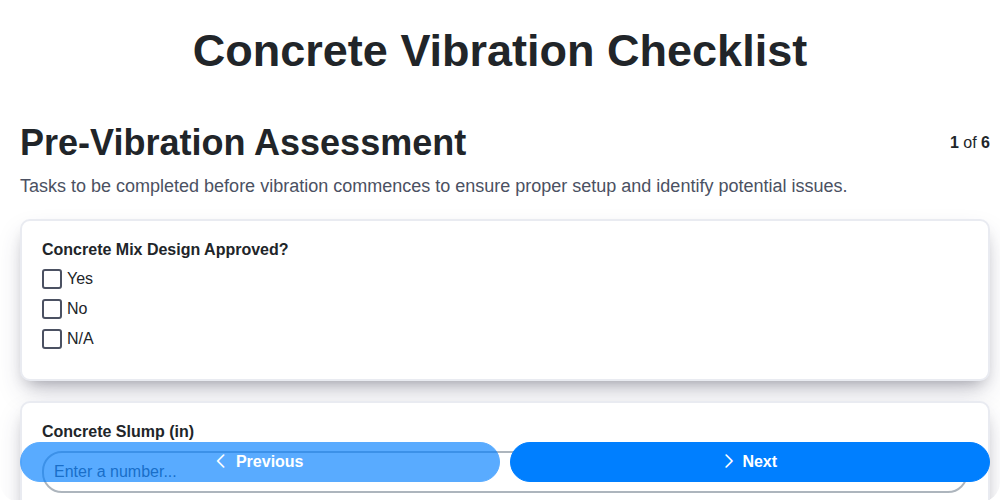
The Ultimate Concrete Vibration Checklist Template
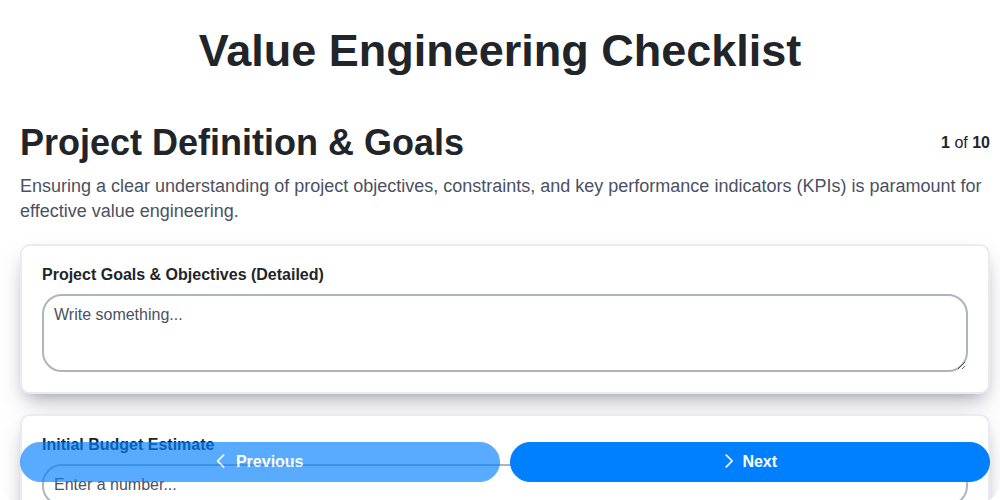
Unlock Value: Your Free Value Engineering Checklist Template
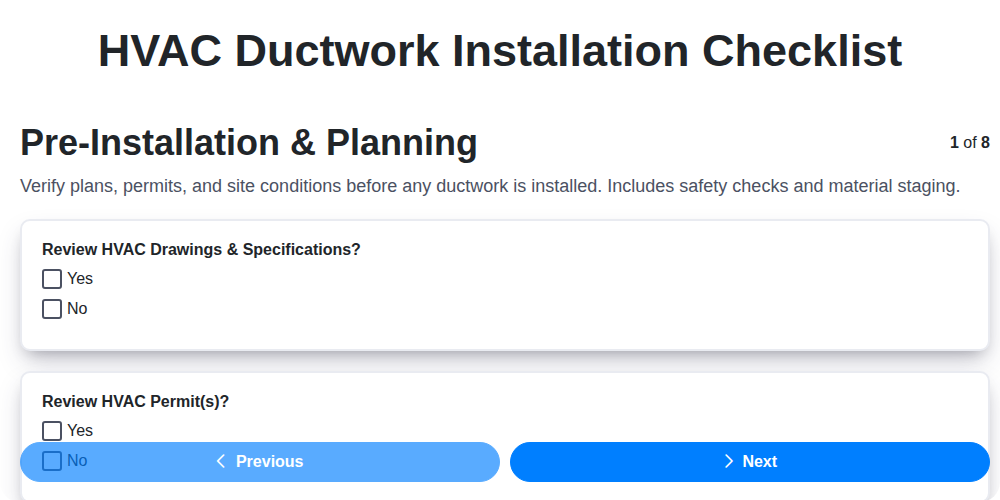
The Ultimate HVAC Ductwork Installation Checklist Template

The Ultimate Rebar Placement Checklist Template
Your Concrete Mix Design Verification Checklist: A Step-by-Step Guide
Backfilling & Compaction Checklist: A Foundation's Best Friend
The Ultimate Concrete Delivery & Placement Checklist Template
Your Ultimate Stakeholder Communication Plan Checklist Template
Need help with
Construction?
Have a question? We're here to help. Please submit your inquiry, and we'll respond promptly.