The Ultimate Project Kick-Off Meeting Checklist Template
Published: 09/01/2025 Updated: 07/02/2026
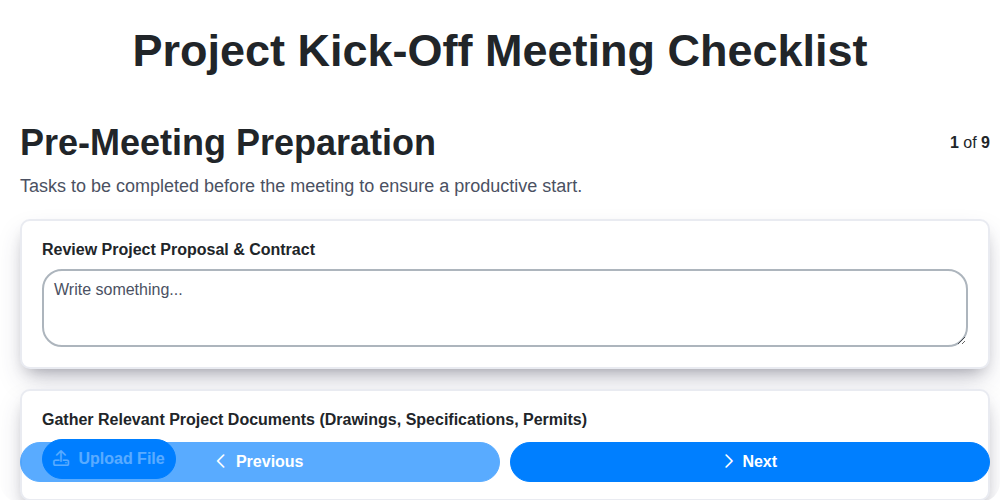
Table of Contents
- Why a Project Kick-Off Meeting Checklist Matters
- Before the Meeting: Essential Preparation
- Setting the Stage: Logistics and Introductions
- Defining Success: Project Goals and Scope
- Communication is Key: Reporting and Channels
- Mapping the Journey: Schedule & Milestones
- Anticipating Challenges: Risk and Issue Management
- Actionable Steps: Next Steps and Ownership
- Post-Meeting Follow-Up: Ensuring Accountability
- Continuous Improvement: Refining the Process
- Your Customizable Kick-Off Checklist Template
- Resources & Links
TLDR: Need a smooth project start? This checklist template guides you through essential steps - from defining roles and goals to managing risks and tracking action items - ensuring everyone's on the same page and setting your project up for success. Download the template and ditch the chaos!
Why a Project Kick-Off Meeting Checklist Matters
A successful project isn't just about brilliant ideas; it's about meticulous execution and shared understanding. Skipping a well-structured project kick-off meeting, or rushing through it without a clear plan, is like setting sail without a map. It leaves room for misinterpretations, duplicated efforts, and ultimately, project derailment.
Imagine a scenario where team members have different assumptions about the project's goals, communication protocols, or their individual responsibilities. This leads to conflicting priorities, missed deadlines, and a frustrated team - all easily avoidable with a thorough kick-off.
A checklist isn't just about ticking boxes; it's a proactive tool that minimizes risk and maximizes efficiency. It ensures that everyone understands why the project exists, what needs to be achieved, who is accountable for what, and how communication will flow. This foundation of clarity builds trust, fosters collaboration, and significantly increases the likelihood of delivering a successful outcome - on time and within budget. Ultimately, a project kick-off checklist isn't just a "nice-to-have"; it's a vital investment in your project's success.
Before the Meeting: Essential Preparation
A successful kick-off meeting hinges on thorough preparation before anyone even logs in or walks into the room. Rushing into a meeting without laying the groundwork is a recipe for confusion and wasted time. Here's a breakdown of the critical steps to take beforehand:
1. Define Crystal-Clear Objectives: Don't just say "have a kick-off meeting." Articulate what you want to achieve. Are you aiming for complete alignment on project scope? Solidifying team roles and responsibilities? Confirming stakeholder buy-in? Specific objectives guide the agenda and keep the meeting focused.
2. Craft a Detailed Agenda & Distribute it Early: A well-structured agenda isn't just a list of topics; it's a roadmap. Outline the topics, allocate time for each, and share it with attendees at least 2-3 days in advance. This allows participants to review the agenda, formulate questions, and gather any necessary background information. A clear agenda demonstrates respect for everyone's time and encourages active participation.
3. Select and Invite the Right Attendees: Carefully consider who needs to be in the meeting. Too many attendees can be overwhelming and unproductive. Only invite those whose presence is essential for decision-making or information sharing. Ensure all key stakeholders, project team members, and the project sponsor are included.
4. Develop Supporting Materials: Prepare any documents or presentations needed to guide the discussion. This might include the project charter, scope document, initial risk assessment, or a preliminary project schedule. Don't overload attendees with information - focus on the key documents needed to facilitate the discussion.
5. Pre-Meeting Communication (Optional but Highly Recommended): Consider sending a brief pre-reading document or a short video summarizing the project's background and goals. This sets the stage for a more focused and productive kick-off meeting, especially for larger or more complex projects.
Setting the Stage: Logistics and Introductions
Before diving into the what of your project, ensure everyone can actually get to the meeting and feels comfortable participating. Meticulous logistics prevent technical hiccups and awkward silences, while well-structured introductions foster a sense of team cohesion from the very start.
First, double-check the basics. Confirm the date, time, and location (or virtual meeting link) are crystal clear in everyone's calendars. Send a reminder a day or two beforehand. For virtual meetings, do a quick test run of your audio and video equipment to avoid frustrating technical difficulties. A simple Hey, can everyone quickly confirm they can hear/see me? goes a long way.
Then, dedicate time for introductions - more than just a name and title. Encourage attendees to share a brief, relevant piece of their experience or a quick fun fact to help break the ice and build rapport. If the group is large, consider breaking into smaller breakout rooms for initial introductions. This fosters a more personal connection than a rapid-fire round in a large meeting. A simple icebreaker question like What's one thing you're hoping to achieve through this project? can spark conversation and reveal individual motivations. Finally, clearly outline each person's role within the project - avoiding ambiguity and setting expectations from the beginning.
Defining Success: Project Goals and Scope
Before a single task is assigned or a line of code is written, it's absolutely critical to define what success looks like for this project. This isn't just about completing tasks; it's about achieving specific, measurable outcomes that align with the overall business strategy.
A common pitfall is a vague or overly ambitious project scope. "Improve customer satisfaction" is a worthy goal, but it's not something you can directly measure or easily attribute to a project. Instead, translate that high-level objective into SMART goals: Specific, Measurable, Achievable, Relevant, and Time-bound.
For example, instead of "improve customer satisfaction," a SMART goal might be: Increase the Net Promoter Score (NPS) from 65 to 75 within six months by implementing a new customer onboarding process.
Beyond goals, clearly defining the project scope is equally vital. What is included in this project? What deliverables will be produced? And just as importantly, what is out of scope? Documenting these boundaries prevents scope creep - the insidious expansion of the project's objectives that leads to missed deadlines, budget overruns, and frustrated teams.
Consider using a Scope Statement document, outlining inclusions and exclusions, and getting it formally approved by key stakeholders. This acts as a reference point throughout the project's lifecycle, ensuring everyone remains aligned on what needs to be accomplished and what falls outside the project's responsibility. Remember: a well-defined scope isn't about restricting creativity; it's about focusing effort and maximizing the chances of delivering a successful project.
Communication is Key: Reporting and Channels
A project's success hinges not just on what you do, but also on how you communicate about it. Misunderstandings, lack of updates, or inconsistent information can derail even the best-laid plans. This section outlines how to build a robust communication framework.
Defining Reporting Frequency & Format
Determine how often updates are required and in what format. A large, complex project might necessitate weekly progress reports, while a smaller, more straightforward initiative could manage with bi-weekly summaries. Consider incorporating both quantitative (numbers, metrics) and qualitative (status, risks, issues) information. Popular formats include:
- Email Summaries: Concise updates delivered directly to stakeholders.
- Dashboard Reports: Visual representations of key performance indicators (KPIs) accessible to the team and stakeholders.
- Steering Committee Meetings: Formal presentations to senior management to review progress and make strategic decisions.
Choosing the Right Communication Channels
Select channels that best suit the message and audience. Think about:
- Project Management Software (e.g., Asana, Jira, Trello): Ideal for task assignment, progress tracking, and team collaboration.
- Instant Messaging (e.g., Slack, Microsoft Teams): Perfect for quick questions, informal updates, and urgent matters. Establish clear guidelines for appropriate use.
- Email: Best for formal communication, important documents, and external stakeholders.
- Video Conferencing (e.g., Zoom, Google Meet): Facilitates face-to-face communication, brainstorming, and relationship building.
Establishing Communication Protocols
Clearly define expectations for response times, escalation procedures, and who is responsible for disseminating information. This includes:
- Designated Communicators: Identifying key individuals responsible for communicating project updates to different stakeholders.
- Escalation Paths: Defining the process for escalating issues or concerns to the appropriate level of management.
- Meeting Cadence: Establishing a regular schedule for team meetings and stakeholder updates.
Remember, open and transparent communication fosters trust, strengthens collaboration, and increases the likelihood of project success.
Mapping the Journey: Schedule & Milestones
A project isn't just about goals; it's about the path to achieve them. A clear, well-defined schedule and identifiable milestones are your roadmap - guiding your team and keeping everyone on track. But it'd be useless if everyone interprets it differently.
This isn't just about dates; it's about understanding dependencies. A milestone isn't just an endpoint; it's often a prerequisite for the next phase. For example, the completion of the design phase must precede the development phase. Failing to acknowledge these dependencies can lead to bottlenecks and delays.
We typically present our project schedule visually, often using a Gantt chart or a Kanban board. A Gantt chart provides a timeline view, displaying tasks, durations, and dependencies. A Kanban board, commonly used in Agile environments, focuses on visualizing workflow and managing tasks through different stages. Regardless of the format, clarity is paramount. Each milestone should have:
- A Clear Description: What does "Beta Release" really mean?
- A Defined Due Date: A realistic and agreed-upon deadline.
- Assigned Ownership: Who is responsible for ensuring it's achieved?
- Potential Risks/Dependencies: What could prevent us from reaching it on time?
Take the time to walk through the schedule with the team, ensuring everyone understands the critical path and their responsibilities. Frequent check-ins - even brief ones - can help identify potential roadblocks early and keep the project moving forward. Don't be afraid to adjust the schedule as needed, but always communicate changes clearly and promptly.
Anticipating Challenges: Risk and Issue Management
Project success isn't just about what goes right; it's about proactively addressing what could go wrong. Ignoring potential roadblocks is a recipe for delays, budget overruns, and frustrated teams. This section focuses on building a robust risk and issue management strategy from the very beginning.
Beyond Hope for the Best: Identifying Potential Risks
Brainstorming potential risks isn't about negativity; it's about preparedness. Encourage open and honest discussion - no idea is too small or seemingly insignificant. Consider these categories to spark the conversation:
- Technical Risks: Will the technology work as expected? Do we have the right expertise?
- Resource Risks: Are we adequately staffed? Do we have access to necessary equipment?
- Schedule Risks: Are the timelines realistic? Are there dependencies that could cause delays?
- Stakeholder Risks: Do we have buy-in from all key stakeholders? Could there be conflicting priorities?
- External Risks: What external factors (market changes, regulatory changes) could impact the project?
From Risk to Mitigation: Building a Response
Once risks are identified, categorize them by likelihood and impact (high, medium, low). For each identified risk, develop a mitigation strategy - a plan to either prevent the risk from occurring or minimize its impact if it does. This might involve:
- Avoidance: Changing the project plan to eliminate the risk altogether.
- Mitigation: Taking steps to reduce the likelihood or impact of the risk.
- Transfer: Shifting the risk to another party (e.g., through insurance or outsourcing).
- Acceptance: Acknowledging the risk and developing a contingency plan.
Issues Arise: Tracking and Resolution
Inevitably, things will go wrong. An "issue" is a risk that has materialized and requires immediate attention. Establish a clear process for:
- Issue Logging: A centralized record of all identified issues, their status, and assigned owners.
- Escalation Paths: A defined process for escalating critical issues to appropriate decision-makers.
- Resolution Tracking: Monitoring progress on issue resolution and documenting lessons learned.
By proactively addressing potential challenges and establishing a clear issue resolution process, you transform potential setbacks into opportunities for learning and improvement.
Actionable Steps: Next Steps and Ownership
The kick-off meeting isn't just about talking; it's about doing. To ensure momentum after the meeting, meticulously define next steps and assign clear ownership. This isn't just about assigning tasks; it's about accountability and fostering a sense of shared responsibility.
Here's how to move beyond discussion and into action:
- Document Each Action Item: For every decision or task identified, create a detailed action item entry. This entry should include:
- Task Description: A concise explanation of what needs to be done. Avoid ambiguity - be specific. ("Refine user personas" is less helpful than "Draft three distinct user personas for the marketing team's review by [Date]").
- Owner: The individual directly responsible for completing the task. It's crucial to assign one owner for each item - avoid shared ownership which can lead to inaction.
- Due Date: A realistic and agreed-upon deadline.
- Priority: Categorize each action item as High, Medium, or Low based on its impact on the project's timeline and success.
- Utilize a Tracking System: Whether it's a simple spreadsheet, a project management tool (Asana, Trello, Jira), or a shared document, establish a system for tracking progress. Regular updates (weekly is often a good starting point) on these systems are vital.
- Publicly Share Action Items: Transparency fosters accountability. Ensure all team members have access to the list of action items and their status.
- Follow-Up is Key: Don't assume tasks will magically get done. Schedule brief, focused follow-up meetings (15-30 minutes) to review action item progress and address any roadblocks. The project manager or designated team lead should actively monitor these items and proactively offer support.
- Example: Let's say during the meeting, it was decided that the design team needs to create a style guide. The action item might look like this:
- Task: Create a comprehensive style guide for consistent branding.
- Owner: Sarah Chen (Design Lead)
- Due Date: October 27, 2024
- Priority: High
Post-Meeting Follow-Up: Ensuring Accountability
The kick-off meeting itself is just the beginning. A truly successful launch hinges on diligent follow-up. Without it, those carefully discussed plans and action items risk fading into oblivion. Here's what needs to happen immediately after the meeting wraps up:
1. Distribute Clear & Concise Meeting Minutes: Within 24-48 hours, circulate comprehensive meeting minutes to all attendees and relevant stakeholders. These minutes should clearly outline:
- Key Decisions Made: A concise summary of the agreements reached.
- Action Items: A detailed list of tasks, assigned owners, and agreed-upon deadlines. Use a standardized format (table or bulleted list) for clarity.
- Any Open Questions or Concerns Raised: Documenting these ensures they don't get overlooked.
2. Action Item Tracking & Accountability: Don't just send the minutes and forget about them. Implement a system for tracking action item progress. This could be a shared spreadsheet, a task management tool (like Asana or Trello), or even a simple weekly email update. Regularly check in with action item owners to ensure they're on track.
3. Proactive Follow-Up: Don't wait for action item owners to come to you with updates. As the project manager, proactively reach out if a deadline is approaching or if you notice a potential roadblock. A quick check-in can prevent small issues from escalating into bigger problems.
4. Address Lingering Questions: The meeting may have uncovered areas needing further clarification. Make sure these questions are addressed promptly and efficiently, preventing confusion and potential missteps down the line.
5. Reinforce the Vision: A short, positive follow-up email reinforcing the project's goals and expressing confidence in the team can maintain momentum and enthusiasm, especially as the project moves into execution.
Continuous Improvement: Refining the Process
The first kick-off meeting rarely goes perfectly. That's okay! Viewing this checklist as a living document, subject to ongoing refinement, is key to long-term success. Immediately following the meeting, proactively solicit feedback from all attendees. Ask specific questions: Was the agenda clear? Did you feel heard and understood? Were the action items assigned effectively?
Don't just collect feedback; act on it. If a particular item consistently causes confusion or delays, revisit the checklist and adjust the wording, add clarification, or even remove it entirely. Perhaps a dedicated pre-meeting survey would be beneficial to gauge attendee preparedness and identify potential roadblocks.
Remember, the goal isn't to adhere rigidly to a static process, but to create a kick-off meeting experience that consistently sets your project up for success. Embrace experimentation, learn from your experiences, and continually strive to optimize the process - your future project teams will thank you for it.
Your Customizable Kick-Off Checklist Template
We know that every project is unique. That's why we're providing a fully customizable kick-off meeting checklist template to help you tailor the process to your specific needs. This isn't a rigid document - it's a framework designed to be adapted and improved upon.
What's Included?
- Downloadable Document: A Microsoft Word document (.docx) ready for immediate editing.
- Detailed Sections: Mirrors the ten key phases outlined in the blog post, with space for notes and customization.
- Role Assignment Table: A pre-built table to easily assign responsibilities for each checklist item.
- Risk & Issue Log Template: A basic log to track potential problems and mitigation strategies.
- Action Item Tracker: A simple table to record action items, owners, and deadlines.
- Blank Space for Project-Specific Details: Dedicated areas to add information specific to your project's scope, goals, and team.
How to Customize It:
- Review the Template: Familiarize yourself with the sections and their purpose.
- Add Project Details: Fill in the project name, objectives, key stakeholders, and other relevant information.
- Adjust the Agenda: Modify the agenda items to align with your project's specific requirements.
- Assign Roles & Responsibilities: Clearly define who is responsible for each task and milestone.
- Add or Remove Sections: Feel free to add new sections or remove those that are not relevant to your project.
- Share with Your Team: Distribute the customized checklist to your team to ensure everyone is on the same page.
We encourage you to adapt this template and make it your own. The more you customize it, the more valuable it will be in ensuring a successful project kick-off.
Resources & Links
- Asana: Project management software often used for kick-off meeting planning, task assignment, and tracking progress. Offers templates and collaboration features.
- Monday.com: Another popular project management platform with customizable workflows. Useful for visualizing project timelines and assigning responsibilities post-kick-off.
- Smartsheet: Combines spreadsheet functionality with project management tools. Provides a flexible option for creating and sharing kick-off meeting checklists and tracking action items.
- Atlassian (Jira & Confluence): Jira for issue tracking and Confluence for documentation - both helpful for ongoing project management and collaboration, especially for complex projects needing detailed documentation.
- Teamwork: Project management software with features tailored for client collaboration and communication, which can be beneficial for involving stakeholders in the kick-off process.
- Microsoft Teams: For logistics and collaboration. Teams is often used for scheduling meetings, sharing documents, and facilitating communication related to the kick-off and subsequent project phases.
- Zoom: A popular video conferencing platform for conducting virtual kick-off meetings, especially when team members are geographically dispersed.
- Slack: Real-time messaging platform for ongoing communication and quick updates related to the project, following the kick-off meeting. Great for rapid issue resolution and questions.
- Template.net - Kick-off Meeting Checklists: A library of downloadable kick-off meeting checklist templates, offering various formats and designs for inspiration and customization.
- Project Management Institute (PMI): A professional organization offering resources, training, and best practices for project management, including guidelines for effective kick-off meetings. (Many articles available, this is the home page)
- MindTools: Provides practical management tools and resources, including articles and templates for planning and running effective meetings, including kick-off meetings.
- Gartner: Provides research and insights on technology and business trends. Useful for understanding project management software options and industry best practices. (Requires subscription for full content, home page showcases offerings)
Frequently Asked Questions
What is a project kick-off meeting?
A project kick-off meeting is the first official meeting for a project, introducing the project's goals, scope, roles, and initial plans to the core team and key stakeholders. It sets the tone for the project and ensures everyone is aligned.
Why is a kick-off meeting checklist important?
A checklist ensures nothing crucial is missed during the kick-off meeting. It promotes consistency, clarity, and alignment among team members and stakeholders, minimizing misunderstandings and potential delays later in the project lifecycle.
Who should attend the project kick-off meeting?
Typically, the meeting should include the project manager, project sponsor, key stakeholders, core team members (developers, designers, analysts), and any other individuals who will be directly involved in the project's execution.
What are the key elements to include in a kick-off meeting?
Key elements include introducing the team, reviewing the project goals and objectives, defining roles and responsibilities, outlining the project scope and deliverables, establishing communication protocols, discussing the project timeline, and addressing initial questions or concerns.
Can this checklist template be customized?
Absolutely! The provided checklist is a template and should be tailored to fit the specific needs and complexities of your project. Add or remove items as necessary to ensure it accurately reflects your project's requirements.
What if we have a remote team? Can this checklist still be used?
Yes, the checklist is designed to be adaptable for remote teams. You may need to adjust the meeting format (e.g., using virtual meeting platforms) and incorporate digital collaboration tools, but the core checklist items remain relevant.
How long should a project kick-off meeting typically last?
The ideal duration varies, but a kick-off meeting usually lasts between 60-90 minutes. Keep it concise and focused to maintain engagement. Larger, more complex projects may require a longer meeting, but break it up with activities or short breaks.
What should happen after the kick-off meeting?
Following the meeting, distribute meeting minutes and action items to all attendees. Confirm understanding of roles, responsibilities, and next steps. Keep the project charter and checklist readily available for reference throughout the project lifecycle.
Comments
There are no comments yet. Be the first to add one!
Construction Management Solution Demo
Build smarter, not harder! ChecklistGuro streamlines construction projects from planning to closeout. Manage tasks, inspections, safety protocols & more - all in one place. Reduce delays, improve communication, and deliver projects on time & on budget.
Related Articles
The Ultimate Concrete Vibration Checklist Template
Unlock Value: Your Free Value Engineering Checklist Template
The Ultimate HVAC Ductwork Installation Checklist Template

The Ultimate Rebar Placement Checklist Template
Your Concrete Mix Design Verification Checklist: A Step-by-Step Guide
Backfilling & Compaction Checklist: A Foundation's Best Friend
The Ultimate Concrete Delivery & Placement Checklist Template
Your Ultimate Stakeholder Communication Plan Checklist Template
Need help with
Construction?
Have a question? We're here to help. Please submit your inquiry, and we'll respond promptly.