The Ultimate Property Acquisition Due Diligence Checklist: A Step-by-Step Guide
Published: 11/26/2025 Updated: 07/02/2026
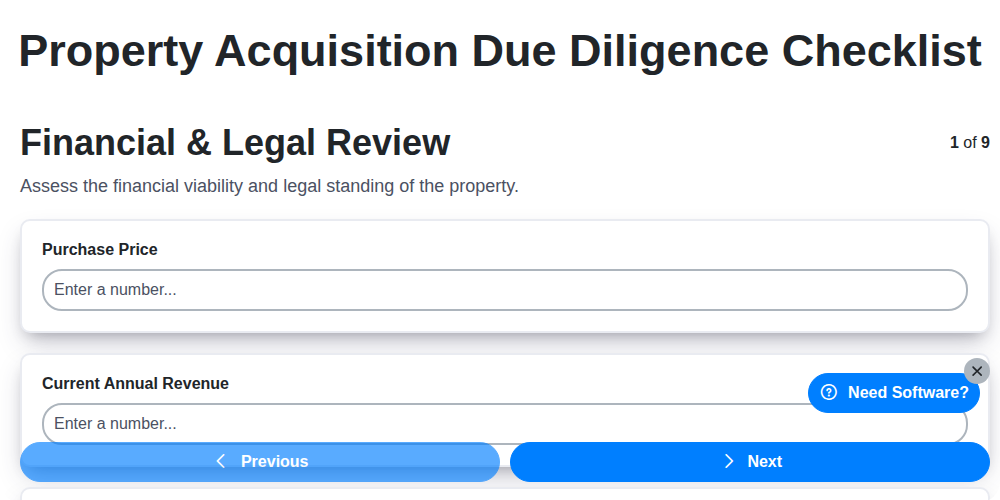
Table of Contents
- Introduction: Why Due Diligence Matters
- 1. Financial & Legal Review: Uncovering Potential Liabilities
- 2. Title & Survey: Confirming Ownership and Boundaries
- 3. Environmental Assessment: Identifying Hidden Risks
- 4. Physical Inspection: Assessing the Property's Condition
- 5. Lease Review (If Applicable): Understanding Tenant Obligations
- 6. Zoning & Permits: Ensuring Compliance and Future Use
- 7. Insurance Review: Evaluating Coverage and Costs
- 8. Tax Implications: Planning for the Financial Impact
- 9. Contract & Closing: Finalizing the Acquisition
- Conclusion: Mitigating Risk and Securing Your Investment
- Resources & Links
TLDR: Buying property? Don't skip due diligence! This checklist breaks down essential steps - from financial and legal reviews to environmental assessments and lease scrutiny - ensuring you uncover potential risks before you commit. It's your roadmap to a smart, informed investment.
Introduction: Why Due Diligence Matters
Property acquisition isn't just about finding a space you like and making an offer. It's a significant investment, and rushing into it without thorough investigation can lead to costly surprises and long-term headaches. That's where due diligence comes in. Think of it as your detective work - uncovering potential risks and verifying the asset's true value before you commit. A comprehensive due diligence process helps you confidently assess the property's financial health, legal standing, physical condition, and potential liabilities. Skipping steps or cutting corners can expose you to unexpected expenses, legal battles, or even the devaluation of your investment. This checklist is designed to guide you through the key areas to examine, empowering you to make an informed decision and protect your hard-earned money.
1. Financial & Legal Review: Uncovering Potential Liabilities
A thorough financial and legal review is arguably the most critical first step in property acquisition due diligence. It's about looking beyond the surface and identifying any hidden liabilities that could significantly impact your investment. This goes far beyond just looking at the seller's profit and loss statements.
We're talking about a deep dive into the property's financial history, including:
- Reviewing Financial Statements: Analyze at least three to five years of profit and loss statements, balance sheets, and cash flow statements. Look for trends, unusual expenses, and potential red flags.
- Examining Debt and Liabilities: Investigate any existing mortgages, liens, judgments, or other debts associated with the property. Understand the terms, interest rates, and potential risks.
- Assessing Litigation History: Research any past or pending lawsuits involving the property or the seller. These could result in significant legal costs or liabilities.
- Corporate Structure & Ownership: Verify the seller's corporate structure and ownership. This helps identify any potential legal complexities or undisclosed owners.
- Compliance Records: Review records pertaining to compliance with local, state, and federal regulations.
Engaging a qualified accountant and legal counsel specializing in real estate is absolutely essential for this stage. Their expertise can help you interpret complex financial data, identify potential legal risks, and negotiate protective clauses into your purchase agreement. Don't cut corners here-the cost of a comprehensive financial and legal review can prevent far greater financial headaches down the line.
2. Title & Survey: Confirming Ownership and Boundaries
Before you invest a single dollar, you need absolute certainty about who owns the property and where its boundaries lie. This is where a thorough title and survey review is critical.
Title Review: This involves examining the public record to verify legal ownership and identify any existing liens, encumbrances, easements, or other claims against the property. A title search will reveal any red flags that could impact your ownership rights or future development plans. You'll want to engage a reputable title company to conduct this search and provide title insurance, which protects you against potential title defects that may not have been discovered during the search.
Survey Review: A survey establishes the precise boundaries of the property, identifying encroachments (structures extending onto neighboring properties), easements (rights for others to use a portion of your land), and other physical features. Comparing the survey to the legal description in the deed is essential to ensure consistency and prevent boundary disputes. An updated survey is particularly important if there have been any recent construction or significant changes to the surrounding area. Don't assume existing surveys are accurate - have one reviewed by a qualified professional to safeguard your investment. Ignoring this step can lead to costly legal battles and restrictions on your intended use of the property.
3. Environmental Assessment: Identifying Hidden Risks
Acquiring property comes with a responsibility to understand its history and potential liabilities. An Environmental Assessment (EA) is a crucial step in due diligence, particularly important for commercial properties, industrial sites, or land with a history of use that could have impacted the environment. Ignoring this step can expose you to significant and costly surprises down the line.
What does an EA involve? Typically, it starts with a Phase I assessment, a thorough review of historical records, site reconnaissance, and interviews to identify potential environmental concerns. This might include past uses of the property, nearby industrial activity, and the presence of potential contaminants like asbestos, lead paint, underground storage tanks, or soil contamination.
If the Phase I assessment reveals potential concerns, a Phase II assessment is recommended. This involves sampling and analyzing soil, groundwater, and air to determine the extent and nature of any contamination. The cost of remediation (cleanup) can be substantial, potentially derailing your investment.
Beyond remediation costs, contamination can lead to legal liabilities, regulatory fines, and damage to your reputation. A comprehensive Environmental Assessment isn't just about avoiding problems; it's about understanding the full scope of your investment and mitigating potential financial risks. Don't skip this critical step-it's an investment in protecting your future.
4. Physical Inspection: Assessing the Property's Condition
A thorough physical inspection is crucial to uncover any hidden issues that could lead to costly repairs down the line. This isn't just a casual walk-through; it's a detailed assessment of the property's condition, typically performed by qualified professionals.
What's Involved?
- Structural Integrity: This includes examining the foundation, walls, roof, and overall framework. Look for cracks, settling, leaks, and signs of water damage.
- Mechanical Systems: A qualified inspector will assess the HVAC (heating, ventilation, and air conditioning), plumbing, and electrical systems. This includes checking for leaks, corrosion, outdated wiring, and inadequate capacity.
- Exterior Features: Evaluate the condition of siding, windows, doors, landscaping, driveways, and walkways. Note any deferred maintenance or signs of deterioration.
- Interior Finishes: While aesthetics are subjective, observe the condition of floors, walls, ceilings, and fixtures. Look for signs of mold, pests, or previous repairs that may not have been done correctly.
- Safety Features: Check smoke detectors, carbon monoxide detectors, and fire extinguishers to ensure they are functional and up to code.
Why Hire a Professional?
While you can perform a preliminary visual inspection, a professional inspector has the expertise and equipment to identify subtle issues that might be missed by the untrained eye. Their report will provide a clear picture of the property's condition, allowing you to negotiate repairs, adjust your offer, or walk away from a deal if necessary. Don't skimp on this step - a small investment in a professional inspection can save you a significant amount of money and headaches in the long run.
5. Lease Review (If Applicable): Understanding Tenant Obligations
If the property you're acquiring includes existing tenants, a thorough lease review is absolutely critical. Don't skip this step - it can reveal hidden liabilities and significantly impact your investment. This isn't just about understanding rental income; it's about dissecting the entire tenant relationship.
Here's what you need to scrutinize:
- Lease Terms: Examine lease durations, renewal options, rent escalation clauses (and their frequency), and any unique provisions. Are renewal options favorable to the tenant? Does the escalation clause align with market rates?
- Tenant Financial Health: While a tenant's financial stability isn't always guaranteed, reviewing their credit history and financial statements (if available) can provide insight into their ability to fulfill their lease obligations.
- Operating Expenses (Pass-Throughs): Understand which operating expenses, like property taxes, insurance, and maintenance, are passed through to the tenant. Are these calculations transparent and in line with industry standards?
- Use Clause: The use clause defines what the tenant is permitted to do on the premises. Ensure it's acceptable to your long-term plans for the property. A restrictive clause could limit future development or tenant diversification.
- Assignment & Subletting: Review the rules regarding tenant assignments and subletting. Can the tenant easily get out of the lease? What approvals are required?
- Existing Defaults: Are there any existing defaults by the tenant? This could involve late rent payments, maintenance issues, or violations of lease terms.
- Capital Improvements: Are there any ongoing or planned capital improvements the tenant is responsible for? What are the timelines and cost implications?
A lease review is often best performed by a real estate attorney specializing in commercial leases. They can interpret complex legal language and identify potential risks and opportunities.
6. Zoning & Permits: Ensuring Compliance and Future Use
Acquiring property isn't just about what is there; it's about what you can do with it. A seemingly perfect location can quickly become a headache if its current or intended use violates local zoning regulations. This is where a thorough zoning and permits review becomes absolutely critical.
What to Check:
- Current Zoning Designation: Verify the property's current zoning classification. Is it residential, commercial, industrial, agricultural, or something else? Understand what activities are permitted as-of-right under that designation.
- Permitted Uses: Confirm the allowed uses within that zoning district. Can you operate the business you envision, or build the type of structure you have in mind?
- Conditional Uses: Many properties have conditional uses - activities that may be allowed, but require special approval from the local planning board or similar body. Understand the hurdles involved in securing that approval.
- Setbacks and Restrictions: Zoning ordinances dictate how far buildings must be from property lines, and impose other restrictions on building height, lot coverage, and more. Verify compliance.
- Future Zoning Changes: Research any planned or potential zoning changes in the surrounding area that could impact the property's value or usability.
- Existing Permits: Investigate whether any existing structures or uses have the required permits. Lacking proper permits can trigger costly remediation or operational restrictions.
- Variance History: A history of variance requests (exceptions to the zoning rules) can signal potential ongoing challenges or community opposition.
Why it Matters:
Ignoring zoning and permitting can lead to:
- Legal Issues: Fines, stop-work orders, and lawsuits.
- Operational Restrictions: Inability to operate your business or utilize the property as intended.
- Decreased Property Value: A property with zoning issues is significantly less valuable.
- Difficulties in Resale: Potential buyers will be wary of properties with zoning uncertainties.
Pro Tip: Engage with local planning officials early in the due diligence process. They can provide valuable insights and clarify any ambiguities.
7. Insurance Review: Evaluating Coverage and Costs
Don't assume existing insurance policies adequately cover your new property. A thorough review is crucial to avoid costly surprises down the line. This involves more than just checking premiums; it's about understanding what's covered, what isn't, and whether the coverage aligns with the property's specific risks and your investment goals.
Here's what to consider:
- Existing Policies: If the property is currently occupied or has existing insurance, obtain copies of all policies. Scrutinize the coverage details, including liability limits, deductible amounts, and any exclusions.
- Coverage Adequacy: Does the current coverage adequately protect against potential risks associated with the property? Consider factors like location (flood zones, earthquake-prone areas), building age and construction type, and intended use. A vacant property has different risks than a fully occupied commercial building.
- Potential Gaps: Identify any gaps in coverage. For example, you might need flood insurance, earthquake insurance, or specialized liability coverage depending on the property's location and use.
- Cost Comparison: Obtain quotes from multiple insurance providers to compare premiums and coverage options. Don't solely focus on price; prioritize comprehensive coverage.
- Business Interruption: If the property will be used for business operations, assess the adequacy of business interruption insurance.
- Property Value: Ensure the coverage amount accurately reflects the property's replacement cost, not just its purchase price.
- Specialized Coverage: Consider specialized coverage like builder's risk insurance if renovations are planned.
A qualified insurance broker can provide valuable insights and help you secure the right coverage at a competitive price.
8. Tax Implications: Planning for the Financial Impact
Acquiring property isn't just about the purchase price; it's about understanding the ongoing and immediate tax implications. Failing to do so can lead to unexpected liabilities and missed opportunities for tax optimization. Here's a breakdown of what you need to consider:
Immediate Tax Considerations:
- Purchase Taxes: Depending on your location and property type, you may be subject to sales tax, transfer taxes, or other purchase taxes. Research these upfront to factor them into your budget.
- Depreciation: Real estate, particularly investment properties, typically allows for depreciation, which can significantly reduce your taxable income over the property's useful life. Understanding the applicable depreciation schedule is crucial.
- Property Taxes: This is an ongoing expense and varies greatly by location. Factor this into your ongoing cost projections.
- 1031 Exchanges (for Investment Properties): If you're selling another property to acquire this one, explore the possibility of a 1031 exchange. This allows you to defer capital gains taxes by reinvesting the proceeds into a similar property. Strict rules apply, so professional guidance is essential.
Long-Term Tax Planning:
- Capital Gains Taxes: When you eventually sell the property, you'll be subject to capital gains taxes on the difference between the purchase price (plus improvements) and the sale price.
- State and Local Taxes: These vary significantly and can impact your overall tax burden.
- Tax Credits & Incentives: Research available tax credits or incentives related to the property type or location (e.g., historic preservation credits, renewable energy incentives).
- Consult a Tax Professional: This is essential. Real estate tax laws are complex and constantly changing. A qualified tax advisor can help you develop a personalized tax strategy to minimize your tax liability and maximize your investment returns.
Disclaimer: This information is for general guidance only and does not constitute tax advice. Consult with a qualified tax professional for advice tailored to your specific situation.
9. Contract & Closing: Finalizing the Acquisition
This is the home stretch! But don't let your guard down. The contract and closing phase is critical to ensuring everything aligns with your due diligence findings and the original agreement.
Review and Confirm: Before signing anything, meticulously review the final purchase agreement. Ensure all previously negotiated terms (price, contingencies, closing date, etc.) are accurately reflected. Cross-reference this against your due diligence reports; any discrepancies need to be addressed and resolved before signing.
Escrow & Funding: Confirm that escrow has been set up correctly and that all necessary funding is secured. Work closely with your lender and legal counsel to ensure a smooth transaction.
Final Walk-Through: Schedule a final walk-through of the property shortly before closing. This is your last opportunity to identify any significant changes or damage not previously disclosed.
Closing Documents: Carefully review all closing documents, including the deed, closing statement, and any other associated paperwork. Ask questions about anything you don't understand.
Recordation & Possession: After closing, ensure the deed is properly recorded with the local authorities. Finally, confirm the transfer of possession occurs as agreed in the contract.
Post-Closing: Don't forget post-closing tasks like updating insurance policies, notifying relevant parties (utilities, tax authorities, etc.), and properly managing the property moving forward.
This phase requires careful coordination and attention to detail. Engaging experienced legal and financial professionals is essential for navigating this critical step successfully and confidently bringing your property acquisition to a close.
Conclusion: Mitigating Risk and Securing Your Investment
Acquiring property is a significant undertaking, and overlooking even seemingly minor details can lead to costly surprises down the road. This due diligence checklist provides a roadmap for thorough investigation, empowering you to make informed decisions and minimize potential risks. Remember, proactive due diligence isn't just about identifying problems; it's about validating your investment thesis and confirming the property aligns with your goals.
While each step may require professional expertise - legal counsel, environmental consultants, surveyors, and more - the upfront investment in thoroughness significantly outweighs the potential for expensive litigation, unexpected remediation costs, or a property that simply isn't what you thought it was. By meticulously working through this checklist, you're not just buying property; you're securing a solid foundation for your financial future. Don't cut corners - due diligence is your best defense in the world of property acquisition.
Resources & Links
- Investopedia: A comprehensive resource for financial definitions, investing strategies, and real estate terminology. Useful for understanding financial & legal review aspects.
- Nolo: Provides legal information and resources for individuals and businesses. Helpful for understanding title, survey, and zoning compliance.
- United States Environmental Protection Agency (EPA): Official source for environmental regulations and assessment guidance, crucial for environmental assessment sections.
- American Society of Home Inspectors (ASHI): Provides information on professional home inspections, essential for the physical inspection checklist.
- International Real Estate Council (IREC): Offers resources and training related to international real estate, including lease agreements and tenant obligations. Useful for Lease Review.
- International Council of Shopping Centers (ICSC): Provides insights into retail leases and tenant agreements, particularly valuable if a retail property is involved in Lease Review.
- National Association of Insurance Commissioners (NAIC): Provides information about insurance regulations and consumer resources. A good source for understanding insurance review aspects.
- Internal Revenue Service (IRS): Official source for tax information and regulations. Necessary for understanding tax implications of property acquisition.
- AVVO: A legal directory connecting users with attorneys specializing in real estate law; useful for confirming legal advice for Contract & Closing sections.
- National Association of REALTORS®: Provides resources and information for real estate professionals and consumers, including market data and legal updates. Helpful for broader context of acquisition.
- American Council of Accredited Counselors: Might be helpful if dealing with environmental issues with remediation or liabilities, gives insight to remediation costs and processes
- ASTM International: ASTM standards are frequently used in environmental assessments, and this site provides information about those standards.
Frequently Asked Questions
What is property acquisition due diligence and why is it important?
Property acquisition due diligence is the process of thoroughly investigating a property before you purchase it. It involves verifying all aspects of the property - legal, environmental, financial, physical - to identify potential risks and opportunities. It's crucial to avoid costly surprises, ensure the property aligns with your investment goals, and negotiate a fair price.
Who should use this checklist?
This checklist is designed for anyone considering purchasing a property, including real estate investors, developers, business owners buying commercial property, and individuals buying a home. It's beneficial for all parties involved in the acquisition process.
How detailed should I be when following this checklist?
The level of detail depends on the property type, its complexity, and your risk tolerance. Highly complex properties (like industrial sites or those with environmental concerns) require more in-depth investigation. The checklist is a guide; adjust it based on your specific needs and professional advice.
Can I do all of this myself, or do I need professional help?
While you can use the checklist as a starting point, it's strongly recommended to involve professionals. Legal counsel, environmental consultants, engineers, and accountants can provide expert opinions and perform specialized investigations that are beyond the scope of a layperson.
What are the main categories of due diligence covered in the article?
The article covers legal, environmental, physical/engineering, financial, title, and zoning/permitting due diligence. Each category addresses different aspects of risk assessment and property verification.
What is a title search and why is it important?
A title search examines the property's ownership history to ensure the seller has the legal right to sell and to identify any liens, encumbrances, or other claims against the property. It's crucial for confirming clear ownership and avoiding legal disputes later on.
What should I do if a due diligence issue is uncovered?
If an issue is uncovered, you have several options: renegotiate the purchase price, request repairs from the seller, request indemnification from the seller, or, if the risk is too high, walk away from the deal. Document everything and seek professional advice before proceeding.
Comments
There are no comments yet. Be the first to add one!
Real Estate Management Solution Demo
Simplify your real estate operations! ChecklistGuro streamlines property management, lease renewals, and maintenance requests. Enhance tenant satisfaction and maximize ROI. Manage it all with our Work OS.
Related Articles
Stress-Free Inspections: Your Home Inspection Coordination Checklist Template
The Ultimate Website Maintenance Checklist Template
10 Essential Checks: Your Brokerage Policy Review Checklist
The Ultimate Office Opening/Closing Checklist Template
Your Ultimate AML Compliance Checklist Template
Rent Collection Checklist Template: Your Landlord's Guide
Your Complete Flood Zone Disclosure Checklist Template
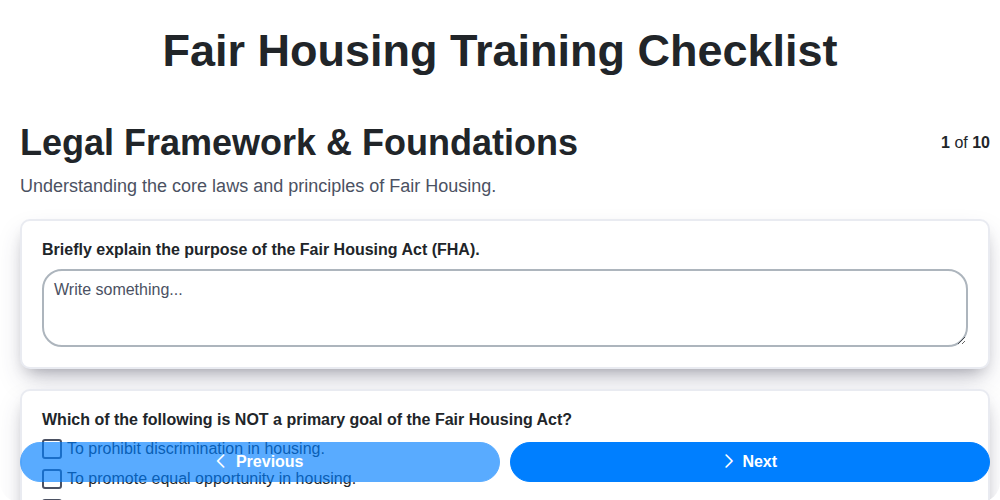
Fair Housing Training Checklist Template: Your Guide to Compliance
Need help with
Real Estate?
Have a question? We're here to help. Please submit your inquiry, and we'll respond promptly.