Rent Increase Notifications: A Property Management Checklist for Success
Published: 11/26/2025 Updated: 07/02/2026
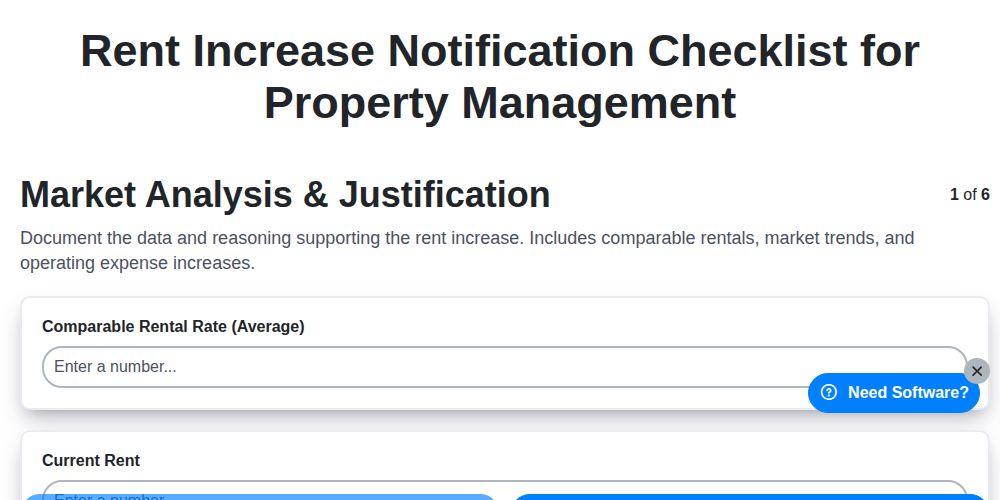
Table of Contents
- Understanding Rent Increase Laws & Regulations
- 1. Market Analysis & Justification: Knowing Your Numbers
- 2. Lease Review & Clauses: What Does Your Agreement Say?
- 3. Tenant Notification Preparation: Crafting a Clear & Professional Notice
- 4. Legal Compliance Verification: Avoiding Costly Mistakes
- 5. Delivery Method & Tracking: Ensuring Proper Notification
- 6. Record Keeping & Documentation: Protecting Your Business
- 7. Communication & Tenant Relations: Managing Expectations
- Resources & Links
TLDR: Raising rents is tricky! This checklist guides property managers through a legally compliant and transparent rent increase process. It covers market research, lease reviews, tenant notifications, legal checks, delivery tracking, and proper documentation - ensuring you avoid costly errors and maintain good tenant relations.
Understanding Rent Increase Laws & Regulations
Navigating rent increase laws can feel like a legal maze, and it's crucial to get it right to avoid disputes and potential legal action. Regulations vary significantly by state, county, and even city. Some jurisdictions have rent control, limiting the percentage or amount by which rent can be increased. Others might require a specific timeframe of notice before an increase takes effect - often 30 or 60 days, but this is not universal.
Beyond caps on increases, understand that certain types of leases (e.g., Section 8) may have specific guidelines regarding rent adjustments. Failing to adhere to these laws can lead to fines, lawsuits, and damage to your reputation as a property manager. It's highly recommended to consult with a legal professional or tenant-landlord specialist familiar with local ordinances before implementing any rent increase. Don't rely solely on online information - verify the current laws applicable to your specific properties.
1. Market Analysis & Justification: Knowing Your Numbers
Before even thinking about a rent increase, you absolutely need a solid understanding of your local market. A poorly justified increase can lead to tenant pushback, vacancies, and even legal challenges. This isn't just about seeing what other buildings are charging; it's about a comprehensive analysis.
Here's what your market analysis should include:
- Comparable Rental Rates: Identify 3-5 comparable properties in your area. These should be similar in size, amenities, location, and overall quality. Document these rates meticulously - screenshots, links, and the date you collected the information are vital.
- Economic Indicators: Consider local economic conditions. Is the area experiencing job growth? Are wages increasing? A thriving economy can often support higher rents.
- Property Improvements: Have you made any significant improvements to the property or individual units? Renovations, updated appliances, or added amenities justify a higher rent. Quantify these improvements - a new roof, for example, has a measurable benefit to tenants.
- Operating Expense Increases: Have your operating expenses (property taxes, insurance, maintenance) increased? You need to account for these rising costs.
- Justification Document: Compile all of this data into a clear and concise justification document. This will be your defense if a tenant questions the increase. Don't be vague - use specific numbers and data to support your decision.
2. Lease Review & Clauses: What Does Your Agreement Say?
Before you even think about drafting a rent increase notification, meticulously review your existing lease agreements. This isn't just a formality - it's a critical legal safeguard. Your lease likely contains clauses related to rent increases, outlining specific timelines, required notices, and even limitations on the percentage you can raise rent.
Here's what to look for:
- Rent Increase Clauses: Many leases explicitly address rent increases, detailing the process and any restrictions. Pay close attention to how much advance notice is required (often 30 or 60 days).
- Renewal Options: Does the lease include a renewal clause? If so, what are the conditions for renewal and potential rent adjustments?
- Percentage Caps: Some jurisdictions or specific lease agreements may impose limits on the maximum percentage by which you can increase rent.
- Index-Based Adjustments: Does the lease tie rent increases to a specific index, such as the Consumer Price Index (CPI)? If so, you're obligated to follow the indexed adjustment formula.
- Automatic Renewal Provisions: Understand how automatic renewals affect rent adjustments. You might need to provide a different type of notice or follow a different process for renewals.
Ignoring or misinterpreting these clauses can lead to legal challenges and tenant disputes. Consult with an attorney specializing in landlord-tenant law if you're unsure about any aspect of your lease agreements.
3. Tenant Notification Preparation: Crafting a Clear & Professional Notice
The tenant notification is your first direct communication about a rent increase, and first impressions matter. A poorly worded or confusing notice can breed anxiety, frustration, and even legal challenges. Here's how to prepare a notification that's both informative and professional:
Key Elements to Include:
- Date of Notification: Clearly state when the notice is being delivered.
- Tenant(s) Name(s): Address the notice to the correct tenant(s) as listed on the lease.
- Current Rent & New Rent: Explicitly state the current rent amount and the new rent amount.
- Effective Date: Specify the exact date the rent increase takes effect. Allow sufficient notice as required by local laws (see Legal Compliance Verification).
- Reason for Increase (Briefly): While a full market analysis is in your records (see Market Analysis & Justification), a short, professional explanation is helpful. Examples: Based on market conditions or Reflecting recent property improvements. Avoid overly detailed or defensive language.
- Reference to Lease Clause: Mention the specific clause in the lease that allows for rent adjustments. This reinforces your legal basis.
- Contact Information: Provide a clear point of contact for questions regarding the rent increase. Include a phone number and/or email address.
- Professional Tone: Maintain a respectful and courteous tone throughout the notice. Avoid accusatory or emotional language.
Example Snippet:
Dear [Tenant Name(s)],
This notice is to inform you of a rent adjustment for your property located at [Property Address]. Effective [Date], your monthly rent will increase from $[Current Rent] to $[New Rent]. This adjustment is in accordance with Paragraph [Lease Paragraph Number] of your lease agreement and reflects current market conditions. Please contact [Contact Name] at [Phone Number] or [Email Address] if you have any questions.
Proofread Carefully: Before sending, have a colleague review the notice for accuracy and clarity. A simple error can undermine your credibility and potentially open you up to disputes.
4. Legal Compliance Verification: Avoiding Costly Mistakes
Navigating rent increase notifications requires meticulous legal compliance. Failing to adhere to local, state, and federal laws can lead to costly fines, lawsuits, and damaged tenant relationships. This isn't just about sending a letter; it's about ensuring you're doing it correctly.
Here's a breakdown of what to verify:
- State and Local Rent Control Laws: Many jurisdictions have rent control or rent stabilization ordinances. These laws dictate how much, and how often, you can increase rent. Thoroughly research your specific locality's rules. Websites like the U.S. Department of Housing and Urban Development (HUD) and local government portals are good starting points.
- Notice Period Requirements: Laws specify the minimum notice period required before a rent increase takes effect. This varies significantly by location and can depend on the amount of the increase. Double-check the mandated timeframe - sending it even one day short can invalidate the notice.
- Content Requirements: Laws often dictate the specific information that must be included in a rent increase notice. This could include the old rent, the new rent, the effective date, and justification for the increase. Generic templates often miss crucial details.
- Retaliatory Rent Increases: Be absolutely certain the increase isn't perceived as retaliatory. Increasing rent after a tenant has asserted their rights (e.g., requesting repairs) can be illegal and creates significant legal exposure.
- Fair Housing Laws: Ensure the increase is applied consistently and doesn't disproportionately impact protected classes. Any perceived discrimination can lead to serious legal repercussions.
- Consult Legal Counsel: When in doubt, consult with a real estate attorney familiar with landlord-tenant law in your jurisdiction. They can review your notice and processes to ensure full compliance.
Disclaimer: This is for informational purposes only and not legal advice. Laws change frequently, and your specific situation may require professional legal guidance.
5. Delivery Method & Tracking: Ensuring Proper Notification
Delivering the rent increase notification correctly is just as important as the notification itself. Improper delivery can invalidate the notice and potentially lead to legal issues. Here's a breakdown of best practices for delivery methods and tracking:
Acceptable Delivery Methods (Check Local Laws!)
- Certified Mail: This is the gold standard. It provides proof of mailing and a signature confirmation upon delivery. Keep the return receipt!
- Personal Delivery: Handing the notice directly to the tenant is acceptable, but absolutely require a witness. Both you (or your representative) and the tenant should sign a document confirming delivery.
- Posting in a Conspicuous Location: Some jurisdictions allow posting the notice on the property's front door or other easily visible area. Always verify this is permitted by law in your area and document the date, time, and location where the notice was posted, ideally with a photograph.
- Email (with Caution): While convenient, email is often not sufficient as primary notification. Check your local laws. If permitted, always send a secondary, legally required method (like certified mail) as backup. If using email, obtain written consent from the tenant beforehand allowing electronic notifications.
Tracking and Proof of Delivery is Key:
- Document Everything: Keep meticulous records of how and when the notice was delivered, regardless of the method.
- Signature Confirmation: If using certified mail, always obtain the return receipt and secure it.
- Witness Signatures: For personal delivery, have your witness sign a confirmation form alongside the tenant.
- Photo Evidence: For posting, take a clear photo of the notice in place, visible to anyone approaching the property.
- Delivery Date Tracking: Note the date and time of delivery in your property management software and tenant file.
By following these guidelines, you're demonstrating professionalism and minimizing the risk of disputes regarding proper notification.
6. Record Keeping & Documentation: Protecting Your Business
Thorough record keeping is the unsung hero of successful rent increase notifications. It's not just about ticking boxes; it's about building a solid defense against potential disputes and demonstrating your commitment to fair and legal practices. Here's what you need to document:
- Market Analysis Data: Save all data used to justify the rent increase - comparable rental rates, online listings, neighborhood trends, etc. Include the date of data collection.
- Lease Agreements: Keep copies of all lease agreements, both original and any amendments. Clearly mark the relevant clauses pertaining to rent increases.
- Notification Letters: Maintain copies of all rent increase notifications sent to tenants, including the date and method of delivery.
- Tenant Communications: Document all communication with tenants regarding the rent increase - emails, letters, phone call notes, and meeting minutes.
- Legal Consultations: If you sought legal advice, retain copies of communications and summaries of the advice received.
- Delivery Confirmation: Proof of delivery is crucial. Whether it's certified mail receipts, signature confirmations, or email read receipts, keep them organized.
Organize these records in a secure, easily accessible system (digital or physical) and ensure their retention aligns with local legal requirements. Consistent and complete record keeping protects your business and provides invaluable support should a challenge arise.
7. Communication & Tenant Relations: Managing Expectations
Navigating rent increases is rarely easy, and clear, proactive communication is your best defense against tenant dissatisfaction and potential disputes. It's not just about what you're saying, but how you're saying it.
Begin by explaining the why. Simply stating a number rarely sits well. Briefly outline the factors driving the increase, referencing your market analysis. Phrases like Based on our assessment of current market conditions... or Due to rising operational costs, including... can soften the blow and demonstrate transparency.
Be available to answer questions. Schedule a time (either in person, phone, or video call) to discuss the increase with tenants. This provides an opportunity for them to voice concerns and feel heard. Acknowledge their potential frustration and reiterate your commitment to providing valuable housing.
Finally, remember that empathy goes a long way. A personal touch, even a brief and sincere explanation, can often turn a potentially negative interaction into a more understanding one. Frame the increase as a necessary adjustment to maintain the quality and value of their living situation.
Resources & Links
- U.S. Department of Housing and Urban Development (HUD): Provides information on fair housing laws, rent control (where applicable), and tenant rights. A crucial starting point for understanding federal guidelines.
- Nolo: Offers legal information and resources, including articles and guides on landlord-tenant law by state. Good for understanding state-specific regulations.
- Investopedia: Provides accessible explanations of financial and real estate concepts. Helpful for understanding market analysis and rent justification.
- National Association of REALTORS® (NAR): While focused on sales, NAR offers insights into market trends and reports that can inform rent analysis.
- Apartment List: Provides market data and insights for rental rates in various cities. Useful for benchmarking rent increases.
- Rent.com: Another resource for understanding average rental rates by location, which can be used in rent justification.
- Avvo: A legal directory with information about landlord-tenant attorneys in different states. Good for finding legal counsel when needed.
- LegalZoom: Offers legal document creation services and some general legal information; helpful for reviewing lease clauses (but not a substitute for legal advice).
- LexisNexis: A comprehensive legal research service (subscription required). Provides access to statutes, regulations, and case law. For more in-depth legal research.
- Westlaw: Similar to LexisNexis, provides extensive legal research tools and resources (subscription required).
- Buildium: Property management software company with blog articles and resources for landlords, including information about rent increases and legal compliance.
- AppFolio: Another property management software provider with a blog containing articles relevant to rental property management, legal compliance and best practices.
- rentease: Offers resources and templates for rental applications and leases, which can be helpful for reviewing lease clauses and understanding your legal obligations.
- Tenant Rights: Provides information about tenant rights and landlord-tenant laws. Good for understanding the perspective of your tenants.
- Internal Revenue Service (IRS): Relevant for understanding depreciation schedules and other financial considerations that may impact rent justification.
Frequently Asked Questions
What is a rent increase notification and why is it important?
A rent increase notification is a formal document informing tenants about an upcoming increase in their rent. It's important because it's legally required in most jurisdictions, allowing tenants time to prepare and understand the change. Proper notification fosters transparency and can prevent disputes.
What information *must* be included in a rent increase notification?
Typically, the notification must include the new rent amount, the date the increase takes effect, the reason for the increase (where required by law), and a contact person for tenant inquiries. Always consult local laws as requirements vary significantly.
What's the difference between a 'Notice to Increase Rent' and a 'Rent Increase Notification'?
They're often used interchangeably, but a 'Notice to Increase Rent' might be a more formal, legal term used in official documents. A 'Rent Increase Notification' might be the broader term used to describe the communication to the tenant.
How much notice is required before a rent increase can take effect?
The required notice period varies widely based on jurisdiction. It can range from 30 days to 90 days or even longer. Always consult local laws to ensure compliance.
Can I increase rent more than once within a year?
This depends on local laws. Some jurisdictions restrict the frequency or percentage of rent increases allowed within a specific timeframe. Review your local regulations carefully.
What if a tenant disagrees with the rent increase? What should I do?
Listen to the tenant's concerns and explain the reasoning behind the increase. If the increase is compliant with local laws, there's little you can do, but maintaining open communication is crucial. Offer clarification and be prepared to direct them to legal resources if they believe the increase is unlawful.
Are there specific formatting requirements for rent increase notifications?
Some jurisdictions might have specific formatting requirements like font size, language requirements (e.g., providing the notice in multiple languages if the tenant population warrants it), and delivery methods. Check local ordinances.
What's the best way to deliver a rent increase notification?
While legal options often include certified mail, personal delivery, or posting in a conspicuous location, always verify the legally acceptable methods in your area. Certified mail provides proof of delivery, which can be valuable in case of disputes.
What documentation should I keep related to rent increase notifications?
Keep copies of all rent increase notifications, proof of delivery (e.g., certified mail receipts, signed delivery confirmations), and any correspondence with tenants regarding the increase. This documentation is crucial for legal protection.
Comments
There are no comments yet. Be the first to add one!
Real Estate Management Solution Demo
Simplify your real estate operations! ChecklistGuro streamlines property management, lease renewals, and maintenance requests. Enhance tenant satisfaction and maximize ROI. Manage it all with our Work OS.
Related Articles
Stress-Free Inspections: Your Home Inspection Coordination Checklist Template
The Ultimate Website Maintenance Checklist Template
10 Essential Checks: Your Brokerage Policy Review Checklist
The Ultimate Office Opening/Closing Checklist Template
Your Ultimate AML Compliance Checklist Template
Rent Collection Checklist Template: Your Landlord's Guide
Your Complete Flood Zone Disclosure Checklist Template
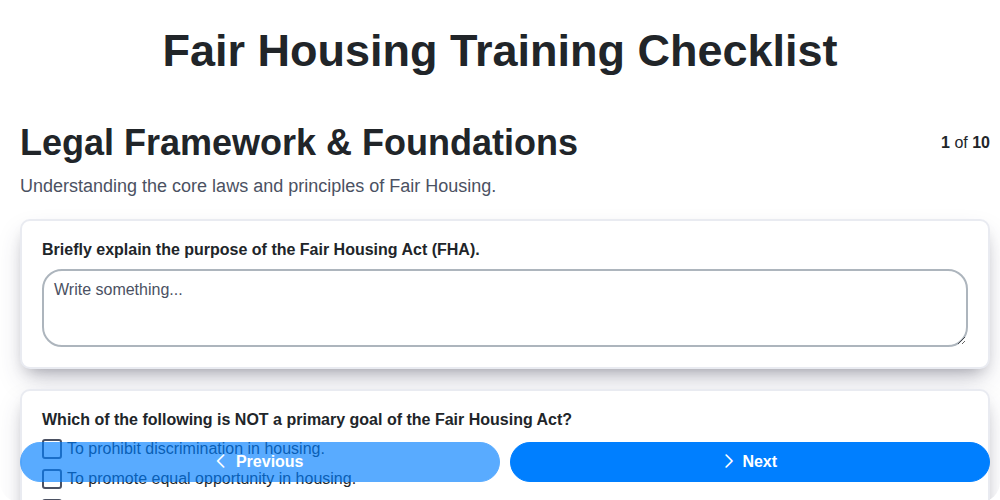
Fair Housing Training Checklist Template: Your Guide to Compliance
Need help with
Real Estate?
Have a question? We're here to help. Please submit your inquiry, and we'll respond promptly.