Streamline Resident Requests: The Property Manager's Resolution Checklist
Published: 11/26/2025 Updated: 07/02/2026
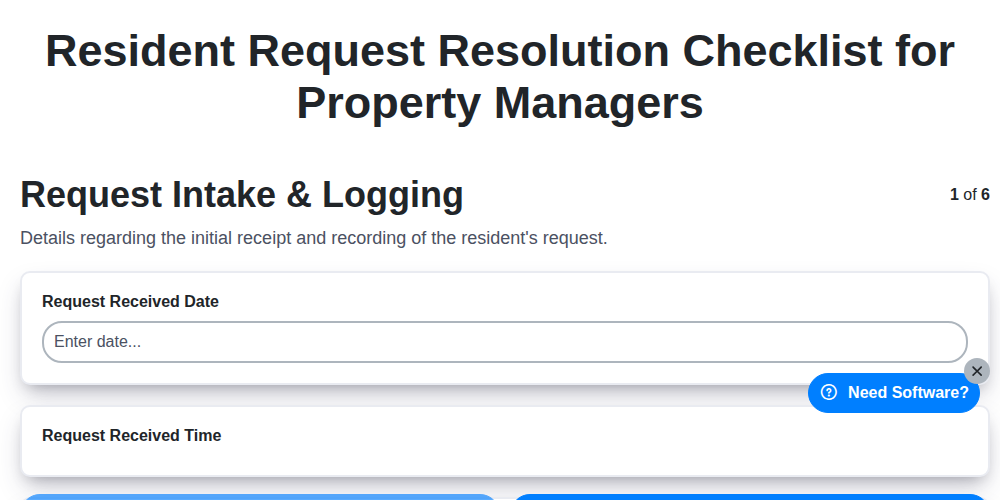
Table of Contents
- Why a Resident Request Resolution Checklist Matters
- 1. Request Intake & Logging: The Foundation of Efficiency
- 2. Request Prioritization & Assignment: Addressing Needs Effectively
- 3. Communication & Updates: Keeping Residents Informed
- 4. Resolution & Completion: Executing the Fix
- 5. Documentation & Record Keeping: Building a Paper Trail
- 6. Follow-Up & Resident Satisfaction: Ensuring Happiness
- 7. Common Pitfalls to Avoid
- 8. Utilizing Technology for Automation
- 9. Training Your Team on the Checklist
- 10. Measuring Success & Refining Your Process
- Resources & Links
TLDR: Overwhelmed by resident requests? This checklist guides you through every step - from logging and prioritizing to resolving, documenting, and following up - ensuring consistent, efficient, and satisfying resolution processes, ultimately saving you time and boosting resident happiness.
Why a Resident Request Resolution Checklist Matters
Managing resident requests effectively is crucial for maintaining a thriving property. Without a structured approach, requests can easily slip through the cracks, leading to frustrated residents, increased turnover, and a tarnished reputation. A resident request resolution checklist isn't just about ticking boxes; it's about fostering a culture of responsiveness and demonstrating that you value your residents' concerns.
Think about it: a timely response to a leaky faucet can prevent water damage and a bigger headache later. A prompt attention to a safety issue can ensure resident wellbeing. A clear process helps avoid misunderstandings and ensures everyone - from residents to maintenance staff - knows what to expect. Ultimately, a well-defined checklist promotes efficiency, consistency, and resident satisfaction, directly contributing to a healthier bottom line and a more positive living experience. It's an investment in your property's success.
1. Request Intake & Logging: The Foundation of Efficiency
The first step in effectively resolving resident requests is a robust intake and logging process. Without it, you risk lost requests, duplicated efforts, and frustrated residents. Here's what a strong intake system should include:
- Multiple Intake Channels: Offer residents various ways to submit requests - online portal, email, phone, and even a physical drop-off box. Cater to different preferences and tech savviness.
- Standardized Request Forms (Digital Preferred): Whether online or paper-based, a structured form ensures you capture all necessary details. Essential fields include resident name, unit number, detailed description of the request, date of submission, and contact information.
- Unique Tracking Number: Assigning a unique number to each request immediately provides a tracking mechanism. This allows both the resident and your team to easily reference the request throughout the resolution process.
- Centralized Logging System: Utilize property management software or a dedicated spreadsheet to store all logged requests. This centralized system ensures accessibility for the entire team and prevents requests from falling through the cracks.
- Automated Acknowledgement: Immediately send an automated email or text confirming receipt of the request and providing the tracking number. This simple step significantly improves resident satisfaction by showing you're on top of things.
2. Request Prioritization & Assignment: Addressing Needs Effectively
Not all requests are created equal. A leaky faucet demands more immediate attention than a minor cosmetic concern. Effective prioritization and assignment are crucial to ensuring resident satisfaction and maintaining a well-managed property.
Here's how to handle it:
- Categorize Requests: Implement a clear categorization system (e.g., Emergency, Urgent, Routine, Cosmetic). Emergencies (fire, flood, no heat/AC) always take precedence. Urgent requests (plumbing leaks, appliance malfunctions affecting livability) follow. Routine requests (minor repairs, maintenance tasks) and cosmetic requests are lower priority.
- Severity Assessment: Within each category, assess the severity of the issue. A minor leak is different than a burst pipe. Training maintenance staff to accurately assess severity is key.
- Skill-Based Assignment: Assign requests to the appropriate personnel. Plumbing issues go to a plumber, electrical problems to an electrician, and so on. Don't waste valuable time by assigning tasks to the wrong person.
- Workload Balancing: Consider the current workload of each maintenance team member. Prevent burnout and delays by distributing tasks fairly. A simple spreadsheet or property management software can help visualize this.
- Resident Communication (Again!): Let the resident know when they can expect resolution. Realistic timelines, even if they're longer, are better than broken promises. This reinforces the prioritization process and sets expectations.
3. Communication & Updates: Keeping Residents Informed
Effective communication is the cornerstone of resident satisfaction. A request left unanswered, or worse, ignored, breeds frustration and can quickly escalate into a larger issue. Proactive and transparent communication throughout the resolution process is essential.
Here's how to ensure residents feel heard and informed:
- Acknowledge Receipt Immediately: Auto-generated emails or texts confirming receipt of the request are a simple but powerful way to show you've received it and are working on it.
- Regular Progress Updates: Don't leave residents guessing. Provide brief, scheduled updates on the request's progress, even if there's no immediate resolution. Phrases like Technician scheduled for Tuesday, or Waiting on part delivery are valuable.
- Preferred Communication Channels: Respect resident preferences. Some may prefer email, others phone calls, and still others text messages. Document these preferences and adhere to them.
- Be Realistic with Timelines: Avoid overpromising and under-delivering. If a repair will take longer than initially estimated, communicate this promptly and explain the reason.
- Clear and Concise Language: Avoid industry jargon that residents might not understand. Use plain language to explain the situation and the steps being taken.
- Designated Contact Person (Optional): For complex or ongoing requests, assigning a single point of contact can streamline communication and build rapport.
4. Resolution & Completion: Executing the Fix
This is where the rubber meets the road. The planning and communication are vital, but ultimately, the resident's issue needs to be resolved. This section focuses on the actual execution of the repair or fulfillment of the request.
Confirm the Solution: Before any work begins, double-check with the assigned technician or vendor to ensure they fully understand the problem and the agreed-upon solution. Misunderstandings at this stage can lead to re-work and further frustration for the resident.
Supervision & Quality Control: For larger repairs or complex issues, consider on-site supervision to ensure the work is performed correctly and to the agreed-upon standards. A quick check-in can prevent costly mistakes and ensure quality.
Vendor Management: Maintain strong relationships with your vendors. Clear communication, prompt payment, and constructive feedback fosters reliable service and minimizes delays. If a vendor consistently underperforms, it's time to re-evaluate your partnerships.
Resident Presence (When Appropriate): Depending on the nature of the request and resident preference, it's often a good idea to schedule the resolution with the resident present. This allows for immediate feedback and ensures they've received the fix they expected. Always obtain permission before entering a resident's unit.
Final Inspection: After the work is completed, perform a final inspection - ideally with the resident - to ensure they are satisfied with the resolution. This proactive step helps prevent future complaints and builds goodwill. Document this final inspection.
5. Documentation & Record Keeping: Building a Paper Trail
Consistent and thorough documentation is the bedrock of effective resident request resolution and vital for legal protection. It's more than just a nice to have; it's essential for demonstrating due diligence, tracking trends, and providing a clear history of interactions.
Here's what needs to be documented:
- Initial Request Details: Date and time of the request, method of submission (online portal, phone, email), specific description of the issue, and the resident's contact information.
- Assignment Details: Who was assigned the request? Date and time of assignment.
- Communication Log: Record every communication regarding the request - emails, phone calls, in-person conversations. Include dates, times, who was involved, and a brief summary of the discussion.
- Work Orders/Vendor Invoices: Attach any related work orders to the request record. Keep copies of all vendor invoices, including dates of service and a description of work performed.
- Photos/Videos: If applicable, document the issue with photos or videos. This is particularly valuable for maintenance requests or damage assessments.
- Resolution Details: Clearly document the steps taken to resolve the issue, the date of completion, and the final outcome.
- Resident Acknowledgement: If possible, obtain a brief written or electronic acknowledgement from the resident confirming the issue has been resolved to their satisfaction.
Where to Store the Records: Implement a centralized system-whether it's a property management software, a shared drive, or even a well-organized digital filing system-to ensure easy access and maintain consistency. Regularly back up your data to prevent loss.
Why is this important? This documented paper trail proves you addressed requests promptly and effectively, reduces potential disputes, and offers valuable data for future process improvements.
6. Follow-Up & Resident Satisfaction: Ensuring Happiness
Resolving a resident request isn't just about fixing the issue; it's about reinforcing their trust and satisfaction with your management. That's why a dedicated follow-up is crucial. Don't assume resolution equals happiness.
Here's what a solid follow-up process looks like:
- Timing is Key: Reach out within 24-48 hours after the resolution is confirmed. A quick check-in demonstrates you care.
- Simple & Direct: A brief email or phone call is sufficient. Something like, "Hi [Resident Name], just wanted to confirm everything is working as expected with the [request detail]. Is there anything else we can assist you with?"
- Listen Actively: Be prepared to hear feedback, both positive and negative. Acknowledge their comments, even if it's a minor inconvenience.
- Opportunity for Improvement: If a resident expresses dissatisfaction, apologize sincerely and outline steps you're taking to prevent similar issues in the future. This shows you value their feedback.
- Consider Surveys: For larger complexes or recurring issues, consider implementing short, automated satisfaction surveys. This provides valuable data to identify trends and improve your processes.
Remember, a happy resident is a loyal resident. Investing in that final follow-up can significantly impact retention and positively influence your property's reputation.
7. Common Pitfalls to Avoid
It's tempting to tick off a request as "resolved" as soon as the plumber fixes the leak or the maintenance team replaces the filter. However, resolution doesn't automatically equal resident satisfaction. Residents want to feel heard and valued throughout the entire process. Failing to confirm the resident is genuinely happy with the outcome - a quick, Is everything okay now? - can leave lingering frustrations and contribute to negative reviews. Always proactively check in to ensure the fix met their expectations and that they feel their concerns were addressed. This final confirmation step is crucial for building rapport and fostering positive resident relations.
8. Utilizing Technology for Automation
Let's be honest: manually managing resident requests can be a significant time sink. Thankfully, modern property management software offers incredible automation capabilities that can streamline the entire process. Think beyond just logging requests - explore features like automated workflows. For example, when a request is submitted online, the system can instantly prioritize it based on pre-defined rules (like emergency vs. non-emergency) and automatically assign it to the appropriate maintenance technician.
Automated email notifications can keep residents informed every step of the way - from initial acknowledgment to updates on progress and completion. This reduces calls and emails to your team, freeing them up for other tasks. Some platforms even integrate with vendor management systems, allowing for automatic work order generation and tracking.
Consider these technology-driven enhancements:
- Online Portals: Resident portals allow self-service request submissions and status checks.
- Automated Workflows: Trigger automatic task assignment and notifications based on request type.
- Mobile Apps: Enable maintenance technicians to access and update requests in real-time.
- Integration with Accounting Software: Seamlessly track expenses related to request resolution.
Investing in the right software can dramatically improve efficiency, reduce errors, and enhance resident satisfaction.
9. Training Your Team on the Checklist
A fantastic checklist is only as effective as the team utilizing it. Simply distributing a document isn't enough; proper training ensures consistent application and maximizes the benefits. Here's how to effectively train your property management team:
- Walkthrough & Explanation: Don't just hand them the checklist; thoroughly review each step, explaining the why behind each action. Discuss potential scenarios and how the checklist guides them.
- Role-Playing: Have team members role-play common resident requests, practicing intake, prioritization, communication, and resolution using the checklist as a guide. This helps them internalize the process.
- Scenario-Based Discussions: Present real-life request examples (anonymized, of course) and ask the team to walk through how they'd handle them using the checklist. Encourage discussion and alternative approaches.
- Regular Refresher Sessions: Property management practices evolve. Schedule brief, quarterly refresher sessions to reinforce the checklist's importance and address any common misunderstandings or challenges.
- New Employee Onboarding: Integrate the checklist training into the onboarding process for all new property management staff. This ensures consistent application from the very beginning.
- Lead by Example: As management, actively use the checklist yourself when reviewing requests and handling escalated issues. This reinforces its value and promotes adoption.
- Feedback Loop: Encourage team members to provide feedback on the checklist itself. Is it clear? Are there gaps? Their insights are invaluable for continuous improvement.
10. Measuring Success & Refining Your Process
Resolving resident requests effectively isn't just about closing tickets; it's about continuous improvement. To ensure your checklist is truly boosting resident satisfaction and streamlining operations, you need to track key metrics and be prepared to adjust your approach.
Here's how to measure success and refine your process:
- Track Resolution Time: Monitor the average time it takes to resolve requests. A rising average is a sign something's amiss - perhaps prioritization needs tweaking, or specific issues consistently require more time.
- Resident Satisfaction Scores (CSAT): Implement a simple CSAT survey after each request is resolved. This provides direct feedback on the resident's experience. Use a scale (e.g., 1-5 stars) and include an open-ended question for additional context.
- Request Volume Trends: Analyze request volume over time. Are certain types of requests spiking? This might indicate a property maintenance issue or a need for improved resident education.
- First Contact Resolution (FCR) Rate: How often is the request resolved on the initial interaction? A lower FCR suggests a lack of clarity, insufficient information, or inadequate staff training.
- Team Performance: While avoiding individual blame, monitor how different team members handle requests. Identify areas where additional training or support could be beneficial.
- Regular Checklist Review: At least quarterly, review your checklist with the property management team. Are steps still relevant? Are there new issues arising that need to be addressed? Can steps be combined or eliminated?
- Analyze Feedback: Pay close attention to comments in your CSAT surveys and any verbal feedback you receive. Look for recurring themes that can inform process improvements.
By consistently tracking these metrics and incorporating feedback, you're not just managing resident requests; you're building a proactive, resident-focused property management system.
Resources & Links
- AppFolio: Property management software offering request tracking, work order management, and communication tools. Useful for understanding how technology can streamline resident request resolution. Demonstrates features mentioned in the 'Utilizing Technology for Automation' section.
- Buildium: Another property management software solution. Provides insights into request management functionalities and overall operational efficiency, relevant to sections on documentation, prioritization, and potentially automation.
- Rent Manager: Comprehensive property management software focusing on communication and work order management. Supports the concepts of proactive communication and detailed record-keeping discussed in the blog post.
- Yardi Matrix: A leading provider of real estate data and analytics. Provides context for understanding resident expectations and market trends that influence request resolution.
- Institute of Real Estate Management (IREM): Professional organization offering certifications and resources for property managers. Useful for understanding best practices in property management, including resident relations and maintenance procedures, supporting the entire resolution checklist.
- National Apartment Association (NAA): Advocacy group for the rental housing industry, offering resources, training and insights. Can provide context for legal compliance and resident relations best practices within the checklist.
- U.S. Department of Housing and Urban Development (HUD): Offers guidance and regulations related to fair housing and property maintenance, crucial for legal compliance within the resolution process, particularly in managed properties.
- Smartsheet: A work management platform (spreadsheet-based) that's useful for building and tracking the resolution checklist. Demonstrates a solution for smaller teams or those wanting manual control.
- Asana: Project management tool that can be adapted to manage resident requests. Helpful for understanding workflow and assigning tasks, particularly applicable to 'Request Prioritization & Assignment' and team training.
- Zendesk: Customer service software that can be adapted for resident request management. Good for understanding communication workflows and keeping track of resident satisfaction, relevant to the 'Communication & Updates' and 'Follow-Up & Resident Satisfaction' sections.
- Property Scouts: Resource for property management insights and best practices. Offers articles and resources on resident satisfaction and problem-solving which can reinforce the goal of the blog post.
- Alchimie: Provides AI-powered resident engagement solutions. Useful for exploring advanced technologies for automating communication and proactively addressing potential resident needs.
Frequently Asked Questions
What is a resident request resolution checklist and why is it important?
A resident request resolution checklist is a step-by-step guide for property managers to handle resident requests consistently and efficiently. It's important because it ensures requests are addressed promptly, reduces errors, improves resident satisfaction, and creates a more organized workflow for property management teams.
What types of requests should be included in the checklist?
The checklist should cover a wide range of requests, including maintenance issues (leaks, appliance repairs), amenity access concerns, noise complaints, lease-related inquiries, and general property concerns. It should be flexible enough to accommodate less common requests as well.
How detailed should the steps in the checklist be?
The level of detail depends on the complexity of the request. Simple requests (e.g., a lightbulb replacement) might have a short checklist, while more complex repairs (e.g., plumbing issues) require a more detailed outline with specific actions and timelines.
What are some key steps that should be included in a resident request resolution checklist?
Common steps include: 1) Receiving and logging the request, 2) Assessing urgency and prioritizing, 3) Assigning the request to the appropriate team member or vendor, 4) Communicating updates to the resident, 5) Resolving the issue, 6) Verifying resolution with the resident, and 7) Documenting the entire process.
How can I tailor the checklist to my specific property and residents?
Review your past request history to identify frequently occurring issues. Survey residents for feedback on request handling. Consider the property type (e.g., luxury apartments vs. student housing) and resident demographics when designing your checklist.
What are the benefits of documenting the request resolution process?
Documentation provides a record of actions taken, ensures accountability, aids in identifying trends and problem areas within the property, and can be useful for legal or compliance purposes.
What software or tools can help me manage a resident request resolution checklist?
Many property management software platforms offer built-in request tracking and workflow management features. Spreadsheet programs (like Google Sheets or Excel) can also be used for simpler checklists.
How often should I review and update the checklist?
Ideally, review and update the checklist quarterly or at least annually. This ensures it remains relevant, reflects any changes in policies or procedures, and incorporates feedback from residents and the property management team.
What if a resident is unhappy with the resolution provided?
The checklist should include a step for handling resident complaints. This might involve escalating the issue to a supervisor, offering alternative solutions, or documenting the resident's concerns for further review.
How can I ensure my team follows the checklist consistently?
Provide training on the checklist's purpose and process. Make the checklist easily accessible to all team members. Regularly monitor request resolution and provide feedback to ensure adherence.
Comments
There are no comments yet. Be the first to add one!
Real Estate Management Solution Demo
Simplify your real estate operations! ChecklistGuro streamlines property management, lease renewals, and maintenance requests. Enhance tenant satisfaction and maximize ROI. Manage it all with our Work OS.
Related Articles
Stress-Free Inspections: Your Home Inspection Coordination Checklist Template
The Ultimate Website Maintenance Checklist Template
10 Essential Checks: Your Brokerage Policy Review Checklist
The Ultimate Office Opening/Closing Checklist Template
Your Ultimate AML Compliance Checklist Template
Rent Collection Checklist Template: Your Landlord's Guide
Your Complete Flood Zone Disclosure Checklist Template
Fair Housing Training Checklist Template: Your Guide to Compliance
Need help with
Real Estate?
Have a question? We're here to help. Please submit your inquiry, and we'll respond promptly.