Snow Removal Readiness Checklist for Property Managers: Be Prepared This Winter
Published: 11/26/2025 Updated: 07/02/2026
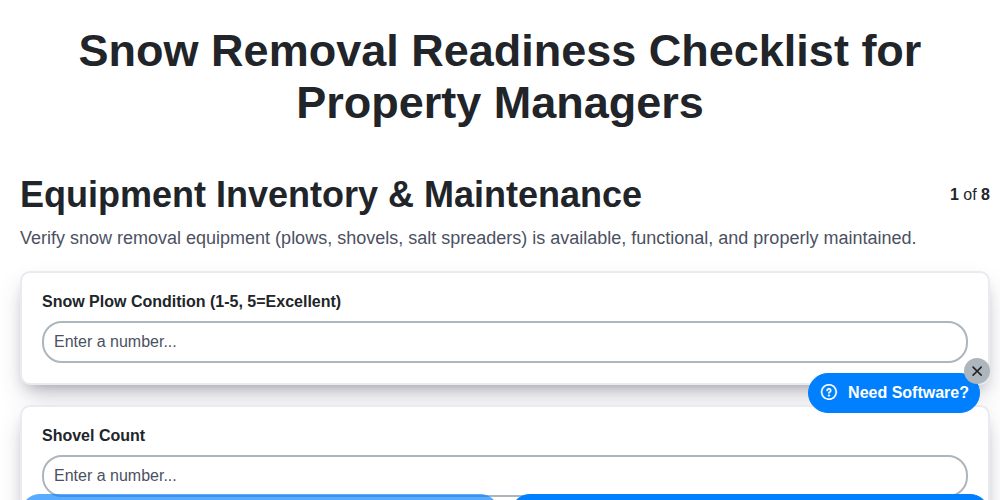
Table of Contents
- Introduction: Why Snow Removal Readiness is Crucial
- 1. Equipment Inventory & Maintenance: Your Winter Warriors
- 2. Securing Your Supply Chain: Supplier Agreements & Stockpiles
- 3. Emergency Contact Information: Who to Call When
- 4. Staying Ahead of the Storm: Weather Monitoring & Alert Systems
- 5. Keeping Residents Informed: The Resident Communication Plan
- 6. Managing Parking & Access During Snowfall
- 7. Safety First: Reviewing Snow Removal Procedures
- 8. Liability & Insurance: Protecting Your Property
- Conclusion: A Proactive Approach to Winter
- Resources & Links
TLDR: Winter is coming! This checklist ensures your property is ready for snow and ice. It covers everything from equipment and suppliers to resident communication and safety, minimizing risks and keeping your tenants happy and your property running smoothly. Download the template and tackle winter preparedness proactively!
Introduction: Why Snow Removal Readiness is Crucial
As property managers, you're responsible for the safety and well-being of your residents, and a significant part of that responsibility extends to ensuring accessibility and preventing hazards during winter weather. Snow and ice aren't just an inconvenience; they present real risks - slip and fall accidents, vehicle entrapment, and disruption of essential services. Proactive snow removal isn't just about clearing sidewalks and driveways; it's about demonstrating care, minimizing liability, and preserving property value. A well-executed snow removal plan builds resident satisfaction and can significantly reduce potential legal issues. This checklist is your roadmap to tackling winter storms with confidence and keeping your properties safe and accessible for everyone.
1. Equipment Inventory & Maintenance: Your Winter Warriors
Before the first snowflake falls, it's crucial to ensure your snow removal equipment is in top working order. A broken snowblower or a malfunctioning plow can quickly turn a manageable situation into a major headache. This isn't just about having the right tools; it's about proactively maintaining them.
What to Check:
- Snow Blowers: Inspect blades for wear and damage. Check oil levels, spark plugs, and belts. Perform a test run to ensure proper function.
- Snowplows: Examine the plow blade for damage. Check hydraulic lines, mounting brackets, and lights. Verify functionality and maneuverability.
- Salt/Ice Melt Spreaders: Ensure spreaders are clean, calibrated correctly, and have functioning mechanisms.
- Shovels & Hand Tools: These are often overlooked but vital for smaller areas or clearing walkways. Make sure they're in good condition and readily accessible.
- Backup Equipment: Do you have a secondary snowblower or a sufficient number of shovels in case of failure?
Pro Tip: Create a maintenance log to track repairs and service dates. Schedule preventative maintenance well in advance of winter's arrival - don't wait for the snow to start!
2. Securing Your Supply Chain: Supplier Agreements & Stockpiles
Don't wait until the first blizzard hits to realize your salt supplier is unavailable or your snow plow contractor is booked solid. Proactive supply chain management is critical for seamless snow removal operations. This means solidifying agreements before the need arises and maintaining sufficient stockpiles to handle anticipated needs.
Review and Renew Agreements: Contact your suppliers (salt providers, snow plow contractors, ice melt distributors) now. Confirm pricing, service levels, and response times. Ensure contracts clearly outline responsibilities, liabilities, and cancellation policies. Consider having backup suppliers identified and vetted in case of unforeseen circumstances.
Stockpile Strategically: Calculate your typical snow removal needs based on historical data and property size. Don't just guess - be realistic! Stockpile salt, ice melt, sand, and any other de-icing materials well in advance of the first snowfall. Consider storage limitations and potential for material degradation (salt clumping, etc.). Regularly inspect stockpiles for quality and replenishment needs.
Consider Bulk vs. Bagged: Evaluate the cost-benefit of bulk material delivery versus bagged options. Bulk often offers cost savings, but requires appropriate storage and dispensing equipment.
Inventory Tracking: Implement a simple system for tracking your snow removal supply levels. This can be as straightforward as a spreadsheet or as sophisticated as a specialized inventory management tool. Knowing what you have on hand prevents shortages and allows for timely reordering.
3. Emergency Contact Information: Who to Call When
Having a readily accessible and updated list of emergency contacts is paramount. This isn't just about knowing who to call for snow removal itself, but also who to reach for related issues. Your list should include:
- Your Primary Snow Removal Contractor(s): Multiple contacts (owner, supervisor, on-call) are ideal for redundancy.
- Backup Snow Removal Contractor(s): Don't rely solely on one provider. A backup ensures service even if your primary is unavailable.
- Internal Property Management Team: Designated contacts for coordination and resident communication.
- Building Maintenance Staff: For immediate repairs related to snow removal (e.g., broken snowplow lights, gate malfunctions).
- Local Authorities (Police, Fire, Public Works): For reporting severe conditions or potential hazards.
- Utility Companies: For power outages or other service disruptions.
Keep this list in a secure, easily accessible location (both physical and digital) and regularly update it to reflect personnel changes or contract revisions. Share it with key property management staff.
4. Staying Ahead of the Storm: Weather Monitoring & Alert Systems
Don't rely on the nightly news alone! A robust weather monitoring and alert system is crucial for proactive snow removal. Consider these options:
- Subscription Services: Several paid services (like AccuWeather Professional, The Weather Company, or local meteorological firms) offer hyper-local, detailed forecasts, including snowfall predictions, timing, and intensity. These often provide customizable alerts sent directly to your team.
- NOAA Weather Radio: A reliable, free option. NOAA Weather Radio broadcasts official warnings and forecasts directly from the National Weather Service.
- Mobile Apps: Numerous weather apps offer location-based alerts and detailed snowfall projections. Ensure your team has access to a reliable app with customizable notification settings.
- Automated Systems: Some property management software integrates with weather services to automatically trigger alerts based on pre-set criteria (e.g., snowfall exceeding 2 inches).
Regularly test your alert system to ensure everyone receives notifications promptly and understands the action required. Don't wait for the snow to start falling - be prepared!
5. Keeping Residents Informed: The Resident Communication Plan
Snow removal isn't just about clearing driveways and sidewalks - it's about maintaining a positive relationship with your residents. A well-defined communication plan is crucial for managing expectations, minimizing frustration, and ensuring everyone's safety during winter weather.
Here's what your resident communication plan should include:
- Pre-Season Notification: Send out a letter or email before the first snowfall. This outlines your snow removal procedures, expected timelines, and resident responsibilities (e.g., keeping walkways clear of personal vehicles or obstructions).
- Real-Time Updates: During a snow event, utilize multiple channels - email, text alerts (if available), building bulletin boards, and your property website - to provide timely updates on snow removal progress. Transparency is key! Let residents know if delays are expected and why.
- Designated Contact: Clearly identify a point of contact (property manager, maintenance supervisor, etc.) residents can reach with questions or concerns.
- Feedback Mechanism: Encourage residents to provide feedback about snow removal services. This allows you to identify areas for improvement and demonstrate your commitment to their satisfaction.
- Accessibility: Ensure all communications are accessible to residents with disabilities. Consider offering translations for residents with limited English proficiency.
6. Managing Parking & Access During Snowfall
Snowfall can quickly transform parking lots and access points into chaotic messes. Proactive planning is crucial to minimize disruption and maintain resident satisfaction. Here's how to manage parking and access effectively:
- Designated Snow Removal Zones: Clearly define snow removal zones in your parking areas. Communicate these zones to residents in advance, indicating which areas will be prioritized for clearing.
- Alternative Parking: If snow removal requires temporary parking restrictions, identify and communicate alternative parking locations for residents. Consider overflow areas like nearby streets (ensuring compliance with local ordinances) or designated areas within the property.
- Resident Communication: Keep residents informed about parking restrictions before they take effect. Utilize multiple communication channels (email, notices, website, property app) to maximize reach.
- Snow Emergency Parking Plan: Develop a detailed snow emergency parking plan outlining specific rules and restrictions. This should address concerns like overnight parking, vehicle towing, and snow storage.
- Gate Access Management: If your property has gated access, ensure the gates function properly during snowfall. Coordinate with your snow removal team to prevent gate obstructions and maintain access. Consider temporary gate access codes for authorized personnel only.
- Accessibility for Residents with Disabilities: Prioritize snow removal from accessible parking spaces and ensure clear pathways for residents with disabilities.
7. Safety First: Reviewing Snow Removal Procedures
Snow removal isn't just about keeping walkways clear; it's about ensuring the safety of your residents, staff, and visitors. A thorough review of your snow removal procedures is crucial to prevent accidents and minimize liability.
Key areas to cover include:
- Staff Training: Ensure all personnel involved in snow removal - whether it's in-house staff or contractors - are properly trained on equipment operation, safe lifting techniques, and recognizing potential hazards like ice patches and obscured visibility. Refresh training annually, or more frequently if there are procedural changes.
- Equipment Safety Checks: Before each use, visually inspect all equipment (snowblowers, shovels, ice melt spreaders) for damage. Ensure guards are in place, fluids are at the correct levels, and everything is functioning as expected.
- De-icing Best Practices: Remind your team about proper ice melt application - avoid over-application, which can damage surfaces and harm pets. Advocate for pet-friendly de-icing options where possible.
- Hazard Identification & Mitigation: Regularly assess common problem areas - steep inclines, shaded areas, entrances - and implement preventative measures like improved lighting or signage.
- Communication is Key: Clearly communicate procedures to residents, including designated routes for snow removal and expected timelines. This helps avoid conflict and ensures everyone is aware of potential disruptions.
- Personal Protective Equipment (PPE): Mandate the use of appropriate PPE for all snow removal personnel, including sturdy boots with good traction, gloves, hats, and eye protection.
8. Liability & Insurance: Protecting Your Property
Snow removal isn't just about clearing walkways; it's about mitigating risk and protecting your property and residents. A slip and fall accident due to inadequate snow or ice removal can lead to costly lawsuits and damage your reputation.
Here's what you need to review:
- Review Existing Policies: Carefully examine your property's liability insurance policy. Ensure it covers snow and ice removal-related incidents and that the coverage amounts are sufficient. Consider increasing coverage if necessary, given the potential risks.
- Contractor Liability: If you've outsourced snow removal, verify your contractor's liability insurance and ensure their policy names your property management company as an additional insured. Request copies of their certificates of insurance and regularly confirm they remain active.
- Waivers & Disclaimers: While not foolproof, review any waivers or disclaimers you use regarding snow and ice hazards. Consult with legal counsel to ensure they are legally sound and effectively communicate responsibility to residents.
- Documentation is Key: Keep detailed records of snow removal activities - dates, times, methods used, weather conditions, and any communication with residents. This documentation can be invaluable if a claim arises.
- Legal Consultation: Consider consulting with an attorney specializing in property management liability to ensure your policies and procedures are comprehensive and compliant with local laws.
Proactive risk management, combined with adequate insurance coverage, is a crucial component of a successful snow removal plan.
Conclusion: A Proactive Approach to Winter
Winter weather presents unique challenges for property managers, but with a proactive approach, you can mitigate risks and ensure a smooth, safe experience for your residents. This Snow Removal Readiness Checklist isn't just a document; it's a framework for responsible property management. By diligently working through each item-from equipment maintenance to resident communication-you're demonstrating a commitment to their well-being and protecting your property's value. Don't wait for the first snowfall to start preparing. Investing the time now will save you headaches, potential liabilities, and ultimately, contribute to a more positive and resilient community throughout the winter season. Remember, preparedness is the key to weathering any storm.
Resources & Links
- Snow and Ice Magazine: A leading industry publication offering articles, news, and resources related to snow and ice management, including equipment reviews, best practices, and legal considerations. Useful for learning about new technologies and industry trends.
- Snow Contractors Association (SCA): Provides information, training, and advocacy for snow and ice removal professionals. Offers valuable insights into best practices, safety, and business operations for property managers and contractors alike. Good for understanding standard operating procedures.
- Occupational Safety and Health Administration (OSHA): Provides resources and guidelines for workplace safety, including specific sections relevant to snow removal operations. Essential for ensuring the safety of your staff and tenants during winter weather. Focus on hazard recognition and control.
- National Weather Service (NWS): Provides official weather forecasts, warnings, and alerts. Critical for monitoring upcoming storms and making informed decisions about snow removal operations. Look for specific regional forecasts.
- AccuWeather: Another reliable weather source offering detailed forecasts, including snowfall amounts, temperature predictions, and severe weather alerts. Offers a more visually appealing and user-friendly interface for some users.
- Risk Management Society (RIMS): Provides resources and best practices for risk management professionals. Can offer insights into liability considerations and insurance coverage related to snow removal operations. Useful for ensuring your liability and insurance sections are complete.
- The Balance Small Business: Offers business advice and resources, including articles on risk management, contracts, and legal considerations. Helpful for understanding contractual obligations with suppliers and ensuring compliance with legal requirements.
- ServiceMaster Restore: While primarily a restoration company, their blog and resources often cover snow and ice management tips and lessons learned from dealing with winter damage. Can be helpful in understanding potential damage scenarios and preventative measures.
- American Public Works Association (APWA): While geared toward public sector, APWA resources on snow and ice management (often found within their publications and training) can provide valuable insights into best practices for large-scale operations and infrastructure maintenance. Offers a broad perspective.
- Farmers Insurance: Provides articles and information on property insurance, including considerations for winter weather and liability risks associated with snow removal. Helpful for reviewing your insurance coverage and understanding potential claim scenarios.
Frequently Asked Questions
What is the purpose of this Snow Removal Readiness Checklist?
This checklist is designed to help property managers proactively prepare for the upcoming winter season and ensure a smooth, efficient, and legally compliant snow removal process, minimizing disruption for tenants and potential liabilities.
Why is snow removal readiness important for property managers?
Proper snow removal is crucial for tenant safety, accessibility, and maintaining property value. It can also help avoid costly fines, legal issues, and negative reviews.
Who is this checklist for?
This checklist is primarily for property managers, landlords, and anyone responsible for snow removal on residential or commercial properties.
What types of properties does this checklist apply to?
This checklist is applicable to a wide range of properties including apartments, condos, townhouses, office buildings, and retail spaces - essentially any property with common areas requiring snow removal.
What's the difference between snow removal and snow clearing?
While often used interchangeably, 'snow removal' generally implies the complete removal of snow from a surface, while 'snow clearing' may involve moving it to a designated area. The specific definition needed depends on local ordinances and lease agreements.
What are some of the key areas covered by the checklist?
The checklist covers topics like reviewing contracts with snow removal vendors, checking equipment functionality, understanding local ordinances, communicating with tenants, and assessing insurance coverage.
How often should I review this checklist?
Ideally, you should review this checklist in late summer or early fall, before the first snowfall. A quick annual review is a minimum; adjustments may be necessary based on changes in local regulations or property conditions.
What should I do if I'm unsure about a specific local ordinance?
Contact your local city or county government's public works department or consult with a legal professional specializing in property management to ensure compliance.
What happens if I fail to comply with snow removal regulations?
Failure to comply can result in fines, legal action, tenant complaints, and potential liability for injuries caused by unsafe conditions.
Where can I find more information about snow removal best practices?
Consult with industry associations like the National Apartment Association (NAA) or your local property management organization. Online resources and government websites are also valuable sources of information.
Comments
There are no comments yet. Be the first to add one!
Real Estate Management Solution Demo
Simplify your real estate operations! ChecklistGuro streamlines property management, lease renewals, and maintenance requests. Enhance tenant satisfaction and maximize ROI. Manage it all with our Work OS.
Related Articles
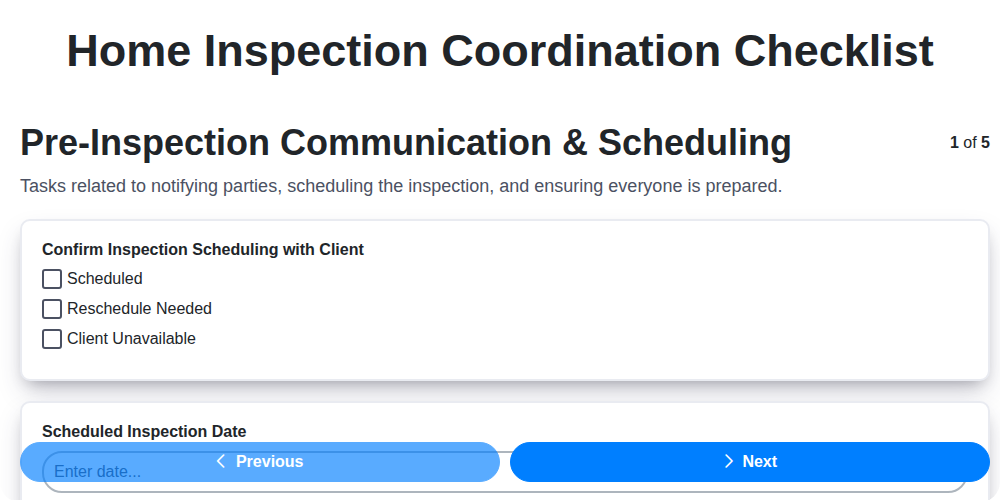
Stress-Free Inspections: Your Home Inspection Coordination Checklist Template
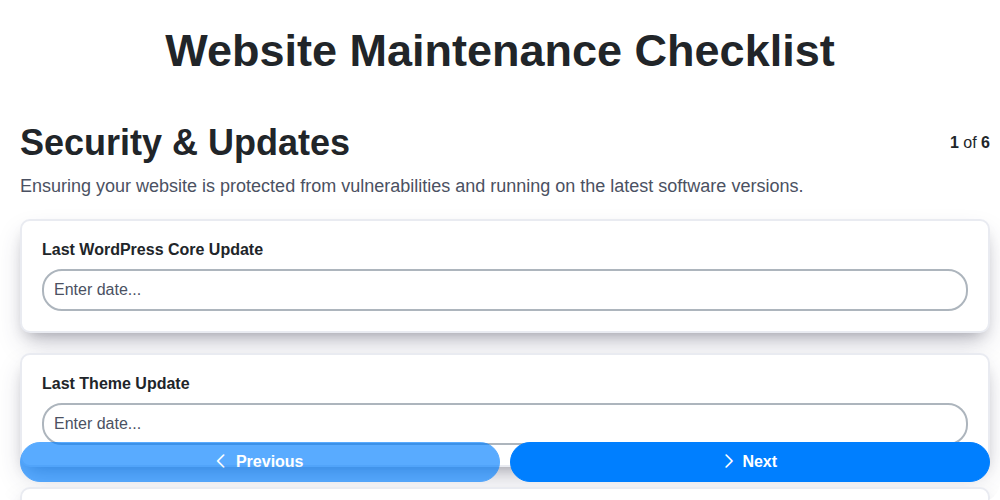
The Ultimate Website Maintenance Checklist Template
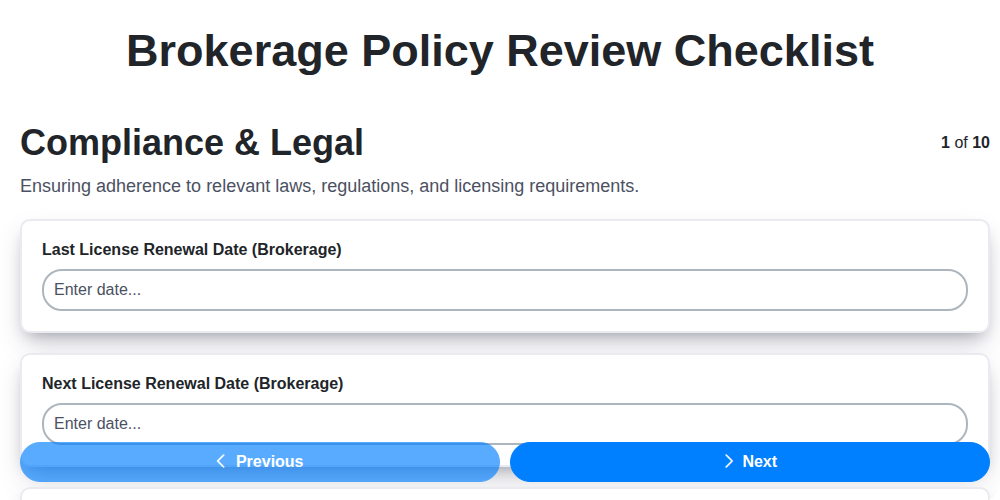
10 Essential Checks: Your Brokerage Policy Review Checklist
The Ultimate Office Opening/Closing Checklist Template
Your Ultimate AML Compliance Checklist Template
Rent Collection Checklist Template: Your Landlord's Guide
Your Complete Flood Zone Disclosure Checklist Template
Fair Housing Training Checklist Template: Your Guide to Compliance
Need help with
Real Estate?
Have a question? We're here to help. Please submit your inquiry, and we'll respond promptly.