Streamline Your Operations: The Ultimate Subcontractor Onboarding and Management Process Workflow
Published: 06/04/2026 Updated: 10/05/2026
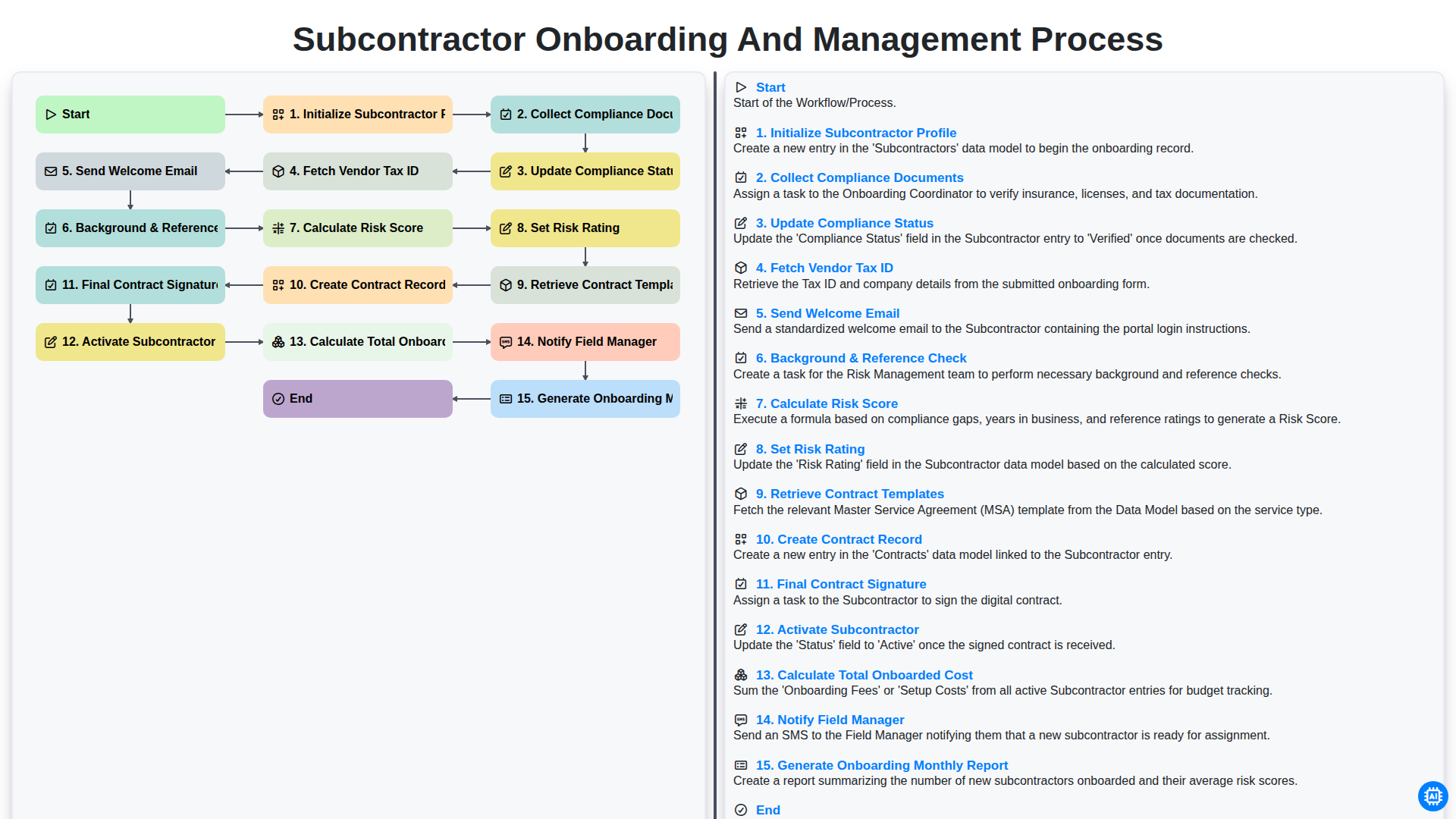
Table of Contents
- Introduction: The Importance of a Standardized Onboarding Workflow
- Phase 1: Initial Setup and Profile Creation
- Step 1: Initializing the Subcontractor Profile
- Step 2: Data Integration and Fetching Vendor Tax ID
- Phase 2: Compliance and Due Diligence
- Step 3: Document Collection and Compliance Verification
- Step 4: Continuous Compliance Status Monitoring
- Step 5: Comprehensive Background and Reference Checks
- Phase 3: Risk Assessment and Mitigation
- Step 6: Calculating Risk Scores and Assigning Risk Ratings
- Phase 4: Contracting and Legal Formalization
- Step 7: Contract Retrieval and Record Creation
- Step 8: Executing the Final Contract Signature
- Phase 5: Activation and Post-Onboarding Management
- Step 9: Finalizing Activation and Notifying Field Managers
- Step 10: Analyzing Onboarding Costs and Performance Reporting
- Resources & Links
TLDR: Discover how to automate and optimize your subcontractor lifecycle with our comprehensive workflow template. Learn how this end-to-end process automates everything from initial profile creation and compliance verification to risk assessment and contract execution, ensuring your field managers stay notified and your onboarding costs stay controlled.
Introduction: The Importance of a Standardized Onboarding Workflow
In the fast-paced world of construction and project management, the success of a project often hinges on the efficiency of your external partners. Subcontractors are the backbone of your operations, yet bringing them onto a project is frequently one of the most chaotic and administrative-heavy phases of the lifecycle. Without a standardized onboarding workflow, companies often fall into a cycle of manual follow-ups, missing compliance paperwork, and delayed start dates, all of which eat into your profit margins and increase project risk.
A structured onboarding and management process does more than just check boxes; it creates a single source of truth for your entire vendor ecosystem. By transforming a fragmented series of emails and spreadsheets into a repeatable, automated workflow, you ensure that every subcontractor is vetted, verified, and ready to work the moment they arrive on-site. This consistency not only mitigates legal and safety risks through rigorous compliance tracking but also optimizes operational speed, allowing your field managers to focus on execution rather than paperwork. In this article, we will break down the essential steps required to build a robust, end-to-end subcontractor management engine.
Phase 1: Initial Setup and Profile Creation
The foundation of a successful subcontractor management lifecycle begins with the Initialize Subcontractor Profile step. This initial stage is about more than just data entry; it is about establishing a single source of truth for every external partner entering your ecosystem. By systematically capturing essential vendor details from the very beginning, you ensure that all subsequent workflows-from compliance to contracting-are anchored to accurate information.
Once the profile is initiated, the focus shifts immediately to the critical task of Collecting Compliance Documents. This stage serves as your first line of defense, ensuring that necessary certifications, insurance certificates, and licenses are gathered upfront. To maintain a seamless flow, the system must automatically Update Compliance Status as documents are received, providing real-time visibility into which subcontractors are ready to proceed and which are pending.
To further streamline the administrative burden, the process integrates automated features like Fetching Vendor Tax ID. This reduces manual entry errors and ensures that your financial records align with tax authorities from day one. By automating these preliminary steps, you transform a traditionally fragmented onboarding experience into a structured, data-driven process that prioritizes accuracy and readiness.
Step 1: Initializing the Subcontractor Profile
The foundation of a seamless onboarding experience begins with the Initialization of the Subcontractor Profile. This phase is much more than just entering a name into a database; it is about creating a single source of truth for every partner you bring onto your team.
During this initial stage, the workflow triggers the creation of a centralized digital identity for the subcontractor. By capturing essential baseline information-such as company name, primary contact details, and core services offered-you establish the structural framework required for all subsequent automated steps. A well-structured profile ensures that all subsequent data, from tax IDs to risk assessments, is mapped to the correct entity, preventing the fragmented data silos that often plague manual onboarding processes. This step acts as the catalyst that sets the entire automated engine in motion.
Step 2: Data Integration and Fetching Vendor Tax ID
Once the initial profile has been established and compliance documents are being gathered, the next critical step in the automation workflow is the seamless integration of external data. To ensure the accuracy of your financial and tax records, the system automatically performs a Fetch Vendor Tax ID operation.
Instead of relying on manual data entry-which is often prone to human error-this step utilizes API integrations to pull verified tax identification numbers directly from official databases or tax authority registries. By automating the retrieval of the Tax ID, you achieve two vital objectives:
- Data Integrity: You eliminate the risk of typos or incorrect digits that could lead to significant issues during the payment and 1099-reporting phases.
- Fraud Prevention: Verifying the Tax ID against the subcontractor's profile at the onset of the onboarding process acts as an early layer of validation, ensuring that the entity you are bringing into your ecosystem is legitimate and correctly identified.
By integrating this automated fetch into your workflow, you move away from the manual verification bottleneck, allowing your team to focus on higher-level management rather than administrative data validation.
Phase 2: Compliance and Due Diligence
Once the initial subcontractor profile has been initialized, the focus shifts from data collection to rigorous verification. This phase is the most critical component of the workflow, as it serves as your primary defense against legal and operational risks.
The process begins with the systematic collection of compliance documents, ensuring that all necessary certifications, insurance certificates, and permits are gathered upfront. As these documents are received, the system must update the compliance status in real-time, providing immediate visibility into which vendors are meeting your standards and which are lagging. To ensure financial accuracy and regulatory alignment, the workflow integrates an automated step to fetch the vendor's Tax ID, verifying the entity's legitimacy against official records.
With the administrative groundwork laid, the workflow moves into deep-dive verification. This involves performing comprehensive background and reference checks to validate the subcontractor's past performance and reliability. To transform this qualitative data into actionable insights, the system will calculate a risk score based on the gathered intelligence, which is then used to set a definitive risk rating for the vendor. This data-driven approach removes subjectivity from the vetting process, allowing your team to make informed decisions based on a standardized metric of safety and reliability.
Step 3: Document Collection and Compliance Verification
Once the initial subcontractor profile is established, the focus shifts to the most critical phase of the workflow: ensuring every partner meets your company's rigorous safety and legal standards. This stage begins with Collecting Compliance Documents, where the system systematically gathers essential paperwork, such as Certificates of Insurance (COI), licenses, and safety certifications.
To streamline this process and reduce manual oversight, the workflow automatically performs a Fetch Vendor Tax ID operation to verify the entity's legitimacy against official records. Once the documents are uploaded, the system will Update Compliance Status in real-time, flagging any expired or missing information.
To ensure a holistic view of the partner's reliability, the workflow moves into a deeper vetting phase, performing a Background & Reference Check. This data is then processed through an automated analytical engine to Calculate Risk Score and subsequently Set Risk Rating. By quantifying these variables, you can make data-driven decisions on whether a subcontractor poses a high, medium, or low risk to your operations, ensuring that only vetted, compliant partners move forward in the onboarding pipeline.
Step 4: Continuous Compliance Status Monitoring
Once the initial documentation has been collected, the workflow shifts from manual data gathering to active oversight. Updating the Compliance Status is a critical, ongoing loop within the management process. It is not enough to simply verify documents once; the system must continuously monitor expiration dates for insurance certificates, permits, and professional licenses.
By automating status updates, the workflow ensures that any lapse in coverage-such as an expired COI (Certificate of Insurance)-triggers an immediate alert. This proactive monitoring prevents subcontractors from performing work while non-compliant, effectively shielding your organization from legal and financial liabilities. This stage transforms onboarding from a one-time event into a dynamic, real-time audit trail.
Step 5: Comprehensive Background and Reference Checks
Once the initial documentation has been collected and the tax information verified, the process moves into a critical phase of due diligence: the Background and Reference Check. This step serves as the qualitative layer of the onboarding workflow, ensuring that the subcontractor's professional history aligns with your company's standards and safety requirements.
During this stage, the system or your procurement team will verify the subcontractor's past performance by contacting previous clients and reviewing professional references. This isn't just about verifying that they completed a job, but assessing the quality of their work, their adherence to timelines, and their ability to communicate effectively. Simultaneously, a thorough background check is conducted to mitigate legal and operational risks, screening for any discrepancies in their professional credentials or history that could pose a liability to your upcoming projects.
By integrating these checks into the automated workflow, you ensure that no subcontractor moves forward without a proven track record of reliability. This stage acts as a vital gatekeeper, protecting your project integrity and ensuring that only vetted, high-caliber partners are transitioned into the risk assessment phase.
Phase 3: Risk Assessment and Mitigation
Once the essential documentation is collected and the initial identity verification is complete, the workflow transitions into a critical evaluation stage: Risk Assessment and Mitigation. This phase moves beyond mere administrative collection and enters the realm of strategic oversight, ensuring that every subcontractor integrated into your ecosystem meets your company's rigorous safety and reliability standards.
The process begins with a deep dive into the subcontractor's operational history through a thorough Background & Reference Check. By verifying past performance and professional integrity, you can identify potential red flags before they manifest as liabilities on your job site. Following this, the system automatically performs a Calculate Risk Score function, which aggregates data from compliance records, previous performance metrics, and background findings.
This quantitative analysis allows the system to Set Risk Rating (e.g., Low, Medium, or High), providing an objective, standardized metric for decision-making. By automating this scoring, you eliminate human bias and ensure that high-risk vendors are flagged for extra scrutiny or specialized insurance requirements. This phase is the cornerstone of proactive risk management, transforming the onboarding process from a simple checklist into a powerful tool for protecting your company's assets, reputation, and workforce.
Step 6: Calculating Risk Scores and Assigning Risk Ratings
Once the background and reference checks are completed, the workflow moves into a critical analytical phase: Calculating Risk Scores and Assigning Risk Ratings. This step serves as the automated safety filter of your onboarding process, ensuring that every subcontractor is vetted against your company's specific risk tolerance before they ever step onto a job site.
The system aggregates data from the previous steps-such as the results of the background check, the completeness of compliance documentation, and the findings from reference checks-to generate a mathematical Risk Score. This score is not just a random number; it is a weighted metric that reflects the potential liability the subcontractor poses to your operations.
Based on this calculated score, the system automatically Sets a Risk Rating (e.g., Low, Medium, or High). This categorization is vital for several reasons:
- Automated Decision Making: A Low Risk rating might allow for immediate movement to the contract stage, while a High Risk rating can trigger an automatic alert for manual review by a senior compliance officer.
- Resource Allocation: It allows your management team to focus their energy on investigating Medium and High risk profiles rather than wasting time auditing every single low-risk vendor.
- Consistent Standards: By automating the rating process, you eliminate human bias, ensuring that every subcontractor is evaluated against the same rigorous, data-driven criteria every single time.
By integrating risk calculation directly into the workflow, you transform your onboarding from a mere administrative task into a robust strategic defense mechanism.
Phase 4: Contracting and Legal Formalization
Once the initial screening and risk assessment stages are complete, the workflow transitions into the critical phase of legal formalization. This stage is designed to move the relationship from a vetted candidate to a legally binding partner through a streamlined, automated sequence.
The process begins with the retrieval of contract templates, ensuring that the most up-to-date, legally vetted terms and conditions are applied to every new partnership. To maintain data integrity and minimize manual entry errors, the system then automatically creates a dedicated contract record within your management platform. This record serves as the single source of truth for all future audits.
To bridge the gap between documentation and execution, the workflow then triggers the final contract signature process. By utilizing electronic signature integration, you eliminate the delays associated with manual scanning and mailing, significantly accelerating the time-to-field. Once the digital signatures are captured and verified, the system officially moves to activate the subcontractor, granting them the necessary permissions to begin work and access project-specific data. This seamless handoff ensures that your legal safeguards are never bypassed in the pursuit of operational speed.
Step 7: Contract Retrieval and Record Creation
Once the background checks and risk assessments are finalized, the focus shifts from evaluation to formalization. During this stage, the system automatically retrieves the appropriate contract templates tailored to the specific scope of work and the subcontractor's risk rating. This ensures that every agreement is standardized, legally compliant, and contains the necessary clauses specific to the project type.
After the correct template is identified, the workflow proceeds to create a dedicated contract record within your management system. This step is crucial for maintaining a single source of truth; it links the subcontractor's profile directly to their legal obligations, ensuring that all terms, deadlines, and deliverables are digitally archived and easily accessible for future audits or disputes.
Step 8: Executing the Final Contract Signature
Once the contract record has been successfully created and all necessary terms are populated, the workflow moves into its most critical phase: the Final Contract Signature. This stage marks the formal transition from a pending candidate to a legally bound partner.
During this step, the system facilitates a seamless digital signature process, typically utilizing integrated e-signature tools to ensure all parties can execute the document remotely and securely. This isn't just about a digital stamp; it is the point of legal validation where the terms, scope of work, and compliance requirements outlined in the previous steps become enforceable. By automating the routing of this document to the subcontractor and the relevant internal stakeholders, you eliminate the delays associated with manual paperwork and ensure that no contract is finalized without meeting all predefined departmental standards. Once the final signature is captured, the system triggers the next phase of the workflow, moving the subcontractor toward full activation.
Phase 5: Activation and Post-Onboarding Management
Once the legal and compliance hurdles are cleared, the workflow transitions from vetting to operational readiness. The final stage of the onboarding lifecycle is where theoretical approval meets practical implementation.
The process begins with the Final Contract Signature, ensuring all parties are legally bound to the agreed-upon terms. Once the digital ink is dry, the system proceeds to Activate Subcontractor, officially transitioning them from a pending status to an active partner within your ecosystem. This activation triggers the final automated communication loop: first, the system will Notify Field Managers, ensuring that the personnel on the ground are aware that a new resource is available for deployment.
However, the workflow does not stop at activation. To maintain oversight and fiscal accountability, the system will automatically Calculate Total Onboarded Cost, providing stakeholders with immediate visibility into the administrative and-onboarding expenditure. Finally, to ensure continuous process improvement, the system will Generate an Onboarding Monthly Report. This high-level overview allows management to track onboarding efficiency, monitor compliance trends, and identify any bottlenecks in the vetting process, turning raw data into actionable operational intelligence.
Step 9: Finalizing Activation and Notifying Field Managers
Once the final contract signature is secured, the onboarding workflow moves into its most critical phase: transition to operational readiness. This stage marks the shift from administrative processing to active integration. The system automatically moves to Activate Subcontractor, officially updating their status from Pending to Active within your database. This trigger unlocks their profile, allowing them to be assigned to upcoming projects and tasks within your project management tools.
To ensure a seamless handoff, the workflow then triggers a Notify Field Manager action. This automated alert ensures that the personnel responsible for on-site execution are immediately aware that a new partner is vetted, cleared, and ready to work. By removing the manual burden of follow-up emails, you eliminate the risk of communication gaps, ensuring that field managers can plan labor needs with real-time accuracy and confidence.
Step 10: Analyzing Onboarding Costs and Performance Reporting
Once the final contract is signed and the subcontractor is fully activated, the workflow shifts from administrative setup to strategic oversight. The final stage of the process involves two critical analytical steps: Calculating Total Onboarded Cost and Generating Onboarding Monthly Reports.
Effective management isn't just about getting a vendor into your system; it is about understanding the operational investment required to bring them on board. By calculating the total onboarded cost, leadership can gain visibility into the hidden expenses associated with compliance checks, background screenings, and administrative man-hours. This data is vital for budgeting and identifying opportunities to streamline the workflow for future hires.
To ensure long-term continuous improvement, the process concludes with the generation of an onboarding monthly report. This automated summary provides a high-level overview of your subcontractor pipeline, highlighting how many new vendors were activated, the average time taken to move from Initiated to Active, and any bottlenecks encountered during the compliance or risk assessment phases. By integrating these metrics into your monthly reviews, you can transform your onboarding process from a reactive administrative task into a data-driven engine of operational efficiency.
Resources & Links
- SHRM - Society for Human Resource Management: Comprehensive guides on best practices for background checks, compliance, and employee/contractor onboarding standards.
- Project Management Institute (PMI): Resources for managing complex workflows, vendor integration, and managing third-party risk in large-scale projects.
- IRS - Vendor Tax Information: Essential information regarding Tax ID verification and compliance requirements for managing independent contractors and subcontractors.
- SCORE - Small Business Management: Expert advice on managing business partnerships, contract management, and operational scaling through effective subcontracting.
- NIST - Risk Management Framework: Technical frameworks for understanding risk assessment, data security, and managing compliance in supply chain workflows.
- Project Data Management Association: Best practices for maintaining accurate records, document retrieval, and managing lifecycle data within organizational workflows.
Frequently Asked Questions
What is subcontractor onboarding?
Subcontractor onboarding is the structured process of integrating new external partners into your company's operations, involving everything from initial vetting and contract signing to setting up communication channels and safety training.
Why is a streamlined onboarding workflow important?
A streamlined workflow reduces administrative bottlenecks, ensures all compliance and legal documentation is accurately captured, minimizes operational risks, and allows subcontractors to become productive much faster.
What are the key components of a subcontractor management process?
Key components include pre-qualification/vetting, contract management, compliance monitoring (insurance and certifications), performance tracking, and clear communication protocols.
How can technology help in managing subcontractors?
Technology, such as project management software and automated onboarding platforms, can automate document collection, provide real-time updates on compliance status, and centralize communication to prevent manual errors.
What are the biggest risks of poor subcontractor management?
Poor management can lead to legal liabilities due to expired insurance, project delays, increased safety incidents, budget overruns, and inconsistent quality of work.
Comments
There are no comments yet. Be the first to add one!
Construction Management Solution Demo
Build smarter, not harder! ChecklistGuro streamlines construction projects from planning to closeout. Manage tasks, inspections, safety protocols & more - all in one place. Reduce delays, improve communication, and deliver projects on time & on budget.
Related Articles
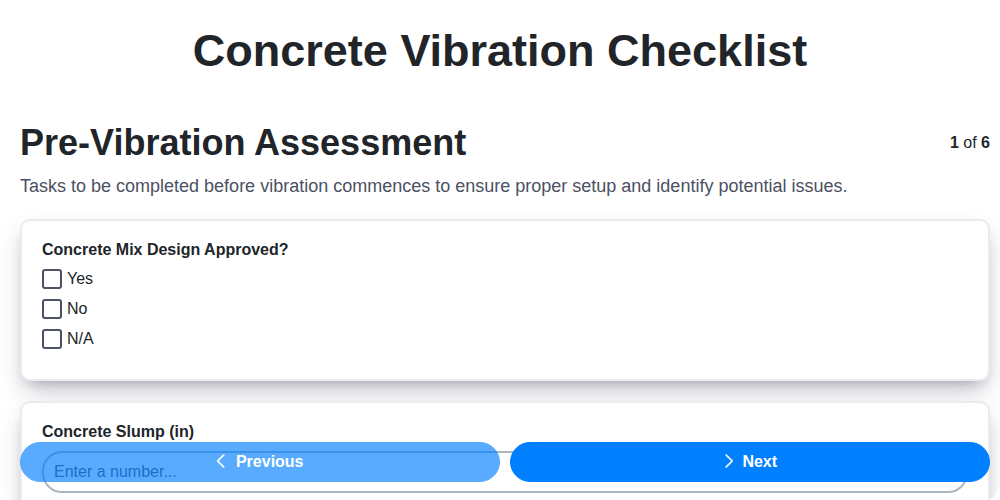
The Ultimate Concrete Vibration Checklist Template
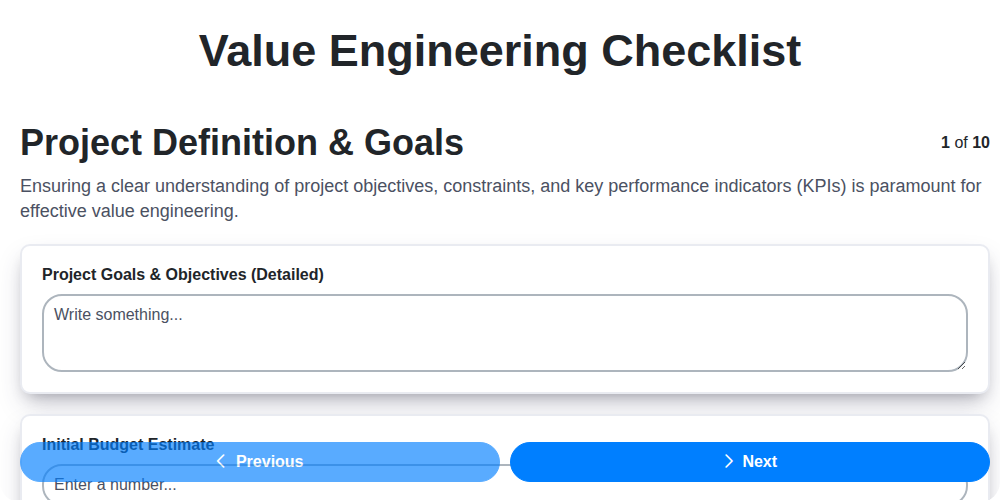
Unlock Value: Your Free Value Engineering Checklist Template
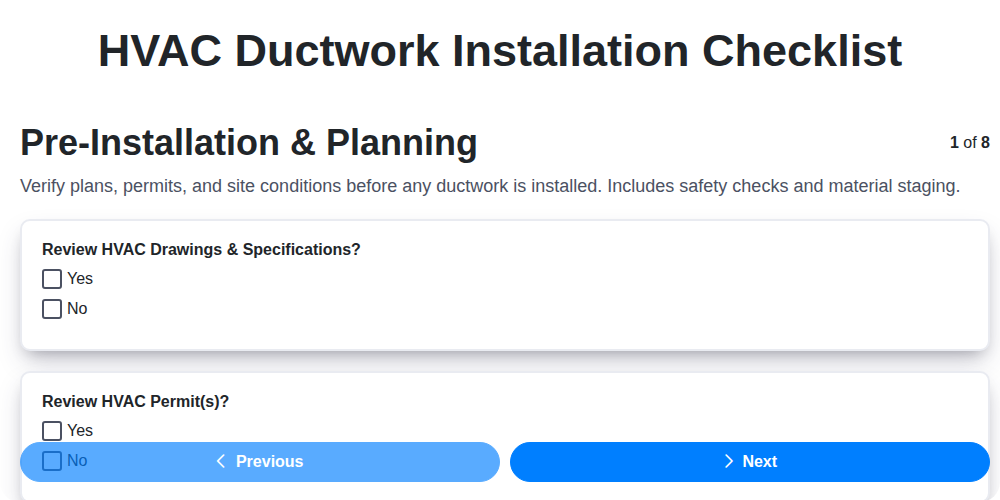
The Ultimate HVAC Ductwork Installation Checklist Template

The Ultimate Rebar Placement Checklist Template
Your Concrete Mix Design Verification Checklist: A Step-by-Step Guide
Backfilling & Compaction Checklist: A Foundation's Best Friend
The Ultimate Concrete Delivery & Placement Checklist Template
Your Ultimate Stakeholder Communication Plan Checklist Template
Need help with
Checklists?
Have a question? We're here to help. Please submit your inquiry, and we'll respond promptly.