The Ultimate Vendor Management Checklist for Real Estate Professionals
Published: 11/26/2025 Updated: 07/02/2026
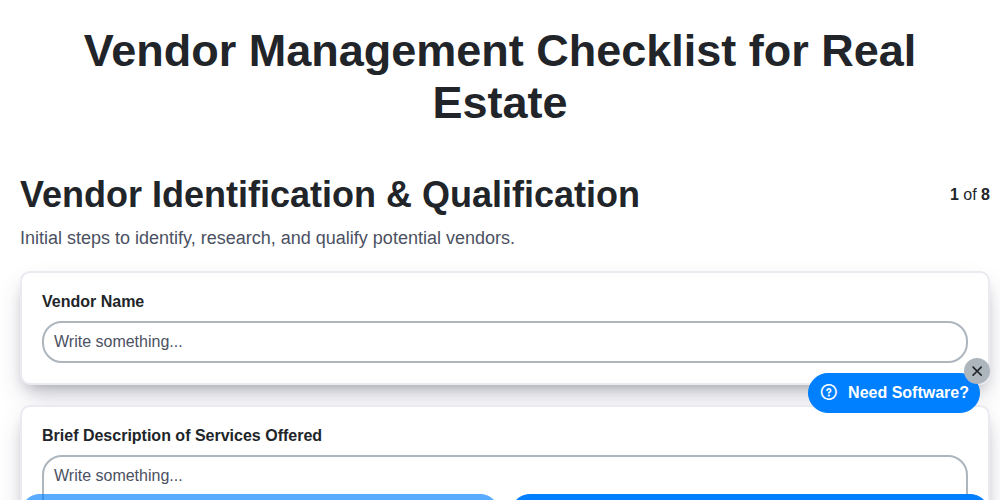
Table of Contents
- Why Vendor Management is Crucial in Real Estate
- 1. Vendor Identification & Qualification: Finding the Right Partners
- 2. The Bid Process & Selection: Ensuring Competitive Pricing & Quality
- 3. Contract Negotiation & Execution: Protecting Your Interests
- 4. Performance Monitoring & Evaluation: Keeping Vendors Accountable
- 5. Payment Processing & Invoicing: Streamlining Financial Transactions
- 6. Insurance & Compliance Verification: Minimizing Risk
- 7. Building Strong Vendor Relationships: Communication & Collaboration
- Resources & Links
TLDR: Managing vendors in real estate can be a headache! This checklist breaks down the process - from finding reliable vendors to ensuring they're compliant and performing well - into 9 key steps. Download the template to streamline your vendor management, save time, and minimize risk.
Why Vendor Management is Crucial in Real Estate
Real estate operations rely heavily on a network of vendors - from contractors and maintenance crews to cleaning services and property managers. Effective vendor management isn't just about finding the lowest price; it's about protecting your assets, ensuring quality service, and mitigating risk. Without a structured approach, you're vulnerable to poor workmanship, legal issues, financial instability, and reputational damage. Imagine a faulty roof repair leading to costly water damage, or a landscaping crew failing to maintain property appeal. Proactive vendor management safeguards your investments, streamlines operations, and ultimately contributes to a more profitable and sustainable real estate business. It builds trust with tenants, protects your bottom line, and frees up your time to focus on strategic growth.
1. Vendor Identification & Qualification: Finding the Right Partners
Finding reliable vendors is the bedrock of a smoothly running real estate operation. It's more than just finding someone who can do the job; it's about finding a partner who aligns with your values, meets your quality standards, and understands the specific nuances of the real estate industry. This initial step is crucial to avoid costly mistakes and ensure project success.
Here's a breakdown of what's involved in identifying and qualifying potential vendors:
- Define Your Needs: Clearly outline the services you require - landscaping, repairs, cleaning, inspections, etc. Be specific about the scope of work and required expertise.
- Source Potential Vendors: Utilize a variety of methods to find candidates. This could include online directories, industry referrals, professional associations, and your existing network.
- Initial Screening: Conduct a preliminary check to rule out obviously unsuitable candidates. This might involve reviewing online reviews, checking their website, and verifying basic business information (licenses, registration).
- Due Diligence: Dig deeper! Request references and proactively contact them to inquire about the vendor's performance, reliability, and professionalism. Check their financial stability - a financially struggling vendor can impact service delivery.
- Specialized Expertise: Real estate often demands specialized skills. Ensure the vendor understands local regulations, property maintenance best practices, and any unique challenges specific to your portfolio.
- Culture & Values Alignment: Consider the vendor's business practices and ensure they align with your company's ethical standards and values.
By taking the time to thoroughly identify and qualify potential vendors, you set the stage for long-term success and build a solid foundation for your real estate operations.
2. The Bid Process & Selection: Ensuring Competitive Pricing & Quality
Securing the best value for your real estate projects requires a robust and transparent bid process. Don't settle for the first vendor you find - actively solicit and evaluate bids to ensure you're receiving competitive pricing alongside quality workmanship or service.
Here's how to structure a winning bid process:
- Clearly Define Scope of Work: Before requesting bids, meticulously define the project scope. Detailed specifications minimize ambiguity and ensure all vendors are quoting on the same requirements. Include deliverables, timelines, and quality standards.
- Identify Potential Bidders: Compile a list of qualified vendors based on your initial vendor identification and qualification stage. Consider leveraging industry referrals, online directories, and past project experiences.
- Issue a Request for Proposal (RFP) or Request for Quote (RFQ): Clearly communicate your needs and expectations. Provide all relevant project details and deadlines for bid submission.
- Establish Evaluation Criteria: Define objective criteria for evaluating bids beyond just price. Consider factors like experience, references, proposed methodology, team expertise, and responsiveness. Assign weights to each criterion to reflect their relative importance.
- Scrutinize Bids Thoroughly: Don't just look at the bottom line. Analyze each bid against your established criteria. Verify experience claims, check references, and assess the proposed approach.
- Conduct Interviews (Optional): For larger projects or when bids are closely matched, schedule interviews to delve deeper into the vendor's capabilities and approach.
- Document the Selection Process: Maintain a detailed record of all bids received, evaluation scores, and rationale for the final selection. This demonstrates fairness and transparency and provides a valuable reference point for future projects.
3. Contract Negotiation & Execution: Protecting Your Interests
A well-negotiated and legally sound contract is the bedrock of a successful vendor relationship. Don't rush this crucial step! Beyond just outlining scope and pricing, a robust contract safeguards your real estate business from potential pitfalls.
Here's what to prioritize during contract negotiation and execution:
- Clearly Define Scope of Work: Ensure every task, responsibility, and deliverable is explicitly outlined. Ambiguity leads to disputes. Use detailed specifications and, where applicable, include examples of previous work.
- Payment Terms & Milestones: Specify payment schedules tied to completed milestones. This provides a built-in incentive for timely completion and allows for progress tracking. Include penalties for late delivery or substandard work.
- Liability and Indemnification: Protect your business by including clauses that clearly define liability and require vendors to indemnify you against claims arising from their work.
- Termination Clause: Outline conditions under which either party can terminate the agreement, and the associated penalties or procedures. This is vital for addressing performance issues or changing business needs.
- Intellectual Property Rights: For vendors creating content or designs, ensure you retain ownership or appropriate usage rights.
- Confidentiality Agreements (NDAs): Critical when sharing sensitive business information.
- Governing Law and Dispute Resolution: Specify which jurisdiction's laws govern the contract and the preferred method for resolving disputes (e.g., mediation, arbitration).
- Legal Review: Always have a real estate attorney review any vendor contract before signing. They can identify potential risks and ensure your interests are fully protected.
Remember, a contract isn't just a formality; it's a working document that governs the entire vendor relationship. Invest the time and resources upfront to create a strong foundation for success.
4. Performance Monitoring & Evaluation: Keeping Vendors Accountable
Simply selecting a vendor isn't enough; consistent monitoring and evaluation are crucial for ensuring they consistently deliver on their promises and meet your real estate business's standards. This goes beyond just checking if the job got done. It's about how it was done and whether it aligns with your expectations.
Establish Key Performance Indicators (KPIs): Before any work begins, define clear, measurable KPIs. These will vary depending on the vendor type (e.g., contractors, inspectors, photographers). Examples include:
- Response Time: How quickly do they respond to inquiries and requests?
- Quality of Work: Based on specific criteria, is the work up to par? (e.g., inspection reports thorough, photos professionally edited, repairs completed correctly).
- Timeliness: Are projects completed on schedule?
- Client Satisfaction: (For vendors directly interacting with clients) Feedback from your team and, where appropriate, clients.
- Adherence to Budget: Were they able to stay within the agreed-upon budget?
Implement Regular Reviews: Schedule periodic reviews (weekly, monthly, quarterly) to assess vendor performance against these KPIs. Use a standardized evaluation form for consistency.
Gather Feedback: Don't just rely on your own assessment. Solicit feedback from the teams who work directly with the vendor. Their insights are invaluable.
Document Everything: Maintain detailed records of performance reviews, feedback received, and any corrective actions taken. This creates a valuable audit trail and helps justify decisions regarding vendor retention or replacement.
Address Issues Promptly: If performance falls short, don't let it slide. Address concerns directly and collaboratively. Provide opportunities for improvement and set clear expectations for future performance. A well-documented performance improvement plan can be helpful.
5. Payment Processing & Invoicing: Streamlining Financial Transactions
Efficient vendor management extends beyond just securing good rates; it also hinges on a smooth and accurate payment process. Disorganized invoicing and payment delays can damage relationships and impact your cash flow. Here's how to streamline this crucial element:
- Establish Clear Payment Terms: Outline payment terms (Net 30, Net 45, etc.) clearly within the vendor contract. Ensure these are consistent across all vendor agreements whenever possible.
- Implement a Standardized Invoice Format: Request vendors submit invoices in a pre-defined format. This includes specific fields like invoice number, date, purchase order number (if applicable), description of services, and payment terms. A standardized format simplifies data entry and reduces errors.
- Automate Invoice Routing: Utilize accounting software or dedicated vendor portals to automate the invoice routing process. This eliminates manual handling and speeds up approval workflows.
- Purchase Order Integration: Whenever possible, integrate purchase orders with the invoicing process. This provides a direct link between the work performed, the agreed price, and the payment.
- Prompt Payment and Reconciliation: Aim for timely payments, adhering to the agreed-upon terms. Regularly reconcile vendor statements to ensure accuracy and identify any discrepancies early on.
- Dedicated Contact: Designate a point of contact for vendor invoice inquiries to ensure quick resolution and clear communication.
- Early Payment Discounts: Consider offering early payment discounts to incentivize vendors and potentially lower costs.
6. Insurance & Compliance Verification: Minimizing Risk
Real estate operations rely heavily on vendors, and ensuring they're properly insured and compliant isn't just a formality-it's a critical risk mitigation strategy. A lapse in coverage or a violation of regulations can expose your business to significant legal and financial repercussions.
This section of your vendor management checklist should cover:
- Certificate of Insurance (COI) Review: Require vendors to provide a current COI before work begins and schedule regular updates (at least annually, and ideally more frequently for higher-risk vendors). Verify that the coverage types and limits meet your requirements (general liability, workers' compensation, auto liability, professional liability where applicable). Don't just accept the COI; review it. Understand the coverage details.
- Workers' Compensation Verification: Essential for vendors performing work on your properties. Confirm their coverage is active and meets state requirements.
- Licensing and Permits: Verify that vendors hold all necessary licenses and permits to operate legally in your jurisdiction and to perform the specific services you require. This includes building permits, electrical licenses, plumbing licenses, and any others relevant to their trade.
- Background Checks: Depending on the vendor's role (especially those with access to sensitive areas or interacting with residents), background checks may be necessary.
- Regulatory Compliance: Stay informed about industry-specific regulations and ensure your vendors are compliant. This might involve verifying adherence to environmental regulations, accessibility standards (ADA), or other relevant laws.
- Record Keeping: Maintain copies of all verification documents in a centralized location, accessible for audits and quick reference.
Regularly updating this verification process demonstrates due diligence and can significantly reduce your business's exposure to liability.
7. Building Strong Vendor Relationships: Communication & Collaboration
Vendor management isn't just about ticking boxes and ensuring contracts are signed; it's about fostering mutually beneficial relationships. Strong vendor relationships lead to better service, more favorable terms, and a smoother overall process. Here's how to cultivate them:
Open and Consistent Communication: Regular communication isn't just about addressing problems. Schedule routine check-ins - even brief ones - to discuss ongoing projects, anticipated needs, and industry trends. A quick email, a short phone call, or a brief meeting can make a big difference.
Proactive Feedback & Recognition: Don't wait for issues to arise. Provide constructive feedback on a regular basis, highlighting both successes and areas for improvement. Acknowledging good work and recognizing vendor contributions fosters a sense of partnership and motivates performance.
Designated Points of Contact: Clearly designate specific individuals within your organization as primary contacts for each vendor. This streamlines communication and avoids confusion. Encourage vendors to do the same.
Collaboration on Solutions: When challenges inevitably arise, approach them as collaborative opportunities. Invite vendors to participate in brainstorming solutions and offer their expertise.
Value Their Input: Vendors often possess valuable insights into their industry and can offer suggestions for improving your processes. Actively solicit and consider their input.
Relationship Building Beyond Business: While professional boundaries are important, taking the time to learn about your vendors - their company culture, their team - can help build rapport and foster a more collaborative environment. This could be as simple as attending a vendor-hosted event or engaging in light conversation during meetings.
By prioritizing communication and building genuine relationships, you transform vendor management from a transactional process into a strategic partnership that benefits your real estate business.
Resources & Links
- National Association of REALTORS® (NAR): NAR provides resources, training, and advocacy for real estate professionals. Their website often has articles and guides on business management, including potentially relevant content on legal compliance and best practices.
- Commercial Real Estate Development Association (NAIOP): If the real estate professional deals with commercial properties, NAIOP offers insights and best practices on vendor management specific to that sector, including contractor relationships and compliance.
- Institute for Supply Management (ISM): ISM is a leading resource for supply chain and procurement professionals. While geared towards larger businesses, their insights on vendor selection, contract negotiation, and performance evaluation can be adapted for real estate.
- Society for Human Resource Management (SHRM): SHRM's website contains resources regarding compliance, contractor classification, and potential legal risks related to engaging independent vendors. Crucial for ensuring proper vendor classification to avoid misclassification issues.
- Risk Management Institute: Offers a broad range of risk management resources, including information on contract risk, insurance requirements, and compliance. Useful for the 'Insurance & Compliance Verification' section of the checklist.
- Lexology: Lexology is a legal network providing industry-specific legal updates and analysis. Search their site for articles on real estate contracts, vendor agreements, and legal risks associated with contractor relationships.
- Internal Revenue Service (IRS): For the 'Payment Processing & Invoicing' and vendor classification sections, the IRS website has information on proper tax reporting procedures for independent contractors. Crucial for avoiding penalties.
- SCORE: SCORE offers free business mentoring and resources for small business owners. They can provide guidance on vendor management best practices and contract basics.
- Avetta: While a vendor management platform, Avetta's website has resources and blog posts about vendor risk management, insurance verification, and compliance in construction and related industries. Relevant to sections 6 and 2.
- Wrike: Wrike is a project management software. Their blog provides insights into vendor management processes, collaboration strategies, and workflows. Can be used to illustrate 'Building Strong Vendor Relationships'.
Frequently Asked Questions
What is vendor management and why is it important for real estate professionals?
Vendor management is the process of sourcing, evaluating, selecting, and overseeing third-party contractors (vendors) who provide services or goods essential to your real estate business. It's vital for controlling costs, ensuring quality work, mitigating risks (legal, financial, reputational), and streamlining operations.
Who is this checklist for?
This checklist is designed for all real estate professionals - agents, brokers, property managers, and team leaders - who rely on vendors to support their business. Whether you're a seasoned pro or just starting out, this checklist will help you optimize your vendor relationships.
What types of vendors should I include in my vendor management process?
Common vendors for real estate professionals include (but aren't limited to) contractors (plumbers, electricians, HVAC), photographers, stagers, cleaners, inspectors, appraisers, title companies, insurance providers, marketing agencies, and legal counsel.
What are the main categories covered in the checklist?
The checklist is broken down into several key areas: Initial Vendor Sourcing, Due Diligence & Vetting, Contract Negotiation & Onboarding, Ongoing Performance Management, and Legal & Insurance Compliance.
What is 'due diligence' and why is it important?
Due diligence is a thorough investigation of a vendor before engaging them. It involves checking their reputation, financial stability, licenses, insurance coverage, and references to ensure they are reliable and capable of delivering quality service. It helps minimize risk and protect your business.
What should I look for when checking a vendor's insurance coverage?
You should verify they have adequate general liability insurance and workers' compensation insurance (if they employ workers). The coverage amounts should be sufficient to cover potential damages or injuries related to their work. Your own insurance provider can advise on appropriate levels.
Why is it important to have a written contract with my vendors?
A written contract clearly outlines the scope of work, payment terms, timelines, responsibilities, and legal protections for both parties. It helps prevent misunderstandings, disputes, and provides recourse if the vendor fails to fulfill their obligations.
What are some key elements to include in a vendor contract?
Essential elements include: scope of work, payment schedule, termination clauses, confidentiality agreements, dispute resolution process, liability limitations, insurance requirements, and a clear timeline for deliverables.
How often should I review vendor performance?
Regular performance reviews are crucial. We recommend at least quarterly reviews, but more frequent check-ins may be necessary depending on the vendor's importance and the frequency of their services. Document these reviews.
What metrics should I use to evaluate vendor performance?
Metrics vary by vendor type but generally include: quality of work, timeliness, responsiveness, adherence to budget, problem-solving ability, and customer satisfaction. Implement a scoring system for objective assessment.
What should I do if a vendor isn't meeting expectations?
First, communicate your concerns clearly and provide specific examples. Offer opportunities for improvement. If performance doesn't improve, consider alternative vendors and exercise any termination clauses in your contract.
Comments
There are no comments yet. Be the first to add one!
Real Estate Management Solution Demo
Simplify your real estate operations! ChecklistGuro streamlines property management, lease renewals, and maintenance requests. Enhance tenant satisfaction and maximize ROI. Manage it all with our Work OS.
Related Articles
Stress-Free Inspections: Your Home Inspection Coordination Checklist Template
The Ultimate Website Maintenance Checklist Template
10 Essential Checks: Your Brokerage Policy Review Checklist
The Ultimate Office Opening/Closing Checklist Template
Your Ultimate AML Compliance Checklist Template
Rent Collection Checklist Template: Your Landlord's Guide
Your Complete Flood Zone Disclosure Checklist Template
Fair Housing Training Checklist Template: Your Guide to Compliance
Need help with
Real Estate?
Have a question? We're here to help. Please submit your inquiry, and we'll respond promptly.