 ChecklistGuro
 Inventory Replenishment Automation Process
Streamline your supply chain with our Inventory Replenishment Automation Process. Eliminate stockouts and overstocking by implementing intelligent, automated workflows designed to optimize reorder points, track real-time stock levels, and trigger seamless procurement cycles. Boost logistics efficiency, reduce manual errors, and ensure continuous product availability with this scalable automation solution.
This Template was installed 5 times.
Start
Start of the Workflow/Process.
1. Check Low Stock Levels
Retrieve all items from the Inventory Data Model where current stock is below the predefined reorder point.
2. Calculate Total Reorder Value
Sum the 'Unit Cost' of all identified low-stock items to determine the total capital required for replenishment.
3. Calculate Lead Time Buffer
Calculate the required safety stock level using the formula: (Average Daily Usage * Lead Time) + Safety Buffer.
4. Create Purchase Requisition
Generate a new entry in the 'Purchase Orders' data model for the identified low-stock items.
5. Update Inventory Status
Update the 'Status' field of the selected items in the Inventory Data Model to 'Pending Reorder'.
6. Assign Procurement Review
Create a task for the Procurement Manager to review and approve the newly created Purchase Requisition.
7. Notify Supplier
Send an automated email to the Vendor's contact email with the details of the new Purchase Order.
8. Fetch Vendor Contact Info
Retrieve contact details and payment terms from the Vendor Data Model based on the items being ordered.
9. Calculate Estimated Arrival Date
Calculate the expected delivery date by adding the Vendor Lead Time to the current date.
10. Update Purchase Order Date
Update the 'Expected Delivery Date' field in the Purchase Order entry with the calculated value.
11. Warehouse Receiving Task
Create a task for the Warehouse Team to perform a physical count check once the delivery date is reached.
12. Notify Finance Department
Send an email to the Accounts Payable team regarding the pending cost for the upcoming inventory replenishment.
13. Create Receiving Log Entry
Create an entry in the 'Incoming Shipments' log to track the arrival of the goods.
14. Finalize Inventory Levels
Once items are received, update the 'Current Stock' levels in the Inventory Data Model to reflect the new quantities.
15. Archive Completed Requisition
Remove or archive the completed Purchase Requisition entry from the 'Active Orders' view to keep the dashboard clean.
End
End of the Workflow/Process.
Start of the Workflow/Process.
Retrieve all items from the Inventory Data Model where current stock is below the predefined reorder point.
Sum the 'Unit Cost' of all identified low-stock items to determine the total capital required for replenishment.
Calculate the required safety stock level using the formula: (Average Daily Usage * Lead Time) + Safety Buffer.
Generate a new entry in the 'Purchase Orders' data model for the identified low-stock items.
Update the 'Status' field of the selected items in the Inventory Data Model to 'Pending Reorder'.
Create a task for the Procurement Manager to review and approve the newly created Purchase Requisition.
Send an automated email to the Vendor's contact email with the details of the new Purchase Order.
Retrieve contact details and payment terms from the Vendor Data Model based on the items being ordered.
Calculate the expected delivery date by adding the Vendor Lead Time to the current date.
Update the 'Expected Delivery Date' field in the Purchase Order entry with the calculated value.
Create a task for the Warehouse Team to perform a physical count check once the delivery date is reached.
Send an email to the Accounts Payable team regarding the pending cost for the upcoming inventory replenishment.
Create an entry in the 'Incoming Shipments' log to track the arrival of the goods.
Once items are received, update the 'Current Stock' levels in the Inventory Data Model to reflect the new quantities.
Remove or archive the completed Purchase Requisition entry from the 'Active Orders' view to keep the dashboard clean.
End of the Workflow/Process.
Frequently Asked Questions
Comments
There are no comments yet. Be the first to add one!
Logistics Management Solution Demo
Tired of shipping delays, lost packages, and inefficient routes? ChecklistGuro's Work OS platform streamlines your entire logistics operation, from warehouse management and order fulfillment to route optimization and delivery tracking. Gain real-time visibility, reduce costs, and improve customer satisfaction. Learn how ChecklistGuro can transform your logistics business!
Related Workflow Templates
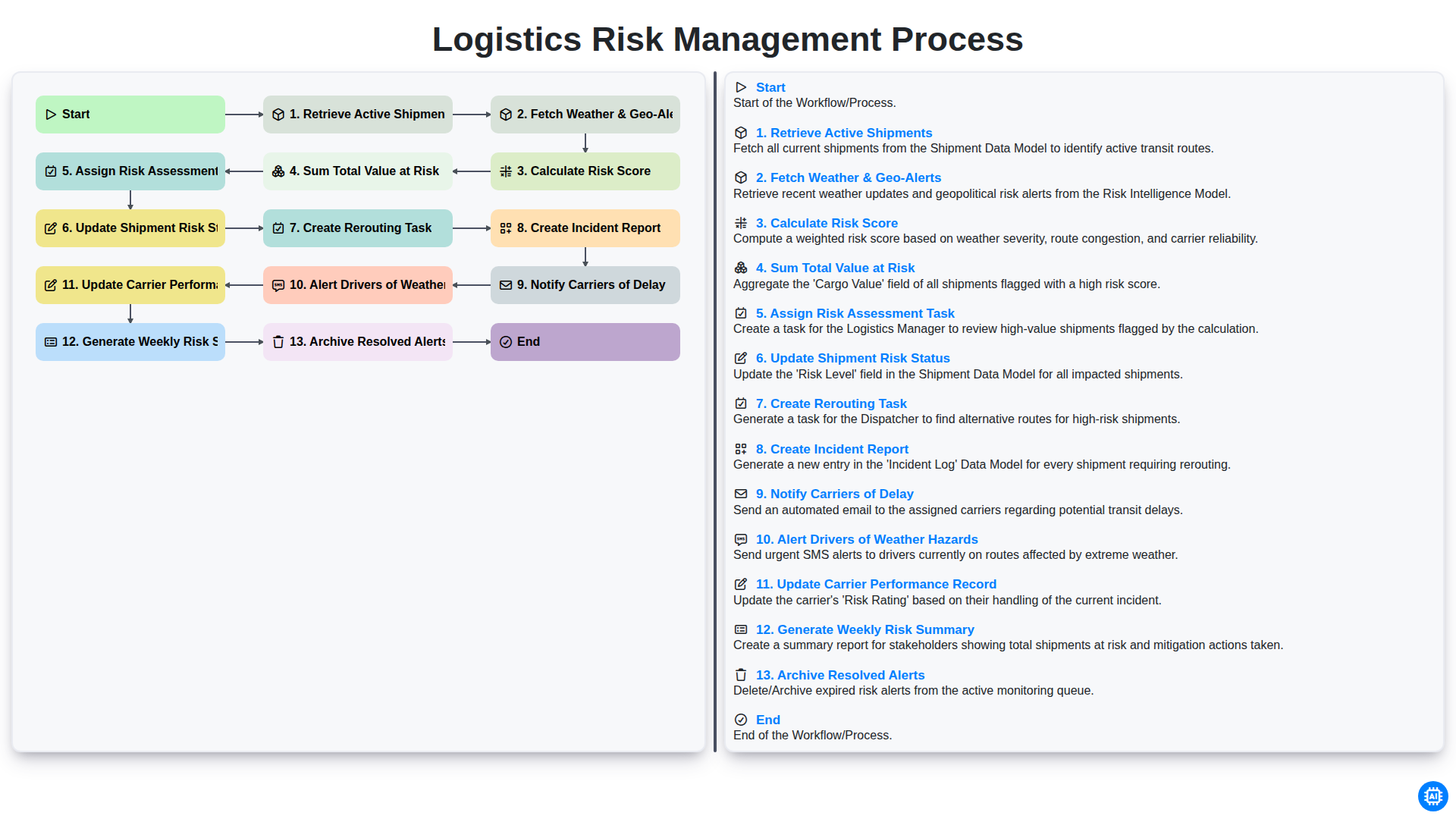
Logistics Risk Management Process
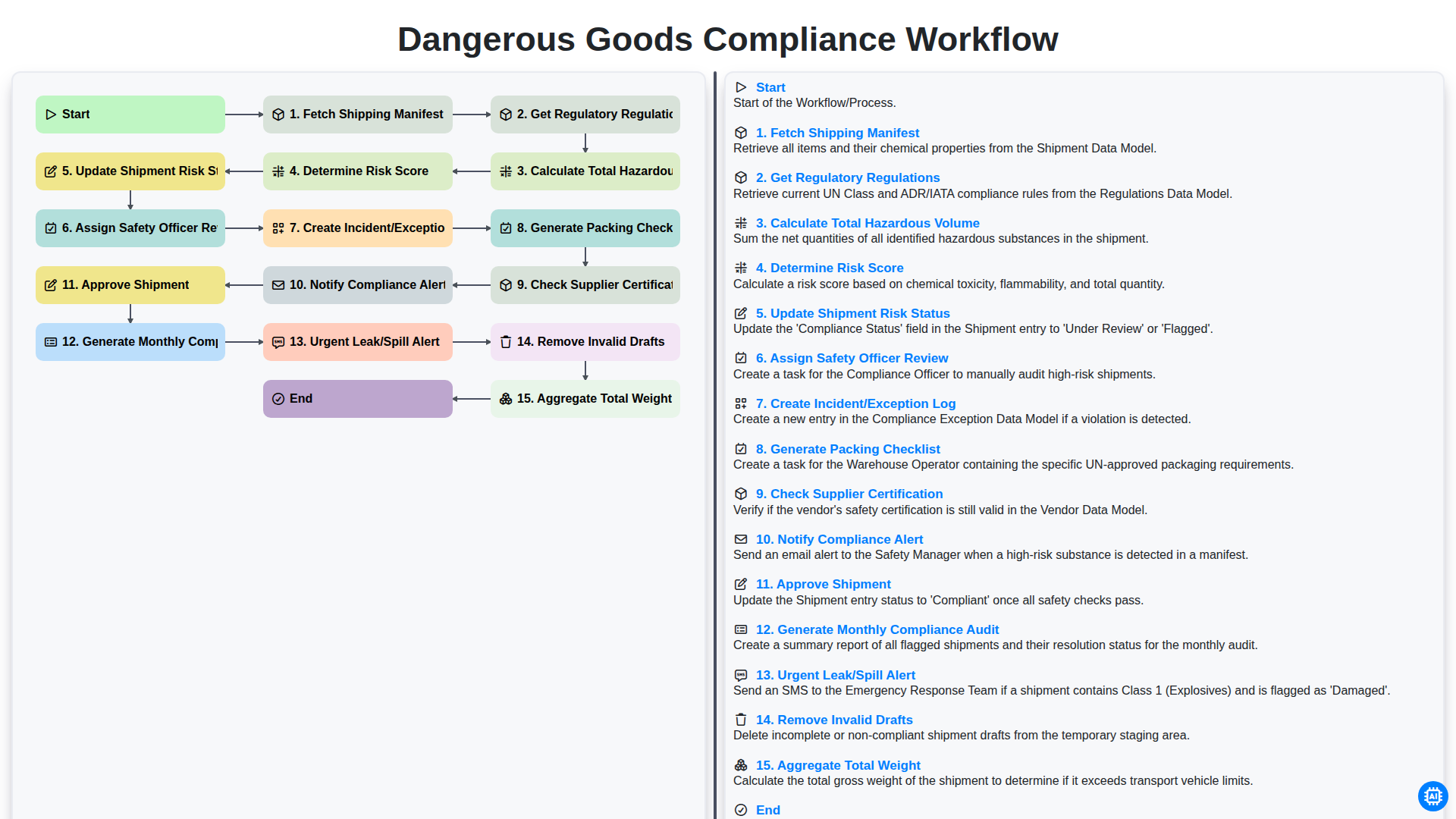
Dangerous Goods Compliance Workflow
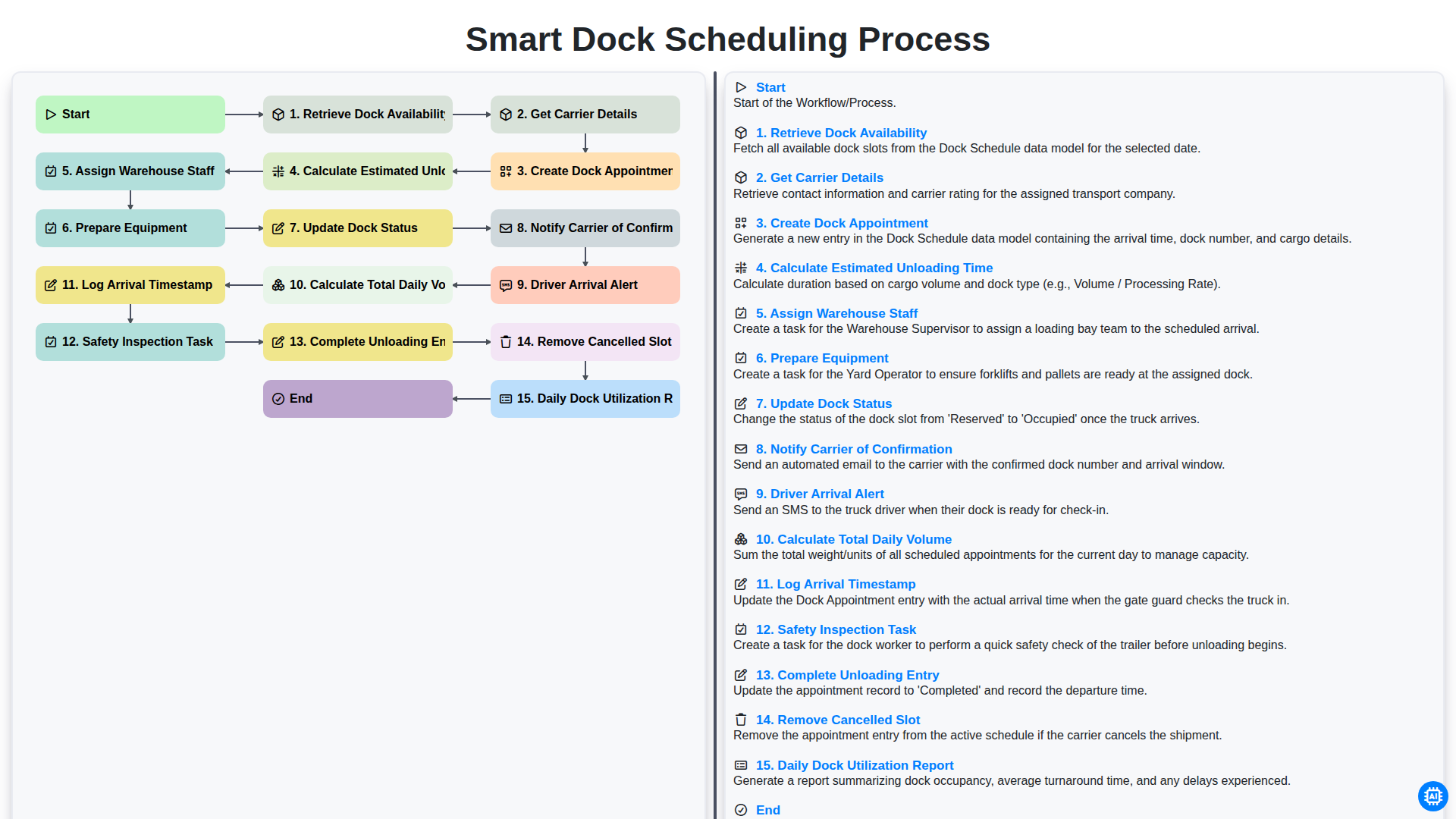
Smart Dock Scheduling Process
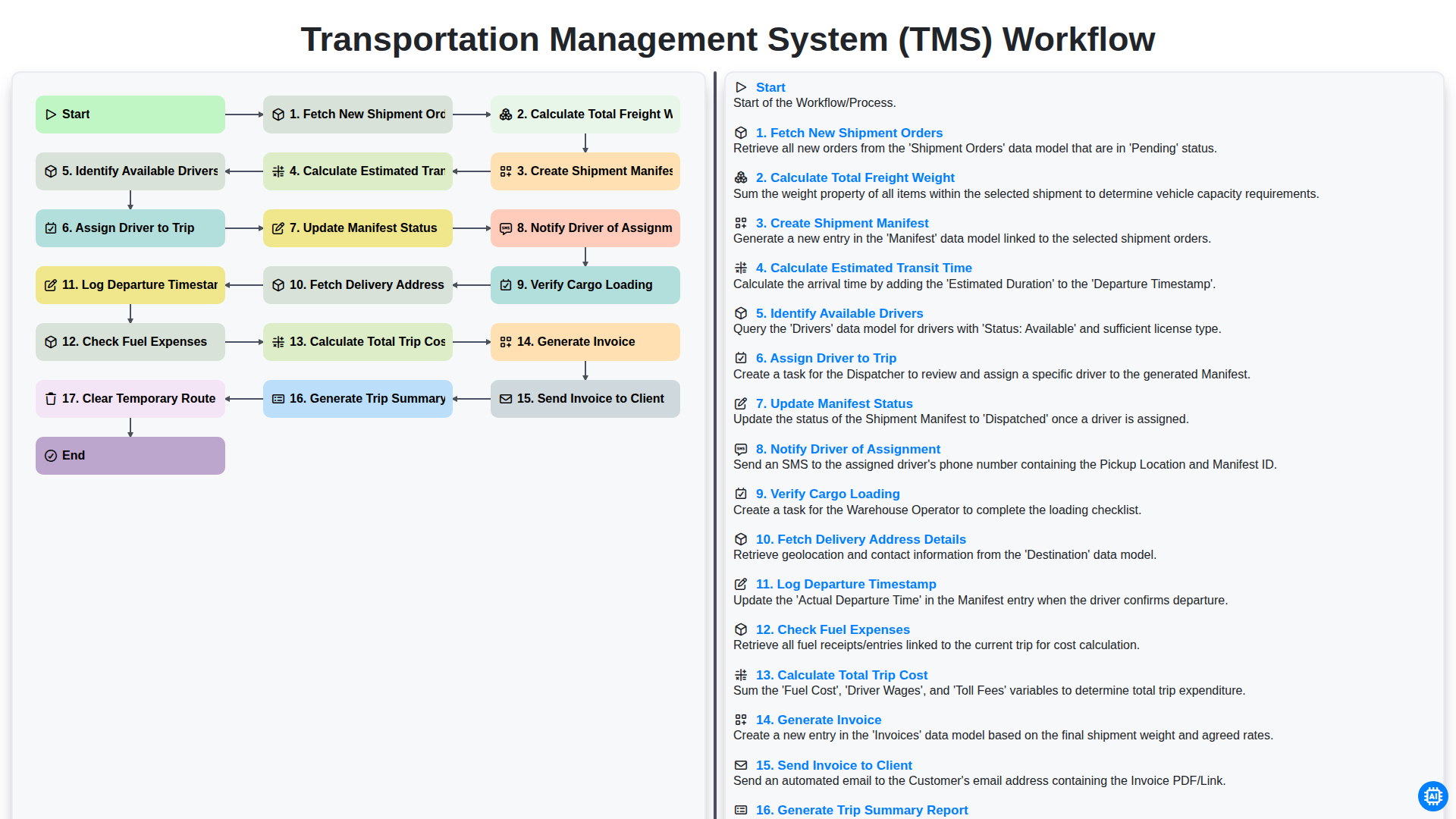
Transportation Management System (TMS) Workflow
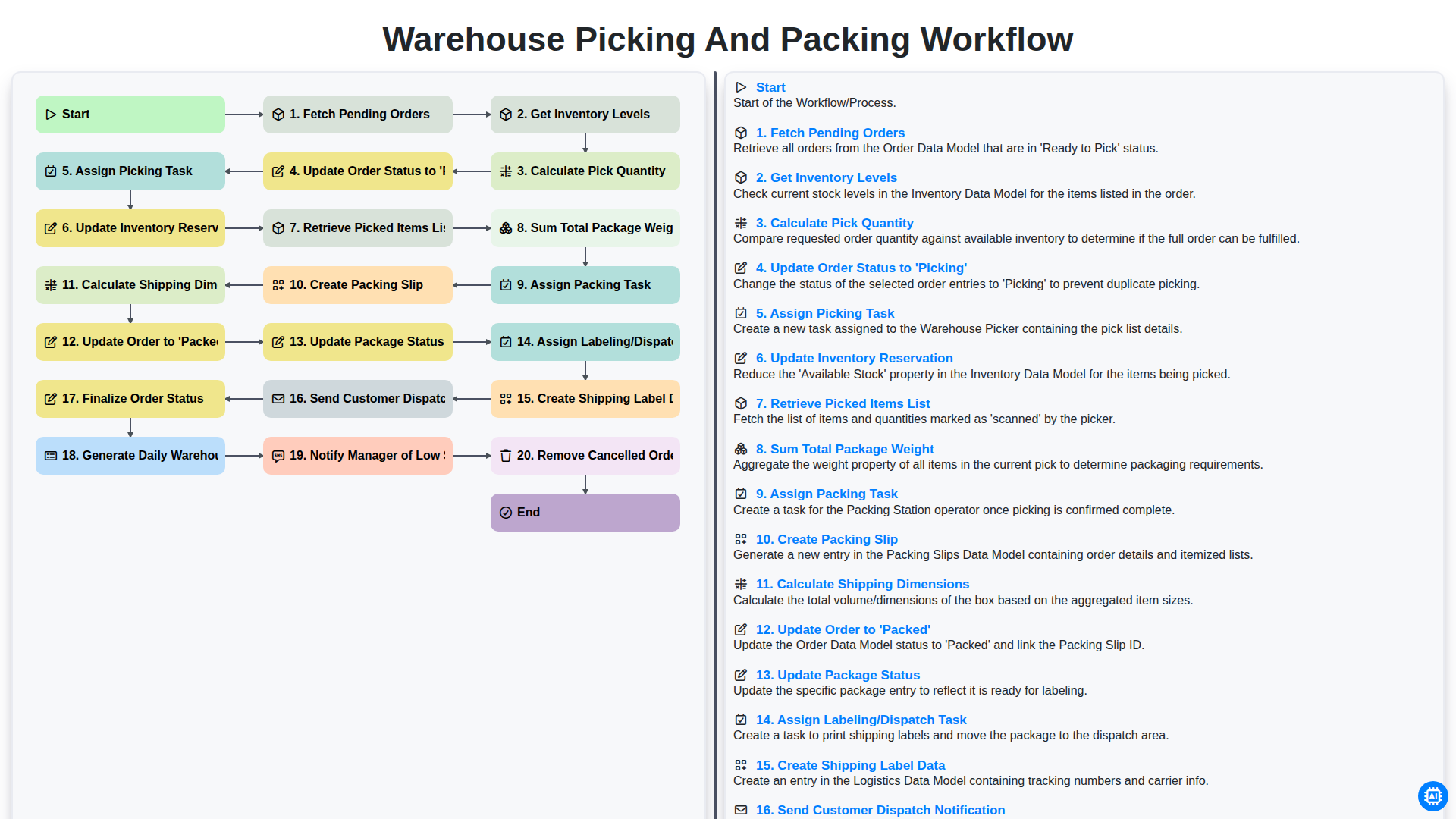
Warehouse Picking and Packing Workflow
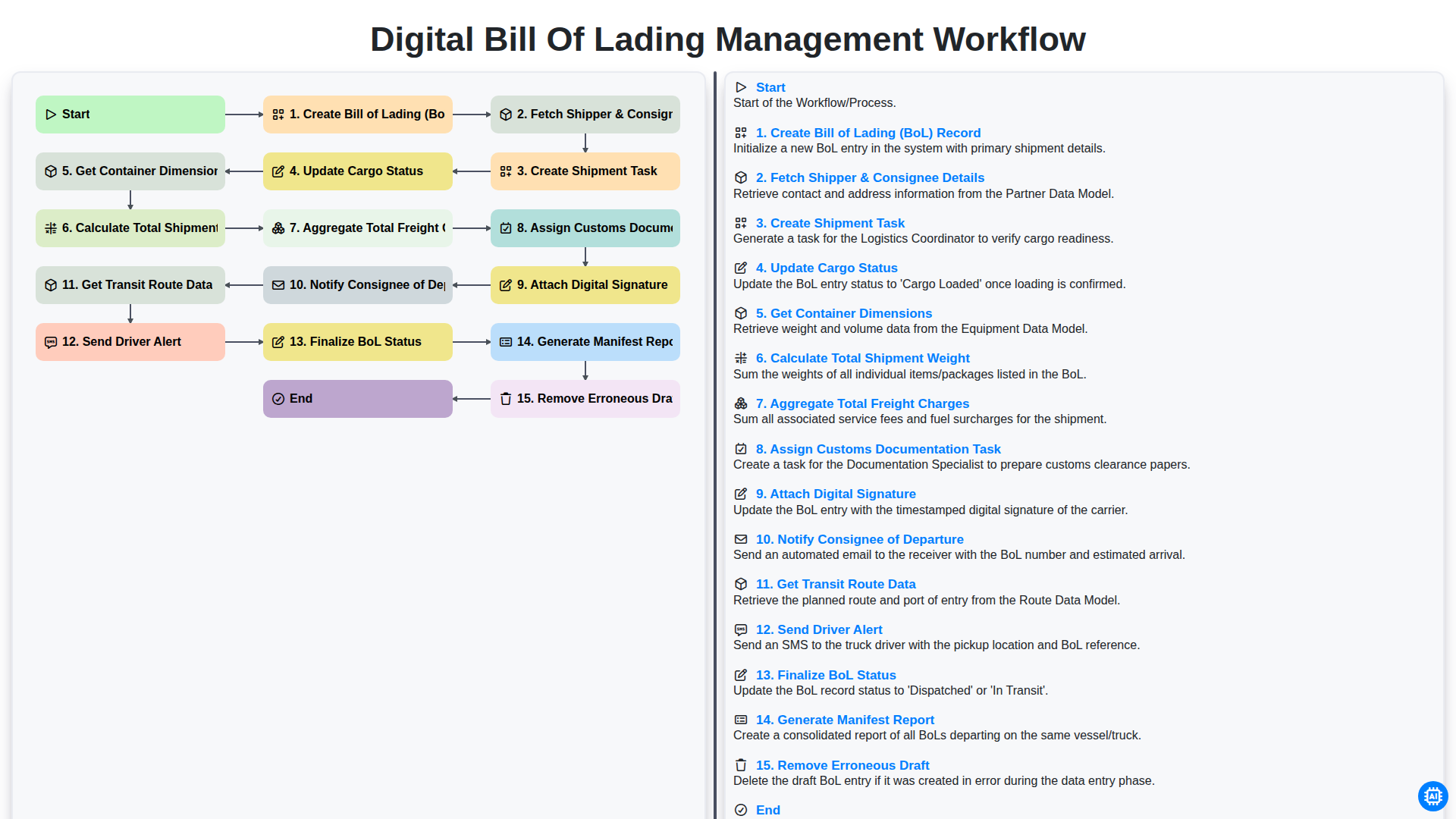
Digital Bill of Lading Management Workflow
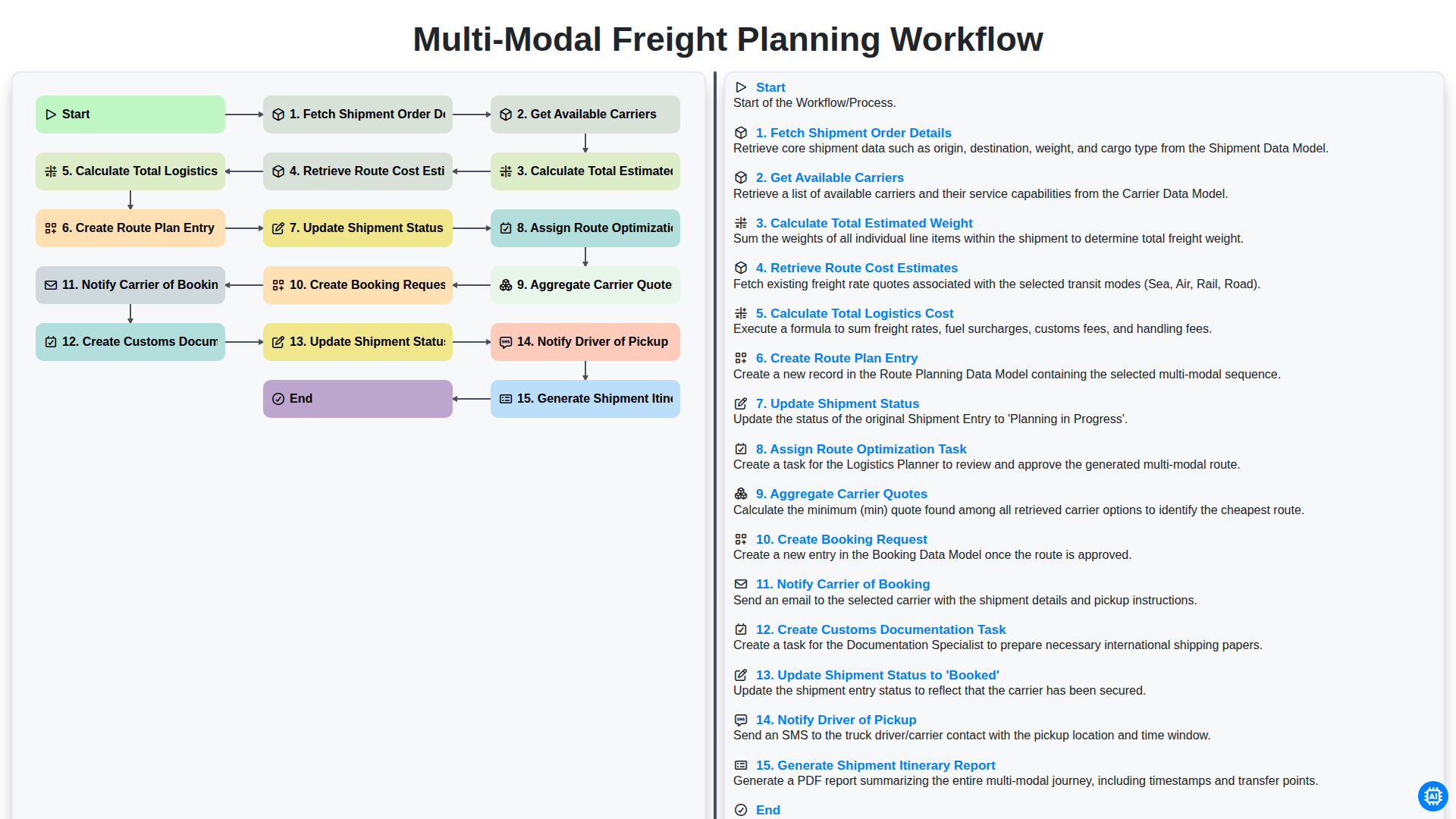
Multi-Modal Freight Planning Workflow
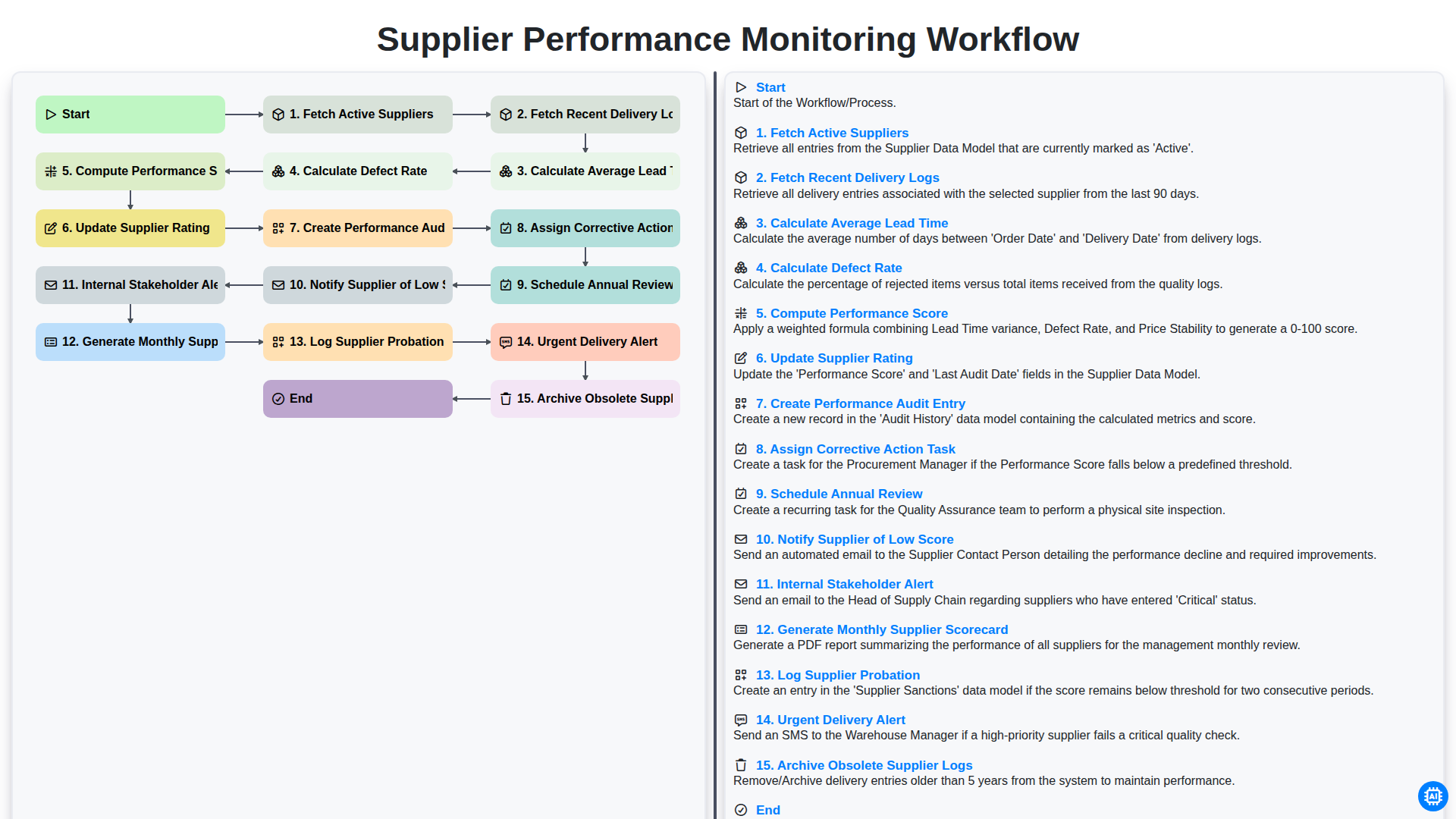
Supplier Performance Monitoring Workflow
We can do it Together
Need help with
Logistics?
Have a question? We're here to help. Please submit your inquiry, and we'll respond promptly.