 ChecklistGuro
 Warehouse Space Utilization Optimization Process
Maximize your warehouse efficiency and slash operational costs with our Warehouse Space Utilization Optimization Process. Discover data-driven strategies to eliminate dead zones, streamline slotting accuracy, and boost storage density. Master the art of inventory placement and airflow optimization to transform your logistics footprint, reduce handling times, and unlock peak supply chain productivity.
This Template was installed 4 times.
Start
Start of the Workflow/Process.
1. Retrieve Current Inventory Levels
Fetch all existing product entries from the Inventory Data Model to identify stock volume.
2. Retrieve Warehouse Capacity Data
Fetch total available bin, shelf, and floor space metrics from the Warehouse Layout Data Model.
3. Calculate Total Occupied Volume
Sum the volume of all active inventory entries to determine current utilized space.
4. Calculate Utilization Percentage
Divide Total Occupied Volume by Total Warehouse Capacity to determine the utilization ratio.
5. Identify Excess/Deficit Space
Subtract Total Occupied Volume from Total Capacity to determine remaining headroom or overflow requirement.
6. Update Warehouse Status
Update the 'Current Utilization' field in the Warehouse Data Model with the newly calculated percentage.
7. Assign Space Audit Task
Create a task for the Warehouse Manager to physically verify high-density zones.
8. Identify Slow-Moving Stock
Retrieve inventory entries where 'Last Movement Date' is greater than 90 days.
9. Initiate Reorganization Plan
Create a task for the Logistics Coordinator to move identified slow-moving items to long-term storage.
10. Generate Optimization Report Entry
Create a new entry in the 'Optimization Logs' data model summarizing the findings of this cycle.
11. Generate Utilization Summary Report
Create a visual report showing capacity trends and fragmentation levels for the management team.
12. Notify Operations Manager
Send an email to the Operations Manager if utilization exceeds the 85% threshold.
13. Update Bin Assignment
Update specific Bin entries to reflect new contents after reorganization tasks are complete.
14. Schedule Disposal/Liquidation
Create a task for the Procurement team to handle stock identified for removal/disposal.
15. Alert Floor Supervisor
Send an SMS alert to the Floor Supervisor if the warehouse reaches critical capacity (95%+).
End
End of the Workflow/Process.
Start of the Workflow/Process.
Fetch all existing product entries from the Inventory Data Model to identify stock volume.
Fetch total available bin, shelf, and floor space metrics from the Warehouse Layout Data Model.
Sum the volume of all active inventory entries to determine current utilized space.
Divide Total Occupied Volume by Total Warehouse Capacity to determine the utilization ratio.
Subtract Total Occupied Volume from Total Capacity to determine remaining headroom or overflow requirement.
Update the 'Current Utilization' field in the Warehouse Data Model with the newly calculated percentage.
Create a task for the Warehouse Manager to physically verify high-density zones.
Retrieve inventory entries where 'Last Movement Date' is greater than 90 days.
Create a task for the Logistics Coordinator to move identified slow-moving items to long-term storage.
Create a new entry in the 'Optimization Logs' data model summarizing the findings of this cycle.
Create a visual report showing capacity trends and fragmentation levels for the management team.
Send an email to the Operations Manager if utilization exceeds the 85% threshold.
Update specific Bin entries to reflect new contents after reorganization tasks are complete.
Create a task for the Procurement team to handle stock identified for removal/disposal.
Send an SMS alert to the Floor Supervisor if the warehouse reaches critical capacity (95%+).
End of the Workflow/Process.
Comments
There are no comments yet. Be the first to add one!
Logistics Management Solution Demo
Tired of shipping delays, lost packages, and inefficient routes? ChecklistGuro's Work OS platform streamlines your entire logistics operation, from warehouse management and order fulfillment to route optimization and delivery tracking. Gain real-time visibility, reduce costs, and improve customer satisfaction. Learn how ChecklistGuro can transform your logistics business!
Related Workflow Templates
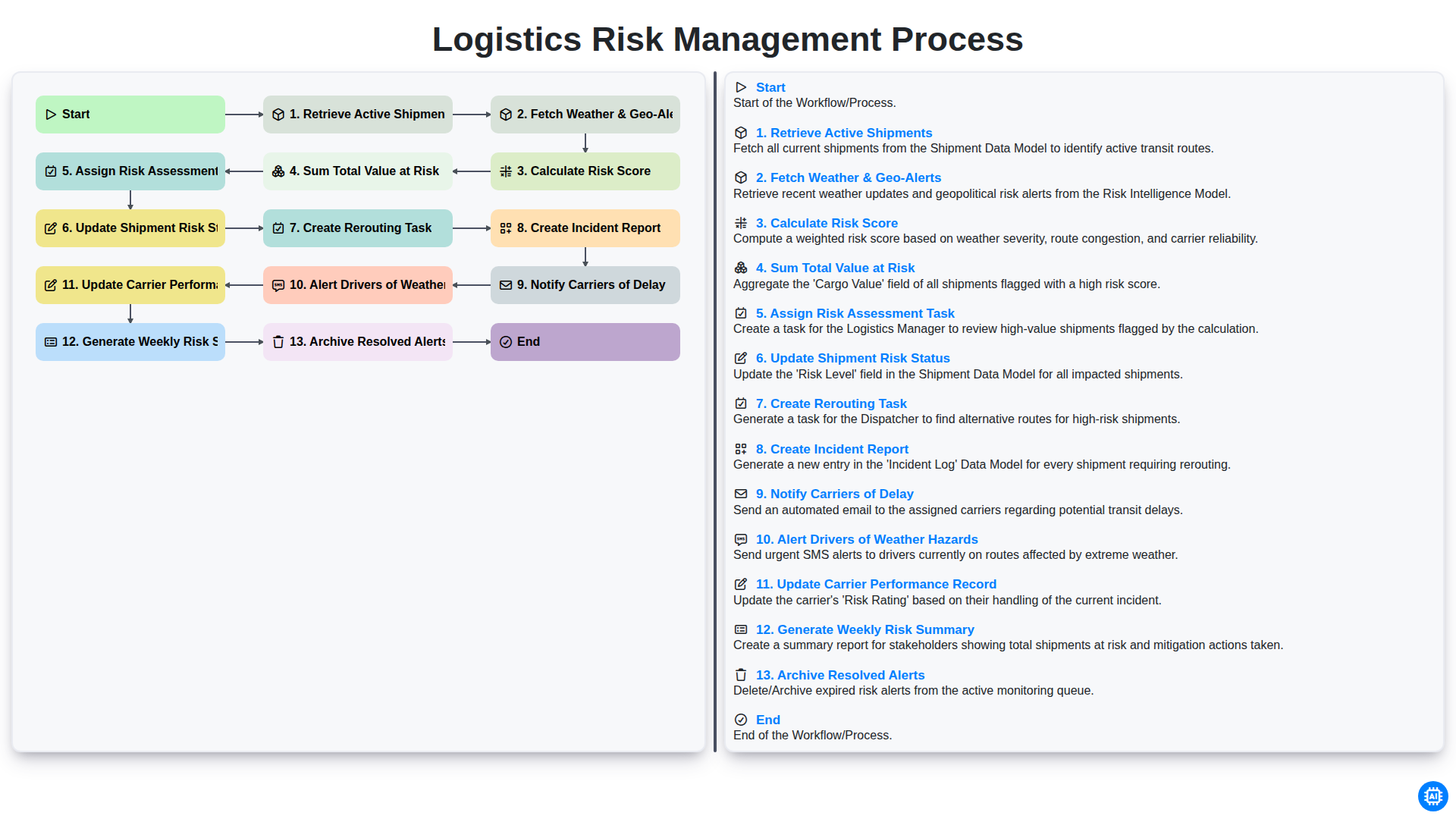
Logistics Risk Management Process
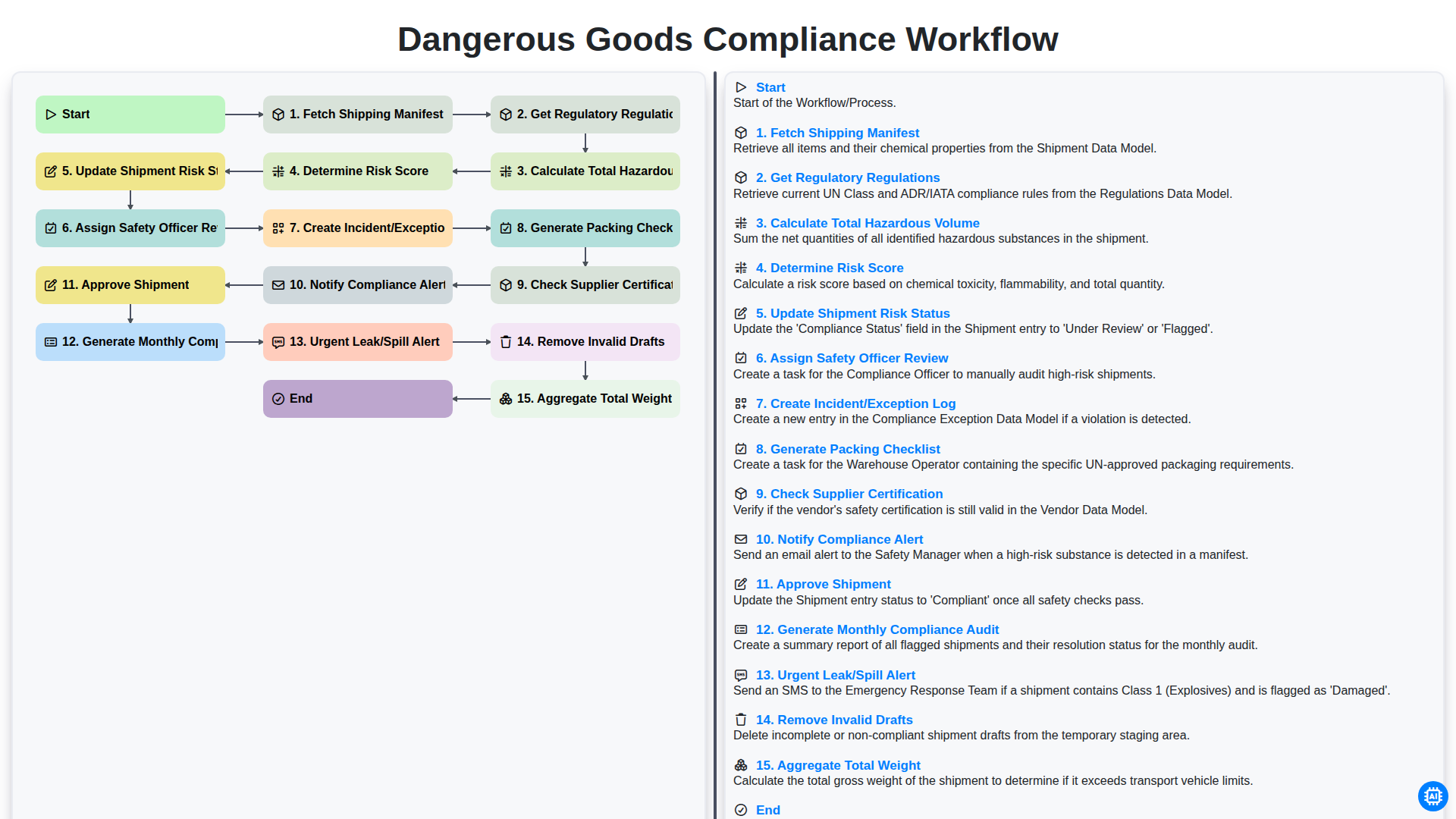
Dangerous Goods Compliance Workflow
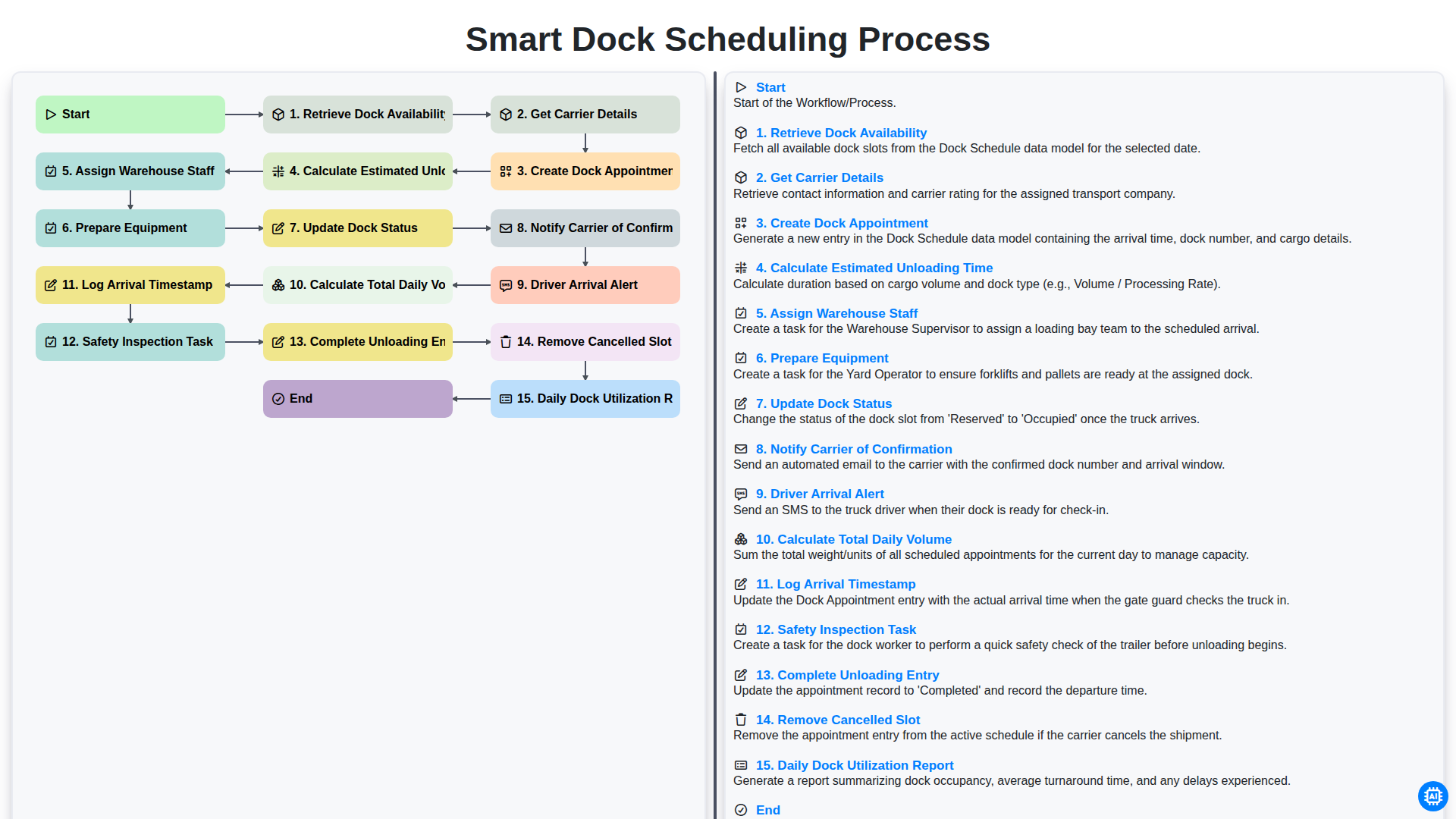
Smart Dock Scheduling Process
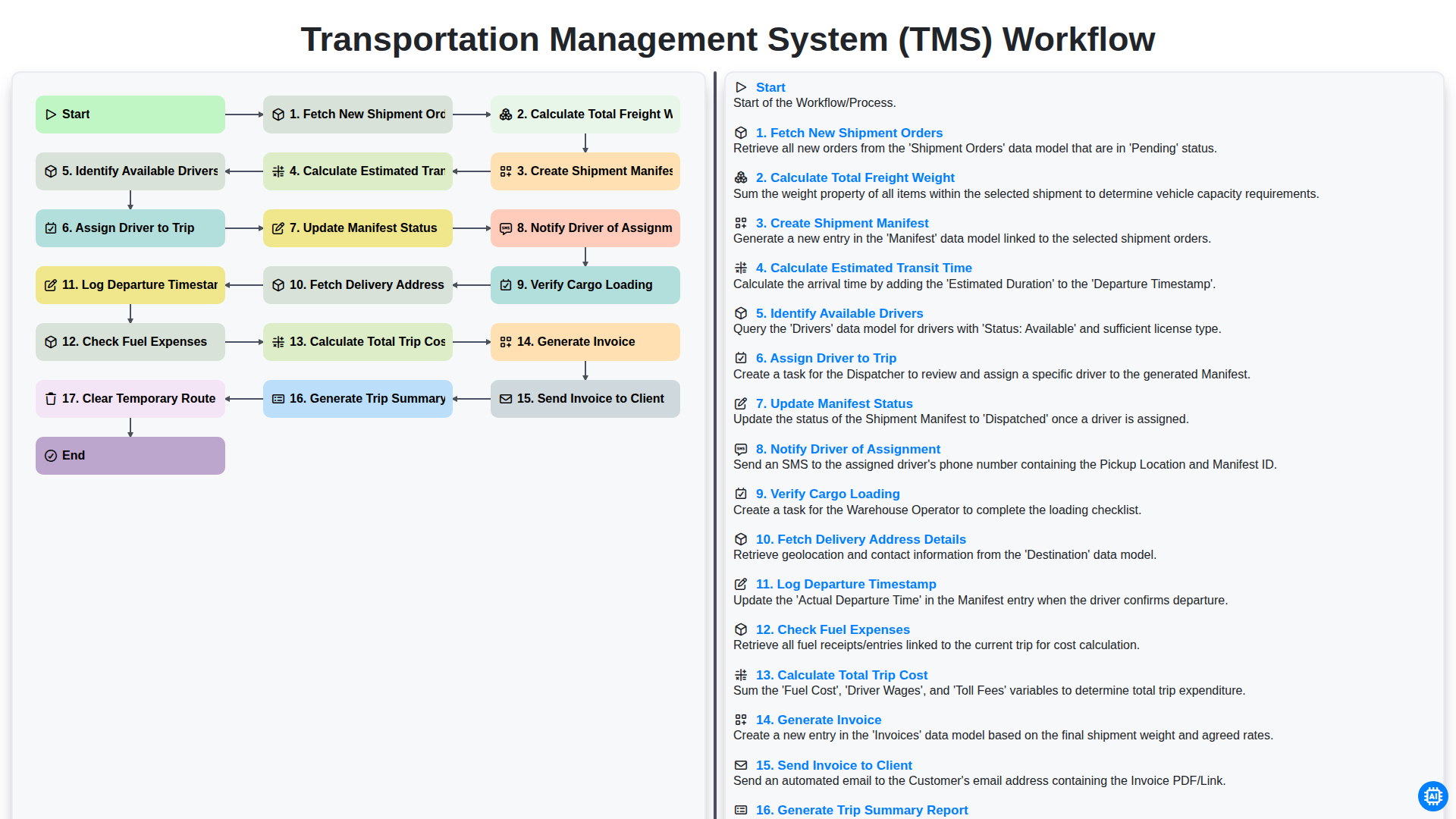
Transportation Management System (TMS) Workflow
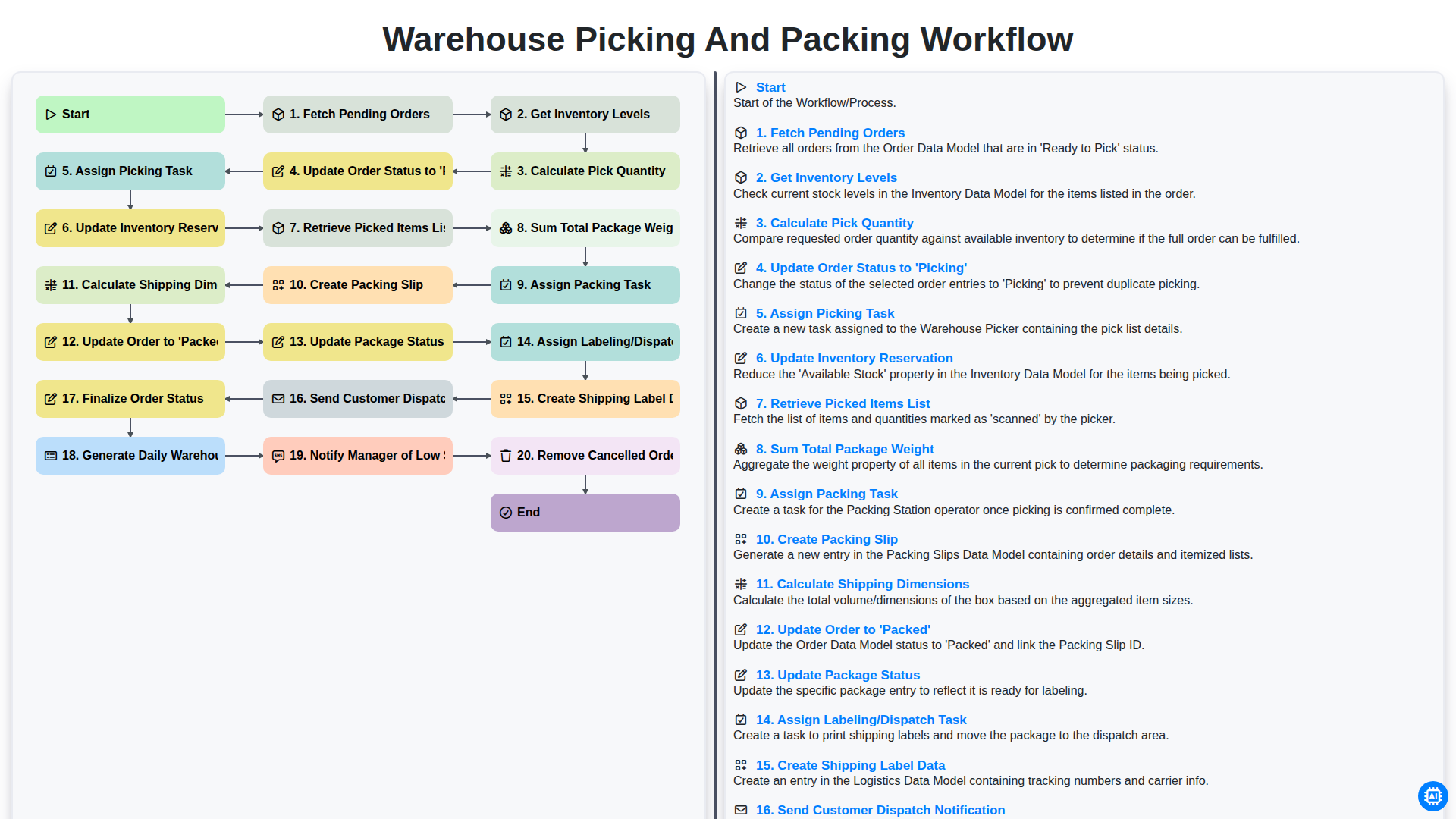
Warehouse Picking and Packing Workflow
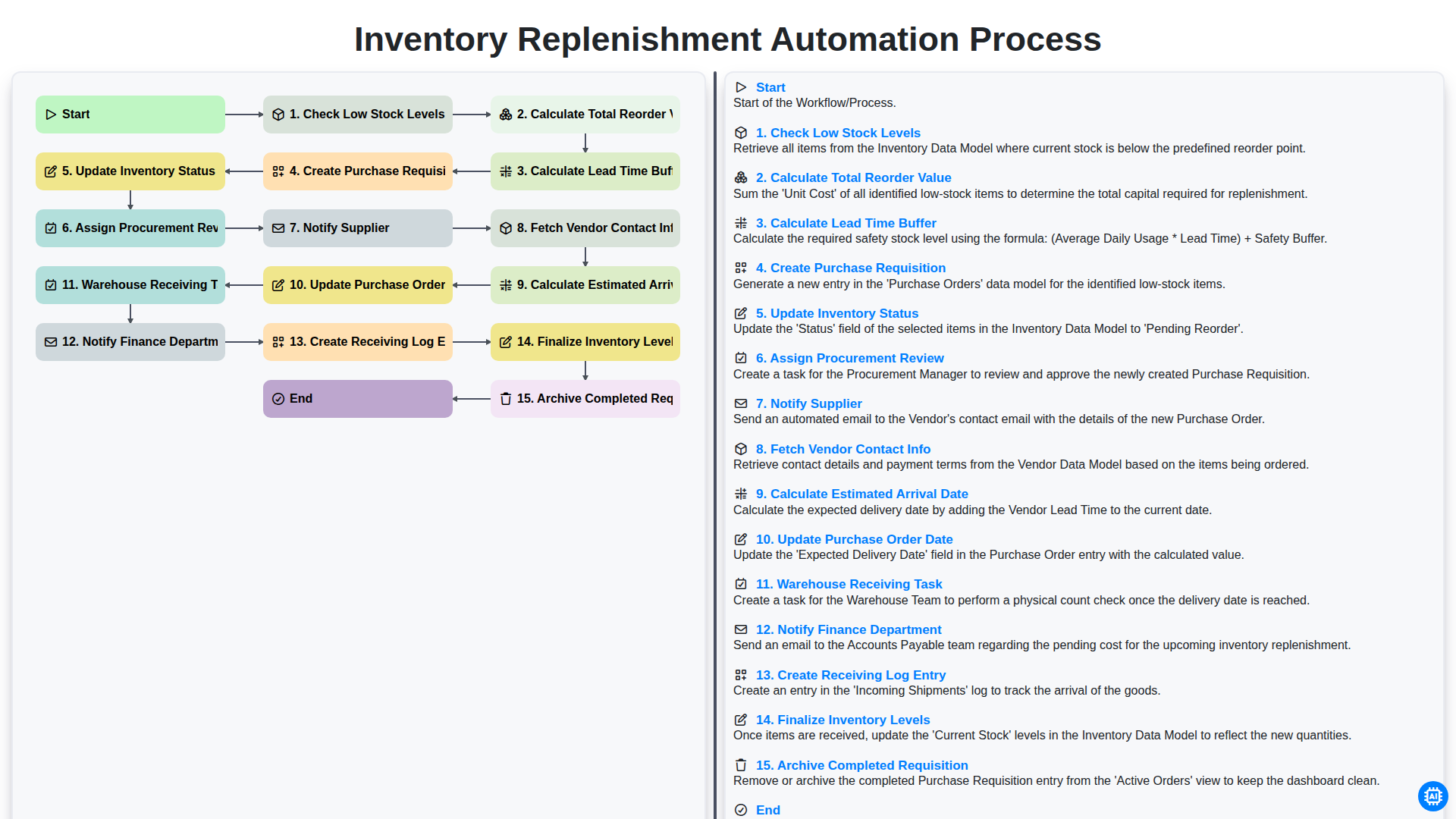
Inventory Replenishment Automation Process
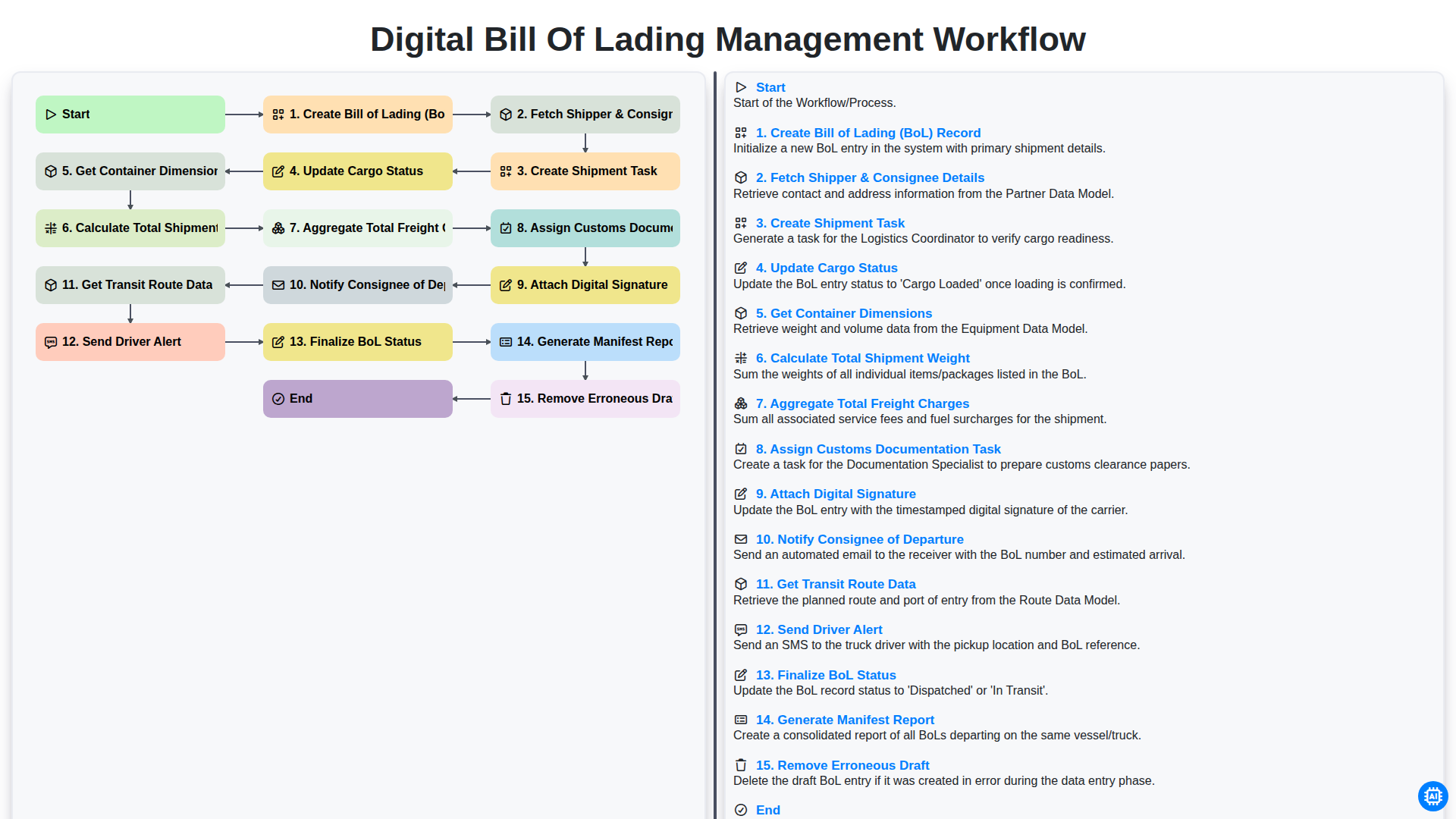
Digital Bill of Lading Management Workflow
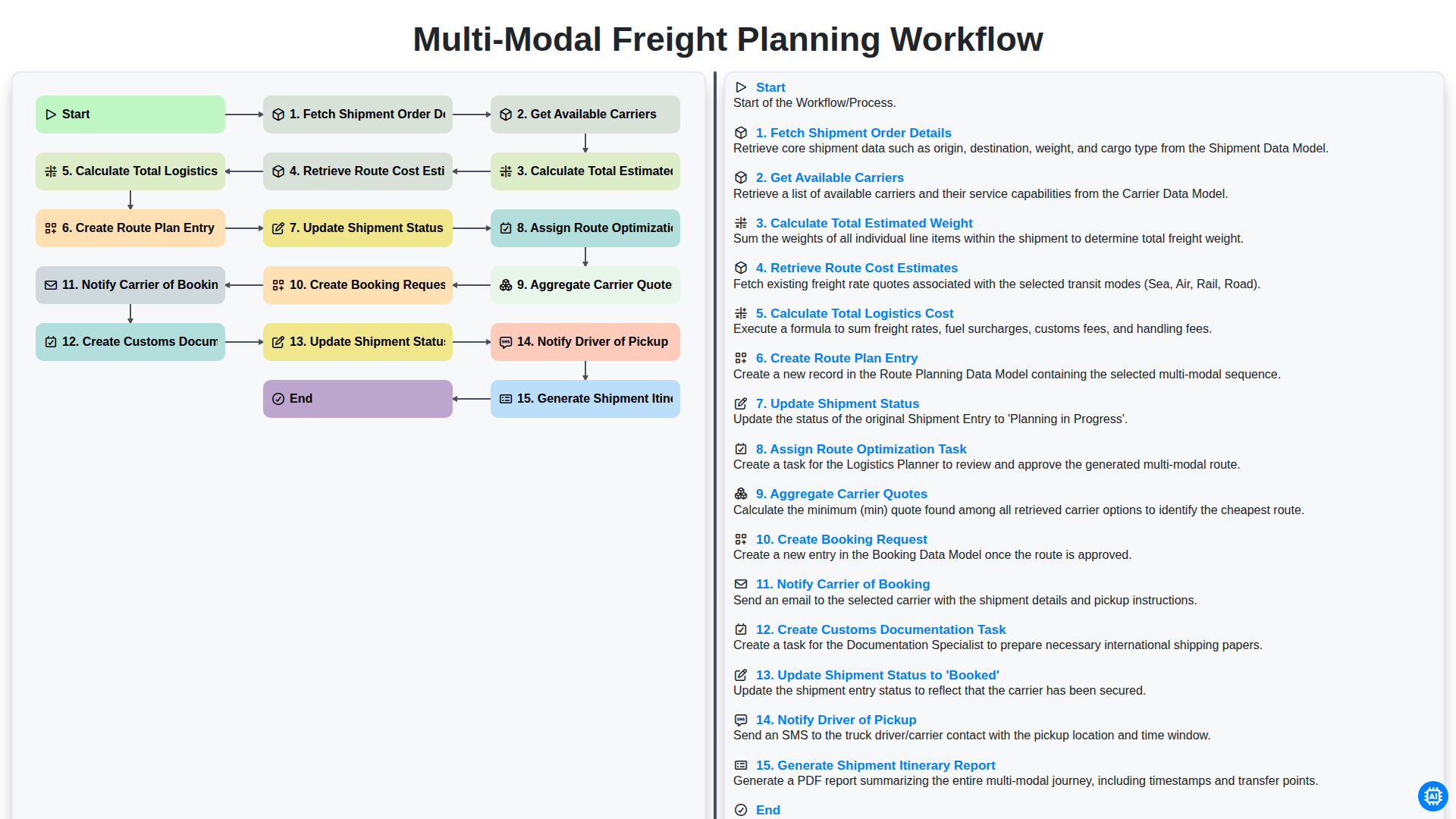
Multi-Modal Freight Planning Workflow
We can do it Together
Need help with
Logistics?
Have a question? We're here to help. Please submit your inquiry, and we'll respond promptly.