The Ultimate Energy Asset Inspection Checklist Template: Ensuring Peak Performance & Safety
Published: 12/05/2025 Updated: 12/14/2025
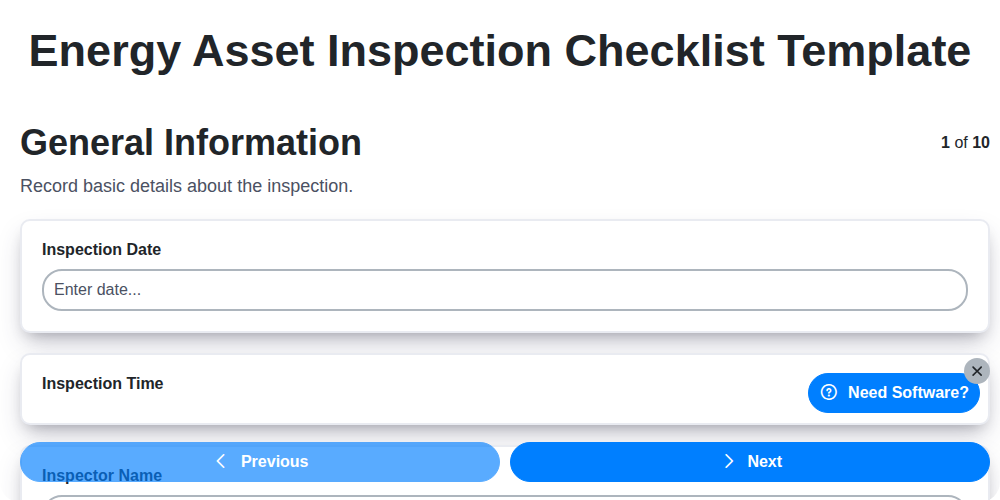
Table of Contents
- Introduction: Why Energy Asset Inspections Matter
- Understanding Energy Asset Inspection Checklists
- The Ultimate Checklist Template: A Detailed Breakdown
- Section 1: General Information - Setting the Stage
- Section 2: Asset Identification - Knowing What You're Inspecting
- Section 3: Visual Inspection - The First Line of Defense
- Section 3.1: External Condition Assessment
- Section 3.2: Internal Component Observation
- Section 4: Mechanical Integrity - Ensuring Structural Soundness
- Section 5: Electrical Safety - Preventing Hazards
- Section 6: Operational Performance - Assessing Efficiency
- Section 7: Environmental Compliance - Minimizing Impact
- Section 8: Documentation & Maintenance Records - Tracking History
- Section 9: Corrective Actions - Addressing Issues Promptly
- Section 10: Inspector Sign-off - Confirming Completion
- Resources & Links
TLDR: Keep your energy assets running smoothly and safely! This checklist template covers everything from visual checks and mechanical integrity to electrical safety and environmental compliance. It's your one-stop guide to organized inspections, easy record-keeping, and ensuring peak performance - download it and protect your investment!
Introduction: Why Energy Asset Inspections Matter
Energy assets - whether it's a sprawling solar farm, a vital wind turbine, a complex power substation, or a critical industrial boiler - are the backbone of our modern world. They power our homes, fuel our industries, and drive our economies. But these assets age, are exposed to harsh environmental conditions, and operate under significant stress. Regular and thorough inspections aren't just a nice to have; they're absolutely essential for safety, reliability, efficiency, and longevity.
Neglecting these inspections can lead to a cascade of problems: unexpected downtime, costly repairs, environmental hazards, safety incidents, and even regulatory non-compliance. A proactive approach to energy asset inspections helps identify potential issues before they escalate into major failures, minimizing disruption and maximizing return on investment. This isn't just about preventing breakdowns; it's about optimizing performance, extending asset lifespan, and ensuring a sustainable energy future. That's where a robust inspection checklist comes in - a systematic guide to ensure every critical aspect of your assets is scrutinized.
Understanding Energy Asset Inspection Checklists
Energy asset inspection checklists are more than just boxes to tick; they're crucial tools for ensuring safety, reliability, efficiency, and regulatory compliance. These checklists provide a standardized approach to evaluating the condition of your energy assets - be they power generators, transformers, solar panels, wind turbines, or any other critical equipment - and identifying potential problems before they lead to costly downtime, safety hazards, or environmental incidents.
Think of a checklist as a detailed roadmap for an inspection. It outlines exactly what needs to be examined, what data needs to be recorded, and helps ensure consistency across all inspections, regardless of who is performing them. This consistency is vital for tracking asset health over time and identifying trends that might indicate a looming failure. Without a checklist, inspections can be subjective and incomplete, potentially overlooking critical issues.
A well-structured checklist incorporates a variety of evaluation areas - from basic visual checks to complex mechanical and electrical tests. It also acts as a clear record of the inspection's findings, providing valuable information for maintenance planning and demonstrating due diligence for audits and regulatory requirements. By diligently using a structured checklist, you're proactively managing risk and optimizing the lifespan and performance of your energy assets.
The Ultimate Checklist Template: A Detailed Breakdown
This comprehensive checklist template is designed to ensure thorough and consistent inspections of your energy assets, minimizing risk and maximizing operational efficiency. Each section is critical and contributes to a holistic assessment. Here's a detailed look at what each component covers:
1. General Information: This section captures essential details about the inspection itself. It includes fields for the inspection date, time, location of the asset, inspector(s) involved, and the purpose of the inspection (e.g., routine, preventative, post-incident). Accurate general information provides context for all subsequent findings.
2. Asset Identification: Clear and unambiguous identification of the asset is paramount. This section mandates recording the asset name, type, manufacturer, model number, serial number, and any unique identifiers. This prevents confusion and ensures accountability.
3. Visual Inspection: A keen eye catches a lot. This section focuses on readily observable conditions. Look for signs of corrosion, leaks, cracks, damage, misalignment, unusual wear, obstructions, or any deviations from the asset's expected appearance. Detailed notes and photographic evidence are strongly encouraged.
4. Mechanical Integrity: This delves into the asset's moving parts. Inspect for proper lubrication, unusual noises or vibrations, bearing condition, seal integrity, and the free movement of components. Verify that safety devices like guards and interlocks are functioning correctly.
5. Electrical Safety: This critical section requires specialized knowledge and adherence to safety protocols. Verify grounding connections, insulation condition of wiring, proper labeling of electrical components, presence and functionality of safety disconnects, and compliance with relevant electrical codes. Lockout/Tagout procedures must be verified.
6. Operational Performance: Assess the asset's performance against expected parameters. Monitor readings like temperature, pressure, flow rates, and power consumption. Compare these readings to baseline data and manufacturer specifications, noting any anomalies. Record efficiency metrics where applicable.
7. Environmental Compliance: This section ensures the asset complies with environmental regulations. Check for leaks or spills of hazardous materials, proper waste disposal practices, emissions monitoring data, and adherence to permit requirements. Documentation of any environmental monitoring activities is essential.
8. Documentation & Maintenance Records: Review the asset's history. Verify the presence and completeness of previous inspection reports, maintenance logs, repair records, and calibration certificates. Identify any overdue maintenance tasks.
9. Corrective Actions: This section isn't just about finding issues; it's about fixing them. Detail any identified defects or concerns, assigning responsibility for corrective action and establishing deadlines for completion. Track the status of corrective actions to ensure they are addressed promptly.
10. Inspector Sign-off: The final signature signifies the inspector's verification of the inspection's completeness and accuracy. Include space for the inspector's name, signature, and date. This provides a clear audit trail.
Section 1: General Information - Setting the Stage
Before diving into the specifics of your energy asset inspection, it's vital to establish a solid foundation with the General Information section. This isn't just about ticking a box; it's about providing context for the entire inspection process. This section typically includes details like the date and time of the inspection, the name and credentials of the inspection team, and most importantly, a clear description of the purpose of this specific inspection. Is it a routine check, a follow-up on previous issues, or in response to a specific event? Accurately documenting the scope and objectives upfront ensures everyone is on the same page and allows for a focused and efficient assessment. Additionally, this section should also include contact information for key personnel involved - the asset owner, maintenance supervisor, and any relevant stakeholders. This facilitates quick communication should any urgent issues arise during the inspection. A well-completed General Information section lays the groundwork for a thorough and reliable inspection report.
Section 2: Asset Identification - Knowing What You're Inspecting
Before any inspection can be truly valuable, you must be absolutely certain you're inspecting the correct asset. A simple error here can lead to missed issues, inaccurate data, and ultimately, compromised performance and safety. This section of your energy asset inspection checklist focuses on precisely that: positive identification.
Beyond just a serial number, thorough asset identification should encompass multiple verification points. Here's what you should include:
- Asset Name/Type: Clearly define the type of equipment (e.g., Boiler, Transformer, Solar Panel Array).
- Location: Record the precise location of the asset - including building, room, or GPS coordinates. Be specific!
- Serial Number/Manufacturer ID: This is critical for traceability and warranty purposes.
- Model Number: This helps identify specific design characteristics and potential known issues.
- Installation Date: Provides context regarding the asset's age and potential degradation patterns.
- Associated Drawings/Schematics: Reference numbers to relevant technical documentation.
- Photos/Videos: A visual record is an excellent reference point and can be invaluable for future comparisons.
- Unique Identifier (if applicable): Many facilities use their own numbering systems - ensure this is documented.
Don't just assume an asset is what you think it is. Cross-reference multiple identifiers to confirm its identity. A robust asset identification process lays the foundation for an accurate and effective inspection.
Section 3: Visual Inspection - The First Line of Defense
A thorough visual inspection is the cornerstone of any energy asset inspection. It's often the first opportunity to identify potential issues before they escalate into costly repairs or, worse, safety hazards. This isn't just about looking; it's about observing and documenting.
Here's what to look for during the visual inspection phase:
- Corrosion: Look for rust, pitting, and discoloration on surfaces. Pay close attention to joints, welds, and areas exposed to the elements. Different types of corrosion (e.g., galvanic, crevice) often present differently - familiarize yourself with these.
- Physical Damage: Scratches, dents, cracks, and other signs of physical impact should be noted. Document the extent and location of the damage.
- Leaks & Stains: Observe for any signs of leaks (oil, coolant, gas) and staining around the asset. Even minor leaks should be investigated.
- Loose Components: Check for loose bolts, fasteners, and connections. Vibration and thermal cycling can often loosen these over time.
- Deformation & Misalignment: Look for signs of deformation or misalignment of structural components.
- Paint & Coating Condition: Assess the condition of any protective coatings. Degradation exposes the underlying asset to corrosion and other damage.
- Vegetation Growth: Excessive vegetation growth near electrical equipment or vents can create fire hazards and impede airflow.
- General Cleanliness: While not a direct indication of mechanical failure, a dirty asset can mask potential issues.
Document everything you see with photos and detailed notes. Even seemingly minor observations can provide valuable clues about the asset's overall health.
Section 3.1: External Condition Assessment
A thorough external assessment is the first step in understanding the overall health of your energy asset. This isn't just about aesthetics; it's about identifying potential issues before they escalate into costly repairs or safety hazards. During this section, carefully observe and document the following:
- Corrosion: Note the presence, severity, and type of corrosion (e.g., surface rust, pitting, crevice corrosion). Pay particular attention to welds, joints, and areas exposed to the elements.
- Damage: Look for any signs of physical damage, such as dents, cracks, impacts, or deformation. Document the location and extent of any damage.
- Paint Condition: Evaluate the condition of any protective coatings. Look for blistering, peeling, chalking, and loss of adhesion. Deteriorated paint can expose the asset to accelerated corrosion.
- Leaks/Stains: Visually inspect for any signs of leaks (oil, water, refrigerant, etc.) or stains around the asset. These can indicate underlying issues requiring immediate attention.
- Vegetation Growth: Note any vegetation growing on or near the asset. Plant growth can trap moisture and accelerate corrosion, and can also obstruct access for maintenance.
- Security: Observe the security measures in place and note any signs of tampering or unauthorized access.
- Weathering: General deterioration due to prolonged exposure to weather elements. Assess the severity and note potential impacts.
Photographs are highly recommended during this visual inspection. Consistent and detailed documentation is crucial for tracking changes over time and informing maintenance strategies.
Section 3.2: Internal Component Observation
This section focuses on a detailed examination of the internal components of the energy asset. Safety is paramount - always de-energize and lockout/tagout equipment before opening access panels or enclosures. Use appropriate personal protective equipment (PPE) as required.
Checkpoints:
- Insulation Condition: Examine insulation on wiring, transformers, and other components. Note any signs of degradation, cracking, brittleness, or damage from rodents or moisture. Document the location and extent of any issues.
- Connector Integrity: Inspect electrical connectors for corrosion, loose connections, or overheating. Tighten connections as necessary.
- Bearing Condition (if applicable): For rotating equipment (motors, pumps, generators), assess bearing condition. Listen for unusual noises, check for excessive vibration, and inspect for lubricant contamination. Check bearing temperature using an infrared thermometer.
- Gearbox Condition (if applicable): Observe the gearbox for leaks, unusual noises, and excessive temperature. Check oil levels and condition.
- Component Alignment: Verify proper alignment of components (e.g., motor to pump, gearbox to motor). Misalignment can lead to increased wear and reduced efficiency.
- Cooling System Assessment: For equipment with cooling systems (e.g., transformers, reactors), examine cooling fins for obstructions or damage. Verify proper airflow. Check coolant levels and condition.
- Evidence of Overheating: Look for signs of overheating, such as discoloration, charring, or melted components.
- Cleanliness: General cleanliness within the asset. Excessive dust or debris can impede cooling and contribute to component failure.
Documentation: Detailed photographs are highly recommended for each observation. Note the specific component, location, and description of any anomalies.
Section 4: Mechanical Integrity - Ensuring Structural Soundness
This section focuses on assessing the physical condition and structural integrity of your energy assets. Deterioration in this area can lead to failures, leaks, and safety hazards. We're looking beyond simple visual checks here; we're evaluating the asset's ability to withstand its intended operating conditions.
Key Checks Include:
- Corrosion Assessment: Look for signs of corrosion, including pitting, rust, and scaling, on all surfaces. Note the severity and location of any corrosion found. Pay particular attention to welds and areas susceptible to moisture.
- Weld Integrity: Visually inspect welds for cracks, porosity, and misalignment. Consider Non-Destructive Testing (NDT) methods like dye penetrant testing or ultrasonic testing for a more in-depth analysis where appropriate.
- Structural Deformation: Check for any signs of bending, buckling, or distortion of structural components. Document any deviations from the original design specifications.
- Fastener Condition: Verify the condition of bolts, nuts, and other fasteners. Look for signs of corrosion, loosening, or damage. Torque checks should be performed as per manufacturer recommendations.
- Erosion & Abrasion: Identify areas experiencing erosion or abrasion, particularly in fluid flow paths. Evaluate the rate of material loss and implement preventative measures.
- Support Structures: Inspect foundations, supports, and anchor points for cracks, settlement, or corrosion. Ensure they are adequate to support the asset's weight and withstand operational stresses.
- Pipe Integrity (if applicable): Evaluate pipe thickness, look for leaks, and check for signs of vibration or fatigue. Pressure testing and leak detection methods should be incorporated into the inspection plan.
Note: The frequency and depth of these checks will depend on the asset's criticality, operating environment, and manufacturer recommendations. Consider incorporating predictive maintenance techniques like vibration analysis and thermography for a more proactive approach.
Section 5: Electrical Safety - Preventing Hazards
Electrical hazards pose a significant risk to personnel and equipment. This section of the inspection checklist focuses on identifying and mitigating these risks. Carefully examine all electrical components, connections, and systems.
Check for the following:
- Damaged Wiring: Inspect for frayed, cracked, or exposed wiring. Any signs of damage require immediate attention.
- Loose Connections: Securely fastened connections are vital. Check terminals, connectors, and splices for tightness and corrosion.
- Proper Grounding: Verify grounding systems are intact and functioning correctly. Use a multimeter to test resistance where applicable.
- Arc Flash Risk Assessment: Ensure arc flash risk assessments are up-to-date and labels are appropriately placed, indicating potential hazards and required PPE.
- Emergency Shut-Off Procedures: Confirm readily accessible and functional emergency shut-off switches and clearly labeled procedures.
- Insulation Integrity: Evaluate the condition of insulation on cables and equipment. Look for signs of degradation or deterioration.
- Proper Overcurrent Protection: Verify the correct size and functioning of fuses and circuit breakers.
- Lockout/Tagout Compliance: Assess adherence to lockout/tagout procedures during maintenance and repair activities.
- Equipment Guarding: Ensure all electrical equipment is properly guarded to prevent accidental contact.
- Unusual Noises or Odors: Note any unusual buzzing, sparking, or burning smells, which may indicate electrical faults.
Note: This section requires qualified personnel with appropriate electrical training to conduct thorough inspections.
Section 6: Operational Performance - Assessing Efficiency
This section focuses on evaluating how effectively your energy asset is performing its intended function. It's not just about whether it's working, but how well it's working. Poor operational performance translates directly to increased energy consumption, higher costs, and potentially reduced lifespan of the asset.
Here, we're looking at key performance indicators (KPIs) specific to the asset type. For example, a boiler's efficiency might be measured by its steam output versus fuel input. A pump might be assessed based on flow rate and pressure. A solar panel array needs evaluation of power output and inverter efficiency.
Checklist items include:
- Measure Key Performance Indicators (KPIs): Record current readings and compare them to baseline data and manufacturer specifications. Note any deviations.
- Analyze Performance Trends: Identify any patterns or gradual declines in performance over time. This can indicate developing issues.
- Evaluate Control System Functionality: Verify the accuracy and responsiveness of control systems regulating the asset's operation. Look for erratic behavior or inaccurate settings.
- Assess Energy Consumption: Monitor energy usage and compare it to expected levels based on operating conditions and workload. Unexplained increases are a red flag.
- Review Load Profiles: Analyze how the asset is being used and whether it is operating under optimal load conditions. Overloading or underloading can impact efficiency.
- Check for Unnecessary Cycles: Determine if the asset is cycling on and off frequently due to inadequate sizing or control issues. Frequent cycling reduces lifespan and wastes energy.
Document all findings and any recommended adjustments to optimize operational performance.
Section 7: Environmental Compliance - Minimizing Impact
Environmental compliance is no longer a mere formality; it's a core responsibility for maintaining sustainable energy asset operations. This section of the inspection checklist focuses on identifying potential environmental risks and verifying adherence to relevant regulations.
Key Checks Include:
- Leak Detection & Prevention: Inspect for signs of leaks from tanks, pipelines, and other equipment. Document any evidence of spills or releases. Evaluate the effectiveness of secondary containment systems.
- Waste Management: Verify proper labeling, storage, and disposal of hazardous and non-hazardous waste. Confirm compliance with waste manifest procedures.
- Emissions Monitoring: Review records of emissions testing and compare results against permitted levels. Check for visible signs of excessive emissions from stacks and vents.
- Noise Pollution: Assess noise levels around the asset and identify potential sources of excessive noise.
- Stormwater Management: Inspect stormwater drainage systems for blockages or erosion.
- Regulatory Compliance: Confirm the asset is operating in accordance with all applicable environmental permits and regulations (e.g., air quality, water discharge, hazardous waste).
- Spill Response Plan Review: Verify the availability and understanding of the spill response plan and ensure it's up-to-date.
Documentation: Detailed records of environmental monitoring data, permits, and any corrective actions taken are crucial for demonstrating ongoing compliance.
Section 8: Documentation & Maintenance Records - Tracking History
A robust energy asset inspection isn't complete without meticulous record-keeping. This section focuses on documenting everything - not just what's found during the inspection, but also what's been done before. Consistent tracking provides invaluable insights for predictive maintenance, trend analysis, and overall asset lifecycle management.
Your documentation should include:
- Maintenance History: Record all previous maintenance activities, including dates, descriptions of work performed, parts replaced, and personnel involved.
- Inspection Reports: Archive all previous inspection reports, noting any recurring issues or trends.
- Calibration Records: Keep detailed records of any equipment calibrations, including dates, standards used, and results.
- Warranty Information: Maintain readily accessible warranty documentation for all assets.
- Manufacturer's Manuals & Specifications: Ensure easy access to crucial technical information.
- Software Version Information: If applicable, document the software versions running on automated systems associated with the asset.
Having a centralized, organized, and easily searchable database for these records is critical. This allows you to identify patterns, anticipate failures, and optimize maintenance schedules, ultimately minimizing downtime and maximizing asset lifespan. Regularly review these records - don't just file them away! Use them to inform future inspection planning and maintenance strategies.
Section 9: Corrective Actions - Addressing Issues Promptly
The inspection isn't complete until corrective actions are clearly defined and tracked. This section of the checklist is crucial for transforming identified issues into tangible improvements and preventing recurring problems. For each deficiency noted during the inspection (whether visual, mechanical, electrical, or operational), this section requires more than just a description. We need to define:
- Detailed Description of the Issue: Reiterate the problem concisely.
- Severity/Priority: Assign a priority level (e.g., Critical, High, Medium, Low) to indicate urgency. Critical issues require immediate attention to prevent equipment failure or safety hazards.
- Recommended Action: Specify the steps needed to rectify the issue. Be as specific as possible - "replace bearing" is better than "fix mechanical issue."
- Responsible Party: Clearly identify the individual or team responsible for completing the corrective action.
- Target Completion Date: Set a realistic deadline for completion.
- Status Tracking: Include a field to track the progress of the corrective action (e.g., Open, In Progress, Completed, Verified).
- Verification/Follow-up: Indicate who will verify the completion of the action and confirm its effectiveness. This is vital to ensure the fix actually resolved the underlying problem.
Consistent use of this section, with diligent tracking and follow-up, moves the inspection process from a simple assessment to a proactive maintenance strategy. A well-maintained corrective action log provides valuable data for identifying trends, predicting future failures, and optimizing maintenance schedules.
Section 10: Inspector Sign-off - Confirming Completion
The final section of your energy asset inspection checklist is crucial - the Inspector Sign-off. This isn't just about putting a signature at the bottom; it's a formal declaration that the inspection was thoroughly conducted, all items were assessed, and the findings have been accurately recorded.
This section should include the inspector's printed name, signature, date, and potentially their certification or license number. A brief statement confirming the inspection's completion and accuracy is also recommended. For example: I, [Inspector Name], certify that I have completed this inspection according to the procedures outlined in this checklist and that the findings are accurate to the best of my knowledge.
Consider adding a space for a supervisor's review and approval, especially for critical assets or significant findings. This ensures a second layer of verification and accountability. The sign-off is the final piece of the puzzle, signifying a commitment to safety, reliability, and compliance.
Resources & Links
- ASQ (American Society for Quality): A global resource for quality professionals. Offers training, certifications, and publications related to quality control, including inspection processes and checklists. Useful for understanding inspection best practices and quality management systems.
- NQA (National Quality Assurance): Provides inspection, testing, and certification services. Their website offers resources and information related to asset management, safety, and compliance - helpful for understanding industry standards and regulations related to energy assets.
- API (American Petroleum Institute): Develops standards for the oil and gas industry, encompassing asset inspection, maintenance, and safety. API standards are frequently referenced in energy asset inspection checklists and provide a strong foundation for best practices.
- OSHA (Occupational Safety and Health Administration): Provides regulations and guidelines for workplace safety, including inspections and hazard assessments. Vital for ensuring the safety aspects of your energy asset inspection checklist are comprehensive and compliant.
- EHS Insight: Offers EHS (Environment, Health, and Safety) software and resources. Their blog and articles often cover inspection best practices, checklists, and compliance, particularly relevant for the environmental compliance and safety sections of the checklist.
- Reliable Plant: A website dedicated to improving plant reliability and maintenance. Offers articles, webinars, and resources related to asset inspections, predictive maintenance, and overall operational performance. Valuable for understanding how inspections tie into broader asset management strategies.
- Thermograhy.com: Provides information and resources about infrared thermography, a non-destructive testing method often used in energy asset inspections to identify hotspots and potential failures. Relevant to the Visual Inspection and Operational Performance sections.
- i4i (Industrial Internet of Things Institute): Focuses on the Industrial Internet of Things (IIoT). Their resources discuss how sensor data and digital inspections can improve asset performance and maintenance - a forward-looking perspective on inspection technology.
- Inspectopedia: A comprehensive resource on various types of inspections. It covers a wide range of inspection topics and can provide helpful background information on specific inspection techniques and equipment.
- HSE (Health and Safety Executive - UK): The UK's health and safety regulator. While UK-focused, their guidance on risk assessment, inspection planning, and safety management can be adapted and inform your own inspection practices, particularly for Section 5: Electrical Safety.
Frequently Asked Questions
What is an energy asset inspection checklist and why is it important?
An energy asset inspection checklist is a structured document outlining all the essential points to check during an inspection of energy assets like solar panels, wind turbines, battery storage systems, and more. It's vital for ensuring peak performance, identifying potential problems early, maintaining safety, extending asset lifespan, and complying with regulations.
Who should use this checklist?
This checklist is designed for a wide range of users, including energy asset owners, facility managers, maintenance technicians, inspectors, and engineers. It's adaptable for various skill levels, with room for customization based on the specific asset and expertise.
What types of energy assets does this checklist cover?
The template is designed to be flexible and cover a broad range of energy assets, including but not limited to solar PV systems (panels, inverters, racking), wind turbines (blades, gearbox, tower), battery energy storage systems (inverters, battery modules, safety systems), and energy infrastructure like transformers and switchgear. It's adaptable to other assets as well.
How do I customize the checklist template?
The checklist is structured to be easily customizable. You can add, remove, or modify items based on your specific asset type, manufacturer recommendations, regulatory requirements, and your organization's internal standards. Use the 'notes' section to document specific findings and recommendations.
What does 'severity rating' refer to in the checklist?
The severity rating helps prioritize inspection findings. It typically ranges from 'Low' (minor issue, routine monitoring) to 'High' (critical failure risk, immediate action required). This helps focus efforts on the most pressing concerns.
What kind of safety precautions should I take while using this checklist?
Always follow established safety protocols and wear appropriate personal protective equipment (PPE) during inspections. Be aware of potential hazards such as electrical shock, working at heights, and confined spaces. If you are not qualified to perform certain tasks, consult with a qualified professional.
How often should I use this checklist for inspections?
The frequency of inspections depends on several factors, including asset type, operating conditions, manufacturer recommendations, regulatory requirements, and historical performance. A general guideline is to conduct routine inspections at least annually, with more frequent inspections for critical assets or those operating in harsh environments.
What should I do with the information gathered from the checklist?
Document all findings clearly and accurately. Prioritize actions based on the severity rating. Share the information with relevant stakeholders, such as maintenance teams, asset managers, and engineers. Track corrective actions and verify their effectiveness.
Is this checklist a substitute for manufacturer's manuals or regulatory requirements?
No. This checklist is a useful tool but should not replace the manufacturer's manuals, technical specifications, and all applicable regulatory requirements. Always refer to these sources for detailed information and specific guidelines.
Where can I find additional resources or training related to energy asset inspections?
Various industry organizations, training providers, and online resources offer comprehensive information and training programs related to energy asset inspections. Search for resources from organizations like SEIA, AWEA, NABCEP, and local regulatory bodies.
Found this Article helpful?
Comments
There are no comments yet. Be the first to add one!
Energy Management Solution Demo
Managing operations, safety, and compliance in the energy sector is critical. ChecklistGuro's Work OS platform streamlines your workflow from exploration and production to distribution and maintenance. Enhance safety, improve efficiency, and ensure regulatory adherence. Discover how ChecklistGuro can transform your energy business!
Related Articles
Stay Compliant: Your Energy Metering Compliance Checklist Template
Unlock Savings: Your Complete Energy Efficiency Audit Checklist
Your Ultimate Energy Efficiency Audit Checklist Template
Power Through: Your Essential Energy Grid Outage Support Checklist
Oil & Gas Well Safety Inspection Checklist: Ensuring a Secure Operation
HVAC System Maintenance Checklist: Building Climate Control & Energy Savings
Renewable Energy Project Checklist Template
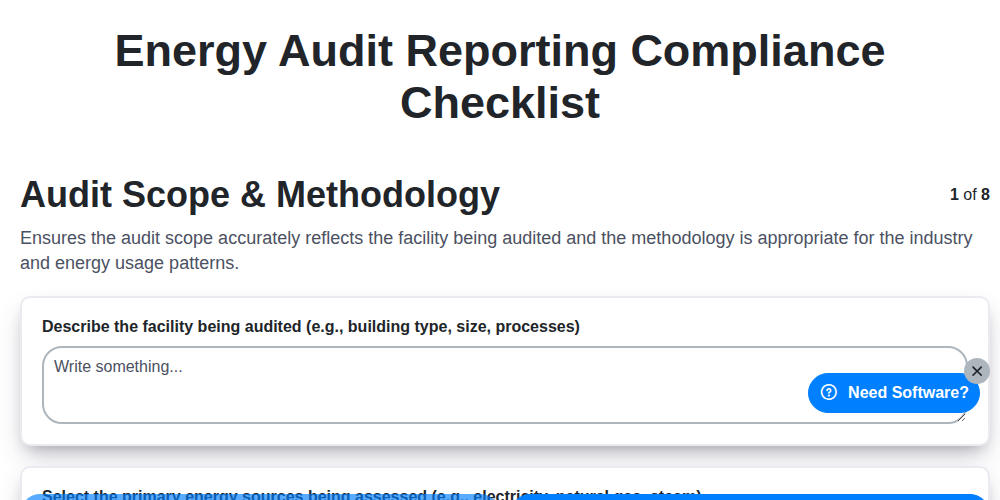
Energy Audit Reporting Compliance: Your Checklist for Success
We can do it Together
Need help with
Energy?
Have a question? We're here to help. Please submit your inquiry, and we'll respond promptly.