Oil & Gas Well Safety Inspection Checklist: Ensuring a Secure Operation
Published: 12/05/2025 Updated: 09/16/2026
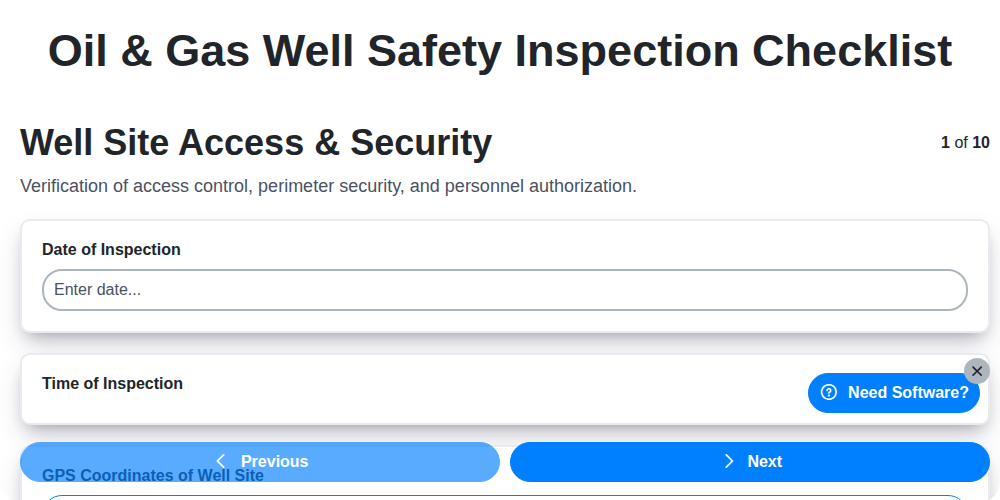
Table of Contents
- Introduction: Why Well Safety Inspections Matter
- 1. Well Site Access & Security: Controlling Entry
- 2. Equipment Condition & Inspection: A Thorough Assessment
- 3. Pressure Vessel & Piping Integrity: Preventing Failures
- 4. Safety Systems & Devices: Functional Verification
- 5. Environmental Compliance: Minimizing Impact
- 6. Personal Protective Equipment (PPE): Gear Up for Safety
- 7. Confined Space Entry Procedures: A Step-by-Step Approach
- 8. Working at Heights Safety: Guarding Against Falls
- 9. Housekeeping & Fire Safety: Maintaining a Clean and Safe Environment
- 10. Emergency Response Preparedness: Ready for the Unexpected
- 11. Documentation and Record Keeping: Tracking Inspections
- 12. Common Inspection Deficiencies and How to Address Them
- Conclusion: Continuous Improvement in Well Safety
- Resources & Links
TLDR: This checklist is your go-to guide for keeping oil & gas well sites safe! It covers everything from security and equipment checks to emergency preparedness and PPE, ensuring compliance and minimizing risks for a secure and efficient operation. Download the template and start inspecting!
Introduction: Why Well Safety Inspections Matter
Oil and gas well operations are inherently complex and carry significant risks. Ensuring the safety of personnel, protecting the environment, and maintaining operational integrity are paramount. Regular and thorough safety inspections are the cornerstone of a robust safety program, acting as a proactive measure to identify and mitigate potential hazards before they escalate into incidents. These inspections aren't just about ticking boxes; they's about a commitment to best practices and a culture of safety that permeates every level of the operation. Failing to conduct comprehensive well safety inspections can lead to costly accidents, environmental damage, regulatory penalties, and, most importantly, harm to those working on-site. This checklist provides a vital framework for those responsibilities, ensuring a systematic approach to hazard identification and control, ultimately contributing to a safer and more sustainable well operation.
1. Well Site Access & Security: Controlling Entry
The integrity of any oil and gas well operation begins with robust access control. Uncontrolled access isn't just a security risk; it's a significant contributor to accidents and operational inefficiencies. This section of the safety inspection checklist focuses on verifying the effectiveness of your well site access protocols.
Key Considerations:
- Perimeter Security: Inspect fencing, gates, and barriers. Are they in good repair and effectively preventing unauthorized entry? Look for signs of tampering or breaches.
- Access Control Systems: Evaluate the functionality of electronic access control systems (card readers, biometric scanners) and physical key management procedures. Ensure they are operational and regularly tested.
- Visitor Management: Verify procedures for logging visitors, verifying their purpose, and providing appropriate safety briefings and PPE.
- Contractor Access: Confirm contractors adhere to the same access control measures as company personnel. Review contractor onboarding procedures to guarantee safety compliance.
- Signage: Are warning signs clear, visible, and in the correct locations, indicating restricted areas and potential hazards?
- Lighting: Ensure adequate lighting around access points and critical areas to deter unauthorized entry and improve visibility.
- Regular Audits: Confirm the frequency and thoroughness of access control audits. Findings should be documented and corrective actions implemented promptly.
A weak point in access control compromises the safety of everyone on site and increases the risk of theft or sabotage.
2. Equipment Condition & Inspection: A Thorough Assessment
Regular and meticulous equipment inspection is paramount for well site safety. This isn't just a cursory glance; it's a detailed, documented assessment of all critical machinery and tools. Our checklist mandates a review of:
- Pumps (Mud, Cement, Production): Check for leaks, unusual noises, vibration, and proper lubrication. Inspect seals and bearings for wear and tear. Verify pressure gauges are accurate and calibrated.
- Generators & Power Systems: Inspect for fuel leaks, proper ventilation, and functionality of safety shut-off systems. Confirm battery condition and ensure adequate fuel supply.
- Cranes & Lifting Equipment: Verify load capacity, inspect cables and rigging for damage, and confirm operator certification is current. Conduct daily pre-shift checks as outlined in the manufacturer's guidelines.
- Well Control Equipment (BOPs, Chokes): This is critical. Inspect rams, annular preventers, and chokes for corrosion, damage, and proper functioning. Pressure test according to regulations and documented procedures. Verify hydraulic power unit (HPU) functionality.
- Drilling Rig Components (Drill String, Kelly, Derrick): Inspect for wear, corrosion, and any signs of fatigue. Confirm proper torque application and alignment.
- Vehicles & Transportation Equipment: Check tires, brakes, lights, and fluid levels. Ensure operators are properly licensed and trained.
All identified deficiencies must be documented, prioritized based on severity, and promptly rectified. Records of inspections, repairs, and maintenance are crucial for tracking equipment history and ensuring ongoing safety.
3. Pressure Vessel & Piping Integrity: Preventing Failures
Maintaining the integrity of pressure vessels and piping is paramount in oil and gas well operations. Failures in these critical components can lead to catastrophic incidents, impacting personnel safety, the environment, and operational continuity. This section of the inspection checklist focuses on ensuring these systems remain reliable and leak-free.
Here's what our pressure vessel and piping integrity checks encompass:
- Visual Inspection: A thorough visual examination for corrosion, erosion, cracks, dents, and other signs of degradation. This includes weld joints, seams, and areas prone to stress concentration.
- Leak Testing: Utilizing methods like soap bubble testing, pressure testing, or ultrasonic leak detection to identify any leaks in vessels and piping. Document all findings and repair promptly.
- Corrosion Monitoring: Examination of corrosion monitoring devices (if installed) and evaluation of corrosion rates. This informs future maintenance and mitigation strategies.
- Valve Inspection: Checking valves for proper operation, leaks around stems, and evidence of corrosion. Valve seats and internal components should be assessed.
- Support & Anchoring: Verification of proper support and anchoring systems to prevent excessive stress on vessels and piping. Look for signs of corrosion or movement in supports.
- Documentation Review: Cross-referencing inspection findings with previous records and manufacturer's data to identify trends and potential areas of concern.
- Non-Destructive Testing (NDT): Depending on the age, criticality, and operational history, NDT methods like ultrasonic testing (UT), radiographic testing (RT), or magnetic particle inspection (MPI) may be required to detect subsurface defects. Ensure certified technicians perform these tests according to established procedures.
Regular and detailed inspection of pressure vessels and piping, along with diligent follow-up on identified issues, is essential for preventing costly and dangerous failures.
4. Safety Systems & Devices: Functional Verification
Safety systems and devices are only as effective as their consistent operation. This section focuses on verifying that these critical components are functioning correctly and are ready to respond in an emergency. Regular inspection and testing are paramount.
Key Checks Include:
- Emergency Shutdown (ESD) System: Test the initiation sequence (manual and automatic). Verify proper activation of well shut-in procedures, including closure of master valves and choke manifolds. Confirm override functionality. Record response times.
- Fire and Gas Detection Systems: Inspect and test all detectors for sensitivity and accuracy. Verify alarm signals reach designated personnel and activate appropriate response protocols. Check for proper ventilation and silencing procedures.
- Well Control Equipment (Blowout Preventer - BOP): Conduct regular BOP inspections and pressure tests as per manufacturer's recommendations and regulatory requirements. Inspect rams for proper sealing and actuation. Verify accumulator pressure and hydraulic system integrity. Document all test results and repairs.
- Annular Preventers: Ensure proper functionality and alignment. Perform operational tests to confirm sealing capabilities.
- Lighting Systems: Check for adequate illumination of work areas, especially during nighttime operations and within confined spaces.
- Communication Systems: Verify two-way radio functionality, including signal strength and clarity. Confirm backup communication methods are available.
- Warning Systems: Test audible and visual alarms for proper operation and audibility/visibility.
Thorough documentation of all tests and maintenance is crucial for demonstrating compliance and identifying potential issues before they escalate.
5. Environmental Compliance: Minimizing Impact
Oil and gas well operations carry inherent environmental responsibilities. This section of the safety inspection checklist focuses on ensuring responsible practices that protect surrounding ecosystems and adhere to regulatory requirements.
Key Inspection Points:
- Spill Prevention & Control: Verify the presence and functionality of secondary containment structures around tanks, separators, and other potential spill sources. Inspect for leaks and damage to containment systems. Review spill response plans and confirm readily available spill kits with appropriate absorbent materials.
- Waste Management: Ensure proper segregation, storage, and disposal of all waste materials - including produced water, drilling fluids, and oily rags. Verify adherence to waste manifest procedures and review disposal records.
- Air Emissions: Check air pollution control equipment (e.g., vapor recovery units) for proper operation and maintenance. Monitor for fugitive emissions from wellheads, tanks, and other potential release points.
- Water Usage & Discharge: If water is being used or discharged, verify compliance with permits and regulations. Monitor water quality and ensure appropriate treatment processes are in place.
- Erosion & Sediment Control: Inspect areas disturbed by operations for erosion and sediment runoff. Ensure effective erosion control measures (e.g., silt fences, vegetation) are in place and maintained.
- Noise Control: Assess noise levels and ensure operations are conducted within permissible limits to minimize disturbance to surrounding communities and wildlife.
- Regulatory Compliance: Confirm the well site is operating under valid environmental permits and licenses. Review recent inspection reports and address any outstanding issues.
Consistent attention to these environmental compliance checks is crucial for sustainable well operations and minimizing the environmental footprint.
6. Personal Protective Equipment (PPE): Gear Up for Safety
PPE isn't just clothing; it's your frontline defense against potential hazards on a well site. A thorough inspection of PPE ensures it's not only present but also in good working order and correctly utilized. This includes, but isn't limited to:
- Hard Hats: Inspect for cracks, dents, and proper suspension. Ensure they meet ANSI/ISEA standards.
- Safety Glasses/Goggles: Verify scratch-free lenses and a secure fit. Consider impact-rated eyewear for specific tasks.
- Hearing Protection: Check earplugs or earmuffs for damage and proper seal. Noise levels demand consistent protection.
- Gloves: Examine for tears, punctures, and degradation. Select the appropriate glove type based on the task (e.g., chemical-resistant, cut-resistant).
- Safety Boots: Inspect soles for wear, laces for integrity, and steel toe caps for damage. Ensure proper fit and ankle support.
- High-Visibility Clothing: Check for reflectivity and proper fit. Crucial for visibility to equipment operators and other personnel.
- Respiratory Protection: (If applicable) Ensure respirators are properly fitted, cartridges are appropriate for the hazards, and employees are trained on use and limitations.
Crucially, ensure all personnel are properly trained on the selection, use, maintenance, and limitations of their required PPE. Replacement of damaged or worn-out PPE should be immediate and documented. This is a non-negotiable aspect of well site safety.
7. Confined Space Entry Procedures: A Step-by-Step Approach
Confined spaces in oil and gas operations - tanks, pits, separators - present serious hazards. Entering them requires meticulous planning and adherence to strict procedures. This isn't just about donning a harness; it's a layered process.
Here's a step-by-step approach to confined space entry:
- Hazard Identification & Evaluation: Before anyone even thinks about entry, a thorough hazard assessment must be completed. This includes identifying potential atmospheric hazards (oxygen deficiency, toxic gases, flammable vapors), physical hazards (engulfment, falling objects), and any other risks specific to the space.
- Permit Required: No entry should ever occur without a properly completed and authorized confined space entry permit. This permit outlines the hazards, precautions, and responsibilities.
- Atmospheric Testing: Before entry and continuously during the entry, the atmosphere inside the confined space must be tested for oxygen levels, flammable gases, and toxic substances. Continuous monitoring is critical.
- Ventilation: Adequate ventilation is crucial to maintain a safe atmosphere. Forced ventilation might be necessary.
- Isolation & Lockout/Tagout (LOTO): Isolate the confined space from potential hazards. This often involves LOTO procedures to prevent the flow of substances into the space.
- Attendant Required: A trained attendant must be stationed outside the confined space to monitor the entrants, maintain communication, and initiate rescue if needed. The attendant never enters the confined space.
- Communication: Establish and maintain clear communication between the entrants and the attendant.
- Rescue Plan: A readily available and practiced rescue plan is vital. All personnel involved must know their roles.
- Review & Sign-Off: All entrants, the attendant, and the authorizing personnel should review and sign off on the permit before entry begins.
Failure to follow these procedures can have devastating consequences. Safety is paramount - never compromise it.
8. Working at Heights Safety: Guarding Against Falls
Working at heights is an inherent risk in oil and gas well operations. From rig floors to tank batteries, employees frequently perform tasks requiring elevation. A single fall can result in severe injury or even fatality, making robust safety protocols absolutely essential. This section of the inspection checklist focuses on ensuring those protocols are consistently upheld.
Key Inspection Points:
- Fall Protection Equipment: Thoroughly inspect harnesses, lanyards, lifelines, and anchor points for damage, wear, and proper functionality. Verify harnesses fit correctly and are appropriate for the task. Check for frayed webbing, damaged buckles, and corrosion.
- Guardrails & Edge Protection: Assess the integrity of any guardrails, toe boards, or other edge protection systems. Ensure they are securely fastened and meet required heights and strength standards.
- Ladder Safety: Ladders must be in good condition, free of defects, and properly secured. Inspect rungs, rails, and feet. Verify ladders extend at least 3 feet above the landing platform. Confirm proper ladder angle (4:1 rule).
- Scaffolding Integrity: If scaffolding is used, verify its construction meets regulatory requirements. Inspect footing, bracing, and access points. Ensure adequate signage and barriers are in place.
- Training & Competency: Confirm all personnel working at heights have received appropriate training on fall protection equipment, procedures, and hazard recognition. Review recent refresher training dates.
- Weather Considerations: Evaluate the impact of weather conditions (wind, rain, ice) on working at heights. Determine if work needs to be postponed or alternative safe access methods employed.
- Rescue Plans: Verify a clear and practiced rescue plan is in place in case of a fall. Ensure rescue equipment is readily available and personnel are trained in its use.
Documentation: Record all inspection findings, including corrective actions taken, and retain records for audit purposes.
9. Housekeeping & Fire Safety: Maintaining a Clean and Safe Environment
Housekeeping and fire safety aren't just about appearances; they are critical components of a robust well site safety program. Poor housekeeping creates slip, trip, and fall hazards, obscures fire hazards, and can contribute to equipment damage. A proactive approach to cleanliness directly reduces the risk of incidents.
This section of the inspection focuses on ensuring a tidy and organized worksite. Key items to verify include:
- Waste Management: Are waste containers readily available, properly labeled, and emptied regularly? Is waste being segregated appropriately (e.g., oily rags in designated containers)?
- Material Storage: Are materials stored safely and securely, preventing obstructions and potential hazards? Are flammable materials stored in approved containers and areas?
- Walkways & Access Routes: Are walkways and access routes clear of debris and obstructions? Proper lighting is essential, especially during nighttime operations.
- Fire Prevention: Are fire extinguishers readily accessible and properly charged? Are flammable liquids and gases handled and stored according to regulations? Are ignition sources controlled and minimized?
- Ventilation: Is adequate ventilation provided, particularly in areas with potential for flammable vapor accumulation?
- Spill Prevention & Control: Are spill kits readily available and personnel trained on their use? Evidence of proper cleanup procedures following any spills is essential.
Regular housekeeping checks, combined with fire safety training and inspections, create a safer and more efficient well site. Neglecting these areas can quickly lead to preventable accidents.
10. Emergency Response Preparedness: Ready for the Unexpected
The best safety practices can't eliminate every risk. That's why a robust emergency response plan is absolutely critical in oil and gas well operations. This isn't just about having a plan; it's about ensuring everyone understands it and is prepared to execute it swiftly and effectively.
Our checklist evaluates several key components of emergency preparedness:
- Communication Protocols: Are clear communication channels established for reporting incidents and coordinating response efforts? This includes redundant systems in case of primary failures.
- Evacuation Plans: Are evacuation routes clearly marked and regularly practiced? Do personnel know assembly points and accounting procedures?
- First Aid & Medical Support: Is a readily accessible first aid kit available, and are personnel trained in basic first aid and CPR? Is access to advanced medical care ensured?
- Incident Command System (ICS): Is there a designated Incident Commander and a clear chain of command for emergency situations? Are roles and responsibilities clearly defined?
- Spill Response Equipment: Is spill containment and cleanup equipment readily available and in good working order? Are personnel trained in its use?
- Drills & Training: Are regular emergency drills conducted (e.g., fire drills, spill response simulations) to test the plan and identify areas for improvement? Documentation of these drills is crucial.
- Coordination with External Agencies: Are local fire departments, emergency medical services, and other relevant agencies informed of well operations and integrated into the emergency response plan?
A thorough assessment of emergency response preparedness is the last line of defense - ensuring the safety of personnel, protecting the environment, and minimizing potential damage in the event of an incident.
11. Documentation and Record Keeping: Tracking Inspections
Consistent and accurate documentation is the cornerstone of a robust safety program in the oil and gas industry. This isn't just about ticking boxes on a checklist; it's about building a verifiable record of your well site's safety performance and demonstrating due diligence.
Every inspection point on this checklist-from Well Site Access & Security to Emergency Response Preparedness-should be meticulously documented. This includes:
- Date and Time of Inspection: Essential for tracking frequency and identifying trends over time.
- Inspector's Name and Credentials: Verifies who performed the inspection and their qualifications.
- Findings: Clearly and concisely detail any issues discovered, using specific language. Avoid vague terms like okay or appears fine. Instead, use descriptive language like minor corrosion noted on valve stem or access gate latch requires lubrication.
- Corrective Actions: Document the specific actions taken to rectify any identified deficiencies.
- Completion Date of Corrective Actions: This confirms the issues were resolved and provides a timeline for follow-up.
- Signature/Initial of Person Responsible for Corrective Action: Accountability is key.
Beyond the Basics:
- Digital vs. Paper Records: While paper records have their place, transitioning to digital platforms offers significant advantages - improved accessibility, easier searchability, data analysis capabilities, and automated reporting.
- Retention Policies: Establish clear retention policies for inspection records, adhering to regulatory requirements and internal procedures.
- Regular Audits: Periodically audit inspection records to ensure accuracy, completeness, and adherence to established protocols.
Maintaining thorough and organized documentation isn't just a regulatory requirement; it's a vital tool for continuous improvement and proactively preventing incidents.
12. Common Inspection Deficiencies and How to Address Them
Even with robust inspection programs, deficiencies inevitably arise. Recognizing and rectifying these issues promptly is crucial for maintaining well safety. Here's a rundown of common findings and suggested corrective actions:
- Well Site Access & Security - Lack of Perimeter Fencing/Gates: This is a frequent observation. Action: Immediately repair or replace damaged fencing and gates. Implement a stricter access control protocol including visitor logs and authorization procedures.
- Equipment Condition - Leaks/Corrosion: Obvious leaks and signs of corrosion on pumps, compressors, and other vital equipment are significant concerns. Action: Implement a rigorous leak detection and repair program. Schedule regular corrosion inspections and apply protective coatings.
- Pressure Vessel & Piping - Erosion/Cracks: Visual inspection reveals erosion or cracks, potentially compromising structural integrity. Action: Immediate hydrostatic testing or Non-Destructive Examination (NDE) is required. Consider replacement if structural integrity is compromised.
- Safety Systems - Malfunctioning Gas Detectors: Gas detectors are a primary safety net. Malfunctions can be deadly. Action: Calibrate and test detectors regularly. Implement a system for rapid replacement of faulty units.
- PPE - Missing/Damaged Equipment: Improper or missing PPE significantly increases risk. Action: Conduct mandatory PPE audits. Ensure sufficient supply and reinforce training on correct usage and inspection of gear.
- Confined Space Entry - Inadequate Atmospheric Testing: Failure to properly test the atmosphere before entry can expose workers to hazardous conditions. Action: Review and reinforce confined space entry procedures. Ensure proper training and equipment availability for atmospheric testing.
- Working at Heights - Lack of Fall Protection: Missing or improperly installed guardrails, harnesses, and lifelines are common. Action: Ensure all working-at-heights activities adhere to established safety protocols. Reinforce training on proper harness inspection and use.
- Housekeeping - Excessive Debris/Trip Hazards: Poor housekeeping increases the risk of slips, trips, and falls. Action: Implement a daily housekeeping routine and enforce strict adherence.
- Emergency Response - Outdated Emergency Contact Lists: Outdated contact lists delay response times in critical situations. Action: Regularly review and update emergency contact information, including personnel, emergency services, and regulatory bodies.
- Environmental Compliance - Improper Waste Disposal: Improper handling of waste fluids can lead to environmental damage and regulatory penalties. Action: Implement and enforce a comprehensive waste management plan that complies with all applicable regulations.
- Equipment - Lack of Preventative Maintenance Records: Inadequate records make it difficult to track maintenance schedules and identify recurring issues. Action: Implement a robust computerized maintenance management system (CMMS) to track maintenance activities and equipment performance.
- Safety Systems - Inadequate Lighting: Poor lighting can hinder visibility and increase the risk of accidents. Action: Conduct a lighting assessment and ensure adequate illumination in all work areas.
Conclusion: Continuous Improvement in Well Safety
Well safety isn't a one-time achievement; it's a journey of continuous improvement. This checklist provides a robust framework, but its true value lies in consistent and diligent application. Regularly reviewing and updating this checklist based on incident reports, near misses, changes in regulations, and technological advancements is crucial. Encourage open communication between all personnel - from rig hands to supervisors - fostering a culture where safety concerns are readily reported and addressed. Remember, a proactive and adaptable approach to well safety inspection is not just about compliance; it's about protecting lives, the environment, and the future of the oil and gas industry.
Resources & Links
- Baker Hughes: A leading energy technology company offering well construction, production, and inspection services. Their website provides insights into industry best practices and technological advancements related to well integrity.
- Halliburton: Another major player in the oil and gas industry, offering a range of well services including inspection and integrity management. They often publish technical papers and resources related to safety and operational efficiency.
- Schlumberger: Provides comprehensive well services and technologies. Their site offers information on integrity management and operational excellence, relevant to well safety inspections.
- American Petroleum Institute (API): Develops industry standards for the oil and gas sector, including those related to well integrity, safety, and environmental protection. Check for API Recommended Practices (RPs) and Standards (e.g., API RP 61, API RP 58).
- Occupational Safety and Health Administration (OSHA): Provides regulations and guidance on workplace safety in the oil and gas industry. Focus on standards related to confined space entry, fall protection, and hazard communication.
- Bureau of Land Management (BLM): If the well is on federal land, the BLM has regulations and inspection protocols. Their site details these requirements and provides resources for compliance.
- Environmental Protection Agency (EPA): Provides information and regulations concerning environmental compliance within the oil and gas industry. Important for the 'Environmental Compliance' section of your checklist.
- Society of Petroleum Engineers (SPE): A professional organization for engineers and technical professionals in the energy industry. They often publish technical papers, training materials, and best practices related to well integrity and safety.
- Health and Safety Executive (HSE - UK): While UK-focused, the HSE provides detailed guidance and best practices for oil and gas safety, including well inspections. Can offer insights beyond US-specific regulations.
- ExxonMobil: As a major industry player, ExxonMobil often publishes information about their safety practices and operational procedures. While not a regulatory source, it can provide insights into industry best practices.
- Chevron: Similar to ExxonMobil, Chevron frequently shares information about their operational safety standards. Offers a perspective on a large, established operator's approach to well safety.
- IHS Markit (now part of S&P Global): Provides industry-specific data, analysis, and consulting services. Often have reports and insights related to well integrity and safety trends. (Search for 'well integrity' or 'oil and gas safety')
Frequently Asked Questions
What is the purpose of a well safety inspection checklist?
The purpose of a well safety inspection checklist is to provide a systematic and documented process for evaluating the safety and operational integrity of oil and gas wells. It ensures consistent evaluation, identifies potential hazards, and promotes corrective actions to prevent accidents and incidents.
Who should use this checklist?
This checklist is intended for use by well site supervisors, safety officers, maintenance personnel, and any individuals responsible for the operation and maintenance of oil and gas wells. It's a collaborative tool to be used by the entire well site team.
How often should well safety inspections be conducted?
The frequency of inspections varies depending on factors like well age, production rates, regulatory requirements, and risk assessments. Typically, inspections should be conducted regularly (e.g., monthly, quarterly) with more frequent checks for high-risk wells or following significant operational changes.
What types of equipment are typically included in a well safety inspection?
Typical equipment included in an inspection covers a wide range, encompassing wellhead components (blowout preventers, valves), piping, pressure vessels, monitoring systems (pressure gauges, flow meters), safety devices (relief valves, alarms), power sources, and emergency response equipment. The checklist provides a comprehensive list of areas to cover.
What are some common hazards identified through well safety inspections?
Common hazards include leaks, corrosion, mechanical failures, pressure anomalies, inadequate safety devices, improper labeling, lack of training, and non-compliance with regulations. The checklist aims to proactively identify these hazards before they escalate.
What should I do if a hazard is identified during an inspection?
Any identified hazard should be documented in detail, including its location and severity. An immediate corrective action plan should be developed and implemented to mitigate the risk. The hazard should be tracked to ensure the corrective action is completed and verified.
Are there any regulatory requirements related to well safety inspections?
Yes, various regulatory bodies (e.g., EPA, OSHA, state oil and gas commissions) have specific requirements regarding well safety inspections and maintenance. This checklist can help ensure compliance with those regulations, but it's essential to consult the applicable regulations directly.
What is the role of documentation in well safety inspections?
Detailed documentation is critical. It provides a record of inspection findings, corrective actions taken, and the overall safety status of the well. This documentation can be used for auditing, regulatory reporting, and continuous improvement of safety practices.
How can I customize this checklist for my specific well site?
The checklist serves as a starting point. You should customize it to reflect the specific equipment, operational conditions, and hazards present at your well site. Add or modify items as needed, and ensure the checklist is reviewed and updated periodically.
What happens if a major safety violation is found during an inspection?
If a major safety violation is discovered that poses an immediate threat to safety, operations should be immediately suspended until the hazard can be corrected. The incident must be reported to the appropriate authorities as required by regulations.
Comments
There are no comments yet. Be the first to add one!
Energy Management Solution Demo
Managing operations, safety, and compliance in the energy sector is critical. ChecklistGuro's Work OS platform streamlines your workflow from exploration and production to distribution and maintenance. Enhance safety, improve efficiency, and ensure regulatory adherence. Discover how ChecklistGuro can transform your energy business!
Related Articles
Hydropower Dam Safety: Your Inspection Checklist Template Guide
Unlock Savings: Your Complete Energy Efficiency Audit Checklist
Your Ultimate Energy Efficiency Audit Checklist Template
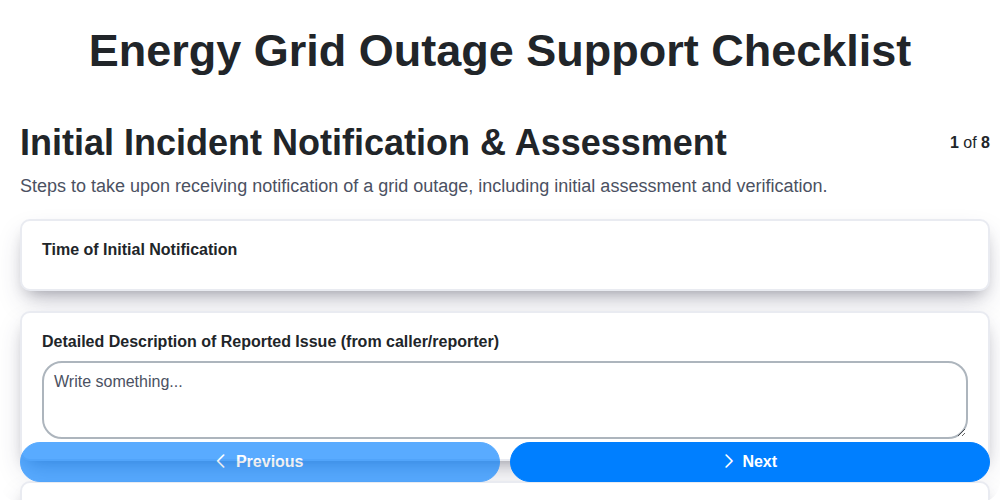
Power Through: Your Essential Energy Grid Outage Support Checklist
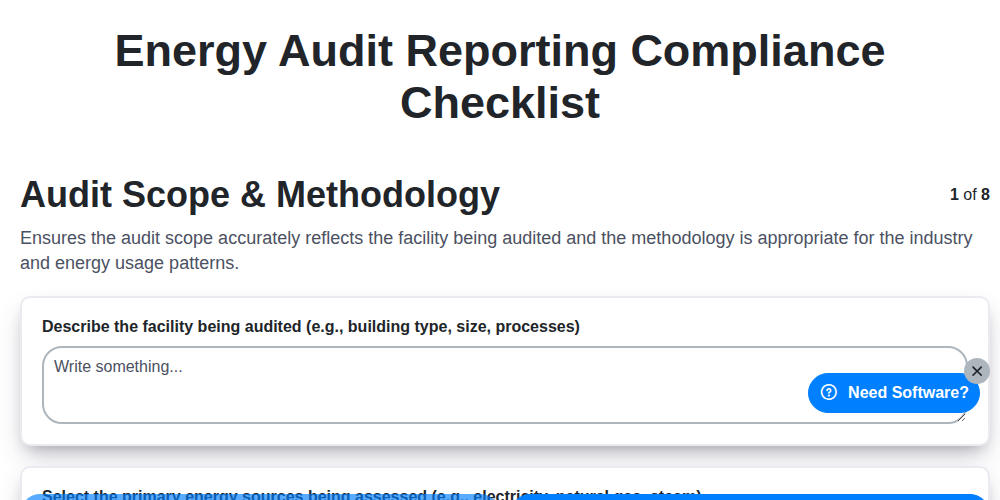
Energy Audit Reporting Compliance: Your Checklist for Success
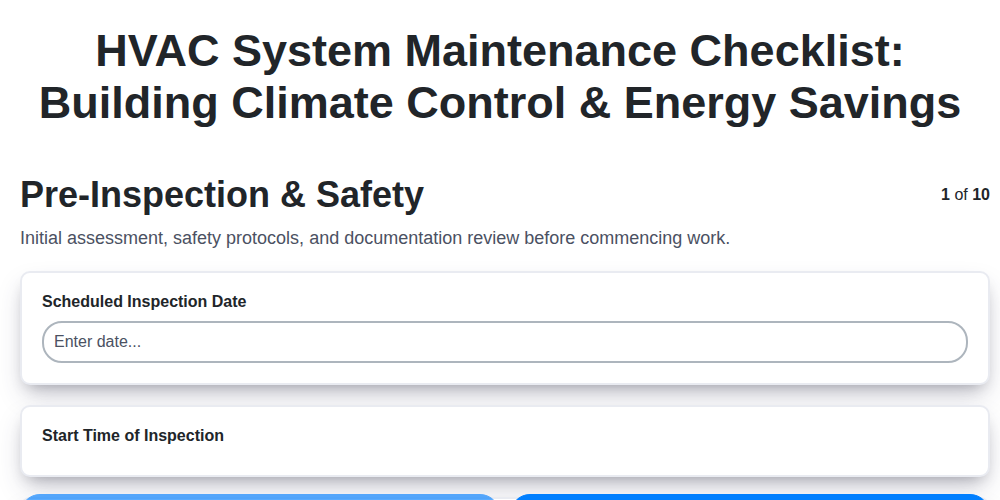
HVAC System Maintenance Checklist: Building Climate Control & Energy Savings
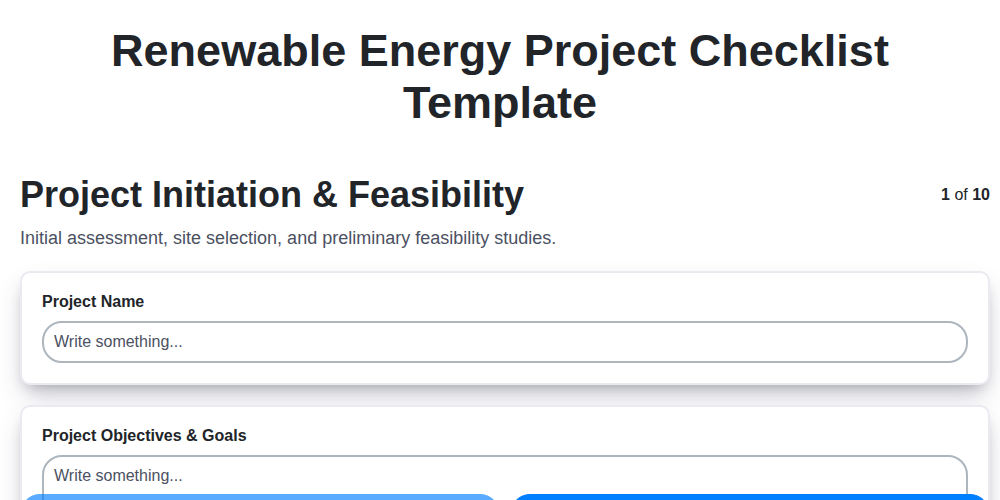
Renewable Energy Project Checklist Template
Stay Compliant: Your Energy Metering Compliance Checklist Template
Need help with
Energy?
Have a question? We're here to help. Please submit your inquiry, and we'll respond promptly.