Hydropower Dam Safety: Your Inspection Checklist Template Guide
Published: 12/05/2025 Updated: 07/02/2026
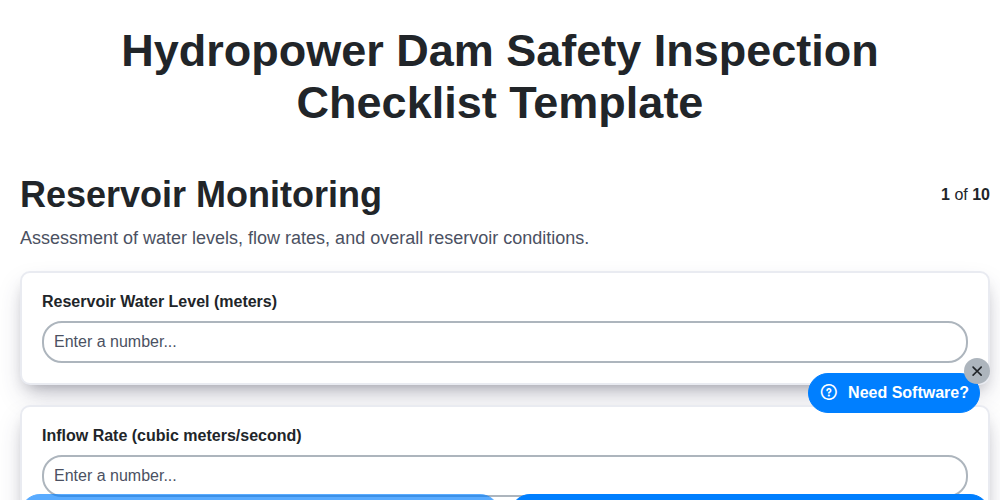
Table of Contents
- Introduction: Why Hydropower Dam Safety Inspections Matter
- Understanding the Scope of a Dam Safety Inspection
- Reservoir Monitoring: Key Indicators and Data Collection
- Dam Structure Inspection: Visual Assessment and Detailed Review
- Spillway Functionality: Testing and Performance Evaluation
- Outlet Works Evaluation: Ensuring Reliable Water Release
- Instrumentation & Monitoring Systems: Calibration & Data Analysis
- Embankment Stability (Earthfill Dams): Assessing Potential Risks
- Concrete Condition (Concrete Dams): Identifying Degradation
- Seepage Control: Detecting and Managing Water Flow
- Emergency Action Plan (EAP) Review: Ensuring Preparedness
- Wildlife & Environmental Considerations: Minimizing Impact
- Documentation and Reporting: Maintaining a Clear Record
- Leveraging Technology for Enhanced Dam Safety Inspections
- Resources & Links
TLDR: Ensuring hydropower dam safety is critical! This checklist template guides you through essential inspections - from reservoir levels and dam structure integrity to spillway function and emergency preparedness. It covers everything you need to keep your dam safe and compliant, protecting communities and the environment.
Introduction: Why Hydropower Dam Safety Inspections Matter
Hydropower dams are critical infrastructure, providing essential power generation and often serving vital roles in water management, flood control, and irrigation. Their safe operation is paramount, impacting communities, ecosystems, and the economy. A robust safety inspection program is the cornerstone of ensuring this ongoing reliability. These inspections aren't just routine; they're proactive measures designed to identify potential issues before they escalate into serious problems. A thorough checklist, consistently followed and updated, provides a systematic approach to evaluating a dam's condition and functionality, mitigating risks, and ultimately protecting the lives and livelihoods dependent on these vital structures. Ignoring or neglecting these inspections can have catastrophic consequences, highlighting the critical importance of a dedicated and comprehensive safety inspection protocol.
Understanding the Scope of a Dam Safety Inspection
A comprehensive dam safety inspection isn't just a cursory glance; it's a meticulous and detailed assessment encompassing numerous critical areas. The goal is to proactively identify potential issues before they escalate into hazards. This inspection goes far beyond visual checks and includes data analysis, performance evaluations, and documentation. Understanding the breadth of what's involved highlights why these inspections are so vital for protecting communities and infrastructure downstream. The checklist we're providing (and expanding on below) aims to ensure that no crucial element is overlooked. It's a structured approach to ensuring the long-term safety and operational efficiency of a hydropower dam.
Reservoir Monitoring: Key Indicators and Data Collection
Reservoir monitoring is the foundational element of any robust hydropower dam safety inspection. Changes in reservoir behavior can signal potential issues with the dam itself or the surrounding environment. This section focuses on key indicators and appropriate data collection methods.
Key Indicators to Track:
- Water Level Fluctuations: Daily, seasonal, and extreme high/low water levels. Sudden, unexplained changes warrant immediate investigation.
- Sedimentation Rate: Monitor sediment deposition within the reservoir. Excessive sedimentation reduces storage capacity and can increase pressure on the dam. Regular bathymetric surveys and sediment sampling are crucial.
- Water Quality Parameters: Track temperature, dissolved oxygen, pH, and turbidity. Significant deviations from historical norms can indicate problems with upstream activities or reservoir health.
- Wave Action & Wind Effects: Assess the impact of waves on the dam structure, particularly for dams with significant freeboard. Monitor for erosion and instability.
- Drawdown Rate & Velocity: For dams experiencing rapid drawdowns, monitor the velocity and erosive power of the water released.
Data Collection Methods:
- Automated Gauging Systems: Continuous water level recorders are essential for real-time monitoring.
- Satellite Imagery: Provides broad-scale observations of reservoir area and water levels.
- Bathymetric Surveys: Measure reservoir depth and sediment accumulation.
- Field Sampling: Collect water samples for chemical and biological analysis.
- Visual Inspections: Regularly observe the reservoir shoreline for signs of erosion, vegetation changes, or unusual activity.
- Hydrological Modeling: Compare observed data with predicted behavior based on hydrological models to identify anomalies.
Regular and meticulous reservoir monitoring provides early warning signs, allowing for proactive maintenance and mitigation strategies to ensure long-term dam safety.
Dam Structure Inspection: Visual Assessment and Detailed Review
This critical component of the hydropower dam safety inspection involves a thorough examination of the dam's physical condition. It's divided into two primary aspects: a visual assessment and a more detailed, in-depth review.
Visual Assessment: This begins with a comprehensive walk-around of the dam, meticulously observing all surfaces. Look for obvious signs of distress, including:
- Cracking: Note the location, width, depth, and orientation of any cracks. Are they new or existing? Are they widening or propagating? Different crack patterns can indicate specific stress mechanisms.
- Displacement/Settlement: Look for evidence of tilting, leaning, or differential settlement. Use surveying techniques and reference points to quantify any observed movements.
- Staining/Efflorescence: Discoloration can indicate water infiltration, chemical reactions, or deterioration of materials. Document the type and extent of staining.
- Vegetation Growth: Excessive vegetation can mask underlying defects and contribute to moisture retention.
- Material Degradation: Assess the condition of concrete, steel, and other construction materials, noting signs of corrosion, erosion, or spalling.
Detailed Review: Following the visual assessment, a more detailed examination is performed, often involving specialized equipment and techniques. This includes:
- Concrete Dams: Focused inspection of concrete faces, joints, and foundations, using methods like chain and pointer surveys to detect movement and crack mapping. Core sampling may be necessary for material strength analysis.
- Earthfill Dams: Geophysical surveys (e.g., ground penetrating radar) to assess internal structure and identify potential weak zones. Slope stability analysis incorporating recent monitoring data is crucial.
- Joint Inspection: Detailed scrutiny of all joints, expansion joints, and connections for evidence of water leakage, displacement, or deterioration.
- Anchorages: Verification of the integrity of anchorages and their connection to the surrounding rock or soil.
- Documentation: Meticulous photographic and written records of all observations are essential for tracking changes over time and informing future maintenance actions.
Spillway Functionality: Testing and Performance Evaluation
The spillway is a dam's primary defense against overtopping and catastrophic failure during periods of heavy rainfall or flood events. Ensuring its consistent and reliable operation is paramount. This section of the inspection focuses on verifying the spillway's ability to effectively discharge excess water.
Key Evaluation Points:
- Hydraulic Capacity Assessment: Review historical rainfall data and hydrologic modeling to confirm the spillway's designed capacity is adequate for anticipated flood events. Consider potential impacts of reservoir sedimentation.
- Structural Integrity: A thorough visual inspection of the spillway channel, crest, and any appurtenant structures (e.g., control gates, piers) is essential. Look for signs of erosion, cracking, misalignment, and deterioration. Document any findings with photographs and detailed descriptions.
- Gate Operation (if applicable): For dams with gated spillways, conduct operational testing of all gates. This includes verifying opening and closing speed, ensuring proper sealing, and checking for any binding or mechanical issues. Record the time required for complete opening and closing.
- Free Flow Spillway Assessment: If the spillway utilizes a free flow design, assess the channel for any obstructions, debris accumulation, or signs of erosion that could impede flow. Evaluate the channel's stability and ability to handle high-velocity flows.
- Debris Management: Inspect debris racks or screens (if present) for clogging or damage. Evaluate the effectiveness of debris removal procedures.
- Post-Event Inspection: Following any significant rainfall events or spillway operation, a post-event inspection should be conducted to identify any damage or performance issues.
Outlet Works Evaluation: Ensuring Reliable Water Release
The outlet works - including intake structures, tunnels, penstocks, valves, and discharge channels - are critical for controlled water release from a hydropower dam. A thorough evaluation of these components is paramount for ensuring safe and reliable operation. This inspection goes beyond simple visual checks; it involves detailed assessment of functionality and structural integrity.
During the evaluation, look for signs of deterioration such as corrosion, erosion, sediment buildup, valve malfunction, and structural cracking. Operational tests should be conducted to verify valve opening and closing times, flow rates, and pressure readings. A critical element is assessing the capacity of the outlet works to handle potential flood events, ensuring it can effectively release excess water without failure. Specific attention should be paid to any signs of blockage or restrictions in the flow path. Regular maintenance and repair of these systems are essential to proactively address potential issues and prevent costly disruptions and safety concerns. Detailed records of all findings and corrective actions should be maintained.
Instrumentation & Monitoring Systems: Calibration & Data Analysis
A robust instrumentation and monitoring system is the vital nervous system of any hydropower dam. It provides early warning signs of potential issues and enables proactive maintenance. However, the presence of instruments alone isn't enough; consistent calibration and thorough data analysis are paramount.
Calibration is Key: Each instrument - piezometers, inclinometers, strain gauges, water levels sensors, etc. - requires regular calibration against known standards. Deviation from calibration can lead to false readings, masking genuine problems or generating unnecessary alarms. Calibration schedules should be meticulously followed, documented, and revised based on instrument performance and manufacturer recommendations. Keep detailed records of each calibration, including date, technician, and results.
Data Analysis: Beyond the Numbers: Data collected must be analyzed with a critical eye, not just looking for single threshold breaches. Trends are far more important than isolated events. Develop baseline data profiles for each instrument, outlining normal operating ranges. Automated alert systems should be configured to notify engineers of deviations from established norms, but these should be paired with expert review to avoid "alert fatigue." Investigate unusual patterns, even if they don't immediately trigger an alarm. Are there subtle shifts in pore pressure, strain, or water level that, when combined, indicate a developing issue?
Data Management & Visualization: Proper data management is essential. Implement a centralized database to store and organize monitoring data, allowing for easy access and comparison over time. Utilize visualization tools (graphs, charts, dashboards) to identify trends and anomalies quickly. Integrate data from different instruments to create a holistic view of dam behavior.
Expert Involvement: While automation plays a crucial role, expert geotechnical engineers and hydrologists should be actively involved in data analysis and interpretation. Their experience and judgment are invaluable in understanding the underlying causes of observed changes and recommending appropriate corrective actions.
Embankment Stability (Earthfill Dams): Assessing Potential Risks
Earthfill dams, due to their construction using primarily soil and rock, present unique stability concerns that require meticulous inspection. This section of the checklist focuses on identifying potential weaknesses that could lead to embankment failure.
Key Inspection Points:
- Visual Assessment: Look for signs of distress, including slumping, cracking, bulging, or unusual settlement. Document the location, size, and pattern of any observed deformation. Pay close attention to the dam's abutments and toe.
- Settlement Monitoring: Review existing settlement data (if available) and look for any trends indicating ongoing or accelerated settlement. Compare current readings against baseline data.
- Seepage Evaluation: While seepage is common in earthfill dams, excessive or localized seepage can indicate internal erosion and instability. Note the location, flow rate, and clarity of any seepage observed.
- Vegetation Condition: While vegetation can help protect the embankment, excessive root growth can contribute to instability. Evaluate the condition and type of vegetation present. Look for signs of erosion underneath vegetation.
- Compaction Quality: Assess the quality of the embankment's compaction. Uneven compaction can create zones of weakness. This is often assessed through records review and, in some cases, geophysical surveys.
- Foundation Conditions: Examine the foundation for signs of erosion, movement, or settlement. Foundation instability is a primary cause of embankment failure.
- Slope Geometry: Verify that the dam's slopes conform to design specifications. Undercutting or deviations can compromise stability.
- Filter Performance: If filters are present, assess their condition and ensure they are effectively preventing the migration of fine materials.
Documentation: Detailed photographs, GPS coordinates, and descriptions of any anomalies are crucial. Record any remedial actions taken and recommendations for future monitoring.
Concrete Condition (Concrete Dams): Identifying Degradation
Concrete dams, while incredibly durable, are susceptible to deterioration over time due to various factors including freeze-thaw cycles, chemical attack (sulfates, chlorides), alkali-aggregate reaction (AAR), and carbonation. A thorough assessment of concrete condition is critical for ensuring long-term safety and performance. This inspection focuses on visual assessment, but may also include non-destructive testing methods.
Key Areas of Focus:
- Cracking: Document the type, width, depth, and pattern of any cracks observed. Hairline cracks are common and often inconsequential, but wider, recurring, or actively propagating cracks require further investigation. Pay close attention to crack orientation - vertical cracks often indicate settlement, while horizontal cracks may suggest shrinkage or tensile stress.
- Scaling and Pop-outs: These surface defects indicate concrete deterioration. Scaling is a superficial loss of concrete, while pop-outs are larger pieces that have broken away. Note the extent and severity of these features.
- Exposed Reinforcement: Corrosion of reinforcing steel is a serious concern. Any exposed rebar should be documented, noting the level of corrosion (rust).
- Efflorescence: White, powdery deposits on the concrete surface (efflorescence) can be a sign of moisture intrusion and potential chemical attack.
- Discoloration: Changes in color can indicate chemical reactions or the presence of contaminants.
- Delamination: Assess the concrete for signs of separation or delamination between layers. Tap the surface to listen for hollow sounds.
- Alkali-Aggregate Reaction (AAR): Look for characteristic AAR symptoms, including expansive cracking, map cracking, and surface scaling.
- Previous Repairs: Document the condition of any previous concrete repairs and assess their effectiveness.
Note: Significant deterioration warrants further investigation, potentially including core sampling and laboratory testing to determine the underlying cause and guide repair strategies.
Seepage Control: Detecting and Managing Water Flow
Seepage, the slow escape of water through or around a dam structure, is a critical concern in hydropower dam safety. While minor seepage is often normal, uncontrolled or increasing seepage can indicate underlying issues that compromise the dam's integrity. This section of the inspection focuses on identifying, quantifying, and managing any water flow.
Inspection Points:
- Visual Assessment: Carefully examine all dam surfaces, abutments, and downstream areas for signs of seepage. Note the location, color (indicating mineral content), and approximate flow rate (e.g., trickle, flow, stream). Use a standardized rating scale for consistency.
- Seepage Measurement: Employ techniques like dye tracing, flow meters, and automated seepage measurement systems to quantify seepage rates. Compare current measurements to historical data to identify trends.
- Filter Performance: Inspect filter materials (granular or geosynthetic) for clogging, erosion, or damage. Assess their effectiveness in preventing soil particles from being carried away by seepage water.
- Drainage Systems: Verify the functionality of internal and external drainage systems. Ensure outlets are clear and free of obstructions. Check for signs of ponding or saturated areas.
- Geological Features: Assess the geological conditions that could contribute to seepage pathways, such as fractures, faults, or permeable strata.
- Water Quality: Analyze seepage water for changes in chemistry (pH, conductivity, dissolved solids) that might indicate deterioration of concrete or other materials.
Corrective Actions: Document any observed seepage and propose remedial measures, which could range from simple drain cleaning to more complex repairs involving grouting, cutoff walls, or improved drainage systems. A detailed record of all corrective actions taken is essential for future reference.
Emergency Action Plan (EAP) Review: Ensuring Preparedness
A robust Emergency Action Plan (EAP) is the cornerstone of hydropower dam safety. It's not enough to have an EAP; it must be regularly reviewed, updated, and practiced. This section of the inspection checklist focuses on validating the plan's effectiveness.
Here's what a thorough EAP review entails:
- Verification of Trigger Levels: Confirm that established trigger levels (water levels, rainfall thresholds, seismic activity) are still appropriate and reflect current understanding of the dam and watershed. These trigger levels initiate specific actions, from notification to controlled releases.
- Communication Protocols: Evaluate the clarity and effectiveness of communication pathways between the dam operator, local authorities, emergency services, and the public. Test contact information and ensure backup communication methods are in place (satellite phones, radios).
- Role Clarity: Review and confirm that all personnel assigned roles within the EAP understand their responsibilities and are properly trained. This includes defining chains of command and backup personnel.
- Evacuation Procedures: Verify evacuation routes, assembly points, and public warning systems. Ensure maps are updated and easily accessible. Consider population growth and changes in infrastructure when assessing evacuation feasibility.
- Drill Frequency and Assessment: Determine the frequency and scope of EAP drills. Critically assess past drills to identify areas for improvement and update the plan accordingly.
- Plan Distribution and Accessibility: Ensure the EAP is readily accessible to all relevant personnel and local authorities, both in hard copy and digital formats.
- Coordination with Downstream Stakeholders: Confirm ongoing coordination with downstream communities, industries, and agencies who may be affected by a dam breach or controlled release. This builds trust and facilitates a unified response.
- Plan Updates: Verify the plan's update schedule and ensure the plan is regularly updated to reflect changes in dam operations, watershed conditions, or regulatory requirements.
Wildlife & Environmental Considerations: Minimizing Impact
Hydropower dams, while vital for power generation, inevitably interact with surrounding ecosystems. A comprehensive safety inspection checklist must include a dedicated section for wildlife and environmental considerations. This isn't just about ticking a box; it's about demonstrating a commitment to minimizing negative impacts and promoting responsible operation.
Here's what a thorough review should encompass:
- Fish Passage: Evaluate the functionality and effectiveness of fish ladders, fish screens, and other passage facilities. Are they operating as designed and allowing for unimpeded fish migration? Document any observed issues affecting fish populations.
- Water Quality: Assess water quality parameters downstream of the dam, including dissolved oxygen, temperature, and turbidity. Monitor for any deviations from established baselines that could impact aquatic life.
- Habitat Alteration: Observe and document any changes to riparian and terrestrial habitats caused by the reservoir and dam operations. Consider factors like shoreline erosion, vegetation changes, and wetland loss.
- Impact on Aquatic Fauna: Look for signs of distress or decline in fish, invertebrates, and other aquatic species. Consult with biologists and ecologists to interpret observations and determine if remedial actions are needed.
- Bird & Bat Interactions: Evaluate the potential for bird and bat collisions with turbines or other structures. Implement or improve mitigation strategies, such as bird deterrent systems or turbine shutdown protocols during peak migration periods.
- Terrestrial Wildlife Impacts: Consider impacts on mammals, reptiles, and amphibians. Look for changes in population numbers or distribution patterns that may be linked to dam operations.
- Regulatory Compliance: Verify adherence to all applicable environmental regulations and permit requirements related to water quality, fish and wildlife protection, and endangered species.
- Stakeholder Engagement: Document communication and collaboration with local communities, environmental groups, and regulatory agencies regarding environmental concerns.
Regular monitoring and proactive management are key to mitigating environmental impacts and ensuring the long-term sustainability of hydropower operations.
Documentation and Reporting: Maintaining a Clear Record
A thorough inspection is only as valuable as the records it produces. Maintaining meticulous documentation throughout the entire inspection process is paramount for hydropower dam safety. This includes more than just ticking boxes on the checklist; it's about creating a comprehensive and readily accessible record for future reference, analysis, and regulatory compliance.
Each inspection step should be documented with specific details: dates, times, names of inspectors, observations (both positive and negative), photographic evidence (essential!), measurements, and any remedial actions taken or recommended. Use clear, concise language and avoid ambiguity.
Consider implementing a digital system for recording inspection data. This offers advantages like centralized storage, easy searching, data analysis capabilities, and streamlined reporting. However, even with digital tools, consider maintaining hard copies as backups and for accessibility in situations where technology may fail.
Regularly compile inspection reports summarizing the findings and outlining any corrective actions required. These reports should be distributed to relevant stakeholders, including dam operators, engineers, and regulatory bodies. Maintaining a clear audit trail of inspections, findings, and corrective measures demonstrates a commitment to safety and facilitates continuous improvement in dam management practices.
Leveraging Technology for Enhanced Dam Safety Inspections
Traditional dam safety inspections often rely heavily on manual processes, subjective assessments, and retrospective analysis. While invaluable, these methods can be time-consuming, prone to human error, and lack the real-time insights necessary for proactive risk mitigation. Thankfully, technology is rapidly transforming how we approach dam safety.
Drones, equipped with high-resolution cameras and LiDAR sensors, provide detailed visual and topographical data of the dam structure and surrounding areas, significantly reducing the need for risky and time-consuming physical inspections of steep or inaccessible areas. Thermal imaging can identify temperature anomalies indicative of seepage or structural weaknesses.
Advanced Geographic Information Systems (GIS) platforms integrate diverse datasets - including reservoir levels, rainfall data, instrumentation readings, and inspection reports - into a centralized, interactive map. This allows for comprehensive spatial analysis and pattern recognition that can highlight potential vulnerabilities.
Machine learning and artificial intelligence are increasingly utilized to analyze large datasets, predict potential failure modes, and optimize inspection schedules. Predictive models can incorporate historical data, environmental factors, and real-time monitoring information to flag anomalies requiring immediate attention.
Finally, cloud-based data storage and collaboration platforms facilitate seamless communication and data sharing among engineers, inspectors, and stakeholders, ensuring everyone has access to the most up-to-date information, leading to more informed decision-making and improved dam safety performance. Embracing these technological advancements isn't just about efficiency; it's about enhancing the resilience and longevity of our critical hydropower infrastructure.
Resources & Links
- U.S. Army Corps of Engineers - Dam Safety Program: The USACE is a primary authority on dam safety in the United States. This site provides information on regulations, guidelines, reports, and best practices for dam safety inspections and maintenance. Offers valuable data and guidance for all dam types.
- Federal Emergency Management Agency (FEMA): FEMA plays a critical role in disaster preparedness and response, and their information on dam safety and Emergency Action Plans (EAPs) is essential for understanding the broader context of dam safety inspections.
- U.S. Bureau of Reclamation: The Bureau of Reclamation manages many dams in the western United States. Their website offers information on dam safety, regulations, and inspection procedures, particularly useful for dams in arid regions.
- Association of State Dam Safety Officials (ASDSO): ASDSO is a non-profit organization dedicated to dam safety. Their website offers resources, reports, and guidance documents for dam owners, regulators, and professionals.
- International Commission on Large Dams (ICOLD): ICOLD is the leading international body for dam safety. Their website provides access to technical guidelines, publications, and reports on dam safety issues worldwide, offering a broader perspective.
- National Institute of Standards and Technology (NIST): NIST conducts research and develops standards related to infrastructure resilience, including dam safety. Their resources can provide insights into advanced monitoring technologies and risk assessment methodologies.
- U.S. Geological Survey (USGS): The USGS provides crucial data and expertise in reservoir monitoring, hydrology, and geological hazard assessment, all of which are critical for dam safety inspections. Particularly relevant for understanding reservoir behavior and potential geological risks.
- American Society of Civil Engineers (ASCE): ASCE offers standards, guidelines, and technical publications relevant to dam engineering and inspection. Their resources provide a framework for professional practice and ensure adherence to industry best practices.
- Associated General Contractors of America (AGC): AGC provides resources and training for construction professionals, including those involved in dam inspection and maintenance. Useful for understanding construction techniques and best practices for dam infrastructure.
- United States Environmental Protection Agency (EPA): The EPA's regulations and guidelines related to water quality, environmental impact assessments, and wildlife protection are crucial considerations during dam safety inspections. Helps ensure compliance and minimize environmental impact.
- Thermo Fisher Scientific (for Instrumentation): Thermo Fisher Scientific is a leading provider of instrumentation and monitoring equipment used in dam safety, including sensors, data loggers, and telemetry systems. Good example for technology integration
- FLIR (for Thermal Imaging): FLIR manufactures thermal imaging cameras used to detect seepage, concrete degradation, and other anomalies in dam structures. Examples of tools to use during visual inspections.
Frequently Asked Questions
What is hydropower dam safety and why is it important?
Hydropower dam safety refers to the measures taken to ensure that dams are structurally sound and operate reliably, preventing failures that could cause catastrophic flooding and loss of life. Regular inspections and maintenance are crucial to identify potential problems early and mitigate risks.
Who is this inspection checklist template guide for?
This guide is designed for dam operators, engineers, inspectors, and anyone involved in the management and oversight of hydropower dams. It provides a framework for consistent and thorough safety inspections.
What types of dams does this checklist template cover?
The checklist template is designed to be adaptable and covers a range of dam types, including concrete gravity dams, embankment dams (earthfill and rockfill), and arch dams. Specific items will need adjustment based on the unique characteristics of each dam.
Can I customize the inspection checklist template?
Absolutely! The template is a starting point. You should tailor it to reflect the specific design, construction, condition, and operational characteristics of your dam. Add or remove items as needed.
What are the key sections of the inspection checklist template?
The template typically includes sections on visual inspection (cracks, seepage, vegetation), instrumentation review (piezometers, inclinometers), structural concrete assessment, embankment stability assessment, spillway functionality, and reservoir level monitoring.
What is the difference between routine and comprehensive dam inspections?
Routine inspections are frequent, brief assessments focusing on key indicators of dam health. Comprehensive inspections are more detailed, in-depth evaluations conducted less frequently (e.g., annually or every few years) and often involve specialized expertise.
What should I do if I identify a potential problem during an inspection?
Document the observation clearly and completely, including location, description, and any measurements taken. Immediately notify your supervisor or designated engineering expert for further assessment and action. Implement corrective measures promptly.
What is the role of instrumentation in dam safety inspections?
Instrumentation, such as piezometers and inclinometers, provides valuable data on pore water pressure and ground movement. Regular review and analysis of this data are essential for monitoring dam performance and identifying potential instability.
How often should I use this inspection checklist template?
The frequency of inspections should be based on the dam's risk profile, age, condition, and operating regime. Routine inspections should be conducted regularly (e.g., monthly or quarterly), while comprehensive inspections should be performed periodically as determined by your dam safety management plan.
Where can I find additional resources for hydropower dam safety?
Several organizations offer valuable information and guidance on dam safety, including the Federal Energy Regulatory Commission (FERC), the United States Army Corps of Engineers, and the Committee on Dams (COE). Consult their websites and publications for further details.
Comments
There are no comments yet. Be the first to add one!
Energy Management Solution Demo
Managing operations, safety, and compliance in the energy sector is critical. ChecklistGuro's Work OS platform streamlines your workflow from exploration and production to distribution and maintenance. Enhance safety, improve efficiency, and ensure regulatory adherence. Discover how ChecklistGuro can transform your energy business!
Related Articles
Stay Compliant: Your Energy Metering Compliance Checklist Template
Unlock Savings: Your Complete Energy Efficiency Audit Checklist
Your Ultimate Energy Efficiency Audit Checklist Template
Power Through: Your Essential Energy Grid Outage Support Checklist
Oil & Gas Well Safety Inspection Checklist: Ensuring a Secure Operation
HVAC System Maintenance Checklist: Building Climate Control & Energy Savings
Renewable Energy Project Checklist Template
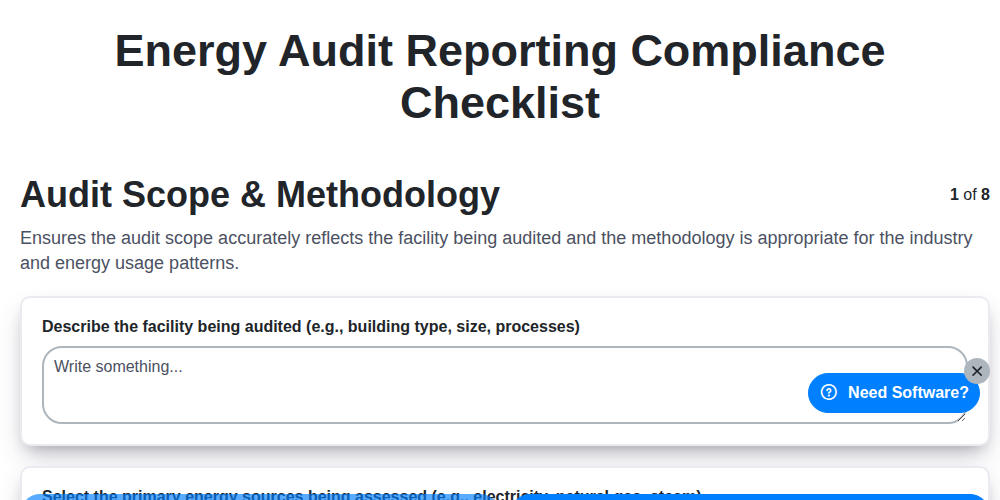
Energy Audit Reporting Compliance: Your Checklist for Success
Need help with
Energy?
Have a question? We're here to help. Please submit your inquiry, and we'll respond promptly.