Navigating the Maze: Your Energy Market Participant Compliance Checklist
Published: 12/05/2025 Updated: 07/02/2026
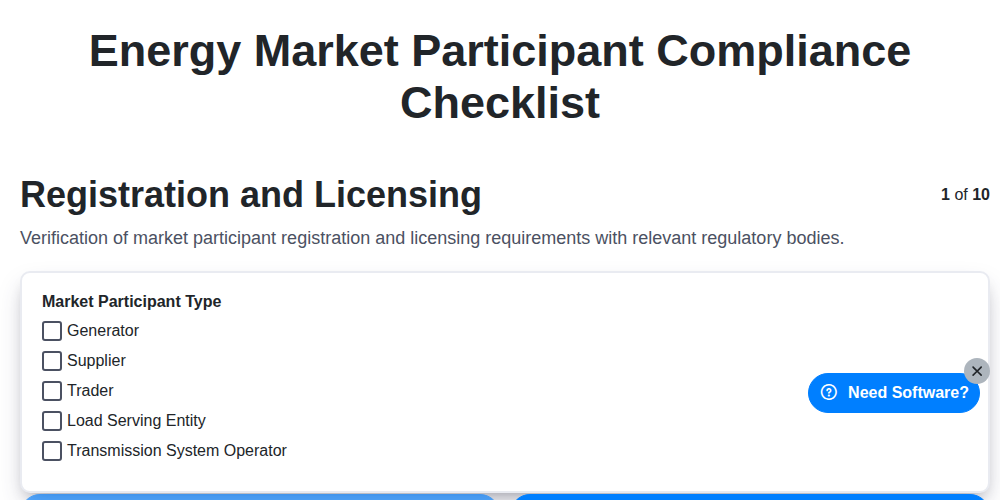
Table of Contents
- Introduction: The Complexities of Energy Market Compliance
- 1. Registration and Licensing: Getting Started Right
- 2. Financial Resources and Creditworthiness: Demonstrating Stability
- 3. Trading Conduct and Market Manipulation: Maintaining Fair Practices
- 4. Reporting Obligations: Meeting Transparency Requirements
- 5. Cybersecurity and Data Protection: Safeguarding Critical Assets
- 6. Record Keeping and Audit Trails: Establishing Accountability
- 7. Anti-Money Laundering (AML) & Counter-Terrorist Financing (CTF): Preventing Illicit Activities
- 8. Contractual Compliance: Adhering to Agreements
- 9. Employee Training & Awareness: Building a Culture of Compliance
- 10. Regulatory Updates & Changes: Staying Ahead of the Curve
- 11. The Importance of a Compliance Management System
- 12. Common Pitfalls and How to Avoid Them
- Conclusion: Ensuring Long-Term Sustainability
- Resources & Links
TLDR: Energy market rules are complex! This checklist ensures you're covering all the key areas - from registration and finances to cybersecurity and anti-money laundering - to stay compliant and avoid hefty fines. Think of it as your roadmap to navigating the energy market compliance maze.
Introduction: The Complexities of Energy Market Compliance
Navigating the energy market landscape is increasingly complex, demanding rigorous adherence to a constantly evolving web of regulations. For market participants - from generators and traders to retailers and aggregators - compliance isn't just a box to tick; it's a foundational element of sustainable operation and market integrity. Failure to meet these obligations can result in significant fines, reputational damage, and even operational restrictions. This isn't simply about understanding the rules; it's about proactively implementing processes and controls to demonstrate that compliance. This blog post will delve into a practical checklist of critical areas for energy market participants, but first, it's vital to acknowledge the sheer breadth of the compliance burden. The energy sector faces unique challenges, including infrastructure criticality, volatile pricing, and increasing scrutiny regarding environmental sustainability and market fairness. As such, a structured and consistently updated compliance framework is paramount.
1. Registration and Licensing: Getting Started Right
Navigating the energy market as a participant is complex, and the foundation of your compliance journey begins with registration and licensing. This isn't a one-size-fits-all process; requirements vary significantly depending on your specific role (e.g., power producer, retailer, trader, transmission system operator) and the jurisdiction in which you operate.
Before even considering trading or engaging in other market activities, you must obtain the necessary approvals. This typically involves submitting detailed applications outlining your business structure, ownership details, and intended activities. Expect thorough due diligence from regulatory bodies, including background checks on key personnel.
Key considerations here include:
- Identifying Applicable Regulations: Different jurisdictions have different regulatory frameworks. Research and understand which regulations apply to your specific activities.
- Application Requirements: Be prepared to provide extensive documentation, which can include business plans, financial statements, and details of your operational infrastructure.
- Eligibility Criteria: Ensure you meet all eligibility criteria, which may include minimum capital requirements or experience levels.
- Renewal & Transfer: Be aware of renewal deadlines and procedures for transferring licenses or registrations. Missed deadlines can lead to significant penalties and operational disruptions.
- Professional Advice: Given the complexity, seeking advice from legal and compliance professionals specializing in energy market regulation is highly recommended.
2. Financial Resources and Creditworthiness: Demonstrating Stability
Navigating the energy market demands more than just expertise; it requires demonstrable financial stability. Regulators understand the potential systemic risk posed by participants lacking sufficient resources, and rigorously assess financial strength as a core compliance requirement. This isn't simply about having a healthy balance sheet; it's about demonstrating the capacity to meet obligations, withstand market volatility, and maintain operational integrity.
What Regulators Look For:
- Minimum Capital Requirements: Most jurisdictions establish minimum capital requirements for energy market participants, often tiered based on the scope of activity (e.g., trading volume, grid connection). Meeting these base requirements is the first hurdle.
- Credit Ratings & Credit Lines: A strong credit rating from a recognized agency provides independent verification of financial health. Maintaining robust credit lines provides a buffer against unexpected costs and demonstrates access to financing.
- Liquidity Assessments: Regulators will scrutinize your liquidity - the ability to convert assets into cash quickly. This includes analyzing current ratios, quick ratios, and cash flow projections.
- Leverage Ratios: Excessive leverage can significantly increase risk. Regulators will examine debt-to-equity ratios and other leverage metrics to ensure your operations aren't overly reliant on borrowing.
- Stress Testing: Increasingly, regulators are requiring stress testing scenarios to evaluate your ability to survive adverse market conditions, such as price shocks or unexpected operational failures. This isn't just about meeting minimums; it's about proving resilience.
- Parent Company Guarantees (if applicable): If your entity is part of a larger group, the financial health and guarantees of the parent company will be factored into the assessment.
Documentation & Preparation:
Be prepared to provide comprehensive financial statements, credit reports, business plans, and stress test results to demonstrate your financial resources and creditworthiness. Regularly update your documentation to reflect current market conditions and any changes to your financial position. Proactive financial planning and a clear communication strategy with regulators are key to a successful compliance posture.
3. Trading Conduct and Market Manipulation: Maintaining Fair Practices
The energy market thrives on trust and transparency. Maintaining fair trading practices and actively preventing market manipulation are not just legal obligations; they're fundamental to the integrity of the entire ecosystem. This section of your compliance checklist demands a proactive and vigilant approach.
What's at Stake? Market manipulation can take various forms, from spreading false information to artificially inflating or deflating prices. These actions undermine confidence, distort market signals, and ultimately harm both consumers and legitimate market participants. Regulators worldwide are increasingly cracking down on such activities, imposing significant penalties and reputational damage.
Your Compliance Checklist Actions:
- Implement Robust Surveillance Systems: Deploy systems capable of monitoring trading activity in real-time, identifying unusual patterns, and flagging potential instances of market manipulation.
- Develop Clear Internal Policies: Establish explicit rules prohibiting manipulative practices, including wash trades, layering, and spreading false or misleading information.
- Employee Training (Crucial): Regularly train employees on what constitutes market manipulation and how to recognize and report suspicious activities. This should cover both explicit manipulation and potentially misleading actions.
- Review and Approval Processes: Implement a review and approval process for significant trading decisions, particularly those involving complex strategies or large volumes.
- Whistleblower Program: Encourage internal reporting of concerns related to market manipulation with a robust and confidential whistleblower program.
- Stay Informed: Remain updated on regulatory guidance and enforcement actions related to market manipulation. Regulations are constantly evolving, requiring continuous vigilance.
Key Regulations to Consider: (Specific regulations will vary based on your operating jurisdiction. Examples include but are not limited to: REMIT (EU), CFTC regulations (US), and relevant national laws.)
4. Reporting Obligations: Meeting Transparency Requirements
Navigating the energy market requires more than just trading prowess; it demands meticulous reporting. Regulatory bodies across jurisdictions mandate comprehensive reporting obligations for market participants, designed to ensure transparency and prevent market abuse. Failing to meet these requirements can result in hefty fines and reputational damage.
This section encompasses a wide range of reports, including but not limited to:
- Transaction Reporting: Detailed records of all transactions, including timestamps, counterparties, volumes, and prices, must be submitted regularly. The frequency and granularity of these reports vary by jurisdiction and market segment.
- Position Reporting: Accurate reporting of net positions in various energy commodities is critical for monitoring systemic risk and preventing excessive speculation. Thresholds often trigger additional reporting requirements.
- Market Data Reporting: Contributing to the accuracy and completeness of market data by reporting relevant information about trading activity is frequently a mandatory obligation.
- Intraday Reporting: Some jurisdictions necessitate real-time or near real-time reporting during trading hours to facilitate efficient market operations.
Staying abreast of specific reporting deadlines, formats, and data requirements for each jurisdiction in which you operate is paramount. Automating reporting processes and implementing robust data validation procedures can significantly reduce errors and ensure timely compliance. Regularly review your reporting infrastructure and procedures to adapt to evolving regulatory expectations.
5. Cybersecurity and Data Protection: Safeguarding Critical Assets
The energy market is increasingly reliant on digital infrastructure, making robust cybersecurity and data protection measures paramount. A breach can lead to significant financial losses, operational disruptions, reputational damage, and even compromise grid stability. This checklist item isn't just about ticking a box; it's about establishing a layered defense against evolving cyber threats.
Key Considerations:
- Risk Assessment: Regularly conduct comprehensive risk assessments to identify vulnerabilities and potential threats specific to your operations. This should encompass all connected systems, including SCADA, EMS, and market trading platforms.
- Security Policies & Procedures: Implement and enforce clear, documented security policies and procedures covering access control, incident response, data encryption (both in transit and at rest), and vulnerability management.
- Network Segmentation: Isolate critical systems and data through network segmentation to limit the potential impact of a breach.
- Endpoint Protection: Ensure robust endpoint protection measures, including anti-malware software, firewalls, and intrusion detection/prevention systems.
- Data Loss Prevention (DLP): Implement DLP solutions to prevent sensitive data from leaving your control, whether through accidental disclosure or malicious intent.
- Regular Penetration Testing: Engage third-party cybersecurity experts to conduct regular penetration testing and vulnerability assessments.
- Supply Chain Security: Assess and manage the cybersecurity risks associated with your vendors and suppliers.
- Incident Response Plan: Develop and regularly test an incident response plan to effectively handle security breaches and minimize damage.
- Compliance with Data Protection Regulations: Adhere to relevant data protection regulations like GDPR, CCPA, and industry-specific guidelines.
6. Record Keeping and Audit Trails: Establishing Accountability
In the energy market, transparency and accountability aren't just best practices - they're legal requirements. Maintaining robust record keeping and establishing clear audit trails are crucial for demonstrating compliance and defending against potential regulatory scrutiny. This goes far beyond simply retaining documents; it's about creating a system that allows regulators (and internal auditors) to easily trace transactions and activities back to their origins.
What Needs to be Recorded?
The scope of records you need to keep can be extensive and varies based on your specific market participant role and applicable regulations. Generally, it should include:
- Transaction Records: Dates, times, quantities, prices, counterparties, and methodology for all energy transactions (spot, forward, derivatives, etc.).
- Order Records: Complete records of orders placed, including timestamps, quantities, prices, and execution details.
- Communication Logs: Documentation of relevant communications with market participants, regulators, and internal stakeholders.
- System Activity Logs: Detailed logs of access, modifications, and operations within your trading and risk management systems.
- Compliance Documentation: Records of your compliance activities, including approvals, certifications, and reports.
Building an Effective Audit Trail:
An audit trail isn't just about collecting data; it's about making it readily accessible and verifiable. Key components of a strong audit trail include:
- Timestamping: Automatic and accurate timestamps for all relevant actions.
- User Identification: Clear identification of the individuals responsible for each transaction or action.
- Data Integrity: Processes to prevent unauthorized alteration or deletion of records. Hashing and digital signatures are common techniques.
- Secure Storage: Secure and resilient storage of records, with appropriate access controls.
- Review and Retention Policies: Clearly defined retention periods and regular reviews to ensure data accuracy and relevance.
Why is it so important? Failure to maintain adequate record keeping and audit trails can lead to substantial fines, penalties, and reputational damage. A well-designed system not only demonstrates compliance but also strengthens your overall risk management framework.
7. Anti-Money Laundering (AML) & Counter-Terrorist Financing (CTF): Preventing Illicit Activities
The energy market, like any financial sector, is vulnerable to exploitation by those seeking to launder money or finance terrorism. Robust AML and CTF programs are therefore critical for market participants to uphold integrity and avoid significant legal and reputational risks. This isn't simply a compliance box to tick; it's a vital component of a responsible and ethical business practice.
Key Requirements & Best Practices:
- Customer Due Diligence (CDD): Implement rigorous CDD procedures for all clients, including energy suppliers, consumers, and other counterparties. This involves verifying identities, understanding business activities, and assessing risk profiles. Enhanced Due Diligence (EDD) should be applied to high-risk customers, considering factors like geographic location, transaction type, and ownership structure.
- Transaction Monitoring: Establish systems to monitor transactions for unusual patterns, large sums, or connections to sanctioned entities. Automated transaction monitoring tools are invaluable for identifying potential red flags.
- Sanctions Screening: Regularly screen customers and transactions against global sanctions lists to ensure compliance with international regulations.
- Reporting Suspicious Activity: Develop a clear protocol for reporting suspicious activity to the relevant authorities. Ensure employees are trained to recognize and report potential AML/CTF concerns.
- Risk Assessment: Conduct regular AML/CTF risk assessments to identify vulnerabilities and adapt controls accordingly. This should consider the specific risks associated with the energy market and your own business model.
- Independent Audit: Undertake periodic independent audits of your AML/CTF program to assess its effectiveness and identify areas for improvement.
- Record Keeping: Maintain comprehensive records of all AML/CTF compliance activities, including customer due diligence, transaction monitoring, and reporting.
Failure to adhere to AML/CTF regulations can result in hefty fines, criminal prosecution, and significant damage to your organization's reputation. Proactive and continuous improvement of your AML/CTF program is essential for maintaining a secure and trustworthy energy market.
8. Contractual Compliance: Adhering to Agreements
Navigating the energy market requires more than just understanding regulations; it demands meticulous adherence to contractual obligations. These agreements, whether with suppliers, customers, transmission operators, or other market participants, form the backbone of your operations and significantly impact your risk profile. Failure to comply can lead to financial penalties, reputational damage, and even legal action.
This section delves into the critical areas of contractual compliance for energy market participants. It's not simply about signing a document; it's about ensuring ongoing, proactive management of your contractual commitments.
Key Considerations:
- Contract Review & Understanding: Ensure a thorough review of all contracts by qualified legal and commercial professionals. This includes understanding obligations, rights, termination clauses, and potential liabilities. Don't rely solely on summaries; the full agreement is essential.
- Performance Monitoring: Establish mechanisms to track performance against contractual KPIs. This includes volumes, pricing, delivery times, and quality specifications. Regular monitoring allows for early identification of potential breaches.
- Change Management: Contracts rarely remain static. Implement a robust change management process for amendments, renewals, and novations. Document all changes and ensure all relevant personnel are informed.
- Subcontractor Management: If you utilize subcontractors, ensure they also comply with the contractual obligations that flow down to them. Due diligence and ongoing monitoring are essential.
- Force Majeure & Risk Mitigation: Clearly define force majeure events within your contracts and develop contingency plans to mitigate associated risks.
- Dispute Resolution: Understand the dispute resolution mechanisms outlined in your contracts and be prepared to pursue or defend claims effectively.
Maintaining meticulous contractual compliance isn't just about ticking boxes; it's about safeguarding your business, fostering trust within the energy market, and ensuring sustainable growth.
9. Employee Training & Awareness: Building a Culture of Compliance
Compliance isn's just about ticking boxes; it's about fostering a proactive, compliant culture throughout your organization. And that starts with your people. Effective employee training and awareness programs are absolutely critical for energy market participants, acting as the first line of defense against regulatory breaches and reputational damage.
Here's why robust training is essential:
- Understanding the Rules: Many regulations are complex and nuanced. Training ensures employees across all departments - from traders and analysts to administrative staff - grasp the core principles and specific requirements relevant to their roles.
- Identifying and Reporting Concerns: Empowering employees to recognize potentially non-compliant behavior (market manipulation, suspicious trading patterns, data breaches) and providing them with clear channels for reporting concerns without fear of reprisal is paramount. A "see something, say something" mentality is invaluable.
- Mitigating Human Error: Even well-intentioned employees can make mistakes. Regular refresher training minimizes the likelihood of unintentional breaches and reinforces best practices.
- Cybersecurity Hygiene: With increasingly sophisticated cyber threats, educating employees about phishing scams, password security, and data handling protocols is no longer optional-it's essential for protecting sensitive information.
- Reinforcing Ethical Conduct: Compliance goes hand-in-hand with ethical behavior. Training can instill a strong ethical framework and reinforce the importance of integrity in all aspects of operations.
Key Elements of an Effective Program:
- Role-Based Training: Tailor training content to specific job functions and responsibilities.
- Regular Updates: Compliance landscapes evolve; ensure training reflects the latest regulations and best practices.
- Interactive Formats: Move beyond passive lectures - utilize case studies, simulations, and quizzes to engage learners.
- Documentation & Tracking: Maintain records of training completion and assessments to demonstrate due diligence.
- Continuous Reinforcement: Utilize reminders, newsletters, and internal communications to keep compliance top-of-mind.
Investing in comprehensive employee training isn't just about meeting regulatory requirements; it's about protecting your organization's reputation, financial stability, and long-term success.
10. Regulatory Updates & Changes: Staying Ahead of the Curve
The energy market is in constant flux. New regulations, amendments to existing rules, and evolving interpretations are a regular occurrence. Staying abreast of these changes isn't just about ticking a compliance box; it's about ensuring the long-term viability and integrity of your operations.
This necessitates a robust system for monitoring regulatory bodies (e.g., FERC, EMRA, Ofgem, depending on your jurisdiction), subscribing to industry alerts, and actively participating in relevant forums. Don't rely solely on periodic reviews - implement a process for continuous monitoring.
Consider assigning dedicated personnel responsible for tracking changes and disseminating information internally. Develop a clear escalation path for communicating new requirements and assessing their potential impact on your business. This should include an assessment of necessary adjustments to policies, procedures, and systems. Furthermore, document your tracking process - demonstrating to regulators you're proactively managing regulatory compliance is invaluable. Neglecting this aspect can lead to penalties, operational disruptions, and reputational damage.
11. The Importance of a Compliance Management System
Navigating the energy market successfully isn't just about shrewd trading and market insights; it's fundamentally about robust compliance. A reactive approach to regulations - addressing issues after they arise - is a recipe for penalties, reputational damage, and potential market exclusion. That's why a comprehensive Compliance Management System (CMS) isn't merely desirable, it's essential.
Your checklist, encompassing areas like registration, financial stability, trading conduct, and cybersecurity, forms the foundation of a strong CMS. But a checklist alone isn't enough. A true CMS integrates these elements, providing a framework for ongoing assessment, monitoring, and improvement. It establishes clear roles and responsibilities, fosters a culture of compliance within your organization, and provides a proactive approach to regulatory changes.
A well-designed CMS will include documented policies and procedures, regular risk assessments to identify potential compliance gaps, and mechanisms for reporting concerns anonymously. Think of it as your continuous shield against regulatory breaches, ensuring long-term sustainability and success in the dynamic energy market. Investing in a robust CMS is an investment in your company's future.
12. Common Pitfalls and How to Avoid Them
Navigating the energy market compliance landscape is complex, and even seasoned participants can stumble. Here's a breakdown of common pitfalls and proactive steps to sidestep them:
1. Underestimating Regulatory Updates: Regulations are constantly evolving. Pitfall: Relying on outdated information or assuming a previous interpretation remains valid. Solution: Implement a robust system for tracking regulatory changes - subscribe to industry newsletters, engage legal counsel specializing in energy market law, and regularly review official publications.
2. Superficial Employee Training: Simply checking a training box isn't enough. Pitfall: Employees lacking practical understanding of compliance requirements, leading to unintentional violations. Solution: Focus on interactive training, role-playing scenarios, and regular refresher courses tailored to specific roles and responsibilities. Ensure training includes practical application of rules.
3. Neglecting Cybersecurity Hygiene: Energy markets are prime targets for cyberattacks. Pitfall: Insufficient investment in cybersecurity measures, leaving the organization vulnerable to breaches. Solution: Conduct regular vulnerability assessments, implement multi-factor authentication, and develop a comprehensive incident response plan. Align with industry best practices (e.g., NIST Cybersecurity Framework).
4. Inadequate Record Keeping: Poor record-keeping makes audits and investigations a nightmare. Pitfall: Inability to demonstrate compliance due to missing or disorganized documentation. Solution: Implement a centralized, accessible electronic record-keeping system with clear retention policies. Ensure data integrity and accessibility.
5. Treating AML/CTF as a "Tick-Box" Exercise: These requirements are critical to protecting the integrity of the market. Pitfall: Failing to conduct thorough customer due diligence or adequately monitor transactions. Solution: Implement a robust AML/CTF program with clear policies, procedures, and ongoing monitoring. Regularly update Know Your Customer (KYC) information.
6. Overlooking Contractual Nuances: Small contractual oversights can lead to significant liabilities. Pitfall: Failing to fully understand the implications of contractual obligations. Solution: Employ experienced legal counsel to review contracts, focusing on compliance implications. Develop internal procedures for contract management and adherence.
7. Ignoring Reporting Thresholds: Missing reporting deadlines or failing to report required information is a serious offense. Pitfall: Failing to track relevant metrics and adhere to reporting schedules. Solution: Establish automated reporting systems and implement strict deadlines for data collection and submission.
8. Believing It Won't Happen to Us: Complacency is a dangerous mindset. Pitfall: Underestimating the risk of manipulation or illicit activity. Solution: Foster a culture of compliance, encouraging employees to report suspicious behavior. Regularly review internal controls and risk assessments.
9. Lack of Clear Accountability: When something goes wrong, who is responsible? Pitfall: Unclear lines of responsibility leading to inaction or blame-shifting. Solution: Clearly define roles and responsibilities for compliance within the organization. Ensure accountability is enforced.
10. Failing to Adapt to New Technologies: Technological advancements impact compliance requirements. Pitfall: Using outdated systems or failing to integrate new technologies securely. Solution: Regularly evaluate and update technology to align with regulatory requirements and industry best practices.
11. Limited Internal Audit Function: Relying solely on external audits. Pitfall: Not identifying and addressing issues proactively. Solution: Establish a robust internal audit program to regularly assess compliance and internal controls.
12. Lack of Senior Management Buy-in: Compliance efforts are often hampered by a lack of support from the top. Pitfall: Limited resources and prioritization of compliance initiatives. Solution: Secure demonstrable commitment from senior management, ensuring compliance is embedded in the company's values and business strategy.
Conclusion: Ensuring Long-Term Sustainability
Navigating the energy market landscape demands meticulous attention to detail and a proactive approach to compliance. This checklist serves as a foundational guide, but remember it's a dynamic process. The energy sector is constantly evolving, bringing new regulations, technological advancements, and emerging risks. Regularly revisiting and updating your compliance program - not just annually, but with greater frequency - is crucial for long-term sustainability. A robust and adaptable framework minimizes risk, fosters trust with regulators and stakeholders, and ultimately positions your organization for continued success in a complex and competitive market. Don't view compliance as a burden; see it as an investment in your firm's resilience and future viability.
Resources & Links
- U.S. Department of Energy: The DOE website provides information on energy markets, regulations, and policy updates relevant to compliance. Useful for understanding the broader context of energy market participation.
- Federal Energy Regulatory Commission (FERC): The primary regulatory body for energy markets in the US. Find regulations, filings, and guidance related to registration, licensing, and compliance requirements. Crucial for understanding specific rules.
- U.S. Energy Information Administration (EIA): Provides data, analysis, and forecasts about energy markets. Understanding market trends is vital for anticipating regulatory changes and ensuring compliance.
- ISO New England: Regional Transmission Operator (RTO). Provides information for participants in the New England market. Example of a RTO website - adapt for relevant region.
- PJM Interconnection: Another example of a regional transmission organization (RTO). Check for regional compliance rules and reporting requirements.
- Commodity Futures Trading Commission (CFTC): Relevant for energy trading activities involving derivatives. Provides regulations and enforcement actions related to market manipulation and trading conduct.
- Financial Industry Regulatory Authority (FINRA): While primarily focused on securities, FINRA's guidance on recordkeeping, supervision, and compliance can be adapted for energy market participants.
- Internal Revenue Service (IRS): Relevant for financial resources and creditworthiness aspects. Compliance with tax regulations is essential for demonstrating stability.
- Financial Crimes Enforcement Network (FinCEN): Provides guidance and regulations regarding Anti-Money Laundering (AML) and Counter-Terrorist Financing (CTF).
- National Institute of Standards and Technology (NIST): Provides cybersecurity frameworks and guidance applicable to safeguarding critical assets and data protection - particularly useful for section 5.
- American Bankers Association (ABA): While aimed at banks, ABA provides resources on compliance management systems and operational risk which can be useful for establishing robust programs. Useful for section 11.
- DLA Piper - Energy Regulatory Updates: Law firm's energy regulatory updates page. Provides overviews and analysis of recent regulatory changes. Useful for Section 10 - Regulatory Updates.
- Ernst & Young: EY's website offers insights and services related to energy compliance, risk management, and regulatory changes. A broader resource for understanding the landscape (consult their regulatory pages).
- KPMG: Similar to EY, KPMG provides advisory services and insights on energy market compliance. Explore their regulatory and risk management sections. Useful for understanding common pitfalls (section 12).
- Deloitte: Another large consulting firm, Deloitte's website provides resources and insights on regulatory compliance and risk management in the energy sector.
Frequently Asked Questions
Does this checklist replace legal advice?
No. This checklist provides a general overview and should not be considered a substitute for professional legal advice. Always consult with legal counsel to ensure full compliance with applicable regulations.
Comments
There are no comments yet. Be the first to add one!
Energy Management Solution Demo
Managing operations, safety, and compliance in the energy sector is critical. ChecklistGuro's Work OS platform streamlines your workflow from exploration and production to distribution and maintenance. Enhance safety, improve efficiency, and ensure regulatory adherence. Discover how ChecklistGuro can transform your energy business!
Related Articles
Stay Compliant: Your Energy Metering Compliance Checklist Template
Unlock Savings: Your Complete Energy Efficiency Audit Checklist
Your Ultimate Energy Efficiency Audit Checklist Template
Power Through: Your Essential Energy Grid Outage Support Checklist
Oil & Gas Well Safety Inspection Checklist: Ensuring a Secure Operation
HVAC System Maintenance Checklist: Building Climate Control & Energy Savings
Renewable Energy Project Checklist Template
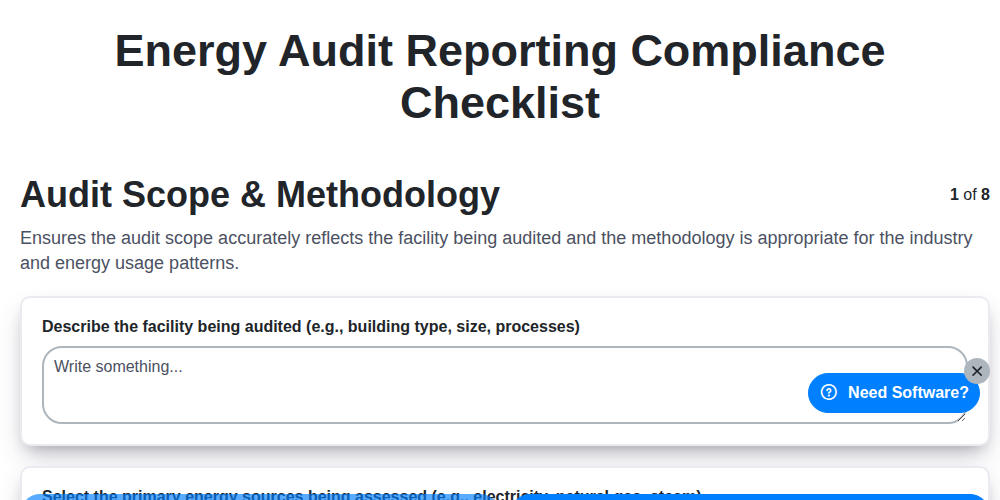
Energy Audit Reporting Compliance: Your Checklist for Success
Need help with
Energy?
Have a question? We're here to help. Please submit your inquiry, and we'll respond promptly.