Navigating Energy Regulations: Your Compliance Checklist Template
Published: 12/05/2025 Updated: 07/02/2026
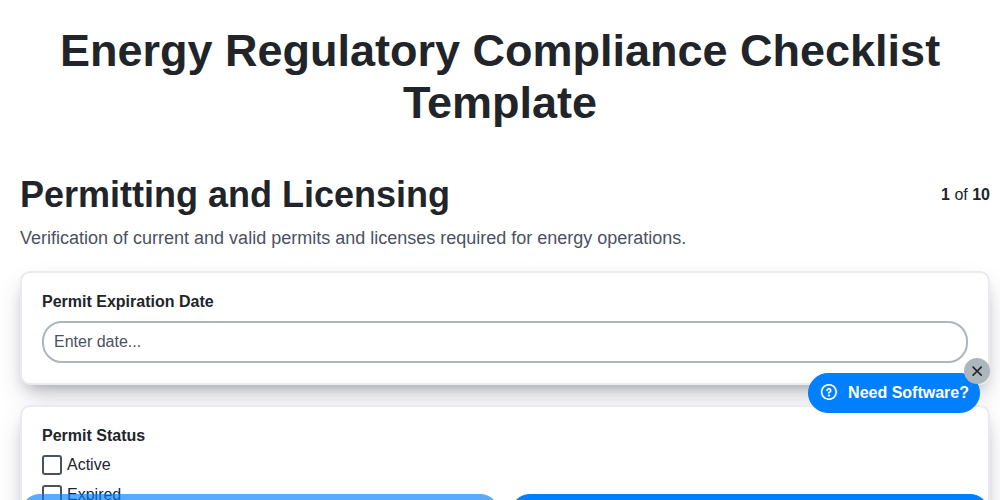
Table of Contents
- Introduction: The Importance of Energy Regulatory Compliance
- Understanding the Scope of Energy Regulations
- 1. Permitting and Licensing: Laying the Foundation
- 2. Environmental Regulations: Protecting Our Resources
- 3. Safety and Health Standards: Prioritizing Personnel Wellbeing
- 4. Reporting Requirements: Keeping Regulators Informed
- 5. Record Keeping: Documenting Your Compliance Efforts
- 6. Training and Competency: Ensuring Knowledge and Skills
- 7. Emergency Response Planning: Preparing for the Unexpected
- 8. Auditing and Inspection Preparation: Proactive Assessment
- 9. Contractor Compliance: Extending Compliance Beyond Your Organization
- 10. Incident Reporting and Investigation: Learning from Experiences
- 11. Common Compliance Challenges in the Energy Sector
- Conclusion: Maintaining a Culture of Compliance
- Resources & Links
TLDR: Feeling overwhelmed by energy regulations? This checklist template is your guide! It breaks down compliance into manageable steps - from permits and environmental rules to safety, reporting, and emergency planning. Use it to stay organized, minimize risks, and ensure your energy operations are legally sound.
Introduction: The Importance of Energy Regulatory Compliance
The energy sector operates within a complex web of regulations designed to protect the environment, ensure public safety, and promote fair market practices. Staying compliant isn't just about avoiding penalties; it's about demonstrating responsible operations, building trust with stakeholders, and safeguarding your business's long-term viability. Non-compliance can lead to hefty fines, operational shutdowns, reputational damage, and even legal action. This checklist provides a framework to help energy companies, both large and small, navigate this challenging landscape and proactively manage their regulatory obligations. Implementing a robust compliance program isn't a burden - it's an investment in a sustainable and secure future for your business.
Understanding the Scope of Energy Regulations
The energy sector operates within a complex web of regulations designed to ensure safety, environmental protection, and fair market practices. These regulations aren't static; they evolve with technological advancements, changing environmental concerns, and shifts in government policy. Understanding the breadth of these rules is the first, and arguably most crucial, step towards compliant operations.
This isn't just about ticking boxes; it's about recognizing the why behind each requirement. For example, permitting and licensing might seem administrative, but they're essential for verifying operational legitimacy and ensuring adherence to technical standards. Environmental regulations aren't simply about avoiding fines; they're about safeguarding ecosystems and public health. Safety and health standards are designed to protect your workforce and prevent accidents. Ultimately, navigating this landscape successfully requires a proactive approach-a thorough understanding of federal, state, and local mandates applicable to your specific energy activities. Ignoring any part of this scope can lead to significant financial penalties, operational disruptions, and reputational damage. This checklist is designed to guide you through those key areas and help you build a robust compliance framework.
1. Permitting and Licensing: Laying the Foundation
Navigating the landscape of energy regulatory compliance begins with a solid foundation - your permits and licenses. This isn't just paperwork; it's proof you have the legal right to operate. Missing or outdated permits can halt operations, trigger hefty fines, and damage your reputation.
This section of your checklist must encompass all applicable permits and licenses, both federal and local. Consider these key areas:
- Initial Application & Approval: Document the application process, including dates, required documentation, and any conditions imposed.
- Renewal Dates & Procedures: Track renewal deadlines and initiate the process well in advance. Automation is your friend here - set reminders!
- Modification & Amendments: Keep meticulous records of any modifications to your operations that necessitate changes to existing permits or require new ones.
- Specific Permit Types: Examples include but are not limited to: air permits, water discharge permits, operating licenses, construction permits, and site-specific approvals.
- Stakeholder Communication: Maintain records of communication with regulatory agencies regarding permits - questions, clarifications, and approvals.
Regular review and updates to your permitting and licensing documentation are crucial. A robust system ensures you stay compliant and avoid costly disruptions.
2. Environmental Regulations: Protecting Our Resources
The energy sector carries a significant responsibility to protect our environment. Compliance with environmental regulations isn't just about avoiding penalties; it's about sustainable operations and minimizing our impact. This section of the checklist focuses on ensuring you're adhering to these crucial mandates.
Here's a breakdown of key areas and considerations:
- Air Emissions: Are your air permits up-to-date and accurately reflect your facility's emissions? This includes monitoring and controlling pollutants like NOx, SOx, and particulate matter. Regular emissions testing is essential.
- Water Discharge: Compliance with Clean Water Act (CWA) permits is paramount. Ensure proper wastewater treatment and monitoring to prevent contamination of waterways. Consider stormwater management plans and spill prevention controls.
- Waste Management: Proper handling, storage, and disposal of hazardous and non-hazardous waste is critical. Ensure compliance with RCRA (Resource Conservation and Recovery Act) regulations, including proper labeling, manifesting, and record keeping.
- Spill Prevention, Control, and Countermeasure (SPCC) Plans: For facilities storing significant quantities of oil, an SPCC plan is mandatory. Regularly review and update the plan to address potential risks.
- Endangered Species Act (ESA) Compliance: Assess potential impacts on endangered or threatened species and habitats. Consult with relevant agencies if necessary.
- Wetlands Protection: Understand and adhere to regulations regarding wetlands preservation and mitigation. Obtain necessary permits for any activities that may impact wetlands.
- Soil Contamination Prevention & Remediation: Implement measures to prevent soil contamination from leaks or spills. If contamination is detected, develop and execute a remediation plan.
- Ongoing Regulatory Updates: Environmental regulations are constantly evolving. Subscribe to relevant newsletters and participate in industry forums to stay informed about changes.
Regularly review these areas and update your practices accordingly. Failure to comply can result in significant fines and reputational damage.
3. Safety and Health Standards: Prioritizing Personnel Wellbeing
The energy sector is inherently demanding and presents unique safety and health challenges. Adhering to relevant standards isn't just about ticking boxes - it's about protecting your workforce and fostering a culture of safety. This section of the compliance checklist focuses on ensuring a safe working environment for all personnel.
Key considerations within this area include:
- Hazard Identification and Risk Assessment: Regularly identify potential hazards and assess associated risks. This process should involve employee participation and be updated as operations change.
- Personal Protective Equipment (PPE) Programs: Implement a robust PPE program, including proper selection, fitting, training, and maintenance of equipment.
- Lockout/Tagout (LOTO) Procedures: Strict adherence to LOTO procedures is crucial during maintenance and repair activities. Ensure clear protocols are in place and consistently followed.
- Confined Space Entry: Develop and enforce comprehensive procedures for confined space entry, including atmospheric testing, ventilation, and rescue plans.
- Fall Protection: Implement fall protection systems where necessary, along with appropriate training and inspections.
- Electrical Safety: Maintain compliance with electrical safety standards, including regular equipment inspections and qualified personnel for electrical work.
- Ergonomics: Assess workstations and tasks to minimize ergonomic risks and prevent musculoskeletal disorders.
- Hearing Conservation Programs: Implement programs to protect employees from noise-induced hearing loss.
- Health Monitoring: Consider health monitoring programs as required by regulations or based on potential exposure to hazards.
Regular review and updating of safety and health programs, along with employee feedback, are essential for continuous improvement and a proactive approach to personnel wellbeing. Failing to prioritize these standards can result in serious accidents, injuries, and significant legal repercussions.
4. Reporting Requirements: Keeping Regulators Informed
Navigating energy regulatory compliance isn't just about doing the right things - it's about demonstrating that you are. Reporting requirements are a crucial component of that demonstration. Failure to submit accurate and timely reports can lead to hefty fines, operational delays, and even legal action.
What exactly needs reporting? It varies widely depending on your specific energy sector, location, and the permits and licenses you hold. Common reports include:
- Production Data: Quantities of energy generated or consumed, often broken down by type (e.g., electricity, natural gas, renewable sources).
- Emissions Data: Reporting on air pollutants, greenhouse gas emissions, and water discharge. Many jurisdictions mandate specific emission reporting frameworks.
- Performance Metrics: Tracking key performance indicators (KPIs) related to efficiency, reliability, and environmental impact.
- Incident Reports: Detailed accounts of any incidents, accidents, or near misses, even if seemingly minor.
- Compliance Status Updates: Periodic reports outlining your adherence to permit conditions and regulatory requirements.
Best Practices:
- Know Your Deadlines: Create a calendar with all reporting deadlines clearly marked and set reminders well in advance.
- Establish a System: Develop a robust system for data collection, validation, and report generation. Automation is highly recommended.
- Maintain Accuracy: Double-check all data before submission. Errors can undermine your credibility and trigger inquiries.
- Stay Updated: Regulations change. Subscribe to regulatory updates and participate in industry webinars to stay informed.
- Documentation is Key: Keep meticulous records of all data used to generate reports and any communication with regulatory agencies.
5. Record Keeping: Documenting Your Compliance Efforts
Thorough record keeping isn't just about ticking a box; it's the bedrock of demonstrable compliance. When regulators arrive, or an incident occurs, your records are your defense. They provide irrefutable evidence of your commitment to energy regulatory compliance.
What should you be documenting? Essentially, everything! This includes:
- Permit Applications & Approvals: Copies of all applications, supporting documents, and official approvals.
- Environmental Monitoring Data: Results from emissions testing, water quality assessments, and waste management tracking.
- Safety Inspections & Maintenance Logs: Records of all safety inspections, preventative maintenance performed on equipment, and any corrective actions taken.
- Training Records: Dates, content, and attendees for all training programs. Keep certificates, assessments, and training materials organized.
- Incident Reports & Investigations: Complete documentation of incidents, root cause analyses, and corrective actions.
- Audit Findings & Corrective Actions: Records of both internal and external audits, including identified weaknesses and actions taken to address them.
- Communication Logs: Correspondence with regulatory agencies, including letters, emails, and meeting minutes.
Best Practices for Record Keeping:
- Digital vs. Physical: While physical records may still be required in some cases, prioritize digital storage for ease of access, searchability, and backup.
- Retention Schedules: Establish and adhere to a clear retention schedule based on regulatory requirements and internal policies.
- Accessibility: Ensure records are readily accessible to authorized personnel.
- Security: Implement security measures to protect records from unauthorized access, modification, or destruction.
- Regular Review: Periodically review your record-keeping practices to ensure they remain effective and compliant.
6. Training and Competency: Ensuring Knowledge and Skills
Energy regulatory compliance isn't just about following rules; it's about ensuring your team knows how to follow them. A robust training and competency program is crucial to avoiding costly penalties and, more importantly, protecting people and the environment.
This section of your compliance checklist should address:
- Identifying Training Needs: What specific regulations require training? What tasks carry inherent risks demanding specialized skills? Regularly assess roles and responsibilities to pinpoint gaps.
- Developing Training Programs: Don't just rely on generic safety training. Tailor programs to your specific operations, equipment, and the relevant regulations. Consider a mix of classroom instruction, hands-on practice, and online modules.
- Documentation: Meticulously document all training provided, including dates, topics covered, instructors, and attendees. Keep records of assessments and certifications.
- Competency Assessment: Don't just train; verify understanding and skill application. Implement practical assessments and ongoing evaluations to ensure competency.
- Refresher Training: Regulations evolve, and skills fade. Schedule regular refresher training to keep knowledge current and reinforce safe practices.
- Specialized Training: Account for specialized roles. For example, hazardous materials handling, electrical safety, and confined space entry all require specific, certified training.
- Tracking and Updates: Regularly review training effectiveness and update programs as regulations change or new processes are implemented.
A well-structured training and competency program demonstrates a proactive commitment to compliance and a dedication to a safe and responsible operation.
7. Emergency Response Planning: Preparing for the Unexpected
Energy regulatory compliance isn't just about ticking boxes; it's about ensuring the safety of your personnel, protecting the environment, and minimizing potential disruptions to operations. A robust Emergency Response Plan (ERP) is a critical component of this, demonstrating a proactive approach to potential incidents.
Your ERP should go beyond simply outlining evacuation procedures. It needs to detail specific protocols for a range of potential emergencies relevant to your energy operation. Think beyond fire; consider scenarios like hazardous material spills, equipment failures, severe weather events, and even security threats.
Key elements of a comprehensive ERP include:
- Risk Assessment: Identifying potential hazards and assessing their potential impact.
- Clear Roles & Responsibilities: Defining who is responsible for what during an emergency. This includes communication protocols and chain of command.
- Evacuation Procedures: Detailed maps, assembly points, and procedures for evacuating personnel.
- Spill Response: Protocols for containing and cleaning up spills of hazardous materials.
- Equipment Shutdown Procedures: Safe shutdown procedures to minimize damage and prevent further incidents.
- Communication Plan: How information will be disseminated to employees, regulatory bodies, and the public.
- Regular Drills & Exercises: Scheduled drills to ensure personnel are familiar with the plan and procedures. These should be varied to simulate different emergency scenarios.
- Plan Review & Updates: The ERP is not a static document. It should be reviewed and updated regularly, reflecting changes in operations, regulations, and identified risks.
Regular training on the ERP is essential to ensure everyone knows their roles and responsibilities. Don't wait for an emergency to discover weaknesses in your plan - proactive planning can significantly reduce the impact of unforeseen events.
8. Auditing and Inspection Preparation: Proactive Assessment
Navigating the energy sector means facing regular audits and inspections - from state and federal agencies to internal assessments. Reactive responses can lead to penalties, operational delays, and reputational damage. Instead, adopt a proactive approach. This section of your compliance checklist should focus on preparing for these evaluations, not just reacting to them.
Here's what to include:
- Identify Applicable Standards: Clearly define which auditing bodies and inspection protocols apply to your operations (EPA, OSHA, state-specific regulations, etc.).
- Schedule Mock Audits: Regularly conduct internal mock audits, simulating the actual inspection process. This helps uncover weaknesses and provides valuable practice for your team.
- Document Review: Before any external audit, meticulously review all relevant documentation: permits, licenses, environmental reports, safety procedures, training records, and incident reports.
- Facility Walk-Throughs: Conduct thorough walk-throughs of your facilities with a critical eye, identifying potential hazards, non-compliance issues, and areas needing improvement.
- Corrective Actions: Immediately address any deficiencies identified during mock audits or walk-throughs. Document the corrective actions taken.
- Team Briefing: Ensure all employees understand their roles and responsibilities during an audit and know how to answer questions clearly and accurately.
- Communication Plan: Develop a clear communication plan for interacting with auditors, including designated points of contact.
- Continuous Improvement: Treat audit preparation as an ongoing process, continually refining your procedures based on feedback and lessons learned.
9. Contractor Compliance: Extending Compliance Beyond Your Organization
Your energy operations don't exist in a vacuum. You rely on contractors for various tasks, and their compliance - or lack thereof - directly impacts your overall regulatory standing. Simply put, you are responsible for ensuring your contractors adhere to the same stringent regulations as your own employees.
This section shouldn't be an afterthought. Robust contractor compliance requires a proactive, layered approach. Here's what that looks like:
- Pre-Qualification & Due Diligence: Before engaging a contractor, conduct thorough background checks. Verify their licenses, permits, insurance coverage, safety records, and past compliance history. Don't just take their word for it - actively seek verification from regulatory bodies or through third-party assessments.
- Contractual Obligations: Clearly define compliance requirements within your contracts. Outline specific regulations they must follow, performance standards for safety and environmental protection, and consequences for non-compliance. This isn't just about legal protection; it's about setting expectations upfront.
- Communication & Training: Provide contractors with the necessary information about your organization's policies, procedures, and relevant regulations. Tailor training to the specific tasks they're performing. Don't assume they are already familiar - be explicit.
- Monitoring & Oversight: Implement a system for monitoring contractor performance. This could include regular site inspections, review of work records, and feedback from your own employees.
- Performance Evaluation & Corrective Action: Evaluate contractor performance based on their compliance record. Address any deficiencies promptly with corrective action plans and follow-up to ensure issues are resolved.
- Documentation & Recordkeeping: Maintain comprehensive records of contractor qualifications, training, performance evaluations, and any corrective actions taken. This provides a clear audit trail and demonstrates your commitment to compliance.
Ignoring contractor compliance is a significant risk. It's not just about avoiding fines; it's about protecting your reputation, your workforce, and the environment.
10. Incident Reporting and Investigation: Learning from Experiences
No energy operation is without risk, and incidents, while ideally avoided, are sometimes unavoidable. A robust incident reporting and investigation process isn't just about fulfilling regulatory requirements; it's a vital opportunity for continuous improvement and preventing future occurrences.
What Should Be Included?
Your incident reporting system should be easily accessible and encourage all personnel to report incidents, near misses, and safety concerns - regardless of severity. This includes:
- Clear Reporting Procedures: Outline the steps for reporting, including who to contact and what information to provide (date, time, location, individuals involved, description of events, contributing factors, etc.).
- Anonymous Reporting Options: Consider offering anonymous reporting channels to overcome potential barriers to reporting, such as fear of reprisal.
- Thorough Investigation Process: Investigations should be objective, unbiased, and focus on identifying root causes, not assigning blame.
- Corrective Action Plans: Develop and implement clear corrective action plans to address identified root causes. Track progress and ensure effectiveness.
- Feedback Loop: Share investigation findings and corrective actions with all relevant personnel to enhance awareness and prevent recurrence.
Regulatory Considerations:
Many energy regulatory bodies mandate specific incident reporting timelines and content requirements. Familiarize yourself with applicable regulations (e.g., OSHA, EPA) and ensure your system aligns with them. Failing to report incidents properly can result in substantial penalties.
Beyond Compliance: Embracing a Learning Culture
View incident investigations not as punitive exercises but as opportunities to learn and strengthen your operations. Analyzing trends, identifying systemic weaknesses, and implementing preventive measures will create a safer and more reliable energy environment for everyone.
11. Common Compliance Challenges in the Energy Sector
The energy sector faces a unique and complex web of regulations, making compliance a persistent challenge. Here are some commonly encountered hurdles:
- Constantly Evolving Regulations: New rules and amendments are frequent, requiring continuous monitoring and adaptation. Staying abreast of changes at the federal, state, and local levels is a significant resource commitment.
- Interpreting Ambiguity: Regulations often lack crystal-clear language, leading to differing interpretations and potential non-compliance if not carefully addressed with expert advice.
- Data Management & Reporting: Gathering, analyzing, and accurately reporting data to meet various requirements can be incredibly complex, especially with increasing reporting frequency and granularity. Legacy systems often struggle to integrate with modern reporting needs.
- Resource Constraints: Smaller energy companies often lack the internal expertise and dedicated resources to effectively manage compliance programs.
- Contractor Oversight: Ensuring contractors adhere to the same rigorous compliance standards as your own operations is a frequent point of vulnerability.
- Environmental Remediation Costs: Unexpected environmental contamination or non-compliance can lead to substantial remediation costs and legal repercussions.
- Public Perception & Stakeholder Pressure: Growing public awareness and scrutiny regarding environmental impact and safety necessitate proactive compliance and transparent communication.
- Cybersecurity Threats: The energy sector is a critical infrastructure target, and maintaining robust cybersecurity measures to protect sensitive data and prevent disruptions is increasingly vital for compliance.
- Lack of Standardized Reporting: Varying reporting formats across different agencies and jurisdictions create inefficiencies and increase the potential for errors.
- Integration of Renewables: The rapid integration of renewable energy sources introduces new and evolving regulatory considerations.
- Maintaining Accurate Records: The sheer volume of records required for compliance, from permits to training documents, can be overwhelming and prone to errors if not properly managed.
Conclusion: Maintaining a Culture of Compliance
Ultimately, energy regulatory compliance isn't just about ticking boxes; it's about building a proactive and sustainable culture. This checklist is a powerful tool, but its true value lies in consistent application and continuous improvement. Regularly reviewing and updating your processes, encouraging open communication about potential issues, and empowering employees to champion compliance initiatives are key to long-term success. Remember, a robust compliance program not only minimizes risk and avoids penalties, but also builds trust with stakeholders, enhances operational efficiency, and fosters a safer, more responsible environment for everyone involved. Embrace compliance as an integral part of your business, not just a burden, and you'll reap the rewards for years to come.
Resources & Links
- United States Environmental Protection Agency (EPA): The EPA's website offers extensive information on environmental regulations, including those impacting the energy sector. Find regulatory information, guidance documents, and resources related to air quality, water quality, and waste management.
- Occupational Safety and Health Administration (OSHA): OSHA provides resources and regulations related to worker safety and health in the energy industry. Explore standards, training materials, and compliance assistance tools.
- Federal Energy Regulatory Commission (FERC): FERC regulates interstate transmission of electricity, natural gas, and oil. Their website offers insights into permitting, licensing, and compliance requirements for energy infrastructure.
- U.S. Energy Information Administration (EIA): The EIA provides data, analysis, and forecasts related to energy production, consumption, and regulations. Useful for understanding the context of energy regulations.
- National Institute of Standards and Technology (NIST): NIST develops standards and guidelines that influence energy efficiency and safety regulations. Check for relevant publications and best practices.
- U.S. Department of State: For international energy projects, the State Department's website provides information on international agreements and compliance requirements.
- U.S. Department of Energy (DOE): The DOE offers information on energy policy, efficiency standards, and research related to energy regulations. Explore grant programs and technical assistance.
- American Petroleum Institute (API): API develops industry standards and best practices for the oil and gas sector. Provides a useful understanding of industry expectations and compliance approaches.
- Edison Electric Institute (EEI): EEI represents investor-owned electric companies and provides resources on regulatory compliance, particularly for the power generation and distribution sector.
- American National Standards Institute (ANSI): ANSI doesn't create regulations but coordinates the development of voluntary consensus standards widely adopted in the energy sector, influencing regulatory frameworks.
- International Organization for Standardization (ISO): ISO develops and publishes international standards, some of which are relevant to energy management systems and environmental compliance.
- American Society for Quality (ASQ): ASQ offers training and resources on quality management systems and auditing, valuable for establishing and maintaining a compliance program.
- LexisNexis: (Subscription Required) LexisNexis provides access to legal resources and regulatory updates, useful for staying current on changing regulations.
- Westlaw: (Subscription Required) Similar to LexisNexis, Westlaw provides access to legal and regulatory information. Important for legal review of compliance programs.
Frequently Asked Questions
What are energy regulations and why do I need to comply?
Energy regulations are rules and laws set by government bodies (local, state, and federal) to improve energy efficiency, reduce emissions, and promote sustainable energy practices. Compliance ensures you avoid penalties, maintain legal operation, and potentially benefit from incentives. Failure to comply can result in fines, operational shutdowns, and reputational damage.
Who needs to use this compliance checklist?
This checklist is designed for a wide range of entities, including building owners, property managers, facility operators, businesses, and industrial facilities. Anyone subject to energy regulations in their region should find this checklist helpful. Specific requirements vary based on industry and location.
What kind of regulations does this checklist cover?
The checklist is designed to be adaptable, but generally covers aspects such as building energy codes (like IECC, ASHRAE), appliance efficiency standards, lighting requirements, HVAC system maintenance, renewable energy mandates, and reporting requirements. Specific items will vary based on your location and industry.
Is this checklist a substitute for legal advice?
No, this checklist is a general guideline and should not be considered a substitute for professional legal advice. Energy regulations are complex and constantly evolving. Always consult with a qualified legal or energy compliance professional for specific guidance related to your situation.
How do I customize this checklist?
The checklist is designed to be flexible. Review each item and mark it as 'Applicable,' 'Not Applicable,' or 'Needs Further Review.' Add any location-specific or industry-specific requirements not already listed. Tailor the checklist to accurately reflect your operations and regulatory obligations.
What do I do after completing the checklist?
After completing the checklist, document your findings and create an action plan to address any non-compliance issues. Regularly review and update the checklist to reflect changes in regulations and your operations. Keep records of your compliance efforts for auditing purposes.
What does 'Appliance Efficiency Standards' refer to?
Appliance Efficiency Standards dictate the minimum levels of energy performance for various appliances, such as refrigerators, air conditioners, and washing machines. These standards often involve labeling requirements (like Energy Star) and restrictions on outdated, less efficient models.
What is included in 'Lighting Requirements'?
Lighting requirements may specify the type of lighting allowed (e.g., LED lighting), maximum wattage limits, lighting controls (occupancy sensors, daylight harvesting), and lighting efficiency levels. Some regulations may mandate regular lighting audits.
Comments
There are no comments yet. Be the first to add one!
Energy Management Solution Demo
Managing operations, safety, and compliance in the energy sector is critical. ChecklistGuro's Work OS platform streamlines your workflow from exploration and production to distribution and maintenance. Enhance safety, improve efficiency, and ensure regulatory adherence. Discover how ChecklistGuro can transform your energy business!
Related Articles
Stay Compliant: Your Energy Metering Compliance Checklist Template
Unlock Savings: Your Complete Energy Efficiency Audit Checklist
Your Ultimate Energy Efficiency Audit Checklist Template
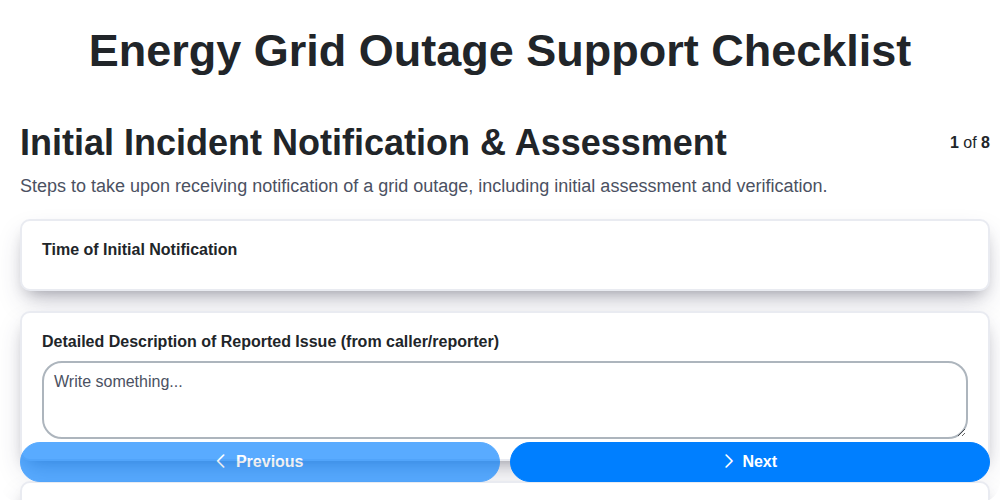
Power Through: Your Essential Energy Grid Outage Support Checklist
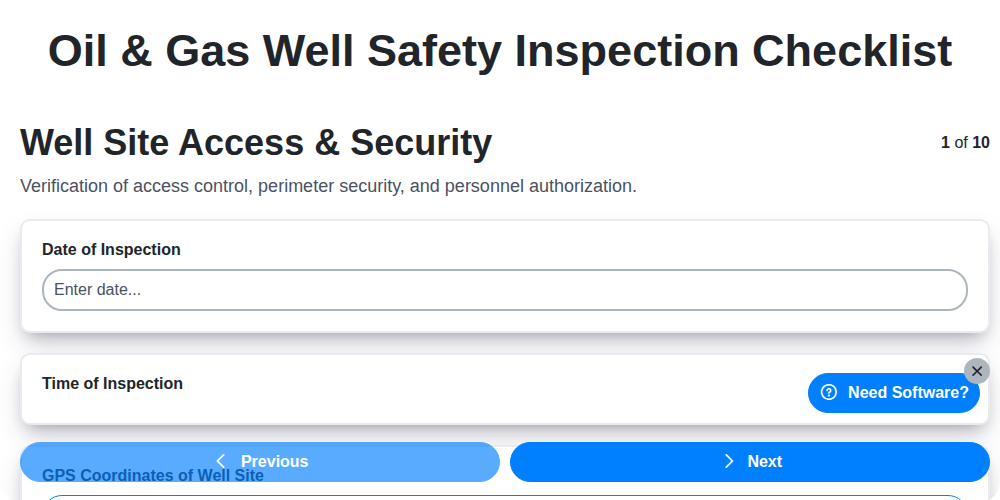
Oil & Gas Well Safety Inspection Checklist: Ensuring a Secure Operation
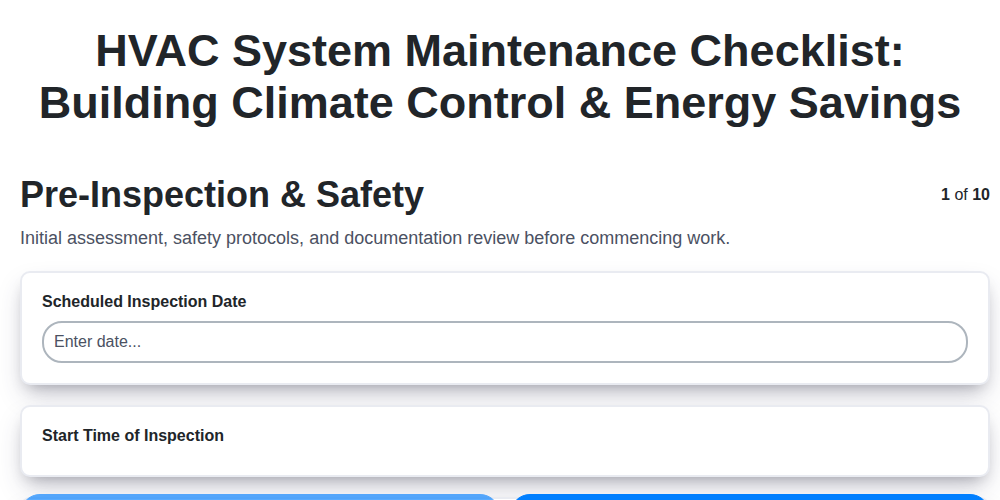
HVAC System Maintenance Checklist: Building Climate Control & Energy Savings
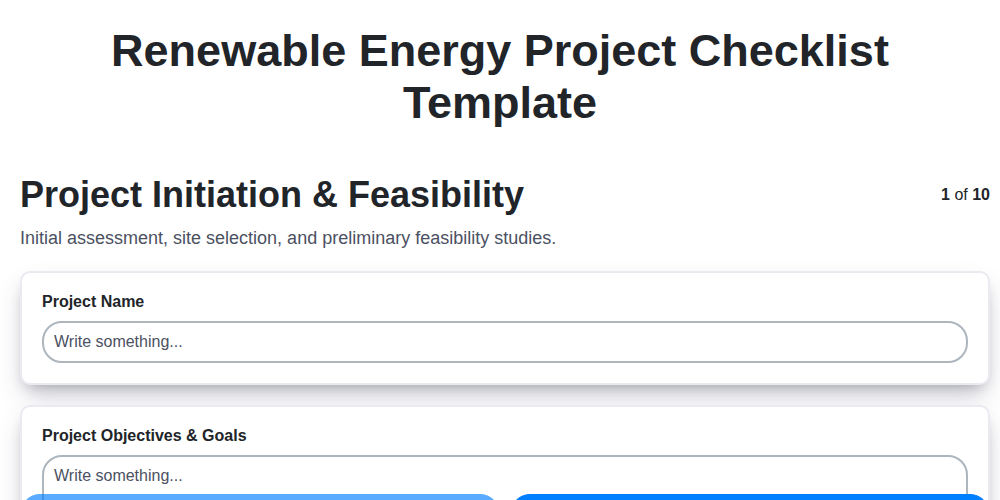
Renewable Energy Project Checklist Template
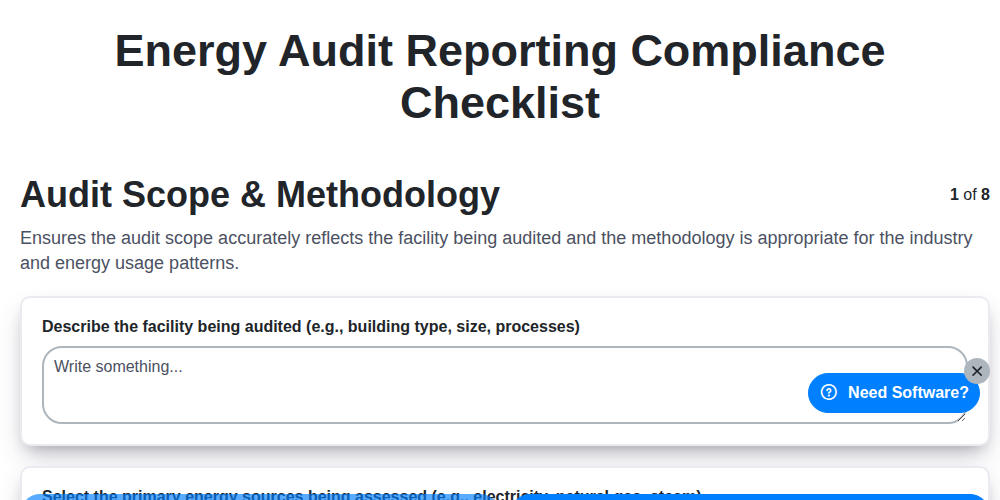
Energy Audit Reporting Compliance: Your Checklist for Success
Need help with
Energy?
Have a question? We're here to help. Please submit your inquiry, and we'll respond promptly.