Ensuring Reliability: Your Guide to an Energy Substation Inspection Checklist Template
Published: 12/05/2025 10:00 PM Updated: 12/14/2025 7:33 AM
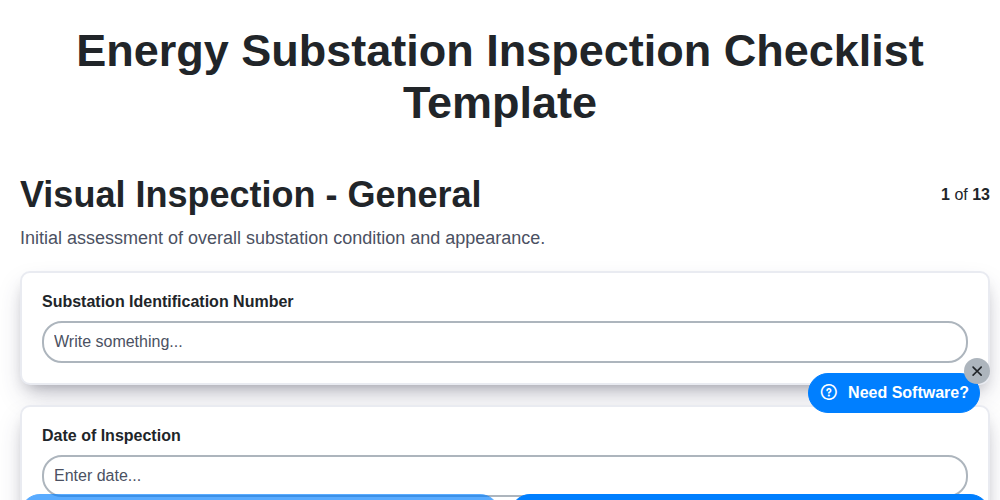
Table of Contents
- Why Regular Substation Inspections Matter
- Understanding the Scope of a Substation Inspection
- Introducing the Energy Substation Inspection Checklist Template
- Visual Inspection - General Overview
- Vegetation Management: Keeping the Area Clear
- Security Perimeter: Protecting Critical Infrastructure
- Transformers: Assessing Oil Levels and Condition
- Circuit Breakers: Functionality and Wear
- Disconnect Switches: Ensuring Proper Operation
- Busbars: Integrity and Corrosion Checks
- Insulators: Identifying Damage and Contamination
- Grounding System: A Critical Safety Component
- Control & Monitoring Systems: Data Accuracy and Performance
- Beyond the Basics: Emergency and Environmental Considerations
- Resources & Links
TLDR: Keep your energy substation running smoothly and safely! This checklist template guides you through key inspections - from vegetation control and security to transformers, breakers, and fire protection - ensuring compliance and preventing costly downtime. Download it to simplify your inspections and maintain peak performance.
Why Regular Substation Inspections Matter
Energy substations are the backbone of our power grid, silently and reliably delivering electricity to homes, businesses, and industries. However, their critical role means even minor issues, if left unaddressed, can lead to significant outages, safety hazards, and costly repairs. Regular, thorough inspections aren't just a good practice - they're absolutely essential for maintaining operational efficiency and preventing catastrophic failures.
Think of it this way: would you skip regular maintenance on your car? Substation equipment faces constant exposure to the elements - extreme temperatures, humidity, wildlife, and potential vandalism. These factors can degrade components over time, leading to corrosion, insulation breakdown, and mechanical failures.
A proactive inspection program, using a detailed checklist (like the one we're exploring!), allows you to identify potential problems before they escalate into major incidents. This translates to reduced downtime, lower maintenance costs, improved safety for personnel, and increased overall grid reliability. Ignoring these vital checks is a gamble you simply can't afford to take.
Understanding the Scope of a Substation Inspection
A thorough energy substation inspection isn't just about ticking boxes; it's a critical safeguard for reliable power delivery and safety. The scope of these inspections extends far beyond a simple walk-through. It encompasses a detailed assessment of numerous interconnected systems and components, each vital to the substation's overall function and resilience.
This checklist focuses on a comprehensive evaluation, covering everything from the visual condition of the site to the functionality of sophisticated control systems. We're not just looking for immediate failures; we're also assessing potential risks that could lead to downtime or safety hazards down the line. Understanding the 'why' behind each inspection point-why are we looking at vegetation, security, or transformer oil levels-is key to identifying subtle issues that preventative maintenance can address before they escalate into major problems. Ultimately, this rigorous inspection process ensures the continued performance and longevity of the substation, protecting the grid and the communities it serves.
Introducing the Energy Substation Inspection Checklist Template
Maintaining the reliability and safety of energy substations is paramount, and a robust inspection program is the cornerstone of that effort. This checklist template is designed to be a comprehensive guide for conducting thorough and consistent inspections, ensuring adherence to industry best practices and regulatory requirements. It's more than just a document; it's a structured process to proactively identify potential issues before they escalate into costly repairs or, worse, safety hazards.
This template covers a wide range of critical areas, from the overall visual condition of the substation to complex systems like emergency power and fire protection. It's built to be adaptable - easily customized to reflect the specific equipment and configurations of your individual substation. Whether you're a seasoned professional or relatively new to substation maintenance, this checklist will provide a clear roadmap for meticulous inspections and improved operational efficiency. Download it and start bolstering your substation's safety and performance today.
Visual Inspection - General Overview
A thorough visual inspection forms the cornerstone of any substation maintenance program. This initial assessment provides a broad overview of the facility's condition, revealing potential issues that might not be flagged by automated systems. This goes beyond a casual glance; it requires a systematic and detailed examination of all visible components. Look for signs of deterioration, damage, or unusual conditions. This includes, but isn't limited to: evidence of corrosion (rust, discoloration), physical damage (dents, cracks), leaks (oil, coolant), loose connections, and any signs of animal intrusion. Document all findings with photographs and detailed notes to ensure proper tracking and follow-up. Remember, what appears minor now could escalate into a significant problem if left unaddressed. This general overview sets the stage for the more focused inspections that follow.
Vegetation Management: Keeping the Area Clear
Maintaining a clear zone around substations is paramount for safety and reliable operation. Uncontrolled vegetation poses a significant threat - it can interfere with equipment access for maintenance, obstruct visual inspections, contribute to fire hazards, and even cause short circuits if branches come into contact with energized components.
This section of the inspection focuses on ensuring that vegetation is appropriately managed. Inspectors should look for:
- Tree and Shrub Growth: Are trees and shrubs within the designated clearance zone? Are they showing signs of encroachment on substation property?
- Grass and Weed Control: Is grass and weed growth kept to a manageable height? Overgrown vegetation can obstruct access and increase fire risk.
- Brush Clearing: Regularly clearing brush and small trees is crucial. Note any areas needing immediate attention.
- Inspection of Designated Buffer Zones: Verify that established buffer zones (if applicable) are maintained.
- Compliance with Vegetation Management Plans: Confirm that vegetation control efforts adhere to the substation's documented vegetation management plan, including scheduled trimming and removal programs.
- Evidence of Recent Maintenance: Look for signs of recent trimming or herbicide application, documenting dates and methods used.
Note any instances of excessive growth, dead or diseased trees, or areas requiring immediate corrective action. Documentation should include photographs and recommendations for vegetation removal or control.
Security Perimeter: Protecting Critical Infrastructure
The security perimeter is the first line of defense for any energy substation. A robust and regularly inspected perimeter safeguards against unauthorized access, vandalism, and potential threats. This checklist item focuses on verifying the effectiveness of that protection.
Key Checks Include:
- Fencing & Gates: Inspect for damage, corrosion, and proper closure. Ensure gates are securely latched and locking mechanisms function correctly. Document any breaches or weaknesses.
- Lighting: Verify adequate illumination around the perimeter, especially during nighttime hours. Test all lighting fixtures and replace any that are burned out or malfunctioning.
- Surveillance Systems (CCTV): Check camera positioning, lens cleanliness, and recording functionality. Confirm cameras are operational and capturing clear images. Review recorded footage periodically.
- Access Control Systems: Test card readers, biometric scanners (if applicable), and other access control measures. Verify logs are accurate and regularly reviewed.
- Signage: Ensure clear and visible signage indicating restricted access and warning of potential hazards.
- Patrol Routes & Frequency: Review patrol schedules and logs to ensure adequate security presence.
- Physical Barriers: Examine any additional barriers (e.g., bollards, vehicle barriers) for damage or displacement.
- Ground Sensors/Alarms: If installed, test functionality and check for false alarm issues.
A failure to adequately secure the perimeter can have catastrophic consequences, making this inspection a critical priority.
Transformers: Assessing Oil Levels and Condition
Transformers are critical assets, and their reliable operation hinges on the health of their oil. This section focuses on a thorough evaluation of transformer oil levels and condition, as any issues can lead to significant performance degradation and potential failure.
Oil Level Checks:
- Sight Glass Inspection: Verify oil levels within the sight glass. Levels should be within the marked 'normal' range, accounting for seasonal temperature variations. Note any deviations and investigate promptly.
- Expansion Tank: Confirm the proper function and integrity of the expansion tank. Ensure it's vented and not obstructed.
- Oil Gaps: Check for excessive oil gaps between the oil level and the tank walls, which could indicate leaks or internal issues.
Oil Condition Testing (Regular Schedule - as per manufacturer's recommendations):
- Dielectric Strength (Breakdown Voltage): Tests the insulating strength of the oil. Low values indicate contamination or degradation.
- Dissolved Gas Analysis (DGA): A critical test that identifies the presence and concentration of gases (hydrogen, methane, ethane, ethylene, etc.) dissolved in the oil. These gases are byproducts of various decomposition processes within the transformer, providing valuable insight into potential fault conditions (e.g., partial discharges, overheating). Requires lab analysis.
- Moisture Content: High moisture levels reduce oil's dielectric strength and can accelerate oxidation.
- Acidity (Neutralization Number): Elevated acidity indicates oil oxidation and potential corrosion of metal components.
- Interfacial Tension (IFT): Low IFT can indicate the presence of contaminants or oil degradation.
- Color: While subjective, significant darkening of the oil often suggests oxidation or contamination.
- Visual Inspection (for Sludge or Sediment): Check for visible signs of contamination or sludge accumulation at the bottom of the tank.
Documentation: Record all test results and observations in the inspection log. Any anomalies require immediate investigation and remedial action by qualified personnel.
Circuit Breakers: Functionality and Wear
Circuit breakers are the unsung heroes of an energy substation, providing critical protection against overloads and short circuits. Their reliable operation is paramount to maintaining grid stability and preventing equipment damage. This section of the inspection focuses on both their mechanical functionality and signs of wear and tear.
During inspection, thoroughly examine the operating mechanism - this includes the trip coil, springs, and linkages. Listen for unusual noises during manual operation. Record the trip time - it should be within manufacturer specifications. Look for signs of corrosion, oil leaks (for oil-filled breakers), or physical damage. The visual inspection should include the breaker's contacts; look for pitting, burning, or discoloration, which can indicate arcing and reduced conductivity.
Ensure the breaker's control wiring and auxiliary contacts are intact and properly connected. Verify that the breaker's status (open/closed/tripped) is accurately reported to the substation's control system. Document any instances of repeated tripping or unusually slow operation, as these could indicate underlying issues requiring further investigation and repair. Finally, check for proper lubrication according to the manufacturer's schedule.
Disconnect Switches: Ensuring Proper Operation
Disconnect switches, also known as isolation switches, play a critical role in substation safety and maintenance. Their primary function is to isolate electrical equipment for servicing or repair, ensuring personnel safety and preventing accidental energization. This section of the inspection checklist focuses on verifying their operational integrity.
Key Inspection Points:
- Physical Condition: Look for any signs of corrosion, physical damage, or deformation on the switch body, handle, and linkage mechanisms. Rust, cracks, or evidence of overheating are red flags.
- Handle and Linkage: Ensure the handle moves freely and smoothly throughout its full range of motion. Check for binding, excessive friction, or any signs of mechanical failure in the linkage. Lubrication should be adequate, and any signs of leakage or degradation should be noted.
- Switch Position Indication: Verify that the switch position indicator (e.g., a flag or painted markings) accurately reflects the actual switch position (open or closed). Misleading indicators can lead to dangerous situations.
- Contact Condition: If accessible and safe to do so (typically requires specialized equipment and training), visually inspect the switch contacts for signs of pitting, burning, or contamination. Poor contact condition increases resistance and heat generation.
- Operability Testing: Perform a complete cycle of opening and closing the disconnect switch, observing the ease of operation and confirming the correct position is achieved each time. Document any unusual noises or resistance during operation.
- Padlock Provisions: If applicable, check the integrity of padlock provisions and the condition of any existing padlocks.
Documentation: Detailed records of all findings, including photos, are crucial for tracking trends and planning preventative maintenance.
Busbars: Integrity and Corrosion Checks
Busbars are critical components within an energy substation, carrying high currents and demanding exceptional reliability. Thorough inspection of busbars is paramount to preventing catastrophic failures. This section focuses on identifying potential issues that can compromise their integrity.
Visual Inspection: Begin with a visual assessment for any signs of physical damage, including cracks, bends, or deformations. Look for evidence of overheating, such as discoloration or charring. Pay close attention to the busbar connections - loose connections are a significant hazard.
Corrosion Assessment: Corrosion is a primary concern. Examine the busbar surface for rust, pitting, or other signs of corrosion. Note the extent and severity of any corrosion observed. Differing metals in contact (bimetallic corrosion) should be specifically scrutinized. Document the presence of any corrosion inhibiting coatings and assess their condition - are they intact and effective? Look for signs of past repair work and evaluate its quality.
Insulation Integrity: Verify the condition of the busbar insulation. Look for cracks, chips, or other damage. Check for signs of moisture intrusion, which can accelerate corrosion and compromise insulation resistance. Consider using a megohmmeter to test insulation resistance periodically.
Fastener Inspection: Inspect all bolts, clamps, and other fasteners securing the busbars. Ensure they are properly tightened and free from corrosion. Look for signs of shear stress or fatigue.
Documentation: Meticulously document all findings related to busbar integrity and corrosion. Include photographs and detailed descriptions. Any anomalies should trigger immediate corrective action.
Insulators: Identifying Damage and Contamination
Insulators are the unsung heroes of an energy substation, silently ensuring the safe and reliable flow of electricity. Their integrity is paramount, and regular inspection is crucial for preventing failures. This section focuses on identifying common issues affecting insulator performance.
Visual Inspection: Look for visible cracks, chips, or signs of degradation on the insulator surface. Even seemingly minor damage can compromise its dielectric strength. Pay close attention to areas where insulators are exposed to weather and environmental factors.
Contamination Assessment: Contamination is a major culprit in insulator failure. Look for signs of:
- Dirt & Dust Accumulation: A general grimy appearance indicates a need for cleaning.
- Pollution: Observe for signs of industrial fallout, bird droppings, or algae growth. These can significantly reduce insulation strength.
- Salt Deposits: In coastal regions or areas where road salt is used, salt deposits are common and corrosive.
- Hydrophobicity Loss: Many modern insulators have a hydrophobic coating that repels water. Loss of this property, evidenced by water beading less effectively, is a critical warning sign and often indicates aging.
Specific Types & Considerations:
- Pin-Type Insulators: Check for cracks around the pin where the insulator is secured.
- Suspension Insulators: Examine each disc in the string for damage and proper alignment. A misaligned insulator can introduce stress points.
- Post Insulators: Evaluate the housing and porcelain/glass for cracks or damage.
Documentation: Record any observed contamination levels (light, moderate, heavy) and the type of contamination suspected. Detailed records help track insulator condition over time and inform cleaning and replacement strategies.
Grounding System: A Critical Safety Component
A robust grounding system is paramount for the safe and reliable operation of any energy substation. It provides a low-impedance path for fault currents to return to the source, minimizing the risk of damage to equipment and ensuring personnel safety. This section of the inspection checklist focuses on verifying the integrity and effectiveness of this vital system.
Key inspection points include:
- Grounding Electrode Verification: Confirm the grounding electrode (e.g., ground rods, ground grid) remains intact and adequately sized. Look for signs of corrosion, displacement, or damage.
- Grounding Conductor Integrity: Inspect all grounding conductors for corrosion, looseness, and physical damage. Ensure proper connections at each termination point. Use a torque wrench to verify proper torque specifications are met.
- Bonding Connections: Assess all bonding connections between equipment and the grounding system. These connections are crucial for equalizing potential and preventing voltage build-up.
- Resistance Testing: Conduct ground resistance measurements to ensure the system meets established performance criteria. Document readings and compare them to previous test results. Note any trends.
- Visual Assessment: Look for any signs of distress, such as cracked concrete around grounding electrodes, loose connections, or evidence of animal burrowing.
- Documentation Review: Confirm grounding system design documentation is up-to-date and accurately reflects the current configuration.
Control & Monitoring Systems: Data Accuracy and Performance
The integrity of a power substation hinges on the reliability of its control and monitoring systems. These systems, often SCADA (Supervisory Control and Data Acquisition) or similar platforms, provide operators with real-time data and allow for remote control and diagnostics. A thorough inspection here goes beyond simply verifying that the systems are operating; it's about ensuring the data they provide is accurate and the overall performance is optimal.
During inspection, confirm the following:
- Data Synchronization: Verify data synchronization between field devices (sensors, relays) and the central SCADA system. Look for timestamp discrepancies or communication errors.
- Communication Network Health: Assess the health of the communication network (fiber optic cables, wireless links) for signal loss or interference. Check cabling, connectors, and network devices.
- Software & Firmware Updates: Confirm that software and firmware are up-to-date to patch security vulnerabilities and improve functionality.
- Alarm Validation: Test alarm functionality by simulating conditions that trigger alerts. Ensure alarms are received, acknowledged, and routed correctly. Evaluate the clarity and accuracy of alarm messages.
- Human-Machine Interface (HMI) Review: Evaluate the HMI for usability, clarity of presentation, and accuracy of displayed information. Identify any areas for improvement.
- Cybersecurity Measures: Review access controls, authentication protocols, and firewall configurations to ensure robust cybersecurity posture. Document any observed vulnerabilities.
- Historical Data Integrity: Examine historical data logs for anomalies or missing records. Verify data retention policies are adhered to.
- Redundancy Testing: If redundant systems are in place, test failover procedures to ensure a seamless transition in case of primary system failure.
Beyond the Basics: Emergency and Environmental Considerations
Substation reliability isn't just about preventing immediate equipment failure; it's about safeguarding the surrounding environment and ensuring a swift response to unexpected events. This section of the inspection checklist digs deeper into those critical areas.
Emergency Power Systems: Verify the functionality of backup generators and Uninterruptible Power Supplies (UPS). Test automatic transfer switches to confirm seamless switching during power outages. Check fuel levels and overall system health. A failure here can cripple the entire grid.
Fire Protection Systems: Substation fires pose a significant threat. Inspect fire extinguishers, sprinkler systems, and fire detection alarms. Ensure they are properly maintained, charged, and readily accessible. Conduct periodic drills to familiarize personnel with emergency response procedures.
Environmental Compliance: Substations often have potential environmental impacts. This includes assessing oil containment systems for leaks (transformer oil is a major concern), verifying compliance with stormwater management plans, and checking for signs of wildlife intrusion or disturbance. Document any observed issues and ensure corrective actions are promptly implemented to minimize environmental risks. Regular audits and adherence to environmental regulations are paramount for responsible operation.
Resources & Links
- United States Environmental Protection Agency (EPA): Provides information and regulations regarding environmental compliance, which is critical for substation operations and inspection considerations, particularly concerning oil spills and transformer fluids. Relevant for 'Beyond the Basics: Emergency and Environmental Considerations' section.
- Occupational Safety and Health Administration (OSHA): Provides safety standards and regulations that are essential for substation inspections, including electrical safety, lockout/tagout procedures, and personal protective equipment (PPE). Vital for overall safety during inspections, especially the 'Grounding System' and general safety of technicians.
- Institute of Electrical and Electronics Engineers (IEEE): Offers technical standards and guidelines for power system equipment, including substations. Their standards are often referenced for best practices in substation maintenance and inspection. Useful for 'Transformers', 'Circuit Breakers', 'Disconnect Switches', 'Busbars', and 'Insulators' sections.
- American National Standards Institute (ANSI): ANSI develops standards, often in conjunction with IEEE, for electrical equipment and systems. Their standards provide a framework for safe and reliable operation. Supports multiple sections of the inspection checklist.
- Federal Energy Regulatory Commission (FERC): Regulates interstate transmission of electricity and provides guidance on grid reliability. While not directly an inspection resource, understanding FERC regulations helps ensure compliance. Important for the broader context of substation reliability.
- National Renewable Energy Laboratory (NREL): While primarily focused on renewable energy, NREL provides insights into the impact of increased renewable energy integration on grid infrastructure, which can affect substation operation and inspection needs. Relevant to future-proofing inspection considerations.
- EnergyBiz Magazine: Provides articles and insights into the power industry, including substation maintenance and reliability. Can offer a broader industry perspective. Helpful for understanding trends and challenges.
- Electrical World: Another industry publication focused on electrical engineering and power systems. Provides articles and technical information on substation maintenance and reliability, supporting several checklist items.
- ReliabilityFirst: Focuses on reliability in the Eastern Interconnection. Provides resources and data that can inform substation maintenance and inspection practices. Useful for understanding regional grid reliability concerns.
- The International Copper Association: Provides information and resources related to copper grounding systems, which is a critical safety component. Supports the 'Grounding System' section of the inspection checklist.
Frequently Asked Questions
What should I do if I discover a problem during an inspection?
Immediately report the issue to the appropriate personnel, document the finding thoroughly, and implement corrective actions promptly. Prioritize problems based on their potential impact on safety and system reliability.
Found this Article helpful?
Comments
There are no comments yet. Be the first to add one!
Energy Management Solution Demo
Managing operations, safety, and compliance in the energy sector is critical. ChecklistGuro's Work OS platform streamlines your workflow from exploration and production to distribution and maintenance. Enhance safety, improve efficiency, and ensure regulatory adherence. Discover how ChecklistGuro can transform your energy business!
Related Articles
Stay Compliant: Your Energy Metering Compliance Checklist Template
Unlock Savings: Your Complete Energy Efficiency Audit Checklist
Your Ultimate Energy Efficiency Audit Checklist Template
Power Through: Your Essential Energy Grid Outage Support Checklist
Oil & Gas Well Safety Inspection Checklist: Ensuring a Secure Operation
HVAC System Maintenance Checklist: Building Climate Control & Energy Savings
Renewable Energy Project Checklist Template
Energy Audit Reporting Compliance: Your Checklist for Success
We can do it Together
Need help with
Energy?
Have a question? We're here to help. Please submit your inquiry, and we'll respond promptly.