Farm Equipment Inspection & Maintenance Checklist Template
Published: 09/10/2025 Updated: 03/29/2026
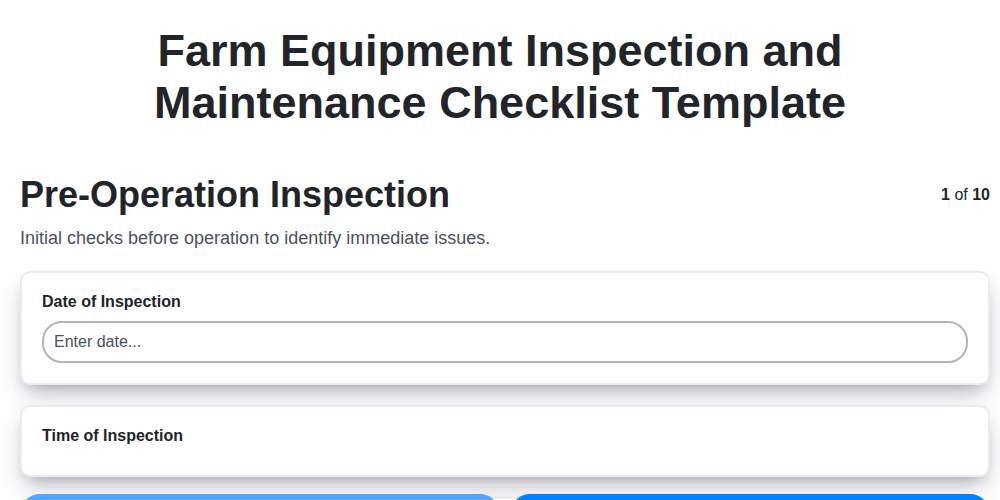
Table of Contents
- Why a Farm Equipment Inspection & Maintenance Checklist Matters
- Essential Pre-Operation Checks
- Deep Dive: Engine & Powerplant Maintenance
- Hydraulic System: Keeping the Power Flowing
- Tires & Tracks: Your Connection to the Field
- Implements & Attachments: Ensuring Efficient Operation
- Safety First: Prioritizing Farm Equipment Safety
- Lubrication & Fluids: The Lifeblood of Your Machines
- Electrical System Troubleshooting
- General Condition Assessment: Spotting Potential Issues
- Post-Operation Care: Simple Steps for Longevity
- Creating a Maintenance Log: Tracking Your Progress
- Understanding Your Equipment Manuals
- Customizing Your Checklist: Tailoring it to Your Farm
- Resources & Links
TLDR: Keep your farm running smoothly! This free checklist template guides you through essential inspections and maintenance for your equipment (tractors, combines, etc.), covering everything from engine checks to safety gear. Tailor it to your specific machines, follow manufacturer's recommendations, and keep detailed records to prevent breakdowns and maximize equipment lifespan.
Why a Farm Equipment Inspection & Maintenance Checklist Matters
Beyond just a formality, a well-executed inspection and maintenance checklist is a vital investment in your farm's productivity and profitability. Think of it as preventative medicine for your machinery. Neglecting routine checks often leads to small issues snowballing into major, costly breakdowns during critical planting or harvest seasons. Imagine the frustration - and the financial hit - of a combine failing in the middle of wheat harvest.
A checklist provides a structured approach, ensuring that every critical component receives the attention it deserves. It moves beyond a reactive "fix it when it breaks" mentality to a proactive strategy that minimizes downtime, extends equipment lifespan, and maximizes return on investment. Furthermore, a documented checklist provides a valuable record for warranty claims, resale value, and understanding the history of your equipment. It's not just about keeping things running; it's about maximizing efficiency and minimizing risk.
Essential Pre-Operation Checks
Before you even fire up the engine, a few quick checks can save you a world of trouble later. These pre-operation checks are your first line of defense against breakdowns and unexpected repairs. Start with a thorough visual inspection - walk around the machine, looking for any obvious signs of damage, leaks (oil, coolant, hydraulic fluid), or loose connections. Pay close attention to the tires or tracks; check for cuts, bulges, or uneven wear. Next, check all fluid levels - engine oil, coolant, hydraulic fluid, and fuel - ensuring they're within the recommended ranges. Don't forget to inspect the safety equipment: make sure lights are functioning correctly, mirrors are clean and properly adjusted, and that any Roll-Over Protective Structure (ROPS) is securely in place. Finally, briefly test the controls - levers, buttons, and gauges - to confirm they're responding as expected. Taking these few extra minutes upfront can significantly reduce the risk of problems down the road.
Deep Dive: Engine & Powerplant Maintenance
The engine is the heart of your farm equipment, so its care demands a more detailed approach. Neglecting engine maintenance can lead to catastrophic failures and costly downtime. Here's a closer look at critical inspection points and maintenance tasks:
Air Filtration is Key: A clean air filter is vital for engine efficiency and longevity. Dirty filters restrict airflow, forcing the engine to work harder and reducing power. Inspect the air filter regularly (at least every 50 hours of operation, more often in dusty conditions). Clean reusable filters with compressed air, following the manufacturer's instructions. Replace disposable filters as needed.
Fuel System Vigilance: Contaminated fuel can wreak havoc on your engine. Regularly inspect the fuel filter - replace it according to the manufacturer's schedule. Drain any accumulated water from the fuel tank. Be mindful of fuel quality and storage practices to prevent issues.
Belt and Hose Integrity: Belts and hoses deteriorate over time, becoming brittle and prone to cracking. Visually inspect all belts and hoses for signs of wear, cracks, or leaks. Pay close attention to the condition of the belts driving the alternator, power steering pump, and air conditioning compressor. Replace worn or damaged belts and hoses immediately. Ensure proper tension to prevent premature wear.
Coolant System Care: Maintaining the correct coolant level and condition is crucial for preventing overheating. Check the coolant level regularly, especially during hot weather. Flush and replace the coolant according to the manufacturer's recommendations - typically every two years. Inspect the radiator for leaks or blockages.
Oil Analysis: A Proactive Step: Consider sending oil samples for laboratory analysis. This provides valuable insights into engine wear and identifies potential problems before they become major issues. A simple test can reveal the presence of metal particles, indicating excessive wear on critical engine components.
Exhaust System Inspection: Inspect the exhaust system for leaks, corrosion, and damage to the muffler and catalytic converter (if equipped). Exhaust leaks can be dangerous, posing a carbon monoxide hazard.
Hydraulic System: Keeping the Power Flowing
Hydraulic systems are the workhorses of modern farm machinery, powering everything from lifts and steering to implements and conveyors. A failure here can bring your operation to a standstill, so regular inspection and maintenance are critical.
Start by visually inspecting all hoses and fittings for signs of leaks, cracks, or abrasion. Even a small drip can indicate a problem that will worsen over time. Pay close attention to hose connections - chafing against metal surfaces is a common cause of failure. Check the hydraulic fluid reservoir level; low levels often point to leaks elsewhere in the system.
Monitor the condition of your hydraulic fluid itself. It should be clean and free of debris. Dark, cloudy, or foamy fluid can indicate contamination or internal wear. Regularly check hydraulic cylinders for smooth operation and look for any signs of leakage around the seals. Inspect the hydraulic pump for unusual noises, which might signal impending failure. Finally, ensure all filters are clean and replaced according to the manufacturer's recommendations - these are your first line of defense against contamination. Ignoring these simple checks can lead to costly repairs and unexpected downtime.
Tires & Tracks: Your Connection to the Field
Your tires and tracks are the only things separating your equipment from the field - they're the crucial link that translates power into productivity. Neglecting them can lead to costly downtime, reduced fuel efficiency, and even damage to the terrain you're working. Here's what to check:
Tires: Regularly inspect tire pressure, aiming for the manufacturer's recommended PSI. Underinflation leads to excessive heat buildup, sidewall damage, and increased fuel consumption. Overinflation creates a harsher ride and can cause damage to the tire's crown. Visually scan for cuts, bulges, and uneven wear patterns. These can indicate underlying issues like misaligned wheels or rocks impacting the tire. Don't forget to check the tire's age; rubber degrades over time, even if the tire hasn't been used extensively.
Tracks (for tracked vehicles): Track tension is paramount. Too loose, and you risk track slippage and excessive wear on drive components. Too tight, and you're putting strain on the motor and bushings. Regularly check track tension according to the manufacturer's guidelines, and adjust as needed. Inspect track belts for damage, missing cleats, or uneven wear. Also, check the condition of the idler wheels and sprockets, as wear here can affect track performance and longevity. Keeping the tracks clean of debris is also vital for smooth operation.
Implements & Attachments: Ensuring Efficient Operation
Your tractor is only as effective as the implements it's pulling or the attachments it's using. Regularly inspecting and maintaining these crucial components is key to maximizing productivity and preventing costly downtime.
Start with a thorough visual inspection. Look for cracks, wear, or damage to the implement's frame, tines, or cutting edges. Pay close attention to welds - these are common failure points. Check the condition of any wear plates or replaceable parts, and replace them as needed to prevent accelerated wear on the main structure.
Hydraulic connections are vital for many implements - planters, sprayers, and tillage tools often rely heavily on hydraulic power. Inspect all hoses and fittings for leaks, cracks, and proper connections. A simple drip can escalate into a major hydraulic failure. Tighten connections as needed and replace any damaged hoses immediately.
Lubrication is another crucial element. Pivot points, bearings, and linkages on implements often require regular greasing. Consult the manufacturer's recommendations for lubrication schedules and use the correct type of grease. Neglecting lubrication can lead to stiff operation, increased wear, and ultimately, implement failure.
Finally, ensure the implement is properly matched to the tractor's horsepower and weight capacity. Operating beyond these limits can damage both the tractor and the implement. Regularly check for correct hitch alignment and secure locking mechanisms. Remember, a well-maintained implement translates directly to improved efficiency and reduced operating costs.
Safety First: Prioritizing Farm Equipment Safety
Farm equipment can be incredibly powerful and, if not handled with care, presents significant safety risks. Operating machinery safely isn't just about following regulations; it's about protecting yourself, your employees, and those around you. Before any operation, conduct a thorough visual inspection. Look for damaged guards, loose connections, and any signs of wear or malfunction. Ensure all safety devices, like ROPS (Roll-Over Protective Structures) are in perfect working order and properly utilized. Never bypass or disable safety features - they're there for a reason.
Beyond the immediate operation, prioritize operator training. Ensure everyone using the equipment is fully competent and understands the potential hazards involved. Clear communication is essential; establish hand signals or verbal cues to coordinate activities, especially during tasks like attaching implements. Regularly review safety procedures and update them as needed to address new equipment or changing conditions. Remember, a proactive approach to safety is the best way to prevent accidents and keep your farm running smoothly and securely.
Lubrication & Fluids: The Lifeblood of Your Machines
Think of your farm equipment as a complex organism - it needs consistent nourishment to thrive. That nourishment comes in the form of proper lubrication and fluid management. Neglecting these areas is a surefire path to accelerated wear and tear, costly repairs, and reduced machine lifespan.
Let's break down the key fluids and lubrication points you need to be aware of:
Engine Oil: The Foundation of Engine Health Regular oil changes are paramount. Consult your manufacturer's recommendations for the correct oil type and change interval - this varies greatly depending on the engine and operating conditions. Dirty or low oil leads to increased friction, overheating, and eventual engine failure.
Hydraulic Fluid: Powering Your Operations Hydraulic systems rely on fluid to transmit power. Keeping the fluid clean and at the correct level is essential for smooth operation of implements and attachments. Regularly check for leaks and ensure the fluid meets the manufacturer's specifications. Consider hydraulic fluid analysis to identify potential issues before they become major problems.
Transmission Fluid: The heart of power transfer. Like engine oil, transmission fluid needs to be changed at the manufacturer's recommended intervals. Neglecting this leads to slipping, rough shifting, and ultimately, transmission failure.
Grease: Don't underestimate the power of grease! Regularly grease all fittings-pivot points, bearings, and linkages-to reduce friction and prevent corrosion. A well-greased machine operates more efficiently and quietly.
Coolant: Maintaining proper coolant levels prevents overheating and protects engine components from corrosion. Flush and replace coolant according to the manufacturer's schedule.
Beyond the Basics:
- Fluid Analysis: Consider periodic fluid analysis to gain insights into the condition of your fluids and identify potential problems early on.
- Top-Ups: Regularly check fluid levels and top up as needed. Consistent low levels indicate a potential leak that needs investigation.
- Storage: Store lubricants properly to prevent contamination and degradation.
Electrical System Troubleshooting
Electrical issues can quickly bring your farm equipment to a standstill, and diagnosing them can be tricky. While some problems are obvious (a blown fuse), others require a more methodical approach. Here's a breakdown of common electrical issues and how to troubleshoot them, remembering safety is paramount - always disconnect the battery before working on electrical components.
1. Dead Battery or Slow Cranking:
- Check Connections: Start with the basics - are the battery terminals clean and securely connected? Corrosion can impede current flow.
- Voltage Test: Use a multimeter to check the battery's voltage. A fully charged battery should read around 12.6 volts. Anything below 12 volts indicates a potential charging issue or a failing battery.
- Charging System Test: With the engine running, check the alternator's output voltage. It should be between 13.5 and 14.5 volts. Low voltage indicates a faulty alternator or regulator.
- Starter Motor: If the battery and charging system are good, suspect the starter motor. Listen for a clicking sound when attempting to start - this suggests a solenoid problem.
2. Lights Not Working:
- Fuses: Check the fuse box for blown fuses. Replace any blown fuses with the correct amperage rating. Important: A repeatedly blown fuse indicates an underlying short circuit.
- Wiring: Inspect wiring harnesses for damage, cuts, or corrosion. Pay particular attention to areas where wires pass through metal brackets or rub against moving parts.
- Switches: Test headlight, taillight, and turn signal switches.
3. Instrument Panel Issues:
- Grounding: Instrument panel problems are often caused by poor grounding. Check ground connections for corrosion and looseness.
- Wiring Harness: Inspect the wiring harness for damage, especially near connectors.
- Sensors: Faulty sensors can cause inaccurate readings or complete instrument failure. Consult the service manual for sensor troubleshooting procedures.
4. Ignition Problems:
- Ignition Coil: A faulty ignition coil can cause misfires and engine performance issues.
- Spark Plugs: Inspect spark plugs for wear and fouling. Replace as needed.
- Ignition Module: The ignition module controls the firing of the spark plugs. A faulty module can cause complete ignition failure.
Safety Reminder: Electricity can be dangerous. If you are not comfortable working with electrical systems, consult a qualified technician. Always disconnect the battery before working on any electrical components. Use appropriate personal protective equipment (PPE) and follow all safety precautions outlined in the equipment's service manual.
General Condition Assessment: Spotting Potential Issues
Beyond the specific systems we're checking, a keen eye for the overall condition of your equipment is invaluable. This isn't about following a rigid procedure; it's about developing a feel for what's "right" and recognizing subtle deviations.
Start with a thorough visual sweep. Look for anything unusual - unexpected noises, vibrations, or changes in performance. Is the machine operating smoothly, or are there hesitations or jerky movements? Pay attention to the smell; unusual odors can be a telltale sign of leaks or overheating.
Rust and corrosion are early warning signs. While some surface rust is inevitable, excessive or accelerating corrosion indicates a problem - perhaps a compromised paint job, poor drainage, or exposure to harsh chemicals. Address it promptly to prevent structural damage.
Examine paint and protective coatings. While cosmetic, deterioration often signifies underlying issues. Chipped paint can expose metal to the elements, accelerating rust and weakening components.
Regularly check for loose or missing fasteners. Vibration and stress can cause bolts to loosen over time, potentially leading to component failure. A quick check for tightness can prevent a major breakdown.
Finally, listen to your equipment. Changes in the sounds it makes-a new whine, a louder clunk, a persistent rattle-can signal developing problems that require investigation. Don't ignore these cues; they's your equipment's way of telling you something's not quite right.
Post-Operation Care: Simple Steps for Longevity
After a long day in the field, it's tempting to park your equipment and call it a day. However, those few extra minutes dedicated to post-operation care can significantly extend the life of your machines and prevent costly repairs down the line. Think of it as an investment in their future performance.
Here's what you should be doing every time you finish using a piece of farm equipment:
- Clean Thoroughly: This is the most crucial step. Dirt, mud, plant debris, and chemicals can accelerate corrosion and damage sensitive components. Use compressed air, brushes, and water (avoiding high pressure on seals) to remove all visible debris from the engine compartment, undercarriage, tires/tracks, and implements.
- Quick Visual Inspection: Take a few minutes to visually scan the machine. Look for any signs of leaks (oil, coolant, hydraulic fluid), damaged hoses or belts, or unusual wear. Note anything concerning for a more detailed inspection later.
- Check Tire/Track Pressure: Briefly check tire or track pressure. Significant pressure loss indicates a potential leak that needs addressing promptly.
- Secure Storage: Park equipment in a secure location, ideally under cover, to protect it from the elements.
- Report Concerns: If you notice anything unusual during the post-operation inspection, make a note of it for a more thorough check by a qualified technician. Don't ignore those nagging feelings-they could be early warning signs of a bigger problem.
Creating a Maintenance Log: Tracking Your Progress
A well-maintained farm isn't just about ticking boxes on a checklist; it's about knowing the history of your equipment. That's where a maintenance log becomes invaluable. It's more than just a record; it's a story of your farm's mechanical health.
Think of it as a diary for your tractors, combines, and planters. Each entry should document the date, the equipment involved, the task performed (e.g., Oil change - Engine A, Hydraulic hose replacement - Sprayer B), the parts used (including part numbers!), and who performed the work. Digital logs are fantastic for searchability and sharing, but even a simple notebook works wonders.
Why is this so important? Firstly, it helps you track adherence to the manufacturer's recommended maintenance schedules. Secondly, it identifies recurring problems - a pattern of overheating or a consistently failing component points to a deeper issue that needs investigation. Finally, a comprehensive logbook significantly increases the resale value of your equipment and can be crucial for warranty claims. Don't underestimate the power of a well-documented history.
Understanding Your Equipment Manuals
Your equipment manuals are the single most valuable resource you have for keeping your farm machinery running smoothly. Think of them as blueprints for your machines - they contain critical information on everything from recommended maintenance schedules and fluid specifications to troubleshooting procedures and safety precautions. Far too often, these manuals end up buried in a toolbox or forgotten entirely.
Don't make that mistake! Take the time to familiarize yourself with your equipment manuals before you encounter a problem. Understand where to find information on lubrication points, filter changes, and potential warning signs. Many manuals include detailed diagrams and exploded views that can be incredibly helpful when performing repairs. Furthermore, they outline specific safety protocols you must follow to avoid injury. Remember, the manufacturer knows their equipment best; their recommendations are designed to maximize performance, longevity, and, most importantly, your safety. Keep them accessible, organized, and actively use them as your primary guide for all maintenance and repair tasks.
Customizing Your Checklist: Tailoring it to Your Farm
No two farms are exactly alike. Your soil type, climate, typical workload, and the age and type of equipment you operate will all influence the specific maintenance needs of your machinery. That's why a generic checklist, while a great starting point, needs to be customized to truly be effective.
Here's how to tailor our template to your farm's unique requirements:
- Equipment-Specific Tasks: Consult your equipment manuals! These are the definitive guides. Add any tasks listed there that aren't already in our template. For example, a sprayer might need nozzle inspection and calibration, while a planter needs seed level checks.
- Workload Considerations: If you're putting heavy hours on a piece of equipment during planting or harvest, increase the frequency of checks for wear items like belts, hoses, and filters.
- Environmental Factors: Farms in dusty or muddy environments will need more frequent air filter replacements and undercarriage cleaning. Coastal farms may require extra attention to corrosion prevention.
- Age & Condition: Older equipment generally needs more frequent inspections and maintenance. Factor in the age and overall condition of your machines when adjusting intervals. If a machine is consistently experiencing issues, shorten the inspection schedule.
- Operator Input: Encourage your operators to provide feedback. They's often the first to notice subtle changes or unusual noises that indicate a potential problem. Create a system for them to easily report these observations.
- Record Keeping & Iteration: Regularly review your checklist and maintenance logs. If you find certain tasks are consistently being skipped or are unnecessary, adjust the checklist accordingly. Your checklist should evolve with your farm's needs.
Resources & Links
- John Deere: A leading manufacturer of agricultural machinery. Their website offers resources, manuals, and support for their equipment, invaluable for understanding specific maintenance procedures.
- Case IH: Another major agricultural equipment manufacturer. Provides manuals, parts information, and advice on maintaining their machinery. Good for comparison and alternative solutions.
- Kubota: Kubota offers a wide range of agricultural equipment, and their website provides a comprehensive selection of resources, including maintenance tips, dealer locations, and parts information.
- Tractor Supply Co.: A retailer offering a broad selection of parts, tools, and supplies for farm equipment maintenance, from lubricants and filters to diagnostic tools.
- Farm Parts: Online retailer specializing in replacement parts for a wide variety of farm equipment brands. Useful for identifying needed components when issues are discovered.
- Machinery Zone: A good resource for finding repair manuals, parts diagrams and technical information related to agricultural equipment. Helpful when diving into more complex repairs.
- AgDirect: Provides access to parts and equipment information and financing options. A valuable resource for finding and purchasing necessary parts for your machines.
- Alabama Cooperative Extension System (Agriculture): Many state extension services (like Alabama's) provide valuable articles, guides, and checklists related to farm equipment maintenance, often tailored to regional needs.
- USDA Natural Resources Conservation Service: While not exclusively about equipment maintenance, the NRCS provides resources and best practices that can help farmers manage their equipment and operations sustainably.
- Reliable Plant: Offers a wide range of information and resources on preventative maintenance strategies applicable to various industries, including agriculture. Provides broader context for maintenance practices.
- Occupational Safety and Health Administration (OSHA): Provides crucial information and guidelines on farm equipment safety, ensuring a safe working environment for operators and maintenance personnel.
- TractorByNet Forums: An online forum dedicated to tractors and farm equipment. Provides a platform for discussions, troubleshooting tips, and shared experiences among farmers and mechanics.
Frequently Asked Questions
What is this Farm Equipment Inspection & Maintenance Checklist Template for?
This template is designed to help farmers and equipment operators systematically inspect and maintain their farm equipment, helping to prevent breakdowns, extend equipment lifespan, and ensure safe operation.
Who should use this checklist?
This checklist is beneficial for farmers, equipment operators, mechanics, and anyone responsible for the upkeep of farm machinery, including tractors, combines, planters, sprayers, and other essential equipment.
What types of equipment does this checklist cover?
The template is versatile and can be adapted to cover a wide range of farm equipment. While it provides general categories, you'll need to customize it to fit the specifics of your equipment.
How do I customize the checklist?
The template is designed to be editable. You can add or remove inspection items, adjust frequencies (daily, weekly, monthly, annually), and add notes specific to your equipment's make and model.
What does 'Severity' refer to in the checklist?
'Severity' indicates the potential impact of a maintenance issue. 'Critical' means immediate attention is needed, 'High' requires prompt repair, 'Moderate' needs to be addressed soon, and 'Low' can be monitored.
What is the difference between 'Inspection' and 'Maintenance' in the checklist?
'Inspection' refers to visual checks and assessments to identify potential problems. 'Maintenance' involves performing necessary repairs or adjustments to keep the equipment in optimal condition.
How often should I use the checklist?
The recommended frequency is based on equipment usage and manufacturer recommendations. Use the template as a guide and adjust based on your operational needs. A regular schedule is key.
Can I print this checklist?
Yes, the checklist is designed to be easily printed for use in the field or workshop. You can print individual pages or the entire document.
Is there a digital version of this checklist?
The template is typically provided in a format (like Excel or PDF) that allows for digital use, enabling you to track maintenance records electronically and potentially integrate with farm management software.
What are the benefits of using a maintenance checklist?
Regular use of a maintenance checklist can reduce downtime, lower repair costs, improve equipment performance, increase safety, and potentially extend the life of your equipment.
Comments
There are no comments yet. Be the first to add one!
Audit/Inspection Management Solution Demo
Ensure compliance & improve performance! ChecklistGuro streamlines audit/inspection creation, execution, and reporting. Reduce risk, enhance quality, & maintain consistency. Manage it all with our Work OS.
Related Articles
Restaurant Kitchen Safety Inspection Checklist Template
The Ultimate Brewery Equipment Sanitation & Safety Checklist Template
Wind Turbine Inspection Checklist Template: Your Comprehensive Guide
The Ultimate Apartment Building Maintenance Inspection Checklist Template
Your Essential Guide to a Manufacturing Quality Control Inspection Checklist
The Ultimate Solar Panel Inspection Checklist Template
Your Ultimate HVAC Inspection Checklist Template
The Ultimate Data Center Inspection Checklist Template
We can do it Together
Need help with
Inspection Management?
Have a question? We're here to help. Please submit your inquiry, and we'll respond promptly.