Ensuring Grid Reliability: Your Compliance Checklist Template Guide
Published: 12/05/2025 Updated: 07/02/2026
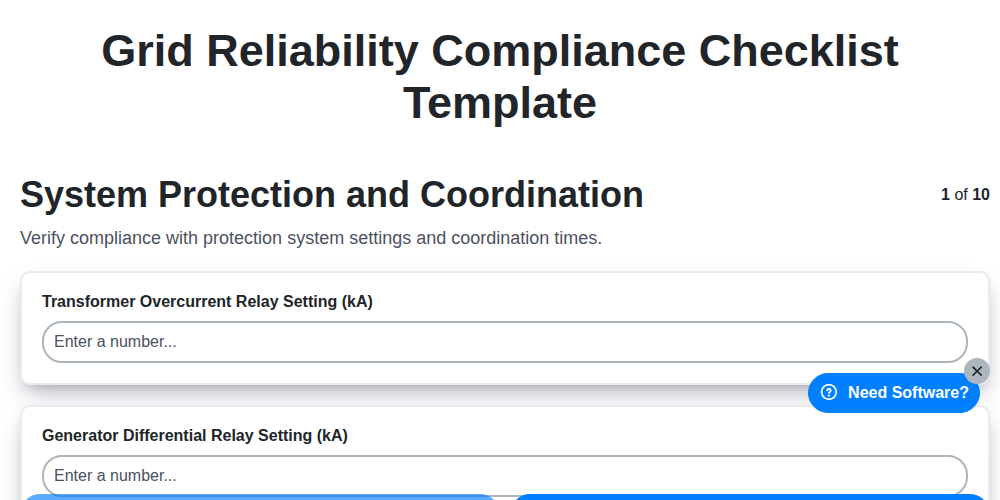
Table of Contents
- Introduction: Why Grid Reliability Compliance Matters
- 1. System Protection and Coordination: Safeguarding Against Faults
- 2. Voltage and Frequency Compliance: Maintaining Stable Operations
- 3. Equipment Condition Assessment: Proactive Maintenance for Longevity
- 4. Cybersecurity Protocols: Protecting the Grid from Digital Threats
- 5. Emergency Response Procedures: Preparedness is Key
- 6. Data Reporting and Documentation: Accurate Records for Transparency
- 7. Regulatory Updates and Training: Staying Ahead of the Curve
- 8. Transmission Line Inspections: Ensuring Safe and Efficient Transport
- 9. Substation Maintenance: The Backbone of Grid Stability
- 10. Communication System Reliability: Keeping the Lines Open
- 11. Checklist Template Overview: Your Step-by-Step Guide
- 12. Common Compliance Challenges and Solutions
- 13. Leveraging Technology for Improved Compliance
- Conclusion: A Reliable Grid for a Sustainable Future
- Resources & Links
TLDR: Keeping the power on reliably is tough! This checklist template gives you a ready-made guide to cover critical areas like system protection, cybersecurity, maintenance, and regulatory updates. It's your shortcut to staying compliant and avoiding costly outages - a must-have for any grid operator.
Introduction: Why Grid Reliability Compliance Matters
The modern power grid is a complex and vital infrastructure, underpinning nearly every aspect of our lives. From hospitals and schools to businesses and homes, we rely on a consistent and reliable flow of electricity. Maintaining that reliability isn't just about keeping the lights on; it's about safety, economic stability, and public health.
Non-compliance with grid reliability standards can lead to catastrophic consequences - widespread blackouts, equipment failures, and even potential threats to life. Regulatory bodies like NERC (North American Electric Reliability Corporation) have established stringent guidelines to mitigate these risks, demanding rigorous adherence to specific protocols and practices.
This isn't just about avoiding penalties; it's about fostering a culture of proactive risk management. A robust compliance program demonstrates a commitment to operational excellence, builds stakeholder trust, and ultimately safeguards the grid for the future. Ignoring these critical areas can expose your organization to significant financial, legal, and reputational damage. This checklist is designed to provide a comprehensive framework for ensuring your operations meet these essential standards.
1. System Protection and Coordination: Safeguarding Against Faults
A robust system protection and coordination scheme is the first line of defense against widespread outages and equipment damage. This isn't just about having relays; it's about meticulously planned and regularly tested processes. Here's what this section of your checklist should cover:
- Relay Settings Verification: Regularly review and validate relay settings against current system conditions and protection schemes. This includes time-distance coordination studies to ensure proper tripping sequences.
- Protective Device Testing: Schedule and execute periodic testing of all protective devices (relays, circuit breakers, fuses) to confirm functionality. Document test results, noting any deviations from expected behavior.
- Fault Current Analysis (FCA): Conduct comprehensive FCAs to accurately determine fault currents for proper relay coordination and breaker sizing. Recalculate FCAs whenever significant system changes occur (new generation, load increases, etc.).
- Coordination Studies: Regularly perform coordination studies to ensure protective devices operate in the intended sequence during fault conditions. Analyze potential coordination failures and implement corrective actions.
- Grounding System Integrity: Verify the integrity of your grounding system. A faulty grounding system can compromise the effectiveness of protective devices.
- Arc Flash Hazard Analysis: Conduct and update arc flash hazard analyses to minimize risks to personnel.
2. Voltage and Frequency Compliance: Maintaining Stable Operations
Maintaining consistent voltage and frequency is absolutely critical for grid reliability. Deviations, even short ones, can trigger cascading failures and widespread outages. This section of your compliance checklist focuses on ensuring your system operates within acceptable limits and responds appropriately to fluctuations.
Here's what this segment should cover:
- Voltage Profile Monitoring: Implement continuous monitoring of voltage levels across your system, identifying areas of concern and potential vulnerabilities. Record data regularly and establish baseline values.
- Frequency Deviation Management: Have protocols in place to react to frequency deviations. This includes automatic generation control (AGC) systems, load shedding procedures, and contingency plans for dealing with unexpected frequency changes.
- Reactive Power Management: Reactive power significantly impacts voltage stability. Regularly assess and adjust reactive power resources (capacitors, reactors, synchronous condensers) to maintain voltage within acceptable ranges.
- Harmonic Distortion Analysis: Excessive harmonic distortion can cause voltage and frequency instability. Conduct periodic harmonic analysis and implement mitigation strategies if necessary.
- Voltage Sag/Dip & Swell Mitigation: Identify potential causes of voltage sags, swells, and short duration power interruptions. Implement measures like ride-through capabilities for renewable energy sources or voltage regulation equipment to minimize impact.
- Compliance with Standards: Ensure adherence to relevant industry standards and grid codes regarding voltage and frequency limits. Document your compliance efforts.
Regular review of voltage and frequency data, along with appropriate corrective actions, are paramount to robust grid reliability.
3. Equipment Condition Assessment: Proactive Maintenance for Longevity
Reliable grid operation hinges on the consistent and predictable performance of your equipment. Reactive repairs are costly, disruptive, and can lead to cascading failures. That's why a robust Equipment Condition Assessment (ECA) program is critical. This isn't just about annual inspections; it's about understanding the health of your assets and proactively addressing potential issues before they impact grid stability.
Our checklist template emphasizes a data-driven approach to ECA. This includes scheduled inspections utilizing techniques like:
- Infrared Thermography: Identifying hotspots in transformers, connections, and switchgear, indicating potential overload or loose connections.
- Ultrasonic Testing: Detecting internal flaws in conductors and insulation without visual disruption.
- Oil Analysis: Monitoring transformer oil for contaminants, moisture, and degradation, crucial for transformer life extension.
- Vibration Analysis: Assessing rotating equipment like generators and motors, pinpointing imbalances and bearing issues.
- Visual Inspections: Thorough checks for physical damage, corrosion, and signs of distress.
The data collected from these assessments should be meticulously recorded and trended. This allows you to predict future maintenance needs, optimize replacement schedules, and extend the lifespan of your vital equipment. Don't wait for equipment to fail - anticipate, assess, and act.
4. Cybersecurity Protocols: Protecting the Grid from Digital Threats
The modern power grid is increasingly reliant on digital systems for monitoring, control, and optimization. This interconnectedness, while offering numerous benefits, also introduces significant cybersecurity risks. A successful cyberattack could have devastating consequences, leading to widespread blackouts, equipment damage, and compromised safety. This section of your grid reliability compliance checklist focuses on establishing and maintaining robust cybersecurity protocols.
Here's what this checklist item should encompass:
- Risk Assessments: Regularly conduct comprehensive cybersecurity risk assessments to identify vulnerabilities and potential threats. These assessments should consider both internal and external risks.
- Network Segmentation: Implement network segmentation to isolate critical grid infrastructure from less secure networks, limiting the potential impact of a breach.
- Access Controls: Enforce strict access controls based on the principle of least privilege. Multi-factor authentication should be mandatory for all users accessing critical systems.
- Intrusion Detection and Prevention Systems (IDPS): Deploy and maintain IDPS to monitor network traffic for suspicious activity and automatically block or alert on threats.
- Patch Management: Establish a rigorous patch management process to ensure timely updates and security fixes for all systems and software.
- Endpoint Security: Utilize endpoint detection and response (EDR) solutions on all grid-connected devices to detect and respond to threats in real-time.
- Incident Response Plan: Develop and regularly test a comprehensive incident response plan outlining procedures for detecting, containing, eradicating, and recovering from cyberattacks.
- Vendor Risk Management: Evaluate the cybersecurity practices of all vendors and third-party providers accessing grid infrastructure.
- Security Awareness Training: Provide ongoing security awareness training for all personnel to educate them about common threats and best practices.
- Physical Security: Do not overlook the importance of physical security measures to prevent unauthorized access to critical infrastructure.
5. Emergency Response Procedures: Preparedness is Key
Grid reliability isn't just about preventing failures; it's also about effectively managing them when they inevitably occur. A robust emergency response plan is absolutely critical for minimizing damage, protecting personnel, and restoring service quickly. This isn't a document to file away - it's a living procedure that demands regular review and practice.
Your checklist should include verification points for:
- Clearly Defined Roles & Responsibilities: Who is responsible for what during different emergency scenarios (e.g., severe weather, equipment failure, cyberattack)? Ensure everyone knows their role and has the authority to act.
- Communication Protocols: Establish redundant communication channels (radio, satellite, phone, emergency messaging systems) and pre-defined contact lists. Practice using them! What happens when cell service is unavailable?
- Evacuation Plans: Detailed evacuation routes and assembly points, clearly marked and accessible.
- Incident Reporting Procedures: Standardized forms and processes for accurately documenting incidents, including time, location, personnel involved, and equipment affected.
- Mutual Assistance Agreements: Verify agreements with neighboring utilities or organizations for resource sharing and support during widespread emergencies.
- Regular Drills and Exercises: Scheduled simulations of various emergency scenarios to test the plan's effectiveness and identify areas for improvement. These should involve all relevant personnel.
- Post-Incident Review: A formalized process for analyzing emergency events, identifying lessons learned, and updating procedures accordingly.
A well-defined and practiced emergency response plan is a cornerstone of grid reliability and a critical element of your compliance checklist.
6. Data Reporting and Documentation: Accurate Records for Transparency
Robust data reporting and meticulous documentation are cornerstones of grid reliability compliance. It's not enough to simply do the work; you need a clear, auditable record demonstrating that you're meeting regulatory requirements and best practices. This section focuses on building and maintaining those records.
Here's what's included:
- Consistent Data Collection: Establish standardized forms and processes for gathering data related to all aspects of grid operations, from maintenance logs to incident reports.
- Secure Storage & Accessibility: Implement a secure, centralized system for storing all documentation, ensuring accessibility for authorized personnel while maintaining data integrity. Consider both physical and digital storage solutions.
- Version Control: Maintain version control for all documents, clearly indicating revisions and approvals. This is crucial for traceability and accountability.
- Incident Reporting Protocols: Define clear protocols for incident reporting, including timelines for submission, designated personnel responsible, and escalation procedures.
- Performance Metrics Tracking: Develop and track key performance indicators (KPIs) relevant to grid reliability, regularly analyzing trends and identifying areas for improvement.
- Audit Trails: Maintain detailed audit trails of all data modifications and user access to ensure accountability and facilitate forensic analysis if needed.
- Retention Policies: Establish and adhere to clearly defined data retention policies, considering regulatory requirements and operational needs.
- Regular Review & Updates: Regularly review and update your data reporting and documentation processes to reflect changes in regulations, technology, and operational practices.
Consistent and accurate record-keeping builds trust, facilitates regulatory compliance, and provides valuable insights for continuous improvement in grid reliability.
7. Regulatory Updates and Training: Staying Ahead of the Curve
The energy landscape is in constant flux. New regulations are introduced regularly, and existing ones are frequently updated to reflect evolving industry best practices and technological advancements. Failing to stay abreast of these changes isn't just a matter of compliance; it can impact operational efficiency, safety, and ultimately, grid reliability.
This section of your checklist isn't simply about attending a training session; it's about building a proactive, ongoing learning ecosystem. It encompasses:
- Continuous Monitoring of Regulatory Bodies: Regularly check websites and publications from relevant agencies (e.g., FERC, NERC, state commissions) for new rules, amendments, and enforcement actions.
- Subscription to Industry Newsletters & Alerts: Sign up for reputable industry publications and subscribe to email alerts that provide timely updates on regulatory changes.
- Scheduled Training Programs: Implement a structured training program covering relevant regulations, best practices, and emerging threats. This should include initial onboarding for new employees and refresher courses for existing staff.
- Documentation of Training Records: Meticulously track all training completed by personnel, including dates, topics covered, and assessment results. This documentation is critical for demonstrating compliance during audits.
- Internal Policy Updates: Translate regulatory changes into clear and concise internal policies and procedures, ensuring they are readily accessible to all relevant employees.
- Cross-Functional Collaboration: Encourage communication and knowledge sharing between engineering, operations, compliance, and legal teams to ensure a holistic understanding of regulatory requirements.
Staying informed and continually training your workforce is an investment in the long-term stability and reliability of your grid.
8. Transmission Line Inspections: Ensuring Safe and Efficient Transport
Transmission lines are the arteries of the power grid, carrying electricity across vast distances. Maintaining their integrity is paramount for reliable power delivery and public safety. This section of the grid reliability compliance checklist focuses on meticulous transmission line inspections.
Regular inspections aren't just about spotting obvious damage; they're a proactive measure to identify and address potential issues before they lead to outages or safety hazards. Here's what's typically included:
- Visual Inspections: Trained personnel, often using helicopters or drones, assess the lines for visible signs of wear and tear. This includes looking for damaged conductors, broken insulators, compromised hardware (like clamps and connectors), and vegetation encroachment.
- Vegetation Management: Trees and brush growing too close to lines pose a significant fire risk and can cause shorts. This involves systematic trimming and removal of problematic vegetation, adhering to clearance requirements.
- Hardware Inspection: Closely examining tower structures, anchoring points, and other hardware for corrosion, fatigue cracks, or signs of stress.
- Conductor Sag and Tension: Monitoring conductor sag and tension, particularly important during seasonal temperature changes, to ensure they remain within safe operating limits.
- Insulator Condition: Assessing the condition of insulators for cracks, contamination, and degradation.
- Ground Wire Inspection: Checking the integrity of ground wires, crucial for protecting lines from lightning strikes.
- Documentation: Detailed records of each inspection, including photos, notes, and any corrective actions taken.
Failure to adequately inspect and maintain transmission lines can result in costly outages, environmental damage, and potentially, injuries. Consistent adherence to a robust transmission line inspection protocol is a cornerstone of grid reliability compliance.
9. Substation Maintenance: The Backbone of Grid Stability
Substations are the vital hubs of the electrical grid, and their reliable operation is paramount for consistent power delivery. A robust substation maintenance program isn't just about keeping things running; it's about proactively preventing failures, extending equipment life, and ensuring the overall stability of the power system.
This checklist item focuses on comprehensive maintenance practices, encompassing a range of activities critical for substation health. This includes, but isn't limited to:
- Transformer Inspections & Testing: Regularly assess oil quality, bushing integrity, and winding temperatures. Conduct performance tests to identify degradation.
- Circuit Breaker Maintenance: Thoroughly inspect and test circuit breakers to ensure proper operation during fault conditions. This includes contact wear assessment, mechanism lubrication, and trip coil testing.
- Switchgear Maintenance: Inspect and lubricate disconnect switches and other switchgear components. Address corrosion and ensure proper alignment.
- Battery System Maintenance: Regularly test and maintain battery banks used for backup power and control functions. This includes electrolyte level checks, terminal cleaning, and load testing.
- Insulator Cleaning and Inspection: Conduct visual inspections and cleaning of insulators to prevent flashovers and maintain dielectric strength.
- Grounding System Verification: Regularly inspect and test grounding connections to ensure effective fault current dissipation.
- Vegetation Management: Maintain clearances around substation perimeter to prevent interference from trees and brush.
- Preventive Replacement Programs: Implement schedules for replacing components nearing the end of their expected lifespan, even if they appear to be functioning adequately.
A diligent approach to substation maintenance directly contributes to reduced outages, improved safety, and enhanced grid resilience.
10. Communication System Reliability: Keeping the Lines Open
Reliable grid operation hinges on effective communication. From dispatching power to coordinating repairs during outages, robust communication systems are vital. This section of the checklist focuses on ensuring those systems remain operational and resilient.
Here's what you need to evaluate:
- Redundancy and Diversity: Do you have backup communication pathways? Are they diverse - utilizing different technologies (e.g., fiber optic, microwave, satellite) and routes to avoid single points of failure?
- Regular Testing: Schedule and document regular testing of all communication systems. This includes functional testing, bandwidth testing, and failover simulations to ensure swift and seamless transitions.
- Cybersecurity for Communications: Just like your broader cybersecurity protocols, communication systems are vulnerable. Ensure encryption, access controls, and intrusion detection systems are in place and actively monitored.
- Battery Backup and Power Resilience: Communications equipment often relies on power. Evaluate battery backups, generator availability, and the overall resilience of power supply to these critical systems.
- Equipment Maintenance: Implement a preventative maintenance program for all communication equipment, including radios, routers, and control systems.
- Integration with SCADA: Verify seamless and reliable data flow between your communication systems and your Supervisory Control and Data Acquisition (SCADA) system. Test data accuracy and latency.
- Disaster Recovery Plan: Your communication system's role in disaster recovery should be clearly defined and practiced. Ensure personnel are trained on procedures and have access to backup systems.
- Documentation & Record Keeping: Maintain detailed records of system configurations, maintenance performed, test results, and any incidents.
11. Checklist Template Overview: Your Step-by-Step Guide
This comprehensive checklist template is designed to provide a structured approach to ensuring grid reliability compliance. Think of it as your roadmap, breaking down complex requirements into manageable, actionable steps. Each section listed below corresponds to a dedicated checklist within the full template (available for download - see below!). We've outlined what each area covers, and why it's crucial for robust grid performance.
Here's a brief walkthrough of what you can expect:
- System Protection and Coordination: This covers the proper settings and function of protective relays and devices to isolate faults quickly and safely. It ensures that only the impacted portion of the grid is isolated, minimizing disruptions.
- Voltage and Frequency Compliance: Ensures your system operates within established voltage and frequency ranges, vital for equipment longevity and system stability.
- Equipment Condition Assessment: Regular assessment of transformers, circuit breakers, and other critical equipment through testing and visual inspection to identify potential failures before they occur.
- Cybersecurity Protocols: Implementation and maintenance of security measures to protect grid systems from cyber threats, ensuring data integrity and operational control.
- Emergency Response Procedures: Detailed plans and training for responding to outages, natural disasters, and other grid emergencies, prioritizing safety and rapid restoration.
- Data Reporting and Documentation: Accurate record-keeping of grid operations, maintenance activities, and incident reports to meet regulatory requirements and enable continuous improvement.
- Regulatory Updates and Training: Staying informed about evolving regulations and ensuring personnel are adequately trained on compliance procedures.
- Transmission Line Inspections: Regular inspections of transmission lines for signs of damage, vegetation encroachment, and other potential issues.
- Substation Maintenance: Comprehensive maintenance programs for substations including transformer oil analysis, breaker testing, and vegetation management.
- Communication System Reliability: Verification and maintenance of communication systems that are crucial for grid monitoring, control, and coordination.
Using the Checklist:
The template is structured for ease of use. Each section has specific tasks and areas for noting completion status, findings, and corrective actions. Consider assigning responsibility for each task and establishing a schedule for regular review. Remember, proactive compliance is key to maintaining a reliable and resilient power grid.
12. Common Compliance Challenges and Solutions
Maintaining grid reliability compliance isn't always straightforward. Several recurring challenges plague utilities, hindering their ability to consistently meet regulatory requirements. Let's explore some of the most common, along with practical solutions to overcome them.
1. Keeping Pace with Evolving Regulations: The regulatory landscape is constantly shifting. New rules and amendments are frequently introduced, requiring ongoing adjustments to compliance programs. Solution: Designate a dedicated regulatory affairs team or individual responsible for tracking updates, analyzing their impact, and ensuring timely implementation. Subscribe to industry newsletters and participate in relevant webinars.
2. Resource Constraints (Staffing & Budget): Many utilities, particularly smaller ones, face limited resources. This can make it difficult to implement and maintain robust compliance programs. Solution: Prioritize critical areas based on risk assessment. Leverage technology, such as automated checklist tools and data analytics platforms, to improve efficiency and reduce manual effort. Explore cooperative agreements with other utilities for shared resources.
3. Data Management and Reporting: Accurate and complete data is the bedrock of compliance. Many utilities struggle with fragmented data sources, inconsistent reporting formats, and a lack of data governance. Solution: Implement a centralized data management system. Standardize data collection methods and reporting templates. Invest in data analytics tools to identify trends and anomalies.
4. Cybersecurity Vulnerabilities: Increasing cyberattacks pose a significant threat to grid reliability. Maintaining adequate cybersecurity protocols is essential for compliance. Solution: Regularly update cybersecurity protocols and conduct vulnerability assessments. Implement multi-factor authentication and intrusion detection systems. Provide cybersecurity awareness training for all personnel.
5. Aging Infrastructure and Equipment Condition: Outdated or poorly maintained equipment increases the risk of failures and non-compliance. Solution: Implement a robust asset management program that prioritizes equipment condition assessment and preventative maintenance. Utilize condition-based monitoring techniques (e.g., vibration analysis, infrared thermography).
6. Communication System Failures: Reliable communication is vital for coordinating grid operations and responding to emergencies. Failures can lead to cascading issues and compliance violations. Solution: Regularly test and maintain communication systems, including backup power sources. Implement redundant communication pathways.
7. Lack of Training and Awareness: A poorly trained workforce can inadvertently contribute to compliance failures. Solution: Develop a comprehensive training program that covers all relevant regulations and procedures. Provide refresher courses and updates on new requirements.
8. Difficulty Coordinating System Protection and Coordination: Improperly coordinated protection schemes can lead to widespread outages. Solution: Regularly review and test protection coordination settings. Employ specialized software for coordination studies.
9. Maintaining Transmission Line Inspection Records: Thorough inspection records are crucial for demonstrating due diligence. Solution: Implement a standardized inspection procedure and utilize mobile data collection tools to ensure accuracy and completeness.
10. Substation Maintenance Gaps: Inadequate substation maintenance can lead to equipment failures and safety hazards. Solution: Develop a comprehensive substation maintenance plan that includes preventative maintenance tasks, equipment testing, and condition assessments.
11. Emergency Response Procedure Deficiencies: Ineffective emergency response procedures can exacerbate the impact of grid disturbances. Solution: Regularly review and update emergency response plans. Conduct drills and simulations to test procedures and identify areas for improvement.
12. Interpretation of Regulatory Requirements: The nuances of regulations can be complex, leading to misinterpretations and non-compliance. Solution: Seek clarification from regulatory agencies or legal counsel when faced with ambiguous requirements. Participate in industry forums to share best practices.
13. Leveraging Technology for Improved Compliance
Maintaining grid reliability compliance is a complex, ongoing process. Fortunately, technology offers powerful tools to streamline efforts and minimize risk. Traditional paper-based checklists and manual data logging are prone to errors, difficult to track, and consume valuable time. Embracing digital solutions offers a significant upgrade.
Consider implementing a centralized, cloud-based compliance management system. These platforms automate checklist distribution, track task completion, provide real-time status updates, and facilitate collaboration across teams. Automated reminders ensure deadlines aren't missed. Mobile access allows field personnel to update data directly from the substation or transmission line, eliminating transcription errors and accelerating reporting.
Furthermore, explore the potential of data analytics. Compliance data, when analyzed, can reveal trends, identify potential weaknesses in processes, and allow for proactive interventions before issues arise. Integration with SCADA systems and other operational data sources provides a holistic view of grid health and compliance status. Finally, utilizing drone technology for transmission line and substation inspections significantly reduces risks and improves data accuracy compared to manual inspections. By leveraging these technologies, utilities can move beyond reactive compliance to a proactive and data-driven approach.
Conclusion: A Reliable Grid for a Sustainable Future
Maintaining grid reliability is no longer simply about keeping the lights on; it's a cornerstone of a sustainable future. The checklist outlined in this article - encompassing everything from System Protection Coordination to Transmission Line Inspections and Cybersecurity Protocols - represents a comprehensive approach to achieving that goal. By diligently implementing and regularly updating this framework, utilities can proactively mitigate risks, enhance resilience, and ensure the dependable delivery of power that modern society demands. This isn't just about compliance; it's about investing in a robust and adaptable grid capable of supporting the integration of renewable energy sources, accommodating evolving customer needs, and ultimately, fostering a more reliable and sustainable future for all. Continuous improvement, driven by data and guided by regulatory best practices, will be key to navigating the complexities of the energy landscape and ensuring the long-term health of our power systems.
Resources & Links
- U.S. Department of Energy (DOE): The DOE's website provides extensive information on grid modernization, reliability, and resilience initiatives, including regulations, funding opportunities, and technical resources. Focus on their Grid Modernization Initiative section.
- Federal Energy Regulatory Commission (FERC): FERC is the primary regulatory agency for the electric grid. This site provides access to regulations, filings, orders, and guidance related to grid reliability standards (NERC CIP, etc.). Crucial for understanding legal requirements.
- North American Electric Reliability Corporation (NERC): NERC develops and enforces reliability standards for the bulk power system. The site contains essential details on compliance requirements, enforcement activities, and related resources. Directly applicable to System Protection and Coordination, Voltage & Frequency, and Emergency Response sections.
- American National Standards Institute (ANSI): ANSI develops standards related to equipment performance and safety, which often feed into grid reliability requirements. Relevant to Equipment Condition Assessment and Substation Maintenance sections.
- International Energy Agency (IEA): While a global organization, the IEA offers insights into grid resilience trends and best practices, informing a broader perspective on grid stability. Particularly relevant for long-term planning and sustainable grid strategies.
- National Institute of Standards and Technology (NIST): NIST provides cybersecurity frameworks and standards applicable to grid cybersecurity, aligning with the Cybersecurity Protocols section. They also have resources on smart grid interoperability.
- Cybersecurity and Infrastructure Security Agency (CISA): CISA provides guidance and resources for protecting critical infrastructure, including the electric grid, from cyber threats. Aligns with the Cybersecurity Protocols section. Includes threat advisories and best practices.
- Electric Power Research Institute (EPRI): EPRI conducts research and development to improve the reliability, efficiency, and sustainability of the electric power system. Their technical reports and insights support proactive maintenance and equipment assessment.
- ISO New England: An example of a regional transmission operator (RTO). Understanding RTOs and their role in grid management provides context for compliance and reliability.
- PJM Interconnection: Another example of an RTO (Regional Transmission Organization). Provides insights into balancing supply and demand to maintain grid stability and how that impacts compliance efforts. Focuses on specific geographical region.
- International Electrotechnical Commission (IEC): The IEC develops and publishes international standards for all electrical, electronic and related technologies. Relevant for Transmission Line Inspections and Substation Maintenance.
- Asset Performance Management (APM) Solutions: While potentially a vendor site, they offer information and resources relating to Asset Performance Management which directly supports Equipment Condition Assessment and proactive maintenance. Useful for understanding technology-driven compliance.
- ARC Advisory Group: ARC provides research and advisory services focused on industrial automation and enterprise software. Can provide insight into leveraging technology for improved compliance, as discussed in the article.
Frequently Asked Questions
What is grid reliability and why is it important?
Grid reliability refers to the ability of the power grid to consistently deliver electricity without interruption. It's crucial for public safety, economic stability, and the functioning of essential services like hospitals, communication networks, and transportation systems. Disruptions, or outages, can have severe consequences.
Who needs to comply with grid reliability standards?
Generally, entities that operate or control the power grid, including utilities, independent system operators (ISOs), regional transmission organizations (RTOs), generators, and certain electricity consumers with significant impact on grid stability, are required to comply. This often depends on your specific role and the relevant regulatory framework (e.g., NERC CIP standards in North America).
What are NERC CIP standards and how do they relate to grid reliability?
NERC CIP (Critical Infrastructure Protection) standards are mandatory reliability standards developed by the North American Electric Reliability Corporation (NERC). They focus on cybersecurity and physical security measures to protect the bulk power system from threats. Compliance is legally binding for registered entities.
What is a compliance checklist template and why should I use one?
A compliance checklist template is a structured document that outlines the specific steps, procedures, and controls needed to meet regulatory requirements. Using a template helps organize your compliance efforts, ensures nothing is missed, and provides a clear roadmap for achieving and maintaining compliance.
What are the key areas covered in the checklist template?
The checklist typically covers areas such as: asset identification and security, access controls, change management, configuration management, incident response, vulnerability management, physical security, and personnel training. Specific areas may vary depending on your role and applicable regulations.
How often should I review and update my compliance checklist?
Regular reviews are essential. We recommend at least annual reviews, and more frequent updates (e.g., quarterly or even monthly) if your environment changes frequently, new threats emerge, or regulations are updated. Also review after any significant system changes.
What if I don't know where to start with my compliance journey?
Start by identifying your role within the power system and which regulations apply to you. Consider consulting with a compliance expert or utilizing resources provided by NERC or your regional regulatory body. The checklist template is designed to be a starting point - tailor it to your specific needs.
Can I share the checklist template with my team?
Absolutely. Collaboration is key to successful compliance. Share the template with relevant team members and encourage their input to ensure comprehensive coverage.
What resources are available to help me understand NERC CIP standards?
NERC provides extensive resources on their website (www.nerc.com), including standards documents, training materials, and compliance guidance. Your regional regulatory body and industry associations also offer support and training programs.
What are the potential consequences of non-compliance with grid reliability standards?
Non-compliance can result in significant penalties, including fines, enforcement orders, and even legal action. It can also damage your reputation and disrupt power services, potentially impacting public safety and the economy.
Comments
There are no comments yet. Be the first to add one!
Energy Management Solution Demo
Managing operations, safety, and compliance in the energy sector is critical. ChecklistGuro's Work OS platform streamlines your workflow from exploration and production to distribution and maintenance. Enhance safety, improve efficiency, and ensure regulatory adherence. Discover how ChecklistGuro can transform your energy business!
Related Articles
Stay Compliant: Your Energy Metering Compliance Checklist Template
Unlock Savings: Your Complete Energy Efficiency Audit Checklist
Your Ultimate Energy Efficiency Audit Checklist Template
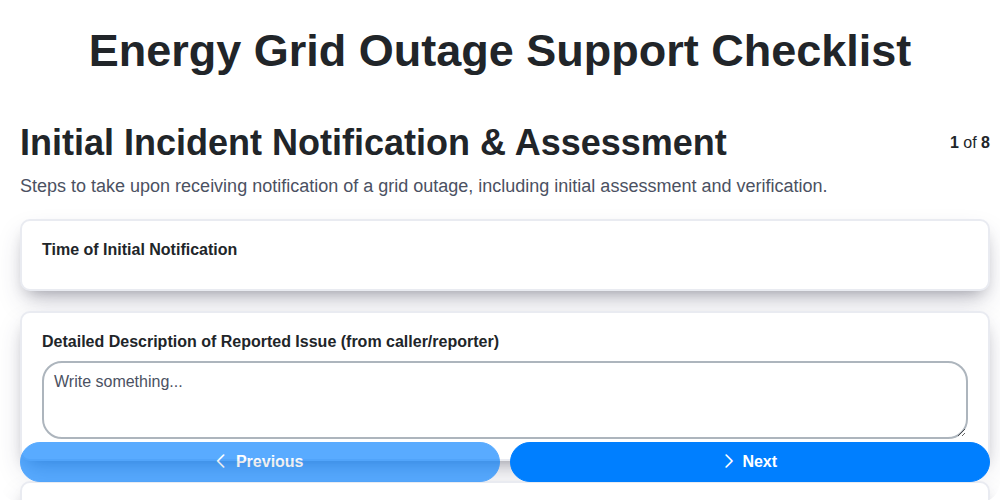
Power Through: Your Essential Energy Grid Outage Support Checklist
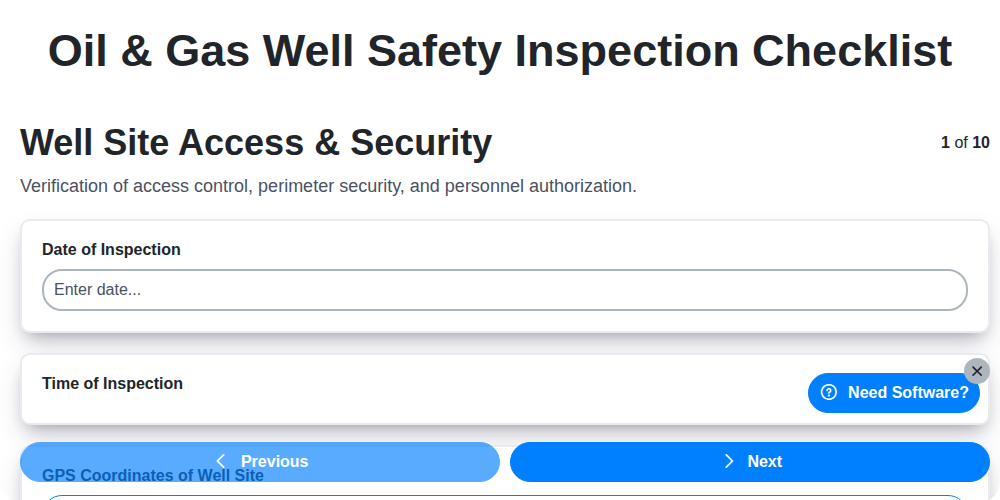
Oil & Gas Well Safety Inspection Checklist: Ensuring a Secure Operation
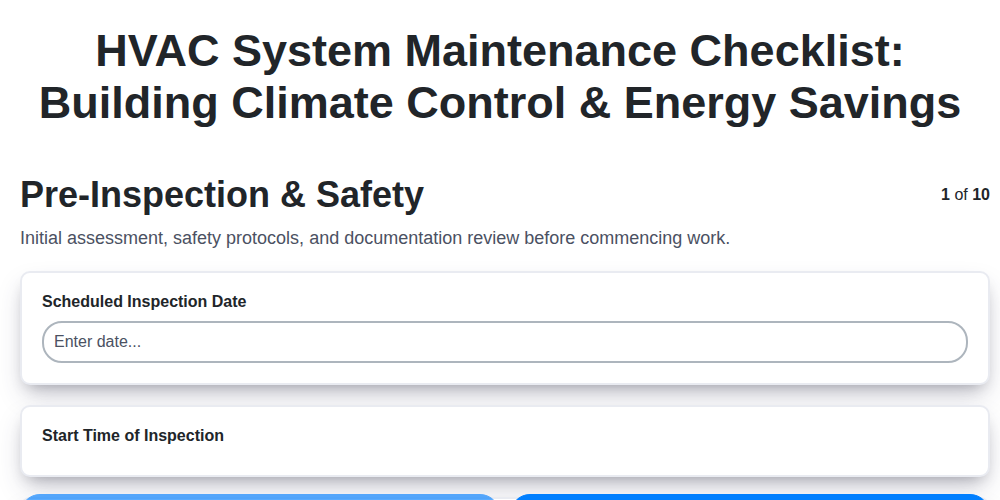
HVAC System Maintenance Checklist: Building Climate Control & Energy Savings
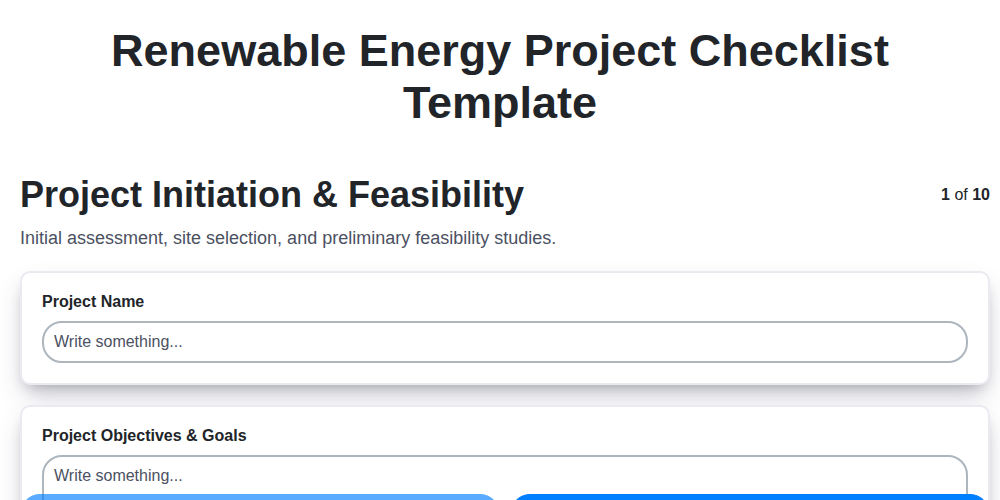
Renewable Energy Project Checklist Template
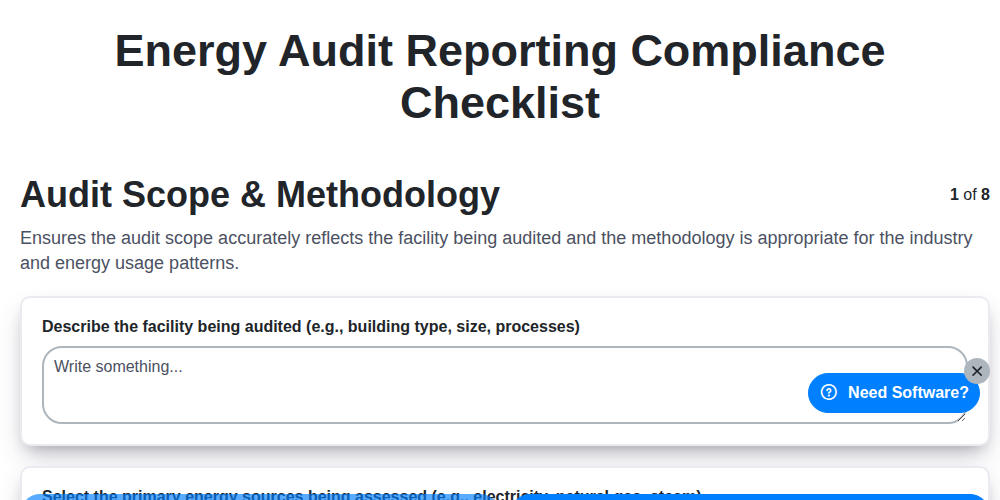
Energy Audit Reporting Compliance: Your Checklist for Success
Need help with
Energy?
Have a question? We're here to help. Please submit your inquiry, and we'll respond promptly.