Lease Renewal Checklist for Property Managers: A Step-by-Step Guide
Published: 11/26/2025 Updated: 07/02/2026
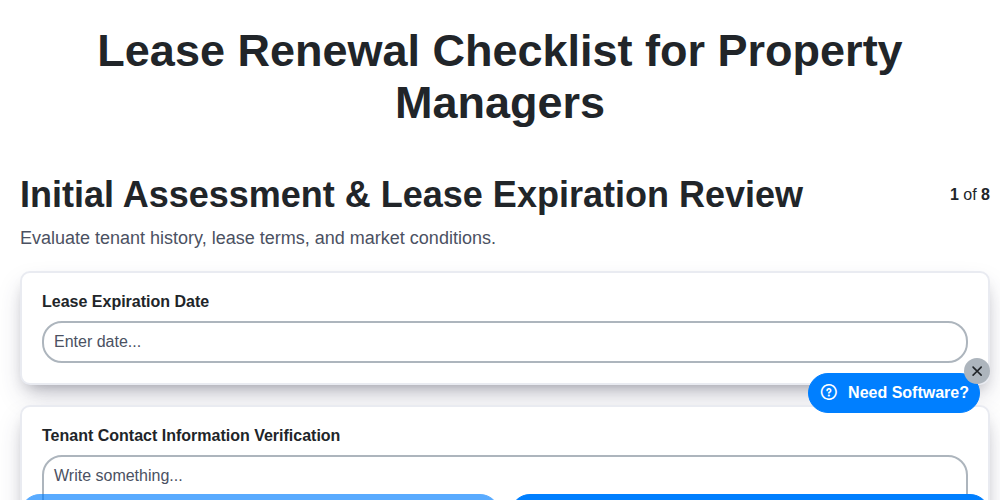
Table of Contents
- Introduction: Why Lease Renewals Matter
- 1. Initial Assessment & Lease Expiration Review
- 2. Market Rent Analysis & Pricing
- 3. Tenant Communication & Negotiation
- 4. Crafting the Renewal Offer
- 5. Tenant Acceptance & Lease Review
- 6. Executing the New Lease Agreement
- 7. Property Condition & Maintenance Review
- 8. Rent Collection & Financial Projections
- 9. Record Keeping and Documentation
- Conclusion: Maximizing Renewal Success
- Resources & Links
TLDR: Feeling overwhelmed by lease renewals? This checklist breaks down the entire process - from assessing the current situation and researching market rates to negotiating with tenants, finalizing paperwork, and ensuring everything's financially sound - so you can streamline renewals, maximize occupancy, and minimize stress!
Introduction: Why Lease Renewals Matter
Lease renewals are more than just a formality; they're a pivotal moment in the property management lifecycle. A successful renewal process impacts your bottom line, tenant retention, and overall property health. Retaining existing tenants is significantly more cost-effective than finding and onboarding new ones - think reduced marketing expenses, lower vacancy periods, and the benefit of having renters already familiar with your property and its rules. Furthermore, a positive renewal experience fosters tenant loyalty and builds a stronger community within your property. Ignoring the nuances of lease renewals can lead to unnecessary turnover, decreased profitability, and a reputation for poor management. This checklist will guide you through a strategic approach to lease renewals, ensuring a smooth process for both you and your tenants.
1. Initial Assessment & Lease Expiration Review
Before diving into renewal offers, take a moment to thoroughly assess the current situation. This initial review is critical for a smooth and successful lease renewal process.
- Review the Existing Lease: Familiarize yourself with the original lease terms. Note the expiration date, rent amount, any clauses regarding renewal options, and any specific agreements made with the tenant.
- Tenant History: Pull the tenant's file and review their payment history, maintenance requests, and any previous communication. This gives valuable insight into their satisfaction and potential concerns.
- Property Condition: Briefly note the current condition of the property. While a full inspection comes later, a preliminary observation can highlight any immediate issues to address.
- Market Trends Awareness: Start gathering data (we'll delve deeper into this in the next section) on current rental rates in the area. This initial awareness will inform your pricing strategy.
Essentially, this first step is about understanding the starting point - the current lease, the tenant's experience, and the broader market context.
2. Market Rent Analysis & Pricing
Don't just renew a lease based on what you think the market will bear. Solid data is your best friend here. Begin by researching comparable rental properties in your area. Websites like Zillow, Apartments.com, and Rent.com are great starting points, but don't stop there. Drive around the neighborhood, noting similar units and their advertised rents.
Consider factors beyond just price. What amenities do your competitors offer? Is there new construction impacting the supply? What's the overall demand in your area?
Once you've gathered this information, calculate a competitive rental rate. You have a few options:
- Maintain Current Rent: Suitable if the market is stable and your property is already priced competitively.
- Increase Rent: Justifiable if market rents have increased and your property offers desirable features or is well-maintained. Be mindful of local rent control ordinances.
- Decrease Rent: Necessary if your property is overpriced compared to the market, or to incentivize a tenant to stay during a soft rental market.
Finally, be prepared to justify your proposed rent increase. Having solid data to back up your price will make negotiations smoother and increase the likelihood of a successful renewal.
3. Tenant Communication & Negotiation
This is arguably the most crucial step. Renewal isn't just about numbers; it's about relationships. Start the conversation early - ideally, 60-90 days before the lease expires. A proactive approach shows tenants you value them and are invested in their continued residency.
Here's how to navigate this stage successfully:
- Personalized Outreach: Avoid generic emails. Tailor your communication based on the tenant's history, lease terms, and any known preferences. A quick phone call or a face-to-face meeting (if appropriate) can go a long way.
- Transparency is Paramount: Explain the reasons behind any rent adjustments. Providing data on market trends and comparable properties helps tenants understand the value they're receiving. Don't sugarcoat it, but present the information clearly and respectfully.
- Active Listening: Be prepared to listen to their concerns and needs. Perhaps they're experiencing financial hardship or have specific requests for property improvements. Addressing these issues proactively can often lead to a mutually beneficial agreement.
- Negotiation is a Two-Way Street: Be prepared to compromise. While you need to protect the property's financial health, showing flexibility can make a tenant feel heard and valued. Consider offering minor concessions like parking upgrades or flexible lease terms if it secures a renewal.
- Document Everything: Keep detailed records of all communication - emails, phone calls, meeting notes. This protects you and provides a clear timeline of negotiations.
4. Crafting the Renewal Offer
Crafting the Renewal Offer
This is arguably the most pivotal step. A poorly crafted renewal offer can lead to tenant loss, even if they've been good renters. It's about more than just stating a price - it's about presenting a compelling reason for them to stay.
Know Your Numbers & Their Value: You've already conducted a market rent analysis (step 2), so now leverage that data. Don't just present the new rent; briefly explain why it's what it is. Did comps increase? Did you make upgrades that justify a higher rate? Transparency builds trust.
Consider Incentives: Rent isn't always the only factor. Think about offering incentives. This could include:
- Minor Upgrades: A fresh coat of paint, new blinds, updated appliances (if feasible) can be a big draw.
- Parking Priority: Especially valuable in competitive areas.
- Amenity Perks: Free gym access, reserved common area usage, etc.
- Reduced Fees: Waiving pet fees or application fees can sweeten the deal.
Presentation Matters: Don't just send a plain email. A professionally formatted renewal offer letter (or digital document) shows you value the tenant. Include:
- Current Lease Details: Reminder of lease start and end dates.
- Proposed New Rent: Clearly stated.
- New Lease Terms: Any changes to the agreement (e.g., pet policy, late fees).
- Incentives (if any): Highlighted clearly.
- Response Deadline: Give them a reasonable timeframe to respond.
Be Prepared to Negotiate: They might counter. Have a negotiation range in mind based on your market analysis and desired tenant retention rate. Don't be afraid to be flexible, but also know your bottom line.
5. Tenant Acceptance & Lease Review
Once you've presented your renewal offer, the ball is in the tenant's court. This stage is crucial for ensuring a smooth and legally sound lease renewal process. Don't assume acceptance; actively guide the tenant through the details.
Here's what to focus on:
- Provide Clear Explanation: Be prepared to thoroughly explain the changes in the renewal offer, whether it's rent adjustments, updated clauses, or new policies. Transparency builds trust and minimizes confusion.
- Answer Questions Promptly: Encourage tenants to ask questions and respond to them quickly and accurately. Don't brush off concerns-address them head-on.
- Offer Review Time: Give tenants a reasonable timeframe to review the renewal offer and any accompanying documentation. Rushing them can lead to hasty decisions and potential disputes later.
- Document Communication: Keep a detailed record of all communication regarding the renewal, including dates, topics discussed, and responses given. Email is ideal for creating a written trail.
- Address Objections: Be ready to negotiate. If the tenant expresses concerns or objections, be prepared to find a mutually agreeable solution. This might involve slight rent adjustments or compromises on specific clauses.
- Confirmation of Acceptance: Once the tenant indicates acceptance, obtain written confirmation. This can be a signed document, a scanned copy, or an email acknowledging acceptance of the terms. Don't proceed until you have documented consent.
6. Executing the New Lease Agreement
Once the tenant formally accepts the renewal offer, the real paperwork begins. This stage is crucial for ensuring a legally sound and enforceable lease agreement.
First, generate the finalized lease agreement incorporating all agreed-upon terms, including the new rent amount, any updated clauses (like pet policies or amenity usage), and the lease term. Double-check everything - dates, names, addresses, signatures, and legal jargon. A single error can lead to disputes down the line.
Next, ensure both you and the tenant sign the agreement. Consider using electronic signature platforms for efficiency and ease of record-keeping. Provide the tenant with a fully executed copy for their records.
Finally, meticulously update your property management software and any internal systems to reflect the new lease details. This includes updating tenant information, rent schedules, and lease expiration dates. Consistent and accurate record keeping is a cornerstone of professional property management and protects you from potential liabilities.
7. Property Condition & Maintenance Review
Before even discussing renewal terms, take a proactive approach to property condition. A well-maintained property is a huge selling point for retaining tenants.
- Schedule a Property Inspection: Conduct a thorough inspection (with proper notice, of course!) to identify any necessary repairs or maintenance items. Document everything with photos and detailed notes.
- Review Maintenance History: Pull up the tenant's maintenance request history. Are there recurring issues? Have previous requests been fully resolved? Addressing these proactively demonstrates you care and can prevent future complaints.
- Discuss Tenant Improvements: Has the tenant made any improvements to the property? Confirm any agreements made regarding these improvements (who is responsible for upkeep, if they become property assets, etc.).
- Transparency is Key: Share the inspection findings with the tenant and discuss a plan for addressing any necessary repairs. This fosters trust and demonstrates your commitment to providing a high-quality living experience. Consider offering options for tackling repairs (tenant responsibility, landlord responsibility, etc.) to show flexibility.
8. Rent Collection & Financial Projections
Lease renewals aren't just about keeping a good tenant; they're crucial for maintaining predictable income and accurate financial projections. Now's the time to review rent collection processes and update your forecasts.
Here's what to focus on:
- Current Collection Efficiency: Analyze your current rent collection rate. Are there any recurring late payments? Identifying patterns now allows you to address potential issues proactively - perhaps through a gentle reminder system or clarifying payment policies in the renewal offer.
- Renewal Rent Impact: Factor in any rent adjustments agreed upon during the negotiation process. How will the new rent amount affect your overall revenue?
- Financial Projections Update: Adjust your financial projections for the coming year to reflect the renewal rent and any anticipated expenses related to the property. This includes budgeting for potential maintenance or improvements agreed upon during the renewal negotiations.
- Payment Method Review: Are you offering convenient payment options? Consider offering online payment portals or automatic withdrawals to streamline the process and reduce late payments.
- Lease Provisions Review: Double-check the lease agreement for any clauses regarding late fees, payment defaults, or other financial terms. Ensure clarity for both you and the tenant.
By thoroughly reviewing rent collection and updating your financial projections, you're setting the stage for a stable and profitable lease renewal cycle.
9. Record Keeping and Documentation
Don't let all that hard work disappear! Meticulous record-keeping is absolutely crucial for smooth lease renewals and future reference. Here's what you need to document:
- All Communication: Keep a detailed log of every email, phone call, and in-person conversation with the tenant regarding the renewal process. This includes dates, times, key points discussed, and any promises made.
- Market Rent Analysis: Save your rent comparison data, including the properties you analyzed, their features, and their rental rates. This provides justification for your renewal offer.
- Renewal Offer Details: Document the initial offer, any counteroffers, and the final agreed-upon terms.
- Tenant Acceptance: Keep a signed copy of the renewal offer or lease addendum, confirming the tenant's acceptance.
- Lease Agreement: Retain a fully executed copy of the renewed lease agreement, both electronic and physical.
- Inspection Reports: Maintain copies of any pre-renewal or move-out inspection reports.
- Maintenance Records: Link renewed lease details with existing maintenance records for the unit.
- Financial Records: Keep track of rent payments and any financial adjustments made as part of the renewal agreement.
Proper documentation protects you in case of disputes and provides valuable insights for future renewal strategies. Consider utilizing a property management software to streamline this process and ensure everything is securely stored.
Conclusion: Maximizing Renewal Success
Ultimately, a proactive and organized lease renewal process isn't just about retaining tenants; it's about maximizing profitability and minimizing headaches. By implementing this checklist and consistently refining your approach, you're setting yourself up for a smoother, more predictable, and ultimately more successful lease renewal cycle. Remember, tenant retention is significantly less expensive than acquisition - treat each renewal as an opportunity to strengthen relationships, demonstrate your value, and build a thriving, long-term property. Don't leave renewals to chance; embrace the checklist and watch your renewal success rate soar!
Resources & Links
- Avail: Avail offers property management software including lease management tools, rent collection, and tenant screening. Useful for automating and streamlining parts of the lease renewal process, particularly rent collection and tenant communication.
- Buildium: Buildium is a comprehensive property management software solution. It supports lease renewals with features like automated notifications, lease templates, and reporting which can aid in tracking renewal rates and analyzing financial data.
- Rent Manager: Rent Manager is another popular property management software. Its lease management module helps track lease expiration dates, send renewal notices, and manage the renewal process efficiently.
- National Association of REALTORS® (NAR): NAR provides resources and information for real estate professionals, including legal updates and best practices relevant to lease agreements and landlord-tenant laws. Helpful for ensuring legal compliance in renewal offers.
- iHousekeeping - Rental Market Analysis: Provides a guide and explains how to analyze the local rental market, which is crucial for determining appropriate rental rates during lease renewals. Covers various data points to consider.
- Zillow Research: Zillow provides data and reports on the rental market, including rent trends and vacancy rates. Valuable for conducting market rent analysis as part of the renewal process, especially for identifying comparable properties.
- Apartment List Research: Similar to Zillow, Apartment List publishes research reports covering rental market trends and statistics. Useful for market rent analysis and understanding tenant behavior in the area.
- Investopedia: Investopedia offers definitions and explanations of financial terms relevant to property management, such as rent collection procedures, financial projections, and calculating ROI, aiding in making informed renewal decisions.
- Smartsheet: Smartsheet is a work management platform that can be used to create checklists, track progress, and manage tasks related to the lease renewal process. Helpful for organization and ensuring no steps are missed.
- U.S. Department of Housing and Urban Development (HUD): HUD provides information on fair housing laws and regulations, which are essential for compliance during lease renewals and ensuring equal opportunity for all tenants.
- Nolo: Nolo provides legal information and resources for landlords and tenants, including templates and explanations of lease agreement clauses and renewal requirements. Offers a broader understanding of legal considerations.
- Lexington Insurance - Property Management Checklist: Offers a comprehensive checklist for property management, providing useful insights into various aspects, including lease renewal processes and record-keeping.
Frequently Asked Questions
What is the purpose of a lease renewal checklist?
A lease renewal checklist helps property managers ensure a consistent, thorough, and legally compliant process for lease renewals, minimizing potential errors and maintaining positive tenant relations.
Why is it important to start the lease renewal process early?
Starting early allows ample time to assess the property's market value, prepare renewal offers, address any tenant concerns, and provide tenants with sufficient notice before the renewal deadline. It also allows for negotiations and alternatives if renewal isn't possible.
What are the key steps included in a lease renewal checklist?
The checklist typically includes steps like reviewing tenant history, assessing market rent, determining renewal offer terms (rent, lease duration), sending renewal notices, documenting communication, negotiating, finalizing the agreement, and updating records.
What factors should property managers consider when determining the new rental rate?
Considerations include market analysis (comparable rentals), property improvements, local economic conditions, operating expenses, and tenant's payment history. Legal rent control regulations should also be factored in.
What information should be included in a lease renewal notice?
The notice must clearly state the current lease expiration date, the proposed new lease term, the new rent amount, any changes to lease terms, and the deadline for the tenant to respond. Compliance with local laws regarding notice periods is crucial.
How should property managers handle tenant requests for changes to the lease agreement?
Carefully review any requests and evaluate their feasibility. Negotiate where possible, documenting all agreements in writing. Seek legal advice if necessary.
What documentation is essential to keep during the lease renewal process?
Maintain records of tenant communication (emails, letters, phone logs), market rent comparisons, renewal offer details, signed lease agreements, and any modifications or amendments to the original lease.
What happens if a tenant doesn't respond to the renewal offer by the deadline?
Follow established procedures, which may include sending a follow-up notice, attempting contact, and ultimately proceeding with plans to find a new tenant, in accordance with the original lease agreement and local laws.
What are some common legal considerations property managers should keep in mind during lease renewals?
These include complying with fair housing laws, rent control regulations, proper notice periods, and accurately documenting all agreements to avoid potential disputes.
Are there any specific items I should check about the property before offering a lease renewal?
Yes, inspect the property for necessary repairs or maintenance, consider any planned upgrades or changes that may affect the rental value, and verify all appliances and systems are in good working order.
Comments
There are no comments yet. Be the first to add one!
Real Estate Management Solution Demo
Simplify your real estate operations! ChecklistGuro streamlines property management, lease renewals, and maintenance requests. Enhance tenant satisfaction and maximize ROI. Manage it all with our Work OS.
Related Articles
Stress-Free Inspections: Your Home Inspection Coordination Checklist Template
The Ultimate Website Maintenance Checklist Template
10 Essential Checks: Your Brokerage Policy Review Checklist
The Ultimate Office Opening/Closing Checklist Template
Your Ultimate AML Compliance Checklist Template
Rent Collection Checklist Template: Your Landlord's Guide
Your Complete Flood Zone Disclosure Checklist Template
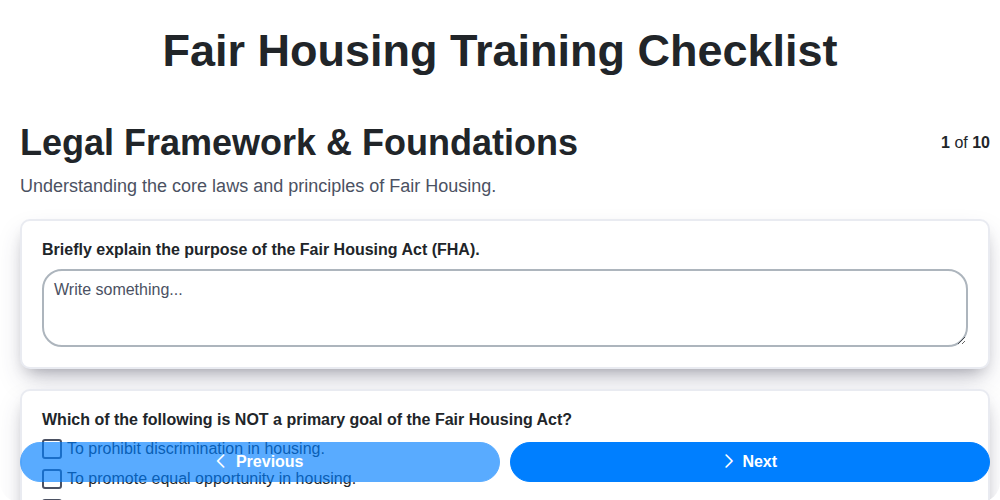
Fair Housing Training Checklist Template: Your Guide to Compliance
Need help with
Real Estate?
Have a question? We're here to help. Please submit your inquiry, and we'll respond promptly.