New Tenant Onboarding Checklist for Property Management: A Step-by-Step Guide
Published: 11/26/2025 Updated: 07/02/2026
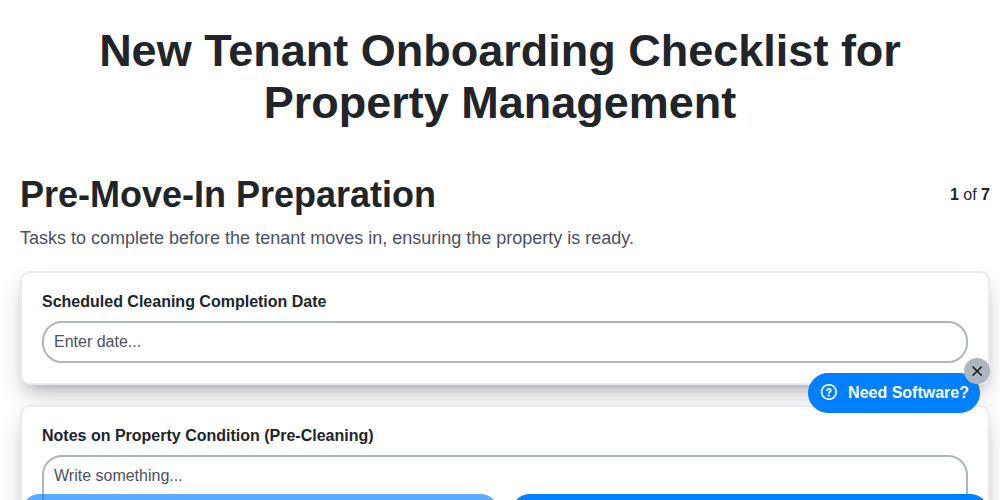
Table of Contents
- Introduction: Why Tenant Onboarding Matters
- 1. Pre-Move-In Preparation: Setting the Stage for Success
- 2. Lease Agreement & Paperwork: Ensuring Clarity and Compliance
- 3. Property Access & Keys: Smooth Handover
- 4. Utilities & Services: Getting Connected
- 5. Welcome & Property Orientation: A Warm Welcome
- 6. Essential Property Rules & Regulations Review
- 7. Emergency Contact Information: Safety First
- 8. Technology & Access Systems
- 9. Reviewing Security Procedures
- 10. Addressing Tenant Questions and Concerns
- 11. Follow-Up & Feedback: Continuous Improvement
- 12. Documenting the Onboarding Process
- Conclusion: Building Tenant Relationships for Long-Term Success
- Resources & Links
TLDR: Streamline your tenant onboarding with this simple checklist! It covers everything from preparing the property and paperwork to welcoming your new tenants and ensuring they have essential info, leading to happier tenants and a smoother property management experience. Download the template and make onboarding a breeze!
Introduction: Why Tenant Onboarding Matters
A smooth tenant onboarding process is more than just handing over keys; it's the foundation for a positive landlord-tenant relationship and long-term tenant retention. First impressions are crucial, and a well-structured onboarding experience demonstrates professionalism, sets clear expectations, and minimizes potential misunderstandings down the line. Investing time in this initial phase can significantly reduce future maintenance requests, complaints, and even vacancies. Happy tenants renew their leases, refer friends, and contribute to a thriving community within your properties - and it all starts with a great onboarding experience.
1. Pre-Move-In Preparation: Setting the Stage for Success
First impressions matter - and that applies to property management just as much as it does to any other business. A well-prepared property before the tenant even arrives drastically reduces stress for everyone and lays the foundation for a positive tenant-landlord relationship.
This isn't just about a fresh coat of paint (though that's a great start!). It's a comprehensive process. Here's what to tackle:
- Deep Cleaning: A thorough cleaning is essential. Think beyond surface cleaning - carpets, appliances, bathrooms, kitchens - everything.
- Repairs & Maintenance: Address any outstanding repair requests from previous tenants. Test all appliances (oven, dishwasher, refrigerator, washer/dryer if included). Fix leaky faucets, running toilets, and any other maintenance issues.
- Cosmetic Touch-Ups: Patch holes in walls, touch up paint, and address any minor cosmetic imperfections. These small details contribute to a feeling of care and professionalism.
- Safety Checks: Ensure smoke detectors and carbon monoxide detectors are functioning correctly and have fresh batteries.
- Landscaping (if applicable): Mow the lawn, trim bushes, and generally tidy up the exterior of the property.
- Professional Photography/Video: High-quality visuals are a key component of attracting tenants in the first place. Make sure they accurately reflect the property's current condition.
Taking these steps demonstrates your commitment to providing a quality living experience and can significantly reduce tenant complaints and turnover.
2. Lease Agreement & Paperwork: Ensuring Clarity and Compliance
This stage is absolutely critical. A thoroughly reviewed and understood lease agreement minimizes future disputes and sets the foundation for a positive tenant-property management relationship. Here's what needs to happen:
- Detailed Review: Don't just hand over the lease! Walk the tenant through each section, clarifying any potentially confusing clauses (late fees, pet policies, maintenance responsibilities, etc.). Encourage questions - and answer them completely.
- Required Disclosures: Ensure all legally mandated disclosures are included and signed (lead paint, mold, smoke detectors, etc.). This protects both you and the tenant.
- Identification Verification: Verify the tenant's identity with a valid photo ID.
- Application Review Documentation: Keep meticulous records of the application process, including credit checks, background checks, and rental history verification.
- Signatures & Copies: Obtain signatures from all parties involved, and provide the tenant with a fully executed copy of the lease agreement for their records. Digital signatures are acceptable and increasingly common, but ensure they are legally binding in your jurisdiction.
- Addendums (if applicable): If any addendums are necessary (pet addendum, parking addendum, etc.), review them thoroughly and obtain signed consent.
3. Property Access & Keys: Smooth Handover
The moment your new tenant receives the keys is a critical one. It's their first tangible step into their new home, and a smooth handover leaves a positive, lasting impression. Here's how to ensure a seamless experience:
- Key Preparation: Before move-in day, thoroughly check all keys - apartment keys, mailbox keys, amenity keys (pool, gym, etc.). Ensure they work and are clearly labelled. Consider using key tags with tenant information (though be mindful of security concerns - discuss this with your team).
- Schedule a Clear Handover Time: Communicate the precise time for key handover well in advance. Confirm this time a day or two prior. Be punctual - your tenant's time is valuable.
- Secure Handover Process: Outline your key handover procedure. Will it be in person at the property? Through a lockbox? With a designated staff member? Clearly explain the process to the tenant beforehand.
- Inventory Verification: If applicable, have a brief inventory verification at the time of key handover. This confirms the condition of the property and minimizes potential disputes later on. A simple walkthrough and acknowledgement of existing conditions, documented with photos, is ideal.
- Provide Key Copies & Instructions: Clearly outline how many keys the tenant receives and what each key unlocks. If there's a system for requesting additional keys, explain it.
- Security Briefing (If Applicable): For buildings with security protocols (gate codes, fob access), briefly explain these systems at the time of handover.
A well-managed key handover contributes significantly to tenant satisfaction and sets the stage for a positive landlord-tenant relationship.
4. Utilities & Services: Getting Connected
Moving into a new property can be overwhelming, and coordinating utilities is often a major part of that. To ensure a smooth transition for your new tenants, proactively addressing these essential services is key.
Here's what to cover:
- Identify Required Utilities: Clearly outline which utilities are the tenant's responsibility (electricity, gas, water, trash, internet, cable) versus those already included in the rent. This should be explicitly stated in the lease agreement to avoid any misunderstandings later.
- Provide Contact Information: Compile a list of local utility providers (with contact details and website links) for each service the tenant is responsible for. This is incredibly helpful and demonstrates excellent tenant support.
- Account Setup Guidance: Briefly explain the process of setting up accounts. Mention things like required identification, deposit information (if applicable), and potential connection appointment scheduling.
- Meter Readings (If Applicable): If tenants are responsible for providing initial meter readings, clearly explain how and when to submit them.
- Transferring Existing Accounts: Offer guidance or resources for tenants who want to transfer existing utility accounts.
Providing this upfront information eliminates a significant source of tenant stress and shows you're committed to a positive move-in experience.
5. Welcome & Property Orientation: A Warm Welcome
First impressions matter! This is your opportunity to really shine and set the stage for a positive tenant experience. Don't just hand over the keys; welcome them to their new home.
Here's what your welcome and property orientation should include:
- Personalized Welcome: A simple Welcome Home! goes a long way. A small welcome gift (local treats, a plant) can also be a nice touch, showing you care.
- Property Walkthrough: Point out key features, like the location of the thermostat, smoke detectors, and any unique quirks of the property. Explain how appliances work, especially anything not standard.
- Neighborhood Highlights: Share your knowledge of the area - good restaurants, grocery stores, parks, schools, and transportation options. Help them feel connected to their new community.
- Community Rules & Regulations: Briefly review important community rules like parking, trash disposal, and noise levels. (You can also direct them to the full document.)
- Maintenance Procedures: Explain how and when to submit maintenance requests. Having this clear from the start reduces confusion and potential frustration later.
- Introduce Neighbors (Optional): If appropriate and with neighbor consent, a brief introduction can foster a sense of belonging.
The goal is to make them feel comfortable, informed, and valued. A positive onboarding experience can dramatically impact tenant retention and overall satisfaction.
6. Essential Property Rules & Regulations Review
Before a tenant officially moves in, it's vital to clearly review essential property rules and regulations. Don't assume they're already familiar! This isn't just about avoiding future complaints; it's about setting expectations and fostering a positive community.
Cover key areas like:
- Pet Policies: Reinforce rules on pet types, sizes, and associated fees.
- Parking: Detail assigned spaces, visitor parking, and any restrictions.
- Noise Levels: Remind tenants of quiet hours and expectations for respectful noise control.
- Trash & Recycling: Outline procedures for proper disposal and recycling guidelines.
- Common Area Usage: Explain rules for using amenities like gyms, pools, or laundry rooms.
- Smoking Policies: Clearly state whether smoking is permitted and, if so, where.
- Alterations & Modifications: Explain the process for requesting any changes to the property.
- HOA Guidelines (If Applicable): Briefly summarize key HOA rules that impact tenants.
Provide tenants with a copy of these rules (digital or physical) and encourage them to ask questions. A clear understanding upfront leads to happier tenants and fewer headaches down the road!
7. Emergency Contact Information: Safety First
Beyond the excitement of a new home, ensuring tenant safety and preparedness is paramount. Providing clear and accessible emergency contact information isn't just a courtesy; it's a vital component of responsible property management.
Here's what we include in our emergency contact package:
- Property Management Contact: A readily available phone number and email address for non-emergency issues and general inquiries.
- Emergency Services: Local emergency contact numbers (Police, Fire, Ambulance) prominently displayed.
- Maintenance Contact: A dedicated number for urgent maintenance requests (leaks, HVAC failure, etc.).
- Local Hospital Information: Address and contact information for the nearest hospital.
- Important Local Contacts: Consider including contacts for poison control or other specialized services relevant to your area.
We provide this information both in a physical, laminated card left in the property and as a digital document accessible through our tenant portal. Encouraging tenants to post the physical card near a phone ensures it's accessible in a stressful situation. Regularly updating this information is crucial, especially when personnel changes occur.
It's also a great opportunity to briefly discuss safety protocols with tenants during the property orientation - fire escape routes, carbon monoxide detector locations, and tips for preventing common household accidents.
8. Technology & Access Systems
Many modern properties utilize technology to enhance security and convenience for tenants. This section is crucial if your properties incorporate any of these systems.
- Gate Access Codes/Fobs: Provide tenants with their personalized gate access codes or instructions on how to program their fobs. Explain the process for requesting replacements if lost.
- Package Delivery Systems: Detail how the property's package delivery system works (e.g., lockers, concierge services, notifications). Provide login credentials or instructions for using the platform.
- Smart Home Features: If the unit includes smart home devices (thermostats, doorbells, locks), provide clear instructions on setup, usage, and troubleshooting. Consider creating short video tutorials.
- Online Portal Access: Guide tenants on how to access and utilize the property management portal for rent payments, maintenance requests, and communication.
- Security System Instructions: If a security system is in place, thoroughly explain its operation, including arming/disarming procedures and any associated fees.
- Wi-Fi Information: Provide the Wi-Fi network name and password.
9. Reviewing Security Procedures
Tenant safety is paramount. Before move-in, it's essential to review crucial security procedures. This includes confirming that all locks (main entry, patio/balcony, windows) are functioning correctly and providing tenants with a copy of the property's security protocols. Briefly explain any security systems in place (e.g., alarm systems, security cameras), and demonstrate how they work, if applicable. Discuss neighborhood safety tips, encouraging tenants to be aware of their surroundings and report any suspicious activity. Finally, remind tenants about the importance of not sharing their keys and being cautious about who they allow access to the property. Providing this information proactively helps create a safer environment for everyone and reinforces our commitment to tenant wellbeing.
10. Addressing Tenant Questions and Concerns
A smooth onboarding experience isn't just about ticking boxes on a checklist; it's about building a positive relationship from the very beginning. Expect questions - lots of them! New tenants are moving into a new home, and they're likely to have inquiries about everything from parking regulations and trash disposal to pet policies and maintenance procedures.
Be proactive. Anticipate common questions and have readily available answers. Create a frequently asked questions (FAQ) document or a dedicated section on your website. However, don't stop there. Actively encourage tenants to reach out with any questions they have, no matter how small they may seem.
Respond promptly and clearly. A delayed or vague response can breed frustration and anxiety. Consider offering multiple channels for communication - phone, email, online portal - to cater to different preferences. Remember, a little extra effort in addressing concerns upfront can significantly contribute to long-term tenant satisfaction and reduce potential issues down the line. Demonstrating your willingness to help establishes trust and builds a foundation for a harmonious landlord-tenant relationship.
11. Follow-Up & Feedback: Continuous Improvement
The onboarding process doesn't end when your new tenant moves in! Follow-up is crucial for solidifying a positive relationship and identifying areas where your onboarding process (or the property itself) can be improved.
Within the first week, reach out with a brief, friendly email or phone call. Simply ask if they're settling in well and if they have any immediate questions or concerns. This shows you genuinely care about their experience.
More importantly, implement a short feedback survey, ideally sent within the first 30 days. Keep it concise and focused on the onboarding process - was everything clear? Were instructions easy to follow? Did they feel welcomed? Include open-ended questions like What could we have done better?
Act on the feedback you receive! Even small changes, like clarifying a confusing utility instruction or updating a property orientation guide, can make a big difference in tenant satisfaction and streamline future onboarding experiences. Regularly review and update your onboarding checklist based on tenant feedback - it's a living document that helps you consistently deliver exceptional service.
12. Documenting the Onboarding Process
Thorough documentation isn't just a good practice; it's vital for legal protection, efficient team management, and continuous improvement. Every step of your tenant onboarding process should be meticulously recorded. This includes:
- Lease Agreement Copies: Securely store signed lease agreements and all addendums.
- Paperwork Acknowledgements: Document when tenants have received and acknowledged key documents like lead paint disclosures, rules and regulations, and pet agreements. Digital signature platforms are invaluable for this.
- Communication Logs: Keep records of all communication with the tenant, including emails, phone calls, and text messages. Note the date, time, topic, and any action items.
- Property Condition Reports (PCRs): A detailed PCR, signed by both the tenant and property manager before move-in, is crucial for resolving disputes later.
- Key Release Records: Maintain a log detailing when keys were released, to whom, and any access codes provided.
- Utility Transfer Confirmation: Document the dates and account numbers of transferred utilities.
- Welcome Packet Distribution: Note when the welcome packet was provided and what it contained.
Digital storage solutions with version control are ideal. Consistent, well-organized documentation minimizes liability, streamlines future reference, and provides valuable data for refining your onboarding workflow.
Conclusion: Building Tenant Relationships for Long-Term Success
A smooth tenant onboarding experience isn't just about ticking boxes; it's about laying the foundation for a positive, long-term relationship. By consistently implementing a comprehensive checklist like the one outlined above, you're demonstrating your commitment to tenant satisfaction. This proactive approach fosters trust, reduces potential misunderstandings, and ultimately leads to higher tenant retention rates and positive referrals. Remember, a happy tenant is a loyal tenant. Investing time and effort into the onboarding process now pays dividends in the form of reduced turnover costs, a more stable property, and a stronger reputation for your property management business. Don't see onboarding as an obligation - view it as an opportunity to build valuable relationships and cultivate a thriving community within your managed properties.
Resources & Links
- U.S. Department of Housing and Urban Development (HUD): Provides information on fair housing laws, tenant rights and responsibilities, and resources for property owners and managers. Essential for understanding legal compliance during onboarding.
- Nolo - Legal Information & Forms: Offers comprehensive legal information and forms related to landlord-tenant law. Can be used to understand lease agreement requirements and other legal considerations during onboarding.
- Tenant Rights: Provides information and resources regarding tenant rights, offering insight into potential tenant concerns and legal requirements for property managers.
- Buildium (Property Management Software): While a software company, their blog offers excellent articles and resources on property management best practices, including tenant onboarding. Search their blog for 'tenant onboarding'.
- AppFolio (Property Management Software): Similar to Buildium, AppFolio's blog provides practical tips and insights for property managers, including tenant onboarding strategies.
- Rentec Direct (Property Management Software): Another property management software provider with a blog that frequently covers tenant onboarding topics and best practices. Useful for workflow optimization.
- Avail (Rental Application & Tenant Screening): Focuses on rental applications and tenant screening but offers helpful information on creating a positive tenant experience - a critical aspect of onboarding.
- IRMI - Insurance Resources: Provides insurance resources, particularly relevant when discussing property safety and emergency procedures - crucial for tenant peace of mind.
- August Home (Smart Locks): If discussing technology integration, especially smart locks, this website provides insight and information about how such systems can impact onboarding and tenant convenience.
- Security.org: Provides information and resources on home security, useful for discussing security procedures and ensuring tenant safety. Can provide backup for explanation of processes.
- Consumer Action: Provides information and resources to help consumers understand their rights and responsibilities, which can be valuable for addressing tenant questions and concerns during onboarding.
- Internal Revenue Service (IRS): For property managers, understanding tax implications (e.g., security deposits) during tenant onboarding is important. The IRS website provides relevant information.
- Lead411: While primarily a sales intelligence platform, their content often addresses communication strategies. This can be adapted to tenant communication during onboarding.
Frequently Asked Questions
What is a tenant onboarding checklist and why is it important?
A tenant onboarding checklist is a structured guide outlining all the tasks and information needed to ensure a smooth and positive experience for new tenants moving into a property. It's crucial for creating a strong tenant-landlord relationship, minimizing misunderstandings, reducing turnover, and ensuring compliance with legal requirements.
Who should use this onboarding checklist?
This checklist is designed for property managers, leasing agents, and anyone responsible for welcoming and settling new tenants into a property. It's helpful for both experienced and new property management professionals.
What are the key sections covered in this checklist?
The checklist covers key areas including pre-move-in communication, move-in day procedures, lease agreement review, property rules and regulations, emergency contacts, and post-move-in follow-up.
Can I customize this checklist to fit my specific property and needs?
Absolutely! This checklist is a template. Feel free to add, remove, or modify tasks to align with your property's unique features, local regulations, and tenant demographics. Add any specific amenities or processes relevant to your properties.
What pre-move-in communication is recommended?
The checklist recommends sending welcome emails, providing access instructions, outlining utility transfer procedures, providing contact information, and sharing important property information (like parking rules or trash disposal) before move-in day.
What should be covered during move-in day?
Move-in day items include property walkthroughs (documenting condition), key handover, alarm system instructions, mailbox setup, and answering any immediate questions the tenant may have.
Why is documenting the property's condition important?
Detailed condition documentation (photos, videos, written descriptions) protects both the landlord and tenant. It prevents disputes regarding damages later on and provides a clear record of the property's state at the beginning of the lease.
What kind of rules and regulations should be reviewed with the tenant?
This includes pet policies, noise restrictions, parking rules, HOA guidelines (if applicable), smoking policies, and any other rules specific to the property.
How can I ensure the tenant understands their responsibilities?
Clear and concise communication is key. Provide written documentation, encourage questions, and schedule a brief review session to ensure comprehension. Consider using visuals or interactive elements.
What is the purpose of post-move-in follow-up?
Post-move-in follow-up demonstrates care and allows you to address any initial issues promptly. It's a great opportunity to gather feedback and show tenants you value their experience.
Comments
There are no comments yet. Be the first to add one!
Real Estate Management Solution Demo
Simplify your real estate operations! ChecklistGuro streamlines property management, lease renewals, and maintenance requests. Enhance tenant satisfaction and maximize ROI. Manage it all with our Work OS.
Related Articles
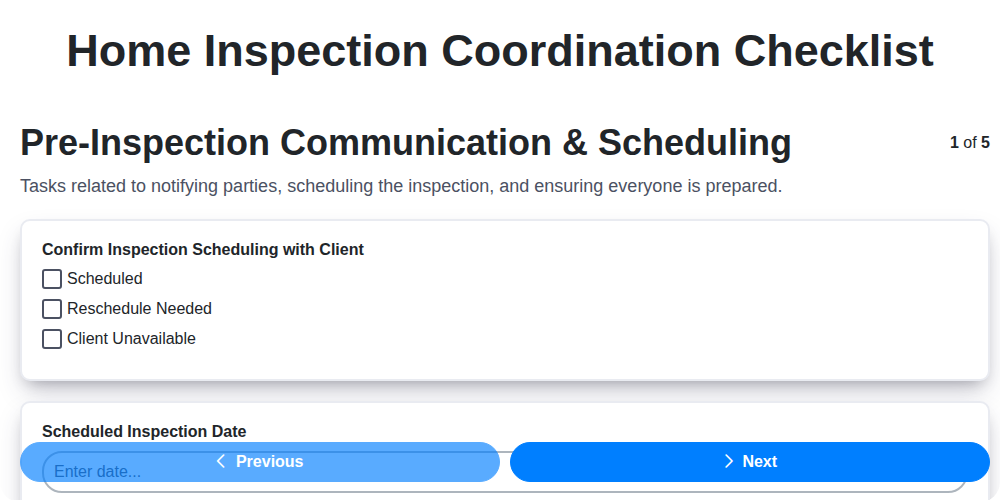
Stress-Free Inspections: Your Home Inspection Coordination Checklist Template
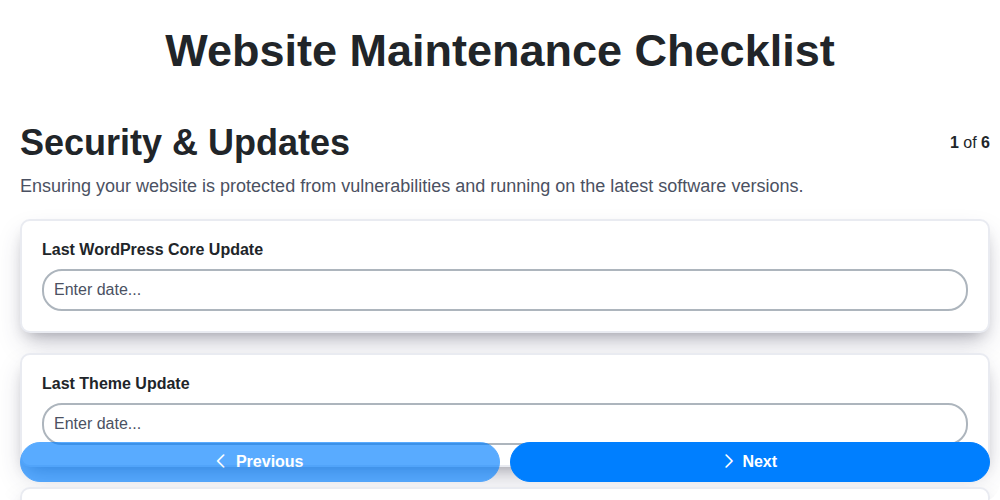
The Ultimate Website Maintenance Checklist Template
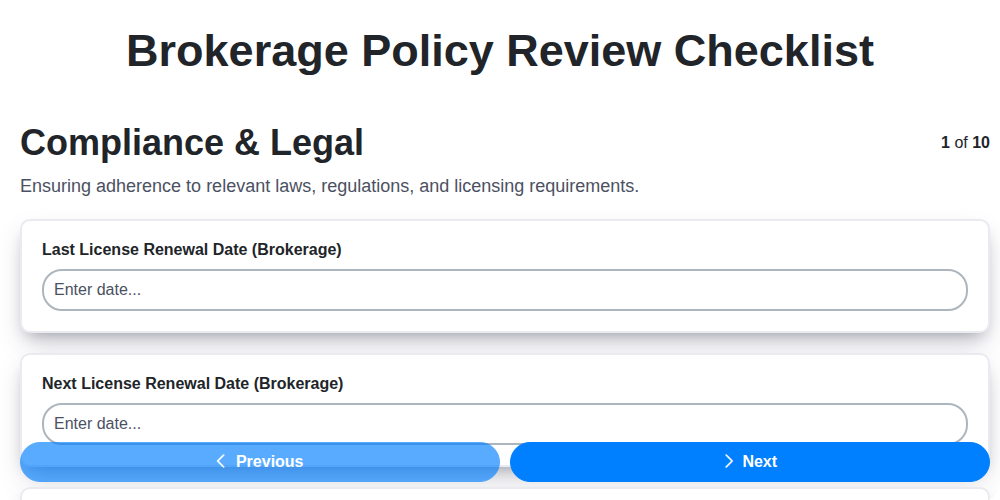
10 Essential Checks: Your Brokerage Policy Review Checklist
The Ultimate Office Opening/Closing Checklist Template
Your Ultimate AML Compliance Checklist Template
Rent Collection Checklist Template: Your Landlord's Guide
Your Complete Flood Zone Disclosure Checklist Template
Fair Housing Training Checklist Template: Your Guide to Compliance
Need help with
Real Estate?
Have a question? We're here to help. Please submit your inquiry, and we'll respond promptly.