Ensuring Quality: A Pharmaceutical Batch Record Review Checklist Guide
Published: 11/25/2025 Updated: 07/02/2026
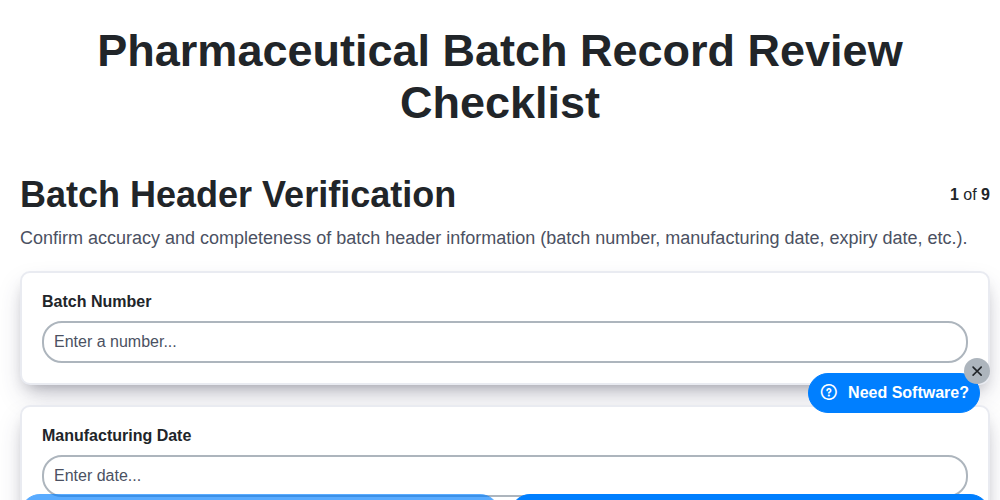
Table of Contents
- Introduction: Why Batch Record Reviews Matter
- Batch Header Verification: The Foundation
- Raw Material Traceability: Ensuring Source Integrity
- Equipment Log Review: Maintaining Equipment History
- In-Process Control (IPC) Data Validation: Monitoring Key Parameters
- Manufacturing Process Adherence: Following the Defined Procedure
- Deviation & Change Control Review: Addressing Anomalies and Modifications
- Quality Control (QC) Testing Verification: Validating Product Quality
- Documentation Completeness & Accuracy: Ensuring Record Integrity
- Resources & Links
TLDR: Pharmaceutical batch record reviews are critical for ensuring drug quality & patient safety. This checklist template (covering everything from raw materials to final release) provides a structured, step-by-step guide to systematically verify all records, identify potential issues, and ensure compliance with regulations. Use it to streamline your reviews and minimize risk!
Introduction: Why Batch Record Reviews Matter
Pharmaceutical manufacturing operates under stringent regulations and demands unwavering quality control. At the heart of ensuring that control lies the pharmaceutical batch record - a comprehensive document detailing every step of a drug product's journey, from raw material receipt to final release. A meticulous review of this record, often referred to as a Batch Record Review (BRR), isn't just a procedural formality; it's a critical safeguard against potential risks and a cornerstone of patient safety.
BRRs provide a vital opportunity to proactively identify any anomalies, deviations from established protocols, or gaps in documentation that could compromise the quality, safety, and efficacy of the drug product. These reviews provide invaluable insights into the manufacturing process, allowing for continuous improvement, enhanced training, and a deeper understanding of potential failure points. Ultimately, a robust BRR process is essential for maintaining regulatory compliance, bolstering confidence in the product, and protecting the health of patients.
Batch Header Verification: The Foundation
The batch header serves as the foundational document for the entire batch record. Its accuracy and completeness are paramount. During review, meticulously verify all information listed, including the batch number, product name, strength, dosage form, manufacturing date, expiry date, and assigned personnel. Cross-reference this information with the corresponding documentation - the master production record (MPR) or manufacturing order - to ensure consistency. Pay close attention to any pre-batch instructions or specific requirements noted within the header. Discrepancies at this stage can have cascading effects, so thoroughness is key. Document any findings and note any corrective actions taken to rectify any errors identified. A solid batch header verification lays the groundwork for a reliable and defensible batch record review.
Raw Material Traceability: Ensuring Source Integrity
Raw materials are the foundation of any pharmaceutical product, and their quality directly impacts the final drug's safety and efficacy. A robust traceability system isn't just a regulatory requirement; it's a critical component of a comprehensive quality system. This section of the batch record review specifically focuses on confirming that raw materials used in the batch can be unequivocally traced back to their origin.
During review, meticulously verify the Certificate of Analysis (CoA) against the material used, noting lot numbers, supplier details, and specifications. Confirm that the CoA meets or exceeds the established acceptance criteria. Beyond the CoA, examine material receipts and quarantine records to ensure proper handling and storage upon arrival. Traceability extends beyond the immediate supplier - investigate the source of the raw material itself. This might involve contacting suppliers for information regarding their suppliers (supplier of suppliers) for key ingredients, particularly those with potential sourcing concerns. Look for any inconsistencies or gaps in the traceability chain. Document all findings, including confirmation of traceability or any identified issues requiring investigation and corrective action. A seamless and verifiable material traceability record instills confidence in the integrity of the entire manufacturing process.
Equipment Log Review: Maintaining Equipment History
A thorough equipment log review is a critical component of pharmaceutical batch record review. These logs aren't just about recording usage; they's a vital record of maintenance, calibration, and any deviations impacting equipment performance. During review, confirm the following:
- Calibration Dates: Verify that all equipment used in the batch was within its calibration period. Note any instances where equipment was used outside of calibration and assess the impact.
- Preventative Maintenance (PM) Records: Examine PM records to ensure scheduled maintenance was performed as planned. Unscheduled repairs or maintenance should be documented and assessed for potential impact on batch quality.
- Usage Records: Confirm that equipment usage aligns with the batch record instructions. Unusual or excessive use should be investigated.
- Repair Logs: Detailed repair logs are essential. Review these to understand the nature of repairs, parts replaced, and verification steps taken after repair to ensure equipment functionality was restored.
- Equipment Modifications: Any modifications to equipment must be documented and approved through change control. Ensure these modifications are appropriately reflected in the log and batch record.
- Operator Training: Logs might indicate operator usage. Verify that personnel using the equipment are appropriately trained and authorized.
Inconsistencies or gaps in the equipment log should trigger further investigation and potentially impact batch release.
In-Process Control (IPC) Data Validation: Monitoring Key Parameters
In-Process Controls (IPCs) are the cornerstone of pharmaceutical manufacturing, providing crucial insights into the process's integrity at each stage. Rigorous validation of IPC data isn't simply about confirming numbers; it's about ensuring the batch's quality and safety. This section of the batch record review requires a meticulous assessment of all recorded parameters.
Here's what needs scrutiny:
- Parameter Range Verification: Are all recorded values within pre-defined acceptance criteria? Deviations, even seemingly minor ones, warrant further investigation. Refer back to the approved manufacturing process instructions (MPIs) and specifications for established limits.
- Trend Analysis: Reviewing IPC data trends is vital. A gradual shift in a parameter, even if within the acceptable range, can indicate a process drift that needs to be addressed proactively to prevent future issues. Look for patterns that might signify equipment malfunction, raw material variability, or operator errors.
- Data Integrity: Ensure data hasn't been altered or manipulated. Check for unusual entries, missing data points, and assess the system's audit trail capabilities. Are signatures and initials present and verifiable at each stage of data entry?
- Calibration Records: Confirm that equipment used to generate IPC data was properly calibrated and maintained within the required timeframe. A faulty instrument can lead to inaccurate readings and compromise the entire batch.
- Justification for Out-of-Specification (OOS) Results: Any IPC data falling outside pre-defined limits requires a thorough investigation. Review the documentation related to the OOS investigation, including root cause analysis and corrective/preventive actions (CAPA). Ensure the investigation was complete and effective.
- Correlation with Other Data: Look for consistency between different IPC measurements. For example, pH readings should correlate with conductivity readings as expected. Discrepancies should be investigated.
Validation of IPC data isn't just about ticking boxes; it's about actively safeguarding product quality and maintaining regulatory compliance.
Manufacturing Process Adherence: Following the Defined Procedure
A cornerstone of pharmaceutical quality is strict adherence to the established manufacturing process. This section of the batch record review focuses on verifying that every step outlined in the approved master batch record (MBR) was faithfully executed. It's not enough to simply do the steps; it's vital they were performed as defined.
Reviewers should meticulously compare the documented procedures with the actual operations performed. This includes confirming:
- Sequence of Operations: Were steps completed in the correct order? Deviations from the sequence, even seemingly minor ones, can impact product quality and safety.
- Process Parameters: Were critical process parameters, such as temperature, pressure, mixing speeds, and reaction times, maintained within the specified ranges? Deviations, even if brief, require thorough investigation.
- Personnel Involvement: Was each step performed by trained and authorized personnel, as specified in the MBR?
- Equipment Usage: Was the equipment listed in the MBR utilized correctly and within its validated operating parameters?
- Hold Times and Quarantine: Were appropriate hold and quarantine times adhered to at each processing stage?
- Visual Observations: Are any necessary visual observations or appearances noted and documented (e.g., color changes, precipitate formation)?
Any discrepancies should be clearly flagged and investigated, with root causes identified and corrective actions implemented to prevent recurrence. This isn't about blame; it's about ensuring that the process consistently delivers a product that meets pre-defined quality standards.
Deviation & Change Control Review: Addressing Anomalies and Modifications
A robust pharmaceutical manufacturing process isn't always perfectly smooth. Deviations - unplanned events or inconsistencies - and changes to processes or procedures are inevitable. This section of the batch record review meticulously examines how these occurrences were handled, ensuring minimal impact on product quality and patient safety.
During review, scrutinize each documented deviation. Was the root cause thoroughly investigated and documented? Were appropriate corrective and preventive actions (CAPA) implemented and verified? Look for evidence of trend analysis - are similar deviations recurring, signaling a systemic issue that needs broader attention?
Change control is equally vital. Verify that all changes, whether to equipment, formulations, or processes, were formally documented, assessed for risk, and approved through the established change control system. Confirm that the rationale for the change is clear, the impact on product quality is understood, and that personnel were properly trained on the revised procedures. Missing documentation, rushed approvals, or a failure to validate the impact of changes are serious red flags requiring immediate investigation and remediation. Ultimately, this review ensures that anomalies were managed effectively and changes were implemented safely and in compliance with regulatory requirements.
Quality Control (QC) Testing Verification: Validating Product Quality
This section is critical for ensuring the final product meets pre-defined quality specifications. It's not simply about if testing was performed, but how it was performed and the interpretation of the results. A thorough review involves several key steps:
- Review of Test Methods: Confirm that the approved and validated analytical methods were utilized for all required testing. Deviations from approved methods are red flags and require investigation.
- Data Integrity Assessment: Scrutinize raw data, chromatograms (if applicable), and calculated results. Look for signs of manipulation, alteration, or missing data. Ensure data is attributable, legible, contemporaneous, original, and accurate (ALCOA principles).
- Specification Compliance: Compare test results against established specifications. Pay close attention to outliers and trends. Are all results within acceptable limits? Any excursions need to be thoroughly investigated and documented.
- Reference Standard Verification: Ensure the validity and traceability of all reference standards used in the testing process. Expiration dates and calibration records should be verified.
- Equipment Calibration & Maintenance: Review calibration records and maintenance logs for all testing equipment used. This guarantees equipment functionality and reliable results.
- Analytical Method Validation Status: Confirm the analytical methods are still within their validated lifecycle. Any method revalidation or updates need to be considered.
- Trend Analysis: Look for patterns or trends in QC data that might indicate a systemic issue with the manufacturing process or testing procedures.
Essentially, this isn't just checking boxes; it's validating the entire QC process - from sample preparation to data interpretation - to ensure the final product's quality and safety.
Documentation Completeness & Accuracy: Ensuring Record Integrity
A seemingly minor oversight in documentation can trigger significant repercussions in pharmaceutical manufacturing. This section of the batch record review focuses squarely on ensuring that every required document is present, legible, and accurately reflects the manufacturing process.
We're looking for more than just physical presence. Each entry must be complete - no blanks, initials, or ambiguous notations. Dates, times, personnel involved, and any relevant observations need to be clearly documented. Legibility is paramount; illegible entries are unacceptable and require clarification.
Specifically, reviewers should check for:
- Presence of all required forms: Ensure all expected forms for each manufacturing step are present and properly sequenced.
- Signatures and Initialing: Verify all required signatures and initials are present, indicating accountability and authorization.
- Date and Time Accuracy: Confirm dates and times accurately reflect events and activities.
- Legibility and Clarity: Assess the clarity of handwritten entries. If illegible, documentation must be clarified with the responsible personnel and properly updated.
- Consistency: Look for inconsistencies between data recorded on different documents (e.g., quantity discrepancies between a raw material receipt record and a batch record).
- Supporting Documentation: Check for the presence of supporting documentation, such as calibration records, cleaning logs, and maintenance reports, as applicable.
This rigorous scrutiny of documentation minimizes the risk of errors, facilitates traceability, and provides a reliable audit trail throughout the entire batch lifecycle. Any discrepancies identified must be investigated thoroughly and resolved before batch release.
Resources & Links
- U.S. Food and Drug Administration (FDA): The FDA provides extensive guidance and regulations regarding pharmaceutical manufacturing and quality control, including Good Manufacturing Practices (GMP) which directly relate to batch record review. Provides access to regulations, guidance documents, and warning letters relevant to pharmaceutical batch record compliance.
- European Medicines Agency (EMA): Provides European regulations and guidance on pharmaceutical quality, including requirements around documentation and manufacturing processes, pertinent to batch record reviews. Useful for understanding international standards.
- United States Pharmacopeia (USP): USP sets standards for drug substances, dosage forms, and excipients. Their standards and guidance often influence batch record requirements, particularly regarding testing and quality control. Look for relevant chapters and general chapters related to manufacturing and documentation.
- International Society for Pharmaceutical Engineering (ISPE): ISPE offers guidance, best practices, and training materials for the pharmaceutical industry. Their publications often cover batch record review and related topics, providing practical insights.
- Pharmaceutical Online: A comprehensive resource for pharmaceutical professionals. Features articles, webinars, and white papers on various topics including quality assurance, GMP, and regulatory compliance - potential sources for practical examples and industry perspectives on batch record reviews.
- Controlled Environments: Focuses on the critical environmental aspects of pharmaceutical manufacturing. Understanding environmental controls is essential for ensuring data integrity and product quality, impacting batch record review related to IPC and QC data.
- GMP Compliance: A website dedicated to Good Manufacturing Practice (GMP) compliance. Offers resources and expertise related to pharmaceutical manufacturing practices. Useful for understanding the regulatory framework surrounding batch records.
- Regulatory Affairs Jobs: While a job site, it frequently publishes articles and resources about regulatory compliance and requirements in the pharmaceutical industry including batch record specifics and associated regulations.
- Quality Assurance Magazine: Provides insights, articles, and news related to quality assurance across various industries, including pharmaceuticals. Good for broader context and current trends in quality management.
- ASQ (American Society for Quality): Offers resources and training related to quality management principles, including those crucial for pharmaceutical batch record reviews. Provides valuable background on the broader context of quality assurance.
Frequently Asked Questions
What is a pharmaceutical batch record and why is it important?
A batch record (BR) is a detailed document that chronicles all steps taken during the manufacture of a batch of pharmaceutical product. It's vital for ensuring consistency, traceability, and quality, allowing for investigations if issues arise and demonstrating compliance with regulations (like GMP).
Why do I need a checklist for batch record review?
A checklist streamlines the review process, ensuring no critical data or steps are overlooked. It improves consistency between reviewers, reduces errors, and provides a documented audit trail of the review itself.
Who should use this checklist?
This checklist is designed for qualified personnel responsible for reviewing batch records, including quality assurance (QA) professionals, reviewers, and supervisors involved in pharmaceutical manufacturing.
What types of information should be included in a batch record review checklist?
The checklist should cover essential areas such as raw material verification, equipment checks, manufacturing process adherence, in-process testing, finished product testing, deviations, and documentation completeness.
How often should I update this checklist?
The checklist should be reviewed and updated periodically (e.g., annually or when manufacturing processes or regulations change). Updates should reflect any modifications to processes, equipment, or regulatory requirements.
What constitutes a 'deviation' in a batch record, and how should it be handled according to the checklist?
A deviation is any departure from approved procedures or specifications. The checklist should guide reviewers to identify deviations, assess their impact, and ensure they are documented and investigated appropriately, including a risk assessment and corrective actions.
What is the significance of 'trend analysis' in batch record review, and how does the checklist facilitate this?
Trend analysis involves identifying patterns and potential problems based on batch record data over time. The checklist might include prompts to look for trends in critical parameters and to escalate concerns if unusual patterns emerge.
Can I modify this checklist to suit my specific manufacturing process?
Yes, while this checklist provides a framework, it's crucial to customize it to reflect your facility's specific processes, equipment, and regulatory requirements. Modifications should be documented and approved by relevant stakeholders.
Comments
There are no comments yet. Be the first to add one!
Pharmaceutical Management Solution Demo
Navigating complex regulations and ensuring quality in pharmaceutical manufacturing? ChecklistGuro's Work OS platform streamlines processes from R&D to production, packaging, and distribution. Maintain compliance, improve efficiency, and reduce risk. Discover how ChecklistGuro can transform your pharmaceutical operations!
Related Articles
Ensuring Quality: A Pharmaceutical Compound Record Review Checklist Guide
Pharmaceutical Labeling Compliance Checklist: Your Step-by-Step Guide
Mastering Medication Management: Your Pharmaceutical Inventory Compliance Checklist Template
Navigating Adverse Event Reporting: Your Pharmaceutical Checklist Guide
Pharmaceutical Inventory Management Checklist: Your Guide to Compliance & Accuracy
Your Essential GLP Checklist Template: A Practical Guide
Your Pharmaceutical Development Checklist: A Template for Success
Pharmaceutical Validation Checklist Template: Your Guide to Compliance
Need help with
Pharmaceutical?
Have a question? We're here to help. Please submit your inquiry, and we'll respond promptly.