Ensuring Patient Safety: Your Pharmaceutical Packaging Integrity Checklist
Published: 11/25/2025 Updated: 07/02/2026
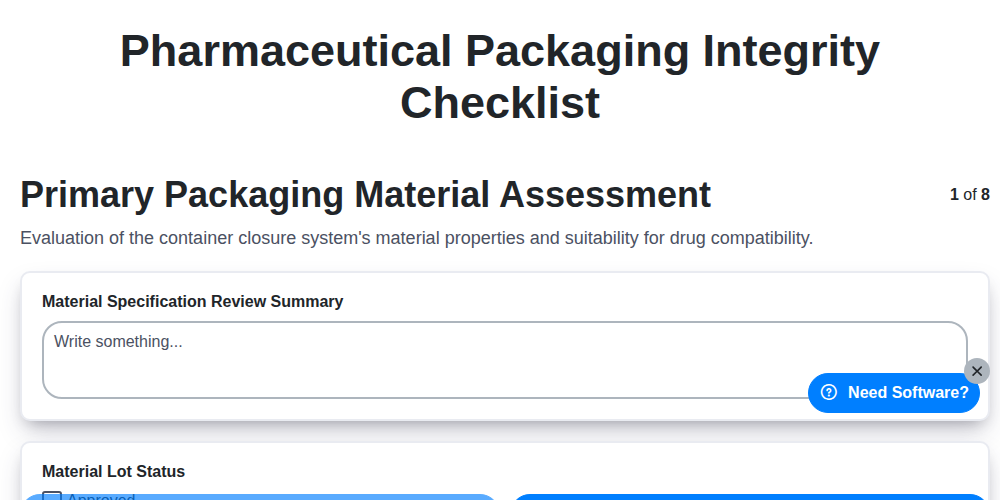
Table of Contents
- Introduction: Why Packaging Integrity Matters
- 1. Primary Packaging Material Assessment: The Foundation of Protection
- 2. Container Closure Sealing Integrity: Preventing Microbial Contamination
- 3. Dimensional Accuracy & Tolerances: Ensuring Fit and Function
- 4. Labeling & Identification: Clarity and Traceability
- 5. Packaging Performance Testing: Simulated Real-World Conditions
- 6. Tamper Evidence Evaluation: Maintaining Product Security
- 7. Statistical Sampling Plan Verification: Validating Quality Control
- 8. Documentation Review: A Record of Compliance
- Conclusion: A Holistic Approach to Packaging Integrity
- Resources & Links
TLDR: Worried about your medication packaging failing? This checklist guides you through critical checks - from material assessment and sealing integrity to tamper evidence and documentation - to ensure your pharmaceutical packaging protects product quality and patient safety. It's your step-by-step roadmap to compliance and peace of mind!
Introduction: Why Packaging Integrity Matters
Pharmaceutical packaging isn't just about containment; it's a critical component of drug safety and efficacy. Compromised packaging can lead to product degradation, contamination, and ultimately, harm to patients. Maintaining packaging integrity is paramount to upholding regulatory compliance, protecting brand reputation, and ensuring patient health. This checklist outlines key steps and considerations for verifying packaging integrity throughout the entire lifecycle - from material selection to final distribution. Ignoring these elements can have devastating consequences, highlighting the essential need for a rigorous and documented approach to pharmaceutical packaging validation.
1. Primary Packaging Material Assessment: The Foundation of Protection
The journey to ensuring pharmaceutical packaging integrity begins with a thorough assessment of the primary packaging materials themselves. This isn't just about confirming they exist; it's about verifying their suitability for the specific drug product they're meant to protect.
This assessment needs to cover several critical aspects:
- Material Specifications: Do the materials (glass, plastic, aluminum foil, etc.) meet established specifications regarding purity, composition, and mechanical properties? Deviations, even seemingly minor ones, can compromise drug stability and safety.
- Supplier Qualification: Are the material suppliers vetted and qualified to consistently provide materials that meet the required standards? Audits and ongoing performance monitoring are essential.
- Material Interactions: Potential interactions between the drug product and the packaging material are a significant concern. Compatibility studies are crucial to identify and mitigate risks. Leachables and extractables studies are often required, particularly for sensitive drug formulations.
- Barrier Properties: The material's ability to provide a sufficient barrier against moisture, oxygen, light, and other environmental factors must be evaluated. This directly impacts drug stability and shelf life.
- Physical Properties: Factors like thickness, density, and tensile strength must be within acceptable ranges to ensure the material can withstand handling, shipping, and storage conditions without failure.
A robust primary packaging material assessment is the cornerstone of reliable pharmaceutical packaging integrity. It sets the stage for all subsequent checks and validates the foundation upon which drug product safety and efficacy are built.
2. Container Closure Sealing Integrity: Preventing Microbial Contamination
Maintaining the integrity of the container closure system is paramount in pharmaceutical packaging. This isn't just about preventing leaks; it's about safeguarding the product from microbial contamination and maintaining sterility where required. Compromised seals can introduce pathogens, leading to product spoilage, potential harm to patients, and regulatory recalls.
This section of the checklist focuses specifically on evaluating the seal's ability to prevent ingress. Key assessments include:
- Visual Inspection: This initial step involves meticulously examining the closure for any visible defects like cracks, gaps, or damage. Automated inspection systems utilizing high-resolution cameras can supplement manual inspection for increased accuracy and speed.
- Leak Testing: Various leak testing methods are employed depending on the packaging format (vials, bottles, blisters, etc.). These may include pressure decay testing, vacuum decay testing, dye penetration testing, or helium leak detection. The chosen method must be validated to accurately detect leaks relevant to the product's sensitivity.
- Seal Strength Verification: Assessing the force required to break the seal is critical. This ensures the closure can withstand handling, transportation, and storage conditions without failing.
- Closure Alignment and Position: Incorrect closure placement can compromise sealing integrity. This step verifies proper alignment and secure positioning.
- Material Compatibility: Confirming that the closure material is chemically compatible with the drug product is crucial to prevent degradation or alteration of the contents.
A robust container closure sealing integrity assessment is a fundamental component of any comprehensive pharmaceutical packaging integrity program.
3. Dimensional Accuracy & Tolerances: Ensuring Fit and Function
Maintaining dimensional accuracy and adhering to established tolerances is critical in pharmaceutical packaging. It's more than just aesthetics; it directly impacts drug product safety and efficacy. Incorrect dimensions can lead to issues like:
- Dosage Errors: If containers are too large or small, it can compromise the accurate filling of the drug product.
- Compromised Closure: Inconsistent dimensions can prevent proper sealing, leading to potential leaks and degradation.
- Damage During Transit: Packaging that doesn't meet tolerance limits is more susceptible to damage during shipping and handling.
- Incorrect Label Placement: Dimensional discrepancies can affect label application and readability.
Our checklist requires meticulous measurement and verification of all packaging components, including vials, bottles, closures, and cartons. This includes verifying:
- Inner Diameter/Width: Ensuring proper drug product fit and preventing sticking.
- Wall Thickness: Assessing structural integrity and resistance to breakage.
- Closure Dimensions: Confirming secure fit and seal against the container.
- Carton Dimensions: Ensuring adequate space for the contents and allowing for proper stacking and handling.
We use calibrated measuring equipment and established acceptance criteria based on engineering drawings and industry standards. Any deviations from these specifications are thoroughly investigated and addressed before proceeding to the next stage.
4. Labeling & Identification: Clarity and Traceability
Pharmaceutical labeling is far more than just aesthetics; it's a critical element of product integrity and patient safety. This section of the packaging integrity checklist demands meticulous attention to detail, ensuring compliance with stringent regulatory requirements and guaranteeing accurate product identification throughout the supply chain.
Our review focuses on several key areas:
- Compliance with Regulations: Labels must adhere to all applicable regulations (e.g., FDA, EMA, PIC/S) regarding font size, content, placement, and language requirements. We verify the inclusion of essential information like product name, strength, dosage form, lot number, expiry date, storage conditions, and manufacturer details.
- Legibility and Durability: The label's readability is paramount. We assess font size, contrast, and clarity, particularly under varying lighting conditions. Durability is equally important; labels must withstand handling, environmental conditions (temperature, humidity), and potential contact with other packaging components without degradation or loss of information.
- Unique Identification (Serialization): In today's landscape, serialization is often mandatory. We verify the proper generation, application, and verification of unique serial numbers on each package, ensuring traceability and anti-counterfeiting measures are in place. This includes verifying the integration with serialization systems.
- Barcodes and QR Codes: If barcodes or QR codes are present, we ensure their accuracy, scannability, and proper encoding of the relevant product information. This includes verification of barcode symbology and data integrity.
- Placement & Alignment: Misaligned or poorly positioned labels can obscure critical information or compromise the overall aesthetics and perceived quality of the product. We check label placement and alignment against defined specifications.
A failure in labeling can lead to medication errors, supply chain disruptions, and significant regulatory repercussions.
5. Packaging Performance Testing: Simulated Real-World Conditions
Beyond basic integrity testing, robust packaging performance testing goes a step further, mimicking the stresses and conditions encountered throughout the product's journey - from manufacturing to distribution and ultimately, to the patient. This isn't just about ensuring the package can hold the drug; it's about ensuring it holds up under realistic, and sometimes harsh, circumstances.
Consider the varied environments your pharmaceutical product might face: temperature fluctuations during shipping, vibrations from trucks and airplanes, humidity exposure in warehouses, and even accidental drops. These factors can compromise packaging integrity, leading to product degradation or contamination.
Therefore, performance testing should include:
- Vibration Testing: Simulates transportation, identifying weaknesses caused by constant movement.
- Shock Testing: Replicates accidental drops and impacts, evaluating the package's resilience.
- Temperature and Humidity Cycling: Assesses the effect of varying conditions on container closure integrity and material performance.
- Compression Testing: Mimics stacking during warehousing and transportation.
- Leak Testing (Vacuum/Pressure Differential): Verifies sealing performance under pressure changes.
These tests, often conducted according to established protocols like ASTM standards or ISTA procedures, provide invaluable data to identify potential vulnerabilities and refine packaging design before product launch, minimizing costly recalls and safeguarding patient safety. They also provide evidence for regulatory submissions.
6. Tamper Evidence Evaluation: Maintaining Product Security
Ensuring your pharmaceutical packaging provides robust tamper evidence is paramount for patient safety and brand protection. This isn't simply about having a seal; it's about verifying its effectiveness and consistently applying it. Our checklist includes a critical Tamper Evidence Evaluation section focused on rigorous assessment.
Here's what we examine:
- Seal Integrity Verification: We assess the actual seal-whether it's a blister pack, induction seal, child-resistant closure, or other mechanism-to ensure it provides a visible indication of tampering. This includes checking for proper adhesion, consistent application, and overall structural integrity.
- Tamper-Visible Features: We confirm the presence and functionality of any tamper-evident features designed to alert users to potential intrusion. This might involve checking for break seals, tear strips, or other indicators.
- Simulated Tampering Attempts: Our testing goes beyond visual inspection. We simulate various tampering attempts to evaluate the seal's resilience. This includes assessing how easily it can be removed and whether the evidence of tampering is immediately apparent.
- Closure Functionality: For child-resistant closures, we verify their performance according to established standards. This includes testing for ease of use by adults while maintaining resistance to unauthorized access by children.
- Material Properties: We evaluate the materials used for tamper-evident features to ensure they maintain their integrity throughout the product's lifecycle, considering factors like temperature, humidity, and handling.
A robust Tamper Evidence Evaluation isn't just about compliance; it's a critical investment in patient trust and brand reputation.
7. Statistical Sampling Plan Verification: Validating Quality Control
Ensuring packaging integrity isn't just about individual component checks; it's about consistent, repeatable quality across entire production runs. This is where a robust statistical sampling plan verification becomes crucial. A poorly designed or inadequately executed sampling plan can mask underlying issues and lead to compromised product integrity.
Your statistical sampling plan should be meticulously designed based on recognized standards like ANSI/ASQ Z1.4 or ISO 2859-1. This plan defines how many units you're inspecting from a larger batch, the acceptance criteria (AQL - Acceptable Quality Level), and the actions to take if defects are found.
Verification isn't a one-off event. It's a process of regularly assessing the effectiveness of your sampling plan. This involves:
- Reviewing the Plan's Assumptions: Periodically revisit the initial assumptions behind your AQL and sampling size. Have manufacturing processes changed? Is the risk tolerance different?
- Analyzing Historical Data: Track defect rates observed during sampling inspections. Is the plan consistently identifying issues, or are defects being missed? Significant deviations from expected defect rates may necessitate adjustments to the sampling plan.
- Auditing Implementation: Ensure the sampling process is being followed consistently and accurately by trained personnel. Are the correct units being selected randomly? Are measurement techniques consistent?
- Calibration and Maintenance: Equipment used for inspection (e.g., microscopes, pressure testers) must be properly calibrated and maintained to ensure reliable results.
- Documentation: Detailed records of sampling plan verification activities, including any modifications made and justifications for those changes, are essential for traceability and continuous improvement.
A statistically sound and regularly verified sampling plan provides confidence that your packaging integrity controls are effectively safeguarding your pharmaceutical products, minimizing risk, and ensuring patient safety.
8. Documentation Review: A Record of Compliance
The pharmaceutical packaging integrity checklist isn't just about performing tests; it's about meticulously documenting the entire process. Documentation review is the final, critical step that proves you're not just doing the right things, but demonstrating that you are.
This stage involves a thorough audit of all records generated throughout the entire checklist process. This includes:
- Material Certificates: Verify supplier certifications for primary packaging materials, ensuring they meet specified quality standards.
- Testing Reports: Scrutinize results from each integrity test - container closure sealing, dimensional accuracy, performance testing, and tamper evidence evaluation. Look for trends, anomalies, and adherence to acceptance criteria.
- Sampling Plans: Confirm that the statistical sampling plan was appropriately designed, implemented, and justified. Review the rationale behind sample sizes and acceptance/rejection criteria.
- Deviation Records: Analyze any deviations from the established procedures. Ensure they were properly investigated, corrective actions were implemented, and documented.
- Change Control Records: Review documentation related to any changes made to packaging materials, processes, or equipment, and ensure these changes were assessed for their impact on integrity.
A comprehensive documentation review demonstrates a commitment to quality and provides a readily available trail for audits (both internal and external), regulatory inspections, and continuous improvement efforts. It's the solid evidence that validates the entire packaging integrity program and confirms that your product is reaching patients safely and effectively.
Conclusion: A Holistic Approach to Packaging Integrity
Ultimately, ensuring pharmaceutical packaging integrity isn't a single task - it's a journey requiring a holistic and consistently applied approach. This checklist, encompassing primary material assessment, sealing integrity, dimensional accuracy, labeling, performance testing, tamper evidence, statistical sampling, documentation review, and verification, serves as a vital roadmap. By integrating these steps throughout the product lifecycle, from design and sourcing to manufacturing and distribution, manufacturers can significantly mitigate risks, safeguard patient safety, and maintain regulatory compliance. Remember, continuous improvement and proactive validation, rather than reactive problem-solving, are the cornerstones of a truly robust pharmaceutical packaging integrity program.
Resources & Links
- United States Pharmacopeia (USP): USP provides standards, reference standards, and educational resources related to pharmaceutical packaging, including general chapters on packaging and testing. Essential for understanding regulatory expectations and best practices.
- U.S. Food and Drug Administration (FDA): The FDA regulates pharmaceutical packaging and labeling. Their website offers guidance documents, regulations, and compliance information related to ensuring product safety and integrity. Focus on guidance on drug packaging and labeling.
- International Society for Pharmaceutical Engineering (ISPE): ISPE provides resources, publications, and training on pharmaceutical manufacturing, including packaging. They have specific guidance documents related to packaging integrity and risk management.
- PackagingLaw.com: Provides legal and regulatory information related to pharmaceutical packaging, including compliance requirements and risk mitigation. Useful for understanding the legal framework surrounding packaging integrity.
- Pharmaceutical Packaging & Product Development, Inc. (PPD): PPD is a contract research and development organization that specializes in pharmaceutical packaging. Their website provides insights and solutions for packaging integrity challenges. While focused on services, provides informative content.
- Interpak: Interpak is a packaging solutions provider with a focus on pharmaceutical packaging. Their website offers information on various packaging technologies and regulatory compliance aspects.
- ASTM International: ASTM develops and publishes voluntary consensus standards for materials, products, systems, and services. Relevant standards exist for pharmaceutical packaging, including testing methods and performance requirements. Critical for testing methodology.
- Pharmaceutical Online: Pharmaceutical Online is a resource for pharmaceutical professionals, offering articles, webinars, and industry news related to packaging and manufacturing. Search for articles focusing on packaging integrity.
- MAPA (formerly Moisture Barrier): MAPA specializes in moisture barrier solutions for pharmaceutical packaging. Their website offers technical information and resources on protecting moisture-sensitive drugs.
- BSI (British Standards Institution): BSI offers standards and certification related to packaging and quality management. Their website is a useful source for understanding packaging requirements and demonstrating compliance.
- Sealsys: Sealsys provides testing services and equipment for package integrity, focusing on leak testing, microbial ingress testing, and other performance evaluations. Provides industry knowledge on integrity testing.
Frequently Asked Questions
What is pharmaceutical packaging integrity and why is it important?
Pharmaceutical packaging integrity refers to the ability of packaging to protect the product from external factors (like moisture, oxygen, light, and contaminants) and maintain its quality and efficacy throughout its shelf life. It's crucial for ensuring patient safety and regulatory compliance - compromised packaging can lead to product degradation, contamination, and potentially harmful effects on patients.
Who is this checklist for?
This checklist is designed for a wide range of professionals involved in pharmaceutical packaging, including packaging engineers, quality assurance personnel, manufacturing teams, supply chain managers, and those responsible for regulatory compliance.
What are some common vulnerabilities that compromise pharmaceutical packaging integrity?
Common vulnerabilities include inadequate sealing, material defects, improper handling and storage conditions, damage during transportation, and breaches in tamper-evident features.
What types of packaging materials are most commonly used and how do their integrity considerations differ?
Common materials include glass, plastic (e.g., HDPE, PET, PVC), aluminum, and cardboard. Glass is generally robust but prone to breakage; plastics can be affected by permeation and degradation; aluminum is susceptible to corrosion; and cardboard needs protection from moisture and physical damage. Each material necessitates specific integrity testing and handling protocols.
What are some key tests to assess packaging integrity?
Key tests include leak tests (vacuum decay, pressure decay), seal strength testing, barrier property testing (moisture, oxygen), drop testing, vibration testing, and visual inspection for defects. Specific tests will depend on the packaging type and product requirements.
How does temperature and humidity affect pharmaceutical packaging integrity?
Temperature fluctuations can cause dimensional changes in packaging materials, potentially compromising seals. Humidity can lead to moisture ingress, causing product degradation and affecting barrier properties. Careful control of environmental conditions during storage and transport is vital.
What role does light exposure play in packaging integrity concerns?
Light, particularly UV light, can degrade certain pharmaceutical ingredients and packaging materials. Amber glass, opaque plastics, and UV-absorbing coatings are often used to mitigate this risk.
How do tamper-evident features contribute to packaging integrity?
Tamper-evident features, such as seals and closures, not only deter counterfeiting but also provide a visual indication if the package has been previously opened, providing assurance of product integrity.
What are some best practices for handling and storing packaged pharmaceuticals?
Best practices include proper stacking, minimizing physical stress, maintaining consistent temperature and humidity levels, protecting from direct sunlight, and implementing clear handling procedures to prevent damage.
What regulatory guidelines influence pharmaceutical packaging integrity requirements?
Key regulations include those from the FDA (in the US), EMA (in Europe), and other national regulatory bodies. These guidelines emphasize the manufacturer's responsibility to ensure packaging adequately protects the product and maintains its quality.
How often should packaging integrity assessments be performed?
Assessments should be performed regularly, ideally during packaging development, at initial production runs, and periodically throughout the product lifecycle, especially after any changes to materials, processes, or transportation methods. Frequency will depend on risk assessment and regulatory requirements.
What should I do if I identify a packaging integrity issue?
Immediately investigate the root cause, implement corrective actions to prevent recurrence, document all findings and actions taken, and notify relevant stakeholders, including quality assurance and regulatory affairs. Product recall may be necessary depending on the severity of the issue.
Comments
There are no comments yet. Be the first to add one!
Pharmaceutical Management Solution Demo
Navigating complex regulations and ensuring quality in pharmaceutical manufacturing? ChecklistGuro's Work OS platform streamlines processes from R&D to production, packaging, and distribution. Maintain compliance, improve efficiency, and reduce risk. Discover how ChecklistGuro can transform your pharmaceutical operations!
Related Articles
Ensuring Quality: A Pharmaceutical Compound Record Review Checklist Guide
Pharmaceutical Labeling Compliance Checklist: Your Step-by-Step Guide
Mastering Medication Management: Your Pharmaceutical Inventory Compliance Checklist Template
Navigating Adverse Event Reporting: Your Pharmaceutical Checklist Guide
Pharmaceutical Inventory Management Checklist: Your Guide to Compliance & Accuracy
Your Essential GLP Checklist Template: A Practical Guide
Your Pharmaceutical Development Checklist: A Template for Success
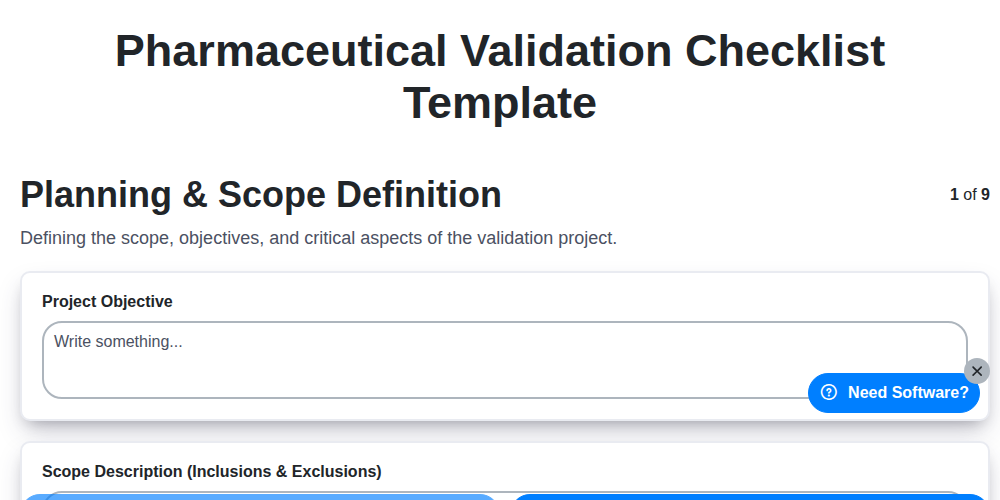
Pharmaceutical Validation Checklist Template: Your Guide to Compliance
Need help with
Pharmaceutical?
Have a question? We're here to help. Please submit your inquiry, and we'll respond promptly.