Pharmaceutical Training Records Checklist: A Comprehensive Guide
Published: 11/25/2025 Updated: 07/02/2026
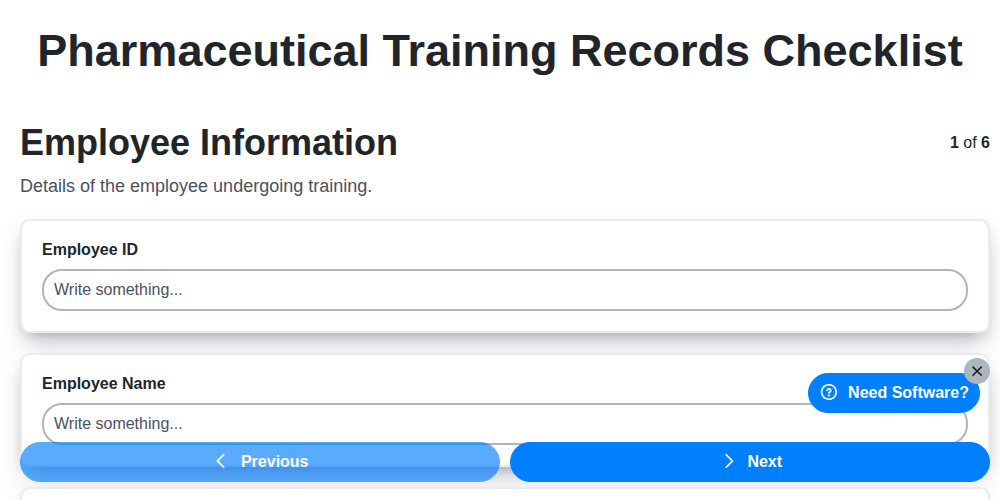
Table of Contents
- Why Pharmaceutical Training Records Matter
- Employee Information: The Foundation of Accurate Records
- Training Program Details: Defining the Scope
- Training Completion Verification: Ensuring Competency
- Documentation & Record Keeping: Best Practices for Compliance
- Review and Approval: A Critical Quality Control Step
- Periodic Review: Maintaining Relevance and Effectiveness
- Navigating Audits: Preparing for Scrutiny
- Resources & Links
TLDR: Pharma training records must be accurate & compliant! This checklist ensures you're covering all bases: employee details, training specifics, verification, proper documentation, approvals, and regular reviews. Use it to stay organized, reduce risk, and demonstrate adherence to regulations.
Why Pharmaceutical Training Records Matter
Pharmaceutical training records aren't just paperwork; they's the bedrock of patient safety, regulatory compliance, and operational efficiency. In the highly regulated pharmaceutical industry, meticulous record-keeping is paramount. These records demonstrate that employees possess the knowledge and skills necessary to perform their duties accurately and safely, minimizing the risk of errors that could impact product quality or patient health.
Beyond safeguarding patients, robust training records are essential for demonstrating adherence to stringent regulations like GMP (Good Manufacturing Practices), FDA guidelines, and other international standards. Failing to maintain accurate and readily accessible training documentation can lead to costly audits, warning letters, recalls, and even legal repercussions. Ultimately, comprehensive pharmaceutical training records are an investment in a strong, compliant, and trustworthy organization.
Employee Information: The Foundation of Accurate Records
Accurate and complete employee information is the bedrock of any robust pharmaceutical training records system. Without it, verifying training compliance and demonstrating due diligence becomes incredibly difficult, if not impossible. This section of your checklist focuses on ensuring this foundational data is consistently captured and maintained.
Here's what you need to include:
- Full Name: First, middle (if applicable), and last name.
- Employee ID: A unique identifier for each employee.
- Job Title/Role: Clearly define the employee's responsibilities, as training requirements often vary by role.
- Department: Specify the department the employee belongs to.
- Date of Hire: Crucial for tracking initial training completion and subsequent refresher periods.
- Supervisor/Manager: Identifies the individual responsible for the employee's performance and training.
- Contact Information: Up-to-date email address and phone number for communication.
Regularly update this information whenever an employee changes roles, departments, or contact details. A centralized employee database, integrated with your training management system, is highly recommended for streamlining this process and minimizing errors. This meticulous approach to employee data directly contributes to the overall integrity and defensibility of your pharmaceutical training records.
Training Program Details: Defining the Scope
Clearly defining the scope of your pharmaceutical training programs is paramount. This section of your training records checklist should meticulously detail what the training covers. Don't just state the training title; delve into specifics. For each program, document:
- Specific Topics Covered: List all modules, areas of instruction, and key concepts included. Be granular - Good Manufacturing Practices (GMP) isn't enough; specify "GMP - Equipment Cleaning Validation Procedures" or GMP - Batch Record Review."
- Learning Objectives: Outline precisely what trainees should know and be able to do upon completion. Use action verbs (e.g., Demonstrate, Explain, Apply).
- Applicable Regulations & Guidelines: Identify the specific regulatory requirements (e.g., FDA 21 CFR Part 11, EMA guidelines) and industry best practices addressed by the training.
- Target Audience: Clearly specify which roles or job functions require completion of this specific training program. This helps ensure appropriate training assignment and demonstrates regulatory compliance.
- Training Format: Note the delivery method - online, instructor-led, on-the-job training, or a combination.
- Training Duration: Record the total time required for the training, including any assessments or activities.
This level of detail not only provides a complete picture of the training but also facilitates audits and ensures consistent quality across all training programs.
Training Completion Verification: Ensuring Competency
Verifying training completion isn't just about ticking a box; it's about ensuring employees possess the knowledge and skills to perform their roles safely and effectively within a pharmaceutical setting. This section of your training records checklist focuses on demonstrating that competency.
Here's what your verification process should encompass:
- Assessment Methods: Clearly define how training effectiveness is assessed. This could include written exams, practical demonstrations, skills checklists, or a combination of methods. Ensure assessments are aligned with the learning objectives of the training program.
- Passing Scores & Criteria: Establish clear, documented passing scores for each assessment method. These should be consistently applied and communicated to trainees.
- Re-evaluation Procedures: Outline what happens when an employee fails to meet the required standards. A re-evaluation process, potentially with remedial training, should be implemented. This demonstrates a commitment to ensuring everyone meets the necessary competency level.
- Practical Observation: For hands-on training (e.g., equipment operation, aseptic technique), incorporate practical observation by a qualified trainer. Document the observation findings, noting areas of strength and any areas needing improvement.
- Sign-off/Attestation: Require a signed acknowledgement from both the trainee and the trainer verifying completion of the training and assessment. This provides a formal record of validation.
Ultimately, rigorous training completion verification establishes confidence in the skills and knowledge of your pharmaceutical workforce, contributing directly to product quality and patient safety.
Documentation & Record Keeping: Best Practices for Compliance
Robust documentation and record keeping are the bedrock of compliant pharmaceutical training. It's not enough to deliver the training; you must demonstrably prove that it occurred and that employees understood the material. Here's a breakdown of best practices:
- Standardized Templates: Implement standardized templates for training records. These should include clear fields for all required information (see checklist items above - employee details, program specifics, completion dates, etc.). Consistent formatting simplifies audits and reduces the risk of missing vital data.
- Secure Storage: Store training records securely, both physically and electronically. Electronic records should be password-protected, backed up regularly, and accessible only to authorized personnel. Physical records must be protected from damage, loss, or unauthorized access. Consider utilizing a Learning Management System (LMS) for efficient storage and tracking.
- Version Control: Maintain strict version control for training materials. Clearly indicate which version of the training was delivered and when. This is crucial for demonstrating that employees received the most current information.
- Retention Policy: Establish and adhere to a clear retention policy for training records, aligned with regulatory requirements (e.g., FDA guidelines, EU GMP). Document the policy itself and ensure consistent application.
- Audit Trail: Electronic records should include a full audit trail, logging who accessed, modified, or deleted records. This demonstrates accountability and helps identify any unauthorized changes.
- Accessibility: Records should be readily accessible to authorized personnel for review and audits. Clearly define roles and responsibilities for accessing and managing training records.
- Regular Checks: Conduct regular checks of training records to ensure accuracy, completeness, and consistency. Correct any discrepancies promptly and document the corrective actions taken.
Review and Approval: A Critical Quality Control Step
Simply completing training isn't enough. A robust pharmaceutical training program necessitates a formal review and approval process. This step serves as a crucial quality control measure, ensuring the training delivered aligns with regulatory requirements, company policies, and the specific job roles being addressed.
This review should encompass multiple layers. Initially, a subject matter expert (SME), independent of the training facilitator, should assess the training content for accuracy, relevance, and clarity. They should verify that the information is current, based on the latest guidelines and regulations (e.g., FDA, EMA, PIC/S).
Next, a designated manager or supervisor should review the training records, confirming that employees have successfully completed the training and demonstrate a level of competency appropriate for their roles. This might involve observing practical skills, reviewing assessments, or conducting brief knowledge checks.
Finally, a documented approval signature (physical or electronic) from the responsible manager or quality assurance personnel signifies that the training has been verified and accepted as fulfilling the required standards. This signature provides an audit trail and demonstrates accountability. Without this formal approval, training records remain incomplete and potentially compromise data integrity.
Periodic Review: Maintaining Relevance and Effectiveness
Training isn't a one and done event. Pharmaceutical regulations are constantly evolving, new therapies emerge, and best practices shift. A robust training program needs regular review to ensure it remains relevant, effective, and compliant.
This isn't just about ticking a box; it's about validating that your training is truly equipping employees with the knowledge and skills they need to perform their roles safely and effectively.
What should a Periodic Review entail?
- Regulatory Updates: Review the training content against current regulations (e.g., FDA, EMA, GMP guidelines). Have any changes necessitated revisions?
- Performance Evaluation: Analyze performance data linked to the training. Are there recurring errors or areas of concern that indicate a training gap?
- Feedback Collection: Actively solicit feedback from employees who have completed the training. What did they find helpful? What could be improved?
- Content Currency: Ensure content reflects current processes, equipment, and technologies. Outdated information can be detrimental.
- Assessment Validation: Verify that assessment methods (quizzes, practical demonstrations) accurately measure comprehension and competency.
- Frequency: Determine an appropriate review frequency (e.g., annually, bi-annually) based on the risk level associated with the training and the rate of regulatory change. Document the review schedule.
Documentation is Key: All periodic reviews, changes made, and rationale behind those changes must be documented. This provides an audit trail to demonstrate ongoing commitment to quality and compliance.
Navigating Audits: Preparing for Scrutiny
Pharmaceutical training records are a prime target during audits - whether internal or from regulatory bodies like the FDA. A robust and meticulously maintained training program isn't just about compliance; it's about demonstrating a commitment to quality and patient safety. Auditors will be looking for proof that your employees have the knowledge and skills required to perform their roles effectively and that this training is consistently up-to-date.
A comprehensive checklist, like the one we've detailed in this article, is your first line of defense. Don't view it as a bureaucratic burden; see it as a roadmap to demonstrating your organization's due diligence. During an audit, be prepared to readily present your checklist and supporting documentation. A disorganized or incomplete record creates doubt and invites further scrutiny. Having clear, verifiable evidence for each element - employee details, training specifics, completion confirmations, and review processes - is crucial. Proactive preparation and consistent adherence to your checklist significantly reduce audit stress and showcase your commitment to regulatory compliance. Remember, a well-prepared audit trail isn't just about passing an inspection; it's about reinforcing trust and protecting your organization's reputation.
Resources & Links
- U.S. Food and Drug Administration (FDA): The FDA's website is the primary resource for regulations, guidance documents, and information related to pharmaceutical manufacturing, quality, and training. Explore their cGMP regulations (21 CFR Parts 210 & 211) and related guidance for critical requirements.
- European Medicines Agency (EMA): Similar to the FDA, the EMA regulates medicines in Europe. Their website provides insights into European regulatory expectations and guidelines related to training and documentation.
- Pharmaceutical Research and Manufacturers of America (PhRMA): PhRMA represents the biopharmaceutical research industry and offers resources and perspectives on industry best practices, compliance, and training.
- International Society for Pharmaceutical Engineering (ISPE): ISPE is a global association providing resources, training, and best practices for pharmaceutical manufacturing and quality. They offer guidance documents and conferences relevant to training record management.
- American Society for Quality (ASQ): ASQ provides resources and training related to quality management, including principles applicable to pharmaceutical training program design and record keeping. Look for information on process improvement and auditing.
- GMP Compliance: A website offering compliance resources, training, and consultancy relating to GMP. It's useful for understanding current best practices and regulatory updates.
- Quality Assurance Magazine: Offers articles, webinars and resources related to quality assurance and compliance, often with specific focus on the pharmaceutical industry. It can provide valuable insights for staying current on industry trends.
- Certis: Certis is a leading provider of learning management system (LMS) and training management solutions, often used by pharmaceutical companies. While a commercial site, their website offers insights into best practices for electronic training record management and compliance.
- ComplianceWorld: Provides resources and training on various compliance topics, including pharmaceutical regulations. Often contains articles and reports relevant to maintaining robust training programs.
- Lexology: Lexology provides legal updates and analysis on pharmaceutical regulations globally. Helpful for staying informed about changing legal frameworks impacting training recordkeeping.
Frequently Asked Questions
What is a pharmaceutical training records checklist and why is it important?
A pharmaceutical training records checklist is a document used to ensure all required training for pharmaceutical professionals (e.g., pharmacists, technicians, manufacturing personnel) is completed, documented, and up-to-date. It's crucial for regulatory compliance, patient safety, product quality, and overall operational efficiency. It demonstrates due diligence and supports investigations if issues arise.
Who needs to use a pharmaceutical training records checklist?
Anyone involved in the pharmaceutical lifecycle - including pharmacists, pharmacy technicians, manufacturing staff, quality assurance personnel, research and development teams, and those involved in distribution - needs to have their training documented and tracked via a checklist. This applies to both regulated environments (e.g., manufacturing facilities) and non-regulated settings (e.g., community pharmacies).
What types of training should be included in a pharmaceutical training records checklist?
The specific training requirements will vary by role and regulations, but common examples include: Good Manufacturing Practice (GMP), Good Pharmacy Practice (GPP), sterile compounding, controlled substances handling, adverse event reporting, data integrity, cybersecurity, equipment operation, and specialized therapy areas (e.g., oncology, diabetes).
What are the potential consequences of not maintaining accurate and complete pharmaceutical training records?
Failure to maintain proper training records can lead to regulatory warnings, fines, product recalls, legal action, damage to reputation, and compromised patient safety. Audits will reveal deficiencies and could halt operations.
How often should pharmaceutical training records be reviewed and updated?
Training records should be reviewed regularly, at least annually, and whenever there are changes in regulations, processes, or personnel. Refresher training or updates may be required more frequently, especially for critical or high-risk areas.
What is the difference between training, competency assessment, and verification?
* **Training:** The process of imparting knowledge and skills. * **Competency Assessment:** Evaluating whether an individual has acquired the necessary skills and knowledge after training. * **Verification:** Ensuring the assessment was administered correctly and the results are accurate and reliable.
What are best practices for storing and managing pharmaceutical training records?
Records should be stored securely, either in a dedicated physical location or a secure electronic system. They should be easily accessible, clearly organized, and backed up regularly. Access controls should be implemented to limit who can view and modify records.
Can I use a simple spreadsheet to track pharmaceutical training records?
While a spreadsheet might be suitable for very small operations, a dedicated learning management system (LMS) or specialized training record software is generally recommended for larger organizations. These systems offer better tracking, reporting, and automation capabilities.
What role does a Learning Management System (LMS) play in pharmaceutical training recordkeeping?
An LMS centralizes training delivery, tracking, and reporting. It automates tasks like assigning training, tracking progress, generating reports, and managing certification dates, significantly streamlining the recordkeeping process.
How do I ensure the training records are auditable and defensible?
Maintain accurate records of training dates, content, assessment results, and trainer credentials. Implement robust change control processes for any modifications to training materials or procedures. Ensure records are accessible and readily available for audit purposes.
Comments
There are no comments yet. Be the first to add one!
Pharmaceutical Management Solution Demo
Navigating complex regulations and ensuring quality in pharmaceutical manufacturing? ChecklistGuro's Work OS platform streamlines processes from R&D to production, packaging, and distribution. Maintain compliance, improve efficiency, and reduce risk. Discover how ChecklistGuro can transform your pharmaceutical operations!
Related Articles
Ensuring Quality: A Pharmaceutical Compound Record Review Checklist Guide
Pharmaceutical Labeling Compliance Checklist: Your Step-by-Step Guide
Mastering Medication Management: Your Pharmaceutical Inventory Compliance Checklist Template
Navigating Adverse Event Reporting: Your Pharmaceutical Checklist Guide
Pharmaceutical Inventory Management Checklist: Your Guide to Compliance & Accuracy
Your Essential GLP Checklist Template: A Practical Guide
Your Pharmaceutical Development Checklist: A Template for Success
Pharmaceutical Validation Checklist Template: Your Guide to Compliance
Need help with
Pharmaceutical?
Have a question? We're here to help. Please submit your inquiry, and we'll respond promptly.