Ensuring Product Integrity: Your Pharmaceutical Transport Validation Checklist Guide
Published: 11/25/2025 Updated: 07/02/2026
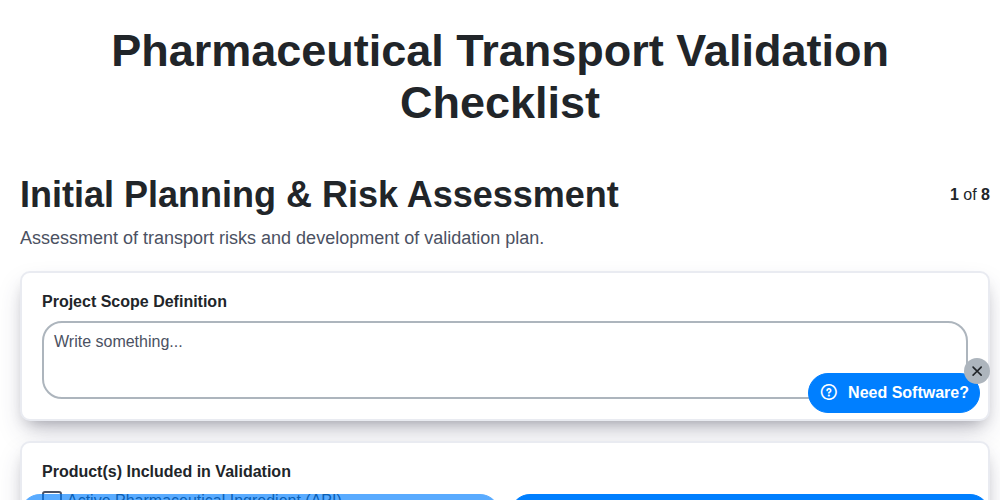
Table of Contents
- Why Pharmaceutical Transport Validation Matters
- 1. Initial Planning & Risk Assessment: Laying the Foundation
- 2. Packaging System Evaluation: Protecting Your Product
- 3. Temperature Monitoring Equipment Qualification: Ensuring Accurate Data
- 4. Simulated Transport Runs (Phase 1): Baseline Performance
- 5. Simulated Transport Runs (Phase 2): Stress Testing and Deviation Scenarios
- 6. Data Analysis & Reporting: Documenting the Journey
- 7. Corrective Actions & Verification: Addressing Potential Issues
- 8. Periodic Review & Revalidation: Maintaining Compliance
- 9. Key Considerations and Best Practices
- Resources & Links
TLDR: Shipping pharmaceuticals? Don't risk product spoilage! This checklist guide breaks down the critical steps - from initial planning & risk assessment to temperature monitoring & deviation testing - to validate your transport process and guarantee your medication arrives safe and effective. It's your roadmap to regulatory compliance and patient safety.
Why Pharmaceutical Transport Validation Matters
Pharmaceutical products, particularly biologics and vaccines, are often highly sensitive to environmental factors like temperature, humidity, and light. A slight deviation from the required conditions during transit can compromise their efficacy and safety, potentially leading to patient harm, product recalls, and significant financial losses for manufacturers. Transport validation isn't just about ticking a box; it's a critical element of quality assurance. It provides documented evidence that the chosen transport system consistently and reliably maintains product quality throughout the entire journey - from manufacturing facility to patient. Without robust validation, you risk product degradation, regulatory scrutiny, and ultimately, a loss of public trust. Essentially, it's your assurance that the medication reaching the patient is the same high-quality product that left the facility.
1. Initial Planning & Risk Assessment: Laying the Foundation
Validation of pharmaceutical transport isn't just about tracking temperature; it's about systematically ensuring the integrity of your product throughout the entire journey. This all begins with thorough initial planning and a comprehensive risk assessment.
This initial phase establishes the framework for the entire validation process. It's crucial to define the scope - what products are being transported, where are they going, and what are the critical quality attributes (CQAs) that must be maintained?
A robust risk assessment should identify potential hazards at each stage of the transport chain. Consider factors like:
- Ambient Conditions: Extreme temperatures, humidity, and direct sunlight.
- Handling & Transit: Potential for rough handling, shocks, and vibrations.
- Equipment Malfunctions: Potential failures of temperature control units, data loggers, or packaging components.
- Human Error: Mistakes in loading, unloading, or data recording.
- Security Risks: Potential for theft or tampering.
This risk assessment should utilize tools like Failure Mode and Effects Analysis (FMEA) or Hazard Analysis and Critical Control Points (HACCP) to prioritize risks based on severity and likelihood. The findings from this assessment directly inform the subsequent phases of the validation, dictating the rigor of packaging selection, monitoring requirements, and the complexity of simulated transport runs. Documenting this assessment is vital for traceability and future review. Without a solid foundation of initial planning and risk assessment, you risk gaps in your validation process and potentially compromise the quality of your pharmaceutical product.
2. Packaging System Evaluation: Protecting Your Product
The integrity of pharmaceutical products hinges on maintaining their quality attributes throughout the entire transport chain. A robust packaging system evaluation is a critical first step in validating your transport process. This isn't just about selecting a box; it's a rigorous assessment to ensure the packaging actively protects your product from the environmental stressors it will encounter.
This evaluation should encompass several key areas:
- Material Suitability: Verify that the packaging materials are compatible with the drug product. This includes considering factors like potential chemical reactions, permeation, adsorption, and degradation. Conduct compatibility studies where necessary.
- Protection Against Physical Damage: Assess the packaging's ability to withstand impacts, compression, vibration, and other physical stresses. This involves drop tests, compression tests, and vibration simulations, performed according to established protocols (e.g., ISTA procedures).
- Temperature and Humidity Control: Evaluate the packaging's insulation properties and its ability to maintain the required temperature range. This is especially critical for temperature-sensitive products. Consider the impact of humidity and any moisture-barrier capabilities.
- Tamper Evidence: Does the packaging provide adequate tamper evidence to ensure product security and prevent unauthorized access?
- Documentation: Maintain detailed records of the packaging selection process, including justification for material choices, test results, and any deviations from established criteria.
The goal is to confidently demonstrate that your chosen packaging system consistently protects the product from degradation and maintains its quality throughout the validated transport conditions. This evaluation forms the foundation for a successful and reliable pharmaceutical transport validation program.
3. Temperature Monitoring Equipment Qualification: Ensuring Accurate Data
Accurate temperature data is the bedrock of pharmaceutical transport validation. Without it, you can't be confident that your product's integrity has been maintained. Temperature monitoring equipment qualification is a critical step, extending beyond simply choosing a thermometer. It's a rigorous process to ensure the equipment consistently and reliably records temperatures within the required range and with the necessary accuracy.
This qualification involves several key actions:
- Equipment Selection: Carefully select equipment suitable for the temperature range and duration of your transport routes. Consider factors like battery life, data logging capabilities, and alarm functionality.
- Calibration Verification: Establish traceability to national or international standards by verifying the equipment's calibration against certified reference standards. Document the calibration process, including dates, standards used, and any adjustments made.
- Accuracy & Precision Testing: Conduct tests to determine the equipment's accuracy and precision under simulated transport conditions. This includes assessing how the equipment performs at various temperatures and orientations.
- Data Logging Review: Validate the data logging functionality, including ensuring the timestamps are accurate and that data is stored correctly and can be retrieved reliably.
- Alarm Functionality Testing: Verify that temperature excursion alarms function correctly and trigger as expected, providing immediate alerts when pre-defined limits are breached.
- Documentation: Thoroughly document all qualification activities, including equipment details, calibration records, test results, and any deviations observed.
Maintaining accurate records and performing periodic re-qualification are vital to ensure continued reliability and compliance throughout the validation lifecycle.
4. Simulated Transport Runs (Phase 1): Baseline Performance
The first phase of simulated transport runs focuses on establishing a baseline understanding of your shipping system's performance under ideal conditions. This isn't about throwing in curveballs - it's about observing how your validated packaging and temperature monitoring systems behave when everything should go right.
These runs serve a crucial purpose: to provide a benchmark against which you'll compare the results of Phase 2's deviation scenarios. Without this baseline, identifying and interpreting the impact of deviations becomes significantly more difficult.
Here's what a Phase 1 run typically involves:
- Route Selection: Choose a representative route that mimics your typical shipping lanes. Consider factors like distance, estimated transit time, and common carriers used.
- Controlled Conditions: Aim for relatively stable environmental conditions during these runs. Avoid known weather extremes or periods of high traffic congestion if possible.
- Representative Product: Use a representative product (or a surrogate if the actual product isn't suitable) packaged in the validated container and equipped with qualified temperature monitoring devices.
- Data Recording: Meticulously record temperature data at pre-defined intervals throughout the transport. Document any observations regarding the packaging's integrity, handling, and overall condition.
- Multiple Runs: Conduct multiple runs (typically 3-5) to ensure the data represents a consistent performance profile.
The results from these Phase 1 runs will provide you with key data points, including:
- Average temperature excursion profiles.
- Maximum and minimum temperatures recorded.
- Stability of the temperature monitoring equipment.
- Overall system performance within acceptable limits.
This solid foundation allows you to confidently progress to Phase 2, knowing exactly what normal looks like.
5. Simulated Transport Runs (Phase 2): Stress Testing and Deviation Scenarios
Phase 1 established baseline performance. Now, Phase 2 pushes the system to its limits. This phase is critical for identifying vulnerabilities and ensuring robustness under unexpected circumstances. We intentionally introduce deviations from the established plan to mimic real-world challenges.
These scenarios might include:
- Temperature Excursions: Simulating delays leading to temperatures exceeding or falling below acceptable ranges. This includes both short-term and prolonged deviations.
- Mechanical Shocks & Vibrations: Replicating impacts from rough handling, loading, and transportation via various modes (truck, air, rail).
- Humidity Challenges: Introducing high humidity conditions to assess packaging system integrity and potential impact on product stability.
- Delayed Delivery: Mimicking transit delays to observe the system's performance under extended durations.
- Orientation Changes: Testing the effect of various package orientations during transport.
During these tests, meticulous data logging remains paramount. Record temperature, humidity, shock/vibration levels, and any observed issues with the packaging. Detailed observations of package integrity - looking for leaks, damage, or compromised seals - are also essential. This stress testing reveals weaknesses that need to be addressed to build a truly validated transport system.
6. Data Analysis & Reporting: Documenting the Journey
Validation isn't just about doing the transport runs; it's about rigorously analyzing the data generated and documenting the entire process. This phase forms the backbone of your validation report and provides irrefutable evidence of your transport system's reliability.
The data collected during temperature monitoring, humidity levels, and other relevant parameters from both Phase 1 and Phase 2 runs needs to be meticulously reviewed. Key areas of focus include:
- Temperature Excursions: Identifying any instances where temperature deviated from the pre-defined acceptable range. How long did the excursion last? How significant was the deviation?
- Trend Analysis: Examining data for patterns or trends that may indicate a systemic issue with the packaging system or transport process.
- Data Integrity: Verifying data accuracy and traceability. Were the data points reliable and consistent?
- Packaging Performance: Assessing the packaging system's effectiveness in maintaining the product's integrity throughout the simulated journey.
This analysis should be comprehensive and presented clearly in your validation report. Tables, graphs, and visual representations can be invaluable for illustrating trends and highlighting key findings. The report needs to not only present the data but also provide a clear interpretation of what it means in terms of product quality and regulatory compliance. Include detailed records of all equipment used, personnel involved, and any observations made during the transport runs. The ultimate goal is to create a defensible record that demonstrates consistent performance within pre-defined parameters.
7. Corrective Actions & Verification: Addressing Potential Issues
The validation process isn't just about proving things work; it's about identifying and rectifying potential problems. Following the data analysis and reporting phase, any deviations from established acceptance criteria must trigger a thorough corrective action process. This isn't a blame game; it's a learning opportunity to strengthen your transport system.
What constitutes a corrective action? This could range from recalibrating temperature monitoring devices to modifying packaging materials, adjusting transport routes, or retraining personnel. Each corrective action must be documented, outlining the identified issue, the proposed solution, the rationale behind the solution, and who is responsible for its implementation.
Crucially, verification is the next vital step. This isn't merely checking the action was performed; it's proving the corrective action resolved the original issue and didn't introduce new problems. Repeat simulated transport runs, focusing on the areas where the deviation occurred. Data from these verification runs should be meticulously compared to the original acceptance criteria.
A documented approval from a designated reviewer (e.g., Quality Assurance) is essential to confirm the effectiveness of the corrective action and to clear the validation process to continue. This ensures a robust and reliable pharmaceutical transport system, maintaining product integrity and patient safety. Remember, ongoing vigilance and a proactive approach to addressing deviations are key to a successful validation program.
8. Periodic Review & Revalidation: Maintaining Compliance
Validation isn't a one-and-done activity. Pharmaceutical transport is a dynamic process, subject to changes in regulations, carrier performance, packaging technology, and even environmental factors. A robust periodic review and revalidation program is critical for maintaining ongoing compliance and ensuring product integrity.
This review should occur at defined intervals, typically annually or as dictated by risk assessment. It involves a thorough examination of all aspects of the validated transport process, including:
- Reviewing Documentation: Examining original validation reports, standard operating procedures (SOPs), and any changes implemented since the last review.
- Assessing Carrier Performance: Analyzing carrier temperature logs, incident reports, and communication records to identify trends and potential areas for improvement.
- Evaluating Equipment Performance: Checking the calibration and maintenance records of temperature monitoring equipment and packaging systems.
- Assessing Changes: Identifying any changes to the validated transport process, such as new routes, carriers, or packaging materials. Each change requires a risk assessment and, potentially, revalidation.
- Analyzing Deviation History: Reviewing past deviations and corrective actions to identify recurring issues and address their root causes.
Revalidation may be necessary if significant changes occur or if the periodic review reveals a breakdown in the validated process. This could involve repeating portions of the original validation, such as simulated transport runs, or performing a targeted assessment of specific areas of concern. The rationale for any revalidation activities, along with the results, should be meticulously documented. Ultimately, a consistent and documented periodic review and revalidation process demonstrates a commitment to quality and proactive risk mitigation.
9. Key Considerations and Best Practices
Successfully validating pharmaceutical transport isn't just about ticking boxes; it's about establishing a robust and reliable system that consistently protects product integrity. Here's a breakdown of crucial considerations and best practices to elevate your validation efforts:
- Documentation is Paramount: Meticulous record-keeping is non-negotiable. Document everything: initial planning, risk assessments, equipment qualification, test protocols, raw data, analysis, deviations, corrective actions, and revalidation activities. This provides an audit trail and demonstrates due diligence.
- Understand Your Product's Specific Needs: Not all pharmaceuticals are created equal. Factors like potency, formulation, and stability profiles dictate specific temperature and humidity requirements. Tailor your validation plan accordingly.
- Supplier Management: Your transport provider is a critical partner. Ensure they have a robust quality system, understand your requirements, and provide verifiable data from their services. Regular audits of their processes are highly recommended.
- Control of Change: Implement a robust change control process. Any modifications to the transport system (e.g., new packaging, different routes, new vehicles) trigger re-evaluation and potential revalidation.
- Training: All personnel involved in the transport process - from initial planning to execution and data analysis - require adequate training. They must understand their roles and responsibilities.
- Real-World Conditions: While simulated runs are essential, consider incorporating elements of real-world variability. This might include simulating traffic delays, extreme weather conditions (within reasonable limits), and different handler practices.
- Continuous Improvement: Validation isn't a one-time event. Regularly review your processes and data to identify opportunities for improvement and proactively address potential risks.
Resources & Links
- United States Pharmacopeia (USP): USP provides standards for pharmaceutical ingredients, dosage forms, and packaging. Their standards are crucial for ensuring product quality and integrity throughout the supply chain, including transport. Explore their resources on Good Manufacturing Practices (GMP) and controlled environments.
- U.S. Food and Drug Administration (FDA): The FDA regulates pharmaceutical products in the United States. Their website contains guidance documents, regulations, and enforcement actions related to pharmaceutical quality and supply chain security. Look for information on 21 CFR Part 11 and other relevant guidelines.
- European Medicines Agency (EMA): If your product is distributed in Europe, the EMA's guidelines on Good Distribution Practice (GDP) are essential. They provide a framework for ensuring the quality and integrity of medicinal products throughout the distribution network.
- International Safe Transit Association (ISPM): ISPM focuses on the international movement of wood packaging materials. While not directly pharmaceutical-focused, understanding their standards is crucial if your product is shipped in wooden crates or pallets, preventing the spread of pests and maintaining product integrity.
- American Society of Heating, Refrigerating and Air-Conditioning Engineers (ASHRAE): ASHRAE provides standards related to environmental control and HVAC systems. Important for maintaining temperature-controlled environments during transport and warehousing.
- BioMark Europe: BioMark Europe provides cold chain packaging and monitoring solutions. Their website contains information on temperature-controlled packaging and monitoring technologies relevant to pharmaceutical transport validation.
- CSA Group: CSA Group provides a variety of validation services including transport validation. Their site has information about the process and related standards.
- ThermoTek: ThermoTek offers controlled temperature shipping solutions and qualification services. Offers case studies and technical resources on temperature-controlled transport.
- Validation Tech: Validation Tech is a provider of validation services for the pharmaceutical industry. They provide information related to transport validation and data logging.
- Tempro: Tempro provides temperature monitoring solutions, and may offer valuable insights and expertise for qualification processes.
- Carrier: Carrier offers temperature-controlled transportation solutions, useful for understanding options for controlled shipment and potential qualification factors.
- Cold Chain Solutions: Provides data loggers and controlled temperature shipment solutions, and may have resources on qualification and transport validation.
Frequently Asked Questions
What is pharmaceutical transport validation and why is it important?
Pharmaceutical transport validation is the documented evidence that a specific transport system consistently protects the quality and integrity of pharmaceutical products throughout the entire transportation process. It's crucial because temperature excursions, humidity fluctuations, and other environmental factors can degrade drug quality, impacting efficacy and patient safety, and potentially leading to recalls and regulatory scrutiny.
What does 'product integrity' refer to in the context of pharmaceutical transport?
Product integrity encompasses maintaining the drug's physical, chemical, microbiological, and therapeutic properties during transport. This includes ensuring correct temperature, humidity, light exposure, and protection from physical damage (e.g., breakage, contamination).
Who is responsible for pharmaceutical transport validation?
Responsibility is shared. It typically involves the pharmaceutical manufacturer, logistics providers (carriers), and potentially distributors. Clear roles and responsibilities should be defined and documented as part of the validation process.
What are the key elements of a pharmaceutical transport validation checklist?
A comprehensive checklist should include areas like: defining critical quality attributes (CQAs) and critical control points (CCPs), selecting appropriate temperature monitoring devices, defining acceptable temperature ranges and excursion limits, validating packaging solutions, risk assessment documentation, SOPs for transport handling, and a system for corrective actions and deviations.
What types of temperature monitoring devices should be used, and how frequently should readings be taken?
Acceptable devices include data loggers, temperature sensors, and real-time monitoring systems. Frequency of readings depends on the product's sensitivity and transport duration; generally, readings every 1-2 hours are recommended, but may need to be more frequent for highly sensitive products or long durations.
What should be done in the event of a temperature excursion during transport?
A documented deviation report must be created, including details of the excursion (time, duration, temperature), affected product, and corrective actions taken. An investigation should determine the root cause and implement preventative measures. The product's quality should be assessed to determine if it remains viable.
How often should pharmaceutical transport validation be revalidated?
Revalidation should occur periodically (e.g., every 1-3 years), after any significant changes to the transport process (e.g., route changes, new carriers, new packaging), and after any major deviation or excursion. Regulatory guidance often recommends a risk-based approach.
What regulatory guidelines govern pharmaceutical transport validation?
Key regulations include Good Distribution Practices (GDP) guidelines from organizations like the World Health Organization (WHO) and the European Medicines Agency (EMA), as well as specific requirements from the FDA (in the US) and other national authorities. Following ICH Q10 is also recommended.
Can I use a generic transport validation checklist? Why is a customized approach important?
While generic checklists can be a starting point, a customized approach is essential. Each pharmaceutical product and transport route has unique characteristics and risks that must be addressed specifically. A tailored approach demonstrates a thorough understanding of the process and regulatory compliance.
What's the difference between qualification and validation in the context of pharmaceutical transport?
Qualification demonstrates that equipment and systems (like temperature monitoring devices) are suitable for their intended purpose. Validation demonstrates that the entire transport process consistently delivers the desired results, maintaining product integrity.
Comments
There are no comments yet. Be the first to add one!
Pharmaceutical Management Solution Demo
Navigating complex regulations and ensuring quality in pharmaceutical manufacturing? ChecklistGuro's Work OS platform streamlines processes from R&D to production, packaging, and distribution. Maintain compliance, improve efficiency, and reduce risk. Discover how ChecklistGuro can transform your pharmaceutical operations!
Related Articles
Ensuring Quality: A Pharmaceutical Compound Record Review Checklist Guide
Pharmaceutical Labeling Compliance Checklist: Your Step-by-Step Guide
Mastering Medication Management: Your Pharmaceutical Inventory Compliance Checklist Template
Navigating Adverse Event Reporting: Your Pharmaceutical Checklist Guide
Pharmaceutical Inventory Management Checklist: Your Guide to Compliance & Accuracy
Your Essential GLP Checklist Template: A Practical Guide
Your Pharmaceutical Development Checklist: A Template for Success
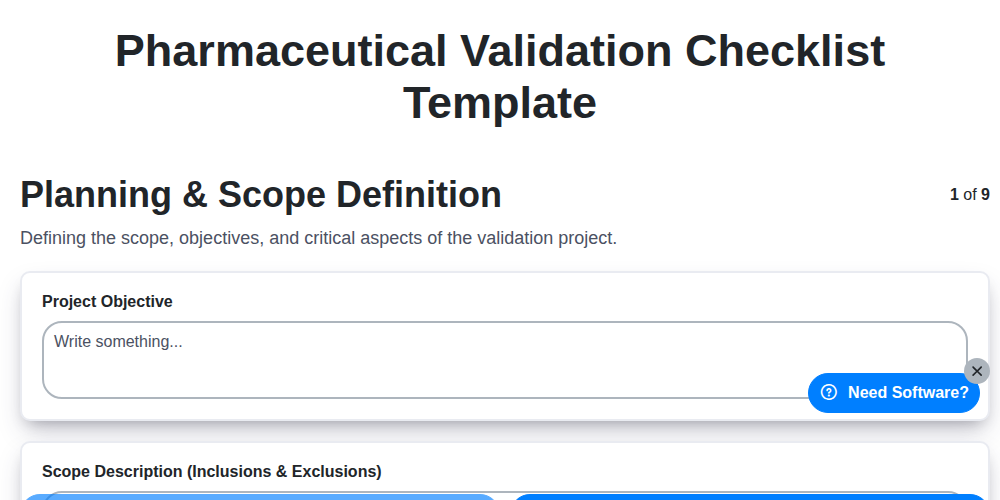
Pharmaceutical Validation Checklist Template: Your Guide to Compliance
Need help with
Pharmaceutical?
Have a question? We're here to help. Please submit your inquiry, and we'll respond promptly.